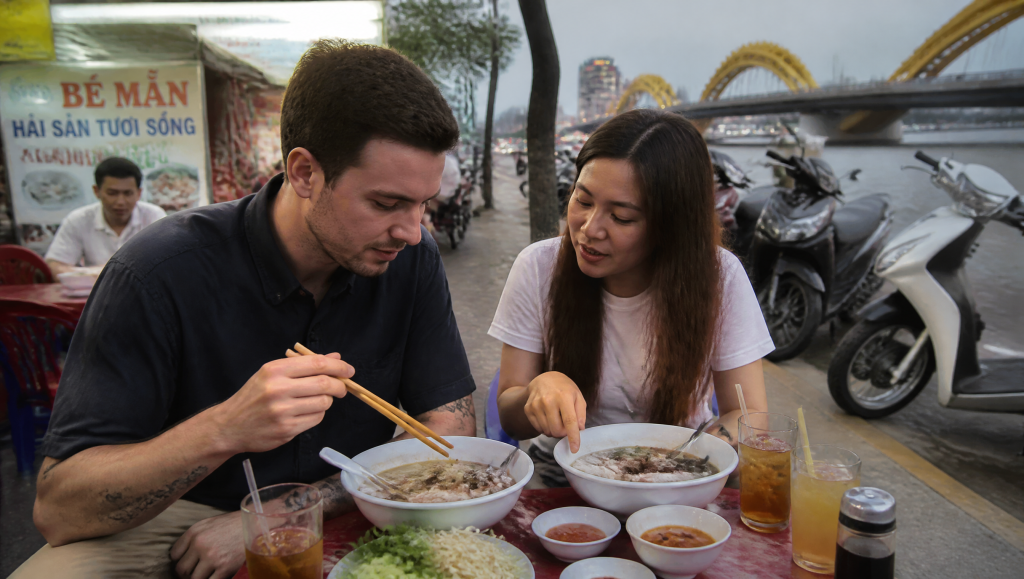
Da Nang food guide starts with one simple rule: eat where the locals queue, not where the menus look polished for tourists. If you want the real city on a plate, the fix is knowing which streets, markets, and small shops serve the bowls and snacks people actually return for. That saves time, keeps your budget sane, and helps you skip the bland stuff.
This Da Nang food guide is built for adventurous travelers who want seafood, noodle soups, and street-side bites without the guesswork. A good first move is to target the city’s busiest food lanes early, then compare prices and freshness before you order. For a broader trip-planning base, you can also browse Vietnam Crazy Tour’s travel ideas while mapping your meals around beach time and evening walks.

What Makes Da Nang Food Worth Exploring
Da Nang food guide is the fastest way to turn a simple city break into a real local adventure. Da Nang looks relaxed on the surface, but its food scene is where the city shows its full personality: coastal seafood, humble noodle shops, late-night snacks, and coffee spots packed with everyday life. If you want to eat like a traveler with taste, not just follow tourist maps, this chapter gives you the right starting point.
For first-time visitors, the challenge is not finding food, but knowing what is worth your stomach space. The good news is that Da Nang is easy to read once you understand its rhythm: fresh from the sea, quick on the street, and deeply tied to Central Vietnam. A smart local Vietnam tour list can help you pair food stops with the city’s best neighborhoods, especially if you travel solo, as a couple, or with family.
Da Nang’s food identity is coastal, casual, and full of local flavor. That means meals are often simple in presentation but strong in taste. You will see this in dishes like bún chả cá, mì Quảng, bánh xèo, fresh seafood, and sweet drinks eaten in places where locals actually gather. The key insight is that the city does not try to impress with fine dining first. It wins you over through freshness, speed, and everyday comfort.
| Tiêu chí | Cột 1 | Cột 2 | Cột 3 |
|---|---|---|---|
| Best for | Seafood and noodles | Street snacks | Relaxed local cafes |
| Traveler fit | Couples and families | Solo and adventurous travelers | Anyone needing a slow break |
Real examples make the city easier to understand. A breakfast bowl of noodles near a busy intersection feels completely different from a grilled seafood dinner by the beach, yet both are equally Da Nang. That mix is why many visitors feel comfortable exploring here. You do not need a luxury budget or deep language skills, only a little curiosity and a clear plan.
When and why travelers need a Da Nang food guide becomes obvious once they arrive hungry and time-limited. With so many small shops, local specialties, and neighborhood differences, a guide saves you from random choices and helps you focus on the meals that matter. For a softer travel-planning path, you can also browse Vietnam Crazy Tour homepage for ideas that connect food, culture, and easy city movement.
Featured snippet: Da Nang is worth exploring for food because it blends coastal seafood, Central Vietnamese noodle culture, and everyday street dining in one compact city. A good Da Nang food guide helps travelers choose local specialties, eat safely, and save time by focusing on dishes and neighborhoods that match their style.
Soft CTA: If you want your Da Nang food trip to feel local without getting complicated, start with a simple route, one breakfast, one lunch, and one evening seafood stop. That is usually enough to understand why the city hooks food lovers so fast.
Strong CTA: For travelers who want more than random restaurant hopping, build your next stop around a curated route and let the city’s food lead the day. Da Nang rewards the curious, and the best meals are often found where local life is already moving.
How to Eat Your Way Through Da Nang Food Like a Local
Da Nang food guide travelers need one simple rule: follow the places where locals actually eat, not where the signs look the prettiest. In this city, the best bowls, grills, and crispy pancakes are usually found in wet markets, tiny sidewalk stalls, and family-run specialty shops that open early and sell out fast.
If you are traveling solo, as a couple, or with family, the local food scene is easy to crack once you know the rhythm. Start with breakfast noodles, move to a late lunch stall, then finish with seafood by the beach. For a broader Vietnam trip plan, browse all Vietnam tours and compare the food-heavy routes with your own pace.
Featured snippet: Eat Da Nang like a local by visiting a market for breakfast, a street stall for lunch, and a seafood place for dinner. Look for Mi Quang, Bun Cha Ca, Banh Xeo, and fresh shellfish. Choose busy spots, watch the turnover, and order what the locals are lining up for.
The easiest routine is simple and very local: market in the morning, stall at midday, specialty shop after dark. At Chợ Cồn or Chợ Hàn, you will see bowls of mi Quang and bun cha ca moving fast, which is a good sign the kitchen is fresh. A small menu, plastic stools, and constant movement usually mean the food is serious, not fancy.
Quick decision guide:
| Tiêu chí | Street stall | Specialty shop | Seafood restaurant |
|---|---|---|---|
| Best for | Fast breakfast and lunch | One signature dish done well | Shared dinner with choices |
| What to watch | Queue, steam, turnover | Local repeat customers | Live tanks, clear pricing |
For the signature dishes, start with mi Quang for a central Vietnam noodle fix, bun cha ca for a light fish cake broth, and banh xeo when you want something crisp and social. Then finish with seafood picked from live tanks, because Da Nang’s coast makes that meal the city’s strongest flex. If you want a local-style, low-stress food day, this is the exact order to follow.
Soft CTA: If you like adventurous trips that mix food and neighborhood energy, see what Vietnam Crazy Tour can add to your Da Nang plan.
Mi Quang is the cleanest local benchmark. It looks simple, but the balance is everything: turmeric noodles, herbs, rice cracker, and a little broth that ties the bowl together without drowning it. Bun cha ca feels lighter and more coastal, making it a smart pick if you want breakfast or an easy lunch. Banh xeo is the opposite mood, crispy and loud, perfect for sharing at a crowded table.
Seafood deserves its own stop because the best places let you choose directly from the tank. Ask for clams, squid, crab, or oysters, then keep the seasoning basic so the freshness stays in front. That is the mini insight most first-time visitors miss: in Da Nang, the best food is not about decoration, it is about speed, smell, and repeat customers.
Strong CTA: Eat the city the local way, book your Da Nang food-focused trip with Vietnam Crazy Tour, and turn one meal stop into a full local experience with the right pace, the right neighborhoods, and the right table.
Best Da Nang Food Experiences for First-Time Visitors
Da Nang food guide is the fastest way to understand the city beyond beaches and bridges. If you are a first-time visitor, the real challenge is not finding food, it is knowing which bowls, stalls, and streets actually deliver the local experience without wasting a meal on tourist traps.
For adventurous solo travelers, couples, and families, the sweet spot is simple: choose dishes that locals eat daily, then pair them with places that stay busy after office hours. That is how you get flavor, atmosphere, and a better read on the city in one evening.
Featured snippet: Start with three things in Da Nang: one signature noodle bowl, one crispy street snack, and one seafood meal by the coast. Then move through local markets or old food streets at peak dinner hours, when turnover is high and the food is freshest.
Must-Try Local Dishes and What Makes Each One Special
Da Nang is famous for food that feels direct, fresh, and easy to love. The city does not rely on heavy seasoning to impress. Instead, it uses broth, herbs, texture, and balance. That is why many travelers remember their first bite of mi Quang or bun cha ca more than a fancy restaurant meal.
The short list worth prioritizing is practical: mi Quang for a dry noodle bowl with rich toppings, bun cha ca for a light fish-cake soup, banh xeo for crisp crepes you wrap yourself, and bun mam or seafood if you want a stronger coastal punch. Each dish shows a different side of the local table.
- Mi Quang: best for lunch, filling but not too heavy
- Bun cha ca: clean broth, great for a gentle first meal
- Banh xeo: interactive, fun for couples and families
- Seafood: ideal for a bigger dinner with live tanks and beach air
A smart first-timer move is to order one signature dish and one shared side, then compare flavors across stalls. That approach keeps the meal light enough to continue exploring, which matters when you are building a full Vietnam food adventure around the city.
| Tiêu chí | Cột 1 | Cột 2 | Cột 3 |
|---|---|---|---|
| Best first order | Mi Quang | Bun cha ca | Banh xeo |
| Why it works | Balanced and iconic | Light and local | Crunchy and social |
Mini insight: the most memorable Da Nang meals often come from places with a short menu and fast turnover. When a shop focuses on one or two specialties, the flavor is usually sharper and the service moves faster, which is exactly what you want on a tight travel day.
Popular Food Areas, Markets, and Street Corners to Prioritize
If you want the city to feel local, do not eat only around the beach hotel zone. The better Da Nang food guide strategy is to follow where residents actually stop after work, especially in busy streets near the center and market areas. Those spots usually give you lower prices, fresher cooking, and better people watching.
Start with Cho Bac My An for snacks and sweet treats, then move to Nguyen Chi Thanh or Le Dinh Duong for well-known noodle shops. In the evening, beachside seafood streets and packed local corners near Pham Hong Thai can be excellent for a second meal, especially if you want a more lived-in atmosphere. If you enjoy guided local discovery, Vietnam Crazy Tour can help you turn a food stop into a broader city experience.
Use this quick filter before you sit down:
- Look for a full room or steady local foot traffic
- Check if the menu is short and specific
- Choose live seafood tanks only if the pricing is clear
- Visit markets early evening for the best snack rhythm
Soft CTA: If you are planning more than one meal stop, build a route that combines food with a short walk or local market visit. That is the easiest way to keep the day exciting without overplanning.
For travelers who want a stronger cultural angle beyond food, some visitors also pair dinner with a local belief or neighborhood walk, especially through ghost culture stories that reveal how people connect daily life with tradition. It is a subtle way to make the evening feel deeper, not just delicious.
Strong CTA: For first-time visitors, the best Da Nang food experiences are the ones that feel active, local, and easy to trust. Pick one signature dish, one busy market area, and one night street, then keep moving. That is how you taste the city properly and leave with stories worth repeating.

How to Choose the Right Da Nang Food Spots
Da Nang food guide travelers need is not just about finding the tastiest bowl or the busiest beach road. It is about choosing a spot that fits your mood, your appetite, and your comfort level. In Da Nang, the best meals often come from places that look simple, feel local, and move fast enough to keep the food fresh.
If you are traveling solo, as a couple, or with family, the smartest move is to match the venue to the experience you want. Street stalls deliver energy, seafood restaurants bring variety and scale, while local cafes slow everything down. A good Da Nang food guide helps you avoid overpaying, waiting too long, or ending up in a place built for tourists, not real flavor.
Featured snippet: Choose Da Nang food spots by checking the style of place, the freshness of ingredients, the crowd level, and whether the menu is easy to understand. Street food is best for speed and local flavor, seafood restaurants suit shared meals and live tanks, and local cafes are ideal for coffee breaks and light bites.
Vietnam Crazy Tour home can help travelers turn food hunting into a smoother local-style day, especially when you want smart stops instead of random guesses.
Street food, seafood restaurants, and local cafes each solve a different travel need. Street food is usually the fastest and cheapest, with dishes like mi Quang or banh mi served fresh to order. Seafood spots work best when you want a bigger sit-down meal, often with live tanks and printed prices by weight. Local cafes are the reset button, perfect for iced coffee, avocado ice cream, or a short break between beach and market time.
Mini insight: the right place is not always the fanciest one, but the one with the clearest purpose. If the dining room is full of locals and the kitchen moves quickly, that is usually a strong signal. If you want to explore beyond eating and see more local life, Vietnam Crazy Tour experiences can pair well with food stops across the city.
| Tiêu chí | Street Food | Seafood Restaurant | Local Cafe |
|---|---|---|---|
| Best for | Fast local bites | Shared seafood meals | Coffee and dessert breaks |
| Watch for | Clean prep and turnover | Live tanks and fair pricing | Menu clarity and service speed |
Before you order, check freshness, crowd level, and menu clarity. Fresh seafood should look firm, smell clean, and move from tank to kitchen without delay. A steady crowd is often a good sign because it means ingredients are turning over. Menu clarity matters too, especially for first-time visitors, because photos, prices, and portion sizes should be easy to read before you commit.
For solo travelers and couples, this is where confidence comes from. If a place has no clear pricing, vague English descriptions, or a menu that changes every time you ask, slow down. Look for simple signs of trust: local families eating there, staff who can explain the dishes, and a kitchen that does one thing well. If your trip includes a wider Vietnam route, plan with local travel experts so food choices fit your day, not the other way around.
Soft CTA: choose with your eyes first, then your nose, then your wallet. That order usually saves time and improves the meal.
When in doubt, follow this quick rule set: choose street food for speed, seafood restaurants for a celebration meal, and local cafes for a calmer reset. If the place feels busy, clean, and easy to understand, it is probably worth sitting down. For adventurous travelers who want the most local side of the city, the best Da Nang food spots are often the ones that look ordinary but run with quiet confidence.
Strong CTA: make your Da Nang food trip sharper by combining smart local eating with a well-planned route, so every stop feels intentional, flavorful, and easy to enjoy.
Da Nang Food Guide Tips, Common Mistakes, and FAQs
Da Nang food guide travelers need most is not a long restaurant list, but a smart way to eat like a local without wasting meals. In Da Nang, the best bowls, seafood, and snacks often hide in plain sight, so the real win is knowing what to order, when to go, and how to avoid tourist traps.
If you are planning a local-first trip, think simple: choose busy places, check freshness, and follow the lunch and dinner rhythm of the city. That approach saves money, improves flavor, and keeps the experience relaxed for solo travelers, couples, families, and adventurous eaters who want the real Da Nang.
Common Food Tour Mistakes Travelers Make in Da Nang
Many visitors rush straight to the most visible seafood spot, then overpay for average dishes. A better move is to watch where locals sit, ask for the daily special, and compare prices before ordering live seafood. This is where a Vietnam food experience feels sharper, because timing and street knowledge matter more than hype.
Common mistakes to avoid:
- Eating too early before popular stalls open fully
- Ordering too much seafood without checking weight first
- Skipping small local shops for polished tourist venues
- Missing breakfast bowls like bun cha ca or mi Quang
Mini insight: the busiest place is not always the best, but the busiest place with local customers and fast turnover usually is. For more immersive travel ideas, browse all Vietnam tours that match an adventurous food-focused trip.
| Tiêu chí | Smart choice | Poor choice | Best time |
|---|---|---|---|
| Seafood | Live tanks and clear pricing | No price check | Evening |
| Street food | Busy local stall | Empty tourist spot | Morning or lunch |
Soft CTA: if you want a deeper local route, pair food stops with cultural neighborhoods and nearby night vibes so each meal feels part of the city, not a random stop.
FAQ: Budget, safety, vegetarian options, and best time to eat
Budget: Street food meals can stay very affordable, especially noodles, banh mi, and sweet soups. Mid-range seafood is still reasonable if you share dishes and confirm pricing before cooking.
Safety: Choose hot, freshly cooked food, watch ice in low-traffic places, and prefer bottled water. In Da Nang food guide planning, simple hygiene habits matter more than fear.
Vegetarian: Look for com chay, tofu dishes, vegetable noodles, and ask for no fish sauce. Many places can adjust if you speak clearly or show the request on your phone.
Best time to eat: Breakfast for noodle soups, lunch for rice and mi Quang, evening for seafood and snacks. Locals often eat earlier than visitors, so following their rhythm usually means fresher food and shorter waits.
Featured snippet: Da Nang is easiest to enjoy when you eat by local timing, check seafood prices before cooking, and choose busy stalls with fast turnover. Budget travelers can eat well for cheap, safety improves with hot food and bottled water, and vegetarians can still find solid options with simple custom requests.
If you want to turn that into a smooth trip, combine food stops with guided local routes and book a day that matches your pace. A culture and belief route can add a memorable evening layer after dinner, while a foodie day can stay focused on markets, bowls, and coastal seafood.
Strong CTA: for travelers who want the real Da Nang without guesswork, choose a local-led plan, eat where the city eats, and let each stop build into the next one for a trip that feels bold, easy, and unforgettable.
