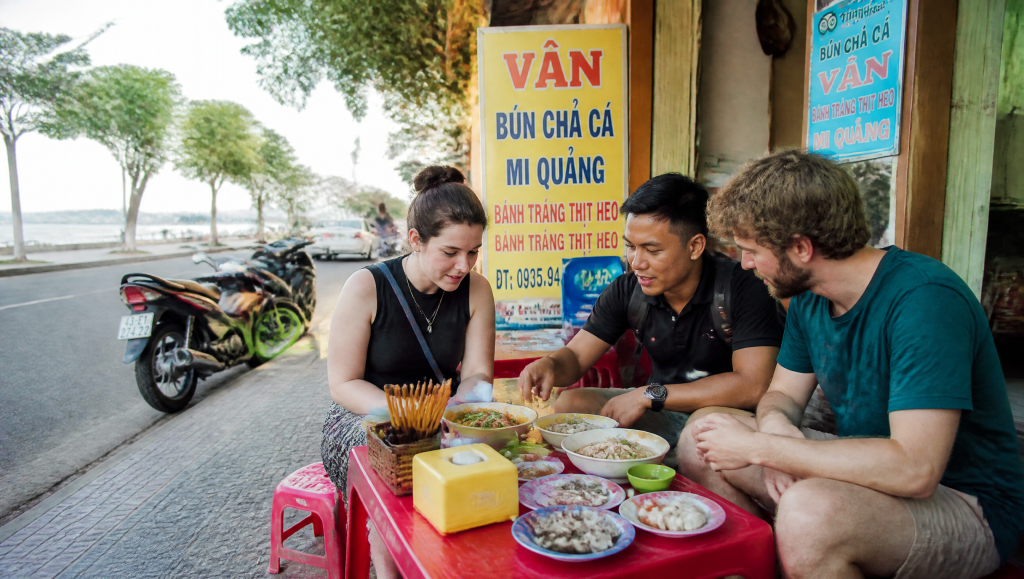
Da Nang food guide is your fastest way to eat smart in a city where the best bites hide in plain sight, from tiny street stalls to busy seafood spots by the beach. If you land hungry and do not know where to start, this chapter gives you a clear path: what to eat first, how local meals work, and how to avoid tourist traps while still keeping the trip fun.
For first-time visitors, the challenge is not finding food, it is choosing the right food before your stomach runs out of room. In Da Nang, that means balancing fresh seafood, central Vietnam noodles, crispy street snacks, and sweet local treats. If you want a Vietnam crazy tour kind of experience, the best move is to eat where locals gather, then build your day around one strong meal at a time.
| Tiêu chí | Street food | Seafood | Cafe snacks |
|---|---|---|---|
| Best for | Quick local flavor | Big dinner with friends | Light break and coffee |
| Good choice when | You want value and speed | You want fresh catch | You need a slow reset |
The short answer: start with one noodle bowl, one seafood meal, and one snack stop, then let the city surprise you. That is the real Da Nang food guide formula for solo travelers, couples, families, and adventurous visitors who want local flavor without wasting time.

What Makes Da Nang’s Food Scene Worth Exploring
Da Nang food guide searches usually come from travelers who want more than a checklist of famous dishes. They want the real city on a plate: bold flavors, local prices, fast-moving street stalls, and meals that feel tied to the coast. That is exactly where Da Nang wins.
The city sits between central Vietnam traditions, a long seafood coastline, and a daily street food rhythm that never feels staged. For first-time visitors, that mix can be confusing at first, but it is also the reason the food scene is so rewarding. One bowl, one grill, one coffee stop can show you how locals actually eat.
Featured snippet: Da Nang food is worth exploring because it combines central Vietnamese recipes, fresh seafood, and a strong street food culture. Travelers can eat well at simple local spots, compare flavors across neighborhoods, and experience a city where everyday meals feel fresh, affordable, and deeply regional.
What defines Da Nang cuisine and local flavor
Da Nang cuisine is not about one signature dish alone. It is a practical, coastal style of eating built around freshness, balance, and speed. You will see clear broth noodles, rice-paper rolls, grilled seafood, and snacks that are easy to share after a beach walk or a long day of sightseeing.
For example, a local breakfast might be a noodle bowl with herbs and fish cake, while dinner may shift to clams, squid, or grilled oysters near the shore. The mini insight here is simple: the city rewards travelers who follow where locals go, not where the menu looks most polished. If you want a deeper local travel flow, browse all Vietnam tours for ideas that fit food-first planning.
| Tiêu chí | Street food | Seafood dining | Cafe culture |
|---|---|---|---|
| Best for | Quick local meals | Fresh coastal flavors | Slow mornings |
| Travel value | Low cost, high authenticity | Great for sharing | Good for people watching |
The food culture context: central Vietnam, sea, and street food
Central Vietnam shapes the flavor profile, so dishes in Da Nang often feel brighter, saltier, and more direct than the food some travelers expect in the south. The sea adds another layer with fish, shellfish, and crab showing up in everyday meals, not just special occasions. That is why the city feels adventurous without being hard to navigate.
Street food ties everything together. You can move from a busy morning market to a tiny noodle stall, then finish with avocado ice cream or sweet soup in the evening. For soft planning help, check Vietnam Crazy Tour before you build a food day around the city. If you like cultural layers beyond eating, a ghost culture tour can also add a different local lens to your trip.
For solo travelers, couples, and families, this is the real advantage: Da Nang offers easy wins. The food is approachable, the prices are friendly, and the local rhythm makes it simple to try something new without pressure. End the day with seafood by the beach, and you will understand why so many travelers keep the city on their return list.
Strong CTA: If you want a Da Nang trip that balances local food, beach time, and cultural depth, explore the full Vietnam Crazy Tour collection and start planning a route that feels both real and memorable.
Must-Try Dishes in a Da Nang Food Guide
Da Nang food guide travelers usually want the real local hits fast, without wasting meals on tourist traps. The city makes that easy if you know which bowls, pancakes, and seafood stalls actually matter. For first-time visitors, the challenge is not finding food, it is choosing the right dishes, the right timing, and the right style of eating.
Here is the short answer: focus on noodle soups, rice crackers, crepes, bread rolls, seafood, and sweet local snacks, then eat them where locals queue. That simple approach gives you the best balance of flavor, value, and atmosphere, especially if you are exploring with family, a partner, or solo and want a safe but adventurous plan.
Featured snippet: The must-try dishes in Da Nang are bún chả cá, mì Quảng, bánh xèo, bánh mì, seafood, and sweet desserts like chè. Start with one noodle dish, one street snack, and one seafood meal. That mix shows you the city’s coastal flavor, central Vietnam seasoning, and local eating rhythm in just one day.
Signature dishes you should not miss
If you only eat three things, make them bún chả cá, mì Quảng, and bánh xèo. Bún chả cá is the coastal comfort bowl, with light broth, fish cake, herbs, and a clean finish that works well for breakfast. Mì Quảng is richer and more textured, with turmeric noodles, peanuts, greens, and a small amount of broth that keeps it bold, not heavy.
Bánh xèo gives you the fun factor because you wrap the crispy crepe with herbs and lettuce, then dip it into sauce. For a soft conversion moment during a food-focused trip, this is the kind of meal that pairs well with a local Vietnam tour list if you want help finding the best neighborhood stops without overthinking the route.
- Bún chả cá: best for breakfast or a light lunch
- Mì Quảng: best when you want a filling midday bowl
- Bánh xèo: best for sharing and slow eating
Mini insight: locals do not chase the most expensive place. They chase freshness, speed, and a kitchen that keeps the flavor direct.
| Tiêu chí | Bún chả cá | Mì Quảng | Bánh xèo |
|---|---|---|---|
| Best time to eat | Morning | Lunch | Afternoon or dinner |
| Eating style | Slurp and season | Mix noodles and greens | Wrap, dip, share |
For travelers who like local flavor with less guesswork, this is also the point where a planned food stop can save time, especially if you are moving between beach, market, and old-town style neighborhoods. If you want a broader trip framework, Vietnam Crazy Tour home can help you connect food with the rest of the city experience.
Local ingredients, flavors, and eating styles
Da Nang dishes lean on seafood, rice, herbs, peanuts, banana leaves, and light broths. The flavor is usually clean, savory, and slightly sweet, with chili, lime, and fish sauce added at the table. That means your meal is not fixed when it arrives; you finish it yourself, and that is part of the charm.
Eating style matters as much as the dish. Locals often share plates, add herbs in stages, and keep meals moving quickly at busy stalls. For a family or couple, this is useful because it turns one stop into a tasting session. Try seafood in live-tank restaurants, then finish with chè or avocado ice cream near a market for contrast.
- Use herbs to brighten soups and crepes
- Add lime and chili only after the first sip
- Order one salty dish and one sweet dish together
Soft CTA: if you like this kind of street-level experience, a guided local walk can make ordering easier and help you avoid random tourist pricing.
Strong CTA: build your Da Nang food route around the city’s real eating rhythm, not just famous names. Start early, eat locally, and mix one bowl, one wrap, and one sweet stop in the same day for the full Da Nang hit.
How to Eat Like a Local in Da Nang
Da Nang food guide starts with timing, not just taste. If you want the real local rhythm, eat early for breakfast noodles, late for coffee, and after dark for street-side snacks. The city rewards travelers who follow the crowd instead of hunting for polished restaurants first.
For adventurous solo travelers, couples, and families, the trick is simple: choose busy stalls, sit where locals sit, and order what moves fast. That is how you get fresher food, better value, and a more authentic local food experience in Da Nang without wasting time on tourist traps.
Featured snippet: Eat like a local in Da Nang by following three rules. Go at local meal hours, choose neighborhoods with dense street food traffic, and order dishes that are meant to be shared. In practice, that means breakfast bowls before 9 a.m., seafood or rice dishes at lunch, and snack runs around 7 p.m. to 10 p.m.
Best times and neighborhoods matter more than many first-time visitors expect. Around Chợ Cồn and Chợ Bắc Mỹ An, you will find the strongest street food habits, especially for quick bowls, sweet soups, and avocado ice cream. In the beach corridor near Mỹ Khê, seafood places open later and stay busy with families, while inland streets near the city center are best for coffee, bánh mì, and casual lunch spots.
Use this simple decision table when you are hungry and want the local version of the city, not the glossy one.
| Tiêu chí | Cột 1 | Cột 2 | Cột 3 |
|---|---|---|---|
| Breakfast | 7 a.m. to 9 a.m. | Bún chả cá | Fast, hot, local |
| Evening | 6 p.m. to 10 p.m. | Seafood or snacks | Shared, social, lively |
How locals order is the real shortcut to eating well. Vietnamese meals often arrive family-style, so one table may split several dishes, add rice on the side, and finish with tea or coffee. If you want to blend in, point at the menu item, keep your order short, and do not overcomplicate the exchange. A friendly smile goes a long way, especially at smaller stalls.
Small insight: many Da Nang locals do not treat food as a single main dish. They build the meal around the setting. A lunch plate may be quick and filling, while dinner becomes social and slow. If you want a smooth first meal, browse our Vietnam tours for food-friendly routes that match your pace and neighborhood style.
When sharing, remember the local habit is simple and practical. Tear bánh xèo into pieces, dip seafood in sauce together, and try a little of everything instead of guarding one plate. For travelers who want more culture with their food, see Vietnam Crazy Tour for authentic trip ideas that pair street eats with real local life.
In Da Nang, eating well means reading the room. If the stall is full of workers, students, or multigenerational families, you are probably in the right place. Follow the busy tables, order the house specialty, and let the city set the pace. That is the easiest way to turn a meal into a memory, and the most reliable way to enjoy Da Nang like someone who lives here.

Where to Find the Best Food in Da Nang
Da Nang food guide starts with one simple rule: pick the area that matches the kind of meal you want, not just the dish you want. If you are chasing the most local bite, the city can feel confusing at first, because markets, seafood streets, and casual eateries all look good in different ways.
The smart move is to compare them by freshness, price, comfort, and speed. Markets are best for snack-hopping, seafood spots work for a long sit-down dinner, and casual eateries deliver the everyday food locals actually eat. That is the easy way to avoid tourist traps and still keep the trip fun.
Featured snippet: The best food areas in Da Nang depend on your goal. Choose markets for cheap local snacks, seafood streets for fresh coastal meals, and casual eateries for reliable everyday dishes. If you want the fastest win, start with one market meal, one seafood dinner, and one neighborhood noodle shop.
For adventurous travelers, the strongest choice is often the one with the most movement. At markets, you can try several bites in one stop, while seafood places often shine after sunset when the tanks are full and the tables are busy. Casual eateries are the most practical option for families, solo travelers, and couples who want a clean, easy meal without pressure.
Here is the quick breakdown:
- Markets: best for bún chả cá, bánh xèo, chè, and kem bơ, but expect noise and limited English.
- Seafood spots: best for clams, crab, oysters, and grilled fish, but expect market pricing and longer waits.
- Casual eateries: best for mì Quảng, bánh mì, and rice dishes, with faster service and better value.
One mini insight: if a place is packed with local workers around lunch, that is usually a strong signal that the kitchen is doing something right. For an easier planning shortcut, pair your food crawl with all Vietnam Crazy Tour options when you want a guided local rhythm, or use the Vietnam Crazy Tour homepage to explore trip ideas before you go.
Pros and cons are straightforward. Markets give you variety and the rawest local energy, but they can be hot and chaotic. Seafood streets offer the best freshness and a proper coastal vibe, but prices may rise if you do not ask clearly. Casual eateries are the safest for repeat meals, especially if you want predictable quality and a fast turnaround.
| Tiêu chí | Markets | Seafood spots | Casual eateries |
|---|---|---|---|
| Best for | Snack variety and cheap local bites | Fresh seafood dinners and group meals | Daily dishes and easy first-time choices |
| Trade-off | Busy, hot, and less polished | Higher cost and longer wait times | Less variety, but more reliable comfort |
For first-time visitors, the best strategy is to do one market breakfast, one casual lunch, and one seafood dinner. That gives you a balanced Da Nang food guide experience without overplanning. If you like deep local discovery, a food-focused night out can also pair well with a cultural route through ghost and beliefs tours when you want a different side of Vietnam after dark.
If you want the safest answer, go where locals are eating, ask for the daily special, and keep one flexible meal slot open. That way you get flavor, value, and a real Da Nang feel, not just a checklist of famous names. For travelers who want to turn food exploration into a fuller trip, book early and build the route around your appetite, not around hype.
Da Nang Food Guide Tips, Common Mistakes, and FAQs
Da Nang food guide planning starts with one simple rule: eat where the crowd looks local, the kitchen turns tables fast, and the menu feels short enough to trust. For first-time visitors, the real challenge is not finding food, but avoiding the tourist traps that waste time, money, and stomach comfort. A smart food trip in Da Nang keeps things adventurous without getting messy.
Most solo travelers, couples, and families can enjoy the city safely if they know what to order, how much to budget, and when to walk away. This chapter gives you the practical side of the Da Nang food guide, so you can eat well near the beach, in alley spots, or at casual seafood places with zero guesswork.
Food safety in Da Nang is usually good at busy stalls, but the safest move is to choose food that is cooked fresh and served hot. Look for clean chopsticks, active turnover, and ingredients stored away from the sun. If the seafood is displayed in live tanks or the broth is boiling when it hits the bowl, you are in a much better position. For more planned travelers, a trusted local experience like all Vietnam Crazy tour options can help you balance street food with comfort.
Budget-wise, local dishes can stay very affordable if you order like a local. A bowl of noodle soup, bánh mì, or a dessert snack may cost only a few dollars, while seafood can jump fast based on weight and cooking style. A simple rule works well: casual breakfast and lunch for value, seafood dinner for the splurge. If you want a cultural evening after food, ghost culture tours can add a different side of Vietnam to your trip.
Featured snippet: In Da Nang, eat at busy local spots, ask seafood prices before ordering, and keep your daily food budget flexible. Street food is usually cheap, seafood is the biggest variable, and hot dishes are the safest choice for travelers.
| Tiêu chí | Best Choice | Avoid | Why It Matters |
|---|---|---|---|
| Street food safety | Busy stall with hot food | Quiet stall with food sitting out | Faster turnover usually means fresher ingredients |
| Seafood ordering | Ask price by kilo first | Order before confirming cost | Seafood bills can rise quickly |
Common ordering mistakes are easy to avoid once you know the rhythm. Do not assume every menu size is for one person, because rice dishes and noodle bowls can be larger than expected. Do not forget to ask whether the price is per portion or per kilogram, especially with crab, clams, and grilled shellfish. And do not over-order in the first place, because Da Nang food is rich, layered, and more filling than it looks.
If you are planning a food trip with kids, keep the pace slow and mix heavier meals with lighter snacks like avocado ice cream or chè. Couples and solo travelers often do best with a street breakfast, café break, seafood dinner rhythm, because it gives you room to explore without rushing. That is where a soft local itinerary helps, especially if you want food plus beach time in one day.
FAQ: what to eat, how much to spend, and how to plan your food trip
What should I eat first in Da Nang? Start with mì Quảng, bún chả cá, bánh mì, and one seafood meal. These give you a clean mix of noodles, street food, local flavor, and coastal dining. If you only have one day, choose one breakfast bowl, one snack, one dinner.
How much should I budget per day? A comfort-level food budget for most travelers is modest if you focus on local dishes. Street meals are inexpensive, café drinks are mid-range, and seafood is the main splurge. For a balanced day, set a flexible budget that covers three meals, one drink stop, and one dessert.
How do I plan a food trip without wasting time? Group your meals by area, keep breakfast near your hotel, and save seafood for sunset or evening. The easiest rhythm is local breakfast, beachside lunch, café break, then dinner at a well-reviewed spot. If you want a broader Vietnam escape after Da Nang, you can also browse Vietnam Crazy Tour home for more trip ideas.
Final tip: trust busy places, ask before you commit, and stay flexible with your appetite. That is the simplest way to turn a Da Nang food guide into a smooth, tasty, low-stress adventure.
Ready to eat smarter in Da Nang? Use this chapter as your quick filter, then book one trusted local experience, keep one meal open for discovery, and let the city surprise you with the rest. The best food trip is the one that feels spontaneous, local, and easy to enjoy from the first bite to the last coffee.
