
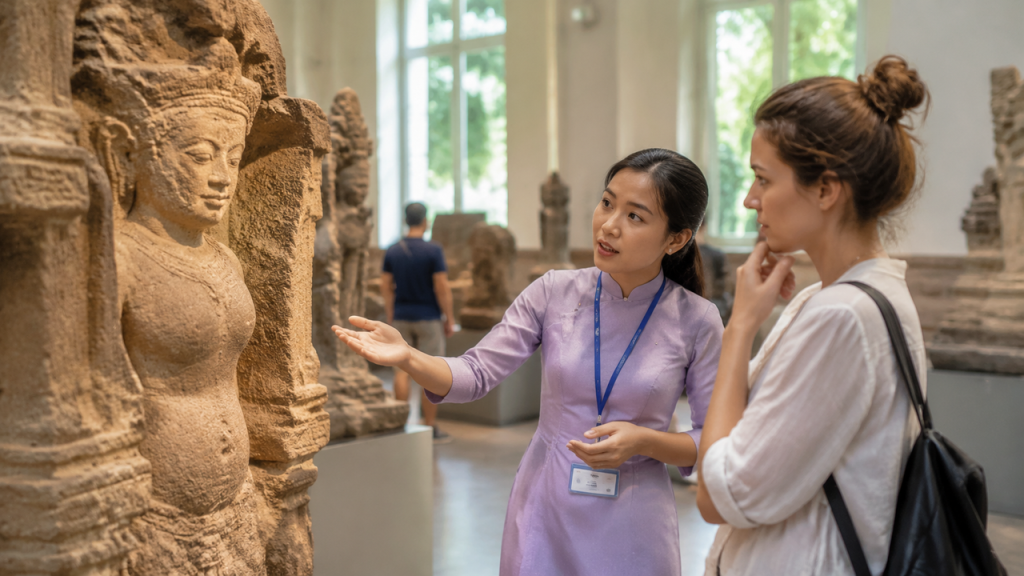
Da Nang Museum of Cham Sculpture: What to See and Know
Da Nang Museum of Cham Sculpture is a rewarding stop for travelers curious about Central Vietnam’s past, especially if you want more than beaches and busy city streets. Its collection brings Champa history into view through sacred stone carvings and temple art. This guide highlights what to look for and how to plan a comfortable visit.
Short on time, unsure whether the museum suits your travel style, or hoping to avoid a rushed visit? You’ll find practical pointers on what makes the collection distinctive and how to fit this cultural stop into a day in Da Nang. For more ideas beyond the usual checklist, browse local Vietnam tour experiences as you plan.
What to Know About the Da Nang Museum of Cham Sculpture
The Da Nang Museum of Cham Sculpture is a central-city museum dedicated to the art and history of the Champa civilization. Its galleries bring stone sculptures from sites across central Vietnam into one accessible visit, making it a useful first stop before exploring the region’s temples and archaeological landscapes.
A home for Champa heritage
Founded to preserve sculptures uncovered in Da Nang and neighboring provinces, the museum grew from early archaeological collecting and opened to visitors in 1919. Today, its collection includes works associated with places such as My Son, Tra Kieu and Dong Duong, offering a closer look at Champa religious art and craftsmanship across many centuries.
Look for differences in posture, ornament and carved detail rather than trying to see every object at once. A figure or altar can make more sense when you connect it to the temple site and community it came from.
Central location, local context
At 2 September Street in central Da Nang, the museum is easy to add to a city itinerary and offers a quieter counterpoint to the busy streets outside. Its historic galleries and garden setting make the visit feel distinct from a day trip to an archaeological site.
| Visit | What you experience | Best suited to | Practical note |
|---|---|---|---|
| Cham Sculpture Museum | Sculptures and historical context | A flexible city visit | Central Da Nang location |
| My Son Sanctuary | Temple remains in their landscape | A longer cultural outing | Plan transport outside the city |
For travelers who like finding the local story behind a landmark, the museum pairs well with other cultural tours in Vietnam. Check current opening hours and admission details with the museum before setting out, then plan your Da Nang experience around the pace and interests of your group.
What to See at the Da Nang Museum of Cham Sculpture
The Da Nang Museum of Cham Sculpture is best explored by looking closely at what each object shows, then noticing how its style changes from gallery to gallery. Even a short visit becomes more rewarding when you connect the figures, stonework, and place names rather than trying to see everything at once.
The museum’s collection includes Hindu and Buddhist imagery, architectural fragments, and sculptures from different Cham sites. This quick guide helps first-time visitors spot key details and make sense of the regional displays.
What to look for
The Da Nang Museum of Cham Sculpture brings together carvings that reveal religious ideas and skilled craftsmanship. Look for depictions of Shiva, Ganesha, and Buddhist figures such as Tara, alongside sacred animals, altars, and decorative motifs. Sandstone is especially prominent, with terracotta and other materials adding variety.
The Tra Kieu, My Son, Dong Duong, and Thap Mam galleries are useful reference points: compare the figures, ornament, and carving style in each. Gallery labels or the museum audio guide can help connect an object to its original site. If you are planning more cultural stops, browse Vietnam tour options to shape a wider itinerary.
How to read the collection
The Da Nang Museum of Cham Sculpture groups much of its display by archaeological location. Use this simple comparison to guide your visit, not as a strict timeline; styles and religious influences developed across regions and centuries.
| What to notice | Hindu imagery | Buddhist imagery | Useful clue |
|---|---|---|---|
| Figures | Deities such as Shiva or Ganesha | Buddhas and bodhisattvas | Check attributes and posture |
| Carving | Altars and temple details | Compassionate figures and symbols | Notice stone, scale, and ornament |
Quick visitor takeaway: Compare one sculpture from two different galleries, identify its material and religious clues, then read the site label. This small method makes the collection easier to understand without rushing past details.
Allow time to pause before the larger altars and finely carved figures; their scale and surface details are easier to appreciate up close. For a richer visit, check current gallery and audio-guide information before you go, then make the museum a deliberate stop on your Da Nang itinerary.
How to Plan a Visit to the Da Nang Museum of Cham Sculpture
The Da Nang Museum of Cham Sculpture is an easy-to-reach cultural stop in central Da Nang, but checking its current hours and ticket rules before you go can save a wasted trip. Plan around the midday break, choose a few galleries to focus on, and use the audio guide to make the sculptures’ stories clearer.
Allow about 60–90 minutes for a relaxed visit. The collection spans centuries of Cham art, so a little planning helps solo travelers, couples, and families enjoy the highlights without rushing or turning the museum into a checklist.
Location, transport, opening hours, and tickets
The museum is at 2 September Street, Hai Chau District, near the Han River and central bridges. A taxi or ride-hailing car is simplest; from nearby hotels, walking may work in cooler morning weather. Published schedules list a lunch closure and Monday closure, but hours and admission can change, so confirm details on the official museum website before setting out.
| Visit choice | Best for | Plan | Keep in mind |
|---|---|---|---|
| Morning visit | A cooler, quieter start | Arrive near opening | Check the day’s schedule |
| Afternoon visit | A flexible city itinerary | Allow 60–90 minutes | Avoid the lunch closure |
Recent visitor information lists admission at 60,000 VND, but treat this as a guide rather than a guarantee and verify the current price before arrival. Bring a payment method suitable for local purchases, travel light, and use the museum’s English audio guide or QR information where available. For a wider look at local experiences in Vietnam, browse options before planning the rest of your day.
How much time to allow and what to prioritize
For a first visit, follow this simple route:
- Start with the Tra Kieu and My Son galleries for major works connected to well-known Cham sites.
- Look for standout altars and the Gajasimha, then compare the carving details rather than trying to read every label.
- Finish with the Dong Duong or Thap Mam displays if time allows.
Photography rules may restrict flash and tripods, and displays should not be touched. If you want a slower, more adventurous day, pair the museum with nearby riverside streets and a local meal. Check current visitor guidance, then book a Vietnam Crazy Tour experience to add a guided local perspective to your Da Nang plans.
How the Museum Connects to Other Cham Heritage Sites
The Da Nang Museum of Cham Sculpture is the best place to understand what you will see later at My Son Sanctuary: its galleries bring objects and artistic details into one easy-to-follow visit. Pairing the museum with an archaeological site turns scattered ruins into a clearer story of Cham worship, craftsmanship, and regional change.
For travelers with limited time, the museum is also a practical city-center stop, while My Son offers a longer outdoor excursion. Choose one or combine both according to your pace, weather, and interest in history.
Museum collections and their connection to My Son Sanctuary
A useful sequence is museum first, ruins second. In the My Son gallery, look for altar pieces and sculpture linked to the sanctuary; at the site, notice how surviving towers, carved details, and the surrounding landscape give those objects their architectural context. The museum preserves and interprets works recovered from Cham sites, but it is not a substitute for seeing the monuments in place.
Quick answer: Visit the museum to examine Cham sculpture closely, then go to My Son to experience the temple complex in its setting. Allow a city visit for the galleries and a separate half-day or longer for the sanctuary, depending on transport and your chosen pace.
Choosing between the museum, archaeological sites, and other Da Nang attractions
Use this simple breakdown to match the stop to your travel style:
| Visit | Best for | Time and feel |
|---|---|---|
| Cham Sculpture Museum | Close viewing and context | City visit, mostly indoors |
| My Son Sanctuary | Ruins and landscape | Longer outdoor excursion |
| Other Da Nang sights | Flexible city exploring | Easy to fit around your day |
Mini insight: a short museum visit can make a later trip to My Son far more rewarding, especially for first-time visitors who want more than photos of the towers. If you prefer a locally guided day with room for exploration, browse Vietnam Crazy Tour experiences for ideas, then choose the pace that suits your group.
For a heritage-focused itinerary, give the museum and My Son separate time rather than rushing both into a tight schedule. Explore available Vietnam tours to plan the wider journey.
Visitor Tips and FAQs for the Da Nang Museum of Cham Sculpture
The Da Nang Museum of Cham Sculpture is easy to fit into a city day, but arriving during a closure or rushing past the galleries can make the visit feel shorter than it should. Check current opening hours before setting out, then allow enough time to explore the collection at your own pace.
For a smoother visit, bring a small bag, use the audio guide if available, and treat the sandstone figures as sacred heritage rather than photo props. These practical tips help solo travelers, couples, and families enjoy a cultural stop without losing the adventurous rhythm of Da Nang.
Quick answer: what to know before you go
Plan 60–90 minutes for a relaxed museum visit, or longer if you read the exhibit notes and use an audio guide. Check the museum’s current hours and ticket details before leaving, as schedules can change. Photography is generally permitted without flash or a tripod; never touch or climb on the sculptures.
Visitor tips and common planning mistakes
- Check the schedule first: The museum has published split morning and afternoon hours and has closed on Mondays; confirm the latest schedule before traveling, especially on public holidays.
- Travel light: Large bags may need to be stored. Keep valuables with you and ask staff about the current luggage policy.
- Plan for access: If you use a wheelchair or have limited mobility, contact the museum ahead of time to ask about step-free routes, seating, and accessible facilities.
- Photograph respectfully: Follow gallery signs and staff instructions. Avoid flash and tripods, and do not block other visitors while taking pictures.
For travelers who like pairing heritage with a more local side of the city, browse small-group Vietnam experiences after your museum stop.
FAQs: is it worth visiting, how long does it take, and what is nearby?
Is the Da Nang Museum of Cham Sculpture worth visiting? Yes, especially if you want context for the Cham temples and archaeological sites of Central Vietnam. Its stone carvings make the history tangible even for visitors new to the subject.
How long should I allow? About 60–90 minutes is a practical first visit; allow two hours if you prefer a slower, detail-rich route.
What is nearby? The museum is in central Da Nang, making it convenient to combine with the Han River area, Dragon Bridge, or a nearby café. Check walking distances and traffic conditions on the day.
| Visit style | Time to allow | Best for | Tip |
|---|---|---|---|
| Quick look | 45–60 minutes | Tight city itinerary | Choose a few key galleries |
| Unhurried visit | 90–120 minutes | Culture and photography | Use exhibit notes or audio |
Make the museum a thoughtful pause in your Da Nang adventure, not a rushed checkbox. Confirm today’s hours, arrive with comfortable shoes, and explore the galleries with curiosity; then plan your next stop with Vietnam Crazy Tour for a locally grounded trip.