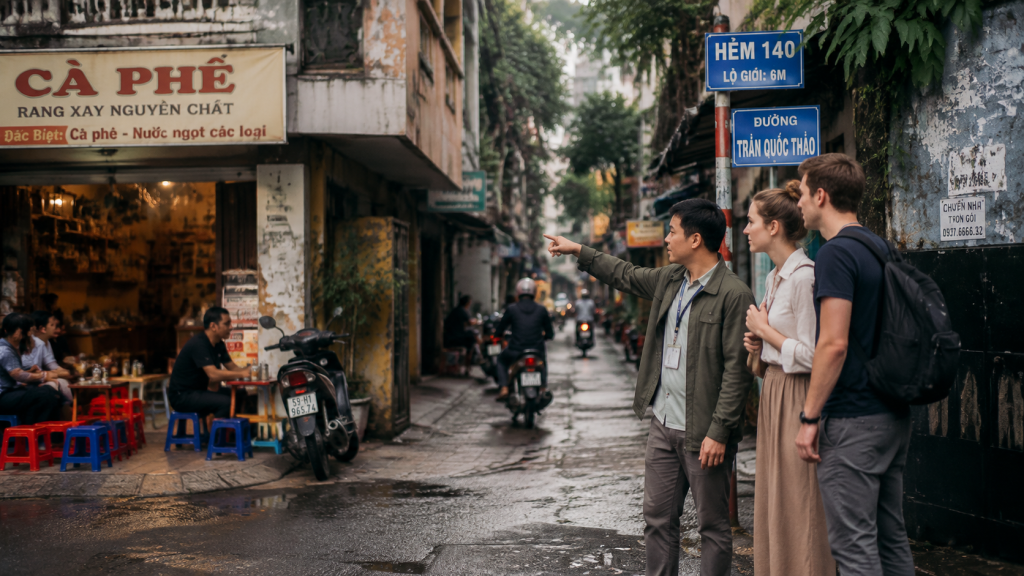
Ho Chi Minh City travel guide is the fastest way to turn a noisy first arrival into a smooth, high-energy trip. If you are landing for the first time, the city can feel wild fast: traffic is busy, neighborhoods move at different speeds, and the good spots are often tucked inside alleys or upstairs in old buildings. A clear plan saves time and keeps the adventure fun, not stressful.
For first-time visitors, the smartest move is to focus on the basics first: where to stay, how to move, and what to eat without wasting a day guessing. That is why this Ho Chi Minh City travel guide starts with practical choices that help solo travelers, couples, and families settle in quickly. If you want a more local experience, you can also explore HCMC food tours for an easy first taste of the city, then build your own pace from there.
| Criteria | Best for First Timers | Why It Works | Quick Tip |
|---|---|---|---|
| Stay Area | District 1 or District 3 | Easy access to food, sights, and transport | Choose walkable streets near main roads |
| Getting Around | Grab or hotel car | Less confusion than flagging taxis on the street | Install the app before landing |
Mini insight: the city feels much easier when you stop trying to see everything at once. Pick one area, one food goal, and one evening plan, then let the rest unfold naturally. If you want a deeper local-style route after this intro, check out all Toward Local tours for more options that fit adventurous travelers who want real neighborhood energy.
Featured snippet: Ho Chi Minh City is best for first-time visitors who want a fast, local, and manageable urban trip. Stay in a central district, use ride-hailing for short moves, and focus on street food, cafes, and a few key sights. That simple setup cuts stress and gives you a stronger first impression of Saigon.
What to Know Before Visiting Ho Chi Minh City
Ho Chi Minh City travel guide starts with one simple truth: this city moves fast, feels loud, and rewards travelers who stay curious. If you are coming for a local, adventurous trip, expect a mix of street food chaos, cafe culture, motorbike energy, and hidden corners that are easy to miss on a rushed schedule.
For first-time visitors, the best move is not to chase everything. Focus on districts, weather, and daily rhythm, then build your plan around comfort and timing. That is how you avoid traffic stress, choose better neighborhoods, and turn a short stay into a trip that feels real, not touristy.
Featured snippet: Ho Chi Minh City is best for travelers who like a busy, local, and flexible city break. Plan for heat, traffic, and strong street life, then use central districts as your base. Visit in the dry season for easier walking, better visibility, and smoother day trips.
What Ho Chi Minh City is like for travelers comes down to contrast. In District 1, you will see offices, coffee bars, and major landmarks packed into a few blocks. In District 3, there are calmer streets, older buildings, and local cafes that feel more lived in. In District 5, the pace shifts again, with temples, markets, and Chinese-Vietnamese food shaping the experience.
A smart first-day plan looks like this:
- Start in District 1 for landmark access and easy transport
- Move to District 3 for a slower local feel and better walking
- Save District 5 for heritage, food, and evening market energy
Mini insight: many travelers try to base everything in one area, but that can flatten the trip. A better approach is to pair a central hotel with a food-focused evening or a neighborhood walk, such as HCMC food tours, so you experience the city through real streets and real flavors.
When to visit matters more than most people think. The dry season, roughly December to April, is easier for outdoor exploring, rooftop drinks, and market wandering. The rainy season can still work, but plan for sudden downpours, slower traffic, and heavier humidity that can drain energy fast.
If you are booking for a couple, family, or solo trip, choose your pace by weather. Morning sightseeing, afternoon cafe breaks, and evening food stops work better than long midday walks. For travelers who want to expand beyond Saigon, compare the flow of a city trip with all tours of Toward Local and decide how much local depth you want in one itinerary.
| Tiêu chí | Dry season | Rainy season | Best for |
|---|---|---|---|
| Weather | Hot, drier, more predictable | Humid, sudden showers, heavier traffic | Outdoor plans and first visits |
| Trip style | Easy for walking and day trips | Better for flexible, indoor-heavy plans | Food, cafes, museums, and slower pacing |
Soft tip: if your goal is a deeper local experience, build around neighborhoods first, not attractions. That single choice makes the city feel more manageable and far more memorable.
Ho Chi Minh City travel guide logic is simple: arrive with a flexible plan, use the right district, and match your schedule to the season. If you want the trip to feel smooth and adventure-rich, book the city as an experience, not just a stopover. For a stronger local angle, plan one food-centric day and one culture-heavy day before you go.
How to Plan Your Ho Chi Minh City Travel Guide Itinerary
Ho Chi Minh City travel guide planning works best when you build your days around districts, not random pins on a map. If you try to chase every famous spot in one sweep, you waste time in traffic and miss the city’s real pulse. The smarter move is to group sights by area, then mix one classic landmark with one local street, one food stop, and one slow evening.
For first-time visitors, the sweet spot is a 3 to 4 day plan that keeps District 1, District 3, District 2, and District 5 in a clean route. That gives you colonial history, hidden alleyways, modern cafes, and deep local flavor without the rush. A good itinerary here should feel adventurous but still easy to follow, especially for solo travelers, couples, and families who want authentic Saigon energy.
A simple framework is to use one anchor district per day, then layer in two nearby experiences. For example, District 1 can cover the Central Post Office, Ben Thanh area, and a rooftop dinner, while District 3 adds the War Remnants Museum and a slow walk through quiet hems. If you want a tighter local food day, pair local food tours in Saigon with a short coffee stop in District 1, then end in a neighborhood bar that feels lived in, not polished.
Featured snippet: Plan Ho Chi Minh City by district. Use District 1 for landmarks, District 3 for culture and cafes, District 2 for modern riverside dining, and District 5 for heritage and Chinatown atmosphere. Keep each day compact, book transport in advance, and combine one big attraction with one local experience to save time and energy.
| Criteria | District 1 | District 3 | District 5 |
|---|---|---|---|
| Best for | First-time landmarks | Walkable culture and cafes | Chinatown and heritage |
| Time saving tip | Pair sights with one route | Use alley walks and short rides | Focus on temples and markets nearby |
In practice, the fastest route is usually morning sightseeing, late lunch nearby, then a lighter afternoon block. District 2 works well for a slower half day because it is ideal for brunch, boutique browsing, and riverfront downtime. If you want a more complete planning reference beyond the city center, browse all Toward Local tours to compare route styles before you lock your dates.
When you build your Ho Chi Minh City travel guide itinerary, think in zones, not checklists. That shift keeps your days realistic, helps you avoid gridlock, and leaves room for the spontaneous stuff that makes Saigon memorable: a hidden espresso bar, a tiny noodle shop, or a night market you only find because you slowed down enough to notice it.
For a soft travel decision rule, choose District 1 if you want icons, District 3 if you want local character, District 5 if you want deep culture, and District 2 if you want modern comfort with a river view. That is the cleanest way to balance discovery, comfort, and time on the ground without turning the trip into a taxi marathon.
If you want a trip that feels more curated, more local, and easier to enjoy from the first day, build around one district per block and book smart extras only where they add value. For travelers who like adventurous, authentic, and well-paced city exploration, that approach turns Saigon from a busy metropolis into a city that actually flows with you.

Where to Stay, Eat, and Get Around in Ho Chi Minh City
Ho Chi Minh City travel guide readers usually want one thing fast: the right district, the right bowl, and the easiest way to move without wasting a full day in traffic. In Saigon, the smartest plan is not to chase everything. It is to stay close to your main interests, eat where locals actually line up, and use ride-hailing or short walks to keep the city fun, not frantic.
For first-time visitors, the city feels huge on a map but very manageable once you choose a base. District 1 is the safest bet for landmark access, while District 3 and Thao Dien suit travelers who want more local texture, calmer streets, and a stronger neighborhood feel. That balance matters, especially if you are traveling solo, as a couple, or with family and want comfort without losing Saigon’s edge.
Featured snippet: Best first-time areas to stay in Ho Chi Minh City are District 1 for central convenience, District 3 for a more local city vibe, and Thao Dien in District 2 for riverside calm. Eat street food for depth, use Grab for easy transfers, and keep each day focused on one area to avoid traffic fatigue.
Best Areas to Stay for First-Time Visitors
District 1 is the easiest choice if you want walkable access to Ben Thanh Market, the riverfront, museums, and nightlife. It is busy, yes, but that is part of the energy. If your trip is short, staying here saves time and keeps your first Ho Chi Minh City travel guide experience simple. A practical example: land in the afternoon, check in, then step out for dinner and a coffee without needing a long transfer.
For travelers who want a more lived-in feel, District 3 gives you colonial streets, small cafes, and better local rhythm. Thao Dien in District 2 works well for couples, expats, and families who prefer quieter mornings, bigger rooms, and riverside dining. A soft move is to book one night in District 1 and then shift to a calmer area if your stay is longer than three nights. For curated food-focused planning, explore HCMC food tours and compare the route with your hotel location.
| Criteria | District 1 | District 3 | Thao Dien |
|---|---|---|---|
| Best for | Short stays and sightseeing | Local atmosphere and cafes | Quiet comfort and riverside stays |
| Travel style | Fast and central | Balanced and walkable | Relaxed and spacious |
Local Food, Transport Options, and Practical Travel Tips
The best food in Saigon is often found in plain-looking places with a line out front. Start with pho for breakfast, com tam for lunch, and banh mi when you need something quick between stops. Then go deeper with seafood, broken rice, and southern-style noodle soups in neighborhoods where the menu is still in Vietnamese first. If you want a reliable shortcut into the local scene, book a guided tasting through all Toward Local tours and build the rest of the day around what you learn.
Getting around is easiest by Grab, taxi, or short walks within the same district. Motorbike taxis are fast for one person, while families may prefer cars during peak heat or rain. Mini insight: traffic gets heavier late afternoon, so plan temples, markets, and long transfers earlier in the day. Keep water, cash for small purchases, and a data SIM ready. If you are heading to other parts of Vietnam after Saigon, Hoi An tours and Da Nang tours can extend the trip naturally without overcomplicating your route.
Strong travel tip: eat where you see local office workers, clean kitchens, and quick turnover. That usually beats chasing the most famous address. For adventurous travelers, the real win is to stay flexible, use one neighborhood per half-day, and let the city surprise you without rushing it. If you want a smoother, more local-first plan with less guesswork, start with a food-led experience and let the rest of Saigon open up around it.

How to Choose the Best Experiences in Ho Chi Minh City
Ho Chi Minh City travel guide decisions get easier when you stop trying to do everything and focus on the experience that fits your trip style. If you love local energy, chaotic streets, hidden alleys, and real city rhythm, this is where HCMC starts to feel magical fast. The city rewards smart choices, not random checklists.
For solo travelers, couples, families, and adventurous visitors from Europe, North America, Korea, and Japan, the best plan is simple: match one cultural stop, one food mission, and one neighborhood walk with your budget and time. That way, the city feels deep instead of rushed, and you still leave space for surprises.
Featured snippet: The best experience in Ho Chi Minh City depends on your travel style. Choose cultural spots for history and local context, food tours for the strongest city flavor, and shopping lanes for design and everyday life. If you have only one day, combine food and culture in District 1 or District 3 for the highest-value route.
When you compare cultural, food, and shopping experiences, think about what gives you the most memory per hour. Culture is strongest if you want context, food is the fastest way to feel the city, and shopping is best for travelers who enjoy local design and street-level discovery. A smart mix is one museum, one market meal, and one hidden retail lane.
For example, a first-time visitor can start with the War Remnants area, then move to a local lunch, then finish with a coffee stop in a restored building. If you want a deeper bite into the city’s food scene, a HCMC food tours style experience often gives better value than choosing restaurants blindly, because it connects dishes, neighborhoods, and local habits in one flow.
| Tiêu chí | Cultural | Food | Shopping |
|---|---|---|---|
| Best for | History, landmarks, local context | Street food, regional flavors, daily life | Design, souvenirs, local brands |
| Time needed | Half day | 2 to 4 hours | 1 to 3 hours |
| Budget fit | Low to medium | Low to medium | Medium to high |
What to pick based on budget, time, and travel style comes down to one rule: do not overpay for convenience if your goal is local character. Budget travelers should prioritize walking streets, markets, and simple meals. Couples usually get the best balance from one polished dinner plus a neighborhood coffee stop. Families should choose easy routes, short transfers, and indoor breaks.
If you are short on time, stay close to District 1 and District 3, where the city’s biggest contrasts are packed tightly together. If you have more freedom, add District 5 for heritage and old-school food. Travelers who like deep local discovery can also compare options across the city before booking, or browse all Toward Local tours when they want a guided format without losing authenticity.
Mini insight: the best HCMC day usually follows the city’s natural rhythm, not a fixed sightseeing order. Go early for culture, eat when the streets get busy, then save shopping or rooftop time for the late afternoon. That pacing keeps energy high and makes the city feel alive instead of crowded.
Soft CTA: if you want a trip that feels local, adventurous, and easy to follow, choose one experience that matches your pace and let the rest stay flexible.
Strong CTA: book the version of Ho Chi Minh City that fits your style, not someone else’s checklist, and you will enjoy more, waste less time, and leave with better stories.
Common Travel Mistakes, FAQs, and Final Tips
Common travel mistakes in a Ho Chi Minh City travel guide usually come from moving too fast, picking the wrong district, and underestimating how local this city feels once you leave the main boulevards. New visitors often stay only near the obvious landmarks, then miss the alley cafes, neighborhood food stalls, and riverfront pockets that make Saigon memorable.
The fix is simple: plan for contrast. Spend one part of the day in District 1 for orientation, then shift into District 3, District 5, or Thao Dien for a more local rhythm. If you want a smart start, browse all Toward Local tours and use that as a shortcut to neighborhoods that are easy to enjoy without wasting time on trial and error.
Featured snippet: First-time visitors to Ho Chi Minh City often make three mistakes: they overpack the schedule, stay only in tourist-heavy streets, and ignore traffic timing. The best approach is to mix central sights with local districts, book rides in advance during peak hours, and leave room for spontaneous food stops, coffee breaks, and short walks through alleys.
Mistakes first-time visitors often make are predictable, but easy to avoid once you understand the city’s pace. A common one is trying to cross too many districts in a single afternoon, which sounds efficient but usually turns into traffic stress and tired legs. Another is eating only where menus are in English, which can keep travelers away from some of the most exciting street food.
Mini insight: the best Saigon days are not the busiest ones. A slower route with one major attraction, one strong meal, and one hidden cafe often feels richer than a checklist of seven stops. If food is the main reason you came, pairing your city time with HCMC food tours can help you sample local flavors without the guesswork.
| Criteria | Best Choice | Why It Works | Who It Fits |
|---|---|---|---|
| District 1 base | Easy first stay | Central, walkable, simple for arrivals | First-timers and short stays |
| District 3 or 5 time | More local feel | Better food, calmer streets, real neighborhood energy | Adventurous travelers and return visitors |
Top FAQs about visiting Ho Chi Minh City usually start with timing, transport, and safety. Is the city good for solo travelers. Yes, especially if you stay aware in busy crossings, use trusted ride-hailing apps, and keep cash split between pockets and bags. Is it good for couples and families. Also yes, because you can balance lively streets with quieter rooftop dinners, river walks, and organized experiences.
When is the best time to visit. Dry season is easier for walking and day trips, but the city works year-round if you plan around rain. What should you not miss. A proper local meal, a café hidden inside an old building, and one district beyond the usual tourist strip. For a more curated pace, see Hoi An tours or compare options with Da Nang tours if you are building a longer Vietnam route.
Final tip: keep your first day light, your second day more local, and your last day flexible for shopping, coffee, or one more meal you did not plan. That rhythm gives you the best mix of comfort and discovery, which is exactly what makes a great Ho Chi Minh City travel guide worth following.
