
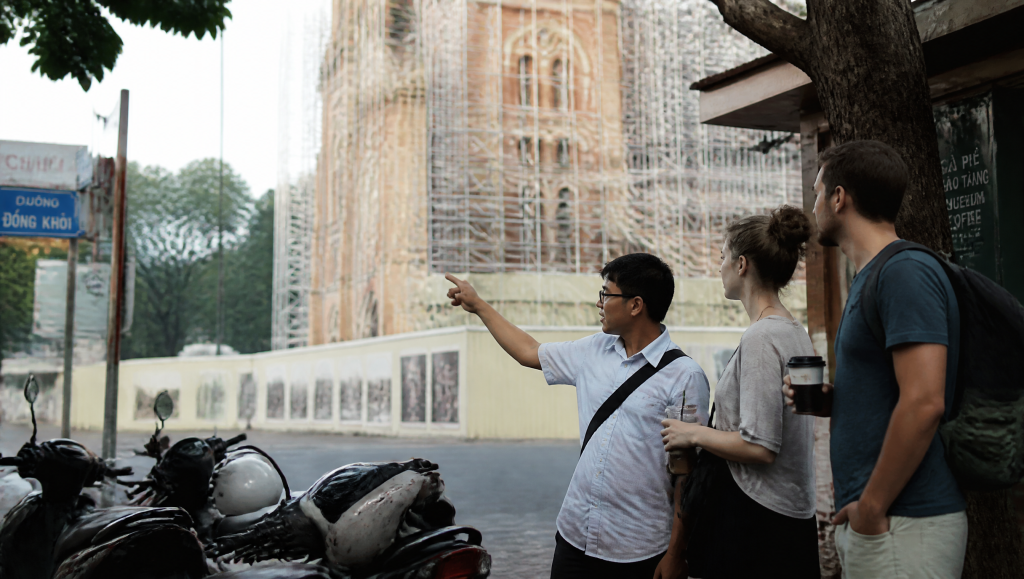
Notre-Dame Cathedral Basilica of Saigon renovation is pulling attention from travelers, locals, and architecture lovers because this Ho Chi Minh City landmark is more than a church, it is a visual shorthand for the city itself. People want the real update on Saigon Cathedral restoration, especially the timeline, visible progress, and whether the site still makes sense for a walking stop during a first visit.
As a historic church renovation, the project also raises practical questions for anyone planning a trip: will the façade be fully hidden, can you still admire the exterior, and how much disruption should you expect nearby. If you are building a local route through central District 1, the answer matters, because this iconic stop often sits between Vietnam Crazy Tour style city exploration and other easy-to-walk attractions in the same area.
Featured snippet: The Notre-Dame Cathedral Basilica of Saigon renovation is a long-running restoration of one of Ho Chi Minh City’s most famous landmarks. Travelers care about when it finishes, what parts are currently under repair, and whether the cathedral is still worth seeing while scaffolding and barriers remain in place.
| Criteria | Good to Know | Travel Impact | Visitor Tip |
|---|---|---|---|
| Restoration status | Ongoing work on key exterior and structural areas | Scaffolding may affect photos | Visit for context, not a full open interior experience |
| Visit planning | Central location near major city sights | Easy to combine with a short walking route | Go early for fewer crowds and clearer views |
For solo travelers, couples, and families who like adventurous, local-heavy itineraries, this is the kind of stop that fits into a broader city story. If you want to pair it with a smarter route or turn the area into a half-day plan, check all Vietnam tour options for ideas that keep your schedule efficient while still feeling authentic. The key takeaway is simple: the cathedral is still important to see, but knowing the renovation status helps you avoid disappointment and time waste.
What the Notre-Dame Cathedral Basilica of Saigon Renovation Is About
The Notre-Dame Cathedral Basilica of Saigon renovation is a long-term restoration project focused on protecting one of Ho Chi Minh City’s most recognizable landmarks. For travelers who love real city energy, this matters because the cathedral is not just a photo stop; it is a living heritage site with visible repairs, active church use, and a story that explains why the structure needs careful preservation.
The building dates back to the late 19th century, and its age shows in the roof, windows, flooring, exterior, and wooden core. The goal is not to modernize its identity, but to stabilize it while keeping the historic look intact. If you are planning a local-style city walk, this site often pairs well with nearby Vietnam city experiences that help you understand Saigon beyond the usual postcard version.
Featured snippet: The Notre-Dame Cathedral Basilica of Saigon renovation is a heritage restoration project designed to repair structural damage, protect the cathedral’s historic character, and keep the landmark safe for future generations. The work covers major exterior and interior elements, with timelines affected by complex construction, imported materials, and preservation standards.
What makes this project important is the balance between old architecture and active city life. Visitors may see scaffolding, restricted access, and a quieter atmosphere around the square, but that is part of preserving a landmark that still carries religious, cultural, and tourism value.
| Tiêu chí | Cột 1 | Cột 2 | Cột 3 |
|---|---|---|---|
| Heritage value | Historic city icon | Strong cultural identity | Major visitor interest |
| Renovation focus | Structure repair | Material preservation | Long-term safety |
For solo travelers, couples, and families, the best way to approach the site is with realistic expectations: come for the atmosphere, the architecture, and the surrounding district, not for a fully open interior visit. A smart stop here can be combined with other curated routes from all Vietnam Crazy Tour experiences if you want a richer local itinerary.
In short, the renovation is about more than fixing a church. It is about saving a public symbol that helps define Saigon’s visual memory, while giving future visitors a better chance to experience the cathedral in a safe, respectful, and historically honest way.
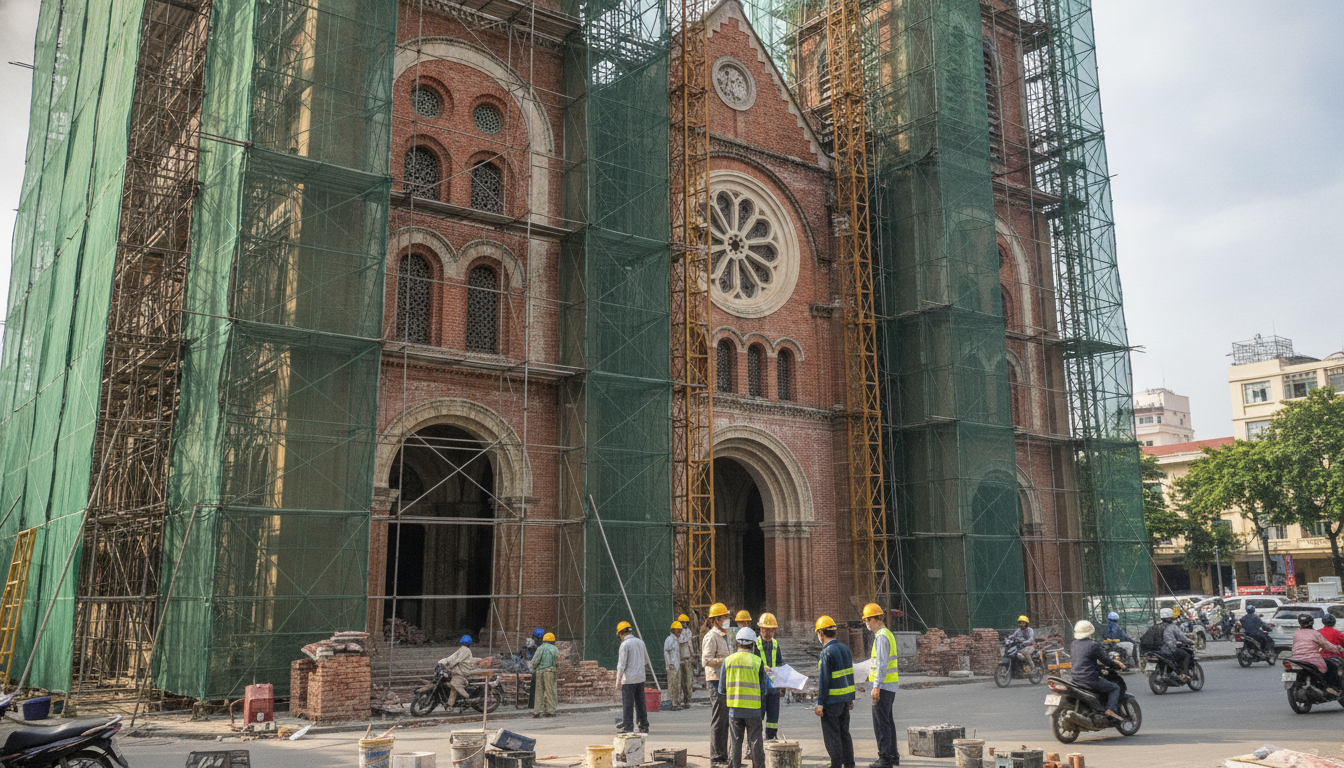
Latest Progress on the Notre-Dame Cathedral Basilica of Saigon Renovation
Notre-Dame Cathedral Basilica of Saigon renovation is still one of the most watched heritage projects in Ho Chi Minh City, especially for travelers who want a real local landmark, not just a postcard stop. The current phase focuses on structural repairs, façade restoration, and careful conservation materials that can protect the church without erasing its French colonial character.
For visitors, the big pain point is simple: the site is visible, iconic, and still partly under restoration, so planning matters. If you are building a smarter city route, combine the cathedral area with other central stops through Vietnam city experiences, then check access before you go so you do not waste time on a closed entrance or blocked photo spot.
What is happening now is a layered restoration job, not a cosmetic touch-up. Crews are working on roof and wall stability, window and flooring recovery, exterior cleaning, and the wooden core structure where age and weather have done the most damage. In practical terms, that means scaffolding, protective netting, and materials chosen for durability rather than speed.
Here is the current breakdown visitors should understand:
- Structural repairs: reinforce aging sections before any final finish work
- Façade restoration: clean and repair the exterior without over-polishing the historic surface
- Conservation materials: use compatible stone, mortar, and timber methods to preserve authenticity
Mini insight: the best heritage restorations are often the least flashy. If a building looks slightly unfinished for a while, that usually means experts are being careful, not careless. Travelers who enjoy deeper local context can also pair the cathedral area with all Vietnam Crazy tour options for a more complete Saigon day plan.
| Tiêu chí | Current status | Visitor impact | What to do |
|---|---|---|---|
| Structure | Active repairs on key parts | Some views may be blocked | Expect scaffolding |
| Access | Tourist access remains limited | Photo stops need checking | Confirm before arrival |
The latest public timeline points to phased completion rather than one single finish date. Earlier delays came from damage that was more extensive than first estimated, plus interruptions linked to imported materials and construction stoppages. Public updates indicate the project is still moving forward, but slow and methodical, with completion now expected later than the original target.
For trip planning, the most useful rule is this: treat the cathedral as a live restoration site, not a standard sightseeing stop. Church services may continue, but tourist access can change with construction stages. If your Vietnam itinerary includes only one central heritage walk, keep this area as a flexible stop, then shape the rest of your route around what is actually open on the day.
Feature snippet: The Notre-Dame Cathedral Basilica of Saigon renovation is currently focused on structural stabilization, façade repair, and material conservation. Visitors should expect limited access, visible scaffolding, and phased progress. The project timeline has been extended because restoration work revealed deeper damage than first estimated, so the safest plan is to check public updates before visiting.
For solo travelers, couples, and families who like local city energy with less guesswork, this is where smart planning pays off. Build in extra time, keep your expectations realistic, and use the cathedral as part of a wider central Saigon route instead of a standalone must-see.
If you want a smoother experience, review your day plan first, then book around what is actually open. That way, the renovation becomes part of the story, not a disappointment. For a more adventurous local-style route across the city, start with Vietnam crazy tour and shape the rest from there.

Why This Renovation Matters for Saigon and Visitors
The Notre-Dame Cathedral Basilica of Saigon renovation matters because this landmark is more than a postcard stop. The current works shape safety, access, and the way visitors experience one of the city’s most recognizable heritage sites. For travelers planning a local-style trip through District 1, knowing what is changing now helps avoid disappointment and build a smarter sightseeing route.
In practice, the restoration protects a fragile structure while also preserving the visual identity of central Saigon. The façade, roof, wooden core, and surrounding visitor area all need careful treatment, which is why the site has remained a major focus for the city. If you are pairing the cathedral with other Saigon walking tours, this is exactly the kind of update that improves route planning.
Featured snippet: The renovation of Notre-Dame Cathedral Basilica of Saigon improves structural safety, preserves colonial-era heritage, and changes visitor access around the city center. Travelers should expect a more limited on-site experience for now, but the long-term result is a stronger, safer landmark that supports Saigon’s identity and cultural appeal.
| Tiêu chí | Before renovation | During renovation | After renovation |
|---|---|---|---|
| Safety | Basic access, aging structure | Restricted zones, scaffolding | Improved stability and protection |
| Visitor experience | Easy exterior viewing | Limited close access | Better long-term sightseeing value |
For first-time visitors, the biggest change is practical. You may still see the cathedral from the outside, but the renovation affects how close you can get, how photos look, and how much time you should allocate. That means nearby places like the Central Post Office, book streets, and café stops become more important in the same sightseeing block.
For adventurous solo travelers, couples, and families, this is actually useful. Instead of treating the cathedral as a stand-alone stop, build a wider District 1 loop with local Saigon experiences around it. This gives you better value, less wasted time, and a more authentic city flow while the site is under restoration.
Mini insight: renovation periods often make famous landmarks feel less impressive at first glance, but they also reveal the real value of heritage care. In Saigon, this project is not just about repair; it is about protecting a symbol that helps the city stay recognizable for both locals and international visitors.
Soft CTA: If you want a smarter itinerary while the cathedral is still under work, plan the area as part of a curated heritage route rather than a single photo stop.
Strong CTA: Check the surrounding attractions, adjust your timing, and turn the renovation into an advantage by exploring the full historic center with a local perspective.
Notre-Dame Cathedral Basilica of Saigon Renovation vs. Other Heritage Restorations in Vietnam
Notre-Dame Cathedral Basilica of Saigon renovation is one of the most watched heritage projects in Vietnam because it sits at the center of Ho Chi Minh City, faces constant visitor pressure, and involves a delicate mix of structural repair, weather protection, and historical accuracy. For first-time visitors, solo travelers, couples, and families who love local exploration, this restoration is a good example of how fragile landmark preservation can be in a fast-moving city.
The real challenge is not only age. It is the combination of active worship, urban traffic, tropical humidity, imported materials, and public expectation. If you want a broader view of how Vietnam protects its most meaningful places, see our all Vietnam tours and compare how heritage sites are handled across different regions.
Featured snippet: Compared with many heritage restorations in Vietnam, the Notre-Dame Cathedral Basilica of Saigon renovation is more complex because it must protect a live religious site in a dense urban core while keeping the original architectural character. The project involves roof, stone, interior, and structural work, plus careful control of public access and environmental damage.
| Tiêu chí | Notre-Dame Saigon | Typical heritage project | Why it matters |
|---|---|---|---|
| Scale | Large urban cathedral with constant foot traffic | Smaller temple, house, or hall site | More public exposure means more wear |
| Complexity | Roof, façade, wooden core, and service continuity | Often one or two repair layers | Multiple systems raise cost and timeline |
Compared with many restorations in Vietnam, this project is harder because it must keep a major Catholic landmark relevant for worship while protecting its French colonial identity. The work is not just cosmetic. It is a full conservation effort, and that is where the biggest delays usually appear. Imported components, hidden decay, and humidity damage can all force redesigns once the structure is opened.
Pros are clear: the cathedral keeps its historic presence, supports city identity, and preserves a rare architectural layer in Saigon. The challenge is equally clear: limited access, slow progress, and visible scaffolding can frustrate visitors. Still, that tradeoff is normal in serious conservation. For travelers who enjoy local culture beyond the main postcard spots, this kind of project gives a deeper story than surface sightseeing.
If you like discovering Vietnam through layers of history, not just landmarks, this is the kind of stop that pairs well with a Vietnam Crazy Tour experience because it helps you understand why preservation here is never simple. The cathedral matters not only as a photo stop, but as a living monument where faith, memory, and city life collide.
Compared with other heritage restorations in Vietnam, the Notre-Dame Cathedral Basilica of Saigon renovation stands out for three reasons: its central location, its active religious role, and its symbolic value for both locals and international visitors. That combination makes preservation especially important, because once a landmark like this changes irreversibly, the city loses part of its visual and cultural identity.
For travelers planning a local, adventurous route in Ho Chi Minh City, the best approach is to view the cathedral as part of a larger heritage circuit rather than a single quick stop. Pair it with nearby colonial architecture, street-level city walks, and other cultural sites so the visit feels richer and more complete. If your trip style values depth, this renovation story is one of the strongest reasons to slow down and look closer.
Soft CTA: If you are building a heritage-focused Vietnam itinerary, consider mixing Saigon’s cathedral district with other local culture stops so you can compare restoration styles in real time and get a better sense of how Vietnam protects its past.
Strong CTA: Discover more local experiences, city stories, and culture-first routes through Vietnam Crazy Tour and turn a simple sightseeing day into a meaningful heritage journey.
What Visitors Should Know + FAQ About the Renovation
Notre-Dame Cathedral Basilica of Saigon renovation is the key detail every visitor should check before planning a stop in District 1. The cathedral remains one of Ho Chi Minh City’s most recognizable landmarks, but access can change around active works, service schedules, and safety barriers. If you are building a short city route, the smartest move is to verify the latest status first, then map your visit around nearby sights instead of assuming full entry.
Many travelers arrive expecting a normal sightseeing experience, then get surprised by scaffolding, closed zones, or limited photo angles. That is where a quick pre-check saves time and keeps the day smooth. For adventurous couples, solo travelers, and families who want an easy local-style plan, this is also the moment to pair the cathedral with a curated Vietnam tour list or keep your route flexible enough to shift to nearby heritage stops.
Common mistakes are simple but costly: assuming the interior is open, trusting old blog posts, or skipping closure updates from official sources. A better approach is to treat the cathedral as a live site, not a fixed attraction. If services are still running, respectful visitors may see activity around the grounds, but tourist access can still be restricted. This is normal during a long restoration in a dense urban center like Saigon.
FAQ: Is the cathedral open, how long will renovations take, can tourists still visit, what are the best nearby alternatives, and where to find official updates? In most cases, the safest answer is check before you go, because restoration timelines can shift. The project has already taken years, and the final finish date may move again depending on engineering progress and city approvals. Use official church or local government notices for the latest access rules.
| Tiêu chí | Full access | Limited access | Closed to tourists |
|---|---|---|---|
| Best for | Normal sightseeing and photos | Quick exterior stop and nearby walk | Route changes and alternative landmarks |
| What to do | Enter and explore calmly | Check barriers and respect service areas | Move to nearby attractions and recheck updates |
Nearby alternatives that work well for a fast local loop include the Central Post Office, book streets, and cafes around the city center, which are easy to combine in one walking route. If you want a deeper cultural detour, ghost culture experiences can add a more offbeat Saigon layer after your cathedral stop. That kind of pairing is especially useful when renovation barriers reduce the time you spend at the main site.
Official updates are usually the only source worth trusting for access changes, visitor windows, and service notices. Check church announcements, city heritage updates, and recent traveler reports before leaving your hotel. For this kind of living landmark, the smart traveler wins by staying flexible. If you want the easiest route across Saigon’s top stops, start with the cathedral, then let the rest of the day adapt to the latest on-site reality.