
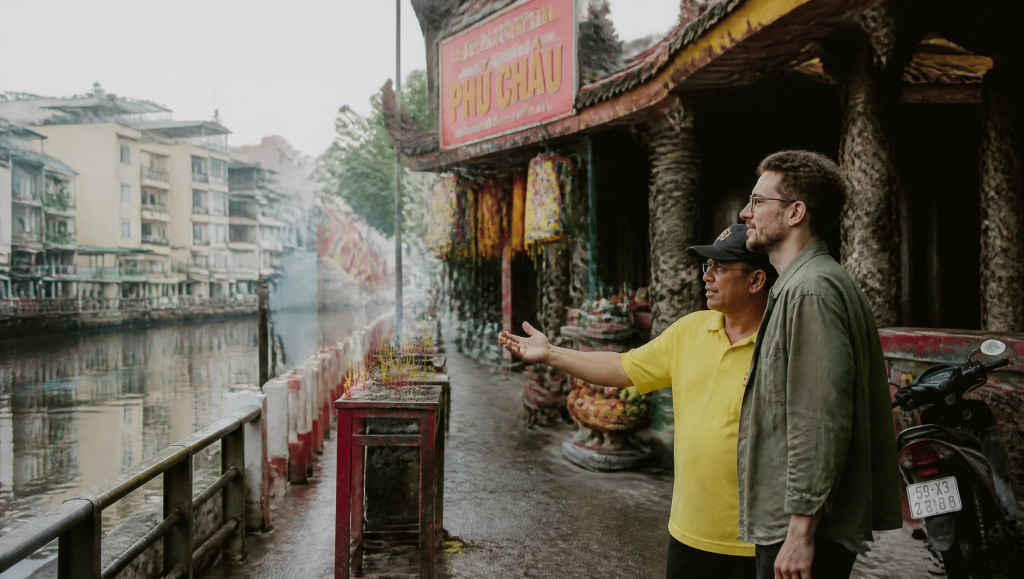
Phu Chau Floating Temple is one of the most surprising Saigon stops for travelers who want something local, spiritual, and easy to miss if they rely on standard city lists. Many visitors reach this floating temple without knowing what to expect, then spend time figuring out where to stand, what to look at, and how to move through the site without rushing. This guide fixes that fast with clear, practical context.
If you are planning a first-time visit, think of Phu Chau Floating Temple as a compact Vietnam cultural site where the experience matters as much as the photo. The temple sits in real neighborhood life, so the smartest approach is to arrive with a simple plan, a respectful mindset, and a bit of curiosity. For deeper local travel ideas, you can also explore Vietnam Crazy Tour for more offbeat routes and city experiences.
| Tiêu chí | Cột 1 | Cột 2 | Cột 3 |
|---|---|---|---|
| Visit style | Quick stop | Slow discovery | Guided local context |
| Best for | Photo seekers | Culture lovers | First-time explorers |
Mini insight: the temple becomes much more memorable when you treat it as a lived spiritual place, not just a sightseeing stop. If you like discovering authentic city corners and comparing them with other local experiences, check the full Vietnam tour collection to match the visit with your trip style. In the next sections, you will learn what the temple means, how the layout works, and how to visit smoothly without wasting time.

What Is Phu Chau Floating Temple and Why Is It Important?
Phu Chau Floating Temple is a small but deeply meaningful sacred site in Ho Chi Minh City, set on a tiny island in the river rather than in the middle of a busy street. For travelers who want something local, unusual, and easy to remember, this is one of the most distinctive spiritual stops in Saigon.
It matters because it feels different from the city’s more familiar pagodas. The temple blends river life, folk belief, and neighborhood devotion into one compact place, so visitors get both cultural depth and a real sense of how locals worship. If you are building a local route, it pairs well with belief and spirit tours that show a more authentic side of Vietnam.
Featured snippet: Phu Chau Floating Temple is a river-based temple in Ho Chi Minh City known for local worship, folk beliefs, and its rare floating location. It stands out because visitors reach it by boat, which makes the visit feel both spiritual and adventurous, especially for travelers looking beyond standard city sightseeing.
This temple is not about grand scale. Its value comes from atmosphere, devotion, and setting. A simple way to think about it is:
| Tiêu chí | Cột 1 | Cột 2 | Cột 3 |
|---|---|---|---|
| Location | On the river | Reached by boat | Very local feel |
| Why visit | Spiritual insight | Unique photo stop | Short, memorable trip |
For first-time visitors, the best takeaway is simple: this is not just another temple in Saigon, but a place where the journey itself is part of the experience. If you want to explore more local and adventurous routes in the city, start from the Vietnam Crazy Tour homepage and compare it with other cultural stops. It is a strong fit for solo travelers, couples, and families who want something real, calm, and a little different.
In short, Phu Chau Floating Temple is important because it preserves living belief in a setting that most tourists never see. That makes it more than a sight. It becomes a story you remember after the boat ride, the water, and the quiet temple atmosphere have already passed. For travelers seeking the next step, browse all Vietnam Crazy tours and choose a route that matches your pace and curiosity.

How to Visit Phu Chau Floating Temple the Right Way
Phu Chau Floating Temple is best visited with a simple plan, because the real challenge is not the distance but the flow: finding the right dock, boarding at the right time, and moving calmly once you step into the temple space. For first-time visitors, the smart move is to arrive early, keep your shoes easy to remove, and follow the local rhythm instead of rushing.
This is one of those local places that feels small on the map but rich in detail once you are there. If you want a smoother day in Ho Chi Minh City, this stop works best when you treat it as a short cultural detour, not a quick photo mission. Many travelers pair it with other Vietnam travel experiences for a fuller route.
Featured snippet: The right way to visit Phu Chau Floating Temple is to follow the dock-to-temple flow, respect the ritual space, and plan for a short crossing on the water. Expect a compact visit with a calm entrance, temple offerings, and a few good photo angles, all handled best with quiet movement and light preparation.
The typical visitor flow is straightforward: arrive at the pier area, check the boat timing, cross the water, then enter the temple zone on foot. That crossing is the first real experience, because it shifts the mood from city traffic to temple calm in just a few minutes. For adventurous travelers, that transition is the magic part.
A practical breakdown looks like this:
- Arrive near the temple dock and confirm the crossing point
- Prepare small cash and keep your essentials compact
- Cross by boat or local transfer depending on the day
- Walk slowly inside and observe the worship area first
One useful insight: the temple is not designed for long wandering, so visitors who move with intention usually enjoy it more. If you are curious about deeper local belief culture, the experience connects well with a local beliefs tour that explains how Vietnamese spiritual spaces work in real life.
The main parts of the experience are the temple hall, ritual moments, and the small photo spots around the water edge. The temple space is where people pray, light incense, and keep their behavior quiet. The ritual side is simple but meaningful, especially for beginners who want to understand how locals show respect without overcomplicating it. Photo spots are usually best near the outer edges, where the structure and water meet naturally.
Compare your visit style like this:
| Tiêu chí | Cột 1 | Cột 2 | Cột 3 |
|---|---|---|---|
| Temple focus | Quiet, respectful | Best for rituals | Low distraction |
| Photo focus | Use outer angles | Best with soft light | Fast, efficient |
Mini insight: the best photos are usually not the most staged ones. A natural frame with a person walking, a boat edge, or a temple roof detail often looks stronger than a forced pose. That is why solo travelers and couples tend to get the best results when they stay patient for one clean shot instead of chasing ten average ones.
If you want a soft but smart add-on to your day, browse all Vietnam Crazy Tour options and match this stop with another local neighborhood experience. It helps turn a short visit into a more complete city route without losing the local feel.
Quick visit rule: go early, keep your movement quiet, respect the ritual space, and take photos only after you understand where the temple atmosphere becomes sensitive. That simple approach makes Phu Chau Floating Temple feel local, smooth, and worth the detour.
For travelers who want a more guided and culturally aware day, the strongest choice is to book a route that handles timing, local context, and transit for you. That saves energy, reduces confusion at the dock, and lets you focus on the real experience instead of logistics.
Why Travelers Love Phu Chau Floating Temple
Phu Chau Floating Temple stands out because it gives travelers a rare mix of calm water views, local worship culture, and a setting that feels far from the usual city circuit. For first-time visitors, that combination solves a common pain point: finding a place that is easy to visit but still feels genuinely local and memorable.
If you are planning a half-day stop in Ho Chi Minh City, Vietnam Crazy Tour home base style travel makes this kind of visit smoother, especially for solo travelers, couples, and families who want something authentic without a full-day commitment.
The main reason people love Phu Chau Floating Temple is simple: it delivers three things at once.
Peaceful atmosphere: the water setting softens the noise of the city, so the visit feels slow and refreshing.
Unique architecture: the temple looks striking from every angle, which makes it more interesting than a standard sightseeing stop.
Strong local character: you are not just seeing a landmark, you are seeing a place that still belongs to daily community life.
That is why it works so well for sightseeing, cultural exploration, and photography. A practical example is a morning visit where travelers spend time observing details, taking photos from the walkway, and moving on to lunch nearby. The experience is short, but it feels complete.
| Tiêu chí | Best for | Visitor value | Time needed |
|---|---|---|---|
| Peaceful setting | Solo travelers and couples | Quiet break from busy streets | 30 to 45 minutes |
| Local culture | Families and curious visitors | Real community atmosphere | 1 to 2 hours |
For travelers who like a more adventurous route, it also pairs well with other Vietnam Crazy tour experiences that focus on local life and offbeat discovery. The best mini insight here is that this temple is not about doing more, but about seeing one place with better attention.
Use it as a short half-day trip when you want culture, photography, and a calmer pace in one stop. If your route includes other local attractions, this temple works as a smart anchor point before or after a broader city exploration. Book it softly, visit slowly, and let the atmosphere do the rest.
Phu Chau Floating Temple vs Other Saigon Spiritual Attractions
Phu Chau Floating Temple stands out because it gives you a calmer, more local spiritual visit than the big-name temples in Ho Chi Minh City. If you want a place that feels authentic, a little adventurous, and not overloaded with tourist energy, this temple is a strong fit. It is best for travelers who value atmosphere, cultural detail, and a slower pace over checklist sightseeing.
Compared with famous landmarks like Jade Emperor Pagoda or Notre Dame Cathedral, Vietnam Crazy Tour travelers usually find Phu Chau more intimate and less polished, which is exactly the appeal. You come here for water views, incense smoke, local devotion, and a route that feels slightly off the usual tourist track. For first-time visitors, that difference matters because it changes the whole mood of the stop.
The main comparison is simple: major temples are easier to access and better known, while Phu Chau Floating Temple offers a more niche experience. In practical terms, that means fewer crowds, more local texture, but also less convenience. If you are planning a route that mixes culture and movement, this is the kind of stop that feels rewarding without taking over your whole day.
| Tiêu chí | Phu Chau Floating Temple | Major Saigon Temples | Best For |
|---|---|---|---|
| Crowd level | Usually quieter and more local | Busier, especially at peak hours | Travelers who dislike crowded attractions |
| Travel style | Local, scenic, slightly adventurous | Classic, iconic, easier to fit into a first trip | Visitors choosing between unique and convenient |
Here is the fast answer: choose Phu Chau Floating Temple if you want a spiritual stop with strong local character, limited crowd pressure, and a more memorable setting. Choose the better-known pagodas if you need easy access, famous architecture, or a safer option for a very tight schedule. That is the real decision point for solo travelers and couples planning a half-day cultural route.
One useful insight: the temple works best as part of a broader discovery itinerary, not as a one-stop must-see. If your trip style leans toward hidden corners, local belief culture, and calm photo moments, it fits well. If you want a polished sightseeing circuit with obvious landmarks, it may feel too niche. A smart middle ground is to pair it with other Vietnam tours that balance culture and easy logistics.
Pros: unique setting, authentic local mood, good for cultural curiosity, and strong appeal for adventurous visitors. Limitations: less famous, not as central, and not always ideal for families with very young children who need the simplest transport flow. For many travelers, that tradeoff is exactly what makes it interesting.
If your travel style is flexible and you enjoy places that feel discovered rather than packaged, Phu Chau Floating Temple deserves a slot on your Saigon list. For a softer but still immersive cultural add-on, you can also explore ghost and belief tours that connect local spirituality with real neighborhood context. That is how you turn one temple stop into a richer Ho Chi Minh City experience.
Phu Chau Floating Temple Tips, Common Mistakes, and FAQs
Phu Chau Floating Temple is one of those Saigon spots that looks close on the map but still catches first-timers off guard. The biggest mistake is treating it like a quick city stop, when the real experience depends on timing, dress code, and how smoothly you reach the pier. If you want a relaxed visit, plan it like a local detour, not a random add-on.
Most travelers enjoy it more when they arrive early, dress respectfully, and avoid rushing the boat transfer. That simple shift saves time, lowers stress, and makes the temple feel more peaceful. If your trip includes other local experiences, you can pair this stop with a Vietnam city adventure mindset and keep the whole day flexible instead of overpacked.
Featured snippet: The best way to visit Phu Chau Floating Temple is to go in the morning, wear modest clothes, and allow extra time for transport and boat access. First-time visitors often underestimate the travel steps, so a calm schedule usually gives the best experience.
Common mistakes are easy to avoid:
| Tiêu chí | Better choice | Why it works | Common mistake |
|---|---|---|---|
| Timing | Morning visit | Cooler, quieter, easier photos | Arriving late and rushing |
| Transport | Extra buffer time | Protects the schedule from delays | Assuming Grab drops you at the entrance |
How long should you stay? Most visitors need 30 to 60 minutes if they just want a peaceful visit and a few photos. If you enjoy local worship spaces, architecture, or slow travel, stay a bit longer and observe the atmosphere without moving too fast. That is where the place feels most memorable.
Is it worth it? Yes, especially for travelers who like local, slightly offbeat experiences instead of polished tourist zones. It is a good fit for couples, solo travelers, and families who want something authentic but not physically demanding. If you are building a bigger itinerary, it can sit nicely beside other Vietnam adventure tours for a more layered day in Ho Chi Minh City.
Best time to visit: early morning on a weekday. Keep your clothes modest, bring small cash for transport, and check directions before you leave. Add Phu Chau Floating Temple to your Saigon plan if you want one local stop that feels real, calm, and different from the usual sightseeing circuit.