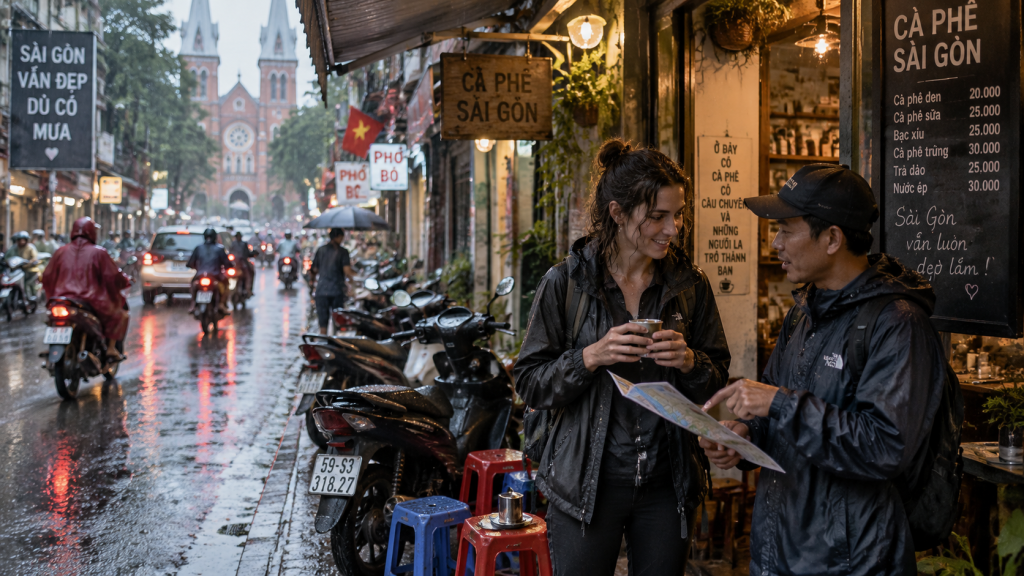
Vietnam rainy season guide is the smartest way to plan a trip that still feels wild, local, and full of great moments. If you are a first-time visitor or a solo traveler chasing markets, motorbike rides, and hidden food stops, the rain is not the real problem. The real win is knowing when showers hit, which regions stay more manageable, and how to move with the weather instead of fighting it.
In Vietnam, rainy season does not mean one long wet spell everywhere. Southern cities often get short but intense afternoon rain, central coast weather can turn messy fast, and the north may feel humid with sudden downpours. That is why the best time to visit Vietnam depends on your route, not just the calendar. If you want a trip that stays flexible, Vietnam Crazy Tour style travel can help you build a smarter plan around local conditions and real on-the-ground timing.
| Criteria | Dry Season | Rainy Season | Best For |
|---|---|---|---|
| Weather feel | Stable and sunny | Hot, humid, with showers | Flexible travelers |
| Trip style | Easy sightseeing | Fewer crowds, more local feel | Adventure and culture |
A simple rule works well: pack for fast changes, plan indoor backups, and keep transfers light when the forecast looks unstable. For travelers who want deeper local experiences, rainy season can actually improve the journey because streets feel more real, prices are often softer, and cultural stops are easier to enjoy at a slower pace. If you are building a multi-stop route, check the full tour list to see how different regions fit your timing.

Vietnam Rainy Season Guide: What to Expect Across the Country
Vietnam rainy season guide travelers need one simple truth: rain here is rarely a countrywide washout, but it can change your route, timing, and comfort fast. If you are planning a local-feeling adventure in Vietnam, the real win is learning how to read the weather by region so you can keep moving, stay dry enough, and still catch the best street scenes, rice fields, and coastal stops.
For first-time visitors, the tricky part is not the rain itself. It is the way a wet afternoon in Ho Chi Minh City feels completely different from a gray, misty morning in Hanoi or a stormy beach day in Central Vietnam. Once you understand the pattern, you can pack smarter, book with more confidence, and choose trips that still feel wild, local, and fun even when the clouds roll in.
What the rainy season means in Vietnam is not one single weather event. It usually means shorter intense showers, humid air, and fast changes during the day. In the South, rain often arrives like clockwork in the late afternoon, then clears enough for a scooter ride, market walk, or dinner by the river. In the North, rain can be softer but more persistent, especially during cooler months. In the Central region, heavy rain can be more disruptive, so route planning matters more.
A practical way to think about it is this: rain in Vietnam is a timing problem, not always a trip-stopper. That is why many travelers still enjoy Vietnam crazy tour style experiences during wet season, especially when the itinerary mixes food, culture, and flexible transport instead of long exposed transfers.
| Criteria | North | Central | South |
|---|---|---|---|
| Rain style | Light to steady rain | Heavy bursts and storms | Short afternoon showers |
| Trip impact | Flexible with layers | Watch road and coast plans | Easy to adapt daily |
How weather patterns change by region is the key decision point for smart travelers. North Vietnam is more seasonal, with cooler wet months that can feel misty and cinematic, especially around Hanoi and Ninh Binh. Central Vietnam can be the most unpredictable, with strong rain that affects Hue, Da Nang, and Hoi An differently depending on the month. The South stays warmer year-round, so even in the wet season you can still enjoy city energy, floating markets, and countryside rides if you start early.
Here is the mini insight most visitors miss: wet weather often improves the local experience. Fewer crowds, richer colors, and more authentic daily life on the street can make the trip feel deeper. If you want ideas that fit a rain-adjusted route, browse all Vietnam tours and look for options that stay flexible, city-based, or food-focused.
Quick decision guide:
- North: bring a light jacket and plan for misty days
- Central: keep one backup plan for storms and flooding
- South: expect afternoon rain and travel earlier in the day
For couples, solo travelers, and families, the winning formula is the same: start early, keep transfers short, and choose experiences that still work when the sky turns gray. Vietnam rainy season guide planning is less about avoiding rain and more about turning rain into part of the adventure.
If you want a more local, flexible way to explore Vietnam in wet weather, choose itineraries with food stops, market time, and neighborhood stories rather than rigid schedules. That is where the trip stays easy, memorable, and worth every wet step.

Vietnam Rainy Season Guide: When It Happens and How Long It Lasts
Vietnam rainy season guide: if you time it right, the rain is not a trip killer, it is part of the local rhythm. The real challenge is not avoiding every shower, but knowing when heavy bursts hit, which region stays wetter, and how to plan days that still feel adventurous for solo travelers, couples, and families.
In Vietnam, the rainy season changes by region, so one month can feel manageable in the north and intense in the south. That is why smart travelers check both the calendar and the map before booking. With the right plan, you can still enjoy street food, countryside roads, and local experiences without getting trapped by endless downpours.
Featured snippet: Vietnam’s rainy season usually runs from May to October in the south and from roughly May to September in the north, while central Vietnam gets a later wet season from September to December. The heaviest rain often arrives in short afternoon storms, not all-day rain, so trips are still possible with flexible planning.
Month by month, the pattern is easier than most first-timers expect. From May to June, rain starts building in the south and high humidity becomes the main issue. July to September is the classic wet stretch nationwide, with stronger afternoon storms and greener landscapes. October to November often brings a gradual cooldown in the north and a heavier wet phase in central Vietnam, especially around Hue and Hoi An.
By December, the south usually dries out, while the central coast may still be dealing with flood-prone weeks. A practical example: Ho Chi Minh City can get a sudden 45-minute storm at 3 pm and still feel lively by dinner, while Da Nang may face longer rain systems later in the year. For deeper trip planning, you can also check all Vietnam tours when deciding the best route for your season.
Which regions get the heaviest rain and why? The central coast often takes the hardest hit because monsoon winds push moisture into the mountains, then storms linger near the sea. The north gets strong summer rain, but it is usually more spread out. The south gets dramatic but shorter showers, which means roads can stay usable if you move early in the day.
| Tiêu chí | South | Central Coast | North |
|---|---|---|---|
| Rain style | Short heavy showers | Longer storm systems | Summer downpours |
| Best planning tip | Start early | Check flood alerts | Carry a light shell |
Soft booking tip: if your trip mixes city life with local food stops, choose flexible transport and one weather backup activity. A rainy afternoon is a good time for a Vietnam crazy tour style experience that keeps you close to real street culture without losing the adventure feel. That approach works especially well for first-time visitors who still want an authentic pace.
Strong CTA: If you want the safest seasonal choice, aim for the dry window in each region, then build a rain-proof plan around it. Keep your mornings open, your shoes quick-drying, and your expectations realistic. Vietnam in the rainy season can still be excellent, but only for travelers who plan like locals and move with the weather instead of fighting it.
How to Travel Smart During Vietnam’s Rainy Season
Vietnam rainy season guide travelers need if they want fewer disruptions and more real local moments. Rain can turn a simple road trip into a slippery mess fast, but the right packing list and daily plan keep the adventure smooth. For solo travelers, couples, and families, the trick is not to avoid the rain. It is to move with it.
In Vietnam, wet weather often comes in short, heavy bursts, then clears enough for food stops, market walks, and scenic rides. That means smart planning beats strict schedules. If you want deeper, more local experiences, start with flexible timing, quick-dry gear, and backup indoor options from all Vietnam crazy tours so your day still feels alive even when the sky changes.
Featured snippet: To travel smart in Vietnam’s rainy season, pack light rain protection, quick-dry clothing, waterproof shoes, and a dry bag for electronics. Plan transport with extra buffer time, schedule outdoor activities earlier in the day, and keep one indoor backup option. Flexibility is the real travel hack.
What to pack for wet weather and humid conditions
Focus on items that dry fast, protect your gear, and keep you comfortable in heat plus humidity. A poncho is useful, but a compact rain jacket with ventilation is better for moving around cities, markets, or scooter rides. Add anti-slip sandals or lightweight shoes, because soaked sneakers can ruin a full day.
Practical packing list:
- Breathable rain jacket and compact umbrella
- Quick-dry shirts, shorts, and underlayers
- Waterproof phone pouch and dry bag
- Moisture control items like small towels and spare socks
- Insect repellent and refillable water bottle
A small insight many first-time visitors miss: humidity is often the bigger problem than rain. Clothes that feel fine at home can turn sticky in Vietnam, so avoid heavy fabrics. If you are building a more local trip style, keep your bag light enough to switch plans fast, and leave room for wet clothes on the return ride. For a broader sense of what experience style fits you, check Vietnam Crazy Tour home base before locking your route.
Soft CTA: If you want local-friendly trips that still work in bad weather, choose flexible routes and transport gaps that give you breathing room.
| Criteria | Best Choice | Why It Works | When To Use |
|---|---|---|---|
| Rain protection | Light rain jacket | Better airflow than a poncho | City walks and motorbike rides |
| Footwear | Quick-dry sandals | Faster drying and better grip | Markets, beaches, and transfers |
How to plan transport, activities, and daily schedules
Build your day around the weather window, not the clock. In many parts of Vietnam, rain comes hard but briefly, so mornings are often safer for outdoor sightseeing, while afternoons work better for food tours, cafés, museums, and local homes. That simple shift can save a whole itinerary.
Transport tips that actually help:
- Leave earlier than usual for road transfers
- Use ride-hailing or private transport when visibility drops
- Keep one indoor backup activity in every city
- Book flexible departure times when possible
This is where adventurous travelers win. You can still chase street food, river life, and neighborhood walks, but with smarter timing and a wetter-weather mindset. For example, a morning market stop, a lunch break during the heaviest rain, and a late-afternoon cultural visit often feels better than trying to force a full-day outdoor plan. If your trip style leans toward unusual local stories, a themed experience like ghost and belief tours can be a strong rainy-day fallback because it fits indoor or semi-covered conditions while staying deeply local.
Strong CTA: Plan your rainy-season trip with flexibility, choose backups before you need them, and you will turn bad weather into part of the journey instead of a problem.
Best Places to Visit in Vietnam During the Rainy Season
Vietnam rainy season guide travelers usually need one thing first: a smart plan that keeps the trip moving even when the sky turns heavy. The rainy months do not cancel Vietnam, they simply change the game. If you choose the right cities and rhythms, you can still get street life, culture, food, and real local energy without wasting time hiding from storms.
For solo travelers, couples, families, and adventurous visitors, the best places are not always the most famous ones. You want destinations with flexible indoor options, short transfer times, and neighborhoods that stay active in wet weather. That is where Vietnam becomes surprisingly easy to enjoy, especially when you match your route to season, budget, and travel style.
Featured snippet: The best places to visit in Vietnam during the rainy season are cities and regions with strong indoor experiences, short travel distances, and reliable food and culture scenes. Ho Chi Minh City, Hanoi, Da Nang, Hoi An, and Hue work well because rain usually comes in bursts, not all day, and travelers can switch between cafes, museums, markets, and local eats.
Rain-friendly destinations are not about escaping the weather, they are about using it well. Ho Chi Minh City is a strong pick for nightlife, cafes, museums, and easy day planning, while Hanoi gives you old-quarter character, covered street-food stops, and compact walking zones. If you want a softer pace, Da Nang and Hue are smart because you can combine beach downtime with cultural stops, then move indoors when the rain hits. For a deeper local angle, some travelers add all Vietnam Crazy tours to build a weather-proof route around food, culture, and short city hops.
Mini insight: rainy season is often better for travelers who like less crowd pressure and more flexible discovery. Hotels are easier to book, cafes feel more alive, and local markets stay busy even when the streets are wet. A good rainy-season route is usually city first, then short countryside or heritage add-ons. That way you avoid long exposed transfers and still get variety.
| Criteria | Best for | Rain advantage | Travel style |
|---|---|---|---|
| Ho Chi Minh City | Food, nightlife, museums | Heavy rain comes in short bursts | Solo, couples, city lovers |
| Hanoi and Hue | History, culture, local food | Easy indoor backups and walkable cores | Families, culture seekers |
Where you go should also depend on your budget and travel style. If you want value, choose places where transport is short and dining is cheap, such as Hanoi, Hue, or Ho Chi Minh City. If you want comfort and easier logistics, Da Nang is a strong middle option with modern hotels and indoor-friendly cafes. If you want a more local and adventurous feel, connect your city stay with a niche experience like Vietnam Crazy Tour home and keep the route flexible around weather windows.
For first-time visitors, the best rainy-season strategy is simple: stay in one base city for two or three nights, then add a short nearby trip only if the forecast stays stable. That cuts stress and gives you more room for spontaneous food stops, markets, and hidden neighborhoods. If you are booking for a couple or family, choose destinations with malls, museums, coffee culture, and easy grab rides so the rain never becomes a full-day problem.
Soft CTA: If you want a trip plan that fits rain, budget, and local experience together, start with a city base and build from there. The right route makes Vietnam feel easy, even in wet season.
In short, the smartest Vietnam rainy season guide is not to avoid the monsoon months, but to choose places that stay interesting indoors and outdoors. Go for cities with compact centers, strong food scenes, and flexible day plans. That is how you keep the trip moving, save money, and still get the adventurous Vietnam trip your audience actually wants.
Strong CTA: Ready to turn wet-weather uncertainty into a smooth Vietnam route? Pick the right base city, mix in local experiences, and travel with a plan that keeps every rainy hour useful.
Rainy Season Travel Tips, Common Mistakes, FAQ, and Final Advice
Vietnam rainy season guide travelers need is simple: plan for flexibility, not perfection. In Vietnam, showers can hit fast, roads get slick, and local life keeps moving anyway. If you are chasing a local, adventurous trip, the smart move is to build your day around weather windows, not just a fixed schedule. That way you still get markets, street food, and real neighborhood energy.
The best rainy-season trips are the ones with backup plans that still feel exciting. Bring quick-dry clothing, a compact rain layer, and shoes with grip, then map out indoor stops, food breaks, and short rides between sights. If you want ideas that fit that style, browse our Vietnam tour collection for routes that work well even when the sky turns gray.
Common mistakes travelers make in rainy season usually come from underestimating transport and timing. Many people book back-to-back outdoor activities, ignore flood-prone streets, or assume a 30-minute shower will stay small. In cities like Ho Chi Minh City, Hanoi, or Danang, the rain often changes traffic, visibility, and comfort more than the actual itinerary, so pacing matters as much as packing.
Here is the practical breakdown:
| Tiêu chí | Good choice | Poor choice | Why it matters |
|---|---|---|---|
| Transport | Short rides with buffer time | Long cross-city hops in rush hour | Rain slows traffic and raises stress |
| Activities | Mix indoor and outdoor stops | Full-day open-air plans only | Flexible plans keep the trip enjoyable |
Mini insight: the rainy season can actually improve the trip if you lean into local rhythm. Wet weather brings slower streets, better coffee stops, and more time to notice daily life. That is why many travelers prefer small-group or custom routes that adapt on the fly. If you want a softer way to plan, check Vietnam Crazy Tour for local-style trip ideas.
Featured snippet: The smartest rainy-season travel strategy in Vietnam is to keep your itinerary flexible, use short transfers, pack quick-dry essentials, and balance outdoor plans with indoor backups. This approach reduces stress, protects your time, and helps you enjoy local food, markets, and city life even when showers arrive suddenly.
Key FAQ for planning:
What should I pack? Light rain jacket, sandals with grip, a small dry bag, and a power bank.
Is it still worth traveling? Yes, especially if you enjoy food, culture, and local neighborhoods more than perfect beach weather.
Should families worry? Only if the schedule is too tight. Build in rest time and indoor options.
Soft CTA: If you want a route that feels local, adventurous, and easy to manage in wet weather, start by comparing tour styles and pick the one that matches your pace.
Final advice: do not fight the rain, plan around it. The best Vietnam trips in the wet season feel natural, unhurried, and full of real moments, which is exactly why experienced travelers often remember them more vividly than the dry season.
For a stronger plan, choose routes with built-in flexibility and local timing, then book early enough to secure the right pace for your group. If you are ready to shape a trip that works in real weather, explore all Vietnam Crazy Tour options and build your rainy-season plan with confidence.
