
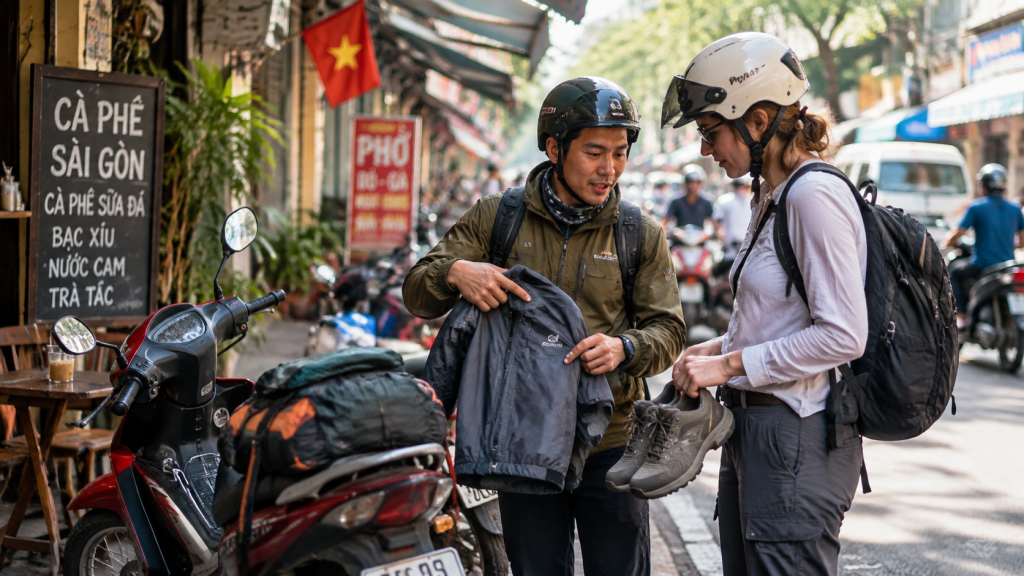
What to wear on a Vietnam motorbike tour starts with one rule: dress for heat, rain, dust, and long hours on the bike, not for photos at the hotel. A bad outfit turns a dreamy road day into sticky skin, burned arms, and sore legs fast. The fix is simple: light layers, covered skin, and gear that moves with you.
If you are riding through northern mountain roads, coastal highways, or local backstreets, your clothes need to handle all three. Think breathable fabrics, closed shoes, and a compact rain layer that you can pull out quickly when the sky changes. For riders who want a smoother local experience, you can also check all Vietnam crazy tours for route styles that match different climates and comfort levels.
| Tiêu chí | Safe Choice | Poor Choice | Why It Matters |
|---|---|---|---|
| Footwear | Closed shoes with grip | Flip-flops or loose sandals | Protects toes, ankles, and control on wet roads |
| Clothing | Light long sleeves and long pants | Shorts and sleeveless tops | Reduces sunburn, scratches, and exposure in villages |
The smartest riders pack like locals who live with sudden weather shifts: one breathable shirt, one protective outer layer, and one rain-ready backup. That is the real answer to what to wear on a Vietnam motorbike tour if you want to stay cool without getting reckless. If your trip leans into deep local culture and authentic road life, the Vietnam Crazy Tour style of travel is built around that kind of practical, no-fuss mindset.
Featured snippet: Wear light long sleeves, long pants, closed shoes, and a packable rain layer on a Vietnam motorbike tour. Choose breathable fabrics, avoid loose or flashy items, and keep clothing modest enough for village stops, temple visits, and all-day riding comfort.
Soft CTA: If you want a route that matches this kind of travel style, explore tours that keep the ride practical, local, and adventure-ready before you lock in your plan.
Strong CTA: Pack smart now, and your Vietnam ride will feel safer, cooler, and a lot more enjoyable from the first kilometer to the last.
What to Wear on a Vietnam Motorbike Tour: The Essential Basics
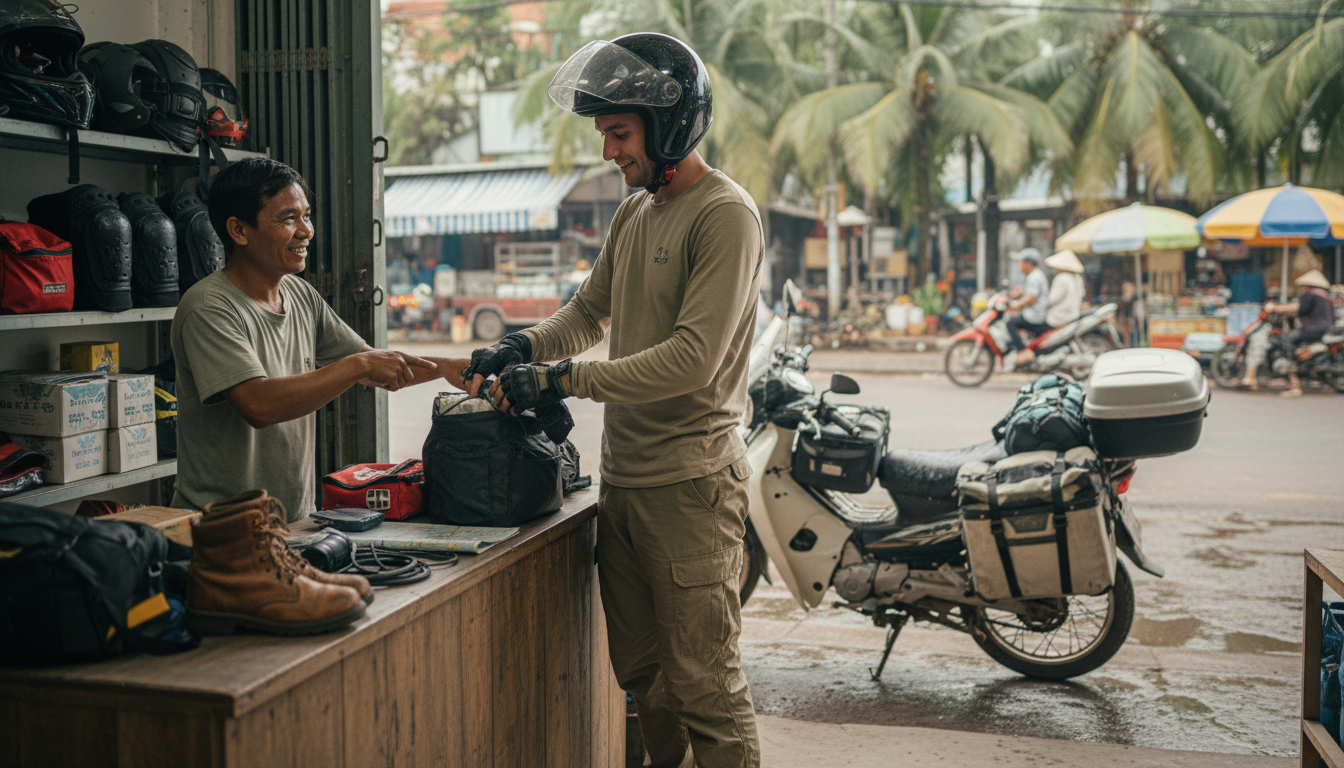
What to wear on a Vietnam motorbike tour comes down to one thing: balance comfort with real protection. Vietnam can switch from blazing heat to sudden rain, then throw in dusty roads, mountain winds, and long riding hours. If you dress for the café, you’ll feel miserable by lunch. If you dress smart, the road feels easier, safer, and way more fun.
The basic rule is simple: cover your skin, keep fabric breathable, and choose gear that stays secure on the bike. That means a proper helmet, a lightweight top, protective outer layer, long pants, and closed-toe shoes. For travelers who want a deeper look at route styles and riding culture, the full Vietnam tour collection is a useful place to compare experiences before you pack.
Featured snippet: The best motorbike tour clothing in Vietnam is lightweight, quick-drying, and protective. Wear a helmet, a breathable shirt, a light jacket or outer layer, long pants, and closed-toe shoes. Add gloves and rain protection if you ride in the north, highlands, or during the wet season.
Motorbike tour clothing in Vietnam is not about looking like a full racing rider. It is about managing heat, sun, road spray, and sudden weather changes without making your body work harder than it should. In the lowlands, breathable fabrics are your best friend. In places like Ha Giang or the Central Highlands, the same outfit can suddenly need an extra layer because the air gets cooler fast.
A good example: a solo traveler riding from Hanoi to Ninh Binh may start the morning in a thin long-sleeve shirt, then add a rain shell after lunch when the sky turns gray. A couple on a scenic ride may wear matching lightweight layers and still stay comfortable when stopping at viewpoints. That is why smart packing matters more than heavy packing.
Use this simple outfit formula:
Helmet: always fitted, never loose
Breathable top: moisture-wicking, not cotton-heavy
Protective layer: light jacket or wind shell
Long pants: denim, cargo, or riding pants
Closed-toe shoes: sneakers or boots with grip
Mini insight: cotton feels nice at rest, but on a long ride it traps sweat and dries slowly. Quick-dry fabric keeps you cooler, especially when you stop often for photos, food, or village walks. If you want a tour style that blends road time with local stops, Vietnam Crazy Tour is a solid reference for planning a route that matches your comfort level.
For rain and sun, think in layers, not in bulk. A thin outer shell is better than a heavy jacket, because it blocks wind, handles drizzle, and packs small. If your tour includes remote roads or rural homestays, bring a compact extra layer in your day bag so you do not get stuck shivering after sunset.
Strong CTA: pack light, dress for heat and protection, and choose clothing that can handle Vietnam’s changing road reality. If you want to turn a good ride into a smooth one, start with the basics now, then match your gear to your route, season, and riding style before you book.
How to Dress for Heat, Rain, and Mountain Roads in Vietnam
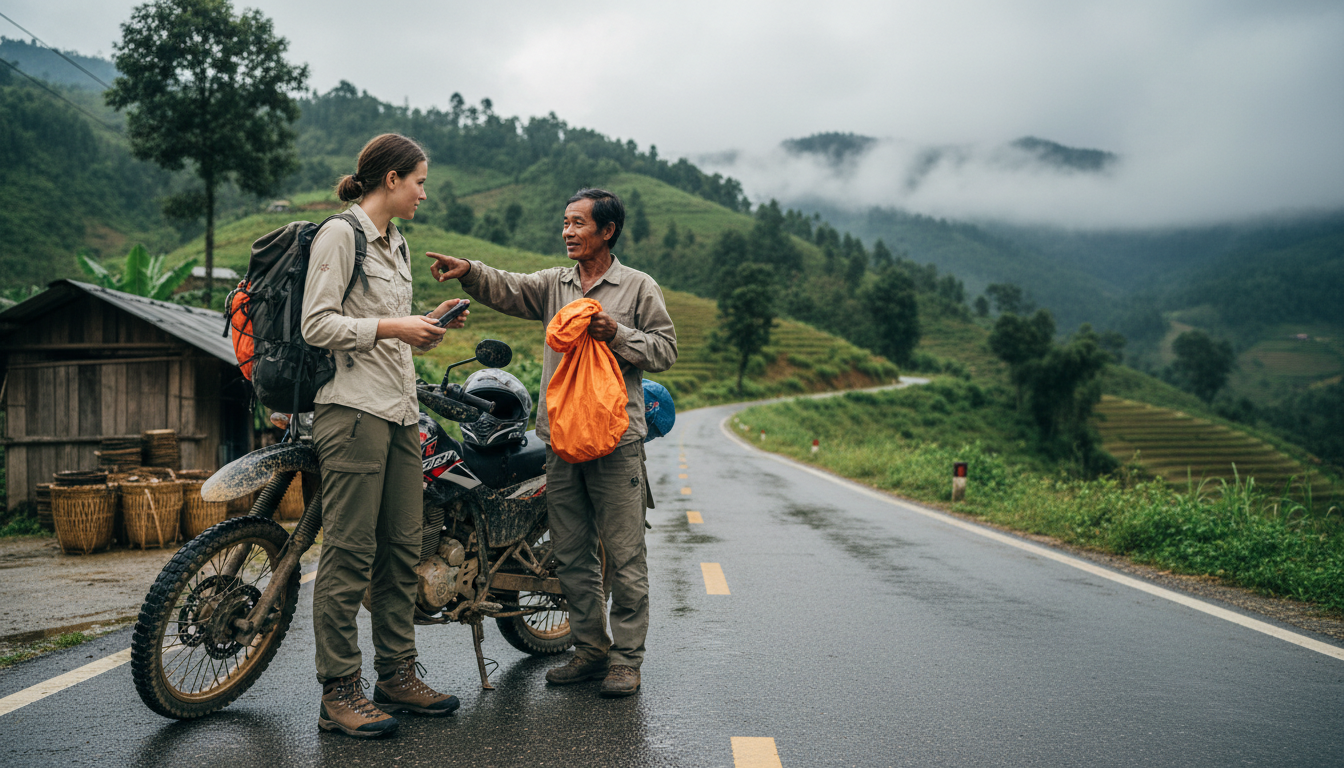
What to wear on a Vietnam motorbike tour depends on heat, sudden rain, and fast-changing mountain weather. The right outfit keeps you cooler in the lowlands, drier in storms, and safer when the road climbs into misty highland curves.
For most riders, the best answer is simple: breathable layers, quick-dry fabric, closed shoes, and a light rain shell. That combo works for solo travelers, couples, and families who want comfort without dragging a huge bag through every stop.
If you want the short version, dress for movement, not for photos. In hot towns and coastal roads, wear light long sleeves and long pants that protect from sun and road dust. In rainy season, add a packable poncho or rain jacket you can pull on fast. In the highlands, bring one warmer layer because evening rides can feel cold even after a sweaty afternoon. A smart rider checks the route first, then packs for the worst section, not the easiest one.
| Criteria | Lowlands | Rainy Season | Highlands |
|---|---|---|---|
| Best top | Light long sleeve | Quick-dry shirt | Layered top |
| Best bottom | Breathable long pants | Fast-dry pants | Wind-resistant pants |
| Extra item | Sun buff or scarf | Poncho or rain shell | Light fleece |
One practical detail many first-time riders miss is how wet roads change clothing performance. Cotton stays heavy and cold after rain, while synthetic layers dry faster during lunch stops or homestay check-ins. If your route includes places like Ha Giang or Da Lat, this matters even more because a warm valley can turn into a chilly ridge in less than an hour. That is why what to wear on a Vietnam motorbike tour should always include one piece for rain and one for temperature drop.
For day rides, keep it clean and minimal: helmet, gloves, long sleeves, long pants, and shoes that grip well on wet pavement. For multi-day tours, add a second shirt, one spare base layer, and a compact dry bag so your clothes do not smell like road spray after day two. If you are booking an adventure with all Vietnam crazy tours, ask the operator where the route gets coldest, because packing for the top of the mountain is often the difference between a fun ride and a miserable one.
Soft CTA: If you are still deciding your route, choose clothing after the weather pattern, not after the city you start from. Hanoi, central coast roads, and northern mountain passes all feel different.
Strong CTA: Pack one light layer, one rain layer, and one warm layer now, and you will be ready for almost every Vietnam road condition without overpacking.
Featured snippet: The best thing to wear on a Vietnam motorbike tour is breathable long clothing, closed shoes, and a light rain layer. In lowlands, protect yourself from heat and sun. In rainy season, use quick-dry fabrics. In the mountains, add a warm layer for cold and wind.
For travelers who want a deeper local experience, route planning matters as much as clothing. A rugged ride through remote villages may need more weather protection than a short transfer day, and that is where Vietnam Crazy Tour can help you match the outfit to the terrain before you go.
Best Clothing and Gear for Safety, Comfort, and Sun Protection
What to wear on a Vietnam motorbike tour starts with one rule: protect your skin, your grip, and your feet before you think about style. Vietnam can hit you with strong sun, sudden rain, dusty roads, and long hours in the saddle, so the right gear keeps the ride smooth instead of exhausting.
For solo travelers, couples, and families chasing local roads, the smartest packing choices are light, breathable, and quick to dry. That means less sweat, less distraction, and better control when the road turns rough. If you want a deeper look at route planning and trip style, browse the full Vietnam tour collection while you match your gear to the journey.
Featured snippet: The best clothing for a Vietnam motorbike tour is lightweight but protective: full-finger gloves, UV-proof layers, a compact rain jacket, a neck gaiter, sunglasses, and closed-toe footwear. Avoid fashion-first outfits that expose skin, slip on wet seats, or make you overheat under tropical sun.
Why lightweight protection matters more than fashion on Vietnamese roads is simple: the weather changes fast, traffic is busy, and many rides include mountain bends, village stops, and dusty backroads. A thin long-sleeve UV layer blocks sun without trapping too much heat, while gloves improve your grip during long riding days. Small upgrade, big comfort gain.
A practical setup looks like this:
| Tiêu chí | Best choice | Why it works | When to use |
|---|---|---|---|
| Sun protection | UV long sleeve | Blocks harsh rays and dries fast | Day rides and open roads |
| Rain and wind | Compact rain jacket | Keeps core dry without bulk | Sudden showers and cool passes |
Must-have items start with gloves that fit well, because sweaty palms and loose grip become a real problem on bumpy roads. Add a neck gaiter for dust and sun, sunglasses with UV protection for eye strain, and sturdy footwear that covers your toes and heel. Open sandals may look relaxed, but they offer almost no real road protection.
On wet days, a light rain jacket beats a heavy one because it folds small and does not turn your luggage into a brick. A smart rider often keeps everything in a dry bag and layers up only when the weather shifts. That simple habit saves time at roadside stops and keeps you ready for whatever the ride throws at you.
If you are booking a trip and want gear advice that matches the route style, check the Vietnam Crazy Tour homepage for trip ideas built around local roads, comfort, and real travel conditions.
Bottom line: pack for movement, sun, rain, and impact, not for photos only. The right outfit helps you ride longer, stay cooler, and avoid avoidable discomfort. For a Vietnam motorbike tour, that is the difference between a good day and a great one.
What Not to Wear on a Vietnam Motorbike Tour
What to wear on a Vietnam motorbike tour starts with knowing what to leave out. The wrong outfit can turn a beautiful ride into a sweaty, slippery, sunburned mess, especially on long local roads, mountain passes, and dusty back routes. Smart packing is not about looking perfect. It is about staying safe, cool, and ready for sudden rain, sharp sun, and rough pavement.
For first-time riders, the biggest mistake is treating the bike like a taxi and dressing for a casual stroll. Vietnam is wild in the best way, but the ride asks for more respect than that. Choose clothes that protect skin, grip well, and dry fast, then keep a backup layer in your day bag for weather changes, temple stops, or a surprise cold breeze in the hills.
Featured snippet: Avoid flip flops, short shorts, loose accessories, heavy bags, and thick non-breathable fabrics on a Vietnam motorbike tour. The best outfit is simple: closed-toe shoes, light long layers, sun protection, and one backup rain layer. If you are still deciding what to pack, think comfort first, safety second, and style only if it does not slow the ride.
The fastest way to ruin a ride is to dress for the city instead of the road. Sandals, crocs, short skirts, and wide-open tops may feel fine for breakfast, but they create real problems once the engine starts and the sun hits hard. Loose clothing can flap, catch wind, or leave skin exposed. Heavy jeans can trap heat, while dark synthetic fabrics can feel brutal in humid weather.
Better options depend on your riding style. Casual travel clothes work for short transfers, but riding-specific gear matters more on mountain routes and full-day tours. A lightweight jacket, breathable long pants, and sturdy shoes give a much better balance. If you are joining a local adventure route, the small details matter even more because road conditions can change fast.
| Item type | Best choice | Avoid | Why it matters |
|---|---|---|---|
| Footwear | Closed-toe shoes with grip | Flip flops and loose sandals | Better control, less injury risk |
| Clothing | Light long layers | Shorts, crop tops, thick dark fabric | More protection from sun and road rash |
| Carry-on | Small dry bag with backup layer | Bulky suitcase or heavy backpack | Easier balance and less fatigue |
For couples, solo travelers, and family riders, the best setup is a simple three-part system: wear one safe outfit, keep one backup layer, and pack one dry bag for valuables. That is enough for rain, dust, and sudden temperature drops. If you want a softer start before the road gets serious, explore Vietnam Crazy Tour for routes that match your pace and comfort level.
Here is the quick decision rule. Casual travel clothes are fine when you are off the bike. Riding-specific gear is better for long or rough rides. Packed-backup options should always include a thin rain shell, sunglasses, and a clean shirt for after the ride. Leave bulky jewelry, hard-to-manage accessories, and anything expensive at the hotel, then travel light enough to move freely and enjoy the landscape.
When in doubt, test your outfit before the trip: sit down, lift your legs, and imagine riding for two hours in heat and wind. If it pinches, flaps, slides, or overheats, skip it. Strong packing choices make the day easier, protect your skin, and keep your attention on the road, the food stops, and the real Vietnam magic waiting around the next bend.
For a smoother ride and better planning, choose clothes that breathe, shoes that hold, and a backup layer that fits in one hand. If you want help matching your outfit to a real route, check the full tour collection and pick the style of adventure that fits your group, your season, and your comfort zone.
Practical Packing Tips, FAQ, and Final Travel Advice
What to wear on a Vietnam motorbike tour starts with one simple rule: pack for heat, rain, dust, and long hours in the saddle, not for perfect weather. A light, protective setup keeps you comfortable when the road turns muddy, the sun gets brutal, or the mountain air drops fast after sunset.
The smartest riders do not bring more, they bring better. Think fast-dry layers, closed shoes, a compact rain shell, and one small daypack that stays dry. If you are joining a route with Vietnam adventure tours, this kind of packing keeps your body light and your head free for the ride.
Featured snippet: Pack one base layer, one outer layer, one rain layer, and one pair of closed shoes. Add gloves, a buff, sunscreen, and a small dry bag. That is enough for most Vietnam motorbike tours, even when the day swings from hot plains to wet mountain roads.
The easiest way to stay ready is to build your bag around three needs: protection, drying speed, and flexibility. A thin long-sleeve shirt protects from sun and dust, quick-dry pants handle sweat and rain, and a light jacket or poncho covers sudden downpours. For women, first-time riders, and couples, the safest choice is still modest, breathable, and secure clothing that does not flap in the wind.
Practical packing list:
- 1 light long-sleeve top for sun and road dust
- 1 pair of quick-dry riding pants or jeans
- 1 compact rain layer that fits over gear
- Closed-toe shoes with grip, not sandals
- Gloves, sunglasses, lip balm, and a buff
- Small dry bag for phone, charger, and passport copy
For routes with remote stops and homestays, this setup works better than bulky luggage. You can keep essentials close, move faster, and avoid the usual overpacking trap. If you want a trip that mixes culture, local roads, and real-world logistics, see our Vietnam crazy tour style of travel planning, where comfort and adventure stay balanced.
| Criteria | Best Choice | Avoid | Why it matters |
|---|---|---|---|
| Footwear | Closed-toe shoes | Sandals or flip flops | Better grip and protection on wet roads |
| Clothing | Light layers | Heavy denim or loose clothing | Safer, cooler, and easier to dry |
FAQ: Do you need motorcycle pants, can you wear sandals, and what should women or first-time riders wear? Motorcycle pants are not mandatory for every trip, but some kind of abrasion-resistant long pant is strongly recommended. Sandals are okay for short stops, not for riding. Women and first-time riders should choose the same logic as everyone else: secure footwear, breathable coverage, and clothes that will not snag or expose skin in a fall.
Mini insight: the best outfit is usually the least exciting one. Riders who dress for comfort and protection spend less time adjusting gear and more time enjoying the road. If your route includes rough countryside, temple visits, or multiple weather zones, this simple approach saves stress and keeps your day smooth.
Final travel advice: pack light, protect your skin, keep valuables minimal, and leave room for local buys along the way. If you want a softer, safer start to Vietnam riding, book with a team that understands both road conditions and traveler comfort. Explore all options through all Vietnam tours and choose the style that matches your pace, budget, and appetite for adventure.