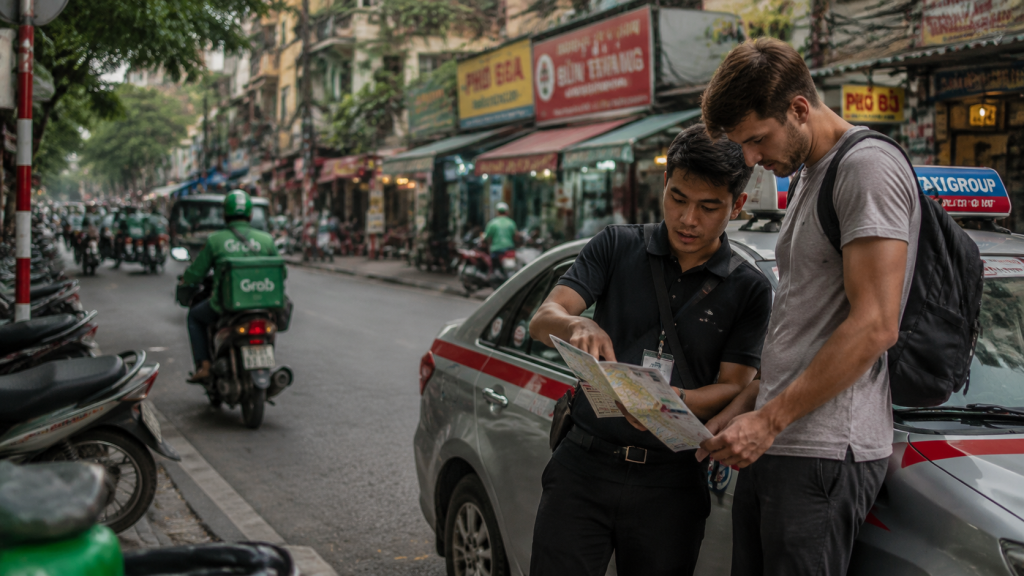
Hanoi motorbike ban is the headline travelers keep seeing, and the real question is simple: can you still move around the city without stress? For visitors, the change matters because Hanoi runs on motorbikes, side streets, and fast local habits. If you are planning a trip, especially to the Old Quarter or beyond Ring Road 1, you need a clear picture of what is changing and what stays easy.
The good news is that this is not a travel panic situation. It is more of a planning shift, where public transport, taxis, and ride-hailing will matter more, especially for first-time visitors and families. If you want a smooth trip, build your route strategy early and keep a backup plan ready, just like a smart local would. For deeper city travel ideas, check Vietnam crazy tour experiences and compare how different neighborhoods feel before you go.
The Hanoi motorbike ban is mainly about reducing pollution in central areas, not stopping travelers from exploring the city. That means the key impact is on where and how you move, not whether Hanoi is still worth visiting. Expect more electric buses, more regulated zones, and a stronger push toward cleaner transport. If your style is adventurous but practical, browse all Vietnam tours to see how guided local routes can reduce transport friction.
Featured snippet: The Hanoi motorbike ban refers to upcoming restrictions on gas-powered motorbikes in central Hanoi, especially around Ring Road 1. For travelers, it mainly affects local mobility, not sightseeing access. The smartest move is to plan around taxis, ride-hailing, walking routes, and public transport before arriving.
| Tiêu chí | Travel Impact | Best Response | Who Benefits |
|---|---|---|---|
| Old Quarter access | Possible restrictions inside central zones | Use taxi, Grab, or walk short links | Solo travelers, couples, families |
| Day-to-day movement | Less convenience for gas bikes | Plan routes with public transport backup | Expats, visitors, agencies |
Soft CTA: If you want a local-style trip without transport confusion, it helps to choose routes that already match Hanoi’s new direction. That is where a well-planned city day or private tour can save time and keep the experience smooth.
For travelers who want more than standard sightseeing, the city still offers deep local energy, market life, and neighborhood culture. The smartest approach is not to fear the ban, but to travel with a cleaner, easier movement plan that fits Hanoi’s evolving streets.

What the Hanoi Motorbike Ban Means
Hanoi motorbike ban is the phrase many travelers are now hearing, but the real meaning is more specific than a total citywide shutdown. The policy is about restricting gas-powered motorbikes in selected zones, starting with central Hanoi, then expanding in stages. For visitors, that means the city is not suddenly closing its streets; it is changing how vehicles move through key districts.
This matters because the Old Quarter, Ring Road 1, and other dense areas are exactly where many travelers spend their time. If you are planning a local-style trip, the shift can affect taxis, ride-hailing, parking, and even the feel of the street scene. For deeper context on how Hanoi works as a travel destination, see Vietnam Crazy Tour for city travel ideas and local guidance.
The basic definition is simple:
- Gas-powered motorbikes face limits first in central zones
- Electric vehicles and cleaner transport are expected to replace them over time
- Implementation will likely happen in phases, not overnight
That phased approach is the key insight. Hanoi is not trying to erase motorbikes in one move; it is trying to reduce pollution while keeping the city functional. In practical terms, you may see fewer loud engines in restricted areas, more electric buses, and more attention to parking and access rules. If your trip mixes sightseeing with adventurous local experiences, it is smart to check routes early and build flexibility into your day.
| Tiêu chí | Cột 1 | Cột 2 | Cột 3 |
|---|---|---|---|
| Scope | Central Hanoi first | Later expansion | Phased rollout |
| Travel impact | More checks and reroutes | Cleaner streets over time | Better planning needed |
Why is Hanoi doing this now? City officials want to cut dangerous air pollution, ease pressure on crowded roads, and push people toward cleaner transport. That includes better public transit, more charging points, and rules that make fossil-fuel vehicles less convenient in the center. In plain travel terms, the city is trying to move from chaos to control without losing its energy. If your style is to explore beyond the usual route, this transition may actually make the center easier to navigate on foot.
For travelers who like local culture with a sharper edge, the change also shapes how you experience the city. Streets may feel calmer, air may improve, and transport options may shift toward electric rides. Midway through planning, many visitors pair Hanoi with a themed day out or a guided experience, and you can browse all Vietnam Crazy Tour options if you want something more adventurous than standard sightseeing. Soft CTA: build your Hanoi route around areas that remain easy to enter, then save the restricted core for walking and cafes.
Featured snippet: The Hanoi motorbike ban is a phased restriction on gas-powered motorbikes in selected central areas, starting with Ring Road 1 and expanding later. The goal is to reduce pollution, support cleaner transport, and reshape traffic in the city center without ending motorbike travel across Hanoi overnight.
If you are visiting as a solo traveler, couple, or family, the best move is simple: confirm where your hotel sits, check whether your rides pass through restricted zones, and leave extra time for transfers. For a smooth local trip, book flexible transport and keep your itinerary centered on walkable neighborhoods and verified pickup points.
Strong CTA: plan your Hanoi route with local transport changes in mind, then turn the city shift into an advantage by booking a smarter, smoother experience before your trip.
How the Hanoi Motorbike Ban Could Work in Practice
The Hanoi motorbike ban would likely start as a tight, high-impact policy in the city center before spreading outward in stages. For travelers, that means the Old Quarter and nearby core streets could feel the earliest changes, with more checks, fewer gas bikes, and stronger pressure to switch to electric transport or shared rides. The real shift is not overnight chaos, but a managed move toward cleaner mobility.
In practice, this kind of rollout usually works best when authorities combine zone limits, parking rules, and fee changes. A visitor walking near Hoan Kiem Lake may notice fewer noisy engines, while a local commuter may see higher parking costs or restricted access at certain hours. The goal is simple: reduce emissions without freezing the city’s daily rhythm. For anyone planning an adventurous stay, understanding this transition helps you move smarter and avoid last-minute transport stress.
Featured snippet: The Hanoi motorbike ban would most likely begin in central low-emission zones, then expand in phases. Enforcement could include camera checks, parking restrictions, registration controls, and higher fees for gas-powered vehicles. Residents, workers, and tourists would adapt by using electric bikes, buses, taxis, and walking more in the most restricted areas.
Possible rollout zones and timelines would probably look like this: ring-fenced central districts first, then broader corridors with heavier traffic, then a wider citywide framework. That staged approach gives the government room to test compliance before expanding pressure. A traveler staying near the French Quarter could still get around easily, but a daily worker crossing central arteries may need to swap to buses, e-bikes, or park-and-ride options. A practical soft step is to browse local Vietnam tours that already account for changing traffic conditions and pickup patterns.
Enforcement methods are likely to be a mix of visible and digital control. Expect roadside inspections, license plate scanning, parking fee differentials, and targeted restrictions in the busiest core streets. Mini insight: the less a policy depends on one big ban date, the more likely it is to survive real-world pushback. That matters in Hanoi, where millions of motorbikes are part of everyday life, not just transport. If you want a bigger picture of the city’s evolving travel scene, the Vietnam Crazy Tour homepage can help you explore options beyond standard sightseeing.
| Tiêu chí | Early stage | Middle stage | Later stage |
|---|---|---|---|
| Coverage | City core zones | Expanded inner districts | Broader ring areas |
| Enforcement | Camera and parking checks | Fees and access limits | Wider compliance rules |
For residents and workers, adaptation will probably be the biggest story. Many people will keep using motorcycles, but cleaner vehicles, shared rides, and public transport will become more important for short city trips. Tourists, especially solo travelers and couples, will adapt faster because they are less tied to routine commuting. The strong move is to book stays near walkable areas and choose transfers that do not depend on a last-minute petrol bike.
Families may prefer a hotel with airport pickup and easy taxi access, while adventurous travelers can use the new transport shift as part of the experience instead of fighting it. If you like exploring deeply local neighborhoods, you can still do it, but with more planning and less spontaneity in the central zones. Soft conversion point: local transport changes can actually make the city easier to explore when you plan around them instead of against them.
Strong CTA: if you are visiting Hanoi during this transition, book flexible transport, stay central, and choose experiences that are designed for easy movement across the city. That is the safest way to enjoy Hanoi without losing time to traffic rules or transport confusion. For more unusual cultural travel ideas that fit a changing city rhythm, see the ghost and beliefs tours option, especially if you want a local lens beyond standard attractions.
Benefits and Real-World Impact of the Hanoi Motorbike Ban
Hanoi motorbike ban is more than a policy headline, because it could reshape how visitors and locals move through the city every day. For travelers who want a local, adventurous Hanoi experience, the key question is simple: will the city become calmer and easier to breathe in, or just harder to get around? The real answer is probably a bit of both.
In practice, the biggest upside is less congestion in the inner districts, especially around Ring Road 1 where traffic pressure is brutal at peak hours. Fewer fuel bikes should also help air quality, which matters in a city that often struggles with PM2.5 spikes. For road safety, a cleaner mix of buses, e-bikes, and walking can reduce chaotic lane changes and crowded curbside conflict.
The most immediate effect is likely to be felt by commuters and delivery workers, not tourists. A rider who used to cross the Old Quarter in minutes may need to switch to shuttle buses, walking routes, or ride-hailing drop-off points outside restricted zones. That is why smart planning matters, and you can also explore local Hanoi tours that already match slower urban movement.
Featured snippet: The Hanoi motorbike ban could improve traffic flow, lower roadside pollution, and make central streets safer for pedestrians. In return, daily mobility will become more dependent on public transport, electric vehicles, and better trip planning, especially inside the old city core.
| Tiêu chí | Before the ban | After the ban | Visitor impact |
|---|---|---|---|
| Traffic flow | Dense and noisy | Potentially smoother | Easier walking and curb access |
| Air quality | High exhaust exposure | Possible improvement | More comfortable sightseeing |
For delivery services, the shift may create delays at first, but it also pushes the city toward cleaner logistics and more predictable routing. For tourism, the effect is softer: airport transfers, hotel pick-ups, and food tours may need more time buffers, while neighborhoods inside the center could feel less frantic. If you prefer a deeper look at urban change and local community life, see our community-focused trip for a different lens on Hanoi movement.
Strong CTA: If you are planning Hanoi as a first-time or return visit, build in extra transit time, choose stays with flexible access, and expect the city center to change step by step. The Hanoi motorbike ban is not just about restriction; it is a sign that the capital is moving toward a cleaner, safer, and more visitor-friendly transport future.

Hanoi Motorbike Ban vs Other Transport Options
Hanoi motorbike ban is changing the way travelers think about getting around the city, especially if you want local flavor without getting stuck in traffic shock. For solo travelers, couples, and families, the real question is not whether Hanoi is still fun, but which transport option gives you the right mix of speed, comfort, and street-level experience.
This chapter compares motorbikes, buses, metro, taxis, and ride-hailing apps in a practical way. If you are planning a first visit or staying longer as an expat, the best choice depends on your route, your budget, and how much chaos you can handle on a busy Hanoi morning near the Old Quarter and Ring Road 1.
Featured snippet: The best transport choice in Hanoi depends on your travel style. Motorbikes stay the most flexible for short local trips, buses offer the lowest cost, metro works best for fixed corridors, while taxis and ride-hailing apps win for comfort, luggage, and door-to-door convenience. After the Hanoi motorbike ban, mixed transport planning becomes even more important.
| Criteria | Motorbikes | Public and App-based Options | Best Fit |
|---|---|---|---|
| Cost and flexibility | Low running cost, high freedom, but harder after restrictions | Buses are cheapest, metro is predictable, taxis and apps cost more | Budget travelers and planned city routes |
| Comfort and convenience | Fast in traffic, exposed to weather and pollution | Taxis and ride-hailing are easiest for luggage, families, and late nights | Families, expats, and short-stay visitors |
Motorbikes still feel like the most local way to move through Hanoi, but the city’s direction is clear: cleaner air, tighter zones, and more pressure on fossil-fuel vehicles. That matters if you are using a private bike, renting one, or simply crossing areas affected by the ban, because the old default will no longer fit every trip. You can read more about local travel-minded experiences through Vietnam Crazy Tour experiences when you want a city plan that balances culture and movement.
Buses are the strongest value option, especially for short-term visitors who do not want to deal with parking or traffic stress. The trade-off is time, because buses can be slow and less intuitive for first-time visitors. Metro is cleaner and easier to follow, but its usefulness depends on whether your hotel or sightseeing route is near a station. That is why many travelers combine metro for main legs and taxis for the last mile.
For expats and families, ride-hailing apps often become the sweet spot. They are simple, cash-light, and safer feeling when you arrive late or carry bags. A soft rule works well here: choose buses for savings, metro for predictability, taxis for comfort, and apps for everyday convenience. If your trip includes a deeper local angle, the wider all Vietnam Crazy tour options page helps you compare city-based experiences before booking.
Which option fits each traveler best
Locals usually keep the strongest advantage with motorbikes or mixed commuting, because speed and flexibility matter more than convenience. Expats often prefer ride-hailing plus metro, since it reduces decision fatigue and fits a workday rhythm. Short-term visitors should lean toward taxis, apps, and metro for the smoothest city movement, especially when they are navigating Hanoi motorbike ban related changes near central districts.
Quick decision guide
Use motorbikes if you know the streets well and want maximum freedom.
Use buses if price matters most and you do not mind slower travel.
Use metro if your route matches the line and you want a clean, stable ride.
Use taxis or ride-hailing if comfort, luggage, or family travel is the priority.
Bottom line: Hanoi is not becoming harder to explore, only smarter to plan. Travelers who mix transport types will save time, reduce stress, and still keep that wild, local Hanoi energy alive.
For a smoother trip plan, especially if you want a local-but-comfortable flow across the city, check the transport pattern first, then book your day around it. If you want a broader route that connects sightseeing, culture, and flexible movement, start with Vietnam Crazy Tour and build from there.
Key Warnings, FAQ, and What to Do Next
Hanoi motorbike ban planning gets messy fast when travelers assume the rule is already citywide or that exemptions will be obvious at the border. If you are heading into the Old Quarter, the safest move is to check the exact zone, the travel date, and whether your hotel or operator has an updated pickup plan before you arrive.
The real trap is not the policy itself, it is the last-minute scramble it creates. A smart traveler treats this like a route change, not a cancellation: book a backup transfer, keep walking-friendly plans for central Hanoi, and use a trusted local update source such as Vietnam Crazy Tour when you need a practical read on what is actually happening on the street.
Featured snippet: The Hanoi motorbike ban is expected to affect fossil fuel motorbikes inside the most restricted central zones first, with further phases planned later. Travelers should verify the exact road ring, avoid assuming exemptions, and stay flexible with hotel transfers, day tours, and late-evening returns.
| Tiêu chí | Check now | Risk if ignored | Best move |
|---|---|---|---|
| Zone boundary | Confirm Ring Road 1 access | Pickup refusal or reroute | Choose a nearby meeting point |
| Transport type | Know if your ride is gas or electric | Unexpected denial at checkpoints | Pre-book compliant transfer |
Common mistakes are simple but expensive: assuming all scooters are banned at the same time, arriving with no backup plan, and booking a cheap ride that cannot enter the restricted core. If you are a solo traveler or a family, build one buffer hour into your central-day itinerary so a route change does not wreck your whole plan.
FAQ
Who is affected? Riders, residents, and visitors using fossil fuel motorbikes inside the restricted Hanoi core are the first group to watch.
When does it start? The first phase is tied to mid-2026 for the most central zone, with wider stages later.
Are exemptions possible? Some special-use or policy-defined cases may appear, but travelers should never assume automatic access.
How do I stay updated? Recheck your hotel message, local news, and route advice 24 to 48 hours before travel, then again on the day you move around the center.
If you want the easiest trip experience, keep your plans simple, stay walkable, and let a local operator handle the messy parts. For more flexible sightseeing, browse all Vietnam tours and choose routes that still work even if central motorbike access changes.
Book smarter now, not later. If your Hanoi days include the Old Quarter, make your transfer plan, walking plan, and backup plan today so the ban does not become your problem tomorrow. When you need local-first travel with less stress and more adventure, start from the right route and keep moving with confidence.
