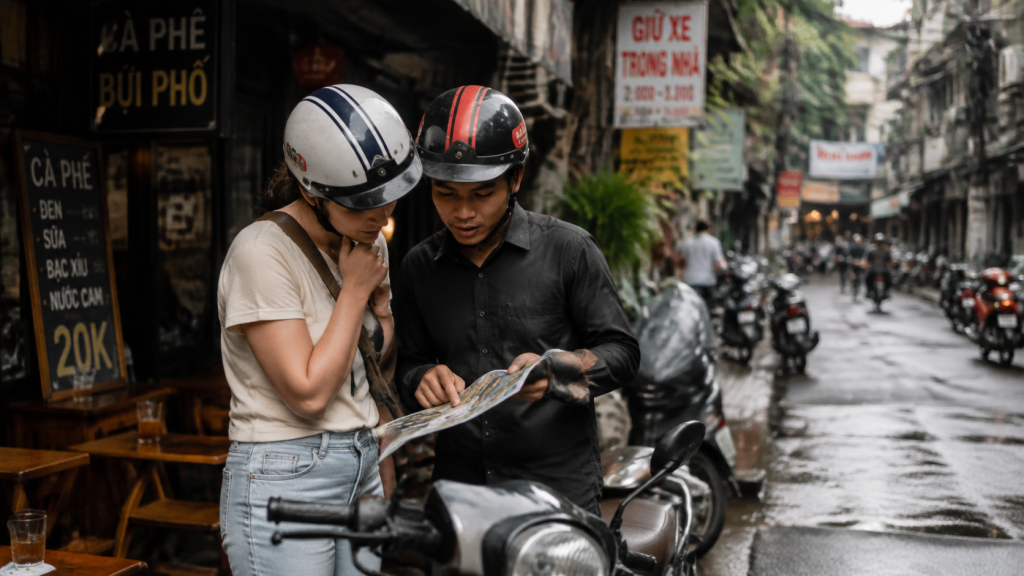
Motorbike rental in Vietnam is the fastest way to turn a basic trip into a real local adventure. Many travelers arrive wanting freedom, then get trapped by taxis, bus timetables, or tour schedules that skip the good stuff. A well chosen bike gives you control, saves money, and opens the door to hidden streets, coastal roads, and small towns most visitors never reach.
For solo travelers, couples, and even families with the right riding experience, this is often the smartest way to explore. In this guide, you will learn how the rental process works, what to check before you ride, and how to pick a safe option that fits your route. If you want a broader look at local experiences, see all Vietnam Crazy Tour experiences while planning your trip.
| Tiêu chí | Cột 1 | Cột 2 | Cột 3 |
|---|---|---|---|
| Best for | Flexible city and coast travel | Hidden local routes | Independent day planning |
| Main advantage | Freedom to stop anywhere | Lower cost than private transport | Easy access to offbeat areas |
Quick decision: choose motorbike rental if you want freedom, short travel times, and a more local feel; choose organized transport if you prefer maximum comfort and zero navigation stress. A soft tip for first timers is to rent only after checking the route, the bike condition, and the support policy. That simple step can save your trip from becoming expensive trouble.
What Motorbike Rental in Vietnam Really Means
Motorbike rental in Vietnam is not just about getting a bike and riding off. It usually includes a scooter or manual bike, a basic helmet, a rental agreement, and sometimes delivery, route advice, or support if something goes wrong. For travelers who want real street-level freedom, this is often the fastest way to move between cafés, local markets, beach roads, and hidden corners without waiting on taxis or tour schedules.
For many first-time visitors, the biggest question is not whether a bike is available, but whether the rental fits their trip style, skill level, and safety comfort. That is where a clear motorbike rental in Vietnam decision matters, especially if you are exploring as a solo traveler, a couple, or a family. If you want a broader travel plan with local experiences, you can also check Vietnam Crazy Tour ideas while comparing your options.
Featured snippet: Motorbike rental in Vietnam means more than transport. It gives travelers flexible access to local streets, short detours, and spontaneous stops, but it also requires the right bike type, basic riding confidence, and a plan for traffic, parking, and weather.
What a motorbike rental service includes usually depends on the provider and the city. In most places, you can expect:
- A scooter, semi-automatic, or manual motorbike
- A helmet and sometimes a spare helmet
- Simple pickup or hotel delivery
- Basic instructions, fuel level notes, and return terms
- Optional damage deposit or passport copy request
A good rental is not only about price. It is also about condition, tire grip, brakes, and whether the shop explains the rules in a way you can understand. Small details matter, because a cheap bike with weak brakes can turn a fun day into stress very fast.
Why it matters for travelers in Vietnam is simple: distance looks short on a map, but traffic, heat, and road style can change the whole experience. A bike gives you control over timing, photo stops, and food stops, which is why many independent travelers prefer it over fixed transfers. For local travel planning, this flexibility can save hours and make your route feel much more alive.
| Tiêu chí | Self-ride bike | Taxi or ride-hailing | Tour vehicle |
|---|---|---|---|
| Flexibility | High for stops and detours | Medium with app availability | Low with fixed schedule |
| Local feel | Very strong street-level access | Moderate city view only | Guided and structured |
When renting a bike makes the most sense is usually during short city hops, beachside exploring, rural day trips, or any itinerary where public transport would slow you down. It works best for confident riders who want freedom, but it is less ideal during heavy rain, rushed airport transfers, or routes with steep mountain roads if you are inexperienced.
Soft CTA: If your trip is still flexible, compare the bike option with guided local experiences before you decide. In some cases, riding yourself gives the best adventure, while in others a planned route saves time and stress.
A practical way to decide is to match the bike to the trip, not the other way around. Use this quick filter: choose a rental if you can ride safely, handle traffic calmly, and want to stop often. Choose another transport if you are tired, carrying heavy luggage, traveling with young children, or arriving in Vietnam for the first time and still learning the road rhythm.
Strong CTA: If you want the freedom of the road without guesswork, book a reliable bike only after checking the condition, insurance terms, and return policy. That is the smartest way to turn motorbike rental in Vietnam into a real travel advantage instead of a risky gamble.

How Motorbike Rental in Vietnam Works
Motorbike rental in Vietnam is usually simple, but the real win is knowing the process before you arrive at the shop. Most travelers want freedom, fast pickup, and no drama with deposits, scratches, or confusing rules. If you are planning a local-style trip, this guide shows how the rental flow works, what to prepare, and where small mistakes can cost you time and money.
The good news is that a normal rental day is very manageable for foreign visitors, even first-time riders. You book, show documents, inspect the bike, pay a deposit, and ride out. The tricky part is not the paperwork, it is the details: fuel level, tire condition, helmet quality, and how the owner handles late return. That is where a smart renter saves stress and starts the trip right.
In most cities, the process begins with a message or phone call, then a short pickup check. Shops near tourist zones often ask for passport details, a cash deposit, or sometimes a photo of your driving license. If you are building a more local travel plan, you can also compare vehicle choices through all Vietnam tours and pair mobility with a wider route idea.
For the usual rental process from booking to return, expect this flow:
- Reserve the bike and confirm the daily rate
- Share ID, passport copy, or license if requested
- Inspect brakes, lights, horn, mirrors, and tires
- Take photos of every visible scratch before leaving
- Pay deposit or leave passport according to shop policy
- Refuel if needed and return on the agreed time
A strong mini insight: the cheapest bike is not always the cheapest trip. A slightly better scooter with good brakes and a stable seat often feels safer on busy streets and rural roads, especially for couples or solo travelers who value comfort.
Documents, deposits, and bike checks are the trust layer of the whole system. A passport photo is common, but handing over your original passport can be risky unless you fully trust the operator. A cash deposit is often safer because it keeps your documents in your control. Before riding, check the front brake, rear brake, horn, headlight, and both tires, because those are the first things that matter in real traffic.
| Tiêu chí | Basic scooter | Mid-range bike | Better choice for |
|---|---|---|---|
| Deposit | Low cash deposit | Higher cash deposit | Longer trips and comfort |
| Bike check | Simple, fast, basic | More detailed inspection | Riders who want better control |
Example of a real rental day in Vietnam: you wake up in Da Nang, message the shop at 8 a.m., and pick up the bike by 8:30. After a quick check, you ride to the beach, stop for coffee, then continue to a local market and a hidden viewpoint. By late afternoon, you return the bike with the same fuel level and a clean photo record, which makes checkout fast and calm. If your trip is built around culture and local life, Vietnam Crazy Tour can help you connect the ride with a deeper route experience.
Soft booking tip: if you are planning a multi-day adventure, confirm the return time in writing and ask how they handle late fees. That one question can prevent the most common rental surprise.
In short, the motorbike rental in Vietnam process is easy when you treat it like a checklist, not a gamble. Compare the bike, protect your documents, and inspect before you pay. Do that, and the whole experience becomes a smooth part of the journey instead of a problem to solve on the road.
Why Motorbike Rental in Vietnam Is So Popular
Motorbike rental in Vietnam is popular because it gives travelers a simple way to move fast, stop often, and see real life up close. For adventurous visitors, that means more freedom than a bus, more flexibility than a tour van, and a much lower cost than private transport. If you want local streets, hidden food spots, and easy day trips, this is the format that fits Vietnam best.
The biggest reason people choose it is control. You can leave early, change plans on the road, and explore places that are hard to reach by taxi or public transport. For many first-time visitors, that freedom feels like the whole trip opens up. If you want to compare the wider travel style behind it, the Vietnam Crazy Tour homepage gives a good sense of how flexible local travel can be.
Featured snippet: Motorbike rental in Vietnam is popular because it combines freedom, low daily cost, and easy access to cities, beaches, and mountain routes. Travelers can move at their own pace, stop for food and views, and reach local areas that bigger vehicles often miss.
Here is the simple breakdown:
- Freedom: ride when you want, stop where you want, and change plans without stress.
- Cost: daily rental is usually cheaper than repeated taxis or private car hire.
- Convenience: perfect for short city loops, coastal rides, and mountain roads with frequent stops.
In cities, a bike helps you beat traffic and reach coffee shops, markets, and evening streets without waiting. On the coast, it turns a simple transfer into a scenic ride with sea views and photo stops. In the mountains, it is the practical choice for travelers who want to explore smaller roads and local villages at their own pace.
This is also why motorbike rental in Vietnam works so well for solo travelers and couples who want an adventurous trip with more independence. Families can consider it too, but only when everyone is comfortable with the pace, road conditions, and helmet use. For travelers who want a broader look at activity options across the country, all Vietnam Crazy Tour experiences can help shape the rest of the plan.
| Tiêu chí | City travel | Coastal trip | Mountain trip |
|---|---|---|---|
| Best for | Short hops, food stops, busy streets | Scenic rides, beach hopping, sunset views | Village access, viewpoints, flexible pacing |
| Main benefit | Avoids traffic delays | Turns transport into part of the trip | Reaches places harder for cars and buses |
If you like local culture with a stronger edge, the same independent travel mindset also fits ghost and beliefs tours, where small-group movement and flexible timing matter a lot.
Who should rent a motorbike in Vietnam? Travelers who enjoy independence, comfortable road handling, and spontaneous stops will get the most value. It suits confident solo riders, adventurous couples, and experienced travelers who want a deeper local feel instead of a rigid itinerary. If your goal is to see more, spend less, and move like a local, this is one of the smartest travel choices in the country.
Soft tip: if you are building a trip around freedom and local discovery, choose the route first, then match the bike to the road. That small decision saves time and makes the ride smoother.
Motorbike rental in Vietnam is best for travelers who want freedom, local access, and flexible movement across cities, beaches, and mountain regions. It is a smart choice when the trip matters more than the transfer.
Final advice: check your comfort level, route difficulty, and daily distance before you book. The right bike should support your plan, not control it. For a deeper look at what style fits your trip, start with the full tour list and build from there.

How to Choose the Right Motorbike Rental Option
Motorbike rental in Vietnam can feel simple at first, but the wrong choice quickly turns a fun day into a stressful ride. If you are planning local roads, city traffic, or a longer scenic route, the best rental option depends on your balance, confidence, luggage, and how much navigation you want to handle on your own.
The good news is that you do not need to guess. Once you compare scooter, manual bike, and guided rental choices side by side, the right fit becomes obvious for solo travelers, couples, and families who want a smoother adventurous trip without wasting time or energy.
Featured insight: For most first-time visitors, a scooter is the easiest choice for city riding, a manual bike works better for experienced riders on mountain roads, and a guided rental or support-based option is the safest pick when you want local routes without navigation stress.
Comparing scooters, manual bikes, and guided rentals
Scooters are the easiest starting point because they are automatic, light, and simple to use in traffic. They suit short city rides, coastal towns, and relaxed day trips. Manual bikes give more control on hills and rougher roads, but they require confidence with shifting and braking, especially when traffic gets busy or the route gets steep.
Guided rentals are different because they reduce decision fatigue. If you are planning a remote loop, want local support, or are nervous about route changes, a local tour selection can be a smart alternative to riding alone. The mini insight here is that the best option is not the most powerful bike, but the one that matches your route and stress level.
| Tiêu chí | Scooter | Manual bike | Guided rental |
|---|---|---|---|
| Best for | City streets and easy day rides | Hills, long routes, experienced riders | First-timers and remote routes |
| Main tradeoff | Less power on steep climbs | Harder to manage in traffic | Less freedom, more support |
Quick decision rule: choose a scooter if you want comfort and simplicity, choose a manual bike if you already ride confidently and need stronger performance, and choose a guided rental if you want the safest way to explore local roads with less planning.
Pros and cons of each rental choice
Scooters are cheap to rent, easy to park, and ideal for beginners, but they can feel underpowered on mountain passes. Manual bikes offer better engine control and are often preferred for adventure routes, yet they demand skill and attention. Guided rentals cost more, but they save time, reduce mistakes, and help you reach places that are harder to navigate alone.
If your trip includes mixed terrain, think beyond price and ask what you really want from the ride. A soft CTA here: if you are still comparing options for a Vietnam motorbike rental in Vietnam, check whether the route is flat, hilly, or remote before booking. That one detail often decides whether the trip feels easy or exhausting.
How to pick the best option for your route and skill level
Use this simple filter. If you are a beginner in a busy city, pick an automatic scooter. If you have manual riding experience and plan to cross mountain roads, choose a manual bike. If you are traveling with a partner, carrying bags, or heading into unfamiliar rural areas, guided support is often the safer and calmer choice.
Before you book, match the vehicle to three things: your skill level, your route length, and your comfort with traffic. That is the fastest way to avoid regret and keep the ride enjoyable. For travelers who want a reliable base before heading out, the Vietnam Crazy Tour home base can also help you compare trip styles and plan the next move with less guesswork.
Final CTA: the right rental option is the one that lets you enjoy the road instead of surviving it. Choose simple for cities, powerful for mountains, and guided for peace of mind, then book with confidence and ride smarter from the first kilometer.
Motorbike Rental in Vietnam: Mistakes, FAQs, and Final Tips
Motorbike rental in Vietnam is the fastest way to unlock the real local vibe, but one bad choice can turn a fun ride into a stressful day. The biggest problems usually come from rushed bookings, weak bike checks, and unclear rental terms. If you know what to watch for, you can ride with more confidence, save money, and keep the trip smooth from city streets to coastal roads.
For travelers who want Vietnam beyond the postcard route, the smart move is simple: compare the bike, read the contract, and ask the right questions before paying. A good rental is not only about price. It is about condition, support, and whether the shop is honest when something goes wrong. That is where the real peace of mind starts.
Common mistakes travelers make when renting are usually easy to avoid once you slow down for five minutes. The first one is taking the cheapest bike without checking tires, brakes, lights, and mirrors. The second is assuming every shop includes a helmet in good condition. The third is skipping a photo record, which matters if the shop later claims a scratch was already there.
A practical example: a solo traveler in Da Nang may save a few dollars on a scooter, but if the chain is loose and the brake pad is worn, the savings disappear fast. A better approach is to inspect the bike in front of the owner, test the horn and turn signals, and ask whether roadside support is included. That small habit can prevent a lot of drama.
| Tiêu chí | Good choice | Risky choice | Why it matters |
|---|---|---|---|
| Bike condition | Clean, checked, responsive brakes | Old tires, weak lights, noisy engine | Safety and fewer breakdowns |
| Rental terms | Clear deposit, photo proof, support included | Vague rules, no receipt, hidden fees | Less conflict after return |
Top FAQs about licenses, safety, insurance, and prices usually start with one question: can I legally ride in Vietnam. In many cases, travelers need the right home license plus an International Driving Permit that matches local rules. If you are unsure, do not guess. A quick check before you rent is far cheaper than dealing with a fine or an insurance claim later. For broader planning, some travelers also compare guided local experiences through all Vietnam tours to decide whether riding solo or joining a tour fits their style.
Safety is the next big topic. A helmet is the minimum, but good habits matter more: wear closed shoes, keep a rain layer ready, and avoid night rides on unfamiliar roads. Insurance is where many visitors get surprised, because basic travel insurance may not cover motorbike accidents unless the license and helmet rules are followed. Price wise, a fair rental often depends on engine size, rental length, and the shop’s location, not just the sticker number.
Featured snippet: Before renting a motorbike in Vietnam, check the brakes, tires, lights, helmet quality, deposit terms, and license requirements. Ask whether roadside help is included, confirm insurance conditions, and take photos of the bike from every angle. This simple routine reduces disputes, improves safety, and helps you choose a rental that fits both your route and your comfort level.
Quick CTA: how to choose confidently before you ride comes down to three filters. First, choose a shop that explains everything clearly, not one that rushes you. Second, choose a bike that feels stable in a short test ride. Third, choose a rental price that matches the support you get. If you want a smooth start to an adventurous Vietnam trip, consider browsing Vietnam Crazy Tour for ideas that pair well with independent riding.
Final tip: do not rent with your ego, rent with your common sense. The best motorbike rental in Vietnam is the one that helps you explore freely without draining your energy. When the bike is solid, the terms are clear, and the shop feels trustworthy, you can focus on the good stuff: rice fields, sea views, hidden cafes, and that unreal local rhythm that makes the ride unforgettable.
