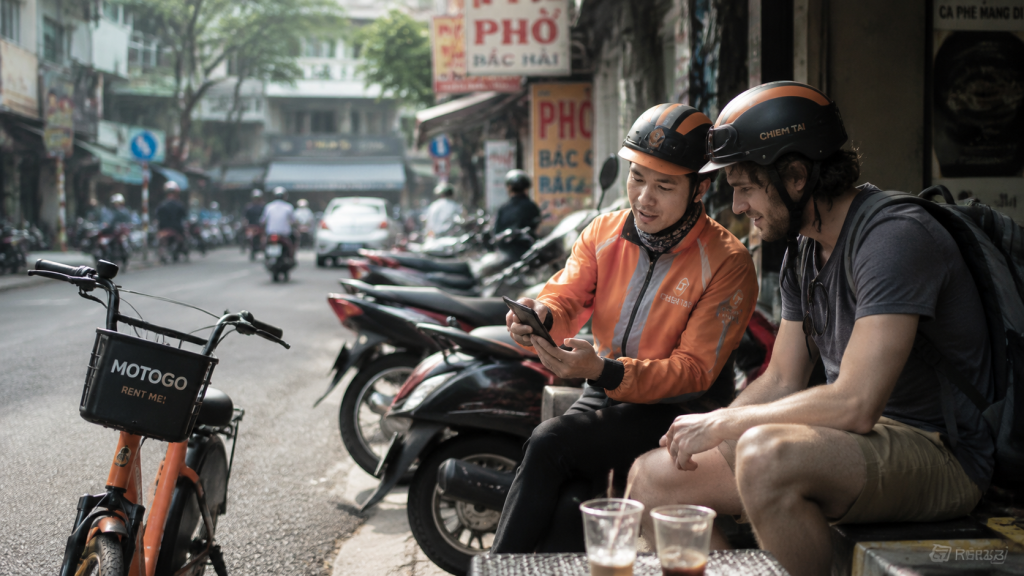
Motorcycle travel insurance Vietnam is the safety net smart riders check before chasing coastal bends, mountain passes, and chaotic city traffic. If you are planning to explore on two wheels, one small mistake can become a big bill fast, especially with clinic costs, stolen gear, or a broken rental bike. The right policy keeps the trip adventurous without turning your budget into roadkill.
This guide shows you what travel insurance for motorbike riding usually covers, where many policies fail, and how to read the fine print before you ride away. If you are pairing a road trip with a local experience, keep a look at all Vietnam crazy tours for ideas that fit adventurous travelers who want the real Vietnam, not the glossy postcard version.
Featured snippet: Motorcycle travel insurance protects riders against medical expenses, emergency transport, trip interruption, and sometimes baggage or rental damage. For Vietnam, the key is checking whether motorbike riding is included, because some standard travel policies exclude it unless you buy an add-on or meet engine-size and license rules.
| Tiêu chí | Standard travel policy | Motorbike add-on | Best for |
|---|---|---|---|
| Ride coverage | Often excluded | Usually included | Vietnam road trips |
| Medical support | Basic | Stronger | Solo, couples, families |
Mini insight: many riders only discover the exclusion after an accident, when the insurer asks about license type, engine capacity, and helmet use. A soft move is to confirm the policy before booking your route, and if you want a trip with less risk and more local flavor, Vietnam crazy tour homepage is a good starting point for planning.
Soft CTA: If you are still building your Vietnam route, compare insurance first, then shape the ride around your comfort level, not your ego. The smartest riders protect the boring stuff so they can enjoy the wild stuff.
Strong CTA: Before you hit the road, choose motorcycle travel insurance Vietnam that clearly includes motorbike use, emergency medical care, and trip protection. That single check can save your whole journey from becoming an expensive story you do not want to tell.

What Motorcycle Travel Insurance Vietnam Actually Covers
Motorcycle travel insurance Vietnam is the safety net most riders wish they had before a scraped knee, a smashed phone, or a lost bag turns a cool ride into a messy bill. If you are planning to ride in Vietnam, the real question is not whether insurance sounds good, but what it actually pays for when the road gets wild.
For foreign travelers, especially solo riders, couples, and families chasing a more local, adventurous trip, this coverage can make the difference between a smooth story and a stressful one. If you want to understand the bigger travel picture in a simple way, start by checking Vietnam Crazy Tour for a clearer view of how Vietnam travel experiences are built around real movement, real roads, and real risk.
Featured snippet: Motorcycle travel insurance for Vietnam usually covers emergency medical care, accident treatment, theft of personal belongings, trip cancellation or delay, and sometimes evacuation. It does not automatically cover every motorbike-related claim, so travelers should verify engine-size limits, license rules, and exclusions before riding.
What it means for travelers riding motorbikes in Vietnam is simple: the policy is designed to protect you from the expensive parts of a bike trip, not from every possible mistake. The strongest plans usually focus on emergency care, hospital treatment, accident injury, stolen items, and disrupted travel plans.
Mini insight: many first-time riders assume standard travel insurance is enough, but motorbike use is often treated as a special activity. That is where people get surprised. A cheap policy can look fine until the insurer says your bike size, helmet use, or license status does not meet the terms.
| Tiêu chí | Basic Plan | Better Plan | Best Fit |
|---|---|---|---|
| Medical treatment | Limited emergency care | Hospital and follow-up care | Riders on longer trips |
| Theft and trip issues | Partial cover | Broader protection | Adventure travelers |
Core coverage types usually break down into four buckets. Medical expenses cover doctor visits, scans, medicine, and sometimes emergency transport. Accidents help with injury treatment after a crash. Theft may reimburse lost bags, electronics, or riding gear if the policy includes it. Trip disruptions can cover delay, cancellation, or missed connections when plans collapse.
For example, if a rider slips on a wet road near Da Nang and needs X rays plus a clinic visit, the medical section is the one that matters. If a backpack is taken from a parked scooter, theft coverage may help, but only if the policy terms include unattended belongings. That is why reading the fine print is not boring, it is the whole game.
Soft CTA: before booking, compare your policy against the ride you actually want, not the one you hope for. If you are planning a local-style adventure and want ideas for combining road travel with curated experiences, see all Vietnam tours for more context.
One practical rule: if the policy does not clearly mention motorbike riding, ask whether it covers you as a passenger, a casual rider, or an insured driver. The difference sounds small, but it can decide whether a claim is accepted or rejected. That is the kind of detail smart travelers check before they hit the road.
In short, motorcycle travel insurance Vietnam is not about luxury protection. It is about covering the high-cost surprises that can happen fast on Vietnamese roads, from clinic bills to stolen gear to trip disruption. For adventurous travelers, that peace of mind is often worth more than the premium itself.
Strong CTA: if you are serious about riding in Vietnam, choose a policy that matches your route, your bike, and your risk level, then book your trip with confidence. The right coverage keeps the adventure fun, local, and free from painful surprise costs.
How Motorcycle Travel Insurance Vietnam Works in Real Life
Motorcycle travel insurance Vietnam is not just a checkbox before a ride, it is the difference between a smooth reset and a trip that goes sideways after one bad fall, one stolen phone, or one hospital visit in a place you do not know. If you are planning a local, adventurous route through Vietnam, the real question is how the policy actually works once you buy it.
In real life, the process is simple when you know the timing, the documents, and the limits. The tricky part is usually not buying the policy, but making sure your bike use, trip dates, and claim records all match the policy terms. That is where most travelers get caught, especially first-time visitors, couples, and solo riders on a flexible road plan. If you want a wider idea of the experience style, see our Vietnam travel ideas before you lock in the insurance side.
Featured snippet: Motorcycle travel insurance in Vietnam usually works in three steps: buy before departure or during the trip if allowed, activate coverage based on the policy start date, and keep every proof needed for claims. The policy may cover accidents, medical treatment, trip disruption, or theft, but only if the riding conditions, license rules, and documentation match the contract.
How to buy and activate a policy before or during your trip
Most travelers buy online, enter passport details, trip dates, destination, and sometimes motorcycle usage, then receive a policy certificate by email. Activation often starts at midnight on the chosen date, so buying one day early is safer than cutting it too close. If the provider allows mid-trip purchase, coverage usually begins after a waiting period, which means you should never assume instant protection.
Real example: a couple flying into Ho Chi Minh City can buy coverage before arrival, keep the certificate on their phone, and start riding the next morning. A solo traveler who decides to extend a trip to Ha Giang may be able to add coverage later, but only if the insurer accepts in-trip activation and the bike rental conditions are already approved.
| Tiêu chí | Before trip | During trip | Best use |
|---|---|---|---|
| Coverage start | Scheduled in advance | May include waiting period | Safer for planned riders |
| Risk control | High | Medium | Use before departure when possible |
Mini insight: if your bike trip is part of a bigger local adventure, insurance should be active before you hit the road, not after you already feel safe. That timing matters more than the price gap.
Claim process, documentation, and common policy conditions
The claim process usually starts with immediate reporting, followed by medical papers, police records, receipts, and proof that the incident happened during the covered trip. For accidents, take photos of the scene, the bike, the damage, and any visible injuries before anything gets moved. For theft or loss, file a report quickly, because insurers often ask for a local police document within a short deadline.
Common policy conditions are where travelers lose claims. Many insurers require a valid license for the bike class, helmet use, legal rental papers, and proof that you were not riding under alcohol or reckless conditions. A rider who skips the rental agreement or uses an oversized bike without approval can see a claim reduced or denied, even if the injury is real.
Soft CTA: if you are building a ride plan around remote roads, local food stops, and flexible overnight moves, it helps to pair coverage with a route that fits your risk level. You can also browse all Vietnam crazy tour options to see how an adventure can stay exciting without becoming chaotic.
Quick claim checklist
– Report the incident as soon as possible
– Keep passport, policy number, and bike rental papers ready
– Save hospital receipts, prescriptions, and diagnosis notes
– Ask for police records if theft, collision, or third-party damage is involved
– Do not throw away damaged items until the insurer says you can
Mini insight: the cleanest claims are the ones backed by boring paperwork. In Vietnam, that paper trail is what turns a stressful event into a recoverable one.
For adventurous travelers, the real value of motorcycle travel insurance Vietnam is not dramatic emergency rescue language, but whether the policy still works when you are far from a city, tired after a long ride, and dealing with a local clinic in a hurry. That is why the smartest riders treat insurance as part of route planning, not an afterthought.
In practice, the best setup is simple: buy early if you can, verify bike coverage, keep every receipt, and read the exclusions before you leave the hotel. If you want help planning a Vietnam trip that balances local adventure with less risk, explore the site and choose a route that fits your pace, your bike, and your comfort level.
Why Motorcycle Travel Insurance Vietnam Is Worth It for Riders
Motorcycle travel insurance Vietnam is worth it because a small ride mistake can turn into a big money problem fast. In Vietnam, traffic, weather, road surface changes, and long riding hours create real risk for foreign riders who are still learning the rhythm of local roads. Good insurance does not remove the adventure, but it gives you a clear backup when the trip gets messy.
For solo travelers, backpackers, long-distance explorers, and thuê xe máy riders, that backup matters even more. One clinic visit, one broken phone, one cancelled ride, or one overnight hospital stay can cost far more than the policy itself. If you are planning a local-style trip and want to compare smarter travel options too, explore all Vietnam Crazy tour options while you plan your route.
Featured snippet: Motorcycle travel insurance Vietnam helps cover injury, emergency care, and financial loss after an accident, theft, or trip disruption. It is especially useful for foreign riders who rent motorbikes, ride long distances, or travel solo outside major cities.
Protection for injury, emergency care, and financial loss
The real value is simple: you get support when the ride stops being fun. A fall on a wet road, a sudden fever in a remote town, or damage to a rented bike can create three costs at once: medical, transport, and replacement. That is why many riders choose a policy before leaving the city, not after something goes wrong.
Look for coverage that can handle:
- Emergency medical treatment and hospital care
- Accident-related injury costs
- Trip interruption or cancellation loss
- Personal belongings or phone damage
- Rental bike-related liability, if included
Mini insight: the cheapest policy is not always the best value. A rider who saves a few dollars on insurance may lose hundreds on one airport transfer, one night in a private clinic, or one damaged scooter panel.
Here is the fast decision rule. If your route includes mountain roads, night riding, or long stretches between cities, insurance becomes less of a nice-to-have and more of a travel control tool. That is the same mindset smart travelers use when they book local Vietnam travel experiences with a backup plan built in.
| Tiêu chí | Basic policy | Better fit | Best for |
|---|---|---|---|
| Medical coverage | Low limit | Higher limit | Long rides and solo trips |
| Bike-related risk | Often excluded | Check rental add-on | Renters and backpackers |
Best use cases: solo riders, backpackers, long-distance explorers, and thuê xe máy travelers
Solo riders need insurance because there is no second person to manage the fallout if they are hurt, stranded, or need help finding care. Backpackers use it as a budget shield, especially when one accident can wipe out weeks of travel money. Long-distance explorers need it because fatigue and distance increase the chance of small mistakes becoming expensive ones.
For thuê xe máy travelers, the key question is not only whether you are insured, but whether the policy actually recognizes motorcycle use. Some plans cover general travel but exclude motorbike riding above certain engine sizes or without a valid license. Read that part before you pay. A good policy should match your real riding style, not your wishful thinking.
Soft CTA: if you are building a Vietnam road trip and want a more local, adventurous pace, make insurance part of your first-hour planning, not your last-minute panic buy. The smartest riders are not the most fearless ones. They are the ones who can keep going after a problem without blowing the whole trip budget.
Strong CTA: before you book the bike, check the coverage limits, read the exclusion line, and confirm your rental conditions. That one small step can save your trip, your wallet, and your confidence on the road.

How to Choose the Right Motorcycle Travel Insurance Vietnam Policy
Motorcycle travel insurance Vietnam is not the place to guess. If you ride through Hanoi traffic, cruise the Ha Giang loop, or join a long coastal transfer, one small policy gap can turn a fun day into a very expensive problem. The right policy should cover the real risks of riding, not just the standard airport-to-hotel travel copy.
Start by matching the policy to your actual trip style. A solo rider on a rented semi-automatic has different needs from a couple doing easy city rides, and both differ from a family using a driver-led day tour. For local planning and unusual routes, it helps to review route expectations early, then compare policy terms with the same care you would use when checking all Vietnam tours or choosing a bike itself.
The fastest way to shortlist a policy is to compare four things: riding coverage, medical protection, exclusions, and rider eligibility. If the insurer only covers passenger travel but not motorbike use, that is a red flag. If the policy looks cheap but excludes scooters over a certain engine size, night riding, unlicensed riding, or mountain roads, it may fail exactly when you need it most.
| Criteria | Standard policy | Motorbike-focused policy | Best for |
|---|---|---|---|
| Riding coverage | Often excluded | Usually included | Actual riders |
| Coverage limit | Basic medical cap | Higher accident support | Remote routes |
Mini insight: the cheapest policy is rarely the smartest one in Vietnam, because hospital access, roadside transfer, and bike damage can stack up fast. For adventurous travelers, especially if your trip includes local culture stops or offbeat detours, look for a plan that stays valid on motorbike days and not only on sightseeing days.
When comparing coverage limits, exclusions, and rider eligibility, read the details like a mechanic, not a tourist. Check whether the policy requires an international driving permit, a valid home-country license, helmet use, or a certain engine class. Some plans cover only minor scooter use, while others accept larger bikes but only with strict safety conditions. That difference decides whether a claim gets paid.
A practical example: a traveler in Da Nang falls off a scooter on a wet street and needs stitches plus a clinic transfer. A general travel policy may cover medical care but deny the case if motorbike riding was listed as a restricted activity. A proper motorcycle travel insurance Vietnam policy should clearly state what is allowed, what proof is needed, and which situations trigger exclusion.
Use this quick decision list before buying: coverage for medical treatment, emergency transport, personal liability, riding-related accidents, and any trip interruption linked to injury. Then verify exclusions for racing, intoxication, solo night riding, unlicensed riding, and off-road use. If a policy is vague, choose another one because vague insurance is expensive insurance.
Before you click buy, ask one hard question: does this plan protect the way I will actually ride in Vietnam, or only the way a brochure imagines I will ride? If your route includes rural roads, family stops, or a mix of city and countryside, choose the policy that follows the trip, not the other way around. If you also want a flexible itinerary with local flavor, you can pair smart planning with a route that feels handcrafted, like a Vietnam adventure tour built for real movement, not just check-in photos.
What to check versus standard travel insurance or bike rental insurance comes down to responsibility. Standard travel insurance protects the traveler, but often not the motorcycle event itself. Bike rental insurance may protect the vehicle, but not your medical bills or liability to others. The right setup usually needs both sides covered, because a scratched bike and a hospital visit are two different financial risks.
Here is the clean breakdown: standard travel insurance is for illness, delay, and lost luggage; bike rental insurance is for the machine; motorcycle travel insurance is for the rider and the ride. If you are renting in Vietnam, confirm who pays for third-party damage, roadside towing, theft, and injury during the ride. One missing clause can turn a small spill into a full wallet drain.
Smart travelers from Europe, North America, Korea, and Japan usually compare policies in this order: medical limit, motorbike activity allowance, deductible, proof requirements, and claim support language. If the insurer can explain the claim process clearly, that is a strong trust signal. If not, walk away and choose a cleaner policy before the road chooses for you.
In short, the right policy is the one that covers your bike day, your body, and your liability with no hidden trap. Buy the plan that matches your real route, then ride with a calmer head. If you want a trip that feels adventurous but still controlled, explore options that keep the riding fun while the risk stays boring, which is exactly how it should be.
Common Mistakes, FAQs, and Final Travel Tip Before You Ride
Motorcycle travel insurance Vietnam is one of those things riders skip right before the trip gets real, then regret later at the first roadside incident. The most common mistake is assuming a normal travel policy will cover scooter crashes, rental bikes, or a ride through mountain passes. In Vietnam, that guess can get expensive fast.
The smarter move is simple: check the fine print before you collect the keys, ask about license requirements, and match the policy to the way you actually ride. If your plan is a local-style trip with wild routes, village stops, and open-road freedom, a basic policy is rarely enough. A good start is to compare trip style with coverage on all Vietnam tours so you know what kind of road risk you are really buying into.
Featured snippet: The biggest mistakes with motorcycle travel insurance in Vietnam are riding without the right license, assuming rental bikes are always covered, ignoring engine size limits, and buying a policy that excludes motorbike accidents. Always confirm coverage for your exact bike, route, and rider documents before you hit the road.
Frequent mistakes riders make are predictable, and that is good news because they are easy to avoid. First, many travelers do not check whether their policy includes motorbike use at all. Second, they rent a bike over the allowed engine size. Third, they forget that some insurers require an international driving permit with a valid motorcycle endorsement.
Here is the fast breakdown:
| Tiêu chí | Safe Choice | Risky Choice | Why It Matters |
|---|---|---|---|
| Bike type | Covered rental scooter or approved motorbike | Any bike without checking limits | Policy can be void if the bike is excluded |
| License | Valid motorcycle license and permit | Riding with no proper license | Claims may be denied after an accident |
A small but important insight: many claims fail not because the crash was severe, but because the paperwork was weak. Even for a short coastal ride, take photos of the rental contract, helmet condition, and bike plate before leaving the shop. If your itinerary includes hard-to-find local stops, Vietnam Crazy Tour style planning can help you think like a rider, not just a tourist.
FAQ: Do you need motorcycle travel insurance in Vietnam? If you plan to ride, yes, because medical bills, bike damage, and transport support can get costly very quickly. Does it cover rental bikes? Sometimes, but only if the policy explicitly allows the bike type and engine size. What if you ride without a license? In many cases, the insurer may refuse the claim, especially if the policy says the rider must be legally qualified.
Final travel tip before you ride: buy the policy first, then rent the bike, not the other way around. That order gives you a chance to match coverage to the exact machine, route, and legal documents. For travelers who want a soft, local, adventurous plan with less guesswork, booking with a team that understands road reality is often smarter than improvising on arrival.
If you want the safest experience with the least stress, review your coverage one last time, keep digital copies of your license and policy, and choose routes that fit your skill level. Then you can ride with confidence, enjoy the scenery, and spend your energy on the good stuff, not on what happens after a bad fall.
