
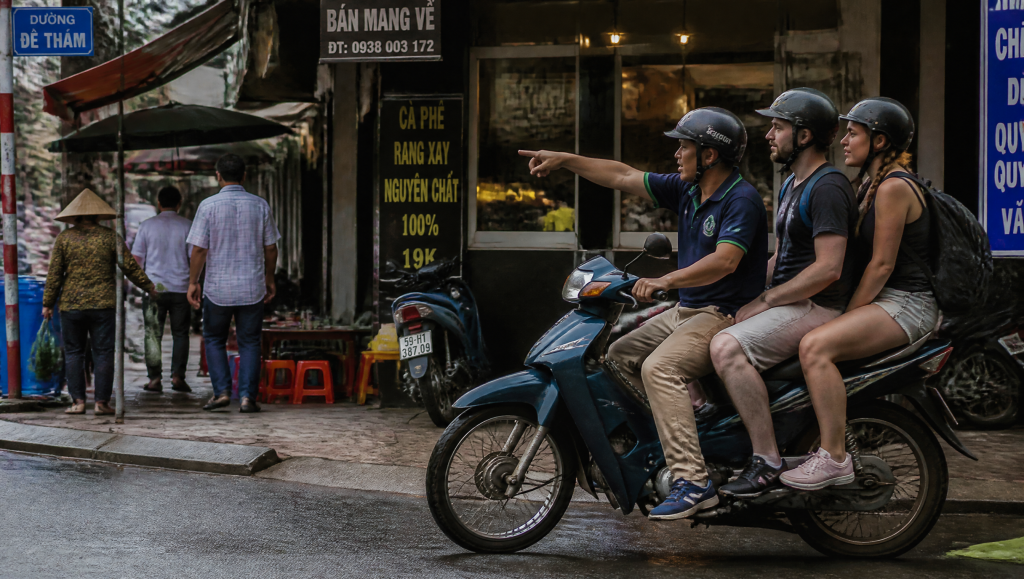
Motorbiking in Vietnam is one of those trips that looks thrilling on Instagram and feels a little intimidating in real life. The traffic can seem wild, the rules can feel unclear, and first-time riders often worry about safety, licenses, and whether a scooter is enough for the route they want. The good news is that with the right setup, the ride becomes far less stressful and a lot more rewarding.
For foreign travelers, especially solo riders, couples, and adventurous families from Europe, North America, Korea, and Japan, the key is simple: choose the right bike, understand the local flow, and plan the route before the engine starts. If you want a trip that feels local, free, and wildly memorable, this guide will help you avoid rookie mistakes and ride with more confidence from the first kilometer.
What Motorbiking in Vietnam Really Means
Motorbiking in Vietnam means moving through the country with full access to street-level life, not just checking sights off a map. It is part transport, part adventure, and part cultural shortcut, especially for travelers who want the real local rhythm instead of a filtered resort version. For many first-time visitors, the appeal is simple: freedom, flexibility, and a front-row seat to Vietnam’s chaos.
The best way to understand it is this: you are not only traveling between places, you are traveling through sound, smell, weather, and traffic behavior that changes every few kilometers. That is why motorbiking in Vietnam can feel thrilling for solo travelers, couples, and even families with the right planning. The key is knowing when it makes sense, how to stay safe, and how to choose the route that fits your comfort level.
Featured snippet: Motorbiking in Vietnam is a flexible way to explore cities, countryside, and mountain roads while experiencing local life up close. It works best for travelers who want adventure, independence, and the ability to stop anywhere for food, photos, or a hidden village detour.
A Quick Definition of the Motorbiking Experience
At its core, the experience is about riding a motorbike or scooter across Vietnamese roads with a mix of city traffic, rural lanes, mountain curves, and roadside stops. You might start the morning in a busy urban district, pass rice fields by lunch, and end the day in a small town where tourists rarely stay. That variety is the real value.
For beginners, the biggest shift is mental. You need to accept that traffic is not perfect, but it is predictable once you learn the flow. A practical approach is:
- go slower than locals in unfamiliar areas
- keep distance on narrow mountain roads
- avoid riding at night in remote regions
- choose shorter daily distances if you are new to Asia
This is why many travelers book support through Vietnam Crazy Tour when they want the freedom of motorbike travel without losing structure. The sweet spot is independence with backup, not chaos with no plan.
Why Vietnam Is One of Asia’s Top Motorcycle Travel Destinations
Vietnam stands out because the scenery changes fast and dramatically. In one trip, you can ride coastal roads, jungle passes, karst limestone valleys, and highland villages where daily life still feels deeply traditional. That kind of route density is rare in Asia, and it is a huge reason riders keep coming back.
There is also a strong practical reason: roads connect major highlights in a way that makes slow travel rewarding. You are not just passing through, you are collecting local moments along the way. Common examples include:
- street coffee stops in Hanoi or Ho Chi Minh City
- mountain viewpoints in Ha Giang or Sapa
- fishing villages and coastal backroads in central Vietnam
If your trip is focused on local culture, pair riding days with a deeper experience like ghost and beliefs tours to understand the traditions that shape daily life. That combination turns a simple road trip into a much richer journey.
Mini insight: Vietnam is not just motorcycle-friendly because it is scenic. It is motorcycle-worthy because every region gives you a different story, and the road itself becomes part of the destination.
| Criteria | City Riding | Mountain Riding | Coastal Riding |
|---|---|---|---|
| Best for | Short local hops | Scenery and challenge | Relaxed exploration |
| Risk level | Medium traffic pressure | Higher weather and curve risk | Lower, but wind and heat matter |
Soft CTA: If you want a motorbike trip that feels local but still well-organized, start with routes that match your riding confidence instead of chasing the longest itinerary.
When Motorbiking Makes the Most Sense for Travelers
Motorbiking makes the most sense when your goal is discovery, not speed. It is ideal for travelers who enjoy flexible stops, small food stalls, local markets, and the freedom to change plans when a road looks more interesting than the original route. That is why it works so well for solo travelers, adventurous couples, and families who want a slower, more immersive style.
It is also the right choice when public transport would keep you too far from the places you actually want to see. For example, a mountain loop, a countryside loop, or a village-to-village route often feels richer on two wheels than in a bus. If you want a wider look at available experiences, the full list on all Vietnam Crazy Tour routes is a useful place to compare trip styles before committing.
Best fit scenarios:
- you want authentic local stops, not just major attractions
- you are comfortable with basic road awareness
- you prefer active travel over passive sightseeing
- you want to move at your own pace
Strong CTA: If your idea of Vietnam is local, raw, and full of movement, motorbike travel is one of the smartest ways to experience it. Choose the right route, keep the pace realistic, and the road will give you a much more honest version of the country.
For travelers who want a route built around adventure, local life, and smoother logistics, Vietnam Crazy Tour can help turn that idea into a trip that feels exciting without feeling stressful.

How to Plan and Prepare for Motorbiking in Vietnam
Motorbiking in Vietnam is the kind of trip that looks effortless on social media and then hits you with real-world chaos on the first corner. The fix is simple: plan for the road, not the dream. If you understand licenses, gear, insurance, routes, and traffic flow before you ride, the trip becomes smoother, safer, and far more enjoyable.
For first-time visitors, the biggest mistake is assuming every road works the same. Vietnam can switch from easy city cruising to wet mountain climbs, broken shoulders, and fast-moving local traffic in one day. A smart setup gives you freedom without stress, especially if you are traveling solo, as a couple, or with family and want adventure without drama.
Featured snippet: To prepare for motorbiking in Vietnam, check three things first: your legal right to ride, your safety gear, and your insurance coverage. Then map your route, study road conditions, and match the trip length to your riding skill. That is the fastest way to avoid costly mistakes and ride with confidence.
The basic preparation checklist is short but non-negotiable: valid license or permit, a proper helmet, gloves, closed shoes, rain protection, and travel insurance that actually covers motorbike riding. If you are renting, inspect brakes, lights, tires, mirrors, and horn before payment. A soft but important rule: take a moment to explore Vietnam with local experts if you want cleaner logistics and less guesswork.
Mini insight: many riders focus on the bike and forget the paperwork. That is the expensive part if something goes wrong. Even a short city ride can become a problem if the rental shop gives you a weak scooter, the helmet fits badly, or your policy excludes two-wheel accidents.
| Tiêu chí | City Ride | Long-Distance Trip | Best Choice |
|---|---|---|---|
| License need | Still required for legal riding | Must be fully valid and matched to bike size | Always verify before renting |
| Risk level | Lower but traffic is dense | Higher with weather, fatigue, and road damage | Choose based on skill, not ego |
Understanding routes, road conditions, and local traffic is where your trip becomes real. In big cities, expect scooters cutting in, buses changing lanes late, and frequent stops. In the mountains, watch for oil on curves, gravel, blind turns, and narrow shoulders. If you are planning a scenic route, check weather by region, not just by month, because conditions change fast across Vietnam.
Here is the practical breakdown: city roads reward patience, mountain roads reward caution, and rural roads reward preparation. Keep a larger gap than you would at home, slow down near animals and trucks, and never assume the lane will stay clear. If you want a smoother planning process, the full Vietnam tour list can help you compare self-ride ideas with guided options before you commit.
Mini insight: the safest riders are not the fastest ones, they are the ones who read the road early. That means looking three moves ahead, not reacting at the last second. For a short city loop, simple gear and a scooter may be enough. For a northern loop or highland route, upgrade the bike, add rain gear, and keep daily distances realistic.
A real-world example makes the difference clear. In Ho Chi Minh City or Hanoi, a confident beginner may handle a short afternoon ride if traffic stays slow and the route is simple. On a long-distance trip through mountain passes, that same rider may struggle after two hours because of fatigue, weather, and surface changes. City riding asks for awareness; remote riding asks for endurance and discipline.
Use this rule of thumb: if your route includes steep climbs, long wet sections, or night riding, shorten the distance and start early. If you want a more immersive culture stop along the way, you can also mix in a local-style experience such as ghost and beliefs tours after your ride, which keeps the adventure fresh without overloading one day.
Final takeaway: prepare like a rider, not a tourist. Confirm your license, wear the right gear, buy insurance with clear coverage, and choose roads that match your ability. If you do that, motorbiking in Vietnam becomes less about surviving traffic and more about enjoying the country at street level, with freedom, local color, and zero unnecessary drama.
For a stronger plan, book support early, check the route twice, and choose the right bike for the terrain. If you want help turning the idea into a smooth travel plan, start with Vietnam Crazy Tour and build from there, because a better setup usually means a better ride.
Why Motorbiking in Vietnam Is Worth It
Motorbiking in Vietnam is the fastest way to turn a normal trip into a real travel story. If you want more than bus windows and fixed schedules, this is where the country opens up. You can stop for coffee, detour into small villages, and feel the landscape change mile by mile.
For many first-time visitors, the challenge is not the ride itself, but knowing whether it fits their style, time, and comfort level. The answer is usually yes, if you want freedom, local access, and a trip that feels active instead of packaged. That is why so many travelers choose Vietnam Crazy Tour trips when they want something more immersive than a standard transfer.
What makes it worth it is simple: you control the pace, the route, and the experience. A motorbike lets you reach scenic backroads, stop for roadside food, and avoid the dead time that comes with group transport.
Featured snippet: Motorbiking in Vietnam is worth it for travelers who want freedom, flexible routing, and direct access to scenic roads and local life. It works best for people who enjoy adventure, can handle changing road conditions, and want to stop often for views, food, and photos.
| Tiêu chí | Motorbike | Car or van | Best for |
|---|---|---|---|
| Freedom | High, with easy stops | Lower, fixed route | Adventurous travelers |
| Road access | Strong on narrow scenic roads | Better on main roads | Local exploration |
The main benefit is flexibility. You can do a short day trip, build a longer touring loop, or follow a scenic mountain route without depending on anyone else. For example, couples often like the slower pace for photo stops, while solo riders enjoy the sense of control and independence.
Another win is the adventure factor. Even a simple ride can feel memorable when you pass rice fields, small markets, and roadside tea shops. If you want to compare options before choosing a route, check the full tour list here and match the ride style to your comfort level.
Best use cases are clear: touring across regions, taking day trips from major cities, and riding scenic routes where the road is part of the experience. A quick breakdown looks like this: touring for deeper exploration, day trips for low-commitment adventure, and mountain routes for pure wow factor.
Who should consider it? Solo travelers who enjoy independence, couples who want shared memories, and families with older children who are comfortable on two wheels. It is also a strong choice for expats and repeat visitors who already know they want a more local, less polished Vietnam.
Soft CTA: if you want the local side without wasting time on trial and error, pick a route that matches your skill level and travel rhythm.
In short, motorbiking in Vietnam is worth it when you want to see more, feel more, and move on your own terms. If that sounds like your kind of trip, choose a safe route, ride smart, and make the road part of the adventure.
Strong CTA: book a route that fits your pace, your comfort, and your appetite for discovery, then let Vietnam do the rest.

Motorbiking in Vietnam vs. Other Travel Options
Motorbiking in Vietnam is the fastest way to turn a route into a real travel experience, especially if you want small roads, market stops, and local rhythm instead of just moving from point A to point B. It is not always the easiest option, but it often gives you the most freedom, the best photo moments, and the strongest sense of place.
If your trip is about comfort and zero stress, buses, cars, and organized tours can make more sense. The smart move is not choosing the most adventurous option, but matching the vehicle to your pace, your route, and your confidence on the road.
Featured snippet: Motorbiking in Vietnam gives travelers the most freedom, local access, and flexibility, while buses, cars, and tours are better for comfort, safety, and convenience. Choose a motorbike for short, scenic, independent routes; choose a car or tour for long distances, families, or first-time travelers who want less planning and fewer road risks.
Motorbike Travel Compared with Buses, Cars, and Organized Tours
A motorbike wins when the goal is flexibility. You can stop for coffee in a roadside village, detour to a hidden viewpoint, or reach a place that buses simply skip. That is why travelers looking for a more local and adventurous trip often prefer it over bigger transport options.
Buses are cheaper and good for long intercity moves, but they lock you into fixed schedules. Cars are more comfortable for families and couples, especially on hot days or rough roads. Organized tours remove the stress of navigation, and you can explore more through options like all Vietnam tours when you want structure with local guidance.
| Tiêu chí | Motorbike | Car or Bus | Organized Tour |
|---|---|---|---|
| Flexibility | Highest | Medium | Low to medium |
| Comfort | Medium | High | High |
Mini insight: the best transport in Vietnam is often the one that matches the road, not your dream version of the trip.
Pros and Cons of Riding Your Own Motorbike
The biggest pro is freedom. You decide when to stop, how fast to go, and which backroads deserve your attention. For solo travelers and couples, that can make the trip feel raw and memorable. It also works well for people who enjoy light risk, independence, and a more hands-on travel style.
The tradeoff is obvious: riding requires focus, road confidence, and tolerance for Vietnamese traffic patterns. Rain, heat, luggage, and mountain curves can turn a fun plan into a tiring one fast. A good rule is simple: if you want a road trip, ride; if you want a vacation, consider a car or guided experience with Vietnam Crazy Tour.
- Best for: solo travelers, couples, short scenic routes, experienced riders
- Not ideal for: tired travelers, large families, first-time riders, heavy luggage
- Watch for: weather, road surface, navigation, and long-distance fatigue
Mini insight: riding your own bike is less about saving money and more about earning the road.
How to Choose the Right Option for Your Travel Style
If you want deep local immersion, a motorbike is the strongest choice for short to medium routes with frequent stops. If you want easier logistics, a car is better for families, older travelers, or anyone carrying more bags. If you want simple planning and a trusted local flow, an organized trip is the cleanest solution.
Use this quick rule: choose a motorbike for freedom, a car for comfort, a bus for budget, and a tour for peace of mind. Travelers who care about hidden villages, roadside food, and flexible timing usually lean toward two wheels. Travelers who care about efficiency and comfort usually do better on four wheels.
ghost and beliefs tours can also be a smart add-on if you want a deeper cultural layer without having to manage the route yourself. The right choice is the one that keeps your energy high and your trip enjoyable from start to finish.
Soft CTA: If you are still deciding, start with your route type, then match the transport to it. For the most local, adventurous, and flexible Vietnam experience, motorbike travel usually wins on short scenic journeys, while tours and cars win on comfort and ease.
Strong CTA: Book the option that fits your style, not the one that looks the bravest on paper. If you want a smarter balance of local access, comfort, and real Vietnam insight, explore the full range of Vietnam Crazy Tour experiences before you lock in your plan.
Safety Tips, Common Mistakes, and FAQs About Motorbiking in Vietnam
Motorbiking in Vietnam can feel wild, beautiful, and a little chaotic at first, especially if you are coming from Europe, North America, Korea, or Japan. The good news is that most problems are avoidable when you know the local rhythm, choose the right bike, and keep your ego off the road. This chapter gives you the practical rules that matter most before you twist the throttle.
For solo travelers, couples, and families chasing a more local adventure, the biggest safety win is simple: slow down and read the road, not just the map. A mountain pass, a rainy city street, or a sleepy rural lane all demand different habits. If you want a smoother ride, this is where the smart preparation starts.
Featured snippet: The safest way to ride in Vietnam is to keep your speed modest, use a well-maintained bike, wear proper gear, avoid alcohol, and leave extra space around trucks, buses, and animals. On wet roads, brake gently with more rear brake than front. In the mountains, expect sudden oil spills, blind curves, and slower traffic flow.
Common Mistakes First-Time Riders Make
First-time riders often make the same few mistakes: they choose the wrong bike, underestimate traffic, or ride too fast because the road looks empty. In Vietnam, an empty road can change fast when a bus cuts a corner, a dog crosses, or a local rider appears from nowhere. The trick is not to fight the flow, but to stay predictable and calm.
Another common error is riding without checking brakes, tires, lights, and fuel before leaving town. That is a bad trade in the middle of nowhere. It also helps to know your route before you go, because mountain directions can be vague and distances are often misunderstood. If you need a broader planning base, you can browse all Vietnam Crazy tour options and see how different styles of travel fit your pace.
Mini insight: a confident rider is not the fastest one, but the one who leaves room for surprises. That mindset saves more trips than any fancy gear.
| Criteria | Safe Choice | Risky Choice | Why It Matters |
|---|---|---|---|
| Bike condition | Fresh brakes, tires, lights | Untested scooter | Prevents breakdowns and weak stopping power |
| Riding style | Slow, visible, steady | Aggressive, rushed, crowded | Gives locals time to predict your moves |
Important Safety Tips for a Smoother Ride
The smartest safety rule is to match the road, not your mood. On wet pavement, use both brakes gently and let the rear brake do more work. On mountain corners, slow before the turn, because oil from trucks and buses can make curves slippery in ways that catch beginners off guard. This is especially important when riding through highland routes or after rain.
Wear a proper helmet, keep your license and ID with you, and never drink before riding. That sounds basic, but it is where many trips go wrong. If you are planning a deeper local experience, including a more offbeat itinerary, you can explore Vietnam Crazy Tour for ideas that fit adventurous travelers without turning the day into a stress test.
Useful habits that make a real difference:
- Leave more distance than you think you need
- Pass only when visibility is clear
- Slow down near animals, schools, and market roads
- Stop riding when you are tired or the weather turns harsh
Mini insight: the road rewards patience. In Vietnam, calm riding feels faster because you make fewer mistakes.
Essential FAQs and a Simple Next-Step CTA
Do I need a license? Yes, if you plan to ride a larger motorbike. Check the legal status before renting, because insurance can become useless if your documents are not valid.
Is a scooter enough? For short city rides, yes. For long-distance travel and mountain routes, a stronger semi-automatic or manual bike is usually better.
Can beginners do it? Yes, if they start with shorter routes, stay on easier roads, and avoid night riding and heavy rain.
What is the biggest mistake? Overconfidence. The second biggest is ignoring weather and road conditions.
If you want the safest version of this adventure, start with a route that matches your skill, then build up. For travelers who want a local, story-rich trip with less guesswork, check the Vietnam Crazy Tour homepage and pick a style that keeps the thrill high and the risk low. That is the smartest next step for motorbiking in Vietnam.