
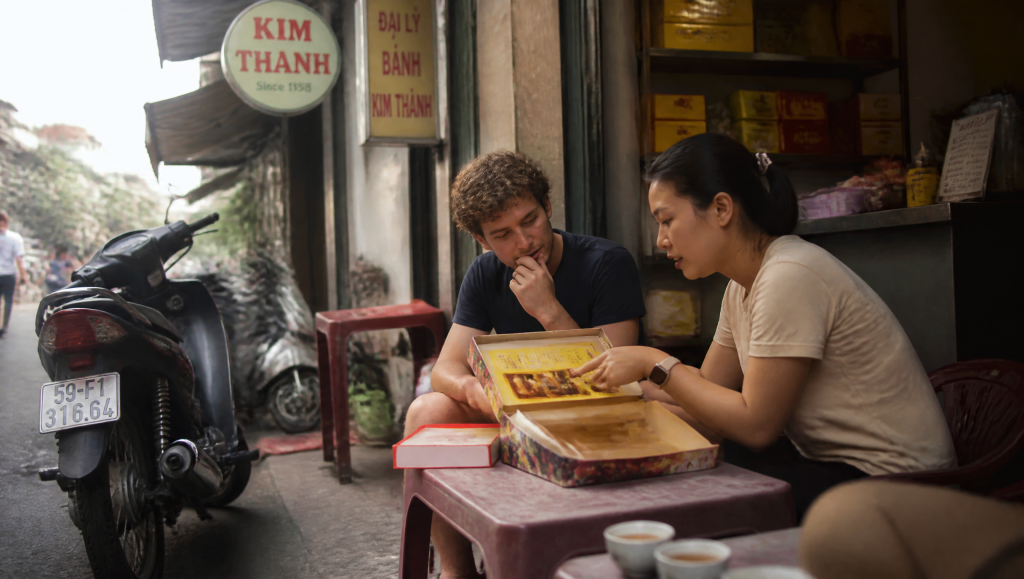
Saigon mooncake is the sweet clue many travelers miss when they first hear about the Mid-Autumn Festival in Vietnam. People see colorful boxes in Saigon, but they often do not know what makes each cake different, how it connects to family reunion, or which one is worth trying first. This guide clears that up in a simple, local way.
In Saigon, mooncake in Saigon is more than a dessert; it is part of a seasonal street scene shaped by tradition, gift giving, and late-night tea. Here, you will learn the meaning behind the Vietnamese mooncake, the common fillings and styles, and the smart way to buy one without guessing. For travelers who like real local taste, Vietnam Crazy Tour experiences can also help you explore the city beyond the usual stops.
Featured snippet: Saigon mooncake is a Vietnamese Mid-Autumn treat sold across Ho Chi Minh City in late summer and early autumn. It usually comes as baked or sticky rice cake with fillings like lotus seed paste, salted egg yolk, or mixed nuts, and it is often enjoyed with tea as a symbol of reunion.
Quick choice guide: pick baked mooncake for a classic gift, choose sticky rice mooncake for a softer texture, and check the filling list if you want a less sweet option. If you want to turn tasting into a local food moment, a city ride with all Vietnam Crazy tour routes can make the mooncake hunt feel like a real discovery.
| Criteria | Classic Saigon Mooncake | Modern Version | Best For |
|---|---|---|---|
| Texture | Firm and rich | Soft or lighter | Different taste moods |
| Filling | Lotus seed and salted egg | Matcha, durian, mixed nuts | Gift buyers and food explorers |
For couples, families, and solo travelers who like local flavor with a little adventure, the best first step is simple: choose a box that looks fresh, ask what filling is inside, and pair it with tea. That small ritual is where Saigon’s traditional desserts become a memory, not just a snack. If you are building a deeper city food plan, Vietnam Crazy Tour adventures can fit that into your route naturally.

What Is Saigon Mooncake and Why Does It Matter?
Saigon mooncake is a seasonal Mid Autumn Festival cake sold across Ho Chi Minh City, especially in busy local streets and older market districts. For first time visitors and adventurous travelers, it is more than a dessert because it shows how Saigon celebrates family, gifts, and late night street life in one very local ritual.
In practical terms, people buy it as a festival gift, a tea pairing snack, or a way to join the city mood before the full moon night. The demand rises fast because shops release new boxes, flavors, and price levels each season, from simple neighborhood stalls to premium gift sets.
Featured snippet: Saigon mooncake is a traditional Mid Autumn Festival cake in Ho Chi Minh City. People buy it as a seasonal gift, tea snack, and family symbol. Its popularity grows every year because local bakeries, market stalls, and luxury brands compete for festival shoppers across the city.
What makes saigon mooncake stand out is not just taste, but timing and social meaning. In Saigon, the mooncake season usually starts weeks before the festival, so streets like Nguyen Tri Phuong and district bakeries turn into fast moving shopping zones. You may see:
- classic baked cakes with lotus seed paste and salted egg
- snow skin styles with lighter, modern fillings
- premium boxes bought for business gifts
- small family packs for tea time at home
This is why the cake matters for travelers too. It is a small cultural shortcut into the city’s seasonal rhythm, and a simple stop on a local food walk can reveal more than a polished attraction. If you want a deeper look at Saigon street culture, browse all Vietnam tours and see how festival food fits into the real city experience.
Mini insight: the best mooncake purchase is often not the most expensive one, but the one that matches the receiver’s taste, from traditional lotus filling to modern coffee, durian, or matcha versions.
For travelers who like local scenes, mooncake season is one of the easiest ways to understand how Saigon mixes tradition, commerce, and family celebration in the same streets. If your trip lines up with the festival, a slow evening ride through local districts can be as rewarding as any big landmark visit. You can also pair the experience with Vietnam Crazy Tour adventures for a more grounded city view.
In short, Saigon mooncake matters because it is both food and signal: the city is entering its most festive, gift driven, and family centered month. If you want to taste Saigon in its most local form, this is one of the clearest entry points.
| Tiêu chí | Local meaning | Traveler value | Best time |
|---|---|---|---|
| Gift culture | Used to show respect and reunion | Easy way to join a festival tradition | 2 to 4 weeks before Mid Autumn Festival |
| Street activity | Markets and sidewalks fill with stalls | Good for photos and food exploration | Evenings in festival season |
If you are planning a local food focused night in Saigon, this is the moment to book a simple city route and taste the festival before the crowds peak.
How Saigon Mooncake Is Made and What Goes Inside
Saigon mooncake is usually built from a soft wheat dough, a rich filling, and careful pressing before baking or shaping. If you want to understand the flavor before buying one on a night market run, the easiest way is to break it into three parts: crust, filling, and finish. That simple frame helps first-time visitors choose smarter and avoid boxes that look fancy but taste flat.
In Saigon, mooncakes are not only festival food, they are also a local snapshot of family habits, bakery skill, and seasonal shopping. On a busy street near Cholon, you may see workers lining trays, sealing molds, and brushing egg wash while customers sample tea nearby. For travelers, that scene is as useful as the taste because it shows how tradition still works in a modern city.
Featured snippet: A Saigon mooncake is made by wrapping filling in a thin dough, pressing it into a mold, then baking or shaping it until the crust turns fragrant and golden. Traditional versions often use lotus seed paste, mixed nuts, and salted egg yolk, while modern versions add matcha, pandan, durian, chocolate, or low-sugar fillings for younger buyers and curious tourists.
The core ingredients are simple but the balance matters. Dough usually includes flour, syrup, oil, and a little alkaline water for color and texture. Common fillings include lotus seed paste, mung bean paste, mixed nuts, salted duck egg yolk, and sometimes coconut or taro. The best sellers keep the sweetness moderate, because local buyers often want a rich bite without the heavy sugar crash.
Here is the practical breakdown for what you will notice at a real shop:
| Tiêu chí | Traditional style | Modern style | What travelers notice |
|---|---|---|---|
| Flavor profile | Deep, nutty, eggy, less sweet | Matcha, chocolate, durian, cheese | Traditional feels richer and more local |
| Best for | Tea pairing and heritage tasting | Gift boxes and easy first bites | Modern styles are more beginner friendly |
The shaping process is where the craft shows. Bakers wrap the filling, press the dough into a carved mold, then unmold it carefully so the pattern stays sharp. Baked versions go into the oven and get brushed for shine, while snowskin or sticky-rice versions skip baking and stay soft. If you are joining a local food and culture tour, this is the exact moment that feels most alive.
Locals usually recognize classic baked mooncakes first, especially lotus seed with salted egg yolk and five-nut combinations. Tourists often notice modern fillings faster because the flavors are easier to read from the label, and the colors look more playful in shop windows. The mini insight here is simple: the more traditional the cake, the more it depends on tea; the more modern it is, the more it tries to win you on aroma and novelty.
For adventurous travelers, that contrast matters because it changes how you eat. A traditional slice works best after dinner with hot tea, while a modern version can be a snack on the road or a souvenir gift. If you want a deeper look at neighborhood food culture in the city, Vietnam Crazy Tour is a useful starting point for planning a local-style trip without wasting time on generic stops.
Final tip: choose one traditional cake and one modern cake in the same visit. That side-by-side tasting reveals how Saigon mooncake has moved from old-school festival symbol to a flexible local gift, and it gives you the clearest value for your money before the holiday rush cleans out the best boxes.

Why Saigon Mooncake Is Loved by Locals and Visitors
Saigon mooncake is more than a seasonal dessert, because it carries reunion, respect, and local identity in one compact box. For first-time visitors, that makes it an easy way to understand how Saigon families celebrate the Mid-Autumn season, share tea, and choose gifts that feel thoughtful instead of generic.
The appeal is simple: locals connect mooncake with family memory, while visitors enjoy it as a local food experience that feels both festive and authentic. If you are planning a city walk during the lunar season, pairing a tasting stop with all Vietnam Crazy tour experiences can help you see how the cake fits into real street life, not just a souvenir shelf.
Featured snippet: Saigon mooncake is popular because it blends cultural meaning, easy gifting, and seasonal enjoyment. Locals buy it for family reunion and festival respect, while visitors choose it as a tea-time treat, travel souvenir, or limited seasonal gift that feels deeply local.
The cultural meaning is why it stays relevant year after year. In Vietnam, mooncake is commonly given to parents, teachers, hosts, and business partners as a sign of gratitude and good wishes. The box matters, but the message matters more: you are sharing peace, reunion, and a small moment of care. That is also why many travelers remember their first bite as part dessert, part cultural lesson.
A simple breakdown helps:
| Tiêu chí | Cột 1 | Cột 2 | Cột 3 |
|---|---|---|---|
| Cultural value | Family reunion | Respect and gratitude | Seasonal tradition |
| Visitor value | Tea-time pairing | Giftable souvenir | Easy local discovery |
Common use cases are very practical. During festival season, people buy mooncakes for relatives and colleagues. At home, they serve one slice with hot tea after dinner. Travelers often choose a small box to bring back because it is compact, seasonal, and easy to explain when they return home. If you want a deeper local angle, a walk with Vietnam Crazy Tour can add street context, market rhythm, and real neighborhood flavor to the experience.
Mini insight: visitors usually enjoy the best mooncake when they taste it slowly, with tea, in the evening. That is when the sweetness feels balanced and the texture becomes part of the ritual, not just a snack.
For couples and families, mooncake works well as a shared tasting moment because it invites conversation. One person notices the filling, another likes the crust, and everyone talks about the meaning behind it. That is the real reason saigon mooncake stays loved: it is edible, giftable, and emotionally familiar at the same time.
Strong CTA: If you are in Saigon during mooncake season, do not treat it like a random pastry. Pick one from a local shop, sip tea beside it, and turn the moment into a small cultural stop. That is the easiest way to enjoy the city like a local and still keep your trip adventurous.
How to Choose the Best Saigon Mooncake for Your Taste
Saigon mooncake is the easiest way to taste the Mid Autumn season in a city that loves bold flavor, generous filling, and street-level variety. If you are a first-time visitor, the challenge is not finding mooncakes; it is choosing the right style, size, and sweetness for your own taste. This guide cuts through the noise so you can buy with confidence and enjoy the real local experience.
For travelers who like local hunts, the best choice usually depends on three things: flavor preference, texture, and how much richness you want in one bite. In Saigon, mooncakes range from classic lotus seed and salted egg to modern low-sugar versions, so you can match the cake to your pace, your group, and your tea break. A little planning makes the purchase feel personal, not random.
Featured snippet: The best saigon mooncake depends on your taste, not just the brand. If you like deep traditional flavor, choose baked mooncakes with lotus seed paste and salted egg. If you want lighter and more modern, try low-sugar or mixed filling versions. Check freshness, box date, and portion size before buying.
Compared with mooncakes in other parts of Vietnam, Saigon versions often feel richer, sweeter, and more commercial in the best possible way. Hanoi mooncakes may lean more restrained, while Saigon shops tend to experiment with bigger fillings, glossy packaging, and more flavor choices. You will often see both baked and soft-style cakes, but the city’s signature is variety, from classic family boxes to premium gift sets. If you are exploring the city’s deeper food culture, pairing a mooncake stop with local food adventures can turn a simple snack into a full discovery day.
| Tiêu chí | Saigon mooncake | Other Vietnamese styles | Best for |
|---|---|---|---|
| Flavor | Richer, sweeter, more filling variety | Often simpler and less intense | Travelers who like bold taste |
| Style | Traditional, premium, and modern mixes | More classic and regionally consistent | First-timers comparing options |
Traditional cakes are the safest pick if you want the authentic mid autumn experience: baked crust, lotus seed paste, and salted egg yolk. They feel dense, nostalgic, and perfect with hot tea. Premium versions add bird nest, abalone, or luxury nuts, which can be exciting but sometimes more about gifting than flavor value. Modern cakes often reduce sugar, use cleaner packaging, and add matcha, chocolate, or coffee notes for younger buyers and travelers who want something lighter.
Here is the practical buyer logic: if you are buying for family, choose a classic mixed box; if you are buying for a partner, premium packaging works well; if you are buying for yourself, start with one small cake and test the sweetness. A quick trick is to ask whether the cake was made recently, because freshness matters more than fancy branding. For those who like meaningful local storytelling, a cultural stop such as ghost culture tours can add context to how Vietnamese people value seasonal foods and rituals.
How to choose your saigon mooncake:
1. Pick baked if you want deeper flavor and firmer texture.
2. Pick soft or modern if you prefer a lighter, more delicate bite.
3. Choose traditional filling for the safest classic taste.
4. Choose premium only if gifting or sampling luxury ingredients.
5. Check sweetness level, box date, and store reputation before paying.
First-time buyers should avoid oversized boxes unless they plan to share, because many mooncakes are rich enough to feel heavy after one piece. A two-piece pack is usually the smartest starter choice. Also, look at the filling-to-crust ratio: a good Saigon cake should feel balanced, not dry, and not overloaded with sugar. If you are walking through local neighborhoods in the evening, mooncake stalls are best visited early, when stock is fresh and vendors still have the widest range.
Bottom line: Choose the best cake by matching flavor, size, and purpose. Traditional for heritage, premium for gifting, modern for lighter eating, and small packs for first-time tasting. If you want a soft travel conversion moment, pair your mooncake stop with a city ride and discover more curated routes through Vietnam Crazy Tour before the season gets busy.
Saigon Mooncake Tips, Common Mistakes, and FAQ
Saigon mooncake is one of those Mid-Autumn treats that looks simple, but smart buying matters if you want the real flavor, safe shelf life, and a gift that feels local instead of generic. In Saigon, tourists often rush the booth, pick the prettiest box, and miss the details that actually decide taste, freshness, and value.
For solo travelers, couples, and families chasing a more local experience, the trick is easy: check the label, match the filling to your taste, and buy from places with steady turnover. That way, you can enjoy the festive season like a local, whether you are walking through a busy street market or joining a local Vietnam adventure after sunset.
Featured snippet: To buy the best Saigon mooncake, choose a fresh box with clear production and expiry dates, keep it away from heat and moisture, and match the filling to the person who will eat it. Traditional lotus seed paste suits classic tastes, while green tea, durian, or mixed nut flavors fit travelers who want a modern twist.
Common mistakes when buying, storing, or gifting mooncakes are usually very practical. First, people buy too many because the packaging looks premium, then discover the filling is too sweet or too heavy for their group. Second, they leave mooncakes in a hot motorbike basket or near a window, which can ruin texture fast. Third, they gift a box without checking dietary needs, so the recipient may avoid egg yolk, nuts, or dairy.
A better way is to test the style before buying a full box. If you are exploring the city with a guide, a stop near Vietnam Crazy Tour style streets can help you compare modern and traditional options without guessing. Mini insight: in Saigon, the best gift is not the most expensive box, but the one that feels fresh and thoughtful.
| Tiêu chí | Cột 1 | Cột 2 | Cột 3 |
|---|---|---|---|
| Freshness | Check production date | Pick fast-selling shops | Avoid damaged boxes |
| Gifting | Know the receiver | Choose balanced flavors | Use neat packaging |
FAQ: How long does a mooncake last? Most packaged mooncakes keep for a short seasonal window, often a few weeks to a couple of months depending on ingredients and preservatives, so always read the label. What are the best flavors? Lotus seed paste with salted egg yolk is the classic answer, while mixed nut, green tea, taro, and durian are popular with visitors who want variety.
Where should you buy one in Saigon? Choose busy shops, heritage bakeries, or respected local brands where stock moves quickly. How do you enjoy saigon mooncake with tea? Slice it into small wedges, serve warm or room temperature, and pair it with light green tea or jasmine tea to cut the richness. If you want a deeper food stop during your trip, a ghost and beliefs tour can add cultural context to the festival season.
Soft CTA: if you want to taste Saigon the local way, use mooncake season as your excuse to explore street-level culture, tea stops, and evening neighborhoods instead of only shopping the tourist core.
Strong CTA: for travelers who want a more adventurous, local-first route through the city, book a ride that lets you sample seasonal food, compare real neighborhood bakeries, and feel the Mid-Autumn energy where Saigon actually lives.