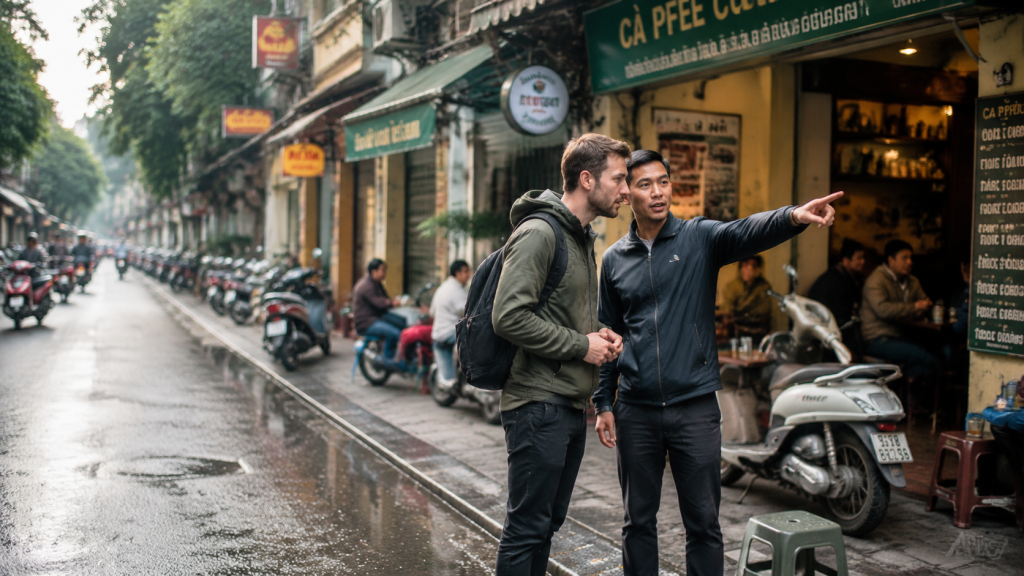
Vietnam solo travel is the kind of trip that looks wild on paper but feels surprisingly smooth once you know the basics. First-time adventurers usually worry about safety, transport, and language gaps, yet Vietnam rewards independent travelers with easy routes, lively cities, and local experiences that feel straight out of a fever dream in the best way.
The smart move is to start with a simple plan and keep your days flexible. Choose one north to south route, use local apps, and stay in areas where people are used to travelers. If you want a more local edge, browse all Vietnam crazy tours for ideas that mix culture, comfort, and real street-level energy without turning the trip into a logistics headache.
Featured snippet: Vietnam is one of Asia’s easiest long-haul destinations for solo travelers when you plan around three things: safe transport, region-based weather, and simple communication tools. Most first-time visitors do best with a route that combines Hanoi, central Vietnam, and Ho Chi Minh City, then adds one local experience for each stop.
Before you book, use this quick filter:
| Criteria | Best for solo travelers | Why it works | First-time tip |
|---|---|---|---|
| Transport | Train or flight | Simple and reliable between major cities | Book morning departures for less stress |
| Stay | Central hotel or hostel | Easy to walk, eat, and meet people | Pick a place near the old quarter or main district |
A soft way to upgrade the trip is to mix free exploration with one guided activity, especially in places where local context matters. That is where a trusted operator can save time, and a small curated day can make the whole Vietnam solo travel experience feel safer, richer, and far more memorable.
For a deeper look at cultural routes and unusual local themes, check Vietnam Crazy Tour and build your itinerary around the kind of adventure you actually want, not the generic one everybody copies.
If you want the fastest path to a good first trip, follow this order: pick your region, lock your transport, then layer in food stops, easy day trips, and one or two local-led experiences. Do that, and Vietnam stops feeling intimidating and starts feeling like the kind of place you can explore with confidence.

What Makes Vietnam Solo Travel Worth It
Vietnam solo travel is worth it because the country makes independent movement feel exciting, affordable, and surprisingly easy to manage. You can land in a big city, eat like a local within minutes, then shift to mountains, coastlines, or village roads without needing a rigid plan. For many travelers, that mix of freedom and discovery is the real value.
It also fits a wide range of trip styles. First-time visitors get a strong balance of structure and spontaneity, while experienced solo travelers can push deeper into local neighborhoods, motorbike routes, and slow travel days. If you want real culture, real food, and real movement, Vietnam gives you all three without forcing a luxury budget.
Featured insight: Vietnam works best for solo travelers who want variety without complexity. It is easy to build a trip that feels local, adventurous, and personal, whether you stay in cities, chase nature, or move between both.
What solo travel in Vietnam really means depends on who is traveling. A backpacker may use buses and homestays, a couple may want independent days with flexible comfort, and a family may prefer guided moments mixed with free exploration. The country supports all of that, which is why many readers compare options before booking through all Vietnam Crazy tours or a custom route that keeps the pace relaxed.
Here is the practical breakdown:
| Tiêu chí | Best for | Why it works | Travel feel |
|---|---|---|---|
| Solo traveler | Flexible plans | Easy to move, eat, and explore alone | Free and local |
| Couples and families | Mixed comfort and adventure | Simple logistics with room for discovery | Balanced and smooth |
Vietnam is one of the best countries in Southeast Asia for independent exploration because the trip layers are easy to mix. You can do street food, history, beaches, trekking, and night markets in one itinerary, then adjust on the fly if weather or energy changes. That flexibility is a major plus for readers who do not want a fixed resort rhythm. If you want a more immersive side of the country, a local experience like ghost culture tours can add depth without making the trip feel scripted.
When is Vietnam solo travel the right choice? Choose it if you like moderate adventure, budget control, and real-world independence. It is a strong fit if you are comfortable with some transit, open to local food, and willing to adapt to busy streets or changing plans. It may not be ideal if you want everything pre-arranged, but for most curious travelers, it is one of the smartest and most rewarding ways to explore Asia.
Soft CTA: If you want to keep the freedom of solo travel while avoiding planning stress, start with a simple route and build local experiences around it.
Strong CTA: For a trip that feels authentic, efficient, and very Vietnam, explore curated options that match your pace, then choose the stops that fit your style.

How to Plan a Smooth Vietnam Solo Travel Itinerary
Vietnam solo travel works best when you plan by region first, then lock in transport, nights, and daily pace. The country looks compact on a map, but north, central, and south each move at a different rhythm, so a smart route saves energy, money, and last-minute stress.
For first-time visitors, the easy win is to keep the route simple, use one domestic flight if needed, and avoid overstuffing the trip with too many long transfers. That way you still get the local street vibe, but your solo days stay smooth, safe, and flexible.
Featured snippet: Build a Vietnam solo travel itinerary by choosing one travel corridor, limiting major base changes, and leaving buffer time between cities. The best solo routes usually combine a big city, one scenic stop, and one walkable town, with visas, SIM, and budget sorted before departure.
Start with the core planning process. If you have 7 to 10 days, choose either north or central Vietnam; if you have 12 to 14 days, you can combine two regions without rushing. Hanoi to Ha Long Bay works well for culture plus nature, while Da Nang to Hoi An is easier for relaxed movement, beach time, and night wandering.
Transport should match your comfort level, not just your budget. Domestic flights are the fastest for long jumps, trains suit scenic intercity travel, and buses are fine for short hops if you are not carrying too much luggage. A solo traveler who values convenience can also check curated options through all Vietnam Crazy tour options when a private transfer or small-group day trip makes the route easier.
| Tiêu chí | Option A | Option B | Best for |
|---|---|---|---|
| Trip style | North focus | Central focus | First-time solo travelers |
| Transport mix | Flight plus bus | Train plus Grab | Easy city-to-city movement |
Now handle the essential trip elements early, because these decide how calm your arrival feels. Check visa rules by nationality, buy a local SIM at the airport or city store, book accommodations with strong reviews, and set a realistic daily budget before you land. A good solo budget in Vietnam often covers bed, food, transport, and one activity without financial surprise.
Use this simple breakdown: visa, SIM, stay, and spend. A beginner solo traveler might choose a central hotel in Hanoi, a beachside stay in Da Nang, or a riverside guesthouse in Hoi An, then keep cash for street food and short rides. If you want a more local, story-rich experience later, you can browse local belief and culture tours for a soft add-on that fits a flexible itinerary.
Practical route example: 3 nights Hanoi, 1 night Ha Long Bay, 3 nights Da Nang, 2 nights Hoi An, 3 nights Ho Chi Minh City. That route gives you history, seascape, food, and city energy without chaotic backtracking. For Vietnam solo travel, the real secret is not doing more, but moving better.
Plan one buffer half-day between major transfers, especially if you want to shop, recover, or chase a hidden cafe in a new district. That small gap is what keeps the trip smooth, and it is also what lets you say yes when a local recommendation appears on the spot.
Soft CTA: If you want a route that feels easier from the first airport pickup to the last sunset walk, choose a plan that matches your pace, not the internet’s loudest checklist. For tailored Vietnam adventure ideas, start with Vietnam Crazy Tour and build from there.
Strong CTA: Book smart, travel light, and keep your route clean. That is how you turn Vietnam solo travel into a trip that feels free, local, and fully under control.
Safety, Confidence, and Local Etiquette for Vietnam Solo Travel
Vietnam solo travel feels easy when you know the real risks, the local rhythm, and how to move with confidence instead of fear. The biggest problems are not dramatic; they are small mistakes like trusting the wrong price, crossing traffic too casually, or booking transport late at night without a backup plan.
For first-time solo travelers, the goal is simple: stay aware, stay calm, and choose support when it improves the trip. That means using ride-hailing apps in busy cities, understanding basic etiquette, and knowing when a guided experience can save time, stress, and energy. This is where a smart plan turns uncertainty into freedom.
Featured snippet: The safest way to travel solo in Vietnam is to combine common sense with local habits: confirm prices before buying, use trusted ride-hailing apps after dark, avoid isolated night routes, and keep your phone charged. Confidence comes from preparation, not from acting fearless.
Key safety habits matter most in crowded places, where small scams and distraction tactics happen fast. In markets, restaurants, and bus stations, check the fare, count your change, and never hand over your phone or passport unless it is truly necessary. Traffic can also feel chaotic, so cross slowly and predictably, not quickly. A simple rule works well: move with purpose, but never rush.
At night, keep your route short and visible. If the street feels quiet, switch to a car or motorbike app instead of walking far. Many solo travelers also feel safer joining a small evening activity through Vietnam tours when they want local guidance without planning every detail themselves. That is especially useful after a long travel day or during arrival in a new city.
| Tiêu chí | Stay Independent | Use Support | Best Moment |
|---|---|---|---|
| Transport | Short daylight rides | Grab or similar apps | Late arrivals and night moves |
| Exploring | Famous city areas | Small group activity | First day in a new place |
Confidence grows when you stop trying to understand every word. In Vietnam, basic English usually works in tourist zones, while gestures, maps, and translation apps cover most gaps. If a situation feels unclear, repeat the price, show the address, or ask the same question in a shorter way. The mini insight here is simple: clarity beats perfect language every time.
Common mistakes first-time solo travelers make include overplanning, ignoring local pace, and assuming every taxi or street offer is fair. Some also eat, move, and book everything alone when a little structure would make the trip smoother. A balanced approach works better: keep your own freedom, but use support when the city feels dense, busy, or unfamiliar. That is where a trusted company can make the day feel lighter, especially for travelers who want adventurous local experiences without the headache of logistics.
When should you book help? Choose tours for deep local access, use ride-hailing apps for predictable city transfers, and join group activities when you want social energy or safer navigation in a new area. For travelers who want culture with a local edge, Vietnam Crazy Tour can be a strong option because it reduces decision fatigue while still keeping the trip lively and personal. The smartest solo trips are not the ones with the least support; they are the ones with the right support at the right time.
In practice, a confident solo traveler in Vietnam does three things well: checks details twice, stays visible in public spaces, and chooses help before stress builds. That mindset keeps the trip fun, local, and flexible. It also makes it easier to enjoy the street food, the traffic chaos, and the spontaneous moments that make Vietnam unforgettable.
Best Experiences and Destinations for Solo Travelers in Vietnam
Vietnam solo travel works best when you match the route to your energy, not just the famous names on a map. If you want street food, social hostels, and easy movement, cities like Hanoi, Da Nang, and Ho Chi Minh City are strong anchors. If you want raw adventure, the north delivers mountain roads, local markets, and dramatic scenery in a way that feels wild but still manageable.
For first-timers, the smartest plan is simple: choose one region, stay longer, and build your days around one clear goal. Food lovers get more from walking streets and night markets, while nature lovers should lean into loops, islands, and coastal stops. A good Vietnam solo travel plan is less about covering everything and more about picking places that fit your pace, season, and comfort level.
Featured snippet: The best solo destinations in Vietnam depend on your travel style. For adventure, choose Ha Giang, Ninh Binh, or Phong Nha. For relaxation, use Hoi An, Phu Quoc, or Da Nang. For social connection, stay in Hanoi, Ho Chi Minh City, or backpacker hubs with easy day tours and walkable streets.
Top solo-friendly experiences usually fall into five clear buckets. Food tours are the fastest way to meet people and understand local life, especially in Hanoi’s Old Quarter or Saigon’s backstreets. Motorbike loops like Ha Giang reward confident riders with huge scenery and local homestays, while walking streets in Hoi An, Hue, and Hanoi create low-pressure evenings. Beaches in Da Nang and Phu Quoc are better for recovery days, and cultural sites such as temples, pagodas, and old citadels add depth without demanding a group.
A practical breakdown:
- Adventure: Ha Giang, Sapa, Phong Nha, Ninh Binh
- Relaxation: Phu Quoc, Da Nang, Hoi An, Mui Ne
- Social connection: Hanoi, Ho Chi Minh City, Cat Ba
- Culture: Hue, Hoi An, Hanoi, Mekong Delta towns
Mini insight: the most memorable solo days often mix one active experience with one easy social moment, such as a morning cave tour followed by a shared dinner at a local homestay. That rhythm keeps the trip lively without burning you out.
If you want curated local experiences without wasting time on tourist traps, look at all Vietnam crazy tours for a fast way to compare styles, or check the Vietnam crazy tour homepage when you want a starting point for planning.
How to choose the right place comes down to three filters: goal, season, and pace. For cool weather and mountain views, northern Vietnam is strongest from October to April, but roads can get foggy and slower. Central Vietnam is the easiest region for beaches and heritage from February to August, with smooth logistics for short stays. Southern Vietnam is best for warm-weather flexibility and city energy, especially if you want cafés, markets, and simple transport.
| Tiêu chí | North | Central | South |
|---|---|---|---|
| Best for | Adventure and culture | Beaches and heritage | Food, nightlife, easy flow |
| Solo strength | Big scenery and strong local feel | Compact, easy to combine places | Simple transport and social energy |
The tradeoff is real. North Vietnam gives you the deepest sense of discovery, but it can be more physically demanding. Central Vietnam is the easiest region for a balanced solo trip, though some beach towns can feel quiet in low season. The south is smooth and welcoming, but the pace can feel hotter, busier, and less dramatic if you want mountain scenery. If you travel slow, keep your base in one or two places and use day trips rather than constant moving.
For travelers who want a little extra structure, book one guided day or half-day experience and keep the rest flexible. That is where local operators can help you see more, waste less time, and still keep the trip personal. If your route includes niche interests, browse ghost and belief tours for cultural depth or choose slum tour charity for a more human, community-based lens on city life.
In short, the best destinations for solo travelers in Vietnam are the ones that match your mood, not just the guidebook ranking. Pick one region, build around one signature experience, and leave space for the unexpected. That is how you get the real local pulse, stay safe, and still feel free enough to move like a traveler, not a checklist machine.
Vietnam Solo Travel FAQs, Final Tips, and Next Steps
Vietnam solo travel is easy to enjoy when you know the small stuff before you land: how much to budget, how to stay connected, and how to move between cities without stress. Most first-time solo travelers do best with a simple route, one backup plan, and the confidence to keep things flexible when the road changes.
For budget, a practical daily range is about 35 to 70 USD for a comfortable solo trip, while budget travelers can go lower with hostels, street food, and sleeper buses. Safety is usually manageable in busy areas if you stay alert with phones, cash, and bags. If you want a deeper local rhythm, all Vietnam tours can also help you compare ideas before you commit.
Featured snippet: A smart solo trip in Vietnam is built on three things: a realistic daily budget, reliable mobile data, and flexible transport choices. Use eSIM or a local SIM for maps and ride apps, book the first two nights in advance, and keep one full free day in each region so delays do not break your trip.
When it comes to getting around alone, ride apps work well in cities, while trains and sleeper buses are the better pick for long routes if you value comfort over speed. A mini decision table helps here:
| Tiêu chí | City move | Intercity move | Best for solo travelers |
|---|---|---|---|
| Speed | Fast with Grab | Moderate by train | Use apps in town, rail for longer legs |
| Comfort | Easy and simple | Sleeper bus or train | Choose based on sleep and budget |
Last-minute problems happen, but most have quick fixes. Missed a bus, rainy forecast, or a full hotel? Book the next available option, switch to a nearby city stop, or extend your stay by one night instead of forcing a rushed plan. If you like a more offbeat route with real local flavor, Vietnam Crazy Tour is a useful place to start shaping your next move.
Final reminders: pack light, bring cash in small notes, save offline maps, and keep your passport details backed up on your phone. Solo travel in Vietnam gets easier when you stay open, book the first stretch, and let the rest of the trip breathe. Start with a simple route, a flexible schedule, and confidence, then build from there.
