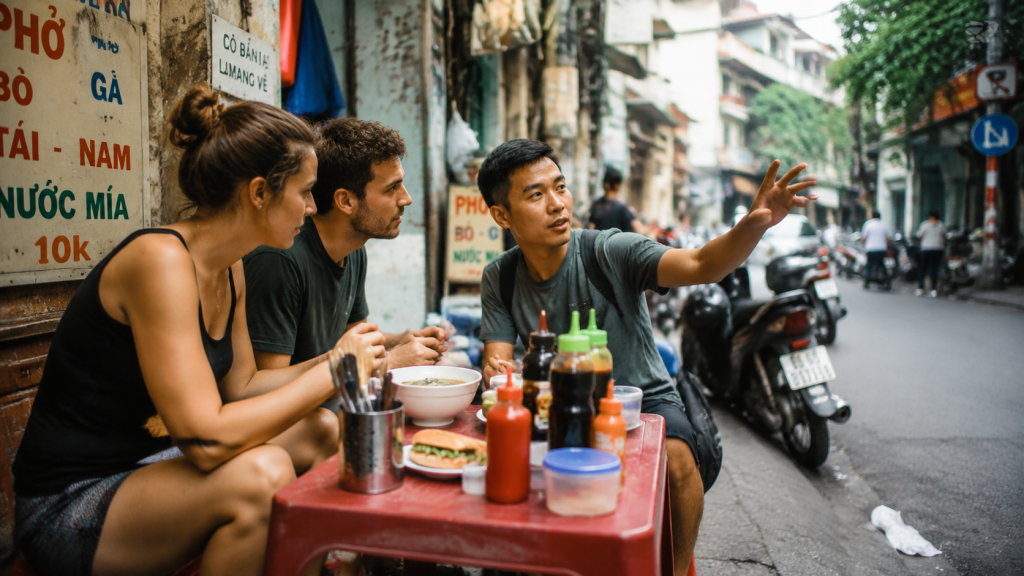
Ho Chi Minh City food guide is the fastest way to stop guessing and start eating like a local, especially if you are landing in Saigon with one mission: find the real flavors without getting stuck in tourist-only spots. The city can feel wild at first, with motorbikes, tiny stalls, and menus that move fast, but that chaos is also the advantage because the best food is often hiding in plain sight.
This guide gives first-time visitors and adventurous travelers a simple path through the noise, whether you are traveling solo, as a couple, or with family. If you want Vietnamese street food, a proper breakfast bowl, or a late-night bite near your hotel, the trick is knowing what to order and where to look. Start with the local classics, then use this Vietnam Crazy Tour collection to turn food hunting into a smooth day plan.
| Criterion | Tourist Trap | Local Pick | Best For |
|---|---|---|---|
| Food quality | Safe but bland | Fresh, busy, fast turnover | First-time visitors |
| Experience | Polished and slow | Street-level and lively | Adventurous eaters |
Featured snippet: Ho Chi Minh City is best explored through its street food, breakfast stalls, and neighborhood eateries. For a reliable start, focus on banh mi, pho, bun thit nuong, and com tam, then eat where locals line up. Busy stalls usually mean fresher food, better turnover, and a more authentic Saigon experience.
We recommend starting early, eating small, and moving around the city like a snack crawl instead of sitting down for one huge meal. That approach saves time, keeps the trip flexible, and makes it easier to compare flavors. If you want a softer way to explore beyond food, check the Vietnam Crazy Tour homepage for local-style experiences that pair well with a hungry day in Saigon.

What Makes the Ho Chi Minh City Food Scene So Special?
Ho Chi Minh City food guide starts with one simple truth: eating here is not a tourist activity, it is daily life in motion. From tiny sidewalk stools to busy family-run kitchens, the city serves bold flavors fast, cheap, and close to the street. If you want a local trip with real energy, this is where Saigon hits differently.
What makes it special is the rhythm. Breakfast can be a bowl of pho before 7 a.m., lunch may mean broken rice between office workers, and dinner often turns into a long snack crawl after sunset. That flexibility is why solo travelers, couples, and families all find their own pace here, especially when they want something local without losing comfort.
What Saigon food culture means in everyday life is simple: people eat where they work, walk, and wait for friends. A plastic stool, a motorbike parked at the curb, and a steaming pot on the sidewalk are normal here. You will see grandparents sharing soup, students grabbing banh mi, and office staff lining up for lunch within the same block.
The real insight is that food is woven into the city’s social routine. A busy stall is not a sign to avoid it; it often means the cook has one dish mastered through repetition. Look for small menus, fast turnover, and locals eating on repeat. That is the Saigon code, and it is the safest shortcut for first-time visitors.
Why Ho Chi Minh City is one of Asia’s top street food destinations comes down to variety, speed, and confidence. In one day you can eat crispy banh mi, sweet southern pho, grilled pork noodles, and charcoal pork chop rice without crossing the city twice. For travelers who love local streets, this is a dream because every meal feels like a fresh test of taste and timing.
Mini insight: the best street food here is not always famous on the internet. Often it is the stall with the cleanest workflow, the happiest crowd, and the shortest waiting gap between grill and plate. If you want a deeper local experience, the city pairs well with all Vietnam tours when you need structure without losing the chaos.
| Criteria | Breakfast | Lunch | Night |
|---|---|---|---|
| Best for | Quick energy and local routine | Busy office crowds and full meals | Street snacks and social eating |
| What to try | Pho, banh mi op la, sticky rice | Broken rice, noodles, grilled pork | Seafood, grilled skewers, dessert |
When to explore the food scene depends on your style, but the city rewards early risers and night owls equally. Breakfast is the cleanest moment to see neighborhood habits, lunch gives you the most local pressure and movement, and night markets bring the loudest mix of smells, smoke, and conversation. Late-night eating is where Ho Chi Minh City feels most alive.
Featured snippet: The best time to explore Ho Chi Minh City’s food scene is all day, but each window has a different personality. Go early for breakfast markets, midday for crowded lunch spots, and after dark for street stalls and night snacks. That is how visitors catch both the flavor and the real city energy.
For travelers who want a smoother first experience, a Vietnam Crazy Tour style route can help you sample the city without wasting time on weak spots. Soft CTA: if you are planning a food-first trip, save the neighborhood names now and build your evenings around them later.
Strong CTA: if you want the city to feel local from the first meal, arrive hungry, move slowly, and follow the crowd instead of the guidebook. Ho Chi Minh City rewards curiosity, and the right food crawl can turn a short visit into the kind of trip people talk about for years.

Must-Try Foods in a Ho Chi Minh City Food Guide
Ho Chi Minh City food guide searches usually come from one simple problem: too many dishes, not enough time, and no clear order to try them. If you only have a few meals in Saigon, you want the classics that actually define the city, not a random list that wastes a hunger slot. The answer is to eat by time of day, then choose one dish that fits each stop.
For first-time visitors, that means starting with the citys big hitters and keeping the plan flexible. A smart food day in Saigon can move from a hot bowl at dawn to a street-side sandwich at lunch, then finish with a snack and coffee after dark. It is local, easy to follow, and perfect for Vietnam Crazy Tour style travelers who want real flavor without the guesswork.
Classic dishes every first-time visitor should try:
Pho is the safe first bowl, but in Saigon it usually tastes a little sweeter and comes with more herbs and bean sprouts. Banh mi is the fastest win when you want something cheap, hot, and crunchy. Com tam gives you broken rice, grilled pork chop, and the kind of lunch that keeps you moving. Hu tieu is lighter, more noodle-forward, and a great pick if you want something less rich than pho. Goi cuon is the clean reset: fresh herbs, shrimp or pork, rice paper, and a dip that keeps the meal light.
- Pho for breakfast or a late lunch
- Banh mi for a quick street stop
- Com tam when you want a filling local plate
- Hu tieu for a softer, soupier noodle option
- Goi cuon when you need something fresh between heavier meals
Mini insight: if you are eating in District 1 or District 3, you can usually sample two of these in one block without losing time to transport.
Local snacks and desserts worth ordering:
Che is the easiest sweet bite to test if you are curious about Vietnamese desserts, because you can start with one bowl and see whether you like beans, jelly, coconut milk, or fruit in the mix. Banh xeo is not really a snack in the Western sense, but it works beautifully as a shared plate with its crispy edges, pork, shrimp, and herbs. Vietnamese iced coffee is the move when the heat gets heavy, especially if you want a strong, sweet finish after a salty meal.
If you want a low-risk way to keep exploring, this is where a local food tour lineup can help you stack tastings in one night instead of hunting blindly from place to place. You get more variety, less decision fatigue, and usually better pacing.
| Tiêu chí | Breakfast | Lunch | Dinner |
|---|---|---|---|
| Best dish | Pho or banh mi | Com tam or hu tieu | Goi cuon or banh xeo |
| Why it works | Fast, local, easy to find | Filling enough for the day | Balanced for sharing and snacking |
A simple food plan is the easiest way to enjoy Saigon without burning out your appetite. Try one breakfast bowl, one lunch plate, and one dinner round of small dishes, then leave space for coffee or dessert between stops. That rhythm keeps the day local, comfortable, and very Ho Chi Minh City.
Strong CTA: if you want the easiest version of this plan, book a guided food route and let a local handle the ordering, timing, and stall selection. You will eat better, move faster, and get a much deeper taste of the city in one focused day.
Best Areas to Explore for Food in Ho Chi Minh City
Ho Chi Minh City food guide travelers usually face the same problem: too many great neighborhoods, not enough time, and zero desire to waste a meal on the wrong block. The good news is that Saigon food is highly local by area, so once you know where to go, you can eat smarter and walk less.
For first-timers, the best strategy is simple: use District 1 and District 3 for easy access and famous names, then move outward for deeper local flavor. That is how you get the city’s biggest payoff, especially if you want a food crawl that feels adventurous but still practical for solo travelers, couples, and families.
Featured snippet: The best areas for food in Ho Chi Minh City depend on your travel style. District 1 and District 3 are best for convenient famous eats, while Binh Thanh and District 4 deliver more local, gritty, and authentic food scenes. For food-hopping, night markets, food streets, and alleyways work best because multiple dishes sit within short walking distance.
District 1 is the easy win. It is where many visitors start, and for good reason: the streets are dense with iconic stalls, central hotels, and places you can reach without complicated transport. District 3 is the smarter upgrade when you want the same convenience with a calmer, more local feel. If you only have one evening, pair them together and browse our Vietnam tours after dinner planning so your route does not turn into random walking.
| Criteria | District 1 | District 3 | Best for |
|---|---|---|---|
| Food vibe | Famous, busy, tourist-friendly | Local, relaxed, slightly less crowded | First-time food crawls |
| Travel ease | Very central, easy by foot | Close enough for short rides | Convenient dinner routes |
Mini insight: if a place is packed with office workers at lunch, that is often a good sign in Saigon. Binh Thanh and District 4 are where the city starts feeling more raw and authentic. District 4 is especially strong for seafood and late-night eating, while Binh Thanh rewards travelers who are happy to step off the polished route and follow local crowds into narrow lanes.
If you enjoy more immersive experiences, food streets and alleyways are where Ho Chi Minh City gets truly addictive. Nguyen Thuong Hien, Vinh Khanh, and the small lanes around major markets are built for food-hopping because you can sample one dish after another without losing momentum. That is also why guided local experiences can be useful, especially if you want deeper context with ghost and beliefs tours or broader city exploration that connects food with neighborhood culture.
Best places to prioritize for food-hopping in Ho Chi Minh City: District 1 for iconic stalls and easy logistics, District 3 for classic everyday dishes, District 4 for seafood and late-night energy, Binh Thanh for authentic local eating, and food streets or alleyways for the most efficient multi-stop crawl. If you want a soft first step, start central and then move outward as your confidence grows.
For travelers who want both comfort and real local flavor, the smartest approach is to eat one meal in District 1 or 3, then take the next meal in District 4 or Binh Thanh. That shift in atmosphere is where Saigon becomes memorable. The food is still excellent, but the experience becomes more lived-in, more spontaneous, and much more local. When you are ready to turn that into a structured trip, Vietnam Crazy Tour homepage is the easiest place to start.
Soft CTA: if you want a food-first itinerary that avoids dead zones and tourist traps, plan your route by neighborhood, not by random reviews. Strong CTA: book a local-style Vietnam experience and eat the city the right way, one real street at a time, with the right neighborhoods and the right timing.
How to Eat Well and Safely in Ho Chi Minh City
Ho Chi Minh City food guide travelers need is not about playing it safe all the time, it is about eating smart in the city’s loudest, busiest, most delicious corners. If you want local flavor without needless risk, the answer is simple: choose stalls with steady turnover, visible cleanliness, and dishes that are cooked fresh in front of you.
That approach works for solo travelers, couples, and families who want real Saigon energy without gambling on a bad meal. The city rewards curiosity, but it also rewards observation. Look for the crowd, the steam, the organized prep, and the local rhythm. That is how you eat well and stay comfortable in Vietnam’s most food-obsessed city.
Featured snippet: To eat safely in Ho Chi Minh City, choose busy stalls with high turnover, hot food cooked to order, clean utensils, and clear pricing. Avoid anything that looks pre-cooked for too long, and favor places where locals line up for the same dish every day.
How to choose clean, busy, and trustworthy food stalls
The best rule is simple: follow the locals, then verify the setup. A packed stall is not automatically safe, but in Saigon, busy usually means fresh. Watch for clean chopping boards, covered ingredients, separate raw and cooked areas, and staff who move fast because the food is in demand. If you see a long queue of office workers, students, or neighborhood regulars, that is a strong trust signal.
For example, a banh mi stall with a short line but stale bread and exposed fillings is less reassuring than a tiny vendor with a constant flow of customers and a sandwich made after you order. If you want a deeper local experience, pair street food exploration with our local Vietnam food adventures and let the neighborhood decide where the energy is.
Mini insight: the safest-looking stall is not always the best one, but the most ignored stall with no turnover is often the one to skip.
How to read menus, pricing, and local dining etiquette
Menus in Saigon often look simple, but the details matter. Check whether prices are listed clearly, whether the menu matches what is actually being served, and whether add-ons are explained before you sit down. If a dish is famous, the menu should still feel focused rather than chaotic. A tight menu usually means a place knows its strengths.
Local etiquette is equally important. Keep your voice moderate, do not rush staff during peak hours, and wait for the table to settle before diving in. In many places, napkins, condiments, and ice are self-serve or lightly shared, so observe first. If you are planning a longer stay, it helps to understand the city beyond food too, so you can balance eating with walking, resting, and exploring through Vietnam Crazy Tour.
| Criteria | Best sign | Risk sign | What to do |
|---|---|---|---|
| Customer flow | Steady local queue | Empty for long periods | Choose the busy one |
| Food handling | Cooked fresh to order | Food sitting uncovered | Ask for hot, freshly made dishes |
Common mistakes travelers make when eating in Saigon and how to avoid them
The biggest mistake is assuming every famous place is the right fit for your stomach. Popular spots can still be intense, especially if you are not used to rich broth, strong fish sauce, or street-side seating. Start with a small portion, drink water slowly, and do not stack too many oily dishes in one meal. Your body will thank you by day two.
Another mistake is ignoring prep details. Ice from questionable sources, raw herbs from a dusty tray, and lukewarm food are easy ways to ruin a great food crawl. When in doubt, choose dishes that arrive piping hot, like pho, grilled pork rice, or noodle bowls made to order. If you want an adventurous route with more structure, a guided night route can help you explore confidently while still keeping the thrill of local eating.
Soft CTA: If you want to eat like a local without the guesswork, build your food crawl around busy, trusted neighborhoods and keep your first few meals simple, hot, and well reviewed.
One more practical habit: carry small cash, confirm the price before ordering if it is not posted, and leave when a place feels messy in a way that does not look like normal local chaos. That one instinct saves more stomach trouble than any travel hack. For adventurous travelers, eating in Saigon becomes incredible once you learn to trust the rhythm of the street, not the hype around it.
Strong CTA: Use this Ho Chi Minh City food guide as your filter, then go out and taste the city with confidence. Pick the crowded stall, order the specialty, and let fresh steam, clean prep, and local momentum do the rest.
Ho Chi Minh City Food Guide FAQ and Smart Travel Tips
Ho Chi Minh City food guide travelers usually need one thing first: a fast way to eat well without wasting time, money, or energy. Saigon moves fast, the best stalls can look intimidating, and menus are often short on English. The good news is the food scene is built for curiosity, so once you know what to order and how to spot a busy local spot, the city becomes easy.
For first-time visitors, solo travelers, couples, and families, the smartest plan is simple. Start with one iconic dish, keep an eye on the crowd, and choose places where turnover is high. If you want a low-stress way to explore deeper neighborhoods and local flavor, check the experiences at all Vietnam Crazy Tour options before you go out, then use this FAQ to make better on-the-ground decisions.
Featured snippet: The most famous food in Ho Chi Minh City is banh mi, followed closely by pho and bun thit nuong. For a safe and satisfying food day, choose busy stalls, eat freshly cooked dishes, carry hand sanitizer, and budget around 10 to 25 USD per person depending on your appetite and whether you add drinks or dessert.
FAQ: What is the most famous food in Ho Chi Minh City?
The clear answer is banh mi, especially the loaded Saigon style with crisp bread, pate, pork, pickles, and herbs. It is the dish most travelers remember because it is cheap, quick, and easy to find almost anywhere. After that, pho and bun thit nuong are the next big names, and both show how layered Southern Vietnamese flavor can be.
Real example: a busy stall near District 1 might sell banh mi to office workers at lunch, while a small corner shop in District 3 serves pho from dawn with locals lining up before work. That is the Saigon pattern. The food is not just famous because it tastes good, but because it fits real daily life. If you want a deeper local angle, a guided walk can connect the dish to the neighborhood in a way a random search never will, and that is where Vietnam Crazy Tour can add value.
FAQ: Is street food safe in Ho Chi Minh City?
Yes, street food is generally safe if you use basic travel judgment. Look for high turnover, hot cooking, clean utensils, and a stall packed with locals. The biggest risk is usually not the food itself, but poor handling or food that has sat too long in the heat. Freshly grilled pork, steaming noodle soup, and made-to-order banh mi are usually safer bets than anything that looks preassembled and exposed.
Mini insight: in Saigon, the safest-looking place is not always the best one. A tiny stall with a line of delivery riders and office workers often beats a polished cafe with empty tables. For adventurous travelers, this is part of the fun. If you want to stay flexible, keep wet wipes and hand sanitizer with you, and sit where you can see the cooking. If you prefer a curated route with less guesswork, a food-focused night ride like ghost and belief stories can be swapped with a street-eating experience in other parts of the city, depending on your pace.
| Tiêu chí | Best choice | Why it works | Watch out |
|---|---|---|---|
| Street food stall | Busy local vendor | Fast turnover and fresh cooking | Check hygiene and water use |
| Restaurant | Popular casual eatery | Easy for beginners and families | Can be pricier than street options |
FAQ: How much should I budget for food per day?
A practical budget for most travelers is 10 to 25 USD per day if you mix street food with one sit-down meal. A banh mi breakfast may cost very little, a pho lunch can stay affordable, and a dinner with drinks will push the total higher. If you eat at tourist-friendly restaurants every meal, budget more like 25 to 40 USD.
Simple breakdown: street breakfast, noodle lunch, snack, and casual dinner is usually enough for a full food day. Solo travelers can keep it lean and adventurous, while couples and families may spend more for comfort and variety. The trick is not to overplan every meal. Saigon rewards flexibility, so leave space in the budget for one surprise dish, one cold drink, and one extra stop when a crowd catches your eye.
FAQ: Should I book a food tour or explore on my own?
If it is your first time in the city, a food tour is the easier choice because it removes the language barrier and helps you eat like a local faster. You get context, transport, and a shortcut to the best dishes without spending half the night on maps. If you already enjoy street hunting and slow wandering, going on your own can be more rewarding and cheaper.
Think of it this way: a tour is best for efficiency, confidence, and variety, while solo exploration is best for freedom and surprises. Families often like a tour because it reduces friction. Solo travelers and couples may prefer to roam, then stop wherever the crowd looks strongest. For a soft middle ground, do one guided evening and then use the next day to explore independently with a short list of must-try dishes from this Ho Chi Minh City food guide.
Start with one dish, follow the crowds, and let Saigon’s food scene surprise you. The city is at its best when you stop chasing perfect plans and trust the heat, smell, and energy of the street. If you want to turn curiosity into a deeper local experience, browse Vietnam Crazy Tour after dinner and choose the style that matches your travel mood.
