
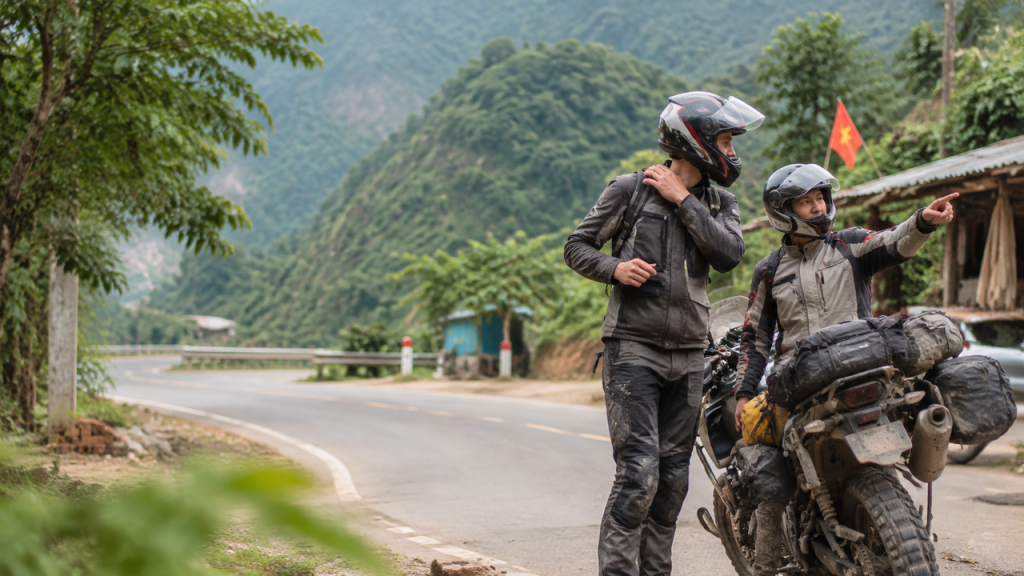
How to avoid back pain while riding a motorcycle matters when a scenic ride starts feeling like a test of endurance. A stiff lower back or aching shoulders can steal the fun from a short city trip, and feel even worse after hours on unfamiliar roads. The good news is that a few practical changes to posture, bike fit, and break habits can make riding more comfortable.
Whether you are weaving through local streets or tracing Vietnam’s winding mountain roads, comfort begins before the engine starts. This guide covers a relaxed riding position, simple setup checks, and sensible stops to help reduce strain without losing the spirit of adventure. If you would rather explore with local support, discover Vietnam Crazy Tour adventures and plan a ride that leaves room to pause, stretch, and enjoy the view.
Why Back Pain Happens on Motorcycle Rides
Back pain on a motorcycle usually comes from staying in one position too long, absorbing repeated bumps, or reaching awkwardly for the controls. To understand how to avoid back pain while riding a motorcycle, notice when discomfort starts, where you feel it, and whether it eases after a break.
That pattern can help you spot a riding-related strain, though it cannot diagnose a medical condition. On a Vietnam ride, even a short stretch of uneven road between villages can expose a poor fit or tired posture.
Quick answer: Motorcycle back pain often builds when prolonged sitting, road vibration, impacts, and muscle fatigue combine with a hunched or overextended position. Check whether your lower back, upper back, or neck aches first, then consider your riding duration, handlebar reach, foot-peg position, and how well the suspension handles bumps.
Common Sources of Motorcycle-Related Back Pain
Sitting still limits natural movement, while vibration and pothole impacts repeatedly jolt the spine and surrounding muscles. A firm seat or worn suspension can make those jolts feel sharper. As your core and back tire, you may slump, brace your shoulders, or grip the bars harder, adding more strain.
- Long stretches: stiffness tends to build gradually and may improve when you stand and move during a safe stop.
- Rough roads: soreness may rise after repeated bumps, especially on poorly maintained surfaces.
- Awkward reach: locked elbows, rounded shoulders, or a stretched torso can keep muscles working under tension.
How Riding Position and Pain Location Offer Clues
Lower-back discomfort can accompany a rounded posture, limited hip movement, or foot pegs that place your legs awkwardly. Upper-back and shoulder tension may point to bars that are too far forward or too low. Neck discomfort can follow a forward lean when you repeatedly lift your head to see the road.
| Clue | Possible factor | What to check |
|---|---|---|
| Lower-back ache | Slouch or long sitting | Seat, breaks, leg position |
| Neck or shoulder tension | Forward reach or lean | Bar reach and posture |
Bike style matters, but fit matters more than the label: a sport bike may encourage a forward lean, while a cruiser can still strain you if its bars or pegs force a twist. For a more relaxed way to explore local roads, browse Vietnam motorcycle tour options and ask about ride length and breaks before booking.
If pain is severe, keeps returning, follows an injury, or comes with numbness or weakness, stop riding and seek medical advice. A posture clue is useful, but persistent symptoms deserve a proper assessment.
How to Avoid Back Pain While Riding a Motorcycle: Posture and Setup
To learn how to avoid back pain while riding a motorcycle, start with a relaxed, neutral posture and a bike that fits your body. Keep your spine naturally aligned, shoulders loose, elbows slightly bent, and weight balanced between the seat and foot pegs. Avoid locking your arms or leaning far forward.
Use a Relaxed, Neutral Riding Posture
A rigid grip and tense shoulders can make every bump feel sharper, especially on a long ride through busy streets or uneven rural roads. Keep your hands light and your upper body relaxed while staying ready to control the motorcycle. If you notice yourself slumping, reset your position at a safe stop rather than adjusting your posture mid-turn.
Adjust the Seat, Handlebars, and Foot Pegs
Before setting off, sit on the motorcycle in your usual riding gear. You should reach the handlebars without stretching, feel supported by the seat, and place your feet on the pegs without cramped or overextended legs. A short test ride can reveal pressure points that are easy to miss in the garage.
| Fit check | Comfortable sign | Warning sign | Next step |
|---|---|---|---|
| Handlebar reach | Elbows stay softly bent | Arms pull forward | Ask a qualified shop to assess reach |
| Seat and foot pegs | Hips feel supported, knees relaxed | Pressure or cramped legs | Check seat support and peg position |
For example, if your wrists bear your weight while riding, the bars may be too far away or your torso may be leaning excessively. Do not make major control or suspension changes by guesswork; have a qualified motorcycle shop check adjustments for safe handling. Planning a ride to discover local places? Explore Vietnam adventure tours and choose a pace that leaves room for comfortable breaks.
Build Strength and Mobility for More Comfortable Rides
To understand how to avoid back pain while riding a motorcycle, think beyond the saddle: gradual conditioning and recovery can help you handle long days, but cannot prevent every source of discomfort. This matters on adventurous routes where smooth city streets can quickly give way to uneven roads.
Prepare Your Core, Hips, and Back Before a Ride
A simple routine can build readiness without a gym. Start with a few minutes of easy walking, then try controlled glute bridges, gentle hip-flexor stretches, and slow cat-cow movements. Add core stability exercises, such as a short bird-dog hold, only at a level that feels comfortable. Begin with a few repetitions and increase gradually; stop if a movement causes pain.
For example, before a morning ride through small villages, use the time while your travel companions pack to loosen your hips and back. The goal is comfortable movement, not a hard workout that leaves you tired before departure.
Recover After Riding and Notice What Triggers Discomfort
After parking, walk gently for a few minutes, drink water, and rest. Note when discomfort appears and what the day involved: ride duration, bumpy road sections, breaks, or how the bike fit felt. A short log can help you spot patterns and discuss useful changes with a qualified professional.
Quick guide: Before a ride, warm up and activate your core, glutes, and hips with easy movements. After riding, walk gently, rest, and record ride length, road conditions, and bike setup. Increase exercise gradually, avoid painful stretches, and seek medical advice for persistent or worsening symptoms.
| Moment | Helpful habit | What to notice | Why it helps |
|---|---|---|---|
| Before riding | Gentle mobility and gradual strength work | Comfort and range of movement | Prepares hips and trunk for the day |
| After riding | Easy walk, rest, and brief ride notes | Duration, road surface, and bike fit | Helps reveal patterns for future adjustments |
For riders exploring Vietnam, thoughtful breaks can make room to stretch and take in the local scene. See Vietnam motorbike tour options and choose a route that suits your pace. If discomfort persists or worsens, pause riding and consult a healthcare professional before continuing.
Choose Motorcycle Gear and a Bike That Fit Your Body
Choosing a bike and protective gear that fit your body is a practical way to learn how to avoid back pain while riding a motorcycle. A model that looks relaxed can still strain you if the bars, seat, or footpegs make you reach or twist.
Compare Seats, Riding Positions, and Motorcycle Types
There is no universally most comfortable motorcycle style. Upright standard bikes often keep the torso balanced; cruisers may feel relaxed but can place feet too far forward; sport bikes lean the rider toward the bars. Seat shape and reach matter as much as the category.
Quick fit check: Choose a motorcycle that lets you sit with a neutral spine, relaxed shoulders, slightly bent elbows, and feet reaching the controls without strain. Comfort should not compromise steering, braking, or balance.
| Fit check | Upright or standard | Cruiser | Sport bike |
|---|---|---|---|
| Torso position | Usually balanced | May lean back | Often forward |
| Check before riding | Bar reach | Footpeg reach | Wrist and back load |
Consider Supportive Gear Without Relying on It Alone
Try on a certified helmet, jacket, gloves, and riding pants in your actual riding posture. Gear should stay secure without pinching, restricting breathing, or limiting a full turn of the head and easy access to the controls. A lumbar pad or kidney belt is optional comfort support, not a substitute for a well-fitting bike or safe posture.
For an unfamiliar local route, check the bike fit before setting off; Vietnam Crazy Tour shares adventure tour options for travelers exploring beyond the usual stops. Test the seat and reach while stationary, then take a short, controlled ride if qualified. If discomfort persists or pain is severe, stop riding and seek medical advice. Choose a setup that lets you stay comfortable and in control for the whole journey.
How to Avoid Back Pain While Riding a Motorcycle on Long Trips
To learn how to avoid back pain while riding a motorcycle, plan breaks before your lower back starts complaining. Long stretches on Vietnam’s winding roads can leave even experienced riders stiff, especially with heavy luggage or a bike that does not fit well.
Take a short walk, reset your posture, and check your load at each stop. A flexible itinerary is not wasted time: it helps you enjoy the ride and arrive ready to explore.
Plan Breaks, Avoid Common Mistakes, and Know When to Stop
Break every 60–90 minutes as a practical starting point, then adjust to your comfort, road conditions, and experience. Get off the bike, walk gently, hydrate, and change position. Do not push through pain that is worsening or affecting your control.
Before setting out, balance luggage securely and avoid carrying a heavy backpack. Keep a relaxed, neutral posture; a seat or lumbar support may help if it fits your body, but neither replaces a well-fitted bike.
| Choice | Potential comfort | Check before riding | Best next step |
|---|---|---|---|
| Cruiser or touring bike | Often more upright | Reach, seat, and leg position | Test ride first |
| Sport bike | May lean you forward | How your back feels over time | Plan shorter ride segments |
Quick answer: To reduce back pain on a long motorcycle ride, stop every 60–90 minutes, walk and shift position, keep luggage light and balanced, and use a bike that fits your body. Stop riding if pain worsens or affects control, and seek medical advice for persistent or severe pain, numbness, weakness, or pain after an injury.
FAQs for Riders Who Experience Back Pain
How often should I take breaks? Start every 60–90 minutes and stop sooner if discomfort builds. Is a cruiser or sport bike better? Neither suits everyone; fit and riding posture matter more than the label. Can a seat or lumbar support help? It may improve comfort when correctly fitted. Should I ride with existing back pain? If it is worsening or limits safe movement, do not ride; ask a health professional for guidance.
For severe symptoms, numbness, weakness, persistent pain, or pain after an injury, seek medical guidance rather than treating this as ordinary riding fatigue. Check your bike fit and plan a realistic route, with time for local stops. Explore Vietnam ride and tour options as you shape a comfortable, safety-minded trip.