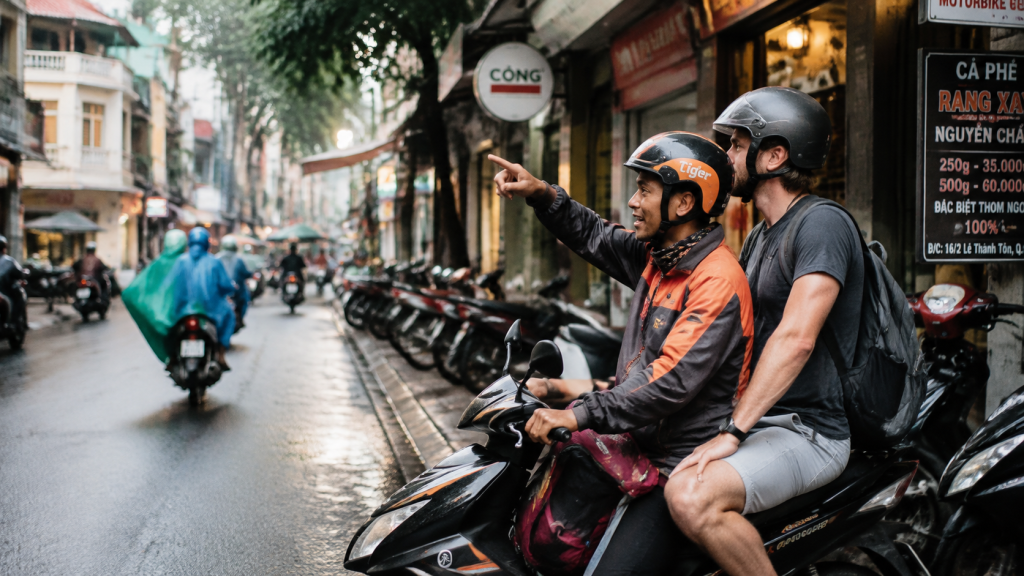
Vietnam motorbike safety is the first thing smart travelers should think about before joining the traffic flow, because one careless moment in Hanoi, Da Nang, or Ho Chi Minh City can turn a fun ride into a painful lesson. For first-time visitors and expats, the real challenge is not just riding ability, but reading local road behavior fast enough to stay calm and protected.
The good news is that safer riding in Vietnam is not about fear, it is about control. With the right helmet, a defensive mindset, and a few street-level habits, you can reduce risk without killing the adventure. If you also want safer ways to explore beyond the bike, browse local tour options or learn more about the country through Vietnam Crazy Tour before you decide how much road time feels right.
| Tiêu chí | Cột 1 | Cột 2 | Cột 3 |
|---|---|---|---|
| Helmet quality | Basic street helmet | Certified full-face | Best for long city rides |
| Ride choice | Self-drive in rush hour | Ride with local guidance | Safer for beginners |
Featured snippet: The safest way to ride a motorbike in Vietnam is to wear a certified helmet, keep speeds low, avoid night traffic when possible, and stay alert at intersections. Beginners should choose short routes, ride defensively, and consider guided transport for busy urban areas.
Mini insight: most accidents happen when tourists copy local speed without local instinct. That gap is where trouble starts, especially on wet roads, narrow alleys, and packed intersections.
If you want to explore Vietnam with less stress and more confidence, start by choosing your transport style before the road chooses it for you. For a softer travel alternative, you can check meaningful local tours or keep riding only where the traffic feels readable. In Vietnam, smart safety is not boring, it is what keeps the adventure alive.
What Vietnam Motorbike Safety Really Means
Vietnam motorbike safety starts with understanding that the road is not a predictable machine, it is a living system. For first-time visitors, the real risk is usually not speed alone, but reading the flow too late. The good news is simple: once you understand how locals move, signal, merge, and yield, the whole ride becomes calmer and far more manageable.
In Vietnam, safety is about awareness, positioning, and timing. A rider who keeps a steady line, leaves space, and expects scooters to appear from every angle is already safer than someone who rides nervously. That is why Vietnam motorbike safety matters before your trip begins, especially if you plan to explore local neighborhoods, backstreets, and busy city roads on two wheels.
Featured snippet: Vietnam motorbike safety means learning the traffic rhythm, not just wearing a helmet. Watch scooter clusters, assume buses and cars will move differently than in your home country, and keep your speed smooth. The safest travelers are the ones who stay visible, stay patient, and never treat the road like a private lane.
The local traffic environment is a mix of scooters, buses, cars, delivery bikes, pedestrians, and sudden lane changes. In one block, you may see a family of four on a scooter, a bus nudging through traffic, and a car turning without much warning. For adventurous travelers, that is part of the thrill, but it also means you need simple rules: keep your eyes wide, avoid panic braking, and never assume the next vehicle will behave like the last one.
| Tiêu chí | Cột 1 | Cột 2 | Cột 3 |
|---|---|---|---|
| Traffic flow | Slow and steady | Fast and aggressive | Best choice is steady pacing |
| Road awareness | Checks mirrors often | Looks only ahead | Scan all sides every few seconds |
Mini insight: most accidents start with surprise, not skill. That is why experienced local-style riding is less about confidence and more about reading patterns early. If you want a softer way to explore Vietnam beyond the traffic stress, start with local adventure routes that keep movement organized while still feeling wild.
For solo travelers, couples, and families, the smart move is to match the road intensity to the day. Central city hours are louder and more chaotic, while early mornings and quieter districts feel easier to handle. If you want deeper local culture with less traffic pressure, you can also explore Vietnam crazy tour experiences built around real neighborhoods, real people, and a more guided pace.
Soft check: if you are unsure about riding yourself, choose a guided option and let a local rider handle the stress points.
Practical safety takeaways:
• Keep a predictable line and avoid sudden moves
• Expect scooters to cut across your space
• Slow down before intersections, not inside them
• Use mirrors, but also trust your own scan
• Ride only when you are fully alert
When travelers understand these basics, the road stops feeling random and starts feeling readable. That is the real meaning of safety here: not zero risk, but controlled risk with smart behavior. Build that habit first, and the rest of your Vietnam ride gets much easier.
Strong CTA: if you want to explore Vietnam in a way that feels adventurous without turning every street into a gamble, choose a route that respects local road culture and keeps you with people who know it well. The smartest trip is not the fastest one, it is the one you finish smiling and ready for the next stop.

How to Practice Vietnam Motorbike Safety on the Road
Vietnam motorbike safety starts before you twist the throttle, because the road here can go from calm to chaotic in one breath. For foreign riders, the smartest move is not bravado but a quick routine that catches small problems early. A helmet that fits, working brakes, bright lights, solid tires, and enough fuel can turn a risky day into a smooth ride.
That matters even more when you are exploring local backstreets, coastal roads, or busy city junctions where traffic moves like a living stream. If you are planning a flexible ride and want a safer way to discover the country, Vietnam Crazy Tour can help you understand the rhythm of the road before you commit to a bigger adventure.
Here is the fast pre-ride check every rider should do:
- Helmet: full coverage, snug strap, no cracks
- Brakes: test both levers and feel for response
- Lights: check headlight, brake light, and indicators
- Tires: look for low pressure, cuts, or worn tread
- Fuel: confirm enough range for detours and traffic delays
Mini insight: in Vietnam, a tire that looks almost fine can still be too soft for sudden braking on wet pavement. That small detail is why experienced riders inspect the bike before every departure, not only on long trips.
Once on the road, riding habits matter just as much as the bike itself. Keep your speed steady, leave extra space, and watch wheels, not faces, because vehicle direction here changes fast. Use signals early, avoid lane drifting, and never assume other drivers saw you. In crowded areas, the safest rider is the one who stays predictable.
Think of it as defensive riding with local awareness: slow down at intersections, scan mirrors before changing position, and expect scooters, buses, and pedestrians to merge into the same frame. A soft but useful rule is to ride as if every gap might close. If you want to build confidence before a longer local route, all Vietnam tours show how different regions demand different riding discipline.
| Tiêu chí | Safe habit | Risky habit | Best result |
|---|---|---|---|
| Traffic speed | Ride calmly and match flow | Rush to overtake every gap | More control in dense traffic |
| Road scanning | Check ahead, sides, and mirrors | Focus only on the road in front | Earlier reaction to surprises |
Soft CTA: if you are unsure about your route, choose shorter riding days first and practice on quieter streets before tackling heavier traffic. That one decision can make your trip feel adventurous instead of overwhelming.
For a stronger next step, plan your Vietnam motorbike trip with local support, choose reliable transport, and always check the bike like it is your own. That is how you protect your trip, your energy, and your story on the road.

The Biggest Risks and Real-World Safety Benefits
Vietnam motorbike safety starts with understanding the stuff that can turn a dreamy ride into a messy one: sudden rain, broken pavement, low visibility, and chaotic junctions. For adventurous travelers who want local roads, market lanes, and real village scenes, the goal is not to fear the bike. It is to ride with a sharper plan, better timing, and calmer decisions.
The biggest risk is rarely one dramatic event. It is a chain of small surprises, like a wet corner after a warm afternoon, a pothole hidden by traffic, or a taxi cutting across a busy intersection. When riders know what to watch for, they stop reacting late and start reading the road early. That shift matters a lot on a Vietnam motorbike route.
Common danger points on the road are easy to list, but harder to respect in the moment: bad weather, potholes, night riding, and packed intersections. Rain can make painted lanes slick, and rural roads can change from smooth to cratered in a few hundred meters. At night, even a familiar street can feel different when headlights, scooters, and pedestrians all compete for space.
- Bad weather: reduce speed before the first heavy drop, not after
- Potholes: scan far ahead, especially after trucks or on side roads
- Night riding: keep trips short and arrive before dark when possible
- Busy intersections: wait an extra second and watch for flowing gaps
A practical example: on a coastal ride, a light drizzle can hide gravel near the shoulder, while a city crossing may look clear and still include three scooters and one delivery rider entering from the side. Mini insight: the road in Vietnam often rewards patience more than confidence. That is why all Vietnam crazy tour routes are better enjoyed with a safety-first rhythm, not a rushed one.
| Tiêu chí | Safer choice | Riskier choice | Why it matters |
|---|---|---|---|
| Weather | Ride in daylight and pause in heavy rain | Push through a storm | Wet roads reduce traction and visibility |
| Road reading | Look far ahead for surface changes | Focus only on the bike in front | Early scanning prevents sudden braking |
Safe riding does more than prevent accidents. It gives travelers confidence to explore smaller roads, stop for coffee, and enjoy the trip instead of surviving it. Couples feel less stressed, solo travelers feel more in control, and families keep the day lighter and smoother. That is a real safety benefit: better decisions create better memories.
When the ride feels under control, freedom gets bigger, not smaller. You can follow a local detour, enter a quiet fishing lane, or take a scenic break without that background tension in your shoulders. For readers comparing guided and independent travel, a well-planned Vietnam crazy tour can remove the hardest risk points while keeping the adventure raw and local.
Here is the simple rule: slow down where the road is busy, stay alert where the surface changes, and never let one good stretch make you relax too early. That mindset protects the trip quality as much as it protects the rider. If you want the next chapter to feel more fun than stressful, keep the pace smart, the route realistic, and the stops frequent.
Featured snippet: The main risks in Vietnam motorbike travel are bad weather, potholes, night riding, and crowded intersections. Safe riding improves confidence, freedom, and trip quality by helping travelers scan early, slow down in risky zones, and choose daylight riding whenever possible.
Soft CTA: If you want a route that keeps the thrill but trims the stress, choose a plan that matches your skill level and the road conditions.
Strong CTA: Book smarter, ride calmer, and turn Vietnam’s wild roads into a trip that feels local, adventurous, and safely unforgettable.
Choosing the Right Safety Approach for Your Trip
Vietnam motorbike safety is not about being fearless, it is about choosing the right setup for your route, your skill level, and your travel style. If you want the wild local energy without turning the trip into a gamble, start by matching the road to the rider, not the other way around.
For first-timers, the smartest move is often not full freedom, but the right balance of adventure and control. That can mean a rental bike on easy roads, a guided tour for the messy stuff, or a private driver when the day looks long, wet, or chaotic. See all Vietnam Crazy Tour options if you want the local feel with less stress.
Featured snippet: Choose motorbike rental when you have riding experience, guided tour when you want local roads with support, and a private driver when safety, comfort, or weather becomes the priority. The best choice depends on distance, traffic, mountain curves, rain, luggage, and who is riding with you.
| Criteria | Motorbike Rental | Guided Tour | Private Driver |
|---|---|---|---|
| Best for | Confident riders | Local exploration | Comfort and low stress |
| Main risk | Traffic and road skill | Less freedom | Higher cost |
Motorbike rental works best if you already ride at home, understand traffic flow, and can handle sudden braking, narrow lanes, and wet roads. A guided ride is better when the route includes mountain passes, village detours, or long navigation days, because a local lead removes guesswork and keeps the trip smooth.
Private drivers make sense for families, couples with luggage, travelers who hate risk, and anyone arriving after a long flight. A small but important insight: in Vietnam, the safest choice is often the one that keeps your attention on the landscape instead of on every truck, curve, and puddle. Vietnam crazy tour home can help if you want a softer booking path with local energy.
If you are wondering when to ride and when to skip it, use this rule: ride only when visibility is good, roads are familiar, and you are not tired, sick, or carrying too much. Avoid riding at night, during heavy rain, on steep mountain roads if you lack experience, or after drinking. That is where Vietnam motorbike safety stops being optional and becomes the difference between a great day and a bad story.
Who should not ride: complete beginners, nervous passengers who panic in traffic, children on long road sections, and travelers with back, shoulder, or balance issues. If you fit any of those, choose a driver or a guided trip instead. The smartest travelers are not the boldest ones, they are the ones who know when adventure should have a seatbelt, a helmet, or both.
Book your Vietnam adventure with local support if you want the real road feel without guessing what comes next.
Common Mistakes, FAQ, and Final Safety Advice
Vietnam motorbike safety is where smart travelers separate the epic ride from the expensive mistake. The roads can feel chaotic at first, but most problems come from predictable errors: weak helmets, bad route choices, and renting a bike without understanding the legal side. Fix those early, and the whole trip gets calmer, safer, and way more enjoyable.
If you are a solo traveler, couple, or family chasing local backroads, the goal is not to ride fast. The goal is to ride alert, visible, and insured. A good plan also matters for the rest of the trip, whether you are joining local Vietnam adventures or staying flexible for side trips. Small safety habits create big confidence on the road.
Top mistakes travelers make usually start before the engine even turns on. The biggest one is trusting a cheap helmet that only looks protective. Another common issue is riding after dark on rural roads, where livestock, potholes, and weak lighting can turn a normal shortcut into a real risk. Many travelers also skip a proper license check, then assume insurance will cover everything.
Here is the fast breakdown:
| Tiêu chí | Smart choice | Risky choice | Why it matters |
|---|---|---|---|
| Helmet | Certified, snug fit | Loose, thin shell | Head protection is non negotiable |
| Route time | Daylight riding | Late night roads | Visibility and traffic improve safety |
| Paperwork | License and coverage checked | Assume rental says yes | Insurance gaps can be costly |
Mini insight: the safest riders in Vietnam do less reacting and more preparing. They slow down before messy intersections, keep both hands ready in dense traffic, and avoid overconfidence on wet roads. That mindset matters more than bike size or engine power. If your plan includes deep local experiences, pair road caution with a trust-building stop like ghost culture tours or other guided options that reduce guesswork.
FAQ time, straight and useful. Helmet rules: wear a proper helmet every ride, even for short city hops. License rules: many rental bikes require a valid motorcycle license plus an IDP that matches local requirements; without that, you may face fines or denied claims. Insurance: always read the fine print because some policies exclude motorbike injuries unless the rider is properly licensed. Emergency steps: move to safety, call local emergency help, document the scene, contact your insurer, and keep hospital receipts.
For a quick decision, use this checklist: check helmet quality, confirm your license category, verify coverage, ride in daylight, and save emergency contacts before departure. If any one of those steps is missing, do not treat the ride as casual. Vietnam rewards prepared travelers, not lucky ones.
Final advice: keep your pace easy, stay visible, and never let a scenic road pressure you into unsafe riding. That is the real formula for Vietnam motorbike safety, especially for adventurous travelers who want freedom without drama. If you want to explore deeper, book experiences that match your comfort level, then ride only when the conditions feel right. The best Vietnam memory is the one you finish smiling about, not recovering from.
