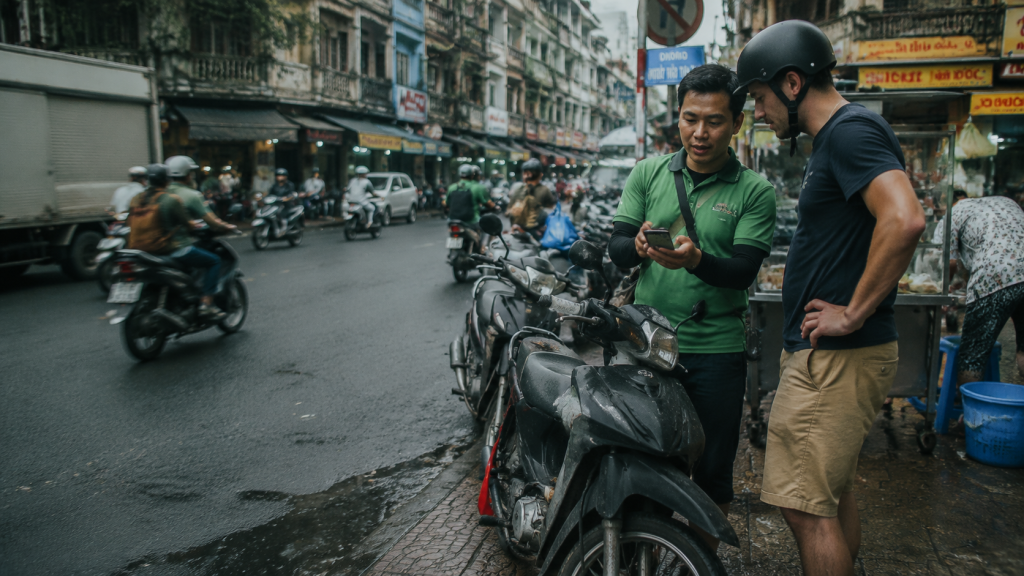
Motorbike accident in Vietnam is one of the first searches travelers make when they see how wild the traffic can feel. The real problem is not just speed, it is the mix of buses, scooters, delivery bikes, sudden turns, and road conditions that change block by block. If you are a tourist, expat, or first-time rider, knowing what usually goes wrong helps you stay calm and ready.
This guide gives you the practical basics without the drama: what triggers crashes, what happens right after impact, and how to reduce risk before you even twist the throttle. If you are planning a local-style trip, choosing the right support matters, and many riders also check Vietnam crazy tour style travel ideas because safer planning starts with better route awareness. The goal is simple, ride smart, avoid panic, and know the next move if the road gets messy.
| Tiêu chí | Cột 1 | Cột 2 | Cột 3 |
|---|---|---|---|
| Risk level | City traffic | High | Best for alert riders |
| Best response | After a crash | Stay calm | Call help and document |
Featured snippet: A motorbike crash in Vietnam usually happens because riders face mixed traffic, sudden lane changes, and unpredictable road behavior. The safest response is to stop, check injuries, move out of danger if possible, call medical help if needed, and record the scene before anything changes.
Soft tip: if you want a more local, adventurous trip plan, build your route with buffer time and fewer night rides, especially in dense city areas. That one small decision can save a lot of stress.
When you need a bigger-picture travel reset, browse all Vietnam tours for ideas that keep the adventure high and the road pressure lower. Strong reminder: preparation beats panic, every time, and the riders who understand that usually get the safest, smoothest trip across Vietnam.
What a Motorbike Accident in Vietnam Usually Involves
Motorbike accident in Vietnam usually means a fast-moving road incident where a rider faces sudden braking, side swipes, mirror hits, or a low-speed fall in dense traffic. For first-time visitors and local explorers, the biggest pain point is not just the crash itself, but the confusion right after it, especially when road behavior feels unpredictable and support is hard to read on the spot.
The good news is that most situations become easier when you understand the pattern before riding. If you are planning a local-style adventure, keep a basic safety mindset and choose trips that match your comfort level, especially when road conditions get busy. Many travelers pair city riding with relaxed experiences through all Vietnam Crazy Tour experiences to reduce stress while still exploring deeply.
Featured snippet: A motorbike accident in Vietnam usually involves sudden traffic movement, limited space, and fast decisions by nearby riders. Common cases include minor contact, skidding, or a close call at an intersection. The main risk comes from dense traffic, mixed driving habits, and limited reaction time for new riders.
Quick Definition and Common Scenarios
In practical terms, a motorbike accident in Vietnam is often a contact event rather than a high-speed impact. Typical examples include turning into a lane too early, brushing another bike while overtaking, or slipping on wet pavement after rain. In crowded city roads, even a small mistake can create a chain reaction.
- Side-swipe at an intersection
- Brake suddenly behind a taxi or bus
- Slip on painted lane markings after rain
Mini insight: many incidents look minor at first, but damage, pain, or police attention can show up later, so riders should never dismiss a small crash too quickly.
Why Vietnam’s Traffic Environment Raises the Risk
Vietnam traffic moves with a style that can feel wild to new riders, especially in Ho Chi Minh City and Hanoi. Cars, buses, delivery bikes, and pedestrians often share the same road space, while lane discipline can shift by time of day. That mix makes motorbike accident in Vietnam scenarios more likely for anyone who rides without local awareness.
If you want a smoother first ride, start with quieter roads, avoid peak rush hours, and learn how vehicles merge before you join the flow. For travelers who prefer safer exploration with a local edge, Vietnam Crazy Tour home can help frame your trip planning around comfort and confidence.
| Tiêu chí | Quiet road | Busy road | Night ride |
|---|---|---|---|
| Crash risk | Lower | Higher | Highest for beginners |
| Best for | Short practice | Experienced riders | Only confident riders |
When Riders Should Be Especially Alert
Riders should stay extra sharp at intersections, after rain, during evening congestion, and when following larger vehicles that block the view ahead. These are the moments when sudden lane changes, hidden potholes, or road debris can turn a normal ride into a stressful incident.
A simple rule helps: slow down before blind corners, keep more space than you think you need, and never assume the next rider will signal clearly. That small habit can prevent a lot of trouble on a motorbike accident in Vietnam journey. If your trip includes unusual local experiences, choose them with care and check the route before you go, especially on unfamiliar roads where traffic rhythm changes quickly.
Soft CTA: If you are building a Vietnam route that mixes adventure with safety, plan your ride schedule first and then choose activities that fit your pace.
Key takeaway: Most motorbike accidents in Vietnam happen because road flow is fast, close, and unpredictable, not because of one huge mistake. The safest riders are the ones who notice patterns early, slow down in crowded zones, and respect how local traffic actually behaves.
For travelers who want a stronger local experience without losing control of the trip, the smartest move is to prepare before you ride and choose a trusted path. When you are ready to explore more confidently, view all Vietnam Crazy Tour routes and build a journey that feels adventurous but still manageable.

How to Respond After a Motorbike Accident in Vietnam
After a motorbike accident in Vietnam, the first 10 minutes matter more than anything else. Stay still, check your body, move only if it is safe, and make the scene visible to other riders. If you are shaken, keep your breathing slow and focus on the next practical step, not the noise around you.
The quickest way to avoid a bad situation becoming worse is to secure help early, record proof, and speak clearly with the people around you. This is especially important for the motorbike accident in Vietnam because traffic, language gaps, and insurance rules can turn a simple crash into a messy claim very fast.
Featured snippet: If you are in a motorbike accident in Vietnam, move to safety if possible, call 115 for medical help if anyone is injured, contact traffic police for damage or disputes, and take photos of the scene, vehicles, plates, and injuries before anything is moved.
Immediate Steps at the Scene
First, stop, breathe, and check whether you can stand or walk without sharp pain. If the road is active, move yourself and the bike to the shoulder only when that does not risk more injury. A helmet cracked on impact, blood on clothing, or dizziness can be signs that you need medical attention even if the crash looked minor.
A useful rule is simple: safety first, evidence second, talking third. Take photos of the road, the bike positions, brake marks, traffic signs, and any visible damage. If you are riding with a partner or family, one person can stay with the bikes while the other asks nearby locals for help or translation. For travelers who want a safer, more prepared ride, explore Vietnam with local experts who understand how quickly road situations can change.
Mini insight: in Vietnam, small accidents often become bigger problems when riders move vehicles too early or agree on fault too quickly. Keep the scene as unchanged as possible until you have enough photos and basic facts recorded.
| Tiêu chí | Do | Do not | Why it matters |
|---|---|---|---|
| Immediate action | Check injuries and stay calm | Argue at the roadside | Prevents panic and mistakes |
| Evidence | Take photos before moving items | Delete or edit images | Supports police and insurance claims |
Who to Contact and What Information to Record
If someone is hurt, call 115 immediately and give the exact location, nearby landmark, number of people injured, and whether there is bleeding or loss of consciousness. If the crash involves serious damage, disagreement, or another driver refuses to cooperate, contact traffic police. In many cities, local people will help flag a taxi, call emergency services, or translate simple details for you.
Record the names, phone numbers, bike plate numbers, insurance details, time, and weather conditions. If there are witnesses, ask for a short voice note or written statement while the memory is fresh. A clean record helps later when you explain the event to the rental shop or insurer. This is the kind of practical planning that fits well with all Vietnam Crazy tours for travelers who want local adventure without avoidable stress.
Soft CTA: if you are still planning your route, choose activities and transport partners that are used to foreign riders, because local support can save time, money, and a lot of confusion after a bad day on the road.
When the facts are clear, your notes should answer five questions: where it happened, who was involved, what was damaged, whether anyone was injured, and who already saw the scene. That simple structure makes the report easier to understand.
How Insurance, Police, and Medical Help Fit In
These three pieces work together. Medical help protects the rider, police create an official record, and insurance decides what costs may be covered. If you skip one of them, the whole process gets harder. In a mild crash with no injury, you may only need photos and a written exchange. In a painful crash, police and doctors should come first.
Travel insurance often requires proof that you were riding legally and wearing a helmet. Rental coverage, if it exists, may only apply to the bike itself, not your body or a third party. Before you ride in Vietnam, keep a copy of your passport, driving permit, and policy details in your phone and in the cloud. If you want more local experiences once you are safe again, try a ghost culture tour that stays deep in Vietnam’s real traditions.
Here is the practical breakdown: call 115 for injuries, call police for serious damage or conflict, then contact your insurer and rental provider with the same facts and photos. If the accident is minor, medical care may still be smart because adrenaline can hide pain for hours. If you feel uncertain, get checked first and sort the paperwork after.
Strong CTA: riding in Vietnam can be incredible, but smart preparation is what keeps an adventurous trip fun. Save emergency numbers, read your insurance rules before the first ride, and choose reliable local support so one accident does not ruin your entire journey.
Safety Tips to Reduce the Risk of a Motorbike Accident in Vietnam
Motorbike accident in Vietnam risk drops fast when you ride with a calm plan, not just confidence. The streets move in waves, with buses cutting in, scooters appearing from blind spots, and locals reading the road differently from first-time visitors. If you are a solo traveler, couple, or family trying to explore real local corners, the goal is simple: stay visible, stay predictable, and leave more space than you think you need.
The smartest riders do not try to win traffic. They scan, slow early, and keep their hands and eyes relaxed. That approach matters even more in dense city traffic and on narrow neighborhood roads where one small mistake can turn into a motorbike accident in Vietnam. If you want to enjoy the ride instead of fighting it, use a few repeatable habits, basic protective gear, and a rider mindset that treats every intersection like a decision point.
Essential Riding Habits for Busy Roads
On busy roads, your best defense is consistency. Hold a steady lane position, signal early, and never assume the vehicle ahead has seen you. In Vietnam, traffic often changes direction without much warning, so a safe rider reads the space around every car door, side mirror, and driveway entrance.
A useful rule is to slow before the hazard, not during it. For example, if a taxi is preparing to stop, ease off the throttle before you reach the rear bumper, because passengers may open a door or a scooter may squeeze between lanes. A simple city checklist helps:
– Keep a wide following distance
– Scan two vehicles ahead
– Brake smoothly, not suddenly
– Avoid weaving through gaps that look open but close fast
Mini insight: the most dangerous moment is often not speed, but surprise. If you ride like the road will change in the next three seconds, you will usually be right. For more trip planning context, see all Vietnam Crazy Tour experiences when you want to balance adventure with safer route choices.
Gear, Helmet, and Visibility Basics
Good gear will not make you invincible, but it can reduce injury and help other riders see you sooner. Use a certified helmet that fits tightly, closed shoes with grip, and clothing that covers your arms and legs. Bright or reflective layers are especially useful at dusk, when many road users in Vietnam start mixing daylight habits with night traffic speed.
If you rent a bike, check the brakes, lights, mirrors, and tire pressure before leaving. A strong headlight and working indicators matter more than many tourists realize, especially on darker streets near markets or outer districts. Soft CTA: if you are comparing styles of travel, choosing a provider that explains the bike clearly can reduce stress before your first ride. You can also explore Vietnam Crazy Tour for trip ideas that fit a more local, flexible pace.
| Tiêu chí | Safe Choice | Risky Choice | Why It Matters |
|---|---|---|---|
| Helmet | Certified and snug | Loose or decorative | Better impact protection and stability |
| Visibility | Bright layers and lights | Dark clothing at night | Helps others notice you sooner |
Common Mistakes Tourists and New Riders Make
Most new riders do not crash because they are careless. They crash because they copy street flow too fast. Common mistakes include speeding after a clear stretch, forgetting that scooters can enter from any side street, and underestimating how tiring city riding becomes after a few hours. When focus drops, reaction time drops with it.
Another frequent problem is choosing routes that look short but feel chaotic, especially during rain or rush hour. New riders also tend to trust mirrors too much and forget to check blind spots before changing direction. That is why a slower first day is usually the best investment. Strong final CTA: if your trip includes urban riding plus local neighborhood discovery, plan the ride first, then book the adventure, because the safest travelers are the ones who arrive ready to read the road, not react to it.

Motorbike Accident in Vietnam: Tourist, Expat, or Local – What Changes?
Motorbike accident in Vietnam cases do not play out the same for every rider. A tourist with no local knowledge, an expat using a long-term rental, and a local commuter each face different risks, different paperwork, and different outcomes after impact. If you are planning a trip that mixes freedom with real road exposure, this is the part that helps you avoid expensive mistakes.
The good news is simple: the safer choice is not always to avoid the motorbike completely. It is to match the transport option to your experience, route, and confidence level. For some travelers, that means riding only in low-traffic areas. For others, it means using a car, private driver, or joining a safer Vietnam Crazy Tour adventures route when the road risk becomes too high.
Featured snippet: In Vietnam, accident risk changes by rider type because tourists usually lack local road instinct, expats often ride more often but may still miss licensing or insurance details, and locals usually know traffic behavior better. The safest option depends on road conditions, riding skill, and whether your paperwork and protection are fully in place.
How the situation differs by rider type is less about nationality and more about road readiness. Tourists are most likely to misread traffic flow, overestimate short distances, or rent a bike without knowing brake quality and helmet standards. Expats may ride more comfortably, but they still face problems if their license, insurance, or rental contract is weak. Locals usually have better instinct, yet they are not immune to a motorbike accident in Vietnam when congestion, rain, or night traffic gets messy.
Practical example: a solo traveler in Da Nang may feel fine on quiet coastal roads, then struggle the moment trucks, buses, and delivery bikes appear at a busy intersection. A family with children will usually be better off using a car for city transfers, then saving the motorbike for short, controlled rides. That is why many travelers use a mixed plan: ride only when the route is simple, and switch transport when the pressure rises. If you want flexible options, check the main Vietnam Crazy Tour page for trip styles that fit different comfort levels.
Pros and cons of riding vs. using alternatives are easy to compare when you keep the goal in mind. Riding gives freedom, quick access to local streets, and a more adventurous feeling. The tradeoff is higher exposure to unpredictable traffic, weather, and road surface changes. Alternatives like taxis, private cars, and guided transport reduce stress, protect children better, and remove most parking and navigation issues.
| Tiêu chí | Ride a motorbike | Use alternatives | Best for |
|---|---|---|---|
| Freedom | High, easy to stop anywhere | Lower, fixed routes or booking needed | Independent adults |
| Risk level | Higher in busy traffic | Lower and more predictable | Families, beginners, night travel |
Mini insight: the safest transport choice is often the one that matches the weakest member of the group, not the boldest one. A confident couple may enjoy short scooter rides in the morning, but the same couple may choose a car after dark or in heavy rain. That balance keeps the trip adventurous without turning one mistake into a serious claim or injury.
How to choose the safest transport option starts with three checks: route, rider skill, and legal protection. If the road is crowded, wet, unfamiliar, or far from medical help, choose a car or driver. If you ride, wear a proper helmet, inspect the bike, and confirm insurance coverage before leaving. For travelers who want to explore local life without unnecessary risk, structured transport can still feel authentic while staying far more controlled.
Soft CTA: if you are planning a trip that mixes city movement, local culture, and less stress, choose transport with care before you choose excitement. Small decisions at the start usually save the biggest headaches later.
Final advice: do not judge safety by how common motorbike travel looks in Vietnam. Judge it by your own experience, your paperwork, your route, and your group. When the conditions are simple, riding can be practical. When the conditions stack up, a safer vehicle is the smarter move. If you want a travel style that stays adventurous but reduces road pressure, explore more options through all Vietnam Crazy Tour tours.
Important Warnings, FAQ, and Next Steps
Motorbike accident in Vietnam is the kind of problem that can turn a freedom trip into a messy day fast. For solo riders, couples, families, and adventurous travelers, the biggest risk is not only the crash itself, but the confusion that follows. The fix is simple in principle: stay calm, document everything, and know who to contact before the situation gets expensive.
If you are riding local streets in Ho Chi Minh City, Da Nang, Hanoi, or anywhere between, the details matter. A missing license, a weak rental agreement, or a rushed conversation with the other party can change the outcome. The good news is that most post-crash mistakes are avoidable when you know the basic steps and understand how local traffic and insurance really work. For deeper riding preparation, check Vietnam travel tips before your next route.
Most Common Mistakes After a Crash
The most common mistake is leaving the scene too fast. Riders often panic, move the bike, and forget to take photos of the road, damage, and license plates. Another mistake is admitting fault on the spot before police or witnesses have a clear picture. In Vietnam, that can weaken your position during compensation talks. A third mistake is assuming travel insurance will cover everything without reading the policy conditions.
Quick breakdown of avoidable errors:
1. No photos of damage, street signs, and injuries
2. No police report when the case should be recorded
3. No valid license or expired rental documents
4. No hospital receipt or accident paperwork for claims
Mini insight: if the crash looks minor, that is exactly when people get careless. Small damage can still become a big cost once repair quotes, medical checks, and liability questions start to stack up.
FAQ: Injury, liability, documents, and repair questions
If someone is injured, call medical help first and then the police. If liability is unclear, do not argue in the street. Let the traffic police and witnesses help establish what happened. If the bike is rented, keep the contract, passport copy, and any handover photos ready. These documents matter more than most travelers expect, especially when a rental shop needs to verify damage and timing.
Featured snippet: After a crash in Vietnam, check injuries, call 115 if needed, contact traffic police for serious damage or disputes, take photos, collect witness details, and keep all rental and insurance documents. Do not admit fault too early, and do not leave before the scene is properly recorded.
When repair questions come up, the right move is to ask for a written estimate and compare it with the rental agreement. If you want a smoother pre-ride setup, a trusted local provider like all Vietnam tours and rides can help travelers understand safer route choices and equipment expectations before departure.
| Tiêu chí | Safer Choice | Risky Choice | Why It Matters |
|---|---|---|---|
| License status | Valid local or converted license | No valid license | Affects liability and insurance claims |
| Crash proof | Photos, witnesses, police report | Only verbal explanations | Documents protect both repair and injury claims |
What to Do Before Your Next Ride
Before you ride again, check the helmet, brakes, tires, lights, and rental paperwork. Make sure your phone is charged, your insurance number is saved, and your passport copy is stored where you can reach it. If you are planning a longer adventure, choose routes that match your comfort level and avoid rushing through dense traffic just to save time.
Soft CTA: if you want a safer and more local riding experience, choose services that explain the bike, the route, and the rules clearly before you start.
Strong CTA: book with a team that understands real Vietnam road conditions, gives proper handover support, and helps you ride with more confidence from day one.
Small habits make a big difference: slow down at intersections, avoid night riding when tired, and never treat a quick city hop as if it were a no-risk ride. That is how travelers reduce the chance of another motorbike accident in Vietnam and keep the trip moving in the right direction.
