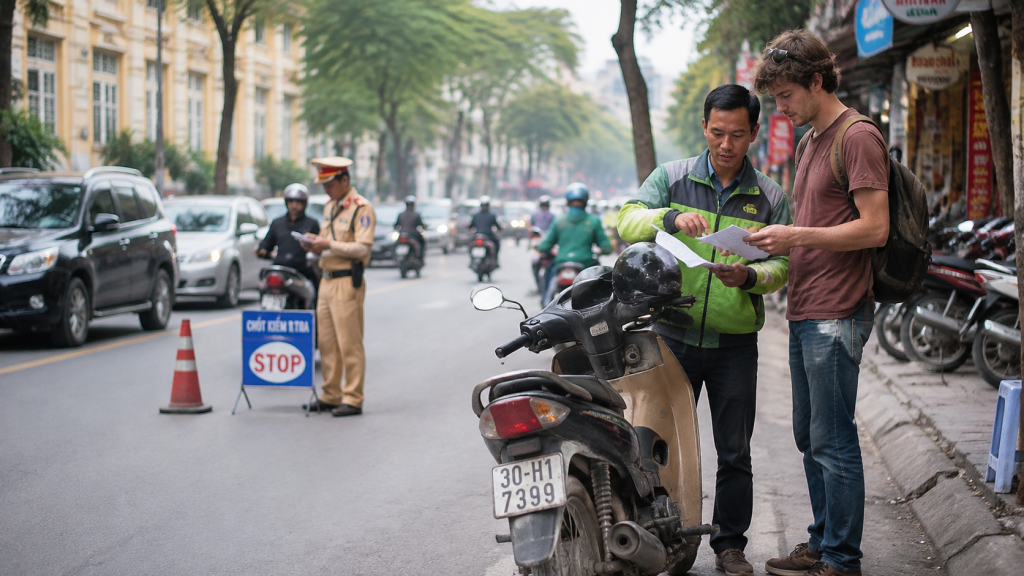
Police in Vietnam is one of the first things travelers and expats search before landing, because nobody wants a smooth trip to turn into a confusing roadside problem. If you are driving, parking, reporting a loss, or facing a checkpoint, the real challenge is not panic, it is knowing who to contact and what to show.
This guide gives you the practical version: how law enforcement works, when you may need help, and how to handle checks without making a small issue bigger. For travelers planning more local and adventurous routes, it also helps to understand the support system behind the scenes, whether you are staying in a city or heading out with Vietnam Crazy Tour on a wild road day.
Featured snippet: Police in Vietnam mainly handle traffic enforcement, public order, lost items, incidents, and emergency support. For visitors, the key rule is simple: stay calm, carry the right documents, and respond politely. If a checkpoint, report, or parking issue happens, clear communication usually resolves it faster than argument.
| Criteria | Best for travelers | Best for expats | Best use case |
|---|---|---|---|
| Traffic stop | Carry license, IDP, helmet | Keep full documents ready | Road checks and violations |
| Police report | Useful for loss or theft | Important for insurance and residence matters | Lost passport, bike, or incident |
A useful mini insight: many foreign visitors worry about police in Vietnam before they arrive, but most problems come from missing documents, wrong parking, or misunderstanding a checkpoint. If you want a smoother trip, treat every interaction like a quick admin task, not a negotiation. For route ideas that keep the trip fun while staying practical, you can also browse all Vietnam tours before you go.
If your trip includes motorbike days, nightlife, or remote stops, the safest move is to prepare before anything happens. Save your hotel address, keep copies of key papers, and know where to ask for help. That small prep can save a lot of stress, and it makes the rest of this guide much easier to use.

Police in Vietnam Overview: Who They Are and What They Do
Police in Vietnam is one of those topics travelers search right before a trip, usually because they want clarity, not drama. The short version: most contact is routine, practical, and tied to traffic, documents, or public order. If you understand the basics early, you avoid stress later and move around with a lot more confidence.
For adventurous visitors, expats, and local-exploration travelers, this matters because Vietnam can feel fast, busy, and unpredictable on the street. A smart approach is simple: know the rules, carry the right papers, and stay calm if you are stopped. If you want more local travel context before planning a ride or route, see Vietnam Crazy Tour for Vietnam trip ideas built around real-world travel.
Featured snippet: Police in Vietnam usually refer to the public security system that handles traffic, crime prevention, documents, and local order. Travelers most often meet officers during roadside checks, parking issues, or when asking for help. The safest response is always calm, polite, and prepared with valid ID and travel documents.
In daily life, police in Vietnam means more than traffic police alone. It includes officers who manage road safety, residence checks, local security, and public order in cities and smaller towns. In practical terms, a traveler might see them near a checkpoint, a market, a hotel street, or a busy intersection where traffic gets chaotic.
- Traffic police handle speed, helmets, lane discipline, and alcohol checks
- Local police may support document checks, lost items, or neighborhood issues
- Public security officers help maintain order during festivals, crowds, or incidents
A useful mini insight: most situations are administrative, not confrontational, especially if your documents are valid. For example, a rider with a helmet, license, and registration copy usually gets a brief check and moves on in minutes. That is why seasoned travelers keep essentials ready, not buried in a backpack.
The Vietnam police force sits inside a broader public security system, so their job is not just punishment. They also help prevent theft, control traffic flow, and respond when a situation becomes unsafe. In big cities, that can mean directing rush-hour chaos. In smaller places, it may mean helping settle a local dispute or checking a suspicious vehicle.
| Tiêu chí | Traveler view | What it means | Best response |
|---|---|---|---|
| Roadside stop | Common in traffic-heavy areas | Usually checks helmet, license, and behavior | Pull over safely and stay calm |
| Local assistance | Less common but helpful | Used for lost items or safety issues | Speak slowly and show ID |
Travelers, expats, and locals may interact with police in Vietnam for three main reasons: road checks, paperwork questions, and public safety situations. A tourist might get stopped while renting a motorbike, an expat may be asked about residence registration, and a local could deal with parking or neighborhood enforcement. The pattern is different, but the logic is the same: order first, then explanation.
There is also a soft CTA here for anyone building a local adventure plan. If your trip includes motorbike routes, remote villages, or off-the-map city corners, it pays to learn the legal side before you go. That is where all Vietnam tours can help you connect exploration with practical planning.
When a traveler interacts with police, it is often because of one of these situations: a traffic violation, a parking issue, a document check, or a request for help. Example: you park in the wrong place near a market, return late, and find your bike moved. In many cases, the issue is resolved with proof, patience, and the right paperwork.
What matters most is behavior. Speak respectfully, avoid sudden movements, and do not treat the interaction like a debate. If you are unsure what the officer wants, use a translation app or ask for the reason in simple English. That small habit can turn a confusing stop into a quick administrative moment.
Bottom line: police in Vietnam are part of the normal travel environment, especially in cities and road-heavy destinations. If you prepare your documents, keep your cool, and understand the basic role of officers, the experience is usually straightforward. For travelers who want freedom without chaos, that mindset is the real travel hack.
If you are planning a Vietnam trip that mixes road adventure, cultural stops, and local discovery, build it with safety in mind from day one. For more trip inspiration and practical route ideas, start with Vietnam Crazy Tour and choose the style of travel that fits your pace. The calmer you are on the road, the better Vietnam opens up.
How Police in Vietnam Work in Real Situations
Police in Vietnam can feel intimidating at first, especially if you are riding, driving, or simply carrying the wrong documents at the wrong time. The good news is that most encounters follow a clear administrative pattern. Once you understand the flow, you can stay calm, avoid expensive mistakes, and move through a stop with far less stress.
For foreign travelers, the real issue is usually not the officer, but the process. A traffic stop, an identity check, or a report at a local station can move fast if you know what to present and what to say. If you are planning a more local, adventurous route, it also helps to be ready before the first checkpoint, especially when you are far from central tourist areas. In a Vietnam crazy tour style trip, that preparation saves time and nerves.
Featured snippet: When police in Vietnam stop you, the process usually starts with a signal to pull over, followed by document checks, a short explanation of the issue, and either a warning, a fine, or a referral to the local station. Stay polite, keep your documents ready, and do not argue on the roadside.
Typical process is simple:
- Pull over safely and switch off the engine
- Show passport copy, driving license, and vehicle papers if asked
- Listen first, then answer with short clear sentences
- If needed, go to the local police station for formal processing
A traffic police officer usually handles road violations, while local police may handle identity checks, lost items, or community issues. In some districts, you may also encounter ward police, border police, or station staff who help verify documents. If you want to reduce friction before a long ride, keep your papers organized and read all Vietnam tours for trip styles that fit your comfort level.
| Tiêu chí | Traffic stop | Identity check | Police report |
|---|---|---|---|
| Who handles it | Traffic police | Local police | Station officer |
| Main goal | Check road compliance | Verify who you are | Record an incident |
Real-life example: a solo traveler in Da Nang may get stopped for a helmet or lane issue, while a couple in Hanoi might be asked for ID near a crowded area after a complaint. In both cases, the smartest move is the same: stay still, stay respectful, and ask for clear instructions. For deeper local experiences that go beyond the usual tourist circuit, a Vietnam crazy tour can help you explore with more confidence and less guesswork.
Mini insight: most problems happen when travelers try to explain too much. Short answers, clean documents, and calm body language work better than long stories.
If you are asked to go to a station, treat it like a paperwork step, not a drama. Bring your passport, rental papers, and any supporting receipts. The process can take longer in rural areas because English is limited and records are checked manually. That is normal, not necessarily a sign of trouble.
Soft CTA: If your trip includes remote roads, motorbike rental, or border-style routes, prepare your documents before you leave the city so the first police interaction does not interrupt your day.
Common foreigner situations:
- Riding without the right license and being stopped at a checkpoint
- Getting an identity check near a market, hotel, or nightlife area
- Reporting a lost item, minor accident, or parking dispute at the local station
The key takeaway is practical: police in Vietnam are not one single system, and each department has a different job. If you know whether you are dealing with traffic police or local police, you can respond faster and avoid unnecessary panic. For travelers who want a more local adventure but still want support behind the scenes, that clarity matters a lot.
Strong CTA: Before you head into the countryside, save your documents, keep copies on your phone, and choose routes that match your experience level, because the best travel story is the one that stays smooth from start to finish.
How to Deal with Police in Vietnam Safely and Respectfully
Police in Vietnam can feel intimidating at first, especially if you are riding through busy streets, remote passes, or local towns for the first time. The good news is that most stops are routine when you stay calm, show respect, and carry the right papers. If you know the process, the experience becomes much less stressful and far easier to handle.
For foreign travelers, the biggest risk is not the stop itself but the panic that follows it. A simple, respectful response usually solves more than fast talking or arguing. If you are planning a self-guided ride or a local-style adventure, understanding how police in Vietnam work is as important as checking your fuel, helmet, and route.
Featured snippet: If police in Vietnam stop you, pull over safely, turn off the engine, keep your hands visible, and speak politely. Show your passport, driving license, and vehicle papers when asked. Avoid arguing, joking, or making sudden moves. Calm behavior, clear documents, and respectful communication usually keep the situation short and controlled.
The safest approach starts before any stop happens. Keep your passport copy, license, and rental papers in one easy-to-reach place, not buried in a backpack. When an officer signals you, slow down smoothly, park safely, and wait for instructions. A small detail matters here: do not reach into pockets or bags too quickly, because that can look confusing in a roadside check.
What to say is simple: hello, yes, and sorry if needed. You do not need perfect English. Slow speech, short sentences, and a calm tone are enough. If the officer wants documents, hand them over one by one. If you are on a Vietnam motorbike adventure, a clean document setup can save ten minutes and a lot of stress.
Practical example: a traveler riding near Hanoi was stopped for a routine check. He had his passport photo, rental agreement, and license ready in a small folder, so the stop ended quickly. Another rider, by contrast, searched through three bags, started explaining too much, and made the officer suspicious. Same checkpoint, very different outcome.
A smart rule for local travel is this: cooperate first, clarify second. If you do not understand the reason for the stop, ask politely and wait for a clear answer. If language becomes difficult, use a translation app and keep your phone screen visible. For deeper local experiences that still feel organized, many travelers pair independent riding with a local adventure tour list so they can explore with more confidence.
| Tiêu chí | Safe move | Risky move | Best result |
|---|---|---|---|
| First reaction | Stop smoothly and stay calm | Argue or speed away | Fast, low-stress check |
| Document handling | Hand papers over neatly | Search bags in a panic | Clear communication |
Common mistakes are usually emotional, not legal. Do not laugh at the officer, film aggressively, or make jokes about bribes. Do not pull out a passport photo after being asked for a license, because that looks unprepared. Do not raise your voice if you feel confused, especially at night or in busy urban traffic. In most cases, the officer wants order, not drama.
Another mistake is assuming every situation is the same. A random roadside check, a parking issue, and a paperwork request are not identical. Read the situation, answer only what is asked, and keep your body language relaxed. For couples, solo travelers, and families exploring the country in a more local way, this mindset is the difference between a smooth checkpoint and a long delay.
Soft CTA: If you want to explore Vietnam beyond the usual tourist loop, choose routes and experiences that keep you close to real local life while still giving you support when needed. That balance is what makes adventurous travel feel exciting instead of chaotic.
When you are dealing with police in Vietnam, the winning formula is simple: respect, preparation, and patience. Carry proper papers, speak calmly, and never assume a roadside stop is a fight. If you want to keep your trip adventurous and low-stress, build your days around flexible plans, trusted transport, and local knowledge that helps you move with confidence.
Strong CTA: Ready for a more local, more alive Vietnam trip with less guesswork? Explore smarter routes, ride prepared, and keep your documents in order so every checkpoint stays brief and every journey stays focused on discovery.
Mini insight: most travelers do not get into trouble because they are bad tourists. They get into trouble because they are rushed, confused, or visibly nervous. In Vietnam, calm is a travel tool. Treat it like part of your gear.

Police in Vietnam vs. Other Ways to Get Help
Police in Vietnam are only one option when something goes wrong, and the fastest fix is not always the official one. If you are stopped, lost, cheated, or involved in a rental problem, the smartest move depends on whether you need law enforcement, translation, documentation, or immediate practical support. This chapter helps you choose the right door before stress turns a small issue into a full travel nightmare.
For foreign travelers, the real challenge is usually not the problem itself, but knowing who can solve it fastest. A hotel desk may be better for a missing phone, your embassy may be better for a lost passport, and local support may be better for a bike issue on the road. When you travel Vietnam crazy style, local speed matters as much as formal procedure.
Featured snippet: Use police for theft, assault, serious traffic incidents, or official reports. Use your embassy for passport loss, legal trouble, or detention. Use hotel staff for translation, local calls, and nearby help. Use emergency contacts for injury or danger. The best choice is the one that solves the problem fastest without creating a second problem.
Here is the simple breakdown:
| Tiêu chí | Police | Embassy or hotel | Emergency or legal support |
|---|---|---|---|
| Best for | Theft, assault, traffic reports | Translation, documents, local help | Injury, detention, urgent rights issues |
| Main tradeoff | Can be slow and formal | Cannot enforce the law | May cost more but saves time |
If you are riding or touring and need human backup, a local operator can shorten the pain fast. For example, a hotel can call the station, but a Vietnamese-speaking team can explain the issue clearly and keep the conversation calm. That is why many travelers keep a support number saved before the ride starts, especially on remote routes near the mountains or coast. For trip planning, see all Vietnam crazy tours if you want organized support with the adventure.
Pros of contacting police directly in Vietnam: they can file an official report, document theft or accidents, and help when the issue must become formal. Cons: language barriers, slower response, and a process that can feel confusing if you are tired, injured, or dealing with a crowded district office.
How to choose: if someone is hurt, call emergency services first. If a passport is gone, call your embassy and hotel. If a motorbike is involved, police and rental support should both be informed. If you only need translation or local mediation, hotel staff or a trusted local contact is usually faster than waiting at a station. Soft CTA: save the right contacts now, because in Vietnam the best travel day is the one where you never need to improvise.
Mini insight: the best help is not always the most official help; it is the help that gets you stable, safe, and understood within the next 10 minutes.
In real travel life, the cleanest move is a sequence, not a guess. Start with safety, then report, then paperwork. For example, if a solo traveler loses a bag at a café in Hanoi, the hotel may translate, the café may check CCTV, and the police may only be needed if the loss looks like theft. If a family breaks down on a rural road, a local contact or rental support is usually more useful than waiting for an English conversation at a station.
Use this rule of thumb:
If the problem is criminal or official, involve police in Vietnam.
If the problem is administrative or language based, go to hotel or embassy.
If the problem is medical or dangerous, call emergency support first.
If the problem is a travel disruption, call local help before you panic.
Strong CTA: before your next ride, store your embassy number, hotel front desk, rental contact, and emergency line in one note. That tiny habit can save a whole day in Vietnam.
Key Tips, FAQs, and When to Call Police in Vietnam
Police in Vietnam can feel intimidating if you are new to the country, but most problems get easier when you know the basics. The biggest stress usually comes from not understanding the process, not from the stop itself. Keep your documents ready, stay calm, and know when a small issue can be handled on the spot versus when you need official help.
If you are planning a local-style trip with Vietnam Crazy Tour, this is the kind of practical safety knowledge that saves time on the road. For adventurous travelers, solo riders, couples, and families, the real win is simple: less confusion, fewer mistakes, and faster decisions when something goes wrong.
Featured snippet: Call police in Vietnam for serious crashes, theft, threats, assaults, medical emergencies, or any situation where public safety is at risk. For minor losses, parking confusion, or language issues, first contact your hotel, rental provider, or local support line. Always keep your passport copy, emergency contacts, and location pin ready.
Important safety tips
Start with the basics: keep your passport copy, travel insurance, hotel name, and phone number in one place. If an officer stops you, answer briefly, do not argue, and use translation apps for simple phrases. In a traffic issue, a calm attitude usually works better than fast talking. If you are on a remote route, save offline maps and one trusted local contact before leaving town.
A useful rule is this: if the situation is administrative, gather documents; if it is physical danger, call for help. That is why many riders keep a local support number and a backup route plan before heading out. When you are exploring hidden areas, the gap between a small delay and a bad day can be one missing phone number.
| Tiêu chí | Quick check | Best action | When police matter |
|---|---|---|---|
| Lost item | Check last stop and hotel | Ask staff and nearby venues | File a report if passport or cash is gone |
| Traffic stop | Remain polite and show papers | Use translation and call support | Needed if there is a formal violation or crash |
FAQ: language barrier, lost items, scams, traffic issues, and emergencies
Do police in Vietnam speak English? Sometimes in major cities, but do not count on it. A translation app or a local guide makes a big difference. If you lose a wallet or phone, first retrace your steps, then ask the venue for security footage or a written report. For scams, the fastest move is to stop paying, keep receipts, and document everything with photos.
Traffic issues are common near busy streets and tourist zones. If there is only a misunderstanding, a clear explanation and patient tone may resolve it. If there is an accident, injury, or threat, call police right away and notify your hotel or insurance provider. For water, mountain, or night routes, a second contact on your phone is smart because signal can drop fast.
Quick CTA
Know your rights, keep emergency numbers saved, and keep your cool. If you are renting a bike or planning a longer ride, check your documents before you start and share your route with someone you trust. For more travel support and local trip ideas, browse all Vietnam tours and build a plan that feels adventurous without turning reckless.
Strong CTA: save your contacts now, not after the problem starts. Keep police, hotel, embassy, and insurance numbers in your phone, and store a paper backup in your bag. When something goes wrong in Vietnam, the traveler who stays calm and acts fast usually gets the best outcome.
