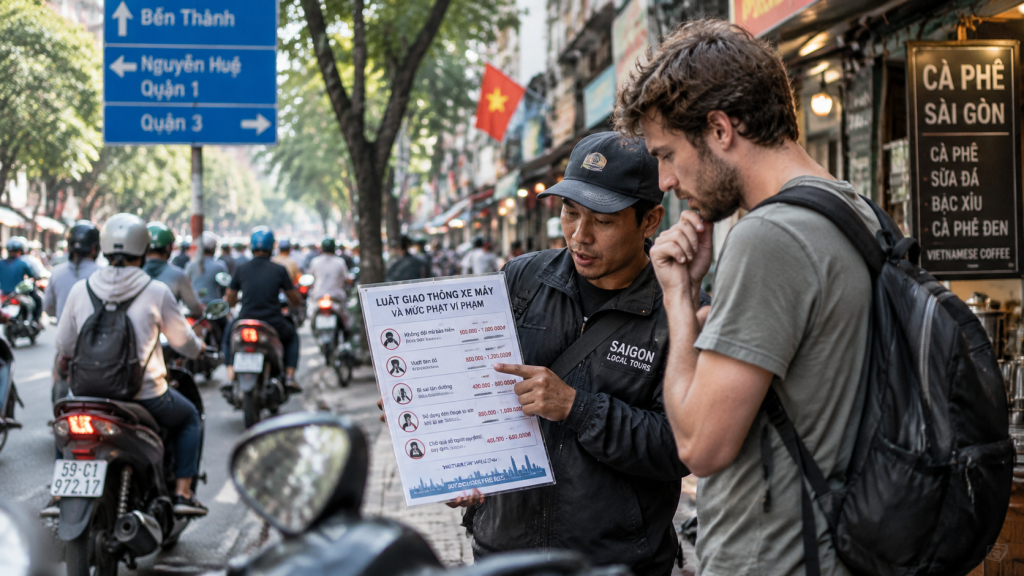
Vietnam motorbike traffic laws and fines can feel a little wild at first, especially when you are staring at dense city traffic, fast-changing intersections, and mountain roads that never seem to end. The good news is simple: once you know the key rules, you can ride with a lot less stress and a lot more control, whether you are exploring solo, traveling as a couple, or joining a local-style adventure route.
This guide on vietnam motorbike traffic laws and fines gives you the practical stuff that matters most on the road, from red lights and helmets to licence checks and common penalties. If you are planning a crazy local ride through Vietnam, understanding the rules helps you avoid costly surprises, stay confident around police checks, and enjoy the journey with your eyes on the road, not on the worry.
Overview of Vietnam Motorbike Traffic Laws and Fines
Vietnam motorbike traffic laws and fines matter fast the moment you leave the airport and join real road chaos. For foreign riders, the key pain point is simple: the road can feel loose and local, but the law is not loose at all. A relaxed ride in Vietnam starts with knowing what the rules mean before the first intersection.
This chapter gives you the real-world version, not the postcard version. You will see why traffic law is part of adventure planning, especially for solo travelers, couples, and families who want local routes without stupid risk. If you are also mapping a bigger ride, check the Vietnam crazy tour homepage for route ideas that match safer riding habits.
The main rule set for riders is built around stop signals, speed control, lane discipline, proper turns, helmets, alcohol limits, and valid licence documents. In practice, that means a red light is a full stop, not a maybe-stop, and a fast mountain straight is still not a race track. On busy streets, one careless move can turn into a fine, a delay, or a crash.
Here is the fast breakdown for what foreign riders usually need to remember:
| Rule | What it means | Why it matters | Typical risk |
|---|---|---|---|
| Traffic light compliance | Stop on red, move only on green | Intersections are unpredictable | Heavy fine and accident exposure |
| Speed discipline | Ride under the limit for conditions | Road hazards appear suddenly | Penalty, crash, or both |
| Licence and helmet rules | Carry valid papers and wear gear properly | Checks happen on road and by camera | Fine, delay, possible trip disruption |
Why these rules matter in Vietnam is not just about avoiding fines. Vietnam traffic is alive, dense, and reactive, with scooters, buses, pedestrians, trucks, livestock, and village entrances all sharing the same space. A rider who follows the road like a local but thinks like a tourist usually ends up in trouble. A rider who slows down, scans ahead, and gives way early usually enjoys the day.
Mini insight: most penalties are not the real cost. The real cost is losing confidence, losing time, and turning a beautiful route into a stressful memory. That is why professional riders and smart travelers treat Vietnamese traffic law as part of the journey, not a boring legal extra.
For riders who want the adventure without the legal headache, the safest move is to plan with a trusted operator, choose routes that match your ability, and keep your riding rhythm calm. If you are building a local adventure trip, the all tours collection can help you compare options before you commit.
Featured snippet: Vietnam motorbike traffic laws and fines cover red lights, speeding, lane use, helmets, alcohol, and licence validity. Foreign riders should stop on red, ride within the limit, carry proper documents, and never drink before riding. The goal is not fear. The goal is to finish the trip safe, legal, and still smiling.
Soft CTA: If you want a route that feels wild but stays sensible, choose a tour style that matches your skill level and your travel group. The best Vietnam ride is the one that lets you enjoy the road, the food stops, and the mountain views without one bad decision rewriting the day.
Why the rules matter in real traffic is brutally simple: Vietnamese roads reward awareness and punish ego. A rider who respects the law is not being timid. They are buying themselves more room to react, more freedom to enjoy local scenery, and a much better chance of reaching the next stop with the full story intact.
Strong CTA: Before you book or ride, check your licence, your helmet fit, your route difficulty, and your own comfort with traffic density. Then pick a trip that gives you the local experience you came for, with fewer surprises and more control. That is the Vietnam ride worth taking.

How Vietnam Motorbike Traffic Laws and Fines Are Applied on the Road
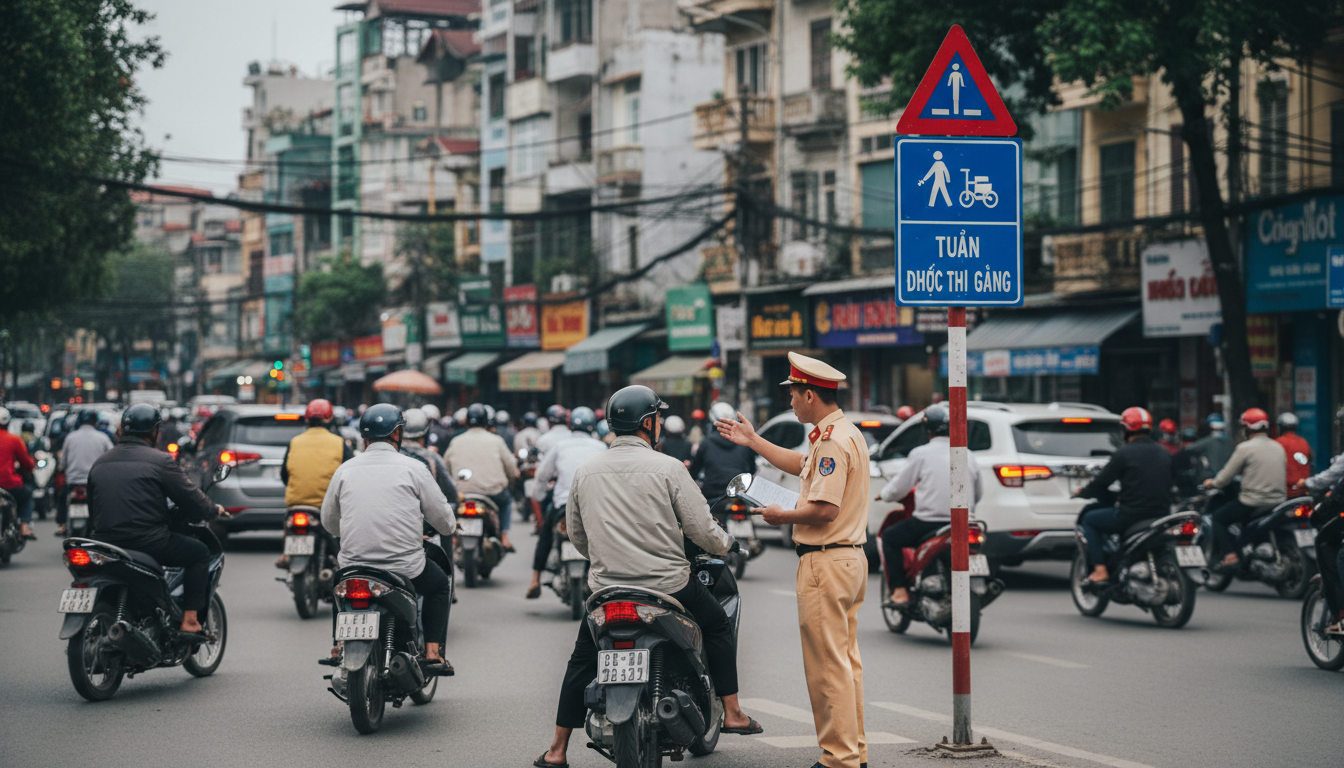
Vietnam motorbike traffic laws and fines are enforced in a very real, very roadside way, so the fastest way to ruin a local adventure is to guess the rules. For foreign riders, the pressure usually comes from checkpoint stops, document checks, and the surprise that a small mistake can become an official fine on the spot or later through camera evidence.
The good news is simple: if you know what police look for, you can ride with calm confidence and keep the trip smooth. On a Vietnam motorbike journey, the safest riders are not the ones trying to impress anyone, they are the ones who stay visible, carry the right papers, and move through stops like they belong there.
Featured snippet: Police in Vietnam typically focus on helmet use, license validity, bike registration, insurance, alcohol, lane discipline, and red-light behavior. Foreign riders should stop calmly, show documents when asked, and never argue at the roadside. Most fines are handled as formal administrative procedures, not casual tourist warnings.
During stops and checkpoint checks, officers usually look for the violations that cause the most risk on busy Vietnamese roads. Expect attention on helmet use, red-light runs, speeding, wrong-way riding, and alcohol. They may also watch for a pillion without proper protection, unsafe overtaking, or a rider who looks unsure at a control point near a village or mountain pass.
A practical example: if you are riding a rented bike near a provincial town and an officer signals you over, do not continue rolling forward to stay with your group. Stop, switch off the engine, and keep your hands visible. If your tour day includes Vietnam Crazy Tour adventures, that same calm response helps the entire ride stay organized and keeps the mood local, not stressful.
| Tiêu chí | On-the-spot check | Camera-based follow-up | Best rider response |
|---|---|---|---|
| Typical issue | Helmet, license, registration, insurance | Speed, red light, lane or wrong-way violation | Stay calm, verify facts, keep records |
| What matters most | Immediate cooperation and clean documents | Matching plate, time, and rider assignment | Follow official instructions and pay legally |
How fines, license checks, and vehicle documents are typically handled is very procedural. Officers may ask for your passport, valid riding license, IDP where applicable, and the motorcycle papers. If a document is missing, the issue is usually treated as an administrative violation, and the fine depends on the exact problem and engine category.
Mini insight: the smartest foreign rider does not carry a random stack of papers, but the right set of papers ready to show in under ten seconds. That means license, IDP if required, registration, and insurance stored together, dry, and easy to reach. If you want a ride that feels adventurous instead of messy, keep those documents as organized as your route plan.
Soft CTA: if your Vietnam ride is part of a bigger local exploration plan, choose tours and support that explain the rules before the engine starts. You can compare options through the Vietnam Crazy Tour homepage and build a trip that feels wild on the road but controlled at every checkpoint.
In practice, fines are usually handled by the authority that detected the violation, either directly on the road or later through the owner or operator if a camera recorded it. Do not treat a fine as a negotiation game. Pay attention to the exact violation, keep any official notice, and if the bike was shared, confirm who was riding at that time before assuming responsibility.
For adventurous travelers, the takeaway is clear. Vietnam does not punish curiosity, but it does punish carelessness. If you ride legal, carry the right documents, and respect the roadside process, you spend less time worrying about police and more time enjoying the kind of local roads that make Vietnam feel properly unforgettable.
Most Common Motorbike Fines Riders Should Expect
Vietnam motorbike traffic laws and fines matter most when the ride starts feeling easy, because that is when foreign riders get relaxed and make small mistakes that turn expensive fast. If you are exploring Vietnam on two wheels, the usual traps are speeding, helmet issues, wrong lane riding, missed signals, alcohol, and missing documents. The good news is simple: once you understand the common penalties, you can ride with less stress and more freedom.
This chapter is for riders who want the real local experience without getting caught by avoidable fines. In busy cities and on mountain roads, police checks, cameras, and on-the-spot enforcement are all part of the picture. Stay sharp, ride calmly, and keep your paperwork ready, because the road here rewards riders who respect the rules and still know how to enjoy the madness.
Featured snippet: The most common motorbike fines in Vietnam usually come from speeding, red light violations, wrong-lane riding, improper signalling, helmet mistakes, alcohol use, and missing licence documents. For foreign riders, the safest approach is to ride within limits, carry the right papers, and never assume local traffic flow makes a violation acceptable.
For adventurous travellers, the biggest fines usually come from the most ordinary mistakes. Speeding is the classic one. A rider sees an open stretch, twists the throttle, and forgets that Vietnamese roads can change in one corner. A village entrance, a slow truck, a dog, or loose gravel can appear without warning, especially on our Vietnam adventure routes where rural riding keeps things wild and real.
Helmet violations are another easy target. Riders sometimes wear the helmet loose, leave the strap undone, or assume a short ride does not matter. It does matter. The same goes for lane discipline and turn signals. A quick lane drift, a lazy indicator, or a red-light rush can bring a fine that ruins an otherwise perfect day. One small rule to remember: if you want a smooth ride, signal early, hold your lane, and never copy the rider in front blindly.
| Violation | Typical Risk | Why It Matters | Rider Move |
|---|---|---|---|
| Speeding | Medium to very high fine | Road hazards change fast | Keep speed smooth and readable |
| Helmet or signal mistake | Low to medium fine | Easy for police to spot | Check gear and indicators before moving |
For riders booking a guided trip, this is where a soft reminder matters. A professional guide can help you read the road, but the fine is still your responsibility if you are the one riding. If you want a safer local adventure, keep your pace steady, stay alert in traffic, and let the scenery be the thrill, not the speed. If you are comparing travel styles, you can also see Vietnam Crazy Tour for deeper local ride ideas.
High-risk penalties are the ones that can end a trip fast. Drunk riding sits at the top of that list. Vietnam applies a zero-alcohol standard for riders, so even a small drink before a ride is a bad idea. Missing documents can also become a real problem during a roadside check, especially for foreign riders who assume a passport alone is enough. It is not. Your licence, IDP where required, and bike papers should all be ready to show.
One practical rule separates smooth riders from stressed riders: park first, then drink later. That one habit avoids the biggest legal and safety mess. Another useful habit is to keep your documents dry, easy to reach, and consistent with the bike you are using. If you are riding as part of a small group or family trip, make sure every person knows who carries what before you leave the hotel. It saves time, saves face, and keeps the journey moving.
In Vietnam, the local vibe is adventurous, but the legal side is strict when it needs to be. Respect the road, and the road gives you more freedom back. If you want more support for planning a legal and enjoyable ride, start with a route that matches your skill level and your comfort with traffic. That way, the only thing surprising you is the next great view, not the next fine.
How to Ride Legally and Avoid Trouble in Vietnam
Vietnam motorbike traffic laws and fines matter from the first minute you twist the throttle, because enforcement is real, visible, and increasingly camera-based. If you are riding through Hanoi, the northern mountains, or a coastal backroad, the safest move is simple: carry the right papers, ride with patience, and never assume local shortcuts are legal for visitors.
For adventurous travelers, the goal is not to ride timidly. It is to ride smart, stay relaxed, and keep the trip fun instead of expensive. A few clean habits will save you from the most common problems, especially when you are exploring with a partner, solo, or on a family-friendly road day.
Here is the practical rule set every foreign rider should know before leaving the city:
- Carry passport, valid licence, and a correct IDP if required
- Wear a properly fastened helmet every time
- Keep speed low enough for blind corners, gravel, and village traffic
- Never drink and ride, even after one beer
- Follow lane markings, signals, and one-way signs without copying locals who break them
These basics sound obvious, but they are exactly where many visitors get caught. On local roads, a rider might see others filtering through traffic, turning late, or rolling through a red light. That does not protect you if police stop you or if a camera records the violation.
One useful mindset shift is this: the road is shared space, not a private playground. In mountain areas, that means slowing before bends, keeping space from trucks, and expecting surprises from village driveways, animals, or wet asphalt. On city edges, it means checking mirrors, using indicators early, and never squeezing through a gap that leaves no escape route. Those small habits are what separate a smooth ride from a stressful one.
Tiêu chí Safe choice Risky choice Best use
If you want to explore Vietnam with less guesswork, Vietnam Crazy Tour routes are a good reference point for how local terrain changes the way you should ride. Soft-road days, village tracks, and mixed traffic all demand a calmer rhythm than many first-time riders expect.
Mini insight: the riders who avoid trouble are rarely the fastest. They are the ones who read the road early, stay visible, and treat every junction like it deserves a full second of attention. That one habit alone saves more money and stress than any fine list ever could.
Featured snippet: To ride legally in Vietnam, foreign motorcyclists should carry the correct licence documents, wear a fastened helmet, obey traffic lights and lane rules, avoid alcohol, and ride at a speed that matches the road. Police and cameras can record violations, so local habits are never a legal defense.
For tourists, expats, and everyday riders, the smartest approach is to prepare before departure, not after a checkpoint. Check whether your motorcycle category is covered, keep your documents accessible, and make sure your rental or tour provider explains the rules clearly. If you are booking a multi-day adventure, all Vietnam Crazy tours give you a sense of how organized riding can reduce legal risk while keeping the trip exciting.
Use this simple field checklist before every ride:
- Licence and IDP packed
- Helmet strapped correctly
- Fuel, brakes, tires, and lights checked
- Phone on silent and stored away
- No alcohol planned until the bike is parked
That is the whole game: legal, calm, and ready for the road instead of fighting it. Ride with that mindset and Vietnam becomes a place you remember for the scenery, the food, and the crazy-good roads, not for a fine you could have avoided in five seconds.
Common Mistakes, FAQs, and Final Riding Advice
Vietnam motorbike traffic laws and fines matter most when riders get relaxed, rushed, or overconfident on local roads. The usual problems are not dramatic: a missed signal, a bad lane choice, a little alcohol, or the wrong licence paper. For adventurous travellers who want the raw, local side of Vietnam, the fix is simple: understand the rules, ride calmly, and keep the fun without inviting a fine.
The biggest mistake is assuming other riders know something you do not. On busy streets and mountain routes, that mindset can cost time, money, and safety. A smart rider watches the road, not the crowd, and treats every village, turn, and checkpoint with respect. If you want the wild Vietnam ride and still want a smooth trip home, this chapter is your safety net.
Featured answer: most fines happen because riders copy local habits without understanding the legal line. In Vietnam, the safest strategy is to slow early, signal clearly, stay in the correct lane, and never ride after drinking. That one habit alone removes many of the common problems foreign visitors face on rented bikes and guided tours.
Mistakes that lead to fines or police attention usually fall into a few clear buckets:
| Tiêu chí | Risky choice | Safer choice | Why it matters |
|---|---|---|---|
| Traffic light | Rolling a red light | Wait fully for green | Red-light fines are serious |
| Paperwork | No proper licence or IDP | Carry valid licence documents | Police checks are common |
| Group riding | Chasing the rider ahead | Ride your own pace | Mountain roads change fast |
For solo riders, couples, and families, the best rule is the same: if you are unsure, do less, not more. A small delay is cheaper than a violation. If you want a deeper local adventure beyond roads, consider pairing your trip with all Vietnam Crazy Tour experiences, especially when you want a route that feels authentic but still professionally managed.
FAQ: license rules, rental bikes, international permits, and what to do if stopped. You normally need the correct motorcycle licence for the bike class you ride, plus an International Driving Permit only when it matches your country and the legal format accepted for Vietnam. A rental shop handing you keys does not make the ride legal. If police stop you, stop safely, stay polite, show documents calmly, and wait for clear instructions. Do not argue at the roadside, and do not try to hide missing papers.
Rental bikes should be checked before departure: brakes, lights, tyres, mirrors, registration, and helmet fit. If you ride with a pillion, explain the basics before moving. If you are still unsure whether your trip setup is correct, start with the official Vietnam Crazy Tour homepage at Vietnam Crazy Tour to see how a properly planned adventure is organised from the ground up.
Final riding advice is simple. Keep your speed human, your paperwork ready, and your attention on the road rather than the scenery. Vietnam rewards riders who respect the rhythm of traffic and the people living beside it. That is how you get the real local experience without stress, delays, or a police conversation you never wanted.
Strong CTA: if your goal is an adventurous Vietnam trip with less guesswork and more confidence, ride with a plan, not a gamble. Learn the rules before the engine starts, choose the right bike, and make sure every day ends with the same thing: the whole group, the full memory, and no unnecessary fine.
