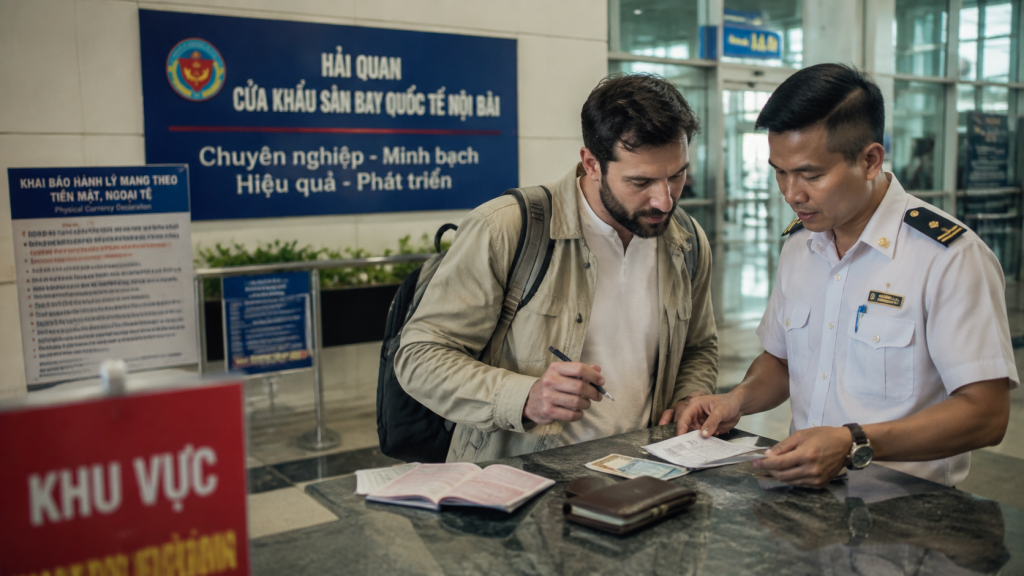
How much money can i bring to Vietnam is one of the first questions smart travelers ask before landing in Hanoi, Da Nang, or Ho Chi Minh City. The real stress is not just carrying cash, but knowing when customs wants a declaration, how to avoid delays, and how to keep your travel money safe from the start.
This guide gives you the Vietnam cash limit in plain English, plus practical airport tips for solo travelers, couples, and families who want a smooth entry. If your trip is part city, part countryside, and maybe a little wild in local Vietnam tours, understanding the rules early helps you spend less time worrying and more time enjoying the ride.
How Much Money Can I Bring to Vietnam? The Basic Rules
How much money can i bring to Vietnam is one of the first practical questions travelers ask before landing in Hanoi, Da Nang, or Ho Chi Minh City. The simple answer is this: you can bring cash into the country, but if you carry more than the customs threshold, you must declare it. That rule matters because it protects you from delays, fines, and messy airport conversations.
For most foreign visitors, the real goal is not to carry a giant stack of notes. It is to arrive with enough flexibility for taxis, food, hotels, and emergency spending, then use cards or ATMs for the rest. If you want a smooth local-style trip with less money stress, planning the payment mix before departure is the smart move.
What the cash limit means for travelers
Vietnam customs treats cash rules as a transparency issue, not a tourism trap. In practice, travelers can usually bring up to 5,000 USD or 15 million VND without declaration, but higher amounts need paperwork at entry. The limit applies to cash, not your total travel budget, so your card balance or digital wallet is not counted here.
Here is the quick breakdown for a simple airport decision:
- Carry under the limit if you want a fast, low-friction arrival
- Declare above the limit if you are bringing cash for a long trip, business, or group travel
- Keep proof ready if your money comes from withdrawals, exchange, or bank funds
A mini insight many first-time visitors miss: if you are traveling as a couple or family, each adult should understand what cash belongs to whom. That avoids confusion when officers ask where the money came from. For travelers who prefer exploring beyond the standard route, all Vietnam adventures can be easier to manage when your payment plan is already clear.
When you must declare money at customs
You must declare money at customs when your cash exceeds the allowed threshold or when officials ask for a declaration because of the amount, currency mix, or travel pattern. The process is straightforward: fill out the form, state the amount, and keep supporting documents if needed. This is especially useful for digital nomads, long-stay visitors, and people arriving with funds for hotels, tours, or business expenses.
| Criteria | Under limit | Over limit |
|---|---|---|
| Airport action | No declaration needed | Declare at customs |
| Risk level | Low | Fine or delay if skipped |
When in doubt, declare. It is the cleanest way to keep your arrival smooth, especially if your Vietnam plan includes multiple cities, local markets, or spontaneous side trips. For a softer travel experience after immigration, many visitors like to balance cash with guided local experiences through Vietnam Crazy Tour, where the focus stays on real local energy and easy planning.
Strong takeaway: bring enough cash for your first day, keep the rest in cards or withdrawals, and declare any amount above the limit before customs becomes a problem. That small step saves time, protects your money, and lets you start Vietnam the right way.
How the Vietnam Money Declaration Process Works
How much money can I bring to Vietnam is one of the first questions smart travelers ask before landing in Hanoi, Da Nang, or Ho Chi Minh City. The short answer is simple: you can carry cash and monetary instruments, but if your total exceeds the legal threshold, you must declare it at customs. That matters most for solo travelers, couples, and families who want a smooth arrival, not a stressful airport delay.
The process is not complicated, but it does reward preparation. If you are bringing a large sum for a long stay, business use, or a multi-country trip, keep your money organized and ready to explain. For a deeper travel planning mindset, many visitors also check all Vietnam tours before they fly, because budgeting and route planning usually go hand in hand.
Featured snippet: Vietnam customs requires travelers to declare cash and monetary instruments above the permitted limit. The declaration is done at the airport, usually by filling out a form and showing supporting documents if asked. Keep your cash count clear, your paperwork ready, and your answer consistent with your travel purpose.
Cash, traveler’s checks, and similar monetary instruments are the main items customs officers care about. This can include foreign currency, Vietnamese dong, and in some cases negotiable instruments. Mini insight: if your wallet has money for a two-week adventure plus backup funds, count everything before you reach the desk, not after.
| Tiêu chí | Declare | No declaration | Best use case |
|---|---|---|---|
| Total cash above the limit | Yes, fill in customs form | Risk of fines or seizure | Large travel budgets or business funds |
| Small personal spending cash | Usually not needed | Fast airport exit | Short trips and normal holiday spending |
At the airport, the step-by-step flow is usually straightforward: arrive, complete the declaration if needed, present your passport, and answer basic questions about where the money came from and what it is for. If you are joining a more adventurous trip through Vietnam, a guide or operator can help you focus on the experience instead of the paperwork, especially when you are moving fast between flights and domestic connections. A practical soft option is to check Vietnam Crazy Tour trips if you want a local-style route with less planning stress.
What documents you may need to show depends on the amount and the officer’s request. Common examples include bank withdrawal slips, ATM receipts, proof of transfer, or a simple explanation of your travel budget. For a clean customs experience, do this:
- Count all cash before landing
- Keep proof of source nearby
- Declare honestly if you are over the limit
- Match your story with your documents
If you are unsure, choose the safe path and declare. That small step protects your trip, keeps entry smooth, and helps you move on to the real fun, whether that means city food runs, island hopping, or a wild local adventure.
Strong CTA: If you want a Vietnam trip that feels local, adventurous, and easy to organize, start with a route that fits your budget and arrival plan, then explore the right experiences before you fly.

Best Ways to Carry Money in Vietnam
If you are asking how much money can i bring to Vietnam, the real travel question is how to carry it safely, spend smoothly, and avoid useless fees. For adventurous travelers chasing local food, hidden alleys, and day trips beyond the tourist strip, the best setup is usually a mix of cash, one reliable card, and a backup payment method.
Vietnam is still a cash friendly country, but it is not cash only. In big cities, cards and mobile wallets work well in many hotels, cafés, and modern restaurants, while local markets, street stalls, motorbike taxis, and small family businesses often prefer cash. The smart move is to carry enough VND for daily life, then let cards and ATMs handle the bigger moments.
Featured answer: The best way to carry money in Vietnam is to split it into three layers. Keep small VND cash for food, transport, and market buys. Use a credit or debit card for hotels and larger bills. Leave emergency funds separate in a second card or a hidden backup pouch so one loss does not ruin the trip.
| Payment option | Best for | Watch out for |
|---|---|---|
| Cash in VND | Street food, taxis, local markets | Loss, theft, bulky notes |
| Credit or debit card | Hotels, tours, restaurants, shopping malls | Foreign fees, card blocks, weak rural acceptance |
| ATM plus mobile pay | Flexible travelers in cities | Fees, withdrawal limits, app access rules |
Cash wins in the moments that matter most on a Vietnam trip: buying banh mi at a corner stall, paying a xe om rider, or grabbing coffee before sunrise. Cards make more sense for booking hotels, paying for local adventure tours, or covering a larger dinner bill in Hanoi or Ho Chi Minh City. Mini insight: many travelers overspend on card fees because they withdraw tiny amounts too often.
ATMs are useful, but they work best when you withdraw a larger amount once or twice, not every day. Choose bank ATMs in bright, secure places and keep your PIN ready before you arrive. Currency exchange is also practical, especially at licensed counters or banks, where rates are usually fairer than hotel desks. If you want a softer landing in the country, consider arranging your first-day logistics through Vietnam Crazy Tour, then focus on enjoying the trip instead of hunting for cash right after arrival.
Mobile payments are growing fast in Vietnam, but foreign visitors should treat them as a bonus, not a core plan. Some services need a local number, local bank account, or verified wallet setup, so they are not always ready on day one. That is why the best rule is simple: use cash for the street, card for structure, and ATM or exchange as your refill system.
When each option makes the most sense comes down to where you are and how local you want the trip to feel. In major cities, card plus ATM is enough for most travelers. In small towns, islands, mountain routes, and real local spots, cash becomes king. For couples, families, and solo travelers who like freedom, the smartest answer to how much money can i bring to Vietnam is not a single number, but a balanced payment stack that keeps you ready for anything.
Strong tip: carry small notes, separate your backup card, and never keep all your money in one bag. If you are planning a deeper Vietnam journey, browse the full range of Vietnam Crazy Tour options to match your payment style with your route, from easy city days to more adventurous local experiences.

How Much Money Should You Bring to Vietnam Based on Your Trip Style
How much money can i bring to Vietnam depends less on the passport in your hand and more on the trip style you want to live. A solo backpacker eating pho, riding buses, and sleeping in simple rooms will spend very differently from a couple booking boutique hotels or a family wanting private transfers and comfort.
The smart move is to budget for your daily rhythm, then add a buffer for surprises. That way you stay flexible without carrying a scary pile of cash. For local-style adventure, a mix of card, ATM withdrawals, and small VND notes works better than one big wad of money in your pocket.
Featured snippet: Most travelers should bring enough for 3 to 5 days of spending in cash, then rely on cards and ATMs for the rest. Budget travelers often need 35 to 60 USD per day, mid-range travelers 70 to 130 USD per day, and luxury travelers 180 USD and up, depending on cities, hotels, and activities.
For budget travelers, Vietnam can feel beautifully cheap if you keep things local. Expect street food meals at 2 to 5 USD, short taxi or ride-hailing trips at 1 to 4 USD, and clean guesthouses or hostels from 10 to 25 USD per night. A realistic daily total is around 35 to 60 USD, especially if you move slowly and avoid too many tourist extras.
Mid-range travelers usually want more comfort, so the daily budget rises fast. A couple staying in a good 3-star or boutique hotel may spend 35 to 80 USD on rooms, 20 to 40 USD on food, and another 10 to 25 USD on transport and small activities. If you want a smoother trip, this is the sweet spot where Vietnam feels easy without going full luxury. You can also check all Vietnam Crazy tours if you want a local adventure built around your budget.
Luxury travelers should plan for private drivers, upscale resorts, fine dining, and curated experiences. In big cities or coastal hotspots, a comfortable day can quickly reach 180 to 400 USD or more. The biggest cost drivers are hotels, private transfers, and premium day trips, not street food. That is why travelers often carry only a small amount of cash and pay larger expenses by card or bank withdrawal.
| Tiêu chí | Budget | Mid-range | Luxury |
|---|---|---|---|
| Daily spend | 35 to 60 USD | 70 to 130 USD | 180 USD and up |
| Main cost focus | Food and local transport | Hotels and mixed dining | Private stays and premium services |
A safe plan is to carry enough VND for the first 2 or 3 days, then withdraw more from secure ATMs as needed. Keep larger bills separate, store one backup card in your luggage, and avoid carrying all your trip money in one place. If you like exploring offbeat neighborhoods and local culture, a soft safety net matters more than overstuffing your wallet.
For adventurous travelers, the best setup is simple: some cash for markets, taxis, and rural stops, one main card for hotels, and one emergency card hidden away. That balance gives freedom without stress, which is exactly what a Vietnam trip should feel like. If you want a more immersive experience, Vietnam Crazy Tour can help you build a trip that matches your style and spending level.
Common Mistakes, FAQs, and Smart Travel Tips
How much money can i bring to Vietnam is one of the first money questions smart travelers ask before landing in Hanoi, Da Nang, or Ho Chi Minh City. The real issue is not only the total amount, but also how you carry it, declare it, and split it between cash, cards, and backup options.
If you are planning a local, adventurous trip with street food runs, hidden alleys, motorbike days, and a few wild detours, money prep matters more than most people expect. A clean plan helps you move faster at customs, avoid stress at arrival, and spend more time exploring with a Vietnam crazy tour mindset instead of standing in line solving payment problems.
Featured snippet: Travelers can usually bring cash into Vietnam, but if the amount is above the legal threshold, it should be declared at customs. Keep proof of source for larger sums, carry smaller notes for daily spending, and use a mix of cash, cards, and ATM withdrawals to stay flexible during the trip.
Mistakes to avoid when bringing money into Vietnam
The biggest mistake is assuming all cash is treated the same. In reality, the customs rule depends on whether you bring foreign currency or local currency, and whether your total exceeds the allowed limit. Another common error is stuffing all your travel money into one wallet. If that wallet disappears, your whole first day turns into a rescue mission.
Use a simple split like this: some cash in your day bag, some in your main luggage, and one backup card kept separately. If you are doing remote routes, island hops, or food-focused road trips, that split keeps you safe when ATMs are rare or card machines fail. For travelers comparing flexible tour ideas, the all Vietnam tours page can help you match your budget with your route.
| Tiêu chí | Cash only | Cash plus card | Cash plus card plus ATM |
|---|---|---|---|
| Best for | Very short trips | Most tourists | Longer or active itineraries |
| Main risk | No backup if lost | Card fee or block | More planning needed |
FAQ: Do I need to declare USD in Vietnam?
Yes, if your cash amount is above the declaration threshold, you should declare it at customs. This is especially important for travelers carrying fresh dollars for long stays, tours, or family trips. Bring a bank slip, withdrawal proof, or exchange record if the amount is significant, because customs officers may ask where the money came from.
Mini insight: declaration is not a punishment, it is a paperwork step. If your money is organized and your documents are ready, the process is usually fast and boring in the best way possible.
FAQ: What happens if I bring too much cash?
If you carry more than allowed and do not declare it, you may face fines, delays, or seizure of part of the amount. That is why high-cash travelers should never treat customs like a guess game. If you are arriving for a wedding, long family visit, or a multi-week adventure with private transfers, check the rules before you fly.
Soft CTA: if your trip includes many local stops, street markets, and countryside detours, a smart money setup will protect your schedule as much as your wallet.
FAQ: Is it better to bring USD or VND?
For most first-time visitors, USD is better for entry flexibility, while VND is better for daily spending once you are in the country. Small shops, taxis, local eats, and rural stops prefer Vietnamese dong, especially when you are away from big cities. The smartest move is to land with some USD, then exchange or withdraw VND as needed.
Quick rule: USD for backup and bigger exchange value, VND for real travel life. If you are heading into local neighborhoods, night markets, or offbeat adventures, VND will save you time and awkward payment moments.
Quick CTA: plan your Vietnam trip money strategy before you fly
Before departure, decide three things: how much cash you will carry, how much you will declare, and where your backup money lives. Keep one card for daily use, one backup card in a separate place, and a small cash reserve for food, taxis, and arrival day. If you want a more adventurous route with local flavor, start with Vietnam crazy tour planning and match your budget to the kind of trip you actually want.
Strong finish: the best money strategy is simple, legal, and flexible. That means less airport stress, fewer payment surprises, and more energy for the real reason you came, which is to explore Vietnam in a way that feels bold, local, and unforgettable.
