
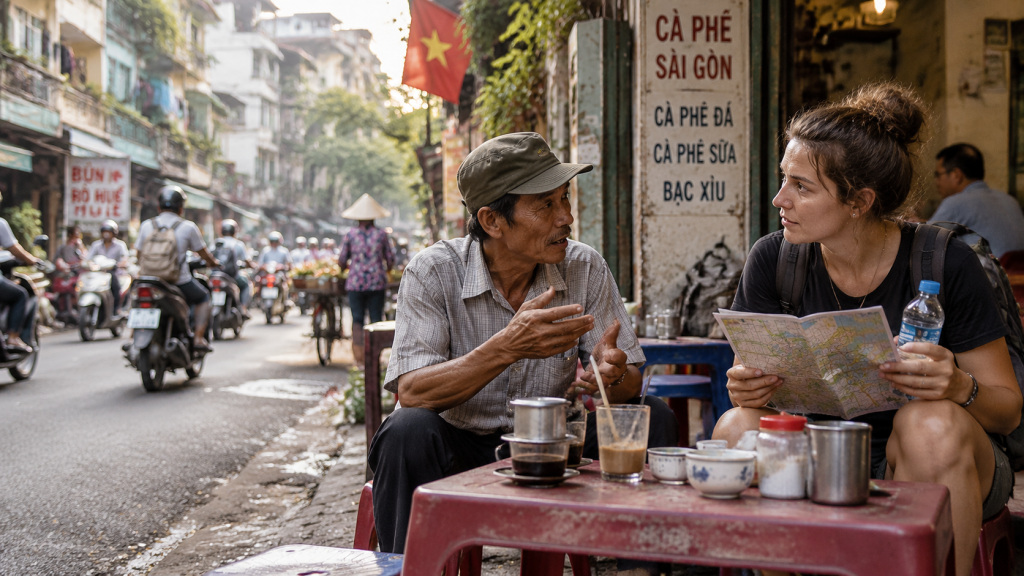
Vietnam travel etiquette is the fastest way to turn a chaotic first trip into a smooth, respectful, and deeply local experience. If you are heading into busy markets, family homes, temples, or motorbike-packed streets, small mistakes can happen fast. Knowing the basics helps you stay relaxed, avoid awkward moments, and connect with people in a way that feels natural.
This guide gives you the practical side of Vietnam travel etiquette, so you can move confidently through everyday situations without guessing what is polite. You will learn how to dress, greet, pay, sit, and behave in a way locals recognize as thoughtful. For travelers chasing real street-level Vietnam, it is the kind of detail that makes the journey feel richer, safer, and far more memorable.
What Vietnam Travel Etiquette Really Means
Vietnam travel etiquette means understanding the small behaviors that keep daily life smooth, respectful, and welcoming for both visitors and locals. If you are exploring Vietnam for the first time, especially in local neighborhoods, the real challenge is not memorizing rules. It is knowing when to slow down, watch closely, and move with the rhythm of the place.
For solo travelers, couples, families, and adventurous guests chasing the real local vibe, etiquette is not about acting perfect. It is about avoiding friction in public spaces, temples, homes, restaurants, and transport. That mindset helps you connect faster, get better reactions, and enjoy Vietnam in a more genuine way. If you want deeper local experiences, the style of travel offered by Vietnam Crazy Tour fits this approach well.
Featured snippet: Vietnam travel etiquette is the set of respectful habits that help travelers interact well in public, religious, and family settings. It includes modest dress, calm speech, polite gestures, waiting your turn, asking before taking photos, and adapting to local customs in homes, eateries, and transport.
A simple definition: etiquette in Vietnam is practical respect. It shows up in how you greet elders, how you sit, how you speak, and how you behave in shared spaces. The key idea is harmony. Vietnamese culture values calm behavior, low conflict, and awareness of others, so even small actions can send a strong message. A respectful traveler usually gets warmer smiles, easier service, and more trust.
Why it matters is simple. In daily life, people notice whether you are considerate or disruptive. In a temple, quiet and modest conduct matters. In a home, shoes off at the door is a basic sign of respect. In a restaurant, patience and polite ordering go further than speed. On transport, steady movement and a calm attitude help you blend in instead of standing out for the wrong reason.
When these customs matter most is during moments where personal space, shared rules, and cultural meaning overlap. Think of crowded sidewalks, family altars, pagodas, street stalls, trains, buses, and ride-hailing pick-ups. These are the spots where locals instantly read your behavior. If you are planning a more local trip and want practical guidance before you go, you can also explore all Vietnam crazy tours for ideas that match this travel style.
| Setting | What locals expect | What to do | Risk if ignored |
|---|---|---|---|
| Temples and pagodas | Quiet, modest, observant | Cover shoulders, lower your voice | Looks disrespectful |
| Homes and family meals | Guest awareness and patience | Remove shoes, wait for cues | Creates awkwardness |
| Transport and streets | Calm movement and flexibility | Walk steadily, stay alert | Slows everyone down |
Mini insight: you do not need to know every custom before landing in Vietnam. Start with observation, then copy the local pace. That one habit prevents most mistakes.
If you want to experience Vietnam beyond the usual tourist layer, the smartest move is to travel with curiosity and restraint. Respect is not a performance here. It is the shortcut to better conversations, smoother days, and more authentic moments. By learning the basics of Vietnam travel etiquette early, you make every market visit, meal, and temple stop feel easier, safer, and far more rewarding.
For travelers who want a more local, adventurous, and community-aware journey, the next step is simple: book a route that leaves room for real cultural connection and listen before you act.
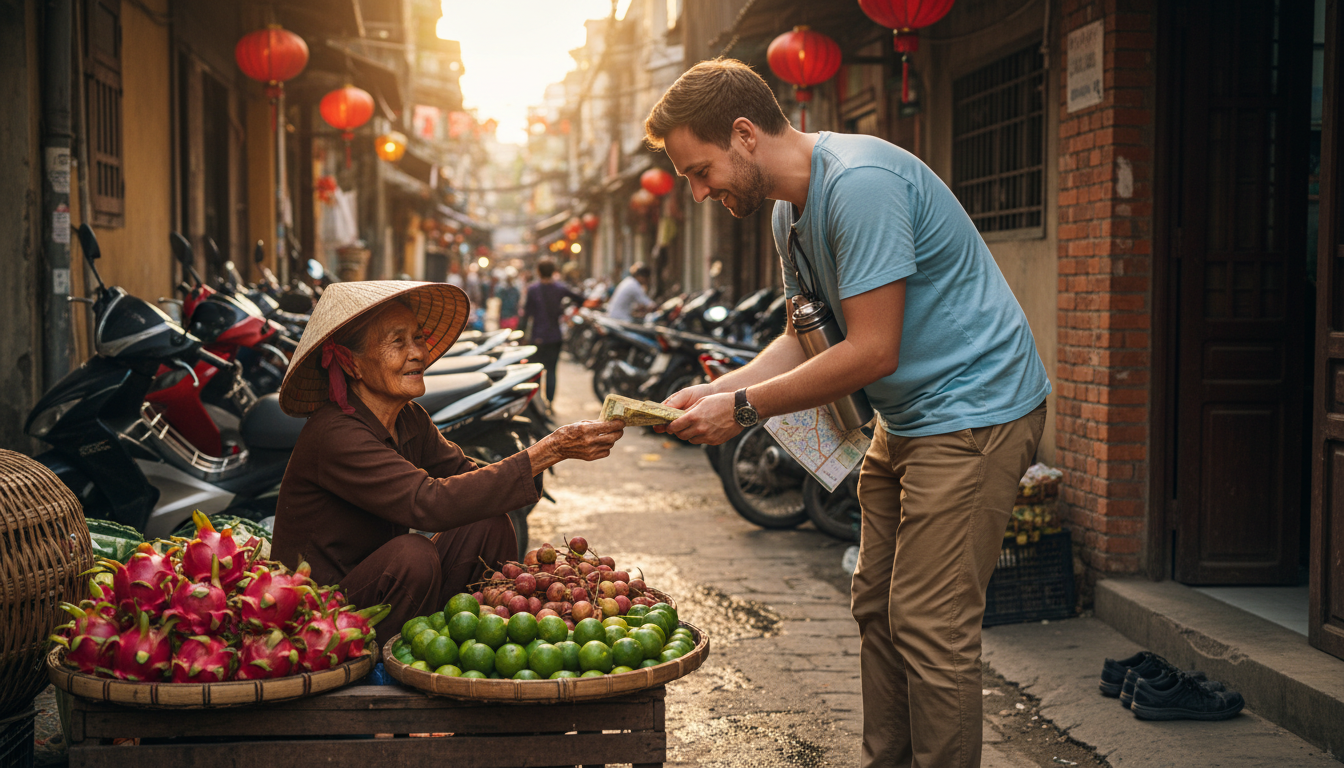
How to Practice Vietnam Travel Etiquette in Real Situations
Vietnam travel etiquette matters most when you are in motion, not in a guidebook. If you are crossing a chaotic street, entering a family home, bargaining at a market, or eating at a tiny local stall, small details change how people read you. The goal is simple: stay calm, stay polite, and let local rhythm lead the way.
For adventurous travelers, solo visitors, couples, and families, this is the difference between feeling like an outsider and moving through Vietnam with ease. A respectful smile, softer voice, and modest body language open more doors than perfect language ever will. If you want the deeper local side of the country, that mindset is your best travel tool.
In real life, etiquette in Vietnam is less about perfection and more about awareness. Watch first, then copy the pace around you. That habit works in cities, mountain towns, and homestays, and it helps you avoid the little mistakes that can make interactions feel awkward.
The fastest way to blend in is to keep your movements controlled, your reactions gentle, and your expectations flexible. On a busy street, at a dinner table, or inside a local house, people notice whether you are trying to fit the space or take it over. That is the whole game.
| Tiêu chí | Good move | Avoid | Why it works |
|---|---|---|---|
| Greeting locals | Smile and speak softly | Rush in loudly | Signals respect and ease |
| Home visits | Remove shoes and use both hands | Walk in casually | Shows care for the household |
Step by step, start with greetings. A small nod, light handshake, or simple xin chao is enough in most casual settings. Dress modestly when visiting temples or homes, keep shoulders and knees covered when possible, and avoid loud gestures that can feel pushy. In Vietnam, calm energy is read as good manners.
Body language matters just as much. Keep some personal space, do not point your feet at people, and use both hands when receiving money, gifts, or a menu from an elder. If you need a quick local option, browse all Vietnam tours to see how cultural travel often works in real settings, not just on paper.
Street crossings need a different kind of etiquette. Walk steadily, do not stop in panic, and let motorbikes flow around you. For bargaining, keep it light and friendly; a smile and a fair counteroffer work better than hard pressure. At the table, wait for elders to begin, keep your voice low, and do not stick chopsticks upright in rice.
When visiting a local home, remove your shoes near the entrance, accept tea or fruit with both hands, and avoid wandering around without invitation. If you are invited to more remote or deeply local communities, a respectful style goes even further, especially on immersive trips like Vietnam crazy tour experiences that connect travelers with everyday life. The mini insight is this: good etiquette is not performance, it is attention.
Common cultural rules are easy to remember once you see the pattern. Remove shoes at the door, speak softly indoors, respect elders first, and keep your gestures simple. If you are unsure, pause and observe before acting. That one habit will save you from most awkward moments and help you move naturally through the country.
For a quick decision guide, use this rule: if the setting feels private, sacred, or family oriented, slow down your behavior by half. If the setting feels crowded and public, stay steady and non-intrusive. That is the practical version of Vietnam travel etiquette, and it works almost everywhere. For travelers who want more local depth and meaningful interactions, the right pace matters more than the right words.
Soft CTA: if you are planning a local-heavy route through Vietnam, choose experiences that put you close to real neighborhoods, homestays, and street culture. The more authentic the setting, the more these small etiquette details matter.
Strong CTA: travel smarter, not louder. Respect the rhythm, follow the locals, and Vietnam will feel warmer, easier, and far more rewarding. That is how you turn simple manners into better stories, better photos, and better memories.
Featured snippet: Practice Vietnam travel etiquette by greeting politely, dressing modestly, removing shoes before entering homes, speaking softly, using both hands when giving or receiving items, and following local behavior in streets, markets, and dining spaces. The core rule is simple: observe first, then match the local pace.
Why Vietnam Travel Etiquette Improves Your Trip
Vietnam travel etiquette is the fastest way to turn a good trip into a smooth one, especially if you are chasing local experiences instead of tourist bubbles. A respectful hello, the right dress in sacred places, and a little patience in daily interactions can change how people respond to you, how easily you get help, and how deep your travel moments become.
For solo travelers, couples, families, and first-time visitors, etiquette is not about acting perfect. It is about reducing friction in homes, temples, markets, and rural communities. When you read the room well, you avoid awkward moments, earn trust faster, and open the door to more genuine conversations. That is where Vietnam starts feeling less like a checklist and more like a real connection.
Featured snippet: Good etiquette in Vietnam helps travelers connect with locals, avoid misunderstandings, and move through homestays, pagodas, markets, and village areas with more confidence. It improves first impressions, reduces stress, and makes everyday interactions feel warmer and easier.
In practical terms, good manners make travel feel lighter. At a homestay, taking off your shoes before entering shows respect immediately. In a pagoda, modest clothing and quiet behavior help you blend in. In a market, smiling and waiting your turn can get you better service than pushing for speed. Even a simple phrase like thank you can soften a transaction and create a friendlier exchange. If you want deeper local access, Vietnam Crazy Tour is built around that kind of real-world experience.
| Setting | Best etiquette move | Why it matters | Traveler result |
|---|---|---|---|
| Homestay | Remove shoes and greet hosts politely | Shows trust and respect for the home | Warmer welcome and easier conversation |
| Pagoda or temple | Dress modestly and keep voices low | Protects the sacred atmosphere | Less discomfort and better local acceptance |
| Market or village | Wait your turn and ask before photos | Respects personal space and daily work | Smoother shopping and better interactions |
The real benefit is confidence. First-time visitors stop worrying about accidental mistakes, while families get fewer awkward moments with hosts and vendors. Solo travelers often notice the biggest payoff because etiquette creates instant goodwill when you are on your own. In rural communities, that goodwill can mean invitations, extra guidance, or simply a more human travel day. If your trip is built around adventurous local discovery, you can explore more options on all Vietnam tours and choose the style that matches your pace.
Soft CTA: If you want Vietnam to feel welcoming from the first stop, learn the local codes before you arrive and travel with more confidence.
Strong CTA: Respect the rhythm, read the room, and your Vietnam trip will feel richer, smoother, and far more memorable.
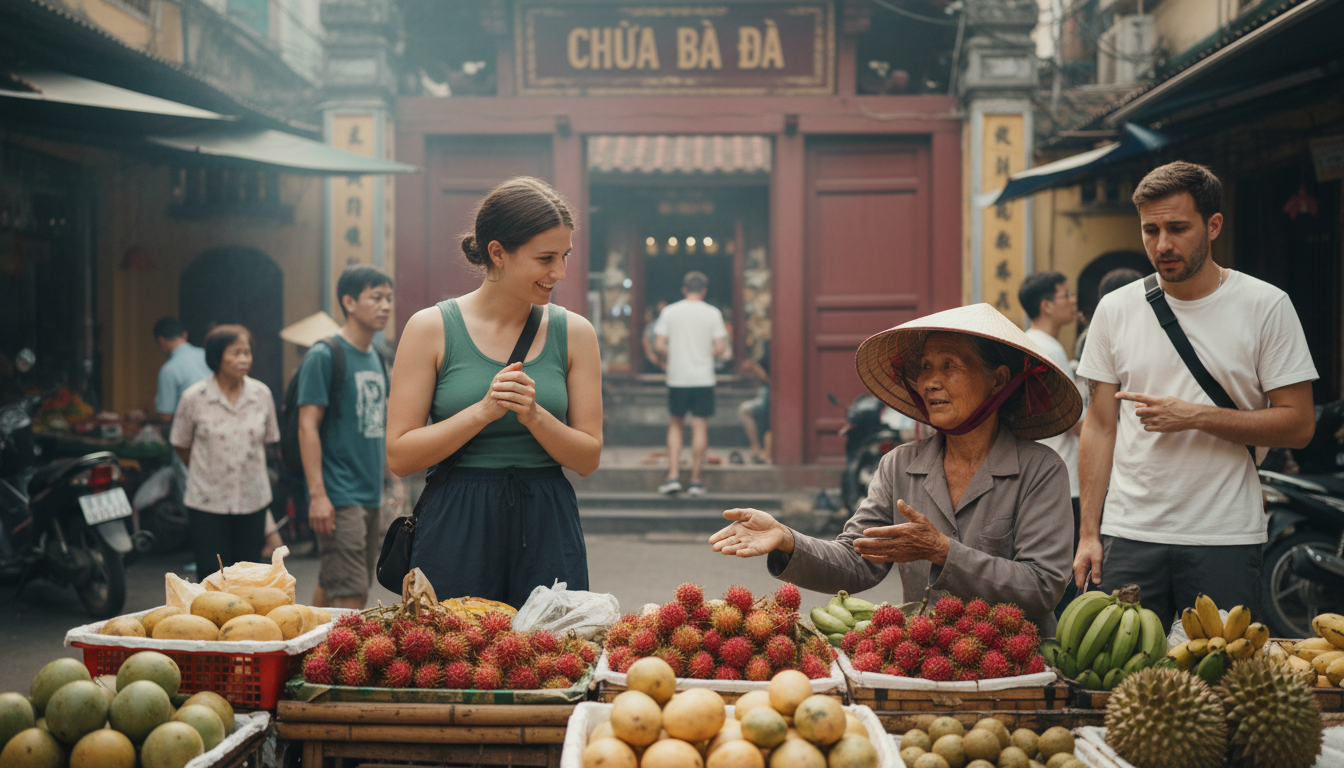
Vietnam Travel Etiquette vs. What Tourists Often Get Wrong
Vietnam travel etiquette matters most when your travel style shifts from easygoing tourist mode to real local interaction. In Vietnam, the same action can feel harmless in a cafe, awkward in a family home, or disrespectful inside a pagoda. The good news is simple: once you understand the setting, you can move with confidence, avoid embarrassment, and connect more naturally with people.
For adventurous solo travellers, couples, and families chasing local experiences, the goal is not perfection. It is awareness. A small adjustment in how you dress, speak, photograph, or greet people can change the whole tone of the moment. That is why the smartest travelers do not just see Vietnam, they read the room, then choose the right behavior for the place.
Featured insight: The most common etiquette mistake in Vietnam is not a dramatic offense. It is acting the same everywhere. What works on a tourist street in Ho Chi Minh City may feel too casual in a rural home, a temple, or a family meal. Respect is often measured by how quickly you adapt.
| Tiêu chí | Casual tourist habit | Culturally aware choice | Best result |
|---|---|---|---|
| Dress code | Shorts and tank top everywhere | Covered shoulders in temples and homes | Less attention, more respect |
| Photos | Shoot first, ask later | Ask before taking portraits | Warmer interaction and trust |
| Behavior | Speak loudly or bargain hard | Stay calm and keep bargaining light | Smoother service and better deals |
Casual tourist habits can feel convenient because they save time and reduce friction. But culturally aware choices usually create better experiences, especially in local markets, village stays, and spiritual places. If you want a deeper trip, treat etiquette as part of the adventure, not a restriction. It is the difference between passing through and being welcomed in.
When in doubt, follow this simple rule: the more formal, quiet, or sacred the setting, the more careful you should be. In big cities, people may be more relaxed with foreign visitors. In countryside areas, family spaces, or traditional communities, modest behavior matters more. If you are joining one of our all Vietnam crazy tours, the guide can help you read local cues fast and avoid awkward moments.
Common mistakes travelers make: entering a home with shoes on, pointing feet at people, touching heads, raising the voice in public, or taking photos without asking. Better local behavior: remove shoes when needed, use a gentle tone, ask first, and watch how locals move before copying the rhythm.
Choosing the right approach depends on region and formality. Hanoi and other northern areas often feel more traditional, so slower speech and modest dress work well. Coastal or major city settings can be more relaxed, but temples, family meals, and rural communities still expect restraint. If your trip includes beliefs, rituals, or community visits, a respectful mindset will always pay off. For travelers curious about spiritual customs, our ghost beliefs tour gives useful context before you step into sacred spaces.
Soft CTA: If you want to experience local Vietnam without constant second guessing, travel with a mindset that blends curiosity and respect. That balance opens doors, reduces friction, and makes every conversation feel more real.
Final takeaway: Vietnamese etiquette is not about being stiff. It is about being aware, adaptable, and easy to trust. The travelers who do best are not the loudest or the most casual. They are the ones who adjust fast, observe closely, and leave every place feeling more human.
Vietnam Travel Etiquette Tips, FAQs, and Final Advice
Vietnam travel etiquette matters because the best trips in Vietnam are usually the ones where you move with local rhythm, not against it. If you are heading to busy cities, quiet villages, temples, or a family meal, a few simple habits can help you avoid awkward moments and build real trust with the people you meet.
Most travelers do not need a long list of rules. They need clear guidance on what feels respectful, what feels too loud, and how to act when the setting becomes more traditional. With a little awareness, you can enjoy street food, homestays, and cultural sights with confidence instead of guessing your way through every interaction.
One of the biggest mistakes is treating Vietnam like a place where every public space works the same way as at home. Public displays of affection, loud behavior, and careless body language can stand out fast, especially in rural areas or around elders. In temples and pagodas, keep your voice low, dress modestly, and never point your feet toward sacred objects. If you want to learn more about culture-first travel, explore Vietnam Crazy Tour for locally rooted experiences that respect the people and places you visit.
Here is the quick version most first-time visitors need:
| Situation | Best approach | Avoid | Why it matters |
|---|---|---|---|
| Temple visit | Cover shoulders and knees | Shorts and loud talk | Shows respect in sacred space |
| Local home | Remove shoes and wait to be invited in | Walking inside casually | Honors household customs |
| Street market | Bargain politely and smile | Arguing over small prices | Keeps exchanges friendly |
Mini insight: in Vietnam, a calm face often opens more doors than perfect language. A simple greeting, a light smile, and patience during small delays do more for your trip than trying to act overly familiar.
FAQs
Do I tip in Vietnam? Tipping is not always expected, but small tips are appreciated for good service in restaurants, hotels, and with guides or drivers. Keep it modest and let the quality of service guide you.
How should I dress at temples? Dress modestly with shoulders and knees covered. Remove hats, speak softly, and avoid clothing that feels too revealing for a sacred place.
Is bargaining rude? No, not in markets or with some street vendors, but it should stay friendly. The key in Vietnam travel etiquette is to negotiate with a smile and stop when the price feels fair on both sides.
What should I know before visiting a local home? Bring a small gift if appropriate, remove your shoes, accept food when offered if you can, and avoid putting your feet toward people or altars. If in doubt, follow the host’s lead and keep your manners simple.
How formal should greetings be? In most cases, a polite hello, a slight nod, and a gentle tone are enough. When meeting older people, use respectful language and avoid over-the-top physical contact unless the other person initiates it.
For travelers who like local experiences with real cultural context, the smartest move is to stay curious and observe first. If you want deeper community-based adventures, you can also check all Vietnam tours and choose the style that fits your pace and comfort level.
Travel respectfully, stay curious, and let Vietnam surprise you with how welcoming it feels when you meet it on its own terms. Small choices create big impressions, and that is the real secret to enjoying the country with confidence, cultural awareness, and better memories from the very first day to the last.