
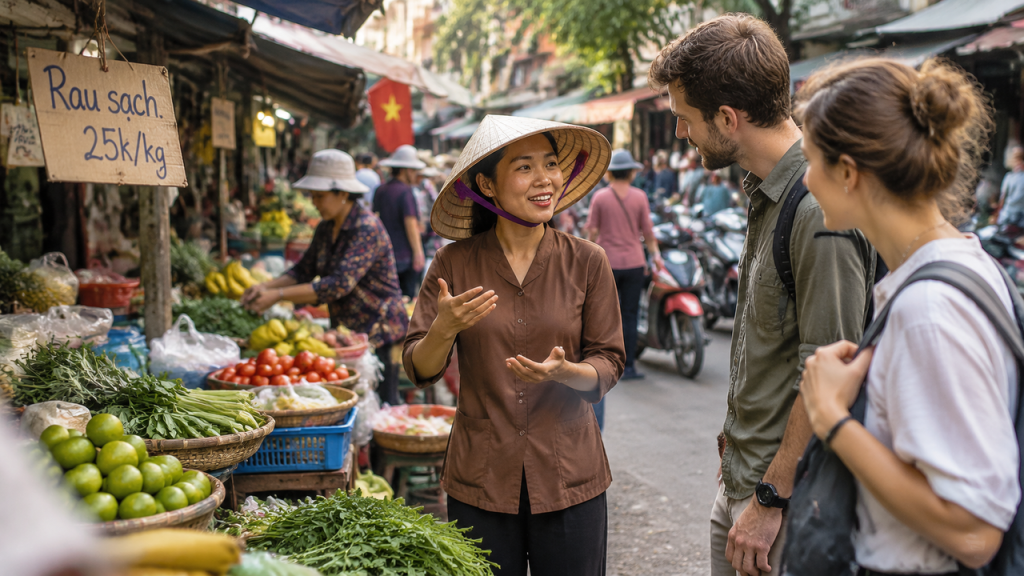
Dos and Don’ts in Vietnam: Essential Tips for Travelers
Dos and don’ts in Vietnam can feel unclear when temple customs, lively markets, and fast-moving traffic are all new at once. A little preparation helps you avoid awkward moments without turning travel into a checklist. Whether you are exploring solo, as a couple, or with family, practical local guidance can help you move through unfamiliar situations with greater confidence and respect.
Start with simple habits: dress thoughtfully at religious sites, ask before photographing people, and cross busy streets steadily rather than making sudden moves. This guide also covers street food, market etiquette, transport, and personal safety, with room for the differences you will notice from one region to another. For more ways to explore beyond familiar tourist routes, browse Vietnam Crazy Tour experiences as you plan.
Dos and Don’ts in Vietnam: Cultural Etiquette to Know
The dos and don’ts in Vietnam are less about memorizing rules and more about noticing what people around you do. A few thoughtful choices can make temple visits, village walks, and conversations with local families feel more welcoming.
Quick guide: Dress modestly at religious sites, remove shoes when requested, and keep your voice calm. Greet elders politely, keep public affection low-key, and ask before photographing people or ceremonies. When a custom is unclear, pause and follow posted signs or your host’s lead.
Show respect in sacred spaces and local homes
At temples and pagodas, cover your shoulders and knees where practical, speak quietly, and avoid blocking worshippers. Rules vary by site, so check signs before entering prayer halls or taking pictures. In a home, wait to see whether your host asks you to remove your shoes.
| Situation | Do | Avoid | Why |
|---|---|---|---|
| Temple visit | Dress modestly and check signs | Entering restricted areas | Practices differ by site |
| Local home | Remove shoes when asked | Assuming every home is alike | Follow your host’s custom |
Greet gently and ask before taking photos
A small nod and a friendly hello work well; use a calm tone with elders and let them set the pace. Holding hands is usually less conspicuous than kissing, especially in rural areas. Before photographing a person, market vendor, or ceremony, ask clearly and accept a no without pressure. This matters especially during visits focused on local beliefs and traditions, where rituals may be private.
Travel with curiosity, not assumptions. Explore Vietnam tours with a local guide who can explain customs as they arise.
Everyday Dos and Don’ts in Vietnam for Food, Markets, and Communication
The most useful dos and don’ts in Vietnam are simple: follow the host’s lead, stay courteous, and ask before assuming. For adventurous travelers, a little awareness makes a busy street-food stall or lively market feel welcoming rather than confusing.
Quick guide: Choose food stalls with steady local customers and freshly cooked dishes; share food using serving spoons, and never leave chopsticks standing upright in a rice bowl. At markets, ask the price before agreeing, bargain gently where appropriate, and accept that displayed prices may be fixed. Tipping is appreciated but generally not expected.
Eat confidently and communicate clearly
At a shared meal, wait for your hosts to begin and use the communal serving utensil instead of your own chopsticks. A busy stall can suggest high turnover, but check that food is hot and handled cleanly. If you have an allergy or dietary restriction, carry a translated note and confirm ingredients; do not rely on a quick guess in a noisy setting.
Shop politely and read the moment
| Situation | Do | Do not |
|---|---|---|
| Market stall | Ask the price and negotiate calmly | Argue over a small difference |
| Fixed-price shop | Pay the displayed price | Assume every seller bargains |
A smile and a patient tone go further than aggressive haggling. Learn a greeting and thank-you, or use a translation app; locals usually appreciate the effort, even if pronunciation is imperfect. Keep small bills handy for snacks and short rides.
For a closer look at local life with an experienced guide, explore Vietnam Crazy Tour experiences and choose a trip that suits your pace.
Safety Dos and Don’ts in Vietnam: Transport, Money, and Health
The most useful dos and don’ts in Vietnam are practical: move predictably in traffic, keep valuables close, and pace yourself in the heat. These habits make independent exploring safer without taking the spontaneity out of a local adventure.
Quick safety checklist: Cross at a steady pace while watching traffic, choose traceable transport, wear a certified helmet, separate cash from cards, drink sealed or treated water, and carry travel insurance details. If a situation feels rushed or unclear, pause and verify before paying or moving on.
Getting around safely
At busy crossings, walk calmly and consistently rather than darting between motorbikes. Make eye contact where possible, keep looking both ways, and follow a local pedestrian’s lead when you are unsure. For a taxi, check the company name and fare method; ride-hailing apps provide a trip record and pickup details.
Rent a motorbike only if you are licensed and genuinely experienced in local traffic. Check your insurance terms, inspect the brakes and lights, wear a properly fastened helmet, and use seat belts in cars. For a more guided way to explore, compare local Vietnam tour options before setting out.
Protecting money, phones, and health
Keep your phone out of sight near the road, carry only the cash you need, and store a backup card separately. Confirm prices before accepting a service, and count change discreetly. In hot weather, take shade breaks and sip safe water; choose busy food stalls where dishes are cooked fresh. Travel insurance should cover your planned activities, including motorbike riding if applicable.
| Situation | Do | Do not | Why it helps |
|---|---|---|---|
| Crossing a road | Walk steadily and stay alert | Run or step backward suddenly | Drivers can anticipate your path |
| Paying a vendor | Agree on the price first | Flash a wallet full of cash | Reduces confusion and exposure |
For offbeat outings, choose an operator that explains transport, safety arrangements, and what is included. Browse Vietnam Crazy Tour experiences and ask questions before booking; a little preparation lets you focus on the people and places that make the journey memorable.
How to Adapt Vietnam Travel Etiquette to Different Situations
The dos and don’ts in Vietnam shift with the setting, so copying a fixed list can lead to awkward moments. A lively city market, a quiet family home, and a village shrine each have different expectations. The safest approach is to notice what people around you do, ask politely when unsure, and adjust without making a scene.
Quick guide: In Vietnam, follow local cues rather than assuming one rule fits everywhere. Bargain calmly at markets, remove shoes when a host or sign suggests it, ask before photographing people, and accept a refusal graciously. At temples and family gatherings, dress modestly and keep your voice low; in tourist areas, customs may be more flexible.
Read the setting before you act
Major cities are used to international visitors, while rural communities may value quieter behavior and more formal greetings. Religious sites and family homes call for extra care. Watch for shoes by the entrance, posted rules, and how locals speak or dress. If you are exploring spiritual traditions, a respectful ghost culture tour can offer useful context without treating beliefs as a spectacle.
Handle gray areas with flexibility
| Situation | Respectful response | Local cue | Why it helps |
|---|---|---|---|
| Bargaining | Smile, offer a fair counterprice, and walk away politely | Fixed prices or busy food stalls | Avoids turning a small purchase into a dispute |
| Photos and refusals | Ask first and accept no without debate | People working, praying, or with family | Protects privacy and keeps the interaction warm |
Tipping is appreciated for good service but is not required everywhere; check the bill and avoid making it feel expected. When invited indoors, pause at the doorway and follow your host’s lead on shoes. These small observations work for solo travelers, couples, and families alike.
Want to experience local life with thoughtful guidance? Explore Vietnam Crazy Tour experiences and choose a trip that fits your pace.
Common Mistakes, FAQs, and Final Tips for Vietnam
The dos and don’ts in Vietnam are easier to follow when you focus on respect, awareness, and a little flexibility. First-time visitors can avoid awkward moments by dressing appropriately at sacred sites, keeping valuables close, and asking before taking someone’s photo.
Small gestures make a difference: greet vendors politely, check prices before buying, and do not assume every shop expects bargaining. For a deeper look at local life, explore Vietnam Crazy Tour experiences with a guide who can help explain customs along the way.
Quick rules to remember
In Vietnam, respect local customs, protect your belongings, and move calmly through busy places. Cover your shoulders and knees at temples, remove shoes when asked, and seek permission before photographing people. Bargain politely only where it is customary, and choose busy food stalls where dishes are cooked fresh.
| Situation | Better choice | Avoid | Why it helps |
|---|---|---|---|
| Temple visit | Cover shoulders and knees | Assuming shorts are always allowed | Rules vary by site |
| Street crossing | Walk steadily and predictably | Running or sudden stops | Drivers can read your path |
FAQs
Is tipping expected? No. It is appreciated for good service, but not generally required. Check whether a service charge is already included.
Can visitors wear shorts to temples? Some sites allow them, but modest clothing is safest; carry a light layer. Is street food safe? Often, if it is freshly cooked and served hot. Choose busy stalls with high turnover.
What should travelers avoid in public? Avoid loud confrontations, littering, and intrusive photography. Is it safe to cross the street? Use crossings where available, watch traffic, and cross at a steady pace. Pause if uncertain and follow a local’s lead.
Keep these practical dos and don’ts in mind, and you can enjoy Vietnam’s lively streets with more confidence. For adventurous local discoveries, browse the tours and plan your next outing with Vietnam Crazy Tour.