
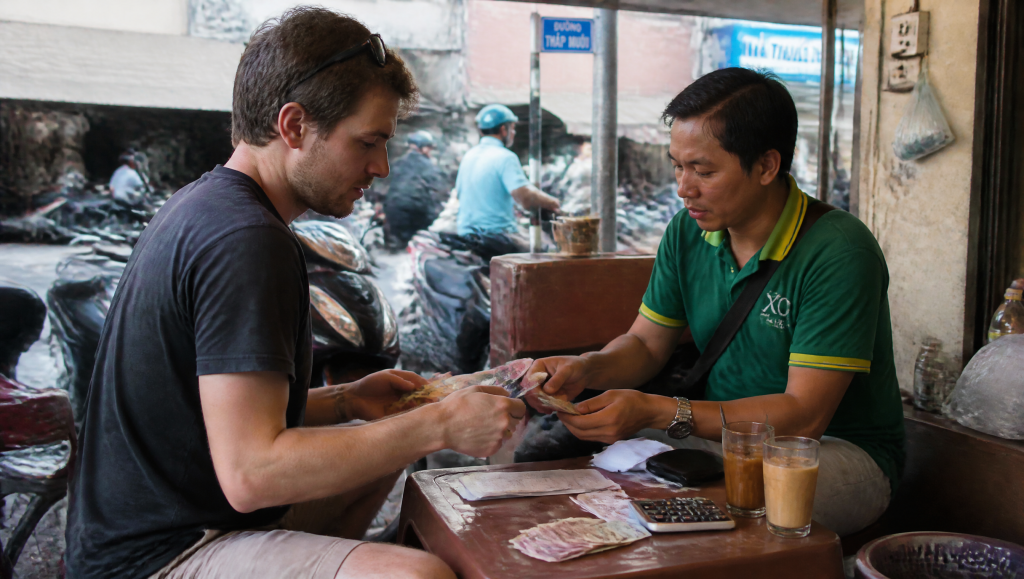
Money in Vietnam can feel simple at first, then suddenly messy when you land with the wrong cash mix, a card that does not work, or a price written in dong that looks bigger than it really is. The good news is that once you understand the basic rhythm of money in Vietnam, daily spending gets easy fast. You can pay smarter, avoid tourist traps, and keep more budget for the fun stuff.
This guide gives you the practical stuff first: when to use cash, when cards help, how exchange rates affect your spend, and what local habits matter in real life. If you are planning a local-style trip, from city food hunts to offbeat day trips, a little money know-how goes a long way. For a wider travel idea, you can also explore Vietnam Crazy Tour and see how the country feels on the ground.

What Money in Vietnam Looks Like Today
Money in Vietnam can feel confusing at first, especially if you are landing with cards, app payments, and a rough exchange-rate guess. The good news is simple: once you understand the Vietnamese Dong and where cash still rules, daily spending becomes easy, even on a first trip.
For adventurous travelers, this matters fast. Local markets, street food stalls, island ferries, and small family-run places often prefer cash, while bigger hotels and malls may take cards. If you want to move like a smart traveler and avoid awkward payment moments, this is the money map that keeps your Vietnam trip smooth.
Featured snippet: The Vietnamese Dong is the official currency of Vietnam, and cash is still essential in many everyday travel situations. Cards work in hotels and larger businesses, but street food, markets, taxis in smaller towns, and remote stops often need cash in small denominations.
The Vietnamese Dong, or VND, is the currency you will use most in Vietnam, and the number on the note can look bigger than what travelers expect. That is normal here. A 100,000 VND bill is everyday money, not a premium note, so it helps to think in local value instead of converting every purchase in your head.
Here is the practical breakdown:
| Tiêu chí | Cash | Card | Best use |
|---|---|---|---|
| Street food | Yes | Rarely | Small bills for quick buys |
| Hotels and malls | Sometimes | Yes | Card for larger payments |
In real life, cash matters most when you leave the polished tourist zones. A morning market in Hanoi, a seafood stop in Da Nang, or a boat transfer in a quieter bay may not be card-friendly. That is why many travelers keep a mix of small notes and one backup payment method, which is also the safest way to travel with money in Vietnam.
If you are planning a more local route with Vietnam adventure tours, cash becomes even more useful because small shops and transport stops can be surprisingly old-school. A soft rule works well: pay big things by card, pay daily life by cash, and always carry enough to cover one full travel day without stress.
Vietnam Crazy Tour travelers often find that the smartest money strategy is not carrying a huge wallet, but knowing where cash will save time. At busy markets, have exact notes ready. In remote areas, withdraw before you leave the city. That one habit avoids most payment problems and keeps your trip feeling easy, local, and confidently adventurous.

How Money in Vietnam Works in Daily Travel
Money in Vietnam moves fast in daily travel, and that is exactly why smart planning matters. If you are landing in a busy city, heading to a remote market, or joining a local Vietnam adventure, you will spend less time stressing when you know what to carry, where to exchange, and when card payments actually work.
The simple rule is this: use safe exchange points, keep small notes ready, and do not expect every place to take cards. In tourist hubs, payments feel modern. In smaller streets, money still runs on cash, quick decisions, and a bit of local street logic. That mix surprises many first-time visitors, but it is easy to manage.
Featured snippet: In Vietnam, the best travel money setup is a mix of cash, a card, and a backup plan. Exchange only at trusted banks, official counters, or reputable hotels, then keep small VND notes for taxis, street food, markets, and rural stops where card readers may not exist.
How to exchange currency safely comes down to three practical checks. First, avoid random street offers even if the rate looks tempting. Second, count your cash before leaving the counter. Third, keep your receipt in case you need to verify a transaction later. A good example is airport arrival: take only what you need, then top up in town where rates are usually better.
When you compare your options, the decision is simple:
| Tiêu chí | Cash Exchange | ATM Withdrawal | Card Payment |
|---|---|---|---|
| Best for | First-day spending | Quick top up | Hotels and malls |
| Main risk | Poor rate if careless | Bank fees | Limited acceptance |
Cash, cards, and mobile payments in real life work by location, not by theory. In Hanoi or Ho Chi Minh City, you can often use cards at mid-range restaurants and convenience stores, while street food, local buses, and village shops still prefer notes and coins. Mobile wallets are growing, but foreign travelers should treat them as a bonus, not a plan.
For adventurous travelers, this matters even more once you leave the main city circle. A family heading to the countryside, or a couple joining a Vietnam crazy tour, should always carry enough VND for fuel stops, entrance fees, and spontaneous food breaks. Small bills save time, protect your budget, and make local transactions smoother.
Soft tip: keep one card for backup, one cash stash for daily use, and one emergency reserve hidden separately. That simple system keeps you flexible without overthinking every payment.
Strong CTA: If you want Vietnam trips with less payment stress and more real local experience, plan your route with reliable stops, smart cash habits, and flexible transport. That is how you travel lighter, spend wiser, and enjoy more of the country on the ground.
How Much Money You Need in Vietnam
Money in Vietnam is easy to manage once you know your travel style, because your daily spend can swing from ultra budget to surprisingly comfortable. For adventurous solo travelers, couples, and families, the real trick is not carrying too much cash, but matching your budget to the way you move, eat, and explore.
If you like local streets, street food, and spontaneous rides, Vietnam can feel crazy cheap in the best way. But hidden costs appear fast when you add airport transfers, island boats, entrance tickets, or a private guide from Vietnam Crazy Tour, so a smart plan keeps the fun high and the stress low.
Featured snippet: Most travelers in Vietnam spend around 25 to 50 USD per day on a budget trip, 60 to 120 USD for a mid-range trip, and 150 USD or more for comfort or private travel. The final number depends on city, transport choice, accommodation, and how often you join paid activities.
Typical Daily Budget by Travel Style
Here is the practical breakdown. Budget travelers who eat local and use buses or Grab often land near 25 to 40 USD per day. Mid-range travelers usually spend 60 to 120 USD per day with better hotels, more taxis, and one or two activities. Comfort travelers and families can reach 150 to 300 USD daily, especially with private drivers, bigger rooms, and boat trips.
| Tiêu chí | Budget | Mid-range | Comfort |
|---|---|---|---|
| Daily spend | 25 to 40 USD | 60 to 120 USD | 150 to 300 USD |
| Best for | Solo explorers | Couples and families | Private, easy travel |
A quick mini insight: northern mountain routes, island hops, and remote local areas often cost more than city days, not because Vietnam is expensive, but because transport eats the budget. If you want a smoother route with fewer money surprises, check the full Vietnam tour options before you lock your plan.
Common Costs for Food, Transport, and Attractions
Food is where Vietnam stays wonderfully friendly. A bowl of pho or a banh mi can cost 1 to 3 USD, a proper local meal 3 to 7 USD, and a nice restaurant 10 to 20 USD per person. For transport, short Grab rides often cost 1 to 5 USD, intercity buses 8 to 20 USD, and domestic flights can range from 40 to 120 USD depending on timing.
Attractions also stay manageable. Temple or museum entry is often 1 to 5 USD, cave or island fees may be 5 to 15 USD, and guided day trips can sit higher when they include boat time, transfers, and local expertise. That is where a curated experience can actually save time and reduce random spend, especially if you prefer deep local routes and not tourist chaos.
For adventurous travelers, the best strategy is simple: spend lightly on food, stay flexible on transport, and save your bigger budget for experiences that feel rare. If your trip includes offbeat neighborhoods or cultural stories, a themed route like a ghost and belief tour can add value beyond a standard sightseeing day.
Soft CTA: If you want a trip that feels local but still runs smoothly, plan your daily budget around transport first, then food, then activities. That order keeps your money in Vietnam working harder for the memories you actually want.
In short, the amount of money you need in Vietnam depends less on the country and more on your style. A solo backpacker can move fast on a small budget, while couples and families usually spend more for convenience. If you want a custom route that fits your pace, Vietnam Crazy Tour can help shape the trip before costs start creeping up.
Strong CTA: Set your target daily budget, choose your travel style, and book with intention. That is the smartest way to keep Vietnam affordable while still getting the wild, local, unforgettable trip you came for.
Best Ways to Manage Money in Vietnam
Money in Vietnam can feel easy once you know where to pull cash, when to use a card, and how to avoid bad exchange rates. For first-time visitors, the real challenge is not spending too much, but not getting trapped by fees, poor rates, or card limits in smaller towns and local markets.
The smart move is simple: mix ATMs, bank cards, and trusted exchange counters based on where you are. In big cities, you have more options; in rural areas, cash still rules. If you want the trip to stay smooth and local, a little planning goes a long way, especially for adventurous routes and spontaneous detours.
Featured snippet: The best way to manage money in Vietnam is to carry a mix of cash and cards, withdraw from ATMs in cities, and exchange money only at reliable counters. Keep small bills for street food, taxis, and local shops, because many places still prefer cash over cards.
Using ATMs, bank cards, and exchange counters each works differently, so choose by situation. ATMs are the easiest for fast cash, especially at airports and city centers, while bank cards are useful for hotels, larger restaurants, and online bookings. Exchange counters can give better rates than hotels, but only if you compare first and avoid random street offers.
Here is the practical breakdown:
- ATMs: best for quick access, but check withdrawal fees and daily limits
- Bank cards: good for bigger payments, but not accepted everywhere
- Exchange counters: useful for getting local cash, especially before heading off-grid
Mini insight: in smaller towns and beach areas, one card payment failure can waste time, so keep backup cash in two places. If your plan includes remote markets, motorbike day trips, or a local countryside stop, that extra buffer matters more than you think.
The pros and cons are clear when you compare them side by side. ATMs are convenient but can charge each withdrawal. Cards are clean and secure, but some merchants add surcharges or simply do not accept them. Exchange counters are flexible, yet the rate depends on location and trust. That is why experienced travelers often use a blended strategy instead of relying on one method.
| Tiêu chí | ATMs | Bank Cards | Exchange Counters |
|---|---|---|---|
| Best use | Quick cash in cities | Hotels and larger bills | Converting foreign currency |
| Main downside | Withdrawal fees | Limited acceptance | Rate depends on trust |
For adventurous travelers, the best setup is to withdraw a moderate amount, keep a card for backup, and exchange a small amount when needed. This keeps your money flexible without overloading your wallet. If you are planning a local-style trip with food stalls, markets, and countryside stops, view all Vietnam tours to match your route with realistic spending habits.
Strong money management in Vietnam is about control, not complexity. Use cards where accepted, ATMs when you need emergency cash, and exchange counters when the rate makes sense. Keep some small notes ready for taxis, coffee, and street snacks, because in Vietnam, the easiest payment is often still cash.
For travelers who want a smoother trip and less payment stress, it helps to plan around real local conditions before you go. If you are looking for more than the usual route, explore Vietnam Crazy Tour for trips built around local discovery, practical travel flow, and easy on-the-ground pacing.
Money in Vietnam Tips, Mistakes to Avoid, and FAQ
Money in Vietnam can feel messy on day one, especially if you land tired, carry the wrong notes, or expect every place to take cards. The smart move is simple: plan for cash first, use cards as backup, and keep a small buffer for transport, food, and surprise costs. That one habit saves time, stress, and awkward payment moments.
For most travelers, the real win is knowing where cash works best, where card payment is normal, and how to avoid bad exchange rates. If you are building a local, adventurous trip, this is the kind of practical detail that keeps your day smooth from airport pickup to late-night street food. It also helps you spend more on experiences, not on fees.
Common Money Mistakes Tourists Make
One of the biggest mistakes with money in Vietnam is changing too much at the airport without checking the rate. Airport exchange is convenient, but it is rarely the best value. Another common problem is carrying only large bills, which creates trouble at small shops, local cafes, and rural stalls where change can be limited.
A lot of first-time visitors also assume cards work everywhere. In reality, many family-run spots, taxis outside major apps, and local food places still prefer cash. A better approach is:
- Keep small and mid-sized notes ready for daily spending
- Use ATMs from trusted banks when you need a top-up
- Store emergency cash separately from your main wallet
Mini insight: in busy markets, sellers often move fast, so having exact or near-exact cash makes transactions easier and usually gets you a better vibe too. For travelers who want to explore beyond the usual route, that flexibility matters just as much as the destination. If you want more local trip ideas, browse all Vietnam Crazy Tour experiences before planning your route.
| Tiêu chí | Best choice | Why it works | Watch out |
|---|---|---|---|
| Airport exchange | Small amount only | Fast after landing | Usually weaker rate |
| ATM withdrawal | Regular top-up | Convenient in cities | Bank fees may apply |
Featured snippet: The best way to handle money in Vietnam is to carry enough cash for local spending, use cards for larger or backup payments, and avoid exchanging all your money at the airport. Keep small notes, use trusted ATMs, and separate emergency cash from your daily wallet.
Soft tip: if your trip includes remote areas, beach towns, or deep local neighborhoods, cash becomes even more important, so build that into your daily budget before you go. For travelers who enjoy offbeat culture, ghost and belief tours can also be a fascinating add-on where small cash payments are often the norm.
Frequently Asked Questions and Smart Final Tips
Do you need USD in Vietnam? Not for everyday travel, but it can help as a backup in some situations. Should you tip? Not always, but good service from guides, drivers, and boat crews is worth rewarding. Can you pay by card in most places? In major hotels and international restaurants, yes. In local spots, not reliably.
How much should you carry each day? For budget street food, local transport, and casual sightseeing, a modest amount of cash is usually enough. For a couple or family doing full-day activities, food, and private transfers, bring more. The smart rule is to keep spending money in one place and reserve an emergency stash in another. That way, one lost wallet does not ruin the trip.
Final tip: money in Vietnam is easier when you travel with a simple system. Use one card for backup, one cash reserve for daily spending, and one trusted ATM strategy for the rest. If you want a more local and adventurous trip plan, check Vietnam Crazy Tour and pick routes that fit your style before you arrive.