
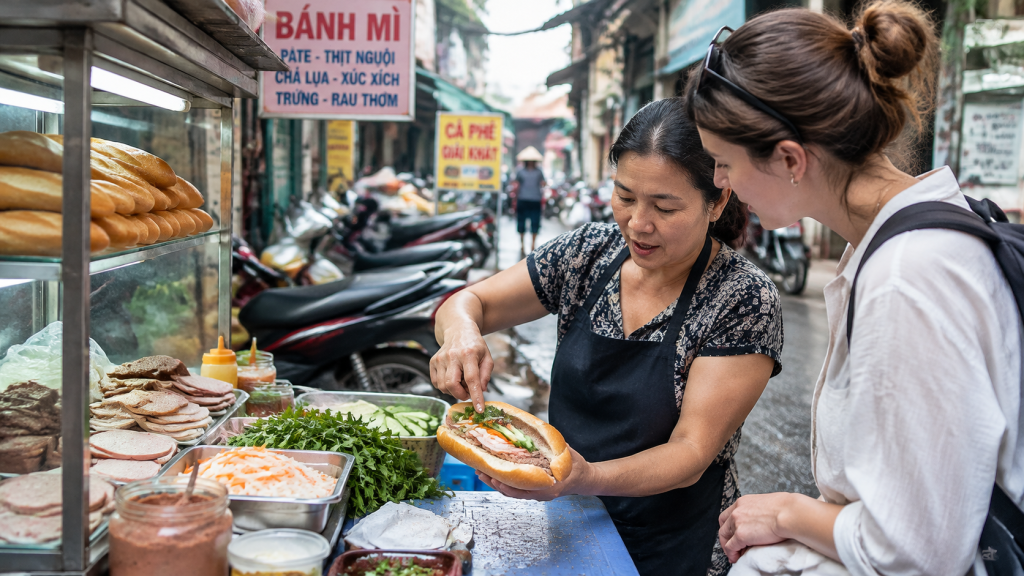
Banh mi is the first bite many travelers remember in Vietnam, because it feels simple on the outside and wildly layered once you taste it. If you have ever wondered why this street sandwich gets so much love, the answer is balance: crisp bread, rich fillings, fresh herbs, and a finish of chili and pickles that wakes up the whole mouth.
For first-time visitors, the trick is not chasing the fanciest shop, but understanding what makes a good one. A proper banh mi should be hot, fresh, and built fast in front of you, usually by a vendor who knows the morning rush. If you want to eat like a local and avoid tourist traps, this guide will show you what to look for, how to order, and where the real flavor lives.
What Is Banh Mi and Why It Matters
Banh mi is Vietnam’s everyday sandwich: a crisp baguette filled with savory meat, pate, pickled vegetables, herbs, and chili. It is fast, affordable, and packed with flavor, which is exactly why travelers remember it long after the meal is over. For first-time visitors, it solves a common problem: how to find something local, quick, and genuinely satisfying without overthinking the menu.
What makes banh mi special is not just the bread, but the way Vietnam turned a French idea into something unmistakably local. You see it at busy street corners, morning markets, and tiny family stalls where locals queue before work. If you want to explore the food side of the country beyond the usual tourist stops, start with a local street food rhythm and then branch out with Vietnam Crazy Tour experiences that show how everyday eating fits into real city life.
Featured snippet version: Banh mi is a Vietnamese sandwich made with a light baguette, savory fillings, herbs, and pickled vegetables. It reflects French influence and local adaptation. People usually eat it for breakfast or lunch, but it is available throughout the day at street stalls across Vietnam.
The cultural backstory is part of the appeal. French colonial influence introduced the baguette, but Vietnamese cooks rebuilt the sandwich around local tastes and ingredients. The result is a food that feels familiar to visitors and deeply local at the same time. That mix of comfort and character is why banh mi matters far beyond being just another snack.
When people eat banh mi depends on the city and the stall, but breakfast is the big moment. Morning vendors bake fresh bread, assemble orders quickly, and serve office workers, students, and travelers in a rush. A simple comparison helps:
| Criteria | Morning banh mi | Later in the day | Best for |
|---|---|---|---|
| Freshness | Highest, with warm bread and active prep | Good, but bread may soften | Travelers who want the classic experience |
| Atmosphere | Busy, local, fast-moving | Quieter, sometimes less lively | Visitors who want easy ordering |
If you are planning a food-focused day, this is one of the easiest places to start. A good banh mi can act as breakfast, a light lunch, or a quick roadside break between sights. For travelers who like food with context, it also opens the door to deeper local experiences, including Vietnam Crazy Tour routes that connect street eating with neighborhood culture.
Soft CTA: try one fresh from a local stall, then compare it with a second version in another district. That is the fastest way to understand why this sandwich became a national icon.
Strong CTA: if you want to taste banh mi like a local, not like a checklist item, build it into a food day that includes markets, street corners, and a guided neighborhood stop.
How Banh Mi Is Made and What Goes Inside It
Banh mi is built on balance, not excess. The sandwich looks simple, but every layer has a job: the bread brings crunch, the protein adds depth, the pickles cut through richness, and the herbs wake everything up. If you know how it is assembled, ordering becomes easier and the flavor makes much more sense for first-time visitors.
For adventurous travelers, this is where Vietnamese street food gets seriously fun. A good banh mi can be found at a tiny local stall, sometimes next to a local food tour route or a morning market packed with regulars. The best version is usually made fast, fresh, and with zero fuss, which is exactly why it keeps winning over travelers from Europe, North America, Korea, and Japan.
Featured snippet: Banh mi is a Vietnamese sandwich made with a crisp baguette, savory protein, pickled vegetables, fresh herbs, and sauce. The classic formula is simple: bread for structure, meat or tofu for body, pickles for brightness, and chili or mayonnaise for balance. That mix creates a sandwich that is crunchy, juicy, tangy, and rich in one bite.
The core structure: bread, protein, pickles, herbs, and sauce
The classic banh mi formula starts with a light baguette that is split open and toasted or reheated for extra crunch. Inside, you usually get a protein such as pork cold cuts, grilled pork, chicken, egg, or tofu, then the brightness layer: pickled carrot and daikon, cucumber, cilantro, and sometimes chili. Sauce finishes the job, often with mayonnaise, liver pate, soy, or chili sauce.
The mini insight is that no single ingredient is supposed to dominate. The bread should stay crisp, the filling should feel generous but not heavy, and the herbs should make the sandwich taste fresh even when the protein is rich. If one part is too strong, the whole experience feels off.
| Tiêu chí | Cột 1 | Cột 2 | Cột 3 |
|---|---|---|---|
| Bread texture | Thin crust, airy center | Crisp and light | Best when freshly warmed |
| Flavor balance | Rich protein and pate | Pickles and herbs | Sweet, salty, tangy, spicy |
Common fillings and flavor combinations
The most common banh mi fillings depend on the region and the stall, but the flavor logic stays similar. Classic pork versions use cold cuts, grilled pork, or pate-heavy combinations. Breakfast stalls often serve fried egg banh mi, while coastal areas may add fish cake. Vegetarian versions usually lean on tofu, mushroom, or mock meat, then keep the same pickled vegetables and herbs for balance.
Here is the easiest way to think about the combinations: rich filling plus fresh crunch. A grilled pork banh mi tastes smoky and savory, while a classic special combo feels denser, saltier, and more layered. Vegetarian banh mi can be just as satisfying if the vendor gets the seasoning right. If you want a safer first order, choose the classic or grilled pork and ask for mild chili.
If you are exploring Vietnam food culture at a local level, this sandwich is a perfect starting point before moving deeper into Vietnam Crazy Tour style street eats and neighborhood markets. It is fast, affordable, and easy to customize, which makes it ideal for solo travelers, couples, and families who want something delicious without a complicated order.
A simple step-by-step look at how a banh mi is assembled
The assembly is quick, but the order matters. First, the bread is split and warmed. Next, the vendor spreads the base layer, usually pate, butter, or mayonnaise. After that comes the main protein, followed by pickled vegetables, cucumber, herbs, and chili. The sandwich is then pressed lightly so the fillings settle without crushing the crust.
A practical example: at a busy morning stall, one person prepares the bread, another slices the meat, and a third wraps the finished sandwich in paper in less than a minute. That speed matters because fresh bread and hot fillings change the texture immediately. The best banh mi is not overstuffed; it is assembled to stay balanced from first bite to last.
For travelers planning a food-focused trip, this is the kind of dish that rewards curiosity. You can order one from a local vendor, watch it being built, and then compare it with different styles across the city. If you want to experience the full street food rhythm, book a route that includes local markets, hidden stalls, and trusted neighborhood stops through all tours of Vietnam Crazy tour.
In short, banh mi is a smartly layered sandwich where each ingredient has a purpose. Bread gives structure, protein brings depth, pickles add freshness, herbs lift the flavor, and sauce ties everything together. Once you know that formula, you can spot a good one fast and order with more confidence anywhere in Vietnam.
Ready to taste it the local way? Use this guide to find your favorite style, then turn your food stop into a bigger street adventure with Vietnam Crazy Tour, where the best bites are often found far from the obvious tourist trail.
Why Banh Mi Is So Popular Around the World
Banh mi wins people over fast because it solves a real travel problem: you want something cheap, filling, fresh, and easy to eat while moving through a city. For solo travelers, couples, families, and anyone chasing local flavor, it gives you a full Vietnamese bite without needing a long sit-down meal. That is why banh mi shows up in street markets, early breakfast stalls, and even polished cafes around the world.
The magic is not just the bread. It is the balance of crispy crust, savory fillings, herbs, pickles, and chili, all packed into one handheld meal. If you are exploring Vietnam in a way that feels local and adventurous, this sandwich becomes part of the rhythm of the day, especially when paired with a local food adventure that helps you find the real spots people actually eat at.
Banh mi is popular because it feels familiar and new at the same time. Foreign visitors recognize the sandwich format, but the flavor profile is unmistakably Vietnamese. The result is easy acceptance on first bite, then repeat cravings later. In travel terms, that matters: one dish can satisfy beginners, reward food lovers, and fit almost any schedule.
Featured snippet: Banh mi is popular worldwide because it combines fresh bread, savory protein, herbs, pickles, and chili in one affordable handheld meal. It is quick, customizable, and easy to love for first-time visitors, locals, and travelers who want authentic street food without a complicated dining experience.
The main reasons people love banh mi come down to five simple wins: speed, price, texture, flavor balance, and flexibility. A good vendor can make one in minutes, which makes it perfect for busy mornings or a quick lunch between sights. The crunch of the bread and the brightness of the herbs keep it from feeling heavy, even when the filling is rich.
- Fast enough for breakfast on the move
- Affordable for everyday eating
- Fresh enough to feel light, not greasy
- Easy to customize for meat lovers or vegetarians
- Local enough to feel authentic, but familiar enough for new travelers
That balance is why many visitors try banh mi once and then keep ordering it all trip. If you want to explore more of Vietnam through food, the right local guide can turn a simple snack into a real cultural stop, especially on a community-focused city tour where everyday food tells a bigger story.
Popular variations matter because different travelers want different things. The classic banh mi with cold cuts and pate suits first-timers who want the full flavor hit. Grilled pork works best for meat lovers who want something smoky and bold. Fried egg is ideal for breakfast travelers and families looking for something simple. Vegetarian versions help plant-based eaters enjoy the same structure without missing the street-food experience.
| Tiêu chí | Classic banh mi | Grilled pork banh mi | Vegetarian banh mi |
|---|---|---|---|
| Best for | First-time visitors who want the iconic taste | Travelers who like smoky, richer flavors | Plant-based eaters and lighter appetites |
| Taste profile | Balanced, savory, tangy, fresh | Deep, smoky, slightly sweet, hearty | Fresh, lighter, depends on the fillings |
| Travel moment | Best intro to local food culture | Great after a long day of sightseeing | Good when you want comfort without heaviness |
Real-life situations are where banh mi really earns its fame. It is the breakfast you grab before a motorbike ride, the lunch that saves time between museum stops, and the backup plan when a group needs something everyone can agree on. For couples and families, it is also easy to split, compare, and order again in a second round if one version becomes the favorite.
It is also a smart choice when you want to eat like a local without overthinking. Morning markets, roadside stalls, and busy bakery counters all serve banh mi in the kind of everyday setting travelers remember later. That is exactly why Vietnam feels alive to so many visitors: the food is not staged, it is part of the day. If you want the full experience, book one of the all tours of Vietnam Crazy tour and build your route around real local eating spots.
Strong takeaway: banh mi is popular worldwide because it is fast, affordable, flavorful, and deeply adaptable. It works for tourists, expats, and food explorers because it delivers a complete meal in one hand, with enough variety to suit almost every taste and travel style.
How to Choose the Best Banh Mi for Your Taste
Banh mi is the fastest way to understand why Vietnamese street food hits different. If you want the best one for your taste, the real trick is not chasing hype. It is matching bread, fillings, spice, and richness to how you like to eat, then choosing the stall that keeps everything fresh and balanced.
For first-time visitors, this matters even more because the same sandwich can feel bold, light, messy, or elegant depending on the version. A proper banh mi can be a quick breakfast, a lunch on the move, or a local food moment during a city walk. The goal is simple: pick the version that fits your palate, not the one with the loudest name.
Featured snippet: Choose a banh mi by checking four things: bread texture, filling style, freshness, and spice level. Classic pork is richest, grilled pork is smokier, egg is softer, and vegetarian versions are lighter. At a good stall, the bread is crisp, the vegetables are bright, and the sandwich is made to order.
Compared with other sandwiches, banh mi stands out because it is built on contrast. The crust is thin and crisp, the filling is savory and layered, and the herbs and pickles keep it from feeling heavy. A Western-style sandwich often leans on cheese or sauce, while banh mi brings freshness, acid, heat, and umami together in one bite. That balance is why many travelers remember their first one so clearly. If you are exploring Vietnam with a flexible appetite, a local food stop can be the perfect break between sightseeing and a full tour lineup that shows you how locals actually eat.
When comparing versions, start with the filling. Classic cold cuts with pate give the fullest flavor and the most traditional experience. Grilled pork is the best pick if you want smoke and sweetness. Fried egg works well for breakfast and lighter eaters. Vegetarian banh mi can be excellent when the stall uses tofu, mushroom, or seasoned soy protein with enough herbs and pickles to keep it lively. The possible drawback is that some versions are too rich, too plain, or too dry if the vendor cuts corners, so a good stall matters as much as the recipe. If you are traveling with family or a mixed group, this variety makes banh mi easy to please everyone without overcomplicating lunch.
| Tiêu chí | Classic | Grilled or egg | Vegetarian |
|---|---|---|---|
| Flavor | Rich, salty, layered | Smoky or mild | Fresh and lighter |
| Best for | First-time eaters | Breakfast or simple taste | Light lunch and meat-free travel |
To choose a great banh mi from a street stall or café, watch the rhythm of the place. Busy spots with a steady queue usually turn over ingredients fast, which means the bread is fresher and the fillings are safer to trust. Look for bread that cracks when pressed, not one that sits soft on the counter. The best sandwiches are assembled right in front of you, with visible herbs, pickles, and pate used in balanced amounts rather than dumped in a rush.
Use this simple order rule: if you want comfort, choose classic or grilled pork. If you want something lighter, choose egg or vegetarian. If you want maximum local energy, pick the stall with the most Vietnamese customers and the fastest turnover. For travelers who enjoy local adventures, that small decision often leads to the best food memories. And if you want to keep discovering Vietnam beyond one sandwich, a Vietnam Crazy Tour experience can turn a quick meal stop into a bigger story.
For solo travelers and couples, banh mi is also practical because it is cheap, portable, and easy to customize. Ask for less chili if you are sensitive, skip the mayo if you want something cleaner, or add extra herbs if you like a brighter finish. The best choice is the one that matches your appetite, your schedule, and your comfort level. That is the real banh mi advantage: it adapts to you without losing its local soul.
If you are still unsure, start with one classic sandwich and one lighter version on different days. That side-by-side tasting makes the differences obvious and helps you notice which balance you prefer. In Vietnam, that kind of simple comparison is often the smartest way to eat well. It is also the most reliable path to finding your personal favorite without overthinking it.
Banh Mi Tips, Common Mistakes, and FAQ
Banh mi is easy to love, but first-time eaters often miss the small details that make it great. The bread should be crisp, the fillings balanced, and the order adjusted before the sandwich is wrapped. If you treat it like a generic baguette sandwich, you will miss the point, especially at busy street stalls where speed, freshness, and local custom matter most.
For adventurous travelers, this is one of the best ways to read a Vietnamese street scene in real time. A good stall near a local market, school, or morning commuter flow tells you more than a polished cafe ever could. If you want to explore deeper food culture, you can also pair your snack stop with Vietnam street food adventures and see how locals actually eat on the move.
Mistakes first-time eaters often make
The biggest mistake is ordering late in the day and expecting the same texture. Banh mi is best in the morning when the crust is fresh and the fillings have just been prepared. Another common slip is forgetting to customize early. If you dislike cilantro, chili, mayo, or pate, say it before the sandwich is assembled, not after.
Many visitors also choose the emptiest stall because it looks clean, then wonder why the flavor feels flat. A better rule is simple: follow the local queue, check the turnover, and notice whether the bread is being baked or reheated often. In a city like Ho Chi Minh City, that tiny detail can change the whole bite.
| Tiêu chí | Cột 1 | Cột 2 | Cột 3 |
|---|---|---|---|
| Best time to eat | Early morning | Fresh crust, hot bread | Better texture and aroma |
| Common mistake | Ordering without checking toppings | Ingredients added too fast | Harder to remove unwanted fillings |
Featured snippet: To eat banh mi well, go early, follow local crowds, and customize before the wrap is closed. Ask for less chili, no cilantro, or no pate if needed, and choose stalls with steady turnover. That simple approach gives you fresher bread, better balance, and a more local experience.
Top FAQs about banh mi
What is banh mi made of? It is a Vietnamese sandwich built on a crisp baguette-style roll, usually with pate, cold cuts, pickled vegetables, cucumber, herbs, chili, and mayonnaise. The exact fillings change by vendor and region, but the balance of crunchy, savory, tangy, and fresh stays the same.
Is banh mi spicy? Not always. The heat level depends on how much chili is added. Many stalls include chili by default, but you can ask for no chili or keep it mild. The sandwich should still taste complete without being fiery, which is useful for families and first-time visitors.
Is banh mi suitable for vegetarians? Yes, if you order banh mi chay. Vegetarian versions often use tofu, mushrooms, or mock meat, though cross-contamination can happen at busy stalls. If you are strict about ingredients, choose a vendor that clearly offers vegetarian options and ask them to avoid meat sauces and pate.
How much should banh mi cost? At local stalls, a good banh mi is usually affordable, often just a few dollars or less. Famous shops may charge more because of larger portions, premium fillings, or location. If a price feels unusually high for a simple street sandwich, it is probably aimed at tourists.
Can I eat banh mi for breakfast? Absolutely. In Vietnam, banh mi is one of the most common breakfast foods. Morning is when the bread is freshest and the street energy is strongest, which makes it the best time to try it if you want the full experience.
A light closing CTA to try, taste, and explore more banh mi variations
If you are curious enough to go beyond one bite, try two or three versions across different neighborhoods. A classic combo, a grilled pork version, and a vegetarian option will show you how flexible banh mi really is. For travelers who like local food with real neighborhood energy, that kind of tasting run becomes part of the journey, not just a meal.
When you are ready to turn food scouting into a bigger adventure, explore more local experiences with Vietnam Crazy Tour and keep going toward the stalls, streets, and flavors that most visitors never find. Banh mi is the perfect starting point, but the best memories usually come from the second and third stop.