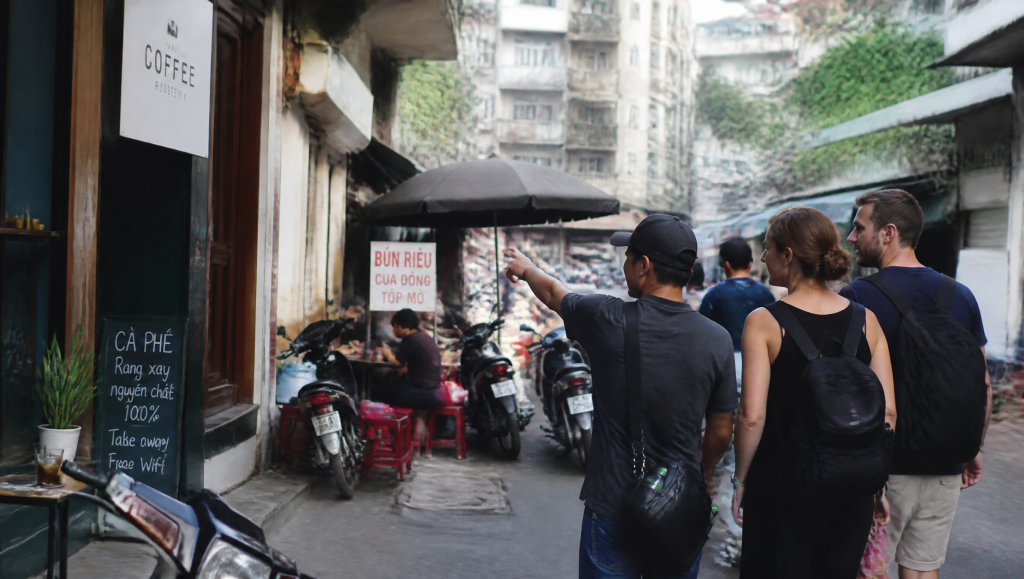
Is Ho Chi Minh City safe for travelers who want big-city energy without constant stress? For most visitors, yes, but the real win is knowing where the small risks live, like street theft, taxi overcharges, and chaotic traffic. Once you understand the rhythm of the city, you can move with confidence instead of hesitation.
Ho Chi Minh City, still called Saigon by many locals, rewards travelers who stay alert and travel smart. District 1 feels busy but manageable, while night markets, scooters, and late-night streets need a little more awareness. If you are planning a local-style trip, the easiest way to enjoy the city is to pair curiosity with practical habits and a calm pace. For a deeper local experience, you can also explore Vietnam Crazy Tour when you want the city with more insider flavor.
Featured answer: Ho Chi Minh City is generally safe for tourists, especially in central areas and daytime settings. Most problems are minor and avoidable, such as pickpocketing, fake taxi fares, and distracted walking near traffic. Travelers who use ride-hailing apps, keep valuables close, and avoid dark isolated streets usually have smooth, low-risk trips.
| Tiêu chí | Daytime Center | Nightlife Areas | Late Transport |
|---|---|---|---|
| Risk level | Low to moderate | Moderate | Moderate |
| Best move | Walk aware and keep bags zipped | Watch drinks and avoid empty streets | Use Grab or a trusted taxi |
If you want a softer, more guided way to experience the city, especially as a solo traveler, couple, or family, booking a curated route can remove a lot of guesswork. The smartest trips in Ho Chi Minh City are not the most cautious ones, but the ones where safety and spontaneity stay in balance. That is the real travel sweet spot.

Is Ho Chi Minh City Safe for Tourists?
Is Ho Chi Minh City safe for tourists depends less on danger and more on how you move through the city. For most first-time visitors, the real risks are petty theft, traffic, and tourist scams, not violent crime. If you stay alert in busy zones and use common sense, the city is very manageable.
The smart approach is simple: choose well-known areas, keep valuables close, and use trusted transport. That works especially well for solo travelers, couples, and families who want a local, adventurous trip without unnecessary stress. If you like exploring deeper, see all Vietnam tours for safer ways to discover the city with context.
Featured snippet: Ho Chi Minh City is generally safe for tourists, especially in Districts 1 and 3. The main concerns are pickpockets, scams, and chaotic traffic. Most visitors stay safe by avoiding flashy valuables, using Grab or reputable taxis, and being extra careful at night in crowded entertainment areas.
What safety really looks like in Districts 1, 3, and beyond is fairly practical. District 1 is the busiest and most tourist-friendly, with strong foot traffic, bright streets, and lots of hotels, cafes, and shops. District 3 feels calmer and more residential, which many visitors prefer for slower evenings and easier walking.
Mini insight: in this city, crowded usually means safer, while empty side streets at night can feel riskier simply because they are quiet and less predictable.
| Tiêu chí | District 1 | District 3 | District 2 |
|---|---|---|---|
| Daytime feel | Busy and easy to navigate | Quieter and local | Modern and relaxed |
| Best for | First timers and sightseeing | Cafes and slower stays | Expats and riverside visits |
When safety concerns usually show up for first-time visitors, it is often during small routine moments. A phone pulled out while crossing the street, an open bag in a crowded market, or a late ride after drinks are the classic weak spots. These are avoidable if you stay switched on and do not move like a distracted target.
Typical examples include motorbike snatches near curbside cafes, overcharging around nightlife streets, and confusion when tourists accept help they did not need. If you want a softer, experience-first way to explore local life, a local charity tour can add context while keeping the pace more controlled.
For most travelers, the answer to is ho chi minh city safe is yes, with normal city awareness. Daytime walking, app-based rides, and modest spending behavior go a long way. At night, stay in lit areas, travel in pairs when possible, and keep your route simple so the city stays exciting instead of draining.
If your trip includes food walks, markets, or nightlife, safety improves when you plan ahead rather than improvise every move. That means choosing a hotel in a central district, checking taxi apps before leaving, and carrying only what you need for the day. Strong trips here are built on small habits, not fear.
Final take: Ho Chi Minh City rewards travelers who are curious but not careless. It is lively, local, and very doable for solo travelers, couples, and families when you respect traffic, protect your belongings, and avoid unnecessary late-night wandering. For deeper cultural experiences beyond the usual tourist loop, Vietnam Crazy Tour can help you explore with more confidence.

Common Safety Risks in Ho Chi Minh City and How to Avoid Them
Is ho chi minh city safe for travelers? Yes, mostly, but the city rewards smart habits. The real risks are not violent crime; they are pickpocketing, bag snatching, street scams, and traffic that moves like a live chess game. If you understand those two pressure points, you can move through Saigon with a lot more confidence.
For adventurous visitors, this is good news. The city feels intense because it is active, not because it is hostile. Keep your bag in front of you, stay alert at crossings, and use trusted transport. That small shift changes the whole trip, especially for solo travelers, couples, and families who want local energy without unnecessary stress.
Featured snippet: Ho Chi Minh City is generally safe for tourists, but the most common risks are petty theft, street scams, and chaotic traffic. Avoid trouble by securing your bag, using ride-hailing apps, crossing streets with steady steps, and ignoring strangers who offer unofficial help.
Pickpocketing, Bag Snatching, and Street Scams
The most common issue in busy areas is opportunistic theft, especially around Ben Thanh Market, nightlife streets, and crowded sidewalks. A backpack worn loosely, a phone in the back pocket, or a bag hanging off a chair is an easy target. In Saigon, street hustle is normal, so confidence matters, but visible care matters more.
Simple habits work best: use a cross-body bag with zippers, keep cash split into small amounts, and hold your phone with two hands in dense traffic areas. If a vendor, driver, or passerby pushes a too-good deal, slow down and confirm the price first. That is also why many travelers pair city exploration with a trusted local operator like all Vietnam tours when they want fewer surprises.
Mini insight: scams here usually depend on distraction, not force. If something creates urgency, it deserves a second look.
Soft CTA: If you want to explore the city with more local flavor and less guesswork, a guided route can save time, energy, and money.
| Risk | Where It Happens | Best Move | Traveler Impact |
|---|---|---|---|
| Pickpocketing | Markets and crowds | Use zipped cross-body bags | Low if alert |
| Street scams | Taxi stands and tourist zones | Confirm price before service | Low to medium |
Traffic, Crosswalks, and Getting Around Safely
Traffic in Ho Chi Minh City is the other big safety story. Motorbikes fill the streets, lanes are flexible, and crosswalks are more of a suggestion than a shield. The city is navigable, but only if you move predictably. Run, freeze, or make sudden turns, and you make yourself harder to read for drivers.
The safest way to cross is simple: wait for a clear gap, walk at a steady pace, and do not stop mid-crossing. For longer rides, use Grab or a reputable taxi company rather than random street offers. This matters even more at night, when tired travelers are less focused and roads feel faster. If you like structured local exploration, Vietnam Crazy Tour can help turn chaotic logistics into a smoother day.
Mini insight: in Saigon, the safest traveler is usually the one who looks calm, moves clearly, and plans transport before stepping outside.
Strong CTA: For a city this alive, the best safety strategy is not fear. It is rhythm, awareness, and smart movement. Stay sharp, and Ho Chi Minh City becomes exciting for the right reasons.
How Safe Is Ho Chi Minh City at Night?
Ho Chi Minh City is generally safe at night for travelers who stay sharp, move with purpose, and choose the right streets. If you are asking is ho chi minh city safe after dark, the short answer is yes in the main nightlife zones, but the real risk is not violent crime. It is petty theft, distraction scams, and traffic that keeps everyone on alert.
For solo travelers, couples, and families, the city feels easiest when you keep evenings simple. Pick busy districts, use ride-hailing for longer hops, and avoid wandering into dark side streets after late dinner. A little structure makes the night feel relaxed, local, and still adventurous, which is exactly why many visitors love Saigon after sunset.
Featured snippet: Ho Chi Minh City is safe at night in busy, well-lit areas such as District 1 and District 3. Most problems are petty theft, taxi overcharging, and late-night street awareness. Use Grab, keep your phone secure, and avoid empty alleys. That simple routine makes nighttime travel much smoother.
Best Areas for Dining, Walking, and Going Out After Dark
District 1 is the easiest starting point because the streets stay busy, restaurants stay open late, and there is enough foot traffic to feel active without feeling chaotic. Nguyen Hue Boulevard works well for a relaxed walk, while rooftop bars and riverside venues give you a safer, more polished night out. If you want a softer local vibe, District 3 has café streets and dinner spots with less pressure than the backpacker zone.
District 2, especially Thao Dien, is another smart choice for couples and expats. It is calmer, more residential, and full of international dining, which makes it ideal if you want a chill evening instead of a high-energy party night. For travelers who want a deeper local angle, all Vietnam tours can help you pair dinner with a curated night experience, while still keeping transport simple and safe.
Quick decision guide:
| Area | Best for | Night feel | Best move |
|---|---|---|---|
| District 1 | Dinner, bars, walking | Bright and busy | Stay on main streets |
| District 3 and Thao Dien | Cafes, couples, quiet evenings | Relaxed and local | Use Grab after dinner |
Mini insight: the safer the street looks for dining, the better it usually is for returning to your hotel without stress. Soft CTA: if you like travel with a strong local pulse, check Vietnam Crazy Tour for options that fit a night-friendly itinerary.
Nighttime Safety Tips for Solo Travelers and Couples
Solo travelers should keep nighttime movement predictable. Book transport before you leave the venue, sit near light and activity, and keep one hand free for your phone and one for your bag. Couples can usually feel very comfortable in central areas, but the same rule applies: avoid empty corners, do not flash cash, and do not follow random offers from street promoters.
The most practical habits are simple:
- Use Grab or a trusted taxi after 9 pm
- Keep your phone in a zip pocket when walking
- Choose restaurants with visible crowds and staff
- Avoid quiet shortcuts, even if they look faster
- Stay extra alert near Bui Vien after late hours
If you want a more cultural evening, ghost and beliefs tours can be a smart way to experience the city with a guide instead of navigating unfamiliar streets alone. Strong CTA: for travelers who want local energy without losing peace of mind, book early, plan your return ride, and let the city stay exciting rather than unpredictable.
Is Ho Chi Minh City Safe Compared with Other Southeast Asian Cities?
Is Ho Chi Minh City safe for adventurous travelers? In most cases, yes, especially if you compare it with the other big Southeast Asian cities that first-time visitors usually worry about. The real story is not about violent danger. It is about traffic, petty theft, and how confidently you move through a city that never really slows down.
For solo travelers, couples, and families from Europe, North America, Korea, or Japan, the city feels busy but manageable. If you want a local-heavy trip with markets, cafés, river views, and late-night energy, Ho Chi Minh City can feel surprisingly comfortable once you learn the rhythm. Think of it as a place where smart habits matter more than fear.
Featured insight: Ho Chi Minh City is generally safe for tourists, but it asks for street awareness. Compared with many major cities in Southeast Asia, the main risks are non-violent: phone snatching, taxi overcharging, and hectic road crossings. Most visitors who stay alert, use ride-hailing apps, and avoid flashy behavior enjoy a smooth trip.
When people ask is ho chi minh city safe, the best answer is that it is safe enough for independent travel, but not the kind of city where you switch off completely. A simple plan works well: stay in central districts, move with purpose, and keep your valuables light. That approach turns the city from chaotic to manageable very fast.
Compared with Bangkok, Ho Chi Minh City feels a little rougher around the edges but often less overwhelming in terms of tourist targeting. Bangkok has stronger transport structure and more polished visitor zones, while HCMC gives you a more raw street-level experience. Bangkok can be easier for beginners, but Saigon often feels more authentic and easier to navigate once you accept the traffic pattern.
Compared with Phnom Penh, Ho Chi Minh City usually feels more organized, brighter at night, and more predictable for daily movement. Phnom Penh can be quieter, but some travelers find its side streets and transport less intuitive. HCMC has heavier traffic, yet it also has better ride-hailing coverage, stronger hotel zones, and more consistent tourist infrastructure.
Compared with Hanoi, the difference is mostly style. Hanoi can feel more compact and sometimes more intense in its old-quarter crowds, while Ho Chi Minh City spreads out more and has broader roads, modern districts, and a faster pace. Hanoi may feel cooler and more traditional; HCMC feels more open for people who like action, nightlife, and modern café culture.
| Criteria | Ho Chi Minh City | Bangkok | Phnom Penh |
|---|---|---|---|
| Street movement | Busy, fast, but easy with Grab | More structured transit | Slower but less predictable |
| Common traveler risk | Pickpocketing and scams | Scams in tourist zones | Transport and area awareness |
| Best fit | Adventurous city explorers | First-timers wanting comfort | Travelers who like quiet pace |
That comparison matters because it helps set the right expectation. If you want polished and relaxed, Bangkok may feel easier. If you want a city that feels local, lively, and a little wild in a good way, HCMC delivers more character. It is also a strong base for travelers who like to mix food hunting, cafés, and cultural stops in one compact trip, especially if you explore options from all Vietnam tours.
The people who usually feel most comfortable here are solo travelers with decent street confidence, couples who enjoy urban energy, and families who prefer guided movement over random wandering. Expats and repeat Asia travelers adapt quickly because the city rewards awareness. If you already know how to cross a busy road, keep your phone tucked away, and confirm prices before a ride, you are in good shape.
These travelers often enjoy staying near District 1 or District 3, where restaurants, hotels, and attractions are close together. That reduces friction and makes the city feel safer, especially after dark. Many also appreciate how easy it is to combine modern city life with deeper cultural experiences, from markets to heritage sites to local neighborhoods. For visitors who want something more immersive, Vietnam Crazy Tour experiences can add structure without killing the adventure.
If you are the kind of traveler who likes high-energy places, HCMC can feel very rewarding. You can spend the morning at a local café, the afternoon in a museum or market, and the evening in a rooftop bar or street-food lane. The city is not gentle, but it is welcoming to people who move smartly. That is the key difference. Ho Chi Minh City does not hide its chaos. It teaches you how to travel through it.
Quick decision guide:
- Choose Ho Chi Minh City if you want energy, food, and a local street feel
- Choose Bangkok if you want easier first-time navigation and stronger transit
- Choose Phnom Penh if you prefer a slower, less crowded city break
- Choose Hanoi if you want old-world charm and a more traditional urban mood
In short, Ho Chi Minh City is safe enough for most visitors, including adventurous solo travelers and couples, as long as they stay alert and travel with common sense. It is not the softest city in the region, but it is one of the most exciting. Book a well-planned route, keep your expectations realistic, and the city will reward you with the kind of local buzz that makes a trip unforgettable.
If you want to explore Vietnam with fewer logistics and more confidence, start with a guided city plan and then scale up the adventure. That is the smartest way to enjoy Saigon without missing the fun. For travelers who want deeper local flavor, strong pacing, and a smoother experience, the next step is simple: check the best routes and build your trip around the neighborhoods that fit your style.
Safety Tips, FAQs, and Final Travel Advice
Is Ho Chi Minh City safe is the question most first-time visitors ask before landing in Saigon, and the short answer is yes, if you travel with street-smart habits. The city feels intense at first, but the real risks are usually petty theft, traffic confusion, and small scams rather than serious violence.
For solo travelers, families, women, and digital nomads, the key is not fear but preparation. Stay in central areas, use trusted transport, and avoid looking lost with your phone in hand. If you want a more local experience without chaos, a curated day out with Vietnam Crazy Tour can help you explore deeper while keeping the logistics simple.
Featured snippet: Ho Chi Minh City is generally safe for tourists, including solo travelers and families, when they use common-sense precautions. The main issues are traffic, pickpockets, and taxi scams. Stay in busy districts, keep valuables secure, and use ride-hailing apps after dark.
Common mistakes tourists make in Ho Chi Minh City often come from moving too casually in a high-energy city.
Most problems start when visitors treat every street like a quiet European boulevard. In Saigon, keep your bag zipped, do not flash cash, and never assume a cheap taxi is a good deal. A quick reality check can save you time, money, and stress.
| Tip | What tourists do | Better move | Why it helps |
|---|---|---|---|
| Transport | Hail random taxis | Use Grab or trusted firms | Reduces overcharging and route stress |
| Street behavior | Walk while staring at phone | Pause near walls or storefronts | Helps you avoid snatch theft and traffic mistakes |
| Food and water | Drink tap water | Choose sealed or filtered water | Prevents stomach trouble on long trips |
One practical rule for safer sightseeing is to plan your day around density. District 1, District 3, and well-known expat zones are easier for beginners because the streets are active, lighting is better, and help is nearby. If you want a more adventurous local angle, book experiences that already include route planning, timing, and local context through all Vietnam tours.
FAQ: Is Ho Chi Minh City safe for solo travelers, families, women, and digital nomads? Yes, with normal precautions. Solo travelers usually do well in busy central districts and should avoid isolated lanes late at night. Families benefit from short rides, early evenings, and familiar hotel areas. Women often find the city manageable and welcoming, while digital nomads appreciate the café culture, but all groups should stay alert in crowds and on motorbikes.
For a solo traveler, the smartest approach is simple: book accommodation in a central area, move by app-based transport, and keep one hand free on your bag. For families, the city works best when sightseeing is clustered, so children are not dragged across traffic-heavy zones. For women and remote workers, the biggest win is choosing neighborhoods with foot traffic, bright storefronts, and easy access to food, ATMs, and transport.
Final travel advice: trust the city, but do not switch off your awareness. Ho Chi Minh City rewards curious travelers who move with confidence, dress lightly, stay hydrated, and respect the pace of the streets. If you want to turn safety into a smooth local adventure, the best trips are the ones that mix smart planning with a little controlled chaos, the kind that makes Saigon unforgettable.
Before you go, keep this checklist in mind: use a cross-body bag, carry cash in small amounts, save offline maps, confirm fares before riding, and drink bottled water. Those five habits remove most of the friction and let you focus on the city’s best side, from food stalls to café corners to riverfront nights. If you are ready for a deeper, safer, more local experience, start with a route that matches your pace and comfort level.
Overall, is Ho Chi Minh City safe for your trip? For most visitors, yes. It is a lively big city with manageable risks, strong tourism infrastructure, and plenty of room for memorable, low-stress travel when you stay alert and make smart choices.
