
Vietnamese Nap Culture: Why Midday Rest Still Matters
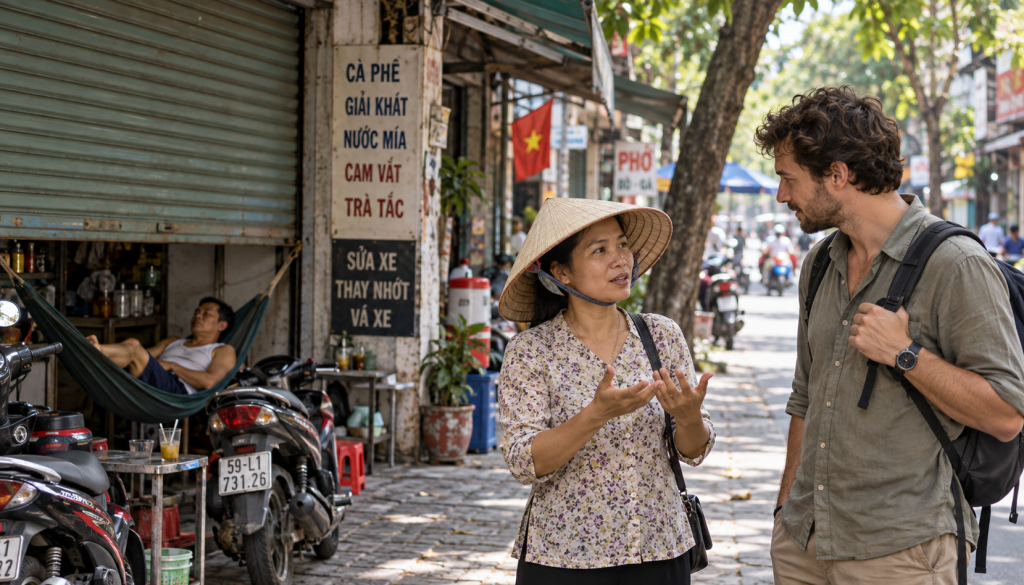
Vietnamese nap culture can surprise visitors who expect a city to stay in motion all day: at noon, a shopkeeper may lower a shutter, an office worker may rest at a desk, and a motorbike driver may doze in the shade. This pause is more than a handy break. It reflects how people adapt daily routines to early starts, lunch schedules, and the hottest hours.
For curious travelers, noticing this quiet interval offers a more local view of Vietnam than simply ticking off landmarks. The habit grew from rural work rhythms and now varies between homes, street businesses, and modern offices. On a locally led Vietnam tour, you may see how lunch pauses shape the streetscape; understanding the custom also helps you plan errands, meals, and sightseeing around the midday lull.
What Is Vietnamese Nap Culture?
Vietnamese nap culture is the everyday habit of resting or sleeping after lunch, usually during the warmest part of the day. It is a practical pause between morning and afternoon activities, not a special event or a sign that a place is unwelcoming. The break may last a few minutes or around half an hour, depending on the person and their schedule.
How the midday nap fits into daily life
Many people start early, eat lunch around midday, then take a short rest before returning to work, study, or errands. In a busy city, a shopkeeper might lower the shutters while family members rest nearby; elsewhere, an office worker may recline at a desk. For visitors, this can explain why a small business is quiet or temporarily closed around lunchtime.
Where you may see it
| Setting | Typical rest | What visitors may notice | Best response |
|---|---|---|---|
| Home or shop | A quiet break after lunch | Shutters partly closed | Return later if needed |
| School or office | A brief rest at a desk or on a mat | Quieter rooms and reduced activity | Keep noise low |
Homes, family-run shops, schools, and offices all shape the habit differently; there is no single national nap schedule. The useful travel insight is simple: plan flexible lunch-hour errands, especially when visiting neighborhood businesses. Exploring with a local guide can add context to these everyday rhythms, and Vietnam Crazy Tour experiences offer a way to see local life beyond the usual landmarks. Browse the available Vietnam tours to plan your next adventure.
How Vietnamese Nap Culture Took Shape
Vietnamese nap culture grew from a practical response to intense midday heat and long working days. In rural communities, farmers often began before sunrise, rested during the hottest hours, then returned to the fields when the sun eased. A short sleep was less a luxury than a sensible way to conserve energy.
That rhythm still appears in daily life, though modern schedules have changed where and how people rest. For curious travelers, noticing the quiet pause can reveal more about local routines than any museum label.
Why the midday break took root
Before widespread air conditioning, shade, a cool floor, or a hammock offered relief from the heat. After lunch, farm workers could rest before the demanding afternoon shift. The habit later moved into workshops, shops, and offices, where a desk, folding mat, or parked motorbike might become a makeshift nap spot.
Featured insight: Vietnamese midday naps developed around heat and early work schedules. Farmers paused during the hottest part of the day, then resumed fieldwork later. Today, people may nap at home, in an office, or in a quiet corner after lunch. The setting has changed, but the practical aim remains: recharge before the afternoon.
From rural routine to modern city
Urbanization, air conditioning, and office jobs have made the tradition more flexible. Some workplaces provide rest areas; others have short lunch breaks or customer-facing hours that leave little room to sleep. In busy cities, a quick desk rest may replace the longer pause once shaped by fieldwork.
| Setting | Typical rhythm | What changed | Local clue |
|---|---|---|---|
| Rural work | Rest during peak heat | Outdoor labor shaped the break | Shade or a field shelter |
| Urban work | Short rest after lunch | Cooling and work hours vary | Office mats or quiet shops |
When exploring, keep midday plans flexible: a small shop may close briefly, while a market street stays lively. Join a locally guided Vietnam tour to see everyday neighborhoods respectfully, rather than treating a resting worker as a photo prop. For independent travelers, this pause is a useful cue to slow down, find lunch, and return to the streets later.
Vietnamese nap culture is not disappearing; it is adapting to different jobs and city life. Build a relaxed midday break into your own itinerary, and discover Vietnam at a pace that leaves room for both local rhythms and adventure.
Vietnamese Nap Culture in Modern Life and Workplaces
Vietnamese nap culture is easiest to spot just after lunch, when the pace of a street or workplace can briefly soften. For visitors, the surprise is not simply that people sleep, but how practical the rest can be: a mat beside a desk, a quiet classroom, or a hammock in a shaded shop.
A typical midday rest happens between about noon and 1:30 pm and often lasts 15 to 30 minutes. People may nap on a floor mat, lean back in a chair, or rest at a desk; the setting depends on the job, available space, and daily schedule.
Quick guide: In Vietnam, a midday nap is usually a short rest after lunch, often taken around noon or early afternoon. Students may use a classroom desk, office staff a floor mat or chair, and outdoor workers a shaded resting spot. Timing and access vary by school, workplace, season, and city.
How different people fit in a nap
There is no single routine. Students may close their books and nap at their desks between classes, while construction or delivery workers rest during a lunch break. Shop owners may take turns resting nearby so the business can stay open; office employees might switch off lights and use a mat beside their workstation.
| Group | Typical timing | Familiar place | Common approach |
|---|---|---|---|
| Students | Lunch break | Classroom desk | A brief rest between lessons |
| Outdoor workers | Midday meal break | Shaded rest area | Rest before afternoon work |
| Shop owners | When business allows | Back of the shop | Take turns or rest nearby |
| Office employees | After lunch | Desk or shared room | Use a mat, chair, or quiet corner |
For travelers, the mini insight is that a shop with its shutter partly down or a quiet office floor at lunchtime may reflect a pause, not a permanent closure. Local routines vary, so check opening hours before making plans. To notice these everyday details beyond the main sights, explore local Vietnam experiences with Vietnam Crazy Tour.
Want to experience the city at street level, with its working rhythms and unexpected local corners? Plan an adventurous Vietnam tour with Vietnam Crazy Tour and see daily life up close.
Benefits, Limits, and Cultural Comparisons
What a Midday Rest Can—and Cannot—Do
Vietnamese nap culture offers a practical pause in the hottest part of the day, when an early start and busy morning can leave people low on energy. A short rest may help some people feel more alert for the afternoon, but it is not a universal rule or a guaranteed productivity boost. Needs, schedules, and comfort differ.
In everyday life, the pause might mean an office worker resting at a desk or a shopkeeper briefly closing the door after lunch. For visitors, this can explain why a neighborhood feels quieter or a small business is temporarily unavailable around midday. When exploring with Vietnam Crazy Tour, allow a little flexibility rather than expecting every local stop to follow a fixed schedule.
In brief: A Vietnamese midday rest is a flexible recovery break, often shaped by heat, work, and routine. It may refresh some people, while others prefer to stay awake. Its timing and length vary, and it should not be treated as identical to a formal lunch break or a traditional siesta.
| Feature | Vietnamese midday rest | Typical lunch break | Siesta tradition |
|---|---|---|---|
| Main purpose | Rest and reset during the day | Meal and personal time | Midday pause, sometimes including sleep |
| How it varies | Depends on person, workplace, and heat | Usually set by schedule or employer | Practices differ by place and season |
The useful takeaway is simple: notice the rhythm, but do not assume everyone naps or every business closes. For a closer look at local life beyond the busiest hours, explore Vietnam travel experiences and plan your day with room to adapt.
Nap Etiquette, Common Questions, and Traveler Tips
Vietnamese nap culture can be easy to misunderstand if you see someone asleep on a hammock, a shop chair, or a motorbike seat. Around midday, heat and early starts make a short rest practical, but it is not a rule everyone follows. Knowing when to give people space helps you travel respectfully.
A nap is usually a private break, even when it happens in a visible place. Avoid photographing someone without permission, speaking loudly beside a resting person, or assuming a worker is being careless. In a family home or small business, follow your host’s lead before settling down yourself.
Quick answers: Many midday rests last about 15 to 30 minutes, though routines and nap length vary. Napping is common in some Vietnamese offices and workplaces, but not universal. Visitors may rest during the day, especially in the heat, but should choose their hotel, a permitted lounge, or another quiet place rather than occupying a business or shared workspace.
- At a café: Ask staff before reclining or staying through a busy period.
- On a local walk: Keep voices low near people resting in parks or under shop awnings.
For travelers who enjoy seeing everyday life beyond the usual checklist, Vietnam Crazy Tour experiences can add local context to the day. Use this simple comparison to decide what is considerate:
| Situation | Good choice | Avoid | Why |
|---|---|---|---|
| Someone resting at work | Wait or speak quietly | Taking a close-up photo | Respect their break |
| You need a midday rest | Use your hotel or ask first | Sleeping in a busy shop | Space may be needed for customers |
The small pauses are part of the travel picture too: notice when streets quieten, when shops reopen, and how people adapt to the heat. To explore more thoughtfully planned local journeys, browse Vietnam tour options and let the rhythm of the day guide what you discover.