Danh mục: Food & Drink

  • Da Nang Food Guide 2026: What Locals Eat First

    Da Nang Food Guide 2026: What Locals Eat First

    Da Nang food guide is your fastest way to eat smart in a city where the best bites hide in plain sight, from tiny street stalls to busy seafood spots by the beach. If you land hungry and do not know where to start, this chapter gives you a clear path: what to eat first, how local meals work, and how to avoid tourist traps while still keeping the trip fun.

    For first-time visitors, the challenge is not finding food, it is choosing the right food before your stomach runs out of room. In Da Nang, that means balancing fresh seafood, central Vietnam noodles, crispy street snacks, and sweet local treats. If you want a Vietnam crazy tour kind of experience, the best move is to eat where locals gather, then build your day around one strong meal at a time.

    Tiêu chí Street food Seafood Cafe snacks
    Best for Quick local flavor Big dinner with friends Light break and coffee
    Good choice when You want value and speed You want fresh catch You need a slow reset

    The short answer: start with one noodle bowl, one seafood meal, and one snack stop, then let the city surprise you. That is the real Da Nang food guide formula for solo travelers, couples, families, and adventurous visitors who want local flavor without wasting time.

    What Makes Da Nang’s Food Scene Worth Exploring

    What Makes Da Nang’s Food Scene Worth Exploring

    Da Nang food guide searches usually come from travelers who want more than a checklist of famous dishes. They want the real city on a plate: bold flavors, local prices, fast-moving street stalls, and meals that feel tied to the coast. That is exactly where Da Nang wins.

    The city sits between central Vietnam traditions, a long seafood coastline, and a daily street food rhythm that never feels staged. For first-time visitors, that mix can be confusing at first, but it is also the reason the food scene is so rewarding. One bowl, one grill, one coffee stop can show you how locals actually eat.

    Featured snippet: Da Nang food is worth exploring because it combines central Vietnamese recipes, fresh seafood, and a strong street food culture. Travelers can eat well at simple local spots, compare flavors across neighborhoods, and experience a city where everyday meals feel fresh, affordable, and deeply regional.

    What defines Da Nang cuisine and local flavor

    Da Nang cuisine is not about one signature dish alone. It is a practical, coastal style of eating built around freshness, balance, and speed. You will see clear broth noodles, rice-paper rolls, grilled seafood, and snacks that are easy to share after a beach walk or a long day of sightseeing.

    For example, a local breakfast might be a noodle bowl with herbs and fish cake, while dinner may shift to clams, squid, or grilled oysters near the shore. The mini insight here is simple: the city rewards travelers who follow where locals go, not where the menu looks most polished. If you want a deeper local travel flow, browse all Vietnam tours for ideas that fit food-first planning.

    Tiêu chí Street food Seafood dining Cafe culture
    Best for Quick local meals Fresh coastal flavors Slow mornings
    Travel value Low cost, high authenticity Great for sharing Good for people watching

    The food culture context: central Vietnam, sea, and street food

    Central Vietnam shapes the flavor profile, so dishes in Da Nang often feel brighter, saltier, and more direct than the food some travelers expect in the south. The sea adds another layer with fish, shellfish, and crab showing up in everyday meals, not just special occasions. That is why the city feels adventurous without being hard to navigate.

    Street food ties everything together. You can move from a busy morning market to a tiny noodle stall, then finish with avocado ice cream or sweet soup in the evening. For soft planning help, check Vietnam Crazy Tour before you build a food day around the city. If you like cultural layers beyond eating, a ghost culture tour can also add a different local lens to your trip.

    For solo travelers, couples, and families, this is the real advantage: Da Nang offers easy wins. The food is approachable, the prices are friendly, and the local rhythm makes it simple to try something new without pressure. End the day with seafood by the beach, and you will understand why so many travelers keep the city on their return list.

    Strong CTA: If you want a Da Nang trip that balances local food, beach time, and cultural depth, explore the full Vietnam Crazy Tour collection and start planning a route that feels both real and memorable.

    Must-Try Dishes in a Da Nang Food Guide

    Da Nang food guide travelers usually want the real local hits fast, without wasting meals on tourist traps. The city makes that easy if you know which bowls, pancakes, and seafood stalls actually matter. For first-time visitors, the challenge is not finding food, it is choosing the right dishes, the right timing, and the right style of eating.

    Here is the short answer: focus on noodle soups, rice crackers, crepes, bread rolls, seafood, and sweet local snacks, then eat them where locals queue. That simple approach gives you the best balance of flavor, value, and atmosphere, especially if you are exploring with family, a partner, or solo and want a safe but adventurous plan.

    Featured snippet: The must-try dishes in Da Nang are bún chả cá, mì Quảng, bánh xèo, bánh mì, seafood, and sweet desserts like chè. Start with one noodle dish, one street snack, and one seafood meal. That mix shows you the city’s coastal flavor, central Vietnam seasoning, and local eating rhythm in just one day.

    Signature dishes you should not miss

    If you only eat three things, make them bún chả cá, mì Quảng, and bánh xèo. Bún chả cá is the coastal comfort bowl, with light broth, fish cake, herbs, and a clean finish that works well for breakfast. Mì Quảng is richer and more textured, with turmeric noodles, peanuts, greens, and a small amount of broth that keeps it bold, not heavy.

    Bánh xèo gives you the fun factor because you wrap the crispy crepe with herbs and lettuce, then dip it into sauce. For a soft conversion moment during a food-focused trip, this is the kind of meal that pairs well with a local Vietnam tour list if you want help finding the best neighborhood stops without overthinking the route.

    • Bún chả cá: best for breakfast or a light lunch
    • Mì Quảng: best when you want a filling midday bowl
    • Bánh xèo: best for sharing and slow eating

    Mini insight: locals do not chase the most expensive place. They chase freshness, speed, and a kitchen that keeps the flavor direct.

    Tiêu chí Bún chả cá Mì Quảng Bánh xèo
    Best time to eat Morning Lunch Afternoon or dinner
    Eating style Slurp and season Mix noodles and greens Wrap, dip, share

    For travelers who like local flavor with less guesswork, this is also the point where a planned food stop can save time, especially if you are moving between beach, market, and old-town style neighborhoods. If you want a broader trip framework, Vietnam Crazy Tour home can help you connect food with the rest of the city experience.

    Local ingredients, flavors, and eating styles

    Da Nang dishes lean on seafood, rice, herbs, peanuts, banana leaves, and light broths. The flavor is usually clean, savory, and slightly sweet, with chili, lime, and fish sauce added at the table. That means your meal is not fixed when it arrives; you finish it yourself, and that is part of the charm.

    Eating style matters as much as the dish. Locals often share plates, add herbs in stages, and keep meals moving quickly at busy stalls. For a family or couple, this is useful because it turns one stop into a tasting session. Try seafood in live-tank restaurants, then finish with chè or avocado ice cream near a market for contrast.

    • Use herbs to brighten soups and crepes
    • Add lime and chili only after the first sip
    • Order one salty dish and one sweet dish together

    Soft CTA: if you like this kind of street-level experience, a guided local walk can make ordering easier and help you avoid random tourist pricing.

    Strong CTA: build your Da Nang food route around the city’s real eating rhythm, not just famous names. Start early, eat locally, and mix one bowl, one wrap, and one sweet stop in the same day for the full Da Nang hit.

    How to Eat Like a Local in Da Nang

    Da Nang food guide starts with timing, not just taste. If you want the real local rhythm, eat early for breakfast noodles, late for coffee, and after dark for street-side snacks. The city rewards travelers who follow the crowd instead of hunting for polished restaurants first.

    For adventurous solo travelers, couples, and families, the trick is simple: choose busy stalls, sit where locals sit, and order what moves fast. That is how you get fresher food, better value, and a more authentic local food experience in Da Nang without wasting time on tourist traps.

    Featured snippet: Eat like a local in Da Nang by following three rules. Go at local meal hours, choose neighborhoods with dense street food traffic, and order dishes that are meant to be shared. In practice, that means breakfast bowls before 9 a.m., seafood or rice dishes at lunch, and snack runs around 7 p.m. to 10 p.m.

    Best times and neighborhoods matter more than many first-time visitors expect. Around Chợ Cồn and Chợ Bắc Mỹ An, you will find the strongest street food habits, especially for quick bowls, sweet soups, and avocado ice cream. In the beach corridor near Mỹ Khê, seafood places open later and stay busy with families, while inland streets near the city center are best for coffee, bánh mì, and casual lunch spots.

    Use this simple decision table when you are hungry and want the local version of the city, not the glossy one.

    Tiêu chí Cột 1 Cột 2 Cột 3
    Breakfast 7 a.m. to 9 a.m. Bún chả cá Fast, hot, local
    Evening 6 p.m. to 10 p.m. Seafood or snacks Shared, social, lively

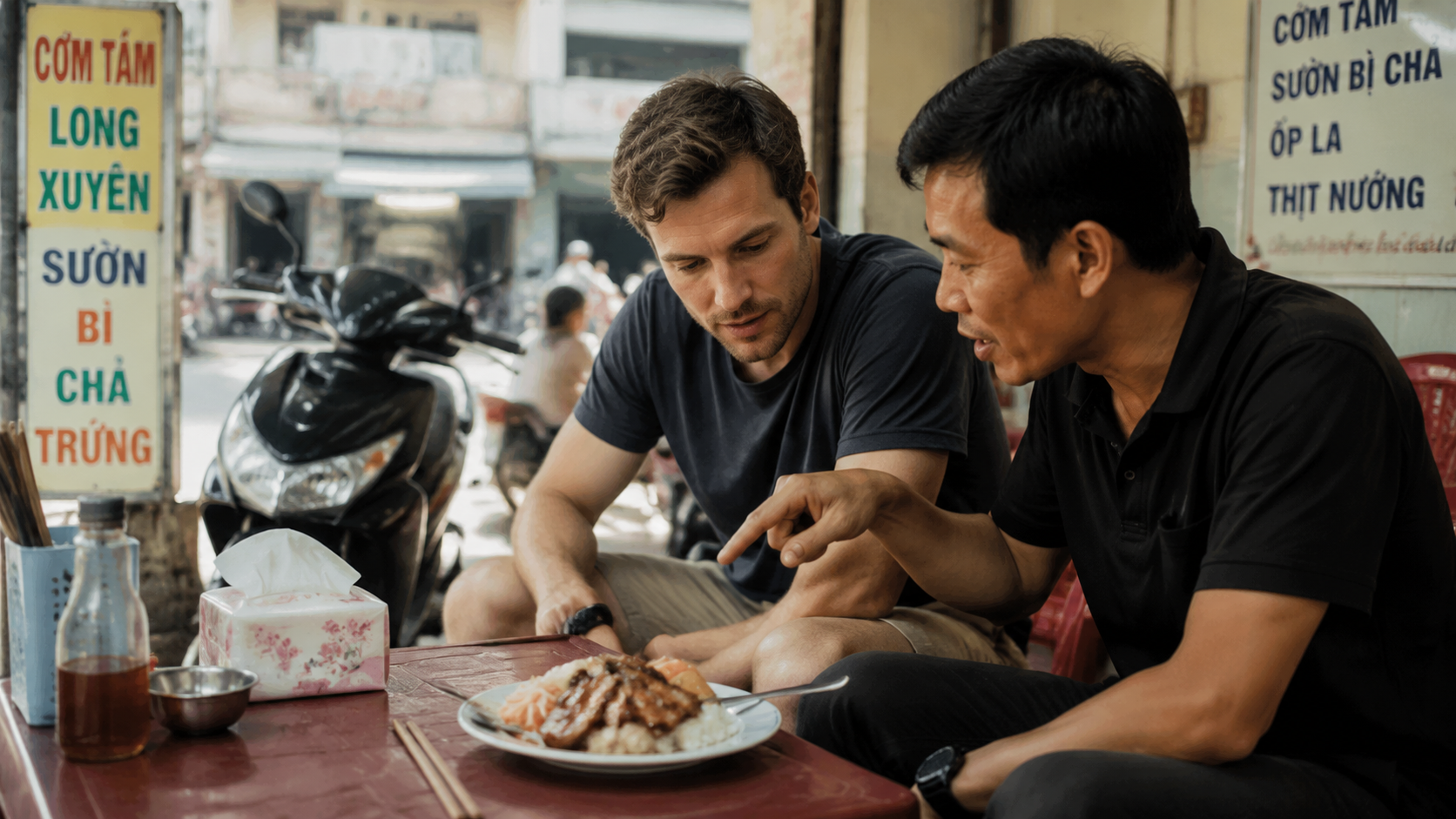
    How locals order is the real shortcut to eating well. Vietnamese meals often arrive family-style, so one table may split several dishes, add rice on the side, and finish with tea or coffee. If you want to blend in, point at the menu item, keep your order short, and do not overcomplicate the exchange. A friendly smile goes a long way, especially at smaller stalls.

    Small insight: many Da Nang locals do not treat food as a single main dish. They build the meal around the setting. A lunch plate may be quick and filling, while dinner becomes social and slow. If you want a smooth first meal, browse our Vietnam tours for food-friendly routes that match your pace and neighborhood style.

    When sharing, remember the local habit is simple and practical. Tear bánh xèo into pieces, dip seafood in sauce together, and try a little of everything instead of guarding one plate. For travelers who want more culture with their food, see Vietnam Crazy Tour for authentic trip ideas that pair street eats with real local life.

    In Da Nang, eating well means reading the room. If the stall is full of workers, students, or multigenerational families, you are probably in the right place. Follow the busy tables, order the house specialty, and let the city set the pace. That is the easiest way to turn a meal into a memory, and the most reliable way to enjoy Da Nang like someone who lives here.

    Where to Find the Best Food in Da Nang

    Where to Find the Best Food in Da Nang

    Da Nang food guide starts with one simple rule: pick the area that matches the kind of meal you want, not just the dish you want. If you are chasing the most local bite, the city can feel confusing at first, because markets, seafood streets, and casual eateries all look good in different ways.

    The smart move is to compare them by freshness, price, comfort, and speed. Markets are best for snack-hopping, seafood spots work for a long sit-down dinner, and casual eateries deliver the everyday food locals actually eat. That is the easy way to avoid tourist traps and still keep the trip fun.

    Featured snippet: The best food areas in Da Nang depend on your goal. Choose markets for cheap local snacks, seafood streets for fresh coastal meals, and casual eateries for reliable everyday dishes. If you want the fastest win, start with one market meal, one seafood dinner, and one neighborhood noodle shop.

    For adventurous travelers, the strongest choice is often the one with the most movement. At markets, you can try several bites in one stop, while seafood places often shine after sunset when the tanks are full and the tables are busy. Casual eateries are the most practical option for families, solo travelers, and couples who want a clean, easy meal without pressure.

    Here is the quick breakdown:

    • Markets: best for bún chả cá, bánh xèo, chè, and kem bơ, but expect noise and limited English.
    • Seafood spots: best for clams, crab, oysters, and grilled fish, but expect market pricing and longer waits.
    • Casual eateries: best for mì Quảng, bánh mì, and rice dishes, with faster service and better value.

    One mini insight: if a place is packed with local workers around lunch, that is usually a strong signal that the kitchen is doing something right. For an easier planning shortcut, pair your food crawl with all Vietnam Crazy Tour options when you want a guided local rhythm, or use the Vietnam Crazy Tour homepage to explore trip ideas before you go.

    Pros and cons are straightforward. Markets give you variety and the rawest local energy, but they can be hot and chaotic. Seafood streets offer the best freshness and a proper coastal vibe, but prices may rise if you do not ask clearly. Casual eateries are the safest for repeat meals, especially if you want predictable quality and a fast turnaround.

    Tiêu chí Markets Seafood spots Casual eateries
    Best for Snack variety and cheap local bites Fresh seafood dinners and group meals Daily dishes and easy first-time choices
    Trade-off Busy, hot, and less polished Higher cost and longer wait times Less variety, but more reliable comfort

    For first-time visitors, the best strategy is to do one market breakfast, one casual lunch, and one seafood dinner. That gives you a balanced Da Nang food guide experience without overplanning. If you like deep local discovery, a food-focused night out can also pair well with a cultural route through ghost and beliefs tours when you want a different side of Vietnam after dark.

    If you want the safest answer, go where locals are eating, ask for the daily special, and keep one flexible meal slot open. That way you get flavor, value, and a real Da Nang feel, not just a checklist of famous names. For travelers who want to turn food exploration into a fuller trip, book early and build the route around your appetite, not around hype.

    Da Nang Food Guide Tips, Common Mistakes, and FAQs

    Da Nang food guide planning starts with one simple rule: eat where the crowd looks local, the kitchen turns tables fast, and the menu feels short enough to trust. For first-time visitors, the real challenge is not finding food, but avoiding the tourist traps that waste time, money, and stomach comfort. A smart food trip in Da Nang keeps things adventurous without getting messy.

    Most solo travelers, couples, and families can enjoy the city safely if they know what to order, how much to budget, and when to walk away. This chapter gives you the practical side of the Da Nang food guide, so you can eat well near the beach, in alley spots, or at casual seafood places with zero guesswork.

    Food safety in Da Nang is usually good at busy stalls, but the safest move is to choose food that is cooked fresh and served hot. Look for clean chopsticks, active turnover, and ingredients stored away from the sun. If the seafood is displayed in live tanks or the broth is boiling when it hits the bowl, you are in a much better position. For more planned travelers, a trusted local experience like all Vietnam Crazy tour options can help you balance street food with comfort.

    Budget-wise, local dishes can stay very affordable if you order like a local. A bowl of noodle soup, bánh mì, or a dessert snack may cost only a few dollars, while seafood can jump fast based on weight and cooking style. A simple rule works well: casual breakfast and lunch for value, seafood dinner for the splurge. If you want a cultural evening after food, ghost culture tours can add a different side of Vietnam to your trip.

    Featured snippet: In Da Nang, eat at busy local spots, ask seafood prices before ordering, and keep your daily food budget flexible. Street food is usually cheap, seafood is the biggest variable, and hot dishes are the safest choice for travelers.

    Tiêu chí Best Choice Avoid Why It Matters
    Street food safety Busy stall with hot food Quiet stall with food sitting out Faster turnover usually means fresher ingredients
    Seafood ordering Ask price by kilo first Order before confirming cost Seafood bills can rise quickly

    Common ordering mistakes are easy to avoid once you know the rhythm. Do not assume every menu size is for one person, because rice dishes and noodle bowls can be larger than expected. Do not forget to ask whether the price is per portion or per kilogram, especially with crab, clams, and grilled shellfish. And do not over-order in the first place, because Da Nang food is rich, layered, and more filling than it looks.

    If you are planning a food trip with kids, keep the pace slow and mix heavier meals with lighter snacks like avocado ice cream or chè. Couples and solo travelers often do best with a street breakfast, café break, seafood dinner rhythm, because it gives you room to explore without rushing. That is where a soft local itinerary helps, especially if you want food plus beach time in one day.

    FAQ: what to eat, how much to spend, and how to plan your food trip

    What should I eat first in Da Nang? Start with mì Quảng, bún chả cá, bánh mì, and one seafood meal. These give you a clean mix of noodles, street food, local flavor, and coastal dining. If you only have one day, choose one breakfast bowl, one snack, one dinner.

    How much should I budget per day? A comfort-level food budget for most travelers is modest if you focus on local dishes. Street meals are inexpensive, café drinks are mid-range, and seafood is the main splurge. For a balanced day, set a flexible budget that covers three meals, one drink stop, and one dessert.

    How do I plan a food trip without wasting time? Group your meals by area, keep breakfast near your hotel, and save seafood for sunset or evening. The easiest rhythm is local breakfast, beachside lunch, café break, then dinner at a well-reviewed spot. If you want a broader Vietnam escape after Da Nang, you can also browse Vietnam Crazy Tour home for more trip ideas.

    Final tip: trust busy places, ask before you commit, and stay flexible with your appetite. That is the simplest way to turn a Da Nang food guide into a smooth, tasty, low-stress adventure.

    Ready to eat smarter in Da Nang? Use this chapter as your quick filter, then book one trusted local experience, keep one meal open for discovery, and let the city surprise you with the rest. The best food trip is the one that feels spontaneous, local, and easy to enjoy from the first bite to the last coffee.
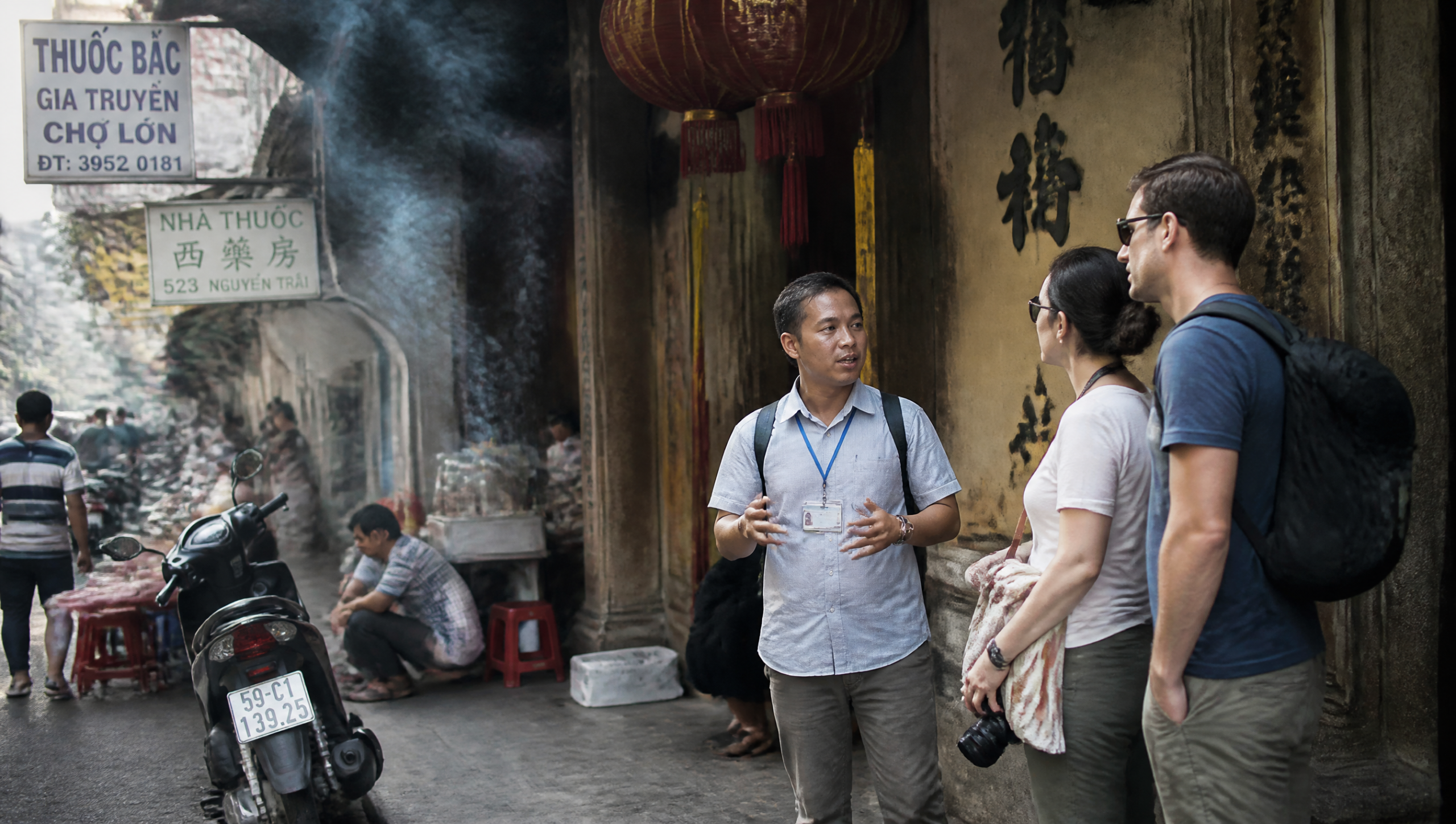
  • Things to do in Chinatown Cholon: 2026 Local Picks

    Things to do in Chinatown Cholon: 2026 Local Picks

    Things to do in Chinatown Cholon is the kind of search that usually means you want the real street-level experience, not a polished tourist loop. Cholon is busy, layered, and a little chaotic in the best way, so the first challenge is knowing where the culture is strongest and how to move through it without wasting time.

    That is exactly what this guide solves: clear local picks, practical pacing, and smart stops for food, temples, and old-market atmosphere. If you are planning a half-day or full-day visit, things to do in Chinatown Cholon become much easier when you focus on the places that still feel alive, not the ones that only look good on a map.

    Featured snippet: Chinatown Cholon is Ho Chi Minh City’s historic Chinese quarter, best known for temples, markets, herbal shops, and local food streets. The best way to explore it is to pair one cultural stop, one market stop, and one food stop, so the visit feels balanced, efficient, and truly local.

    Tiêu chí Quick Visit Deep Local Trip Best For
    Time needed 2 to 3 hours 4 to 6 hours Solo travelers
    Experience style Top highlights only Temples, markets, food stops Couples and families

    A smart way to start is by anchoring your route around a guided local experience, especially if you want context behind the temples and street life. A flexible option like all Vietnam Crazy Tour experiences can help you build a route that feels smooth instead of random, and it is a strong fit if you prefer local depth over surface-level sightseeing.

    Mini insight: Cholon rewards travelers who slow down for small details, like incense smoke, old shop signs, and morning market rhythms. If you love adventurous city exploring, this district gives you that raw, lived-in energy, and if you want a more meaningful cultural angle, pairing it with ghost and beliefs tours can add the kind of backstory that makes the whole area click.

    For visitors who want the area to feel less like a maze and more like a story, a local operator can save time and make the day flow better. The Vietnam Crazy Tour homepage is a useful starting point for planning, especially if you are traveling as a couple, with family, or on your own and want a route that matches your pace.

    By the end of this guide, you will know how to choose the best things to do in Chinatown Cholon without overpacking the day or missing the good stuff. That means better food stops, better photos, and a much better feel for one of the most character-rich neighborhoods in Ho Chi Minh City.

    What Makes Chinatown Cholon Worth Visiting

    What Makes Chinatown Cholon Worth Visiting

    things to do in Chinatown Cholon often starts with one simple idea: this district feels alive in a way that many city neighborhoods do not. Cholon is not a polished tourist set piece. It is a working local area where temples, wholesale streets, family-run shops, and old food traditions still move with real daily rhythm. That mix is exactly why first-time visitors, solo travelers, couples, and families keep adding it to their Ho Chi Minh City plan.

    If you want a place that gives you culture without feeling staged, Cholon delivers that balance fast. You can walk from incense-filled temple courtyards to stacked medicine shelves, then end with noodles, roasted duck, or sweet soups in a market lane. For travelers who like local energy and light adventure, Vietnam Crazy Tour style exploration fits Cholon very well because the district rewards curiosity, not just checklists.

    Cholon’s identity comes from Chinese-Vietnamese heritage shaped over centuries, and that history is still visible in the street layout, family altars, and religious spaces. The area grew as a trading hub, so commerce and culture became inseparable. A typical visit may include:

    • temples with detailed ceramic roofs
    • old shophouses selling tea, herbs, and gold items
    • busy markets where bargaining still feels local
    • street food stops that reflect Cantonese and Vietnamese influences

    That is why a guided local tour can help if you want context, not just photos. You see how belief, business, and family life overlap in one compact area. Mini insight: the best moments in Cholon usually happen between landmarks, when you are simply watching people live their day.

    Tiêu chí Cột 1 Cột 2 Cột 3
    Best for Culture seekers Food lovers Local atmosphere
    Why visit Historic temples Street food variety Authentic neighborhood life

    What makes Chinatown Cholon worth visiting is not one single attraction, but the way everything connects. A temple visit becomes a food stop, a market walk becomes a history lesson, and a simple street corner can reveal how old traditions still shape modern Saigon. If you prefer soft structure, book a route that combines heritage and local eating so you can experience the district without wasting time.

    For travelers who want a stronger local edge, especially those curious about belief systems and everyday culture, it also pairs well with ghost and belief tours in Vietnam. Final takeaway: Cholon is worth visiting because it gives you real urban culture, real people, and real texture in one compact stop. Book smart, move slowly, and let the neighborhood show you its pace.

    Best Things to Do in Chinatown Cholon for First-Time Visitors

    Things to do in Chinatown Cholon for first-time visitors are best planned around walking, eating, and temple hopping in one compact district. If you only have half a day, focus on the places where daily life feels most alive, then move slowly so you can catch the details that most tourists miss.

    For first-time visitors, Cholon works best when you mix culture with street energy. A smart route saves time, reduces confusion, and helps you see the area like a local, not just a checklist traveler. If you want a wider Vietnam city experience after this stop, the Vietnam Crazy Tour homepage is a useful place to explore more routes that match this style.

    The best way to enjoy Cholon is to start with temples, then move into the market zone, and finish on the older side streets where the neighborhood feels raw and real.

    Top things to do in Chinatown Cholon usually fit into three simple moves:

    1. Visit major temples and pagodas for incense, color, and quiet observation
    2. Explore Binh Tay Market for trade energy, snacks, and local products
    3. Walk the old streets for food stalls, shopfront photos, and hidden details

    That sequence keeps the day balanced. You get spiritual atmosphere first, then movement and shopping, then a slower street-level finish. If your trip plan includes deeper local culture in Saigon, the full tour collection can help you compare options without overcommitting.

    Visit the most famous temples and pagodas first, because they set the tone for Cholon. These spaces are not just scenic stops; they show how local Chinese-Vietnamese communities pray, honor ancestors, and keep traditions active. A good example is arriving early, when incense smoke is lighter and the temple courtyard is still calm enough for photos and quiet respect.

    Mini insight: temples in Cholon are not only religious landmarks, they are also social anchors. You will see older residents chatting, people offering fruit, and visitors pausing at altars with practical everyday faith. This makes the area feel lived in, not staged. If that deeper belief layer interests you, a ghost and beliefs tour can add useful context to what you see on the street.

    Explore Binh Tay Market and the local street scene next, because this is where the neighborhood turns loud, fast, and colorful. The market is ideal for travelers who want real movement instead of polished tourism. Look for dried goods, teas, household items, fabrics, and snack counters where vendors serve locals more than visitors.

    What to notice at Binh Tay Market:

    • Early morning has the best energy and the freshest stock
    • Side aisles often reveal better photo moments than the main entrance
    • Small stalls selling herbs, dried fruit, and candies show the district’s everyday rhythm

    A useful travel rule here is simple: slow down when the street gets busy. That is when you spot the best textures, from old shutters and faded signs to motorbikes threading through tiny gaps. For travelers who like meaningful urban exploration, a local-style experience can be paired with charity neighborhood tours for a more grounded view of city life.

    Walk the old streets for food, photos, and hidden details last, because this is where Cholon becomes most rewarding for solo travelers, couples, and families who enjoy discovery. The streets around the market and temple zone are full of noodle shops, herbal medicine stores, tiny cafes, and old buildings with Chinese lettering or worn decorative tiles.

    Best street-level wins include finding a bowl of noodles before lunch rush, photographing weathered facades with passing scooters, and noticing family-run businesses that have likely survived for decades. The real value is not one landmark, but the feeling that every corner still has a working role in daily life. That is why things to do in Chinatown Cholon feel more memorable when you keep walking instead of rushing.

    Tiêu chí Cột 1 Cột 2 Cột 3
    Best for Temples and culture Market energy and shopping Food and street photos
    Best time Early morning Morning to early afternoon Late morning to sunset

    Quick answer: if you want the most efficient first visit, start with a temple, continue to Binh Tay Market, and finish with a slow street walk. This gives you culture, commerce, and local atmosphere in one route, without wasting time backtracking or missing the district’s strongest scenes.

    For a soft next step, compare more Vietnam travel ideas through the available tour lineup and choose the style that matches your pace. If you want a stronger local adventure in Saigon, Chinatown Cholon is the kind of place that rewards curiosity, patience, and a good pair of walking shoes.

    Food and Local Experiences You Shouldn’t Miss in Chinatown Cholon

    Things to do in Chinatown Cholon often start with food because the neighborhood makes every bite feel like part of the street scene. If you want local energy without wasting time on tourist traps, focus on the dishes people actually line up for, the snack corners near wet markets, and the timing of your walk. That simple shift turns a casual meal into a real discovery.

    For first-time visitors, the best approach is not to chase a long list. Pick one breakfast stop, one savory street food bite, and one dessert or drink break, then move slowly through the lanes. That rhythm keeps the experience local, affordable, and easy for solo travelers, couples, or families who want flavor without the chaos.

    Featured snippet: Chinatown Cholon is best explored through its food stalls, morning markets, and evening snack streets. Start with classic Vietnamese-Chinese dishes, choose busy places with fast turnover, and match your route to the time of day for the freshest and most authentic experience.

    Try the dishes that define the district: dim sum style bites, steamed buns, rice porridge, noodle soups, roast meats, and sweet herbal drinks. The key is freshness and turnover, so a crowded stall is usually a good sign. If you want a deeper cultural angle, a food walk pairs well with local Vietnam tours that already understand where residents actually eat.

    Mini insight: the best bowls are rarely the most decorated ones. Look for small plastic stools, loud kitchens, and steam coming off the pots. That is usually where the flavor is strongest and the pricing stays honest.

    Where to find the best local eats: around traditional market lanes, street corners near temples, and older residential blocks where vendors have repeated the same recipes for years. A simple decision guide:

    Tiêu chí Morning Evening Best for
    Food style Breakfast bowls, buns, coffee Grilled snacks, noodles, desserts Different cravings
    Atmosphere Busy, practical, market-driven Livelier, social, photo-friendly Solo or group travel

    If your trip includes cultural curiosity beyond food, a stop near heritage streets can combine well with ghost culture tours for travelers who enjoy local beliefs and neighborhood stories. That mix works especially well for couples and adventurous visitors who want more than just a meal.

    Morning exploration is calmer and better for breakfast, market browsing, and watching vendors set up. Evening exploration feels more playful, with stronger aroma, more snack choices, and a better chance to sample several dishes in one walk. For discovery-focused travelers, the smartest move is to do both, but keep one goal for each session so you do not overload your appetite.

    CTA: If you want to experience Chinatown Cholon the way locals actually move through it, plan your food stops by time of day, keep your route flexible, and choose stalls with steady crowds. For a smoother trip and deeper local access, explore the curated options at Vietnam Crazy Tour and build your own food-first adventure.

    How to Plan the Best Chinatown Cholon Experience

    How to Plan the Best Chinatown Cholon Experience

    Things to do in Chinatown Cholon work best when you plan for contrast, not speed. This district is denser, older, and more local than the polished center of Saigon, so first-time visitors often miss the good parts by rushing through. A smart plan helps you enjoy the markets, temples, street food lanes, and hidden corners without getting overwhelmed.

    Cholon rewards curious travelers who like real city texture, not just postcard stops. If you want a visit that feels authentic and manageable, start with a clear route, a realistic time window, and one or two anchors like a market, a temple, and a food stop. That simple structure turns chaos into a smooth, memorable day.

    Featured snippet: The best Chinatown Cholon plan is a half-day route with one market, one temple, and one food stop. Keep it walkable, start early, and choose a guide if you want local stories, faster navigation, and less time lost in traffic or confusing side streets.

    Compared with District 1, Cholon feels less tourist-built and more everyday Vietnamese-Chinese. Compared with Thao Dien, it is louder, busier, and far more sensory. Compared with the modern riverside areas, it gives you old shop houses, herbal medicine stores, and family-run businesses that still shape daily life. For travelers who want the real city layer, that is the big draw.

    One practical difference is pace. District 1 can be covered fast, but Cholon needs more patience because streets are active, crossing takes focus, and some highlights are spread out. That is why many visitors pair the area with a local guided experience when they want efficient routing and better context. A quick example: if you only have three hours, you should skip random wandering and follow a tight loop instead.

    Tiêu chí District 1 Cholon Thao Dien
    Atmosphere Modern and tourist friendly Old, busy, highly local Calm, expat oriented
    Best for First timers and short stays Culture seekers and food hunters Cafes, families, slow days

    Pros: rich culture, strong food scene, real neighborhood energy, good photo material. Cons: traffic, heat, scattered attractions, and fewer English signs than central tourist zones. The best type of traveler is someone who likes adventure, can handle a little disorder, and enjoys observing daily life instead of checking off only famous landmarks.

    This area is especially good for solo travelers and couples who want a deeper city experience, plus families who can move at a relaxed pace and keep expectations realistic. If you want history and belief culture together, combine the visit with Vietnam belief stories for a more layered day. Small insight: people who arrive hungry and curious usually enjoy Cholon much more than people who arrive with a rigid checklist.

    The choice between self-guided and local tour depends on your travel style. Self-guided works well if you already know the area, speak some basic navigation language, and want freedom to stop for snacks, photos, and side streets. A local tour is better if you want efficient transport, better timing, and explanations for what you are seeing, especially around temples, markets, and family businesses.

    Use this quick decision rule: choose self-guided for flexibility, choose a tour for context, and choose both if you want maximum value. For many foreign visitors, the smartest setup is a guided first visit, then a second independent visit to revisit favorite spots. If you want a broader set of options, you can compare styles on the Vietnam Crazy Tour homepage before you book.

    Bottom line: Plan Cholon as a half-day or full-morning trip, go early, keep your route tight, and match the format to your comfort level. That way, you get the local intensity without the stress, and your Chinatown Cholon experience feels rich, easy, and worth the time.

    Chinatown Cholon Tips, Common Mistakes, and FAQ

    Things to do in Chinatown Cholon often look simple on a map, but first-time visitors usually miss the small details that make the neighborhood feel alive. The real win is not rushing from one spot to another; it is knowing when to walk, where to stop, and how to read the street energy like a local.

    If you are planning a local-style adventure in Ho Chi Minh City, this chapter helps you avoid awkward mistakes, answer common questions fast, and travel with more confidence. A few smart choices can turn a basic visit into a much richer day, especially for solo travelers, couples, and families who want a real neighborhood experience.

    Most first-time visitors make the same mistakes in Chinatown Cholon, and the biggest one is treating it like a quick photo stop instead of a living district. The area works best when you slow down, watch the street rhythms, and leave time for food, temples, and market browsing. If you want a deeper cultural angle, pairing this area with belief-based local tours can help you understand why some places feel so meaningful to residents.

    Common mistakes include arriving too late, wearing overly casual clothes for temple visits, and ignoring cash-only shops. A simple decision table can save time:

    Tiêu chí Cột 1 Cột 2 Cột 3
    Temple visit Cover shoulders Bring cash Go early
    Food stop Try small portions Carry water Check spice level

    Mini insight: the best street moments often happen between planned stops, not inside them. If you want a broader Vietnam trip built around local neighborhoods and culture, explore the full tour collection for ideas that fit different travel styles.

    Frequently asked questions about things to do in Chinatown Cholon

    What should I do first in Chinatown Cholon? Start with a slow walk through the main streets, then choose one temple and one food stop. That keeps the pace realistic and gives you a better read on the district before you spend money or time.

    How long do I need there? Most travelers do well with two to four hours, but a half day works better if you want to eat, shop, and photograph the area without rushing. Families usually need more time because the streets reward detours.

    Is it easy for solo travelers? Yes, as long as you stay aware of traffic and keep your route simple. Solo visitors often enjoy the area because there is always something happening, from market chatter to incense smoke drifting through temple courtyards.

    Should I book a guided experience? If you want context instead of just sightseeing, a guided stop can be useful. Some travelers also combine cultural walking with community-focused experiences like local charity tours to understand the city beyond the tourist layer.

    Feature takeaway: Chinatown Cholon is best when you move slowly, keep cash ready, dress respectfully, and let the neighborhood show its own pace. That is the difference between a standard visit and a memorable one.

    Before you go, check weather, bring small bills, and plan your route around food and temple stops instead of only photos. If you want help shaping a smarter city day, Vietnam Crazy Tour can point you toward experiences that feel local, practical, and worth the time. Start with the main site and build your trip from there through Vietnam Crazy Tour.

    Planning tip: go earlier in the day, keep your expectations flexible, and leave room for one unexpected stop. That is usually where Chinatown Cholon becomes the most memorable.

  • Haunted Places in Saigon: 5 Spots Locals Still Whisper About

    Haunted Places in Saigon: 5 Spots Locals Still Whisper About

    Haunted places in Saigon attract travelers who want more than the usual café crawl and French-era photo stops. If you are into local legends, old buildings, and a little chill in the air, this guide helps you cut through rumor and focus on the sites people actually talk about.

    Saigon’s spooky reputation comes from its layered history, dense neighborhoods, and strong spiritual culture, so the stories feel alive instead of random internet noise. You will see why certain corners of the city keep showing up in ghost tales, what to expect on a visit, and how to explore them safely with the right mindset. For travelers who want a deeper local angle, ghost and belief tours can add real context, not just thrill.

    What Makes Haunted Places in Saigon So Fascinating?

    Haunted places in Saigon fascinate travelers because they mix real city history with local beliefs, old architecture, and stories people still talk about today. For first-time visitors, that blend creates a strong sense of curiosity: is it just folklore, or is there something deeper behind the legend?

    For adventurous solo travelers, couples, and families, this is not only about fear. It is a way to understand how Saigon keeps spiritual traditions alive in a fast-moving city. If you want a sharper local experience, you can also explore our ghost culture tour for a more grounded look at these stories.

    Featured snippet: Haunted places in Saigon are fascinating because they combine history, local superstition, and lived urban legends. Visitors search for them to understand the city’s culture, see atmospheric old sites, and experience a side of Saigon that feels both real and mysterious.

    In simple terms, a haunted place is usually a real location linked to a death, tragedy, or long-standing legend that locals still repeat. In Saigon, that can mean a colonial villa, an abandoned apartment block, a cemetery, or even a school with a famous ghost story. The key point is not proof, but the cultural weight the story carries.

    Tiêu chí Cột 1 Cột 2 Cột 3
    Why people search Curiosity Local culture Photo-worthy atmosphere
    What they want Story behind the site Safe visiting tips Best time to go

    Saigon has so many ghost stories because the city changed fast, but its older beliefs did not disappear. Colonial buildings, wartime memories, family altars, and ancestor worship all feed the same storytelling culture. That is why one street can hold both modern traffic and a very old spiritual reputation.

    A practical pattern is easy to spot:

    • Old buildings become legend magnets after a tragedy
    • Cemeteries and abandoned homes carry stronger rumors
    • Full-moon nights and late hours amplify the mood

    When travelers usually search for these spots is another useful clue. Most look them up before Halloween, after hearing a local story, or when planning a night walk with friends. If you prefer structured city discovery, see all Vietnam Crazy tours for more options that fit a local-first trip style.

    For search intent, this topic is mainly informational and local travel planning. People want a quick definition, a few real examples, and enough context to decide whether the visit feels interesting rather than random. The best approach is to treat haunted places in Saigon as cultural landmarks first, then mysterious spots second.

    Mini insight: The strongest haunted stories are rarely about the ghost itself. They are about grief, memory, and how Saigon residents explain places that still feel emotionally heavy.

    If you are building a route around the city’s most atmospheric stories, start with public, well-known locations and go with a guide who understands local customs. That keeps the experience respectful, safe, and much more meaningful than chasing rumors alone. For a deeper themed experience, our Vietnam Crazy Tour homepage is the easiest place to begin.

    Soft CTA: If you want haunted stories with real local context, choose a guide who can explain the history, the belief system, and the neighborhood vibe in one stop.

    Strong CTA: Ready to explore Saigon in a way that feels local, eerie, and unforgettable? Start with a ghost-themed route and turn simple legends into a real travel memory.

    The Most Famous Haunted Places in Saigon to Know About

    The Most Famous Haunted Places in Saigon to Know About

    Haunted places in Saigon are not just about jump-scare folklore; they sit inside the city’s colonial history, local beliefs, and real neighborhoods that still feel active after dark. For travelers who want something more local than a standard sightseeing list, these places offer a rare mix of architecture, memory, and street-level mystery.

    If you are planning a night walk, a solo adventure, or a low-key couple itinerary, the key is knowing which stories come from community memory and which sites are simply famous because they are old, empty, or emotionally charged. That is where the fun starts, and where a smart visitor avoids wasting time on vague internet noise.

    Featured snippet: The most famous haunted places in Saigon usually fall into three groups: abandoned villas and colonial buildings, temples and cemeteries with strong spiritual stories, and real city landmarks often discussed in ghost tours or online forums. Most are tied to history, local belief, and eyewitness-style rumors rather than proven paranormal events.

    In Saigon, abandoned villas and old colonial buildings get attention fast because they look cinematic and carry visible traces of another era. The ghost culture tour angle works here: empty staircases, sealed rooms, cracked tiles, and faded facades make people imagine what happened inside. A classic example is a former family house or shuttered tube home where neighbors keep repeating the same balcony story, the same crying sound, or the same shadow in the hallway.

    Mini insight: the scarier the building looks at dusk, the stronger the legend usually becomes. That does not make the story false; it means the setting helps the rumor survive. If you are comparing locations, ask whether the site is historically important, visually eerie, or simply popular online. Those are three different kinds of famous.

    Tiêu chí Abandoned villas Temples and cemeteries Forum-famous sites
    Best for Architecture and urban decay Belief, ritual, and local stories Quick research before a trip
    Traveler vibe Curious, photo-driven, edgy Respectful, cultural, reflective Adventurous, flexible, social

    Temples, cemeteries, and historic grounds work differently because the haunting is usually tied to belief systems, ancestor respect, and unspoken rules. In Saigon, stories around large cemeteries or old school compounds often sound less like horror movies and more like warnings from locals: do not talk too loudly, do not joke near the altar, do not visit late if you do not understand the place. That is the real travel lesson.

    If you want a balanced route, start with a landmark that is publicly known, then move into a site that locals mention with more caution. This is where all Vietnam tours can help you compare options without overcommitting to one theme. For families and first-time visitors, the smart move is to choose locations with clear access, daylight visits, and a guide who can explain the story without turning it into cheap theater.

    Real locations often become ghost-tour favorites because they sit at the intersection of rumor, history, and easy access. Online forums love repeating the same names, but the best approach is to treat each site as a piece of Saigon’s social memory. If a place keeps showing up in driver talk, local posts, and old newspaper-style anecdotes, it is usually worth a stop for context even if you do not believe every ghost detail.

    For travelers who want something more immersive, a curated evening walk through local neighborhood stories can reveal how Saigon handles mystery in everyday life. The strongest soft-CTA here is simple: choose the places that match your comfort level, not the loudest legend. That is how you get the story, the atmosphere, and the practical value in one visit.

    Why People Visit Haunted Places in Saigon

    Why People Visit Haunted Places in Saigon

    People search for haunted places in Saigon for more than a cheap scare. They want a local story, a real street, and a city layer most travelers never notice. For adventurous visitors, the appeal is simple: follow the rumor, feel the atmosphere, and understand how Saigon blends modern energy with old spiritual beliefs.

    That mix is what makes the experience sticky. A haunted stop can turn into a full cultural detour, especially for solo travelers and couples who like unusual itineraries. If you want a deeper local angle, many travelers also pair these spots with ghost and belief tours, because the stories make more sense when you hear them in context, not just read them online.

    Featured snippet: Travelers visit haunted places in Saigon for three main reasons: thrill-seeking, cultural curiosity, and photography. These sites are often tied to local legends, making them useful for dark tourism, urban exploration, and understanding how Saigon residents talk about spirits, memory, and place.

    Thrill-seeking is the first hook. Old villas, abandoned buildings, cemeteries, and alleyway temples create a strong sense of mystery, especially at dusk. Urban explorers like the feeling of moving through a place that still looks alive but carries old stories underneath. That is where the dark tourism appeal comes in: the visit is not about fear alone, but about history, emotion, and atmosphere.

    Photography and storytelling are the second draw. A weathered facade, a candle-lit altar, or a quiet courtyard after rain can produce memorable images. Many travelers come back with one strong visual and one strange story, which is often enough to make the stop worth it. If you prefer a wider city route with more local texture, all Vietnam Crazy tour options can help you build a sharper itinerary around your interest.

    Tiêu chí Cột 1 Cột 2 Cột 3
    Best for First-time travelers Urban explorers Photography lovers
    What you get Easy local insight Stronger thrill factor Better visual stories

    For first-time travelers, these places are worth visiting when you want context, not just a ghost hunt. Choose sites that are publicly accessible, culturally meaningful, and easy to combine with a normal city day. The best first visit usually has clear transport, daylight options, and a story that helps you understand Saigon beyond shopping streets and café culture.

    Soft tip: if you like local legends but want a safer, more guided format, start with a structured Vietnam Crazy Tour experience before trying to explore on your own. Stronger CTA: book a route that matches your pace, because the right guide turns a spooky stop into a real Saigon memory, not just a random dare.

    In short, people go because the places feel real, the stories feel local, and the city feels different after dark. For adventurous couples, solo travelers, and curious families, that is often the exact kind of travel moment worth planning carefully.

    How to Choose the Right Haunted Place to Visit in Saigon

    Haunted places in Saigon can be exciting, but the right choice depends on your travel style, not just the scare factor. If you are planning a local adventure, start by asking what you want most: easy access, strong urban legend value, or a quieter spot that feels more authentic and less crowded.

    For first-time visitors, the smartest move is to match the location with your comfort level. Some sites are simple to reach and easy to photograph, while others need more walking, better timing, or a guide who can explain the story behind the place. That small decision can turn a random stop into a memorable Saigon night.

    Featured snippet: Choose haunted places in Saigon by checking three things: safety, access, and story value. Famous spots are easier to visit and better for quick sightseeing, while lesser-known locations feel more local and atmospheric. The best choice is the one that fits your pace, your group type, and how deep you want the story to go.

    Comparing Popular Tourist Spots vs. Less-Known Eerie Locations

    Popular places are better if you want a smooth plan, clearer directions, and a stronger chance of seeing the exterior without confusion. Less-known spots usually feel more raw and local, but they may be harder to find, less photogenic, or simply not worth the risk if you are traveling with family or arriving late. If you want a deep-dive experience, consider ghost and belief tours where the story is part of the route, not an afterthought.

    Mini insight: the most memorable stop is not always the most famous one; it is the one that gives you a clear story plus a safe way to experience it. For adventurous solo travelers and couples, a lesser-known alley, old villa, or quiet heritage block can feel more authentic than a crowded landmark.

    Criteria Popular Spot Less-Known Spot Best For
    Access Easy to reach May need local guidance Families, short visits
    Atmosphere More visited, less raw Quieter and more local Solo travelers, couples

    Pros and Cons of Visiting Famous Haunted Places in Saigon

    Famous haunted places give you a better chance of understanding the legend quickly because the story is widely shared and easier to verify at street level. They are also better for travelers who want a soft intro to the city’s spooky side before exploring deeper. The tradeoff is that fame can reduce the eerie feeling, and some places are busy enough to feel more like sightseeing than mystery.

    Before you go, compare the real-world basics: is the area open, safe, and easy to leave if you change your mind? If you want a broader trip plan, check all Vietnam Crazy tour options so you can combine a haunted stop with a daytime local route.

    For better decisions, use this quick filter: choose famous spots for convenience, choose hidden spots for atmosphere, and choose guided stops when story accuracy matters most. That balance keeps the trip fun without making it stressful.

    How to Pick a Place Based on Safety, Access, and Story Value

    Start with safety: pick locations in active neighborhoods, avoid isolated routes at night, and never enter private or restricted property. Next, check access: if you are with family or traveling from Europe, North America, Korea, or Japan, choose places with straightforward transport and easy exit points. Finally, judge story value: a good haunted stop should have a clear local legend, visible setting, and enough context to make the visit meaningful.

    Vietnam Crazy Tour is a smart option if you want a local-style route with less guesswork and more cultural context. Soft CTA: if you want Saigon’s eerie side without wasting time on random addresses, build your route around places that are legal, accessible, and still rich in atmosphere.

    Strong CTA: pick the place that fits your pace, then go with a guide or a clear plan so the experience stays safe, local, and worth the trip. That is the best way to enjoy haunted places in Saigon without losing time, comfort, or the story.

    Safety Tips, Common Mistakes, FAQ, and Final Advice

    Haunted places in Saigon attract curious travelers, but the real challenge is not the ghost story, it is how you visit smart. If you want the spooky side of the city without drama, focus on safe timing, respectful behavior, and local context. That is how you enjoy the mood, take great photos, and avoid becoming the person locals talk about for the wrong reasons.

    For first-time visitors, the best approach is simple: do not treat abandoned sites like an open playground. A local guide can help you read the space, understand what is allowed, and avoid risky shortcuts. If you are planning a deeper cultural experience, the ghost culture tour gives you a safer way to explore stories, beliefs, and urban legends with real context.

    Featured snippet: Haunted places in Saigon can be real in the sense that locals truly believe in the stories, but safety depends on location, time, and access rules. Visit during daylight when possible, stay with a guide, avoid trespassing, and do not rely on rumors as proof. Respect matters as much as curiosity.

    Common Mistakes Visitors Make at Haunted or Abandoned Sites

    The biggest mistake is chasing excitement instead of checking the basics. Many travelers arrive late at night, jump fences, or assume an empty building is harmless. That is how people get injured, upset residents, or attract police attention. Another common problem is disrespecting memorial spaces by making jokes, touching objects, or filming too aggressively.

    Tiêu chí Safe Choice Risky Choice Why It Matters
    Visit time Daylight or guided evening stop Solo late-night wandering Visibility and safety are much better
    Behavior Quiet, respectful, observant Loud, risky, intrusive Local trust and personal safety both improve

    Mini insight: the most memorable spooky trips are usually not the most dangerous ones. The best stories come from places where the atmosphere feels real, but your judgment stays sharp. If you want a broader route beyond one stop, browse the full Vietnam tour list and choose an experience that matches your comfort level.

    FAQ: Are Haunted Places in Saigon Real? Can You Visit Them at Night? Is It Safe?

    Are haunted places in Saigon real? The stories are real as part of local culture. Whether the ghosts are real is a personal belief, but the legends often connect to family memory, war, loss, and spiritual customs. That makes the places meaningful even when the proof is mostly oral history.

    Can you visit them at night? Sometimes yes, but only if the site is public, legal, and accessible. Night visits are better with a guide, especially for cemetery areas, older alley buildings, or locations near active neighborhoods. If a place looks closed or fenced, do not force it. Curious does not mean permitted.

    Is it safe? It can be, but safety depends on the site. Crowded public areas are different from abandoned structures with weak floors, poor lighting, or unstable access. For travelers who want a local angle without guessing, Vietnam Crazy Tour offers a smoother way to mix story, culture, and movement without the stress.

    A Simple CTA for Travelers Who Want the Spooky Side of Saigon

    If you want the spooky side of Saigon, do it the smart way. Choose places with a real local story, move with awareness, and avoid turning a cultural visit into a risky stunt. That is how couples, solo travelers, and families can enjoy the atmosphere without stress.

    For a private, story-driven experience, book a route that fits your pace and curiosity. The city gets more interesting when you know why people believe what they believe, and a good guide helps you see the details most visitors miss. Start with the ghost and belief experience or explore all Vietnam Crazy Tour options when you are ready to go deeper.

  • Peanut Butter Coffee in Saigon: Trend or Trap? 2026

    Peanut Butter Coffee in Saigon: Trend or Trap? 2026

    Peanut butter coffee sounds wild at first, but that is exactly why so many travelers and coffee hunters click on it. If you have ever stared at a menu in a local Vietnamese cafe and wondered whether a nutty coffee twist is genius or just internet bait, this guide clears the fog fast.

    In simple terms, peanut butter coffee is coffee blended with peanut butter, milk, or condensed milk for a creamy, roasted flavor that feels both familiar and new. The big question is not only whether it tastes good, but whether it fits your morning routine, your budget, and your taste for local Vietnam travel style discoveries. We will break it down so you can decide quickly and with confidence.

    What Is Peanut Butter Coffee?

    What Is Peanut Butter Coffee?

    Peanut butter coffee is a creamy coffee drink that blends the roasted bite of coffee with the nutty richness of peanut butter. For first-time visitors and adventurous travelers, it feels familiar at first sip, then surprises you with a thicker body, softer acidity, and a snack-like finish. If regular iced coffee feels too sharp, this is the easier entry point.

    In Vietnam, the drink often shows up as a local cafe experiment rather than a fixed classic, which is why it keeps drawing attention. You may see it in a narrow alley cafe, a takeaway counter, or even a spot that also serves sweets and tea. That flexibility is part of the appeal, especially for local food adventure tours that chase uncommon bites and drinks. Peanut butter coffee gives travelers something simple to understand, but still different enough to remember.

    Featured snippet: Peanut butter coffee is a coffee drink mixed with peanut butter or peanut flavor, creating a creamy, nutty profile. It usually tastes smoother than black coffee, less bitter than espresso, and richer than a standard milk coffee. Many cafes serve it iced, making it an easy choice for warm-weather city exploring.

    Tiêu chí Coffee profile Best for Traveler fit
    Flavor Nutty, creamy, lightly sweet People who want less bitterness Solo travelers and couples
    Style Iced or blended, often with milk Hot climates and quick cafe stops Families and city explorers

    Why is peanut butter coffee getting attention now? Simple: it is visual, easy to share, and different enough to spark curiosity without feeling too extreme. People order it because they want a small local surprise, not a complicated specialty lecture. A soft move is to try it after lunch, then pair the stop with a neighborhood walk or a nearby culture stop through Vietnam Crazy Tour routes that focus on real local life.

    The best versions usually balance three things: coffee strength, peanut creaminess, and sweetness. If the drink tastes flat, the peanut note disappears. If it is too sweet, it becomes dessert in a cup. A good cup should feel like this: first sip coffee, middle sip nutty milk, last sip a smooth finish that makes you want one more.

    Strong CTA: If you are building a Vietnam food list, make peanut butter coffee one of the first drinks to test. It is affordable, easy to find in creative cafes, and perfect for travelers who want something local, photogenic, and genuinely different. Save it for your next cafe stop and compare it with egg coffee or coconut coffee on the same trip.

    How to Make Peanut Butter Coffee at Home

    How to Make Peanut Butter Coffee at Home

    Peanut butter coffee is the easiest way to turn a regular cup into something richer, nuttier, and more satisfying. If your home brew keeps tasting thin or overly sweet, this version fixes both problems by adding body, aroma, and a creamy finish without needing barista gear.

    The trick is balance. Use smooth peanut butter, strong coffee, and just enough sweetener to keep the flavor round, not heavy. For travelers who love local cafe hunting, this kind of recipe sits nicely beside Vietnam street culture and slow-morning rituals, much like what you might discover on all Vietnam Crazy tours while exploring the city.

    Featured snippet: Peanut butter coffee is a simple coffee drink made by blending brewed coffee with peanut butter, milk, and a little sweetener. The best result comes from using smooth peanut butter, hot coffee for a silky drink, or ice for a refreshing version. Keep the ratio light so the nutty flavor supports the coffee instead of burying it.

    Basic method: brew one strong cup of coffee, then whisk or blend in 1 to 2 teaspoons of peanut butter, 1/2 cup milk, and sweetener to taste. If you want a cleaner texture, dissolve the peanut butter in warm milk first. A small spoonful of condensed milk can help, but too much will flatten the coffee.

    Tiêu chí Hot version Iced version Blended version
    Best for Cozy mornings Warm climates Thick dessert drink
    Texture tip Stir with warm milk Shake before pouring over ice Blend with ice until smooth

    For a hot cup, keep it simple and let the peanut flavor stay subtle. For iced coffee, use less sweetener because ice dulls bitterness less than heat does. For a blended drink, add frozen banana or extra ice if you want a thicker cafe-style result, but do not overdo it if you still want the coffee to lead.

    Mini insight: if your peanut butter tastes grainy, it is usually the wrong jar for mixing. Smooth peanut butter dissolves better, while natural peanut butter can separate. A pinch of salt can sharpen the flavor and make the sweetness feel more controlled.

    Soft tip for adventurous drink lovers: if you enjoy trying local flavors with a real neighborhood feel, build your own tasting route and compare versions at home before chasing new cafe finds. You can also browse Vietnam Crazy Tour for more offbeat local experiences that fit the same curious energy.

    To get the best flavor, start with this order: coffee first, peanut butter second, milk third, sweetener last. Then adjust in small steps. If it tastes too heavy, add more coffee. If it tastes flat, add a pinch of salt or a little vanilla. If it is too sweet, dilute with milk and ice instead of adding more coffee.

    In practice, peanut butter coffee works because it gives you a creamy cup with less sugar than many cafe drinks. That makes it a strong option for home brewers who want comfort without overload. For a cleaner finish, serve it immediately after blending and use fresh coffee instead of leftover brew.

    Strong CTA: try the hot, iced, and blended versions on different mornings, then keep the one that matches your routine. Once you lock the ratio, peanut butter coffee becomes an easy house recipe that feels special without wasting time, and that is exactly the kind of smart local discovery travelers love to repeat.

    Peanut Butter Coffee Benefits and Everyday Uses

    Peanut butter coffee is a creamy coffee drink that blends brewed coffee with peanut butter, milk, and sometimes sweetener. For travelers who want something bold but easy to drink, it solves a common problem: black coffee can feel too sharp, while dessert drinks can feel too heavy. This one sits in the middle, with nutty depth and a smoother finish.

    In busy Vietnam cafe culture, that balance matters. You can grab it before a long walk, sip it after breakfast, or treat it as a slow afternoon drink while people-watching. If you are exploring local food spots and want more unusual finds beyond standard espresso, a place like Vietnam Crazy Tour often fits that same adventurous mood, where trying something unexpected becomes part of the trip.

    Featured snippet: Peanut butter coffee is a coffee drink mixed with peanut butter, milk, and often a little sweetener. It may taste richer and more filling than standard iced coffee, so many people choose it for a morning boost, a light snack substitute, or a comfort drink when they want flavor without a full dessert hit.

    Possible benefits in real use:

    • Energy: coffee delivers caffeine, while peanut butter adds a richer, slower-feeling finish.
    • Satiety: the fat and protein impression can make it feel more satisfying than a plain iced latte.
    • Flavor: nutty, creamy, and slightly savory notes can soften bitter coffee.

    Mini insight: the drink works best when the peanut butter is used lightly, not overloaded. Too much turns the cup into a milkshake; too little disappears. A smart ratio gives you a beverage that feels indulgent but still drinkable on a hot day.

    Tiêu chí Best Choice Less Ideal Why It Matters
    Morning energy Iced peanut butter coffee Very heavy dessert version Keeps the drink refreshing
    Travel use Quick takeaway cup Sit-down sweet overload Easier for city hopping

    People typically drink peanut butter coffee in the morning, late morning, or as a mid-afternoon reset. It is a good fit when you want caffeine but do not want the rough edge of a straight Americano. Some travelers order it before museum visits, market walks, or a long scooter ride because it feels more substantial than a regular coffee.

    For solo travelers and couples, it can also be a fun shared order when testing a local cafe menu. If you are planning a food-focused day and want a broader route of local experiences, browsing all Vietnam tours can help you pair coffee stops with street food, neighborhoods, and easy sightseeing.

    Who may enjoy it most? People who like creamy drinks, peanut flavors, and a coffee that feels a little more playful than classic brews. It is especially appealing to first-time visitors who want a familiar flavor twist, and to travelers who usually prefer lattes or sweet iced coffee over pure espresso.

    It may also suit families sharing a snack break, or adventurous solo travelers who enjoy trying local cafe inventions. The best audience is anyone who wants a smoother energy boost and does not mind a richer mouthfeel. If you like drinks that blur the line between coffee and dessert, this one is a strong fit, especially on a warm Vietnamese afternoon.

    Soft takeaway: choose peanut butter coffee when you want caffeine, comfort, and a little novelty in one cup. It is not the drink for purists, but it is excellent for curious travelers who like local flavor experiments and easy everyday refreshment.

    Best way to order it: ask for a lighter sweetness level, keep the peanut flavor noticeable but not dominant, and take it iced if you are out exploring. That version is the most practical for travel, because it stays refreshing and easier to finish before your next stop.

    Conclusion: peanut butter coffee is worth trying when you want a creamy coffee with extra character. It can work as a morning starter, a snack-like pick-me-up, or a casual cafe treat. For travelers who chase local surprises, it is exactly the kind of drink that turns a simple coffee stop into part of the journey.

    To keep exploring unusual local flavors and route ideas across Vietnam, consider a broader stop list through Vietnam Crazy Tour, where the same adventurous spirit can carry you from coffee counters to neighborhood discoveries with less guesswork and more fun.

    Peanut Butter Coffee vs Other Coffee Add-Ins

    Peanut butter coffee is the most direct way to turn a standard cup into something richer, denser, and more filling. If you want a drink that feels closer to a snack than a sweet latte, this add-in changes the texture fast. The tradeoff is simple: more body and nutty depth, but also more calories and a stronger flavor that can overwhelm light beans.

    For travelers who like trying local cafe twists, this is the kind of cup that lands between novelty and comfort. In Vietnam, that matters because many menus already lean creative, from egg coffee to coconut blends, and a well-made peanut version can stand out without feeling gimmicky. If your goal is to explore local coffee culture, this is a smart stop, especially when paired with a slow morning and local adventure tours that keep the day moving.

    Tiêu chí Peanut butter coffee Creamers and syrups Nut milks
    Flavor Rich, nutty, savory-sweet Sweet, familiar, often one-note Light, subtle, less intense
    Best for Fuller breakfast-style coffee Fast sweetness and easy flavor Lower-sugar, cleaner finish

    The main pros are satiety, texture, and a flavor that feels more handcrafted than bottled. The cons are equally real: it can separate, become too thick, or clash with bright acidic coffee. A practical rule is to use creamy medium-roast coffee, a small spoon of peanut butter, and enough stirring or blending to keep the cup smooth. That gives you the flavor without the greasy finish.

    If you want the easiest drink, choose syrup. If you want the lightest drink, choose nut milk. If you want a coffee that feels distinctive and more substantial, choose peanut butter coffee. For couples or solo travelers who like trying unusual local finds, it is a simple yes when you want something memorable, especially before a day of exploring Vietnam Crazy Tour experiences.

    Featured snippet: Peanut butter coffee is best when you want a richer, more filling drink than regular add-ins can offer. Compared with syrups, creamers, and nut milks, it brings more body and nuttiness, but it also adds calories and works best with smooth, medium-roast coffee.

    How to choose the right version:

    • Choose peanut butter coffee for a dessert-like morning cup
    • Choose nut milk for a lighter daily drink
    • Choose syrup if sweetness is your main goal
    • Choose creamer if you want the most familiar texture

    Soft CTA: If you are tasting local coffee stops across Vietnam, keep one order for the classic drink and one for the peanut version so you can compare them side by side.

    Strong CTA: Pick the version that matches your day, your appetite, and your tolerance for richness, then use the cup as a launch point for a memorable local food hunt.

    Mistakes to Avoid, FAQ, and Final Recommendation

    Peanut butter coffee is at its best when the balance is right, and that is where most home attempts go off the rails. If you want a cup that tastes rich instead of messy, start with a small spoon of smooth peanut butter, fresh coffee, and milk that can carry the flavor without drowning it.

    For travelers chasing bold local tastes, this kind of drink feels like a fun stop between a street-side breakfast and a long day out. You can even compare it with other Vietnamese café favorites through all Vietnam Crazy tours and see how local flavor culture keeps surprising visitors.

    Common mistakes are easy to spot. Too much peanut butter makes the drink heavy, while too little leaves no aroma. Overly sweet condensed milk can flatten the coffee, and weak brew makes the whole cup taste like dessert water. The fix is simple: use strong coffee, mix the peanut butter first, then add milk slowly and taste as you go.

    Featured snippet answer: peanut butter coffee usually tastes creamy, nutty, and lightly sweet, with caffeine depending on the coffee base you use. Calories vary by milk and sweetener, but a lighter homemade version is easy to make. For a cleaner result, keep the texture smooth and avoid stacking too many sweet ingredients at once.

    Tiêu chí Home version Cafe version Best for
    Sweetness Easy to control Often richer First-time tasters
    Caffeine Depends on brew Usually stronger Morning coffee drinkers

    FAQ time: is it a strong coffee flavor or a peanut dessert? It can be either, but the best cups stay in the middle, with enough roast to feel like coffee and enough peanut character to feel special. Can you customize it? Absolutely, and that is the fun part. Try oat milk, less condensed milk, or a shot of espresso for a sharper finish. If you want a softer café-style stop on a local route, Vietnam Crazy Tour can help you plan the kind of neighborhood discovery where these small surprises matter most.

    Simple CTA: should you try peanut butter coffee? Yes, if you like creamy drinks with a playful twist and you are open to a flavor that feels familiar but still a little wild. It is an easy pick for solo travelers, couples, and families who enjoy tasting what locals are experimenting with, especially when the goal is a memorable stop rather than a standard coffee break. Keep it lightly sweet, sip it fresh, and let the nutty finish do the work.

    If you are building a local food and drink route, this is the kind of stop worth adding between bigger sights. For more offbeat discoveries and real neighborhood energy, browse ghost and beliefs tours or explore slum tour experiences when you want something deeper than sightseeing.

    Final recommendation: try peanut butter coffee once, then adjust the recipe to your taste. If you love creamy Vietnamese-style coffee, nutty aromas, and easy customization, it is a smart yes. If you prefer sharp black coffee only, keep it as an occasional treat. The best version is the one that fits your morning, your mood, and your trip.

  • Saigon Skydeck in 2026: Is It Really Worth the Stop?

    Saigon Skydeck in 2026: Is It Really Worth the Stop?

    Saigon Skydeck is the fast answer for travelers who want a clean, high-up look at Ho Chi Minh City without wasting time guessing what is inside. Set on the Bitexco Financial Tower, this observation deck gives you a full sweep of the Saigon skyline, but the real win is knowing whether the visit fits your style, budget, and energy level before you go.

    If you are a first-time visitor, solo traveler, couple, or family chasing a local-feeling adventure, the Skydeck can be a smart stop, especially when the weather is clear and the city lights start shifting. The key is simple: go in with the right expectations, combine it with a nearby walk, and explore Vietnam with local pace so the trip feels worth it. In this guide, Saigon Skydeck is explained in a way that helps you decide quickly, then enjoy it properly.

    What Saigon Skydeck Is and Why It Matters

    What Saigon Skydeck Is and Why It Matters

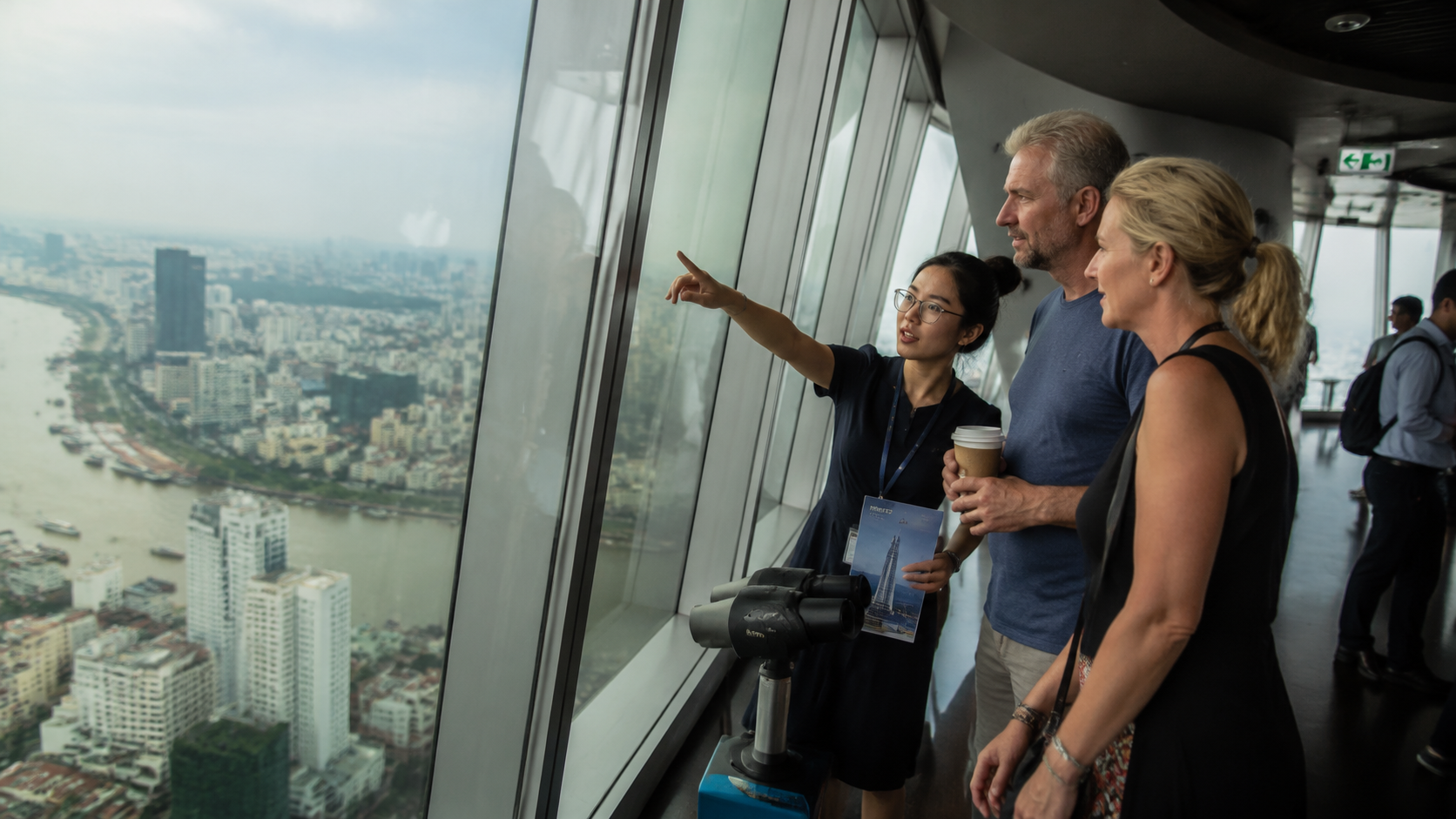
    Saigon Skydeck is the high-level observatory inside Bitexco Financial Tower, giving visitors a clean 360-degree look over central Ho Chi Minh City. For first-timers, it works as a fast orientation point: you see the river curve, District 1 traffic, and the skyline in one sweep. That makes Saigon Skydeck more than a photo stop; it helps you understand the city layout before you start exploring.

    Located in the heart of District 1, the Skydeck sits above the urban rush but stays easy to reach by foot, Grab, or a short transfer from nearby hotels. If you want a local-style base for your city plan, compare that location logic with Vietnam Crazy Tour options that keep you close to the action while avoiding wasted transit time.

    Best featured snippet: Saigon Skydeck is an indoor observatory in Bitexco Financial Tower, District 1, Ho Chi Minh City. It is best for first-time visitors who want city views, skyline orientation, and a quick, comfortable break from street-level heat. Visit on a clear afternoon or near sunset for the strongest visibility and the most dramatic light.

    Tiêu chí Cột 1 Cột 2 Cột 3
    Best time Clear afternoon Sunset window Night lights after dark
    Best for Solo travelers Couples and families City explorers

    Solo travelers usually like the Skydeck for the efficient visit and the city planning value. Couples get an easy date-stop with a skyline backdrop. Families benefit because the indoor setting is air-conditioned, simple to navigate, and low effort for a short sightseeing break. For adventurous travelers who prefer local rhythm over polished tourist noise, this stop fits neatly before or after a district walk, especially when paired with all Vietnam tours that keep the day flexible.

    If you visit early in your trip, the Skydeck helps you read the city like a map, not just a collection of streets. That small advantage matters when you later choose food, nightlife, or neighborhood walks. For a soft travel planning move, build your route around landmarks, then decide where to go deeper. In Ho Chi Minh City, that approach saves time and keeps the experience sharp.

    Soft CTA: If you want to see how Skydeck fits into a smarter local route, use it as your first skyline stop, then continue into the districts that match your travel style.

    Strong CTA: Book your visit when the sky is clear, arrive before sunset, and make Saigon Skydeck your quick city compass before you chase the real street-level energy of Ho Chi Minh City.

    How to Visit Saigon Skydeck the Smart Way

    How to Visit Saigon Skydeck the Smart Way

    Saigon Skydeck is the kind of stop that looks simple on the map, then turns into a full city-spotting moment once you arrive. If you are planning a first visit, the smart move is to understand the entry flow, the best hour to go, and what the view really gives you. That saves time, avoids confusion, and makes the ticket feel worth it.

    For solo travelers, couples, and families who like local-style city experiences, this is a clean, easy add-on in District 1. The visit is short, the setup is organized, and the payoff is the big one: a high, panoramic look over Ho Chi Minh City from inside the Bitexco tower. If you want a simple route and a smoother day, this chapter keeps it practical.

    Tiêu chí Best choice Why it works Who it suits
    Time of day Late afternoon Clearer light and softer skyline colors First-time visitors and couples
    Arrival method Walk or Grab Fast, cheap, and easy in District 1 Solo travelers and families

    Featured snippet: Visit Saigon Skydeck by arriving at the Bitexco Financial Tower, buying your ticket at the entrance, taking the elevator to the 49th floor, and walking the circular observatory. Go on a clear afternoon or near sunset for the strongest city views, and bring a light jacket, camera, and card or cash for entry.

    Start at the entrance on Ho Tung Mau Street and follow the signs into the tower lobby. Ticketing is straightforward, and the process usually moves faster than people expect. If you are staying nearby, walking is the easiest option; otherwise, a Grab ride drops you right at the door. For a broader city plan, many travelers pair this stop with all Vietnam tours or a hotel base in District 1. A small but useful tip: arrive a little early if you want a calm visit without queue pressure.

    After ticket purchase, the elevator ride is the main wow moment. The climb is fast, your ears may pop a little, and then you step into a cool, indoor observatory with 360-degree glass views. The deck has telescopes, touch screens, and several good photo spots facing the river, Landmark 81, and central districts. If you like local contrast after the city views, Vietnam Crazy Tour also helps travelers connect skyline time with ground-level city energy in a way that feels more alive than a standard sightseeing stop.

    What to bring is simple: phone or camera, comfortable shoes, water before you enter, and a light layer if you feel cold in strong air conditioning. The reality for first-time visitors is important: this is not an outdoor thrill deck, but a polished observatory with strong views and a relaxed pace. Expect about 30 to 60 minutes, not half a day, and aim for clear weather if you want the skyline to open up instead of fading into haze.

    The main draw is angle, not height alone. From the glass ring, you can spot the Saigon River bend, District 1 blocks, and the dense city grid stretching into the distance. Telescopes help you zoom in, while the best photos usually come near the windows with the skyline behind you, especially when the sun starts dropping. In short, Saigon Skydeck is worth it when you treat it as a smart city-view stop, not a giant attraction.

    Top Reasons Saigon Skydeck Is Worth Your Time

    Saigon Skydeck is worth the stop if you want a fast, high-impact view of Ho Chi Minh City without spending half your day on logistics. It gives you a clean citywide snapshot from the 49th floor, right in the heart of District 1, so you can see the river, the skyline, and the traffic flow that makes Saigon feel alive.

    For first-time visitors, the real value is not just the height. It is the way the observatory helps you understand the city in one glance, especially if you are planning a short local-style adventure with Vietnam Crazy Tour or building a compact sightseeing route around central Saigon.

    Featured insight: Saigon Skydeck works best as a quick orientation stop, a sunset lookout, and a photo break between street-level exploring. If you are deciding whether it deserves a slot in your itinerary, the answer is yes when you want easy access, strong views, and a memorable city moment in one visit.

    Tiêu chí Why it helps Best for Travel payoff
    Panoramic city views See river, skyline, and districts at once First-timers and photographers Quick orientation and strong visuals
    Central access Easy to reach from District 1 on foot or Grab Solo travelers, couples, families Low effort, easy add-on stop

    In practical terms, this attraction stands out because it fits naturally into a short urban tour. You can go before sunset for softer light, use the binoculars and touch screens to identify landmarks, then head back down and continue to nearby streets, cafes, and markets without a long detour. The experience feels local, efficient, and very easy to combine with a broader city day.

    Popular use cases include sunset visits, city orientation, and photography, especially for travelers who like to compare old streets below with modern towers above. If you want more structured planning around central attractions, check the full Vietnam tours list for ideas that pair well with a Skydeck stop.

    From a trip-planning angle, the best moment to include Saigon Skydeck is when you arrive in the city, after lunch on a hot day, or before an evening food walk. That timing gives you daylight views, a cooler indoor break, and a strong first impression of Saigon’s scale. Soft CTA: if you only choose one skyline stop in District 1, make this the one that earns its place without slowing your day down.

    Saigon Skydeck also fits adventurous travelers who like city views with a real sense of place, not just a pretty platform. For couples, it is an easy shared moment. For families, it is a calm pause between busier sights. For solo travelers, it is a simple, rewarding stop that adds context to the rest of the trip and makes the city feel easier to read.

    Strong CTA: if your itinerary is tight, build this into a half-day in central Saigon and keep moving. It delivers a clear payoff in a short amount of time, and that is exactly why Saigon Skydeck remains one of the most efficient sightseeing choices in the city.

    Saigon Skydeck vs Other Ho Chi Minh City Viewpoints

    Saigon Skydeck is best for travelers who want a fast, high-impact city view in central Ho Chi Minh City. If you are short on time, staying in District 1, or want a clean, air-conditioned viewpoint with 360-degree skyline angles, this is the easiest choice. It suits first-time visitors, couples, and solo travelers who like a simple plan with a strong visual payoff.

    Compared with rooftop bars, river cruises, and street-level observation spots, the Skydeck wins on convenience and clarity. You pay once, go up, and get a complete city layout in minutes. The trade-off is that it feels more structured and less atmospheric than other viewpoints. If you want to mix sightseeing with a Vietnam Crazy Tour style local day, pair the Skydeck with a riverside walk or street food stop nearby.

    Featured snippet: Saigon Skydeck is the best all-round viewpoint in central Ho Chi Minh City for first-time visitors who want fast access, wide skyline views, and indoor comfort. Rooftop bars are better for drinks and sunset mood, river cruises are stronger for motion and night lights, and Landmark 81 viewpoints suit travelers who want a newer city angle.

    Tiêu chí Saigon Skydeck Rooftop Bar River Cruise
    Best for First-time city overview Sunset drinks and mood Night scenery and breeze
    Main trade-off Ticket cost with fixed visit Higher spend on food or drinks Less control over viewing angle

    For budget travelers, the smartest move is to compare value, not just ticket price. A rooftop bar may look free at the door, but one drink can cost more than entry at the Skydeck. A river cruise gives atmosphere, but it needs more time and usually works better at night. If you are planning a route with other local stops, see all Vietnam tours for ideas that fit a half-day city plan.

    How to choose: pick the Skydeck if you want the quickest complete view; choose a rooftop bar if you care more about sunset, drinks, and social energy; book a river cruise if you want movement, skyline reflections, and a romantic pace. First-time visitors should start with Saigon Skydeck because it removes guesswork. Repeat visitors often enjoy the river or rooftop option more because they already know the city layout and want a different atmosphere.

    For families, the Skydeck is usually the easiest because it is indoor, organized, and comfortable in hot weather. For couples, a rooftop bar or sunset cruise creates a more emotional experience. For adventurous solo travelers, the Skydeck works as a strong orientation stop before exploring the streets below. The best strategy is simple: use the Skydeck for the big picture, then go back down and chase the local vibe where the city feels most alive.

    Strong recommendation: if this is your first Ho Chi Minh City viewpoint, start with Saigon Skydeck, then add one alternative that matches your mood. Want practical urban planning, easy access, and a clear skyline read? Go Skydeck. Want romance, nightlife, or more local character? Choose a rooftop or river route after that. For a broader trip plan, the ghost and beliefs tour can add a very local cultural layer to your city stay.

    Saigon Skydeck Tips, Common Mistakes, and FAQs

    Saigon Skydeck is best enjoyed when you time it right, check visibility before you go, and keep your visit simple. Many travelers rush up the tower at random hours, then end up with hazy views, long waits, or a short stay that feels underwhelming. The fix is easy: plan for clear skies, aim for a smarter arrival window, and treat the Skydeck as a focused stop, not a full-day activity.

    For solo travelers, couples, families, and adventurous city explorers, the experience works best when it fits naturally into a District 1 route. If you are already near Nguyen Hue or the riverfront, it is a smooth add-on before dinner or a night walk. For a broader travel flow, some visitors pair it with Vietnam Crazy Tour planning ideas that keep the day local, flexible, and easy to enjoy.

    Common mistakes visitors make include going on a cloudy afternoon, assuming sunset always guarantees a perfect view, and forgetting that weather can change the skyline fast. Another mistake is arriving hungry or tired, then rushing through the observatory without taking time for the 360-degree panorama, touch screens, and city map details.

    Practical tips are straightforward: check the forecast, choose a clear day if possible, and arrive earlier than sunset if you want a calmer flow. Weekdays are usually easier than weekends, and mid-afternoon can work well if you want light that is bright enough for photos but not too harsh. If your trip includes a city walk, you can combine it with all Vietnam Crazy tours for a more adventurous Ho Chi Minh City plan.

    A useful rule is to stay at least 45 minutes if the view is good and the tower is not crowded. That gives you enough time to circle the deck, compare districts, and use the binoculars without feeling rushed. Quick insight: the Skydeck is not about checking one photo spot, it is about reading the city from above and understanding how the river, towers, and central streets connect.

    Tiêu chí Best choice Why it works Risk if ignored
    Visibility Clear daytime or pre-sunset Better skyline detail Hazy or flat views
    Crowds Weekday, non-peak hour More space and calmer photos Waiting and crowding

    Featured snippet: Saigon Skydeck is most enjoyable on a clear day, ideally before sunset or during daylight when visibility is strong. Expect a visit of 30 to 60 minutes, check weather first, and go on a weekday if possible. It is family-friendly, though travelers who dislike heights may prefer to skip it.

    FAQ

    How much are tickets? Adult tickets are typically around 240,000 VND, with lower prices for children, seniors, and eligible visitors. Prices can change, so check before you go.

    When is the best time to go? Early afternoon on a clear day or just before sunset usually gives the best balance of visibility and atmosphere.

    How long does a visit take? Most visitors spend 30 to 60 minutes, depending on crowd levels and how much time they spend taking photos.

    Is it family-friendly? Yes, it is generally family-friendly, with air conditioning, seating, and easy walking space. The main caution is for anyone sensitive to heights.

    If you want a view-heavy stop that still fits a relaxed city itinerary, add Saigon Skydeck to your Ho Chi Minh City plan. It is a simple way to see the city from above, reset from the street heat, and enjoy one of the most recognizable landmarks in District 1. For travelers building a local, adventurous route, this is an easy yes before moving on to dinner, walking streets, or your next rooftop stop.

    For a stronger travel day, pair it with other central experiences and keep your movement easy through District 1. If you want more inspiration for flexible city exploration, start with Vietnam Crazy Tour and build the rest of your Ho Chi Minh City route from there.

  • Ba Na Hills 2026 Guide: What First-Time Visitors Miss

    Ba Na Hills 2026 Guide: What First-Time Visitors Miss

    Ba Na Hills is the kind of Vietnam attraction that looks easy on social media, then surprises first-time visitors with its size, cable cars, and crowd flow. If you are planning a Ba Na Hills trip, the real challenge is not deciding whether it is worth it, but figuring out how to time it, move around, and avoid wasting energy on the wrong stops.

    This guide gives you the fast, practical version for solo travelers, couples, and families who want a smarter visit. You will see what Ba Na Hills actually is, what to prioritize first, and how to build a day that feels local, adventurous, and calm at the same time. For a broader Vietnam trip context, you can also check Vietnam Crazy Tour for more travel ideas.

    What Is Ba Na Hills and Why Is It So Famous?

    Ba Na Hills is a mountain resort and tourist complex near Da Nang that mixes cable cars, themed villages, gardens, temples, and family attractions in one high-altitude destination. For first-time visitors, the big surprise is not just the famous Golden Bridge, but how large and layered the whole place feels once you step off the cable car.

    People come here because it solves a common travel problem: how to find one stop that feels scenic, active, and easy to plan. If you want a trip that works for couples, solo travelers, or families, the park gives you clear structure, good photo spots, and enough variety to keep the day moving. For a broader Vietnam trip idea, you can also explore Vietnam travel tours that connect local culture with mountain and city experiences.

    Ba Na Hills became famous because it is more than a viewpoint. It is a full-day experience built around the cable car journey, French-style architecture, cool mountain air, and crowds that keep the energy high from morning to afternoon. The best way to think about it is simple: one ticket, many zones, and a lot of walking, so smart timing matters.

    Here is the quick breakdown:

    Tiêu chí Cột 1 Cột 2 Cột 3
    What it is Mountain resort Tourist complex Day trip destination
    Why people visit Golden Bridge Scenic cable car Photo-friendly zones

    Mini insight: the earlier you arrive, the easier it is to enjoy the bridge before the biggest crowds hit. If you are building a Da Nang itinerary and want one place that feels polished but still adventurous, this is the kind of stop that earns its reputation fast. For more trip planning, check the full range of all Vietnam Crazy Tour options that fit different travel styles.

    Soft CTA: if you want a smoother experience, plan Ba Na Hills as a half-day or full-day stop with transport included, especially on busy travel dates.

    Strong CTA: book early, arrive early, and give yourself enough time to explore beyond the Golden Bridge, because that is where Ba Na Hills becomes truly worth the hype.

    How to Get to Ba Na Hills and Plan Your Visit

    How to Get to Ba Na Hills and Plan Your Visit

    Ba Na Hills is easiest to enjoy when you plan the transport, timing, and ticket flow before you leave Da Nang or Hoi An. The mountain looks simple on a map, but the real challenge is avoiding long queues, foggy views, and wasted energy at the wrong hour. A smart start saves time, money, and stress.

    If you are coming for the Vietnam Crazy Tour style of trip, think practical first: arrive early, keep your day flexible, and do not treat it like a quick photo stop. The cable car, weather, and crowd rhythm decide your experience more than any itinerary on paper.

    Featured snippet: To visit Ba Na Hills well, go early, buy tickets in advance if possible, and plan for a full half-day or more. The park opens from morning, but the best Golden Bridge views usually happen before the crowd peaks. Carry light layers, check the forecast, and use a taxi, Grab, or tour transfer for the easiest trip.

    Tiêu chí Self-Drive Grab or Taxi Tour Transfer
    Best for Independent travelers with scooter or car experience Couples, solo visitors, families who want easy logistics First-time visitors who want a zero-stress flow
    Trade-off More effort for parking and navigation Flexible but price changes by distance and time Less freedom, but smoother entry and timing

    For transport, most travelers choose one of three practical options. A Grab or taxi is the easiest from Da Nang, especially if you want to leave early and return when you are tired. A tour transfer works well for families and first-timers because the pickup, timing, and return are handled for you, which reduces friction on a busy day.

    If you are comfortable exploring on your own, you can also ride a scooter or self-drive, but that only makes sense if you already know local road conditions. A small soft tip: if your goal is the Golden Bridge and the French Village, a guided transfer can be worth it because it helps you arrive before the worst crowd wave. For more organized options, check all Vietnam tours when you want a broader trip plan.

    Opening hours matter more than many visitors think. The park opens early, but the first cable cars and the main photo spots are not always equally busy from the start. The best practical flow is simple: arrive early, go straight for the cable car, take your bridge photos, then move to the upper zones before lunch. That sequence gives you the highest chance of cleaner views and cooler weather.

    Tickets are usually sold as a full-entry pass, and the basic ticket already covers the core cable car experience and the park. Do not overcomplicate it. If you only want the Golden Bridge, you still need the same entry flow, so there is no real shortcut ticket. That is why booking ahead often makes sense for visitors who value speed over haggling on arrival.

    Before you go, prepare for mountain weather, not city weather. It can feel warm in Da Nang and cooler, windier, or foggier at the top. Wear light clothes, but bring a thin jacket, comfortable shoes, and a phone battery pack if you plan to shoot a lot. The surface is walkable, yet you will still do plenty of steps and stairs, especially if you move between zones.

    Crowd timing is the real secret. Weekdays are easier than weekends, and early morning is the strongest window for couples, solo travelers, and families who want better photos with less pushing. If you travel with kids, add extra buffer time for snacks, toilets, and slower movement between cable car points. That is how you keep the day fun instead of rushed.

    My best travel flow is this: leave Da Nang early, arrive before the main rush, use the cable car up, explore the bridge first, then go deeper into the village, indoor games, and café stops. This order works because it front-loads the iconic views before the park gets crowded. If you want a smoother adventure day with local flavor and less planning stress, a Vietnam Crazy Tour style transfer keeps the whole visit simple and efficient.

    In short, Ba Na Hills rewards visitors who plan like a local and move like a smart traveler. Book your transport early, dress for changing weather, and arrive with enough time to enjoy the mountain properly. If you want the easiest version of the trip, choose a transfer or tour that gets you there early, lets you skip the guesswork, and gives you more time for the views.

    Top Things to Do at Ba Na Hills

    Top Things to Do at Ba Na Hills

    Ba Na Hills is the kind of place where first-timers quickly realize that one visit can still feel too short. If you want the best mix of iconic views, easy movement, and smart timing, focus on the Golden Bridge, the cable car, French Village, and the gardens. That combo gives you the full mountain experience without wasting time wandering blindly.

    For foreign travelers, especially couples, families, and solo explorers who like a strong visual payoff, the real win is knowing what deserves your energy first. The park is big, crowded at peak hours, and easy to misread if you arrive with no plan. A little strategy turns a good day into a proper Ba Na Hills highlight reel.

    Traveler type Best focus Why it works Best time
    First-time visitors Golden Bridge and cable car Fastest way to get the signature Ba Na Hills experience Early morning
    Families and couples French Village and gardens More relaxed, more photo spots, easier to enjoy slowly Late morning or sunset

    The Golden Bridge is the obvious headline, but the cable car is the real opener. It gives you that wow factor before you even step into the park, and on clear days the mountain views feel almost unreal. If you want a smoother day, try to arrive before the crowd surge, then move straight into the upper zones instead of backtracking later.

    The French Village is where the atmosphere gets playful, with stone facades, cafés, and busy walkways that feel built for wandering. Nearby gardens are better for slower travelers who want cleaner photos and less pressure. For a soft booking option, travelers who prefer a guided flow can check the full Vietnam tour list before choosing how to structure the day.

    For families, the best value is a mix of scenery and easy entertainment. Kids usually enjoy the gardens, cable car, and open spaces, while adults can focus on the bigger views. Couples tend to love the early bridge stop and a late coffee break, while first-time visitors should keep a simple rule: see the bridge first, then explore the village, then slow down in the gardens.

    Featured snippet: The top things to do at Ba Na Hills are ride the cable car, walk the Golden Bridge, explore French Village, and relax in the gardens. First-time visitors should start early, families should balance views with light activities, and couples should save time for photo stops and café breaks.

    If you want a deeper local-style day with less guesswork, the safest move is to plan your route before arrival. That is how you avoid the midday crowd trap and keep the experience smooth, scenic, and worth the trip. For travelers who want a broader Vietnam adventure after Da Nang, the Vietnam Crazy Tour homepage is a simple place to start.

    Bottom line: Ba Na Hills works best when you treat it like a full-day mountain experience, not just a single photo stop. Book early, move efficiently, and give yourself time for both the iconic sights and the quieter corners. If you want help turning this into an easy, high-value trip, choose a tour or build your own route with a clear plan, then go enjoy the mountain without stress.

    Ba Na Hills vs Other Da Nang Attractions: What’s Worth Your Time?

    Ba Na Hills is the kind of day trip that can hijack your whole Da Nang schedule if you do not plan it right. If you only have a few days, the real question is not whether ba na hills is worth visiting, but whether it should beat the beach, the city, or a nearby local trip for your style of travel.

    For first-time visitors, couples, families, and solo travelers who like a big visual payoff, this place can be a strong one-day anchor. For travelers chasing local energy, food streets, and flexible movement, it may be better as one stop in a broader itinerary instead of the main event. Vietnam Crazy Tour style planning means matching the attraction to your pace, not forcing every famous stop into one trip.

    Featured snippet: Ba Na Hills is best if you want a full-day scenic experience with cable cars, mountain views, themed architecture, and easy sightseeing in one place. Skip it or shorten it if you prefer beach time, local city vibes, or low-cost half-day activities that leave more room for food, coffee, and spontaneous exploring.

    Tiêu chí Ba Na Hills Da Nang City and Beach Nearby Day Trip
    Time needed Full day, often 5 to 7 hours Flexible, easy to split into half days Usually half to full day depending on route
    Best for Iconic views, families, first-timers Beach lovers, food hunters, casual explorers Adventure seekers, local culture, scenic escapes
    Value for time High if you want a bundled experience High if you want flexibility High if you want a more local feel

    Here is the quick breakdown. Beaches win if you want sun, swim time, and a lighter schedule. City attractions win if you like cafes, markets, pagodas, and easy movement between stops. Nearby day trips win if you want a more local or adventurous trip with less crowd pressure. Ba Na Hills wins when you want a dramatic, all-in-one visual experience and do not mind paying more for convenience and scale.

    Mini insight: the cable car journey alone already makes this feel different from a normal sightseeing day, so it is not a place to rush. If you are building a trip with a mix of iconic and local experiences, pair Ba Na Hills with one softer day in the city or coast. For a smoother plan, check all Vietnam tours when you want transport, timing, and sightseeing handled in one flow.

    Pros are easy to spot: major views, lots of photo spots, family-friendly areas, and a clear sense of spectacle. The cons are just as real: crowds, higher ticket cost, and a setting that feels more curated than local. If you dislike theme-park energy or you want authentic street-level Da Nang, this may feel too polished. If you want an easy, memorable, low-stress highlight, it fits well.

    Soft CTA: if your route includes Hoi An, the beaches, and central Da Nang, keep Ba Na Hills as the one big mountain day and leave the rest of the trip open for local food and flexible exploring. That balance usually works best for couples, families, and solo travelers who want both iconic views and real Vietnam energy in the same itinerary.

    The simple decision rule is this: choose Ba Na Hills when you want scale, scenery, and a full-day attraction; choose the beach or city when you want freedom, local rhythm, and lower cost; choose a nearby day trip when you want adventure and a stronger sense of place. For most travelers, the best itinerary is not either-or, but one flagship stop plus one local experience that keeps the trip feeling alive.

    Strong CTA: if you have only one free day and you love big visual landmarks, Ba Na Hills deserves the slot. If you have more time, do not let it replace Da Nang’s beaches and city life completely. Use it as the headline attraction, then build the rest of your plan around food, sea, and local discoveries that make the trip feel personal.

    Ba Na Hills Tips, Common Mistakes, FAQ, and Final Booking Advice

    Ba Na Hills is the kind of place that can eat your time, your energy, and your budget if you walk in blind. The good news is that most mistakes are easy to avoid once you know how the park works, from ticket choices to cable car timing and crowd flow. If you want a smoother visit, think smart, move early, and keep your plan simple.

    For first-time visitors, the real win is not doing more, but doing the right things in the right order. A little planning can save you from long queues, extra transport costs, and missed photo spots. If you are comparing options before you go, you can also check all Vietnam Crazy tour options for easier trip planning and a more local-style adventure.

    Common visitor mistakes, smart tips, and how to avoid wasting time or money

    Most visitors lose time in the same places. They arrive too late, buy the wrong ticket, or assume the Golden Bridge is a quick stop. It is not. Ba Na Hills is a full-day mountain park, so the smartest move is to go early, start with the cable car, and follow a clear route instead of wandering back and forth.

    Simple tips that make a big difference:

    • Arrive before 8:30 AM to reduce queue stress and get better light
    • Skip the lunch combo if you want more flexibility, because food choices are already wide
    • Bring a light jacket, since the mountain air can feel cooler than Da Nang
    • Take a map at the entrance, then head straight to your priority spots
    • Do not expect the Golden Bridge to be empty, even on weekdays

    A useful pattern is this: do the iconic photo spots early, then enjoy the rest of the park after the biggest crowd wave. That one adjustment can save an hour or more.

    Tiêu chí Early Visit Late Visit Best For
    Queue time Shorter Longer Fast movers
    Crowd level Lower Higher Photo lovers

    One soft booking tip: if you want less stress, book your transport and entry together instead of solving each piece separately. That is especially useful for families or couples who want the day to feel easy, not logistical. For a better sense of the full Vietnam travel style, you can also browse Vietnam Crazy Tour home and see how a local-first trip is usually organized.

    FAQ: Is Ba Na Hills worth it, how long to stay, and best time to visit

    Is Ba Na Hills worth it? Yes, if you enjoy dramatic mountain views, oversized themed architecture, and a full day of sightseeing in one place. It is especially worth it for first-time visitors, couples, and families who want a high-impact attraction. If you expect a small local hill town, though, the scale may surprise you.

    How long should you stay? Plan for 5 to 7 hours. That gives you time for the cable car, the Golden Bridge, the French Village, a meal, and a few relaxed stops. If you are a photo-focused traveler, stay longer. If you are moving with kids, keep the pace practical and do not overload the day.

    When is the best time to visit? Early morning on a clear day is the best balance of light and crowd control. Dry season is safer for views, but mountain weather can shift fast. If you want the easiest experience, book early, arrive early, and keep your plan flexible.

    Mini insight: Ba Na Hills works best when you treat it like a mountain day trip, not a quick viewpoint stop. That mindset keeps expectations realistic and the experience far better.

    If you are ready to lock in a smoother visit, book early, choose a practical transport option, and keep your schedule light enough to enjoy the park properly. For travelers who want the simplest path to a well-run day, a guided option can remove a lot of friction and let you focus on the fun part.

    Final advice: the best Ba Na Hills trip is the one where you arrive early, skip the unnecessary add-ons, and move with a clear plan. If you want to turn that plan into a real booking with less guesswork, explore the available tours now and pick the option that matches your travel style.

  • Dragon Bridge Da Nang: What Locals Notice Before 9 PM 2026

    Dragon Bridge Da Nang: What Locals Notice Before 9 PM 2026

    Dragon Bridge Da Nang is the quick answer travelers look for when they want a reliable plan without wasting time. If you are wondering where this Da Nang landmark sits, why the fire and water show matters, and when the best time to visit is, this intro gives you the fast local context with crazy tour energy.

    Dragon Bridge Da Nang connects the Han River bridge scene with the city’s beach side, so it is easy to fit into any first-time itinerary. You do not need a complicated plan to enjoy it; you just need the right timing, a smart spot, and a little street-level know-how. For a smoother trip flow, check Vietnam Crazy Tour ideas and keep the bridge as a simple anchor in your evening route.

    Tiêu chí Cột 1 Cột 2 Cột 3
    Best for Daytime walk Night photos Fire and water show
    Best timing Any day After sunset Friday to Sunday at 9 PM

    Featured snippet: Dragon Bridge Da Nang is a central Han River bridge and a top Da Nang landmark. Visit any day for a simple walk, or come Friday to Sunday at 9 PM for the free fire and water show. Arrive a bit early, expect crowds, and choose a riverfront spot for the best view. If you want more local-style ideas, browse all Vietnam Crazy Tour experiences.

    What Makes Dragon Bridge Da Nang a Must-See Landmark

    What Makes Dragon Bridge Da Nang a Must-See Landmark

    Dragon bridge da nang is one of the easiest landmarks to understand and one of the hardest to ignore in the city center. It crosses the Han River, connects the riverfront districts, and gives first-time visitors a clear visual anchor when they start exploring Da Nang. If you want a quick read on the city’s vibe, this bridge delivers it fast.

    What makes it special is not only the scale, but the dragon shape itself. In Vietnamese culture, the dragon stands for power, luck, and rising energy, so the bridge feels more like a city symbol than simple infrastructure. For travelers planning a short stay, it is smart to prioritize the bridge early in the trip, because it helps you orient yourself for nearby food streets, river walks, and sunset photos. For a broader local-style route, many travelers also browse all Vietnam Crazy Tour options before building their Da Nang plan.

    Tiêu chí Best for Why it matters Traveler tip
    Daytime visit Walkers and photo hunters Easy access, clear river views Go before sunset for softer light
    Night visit Couples and first-time visitors LED lights and fire show energy Arrive early on show nights

    Location is another big reason this bridge stands out. It sits on the Han River with easy access to Bach Dang Street, nearby cafes, and the riverside walk, so you can combine it with a slow city stroll instead of making a special detour. That is why it works so well for solo travelers, families, and couples who want a simple but high-value Da Nang stop.

    Unlike many bridges that are just transit points, this one is a photo magnet with a strong identity. From the riverbank, the dragon head becomes a real scene, especially when locals gather with phones, drinks, and scooters around the waterfront. If you want a softer city intro with a local travel angle, check Vietnam Crazy Tour homepage for more trip ideas. Quick takeaway: the bridge is popular because it is central, symbolic, and instantly memorable, which makes it perfect for first-time visitors and content creators chasing a clean Da Nang shot.

    How to Experience Dragon Bridge Da Nang the Right Way

    dragon bridge da nang is easiest to enjoy when you treat it like a simple evening stop, not a big mission. The bridge sits right on the Han River, so you can pair the visit with dinner, a riverside walk, or a slow scooter ride through the city. That is the whole trick: arrive with a plan, but keep it flexible.

    For first-time visitors, the real pain point is missing the show or standing in the wrong spot. The solution is basic but effective: come early, choose a view with open space, and understand how the crowd moves near the dragon head. If you want a smooth night, use a Vietnam Crazy Tour style mindset: local, practical, and a little adventurous.

    Featured snippet: The best way to experience Dragon Bridge Da Nang is to arrive 30 to 45 minutes before the weekend show, stand near the dragon head or along the riverbank, and watch for the fire burst at 9 PM. On normal nights, come for the lights and river views, then leave before the crowd peaks.

    Step-by-step, start by getting dropped off near the riverside instead of driving in circles. Walk the area first, because the bridge looks different from the city side and the beach side. If you want the safest and easiest viewpoint, stay a little back from the road where you can see both the bridge lights and the traffic flow without blocking anyone.

    The experience changes by timing. At sunset, the river feels calm and the LED lights start to wake up. Later, the weekend show turns the area into a loud, phone-out crowd. A practical example: a couple arrives around 8:20 PM, grabs a drink, checks both sides of the bridge, and settles near the dragon head by 8:40 PM. That timing usually gives them a clean view without stress.

    For comparison, here is the decision most visitors should make:

    Tiêu chí Early arrival Last-minute arrival Best for
    Viewing comfort Better space and easier photos More crowded and less flexible Solo travelers and couples
    Show focus Time to choose the right spot Risk of blocked sightlines Families and first-time visitors

    When the fire and water show starts, do not stare at the first few seconds only. Stay ready for the main moment, because the dragon usually breathes fire first and then follows with water. That means the best viewing position is one with a clear angle to the head, not just a pretty river backdrop. If the weather is humid or windy, stay even more alert because the crowd may shift suddenly.

    Weather and crowd level matter more than many travelers expect. A dry night gives you a calmer walk, while a windy or rainy evening can make the riverside feel messy and reduce comfort. If you want a softer experience, consider booking a broader city plan through all Vietnam tours and keep this bridge visit as the final stop after dinner. That way, you keep energy for the show instead of rushing.

    The smart expectation is simple: come for the lights, stay for the weekend fire show, and leave with time to spare. If you want the most local-style viewing, stand where you can see both the river reflections and the dragon head. That is the calmest way to enjoy Dragon Bridge Da Nang without getting trapped in the loudest part of the crowd.

    Top Reasons Travelers Love Dragon Bridge Da Nang

    Dragon Bridge Da Nang is one of the easiest wins in the city: iconic, free, and simple to fit into almost any plan. Travelers like it because you do not need a ticket, a full tour slot, or much prep. You can show up for a quick photo stop, a riverside walk, or a fire-show night and still keep the rest of your day flexible.

    For first-time visitors, that is a huge relief. The bridge sits right between the beach side and the city side, so it works naturally in a day of beach time, cafe hopping, or dinner by the river. If you want a local-style route, you can pair it with a slow walk, then continue to nearby streets, markets, or a stay in the center with Vietnam Crazy Tour style easy planning.

    What makes dragon bridge da nang stand out is the mood. It feels modern, lively, and very Da Nang energy, without trying too hard. Families like the open space, couples like the sunset and night lights, solo travelers like the easy access, and content creators like the clean skyline and strong reflections on the Han River.

    Featured snapshot: Dragon Bridge is a free central landmark with strong photo appeal, easy walking access, and built-in nightlife energy. It works best for travelers who want a low-effort stop that still feels memorable, social, and very local.

    Practical use cases are simple and surprisingly versatile. The bridge fits well for:

    • Sunset strolls with river views and cooler air
    • Night photography when the LED lights turn on
    • Fire-show viewing on Friday to Sunday around 9 PM
    • River cruise watching from the banks
    • City walks between Hai Chau and Son Tra

    A small but useful insight: if you are staying near the river, Dragon Bridge can become your anchor point for nearby sightseeing instead of a separate attraction. That means less transport stress and more time enjoying the city on foot. It is especially smart for short itineraries, because you can combine it with dinner, coffee, and a casual night market stop.

    Tiêu chí Best for Why it works Time needed
    Daytime visit Families and solo travelers Easy walk, free access, no planning stress 20 to 40 minutes
    Night visit Couples and creators Bright lights, river reflections, fire show energy 45 to 90 minutes

    If you want to turn the bridge into a smooth evening plan, start with the riverside, watch the flow of people, then decide whether to stay for the show or continue your walk. For a broader route, see the full list of Da Nang travel experiences that can match this area without overpacking your schedule.

    Use Dragon Bridge when your itinerary needs a strong central stop that feels local, photogenic, and effortless. It is best before dinner, after sunset, or as a transition between the beach side and the city side. If you want one landmark that gives you energy, convenience, and a real Da Nang vibe, this is the one to keep in the middle of your plan.

    Soft CTA: If you are building a Da Nang route for solo travel, a couple trip, or a family stay, use Dragon Bridge as the easy anchor, then layer nearby food, river walks, and night views around it.

    Strong CTA: For the best local experience, plan your evening around the bridge, arrive a little early, and let the city do the rest. That is how travelers get the most value without wasting time on complicated logistics.

    Dragon Bridge Da Nang vs Other Da Nang Attractions

    Dragon Bridge Da Nang vs Other Da Nang Attractions

    Dragon Bridge Da Nang is not just another photo stop in the city; it is the attraction that best blends location, nighttime atmosphere, and a real show. If you are planning a local-style Da Nang trip, the question is not whether the bridge is famous. The real question is whether it deserves prime time in your schedule, or just a quick stop between better fits for your travel style.

    Compared with My Khe Beach, Han Market, and Love Bridge, this bridge plays a different role. My Khe is for daytime relaxation, Han Market is for shopping and local energy, and Love Bridge is more about romantic photos. Dragon Bridge is the strongest landmark because it gives you both a visual anchor and a clear reason to come back at night, especially if you want the fire and water show.

    A useful way to think about dragon bridge da nang is simple: daytime visit for convenience, nighttime visit for experience. The bridge is always accessible, so you can pass by casually without losing time. But if you want the signature show, you need to plan around Friday, Saturday, or Sunday at around 9 PM. That timing makes it more special, but also more crowded and weather dependent.

    For a quick comparison, look at it like this:

    Criteria Dragon Bridge My Khe or Han Market Love Bridge
    Best for Iconic skyline and night show Beach time or local shopping Couples and easy photos
    Time value Worth a planned stop at night Good for longer daytime stays Usually a short stop

    The trade-off is clear. Peak hours bring dense crowds, the show only runs on limited nights, and rain or strong weather can make the experience less enjoyable. If you prefer calm, add it as a flexible stop rather than a fixed highlight. If you love city landmarks, night scenery, and a bit of lively chaos, it becomes one of the easiest wins in Da Nang. For more city planning ideas, you can also browse all Vietnam tours when building a full route.

    Featured snippet: Dragon Bridge Da Nang is a must-do if you want the city’s signature night landmark and fire show. It is a quick stop if you only need a daytime photo or have limited time. Best for first-time visitors, couples, and adventure travelers who like lively local scenes more than quiet sightseeing.

    How to decide quickly: if you are staying near the river or the beach and can reach it easily, do the night show. If your itinerary is packed, pass by once in daylight and move on. If you are a solo traveler or a couple who enjoys local energy, the bridge is worth the detour. If you travel with family and want smoother pacing, keep it as an optional evening stop after dinner.

    Soft advice: if your Da Nang plan already includes My Khe Beach, Han Market, and the riverfront, Dragon Bridge works best as the final evening piece. That way you get the skyline, the river walk, and the show without wasting daylight. If you want a broader idea of how local experiences can fit into a Vietnam route, check Vietnam Crazy Tour for trip inspiration that feels more real and less touristy.

    Best choice by traveler type:

    • Couples: yes, especially for sunset and night photos
    • Solo travelers: yes, because it is central and easy to combine with walking
    • Families: yes, but better on a non-show night if you want less crowd stress
    • Short-stay visitors: quick stop unless the fire show fits your schedule

    Strong CTA: If you want Da Nang to feel local, lively, and easy to navigate, make Dragon Bridge part of your evening plan instead of treating it like a random bridge. That small decision improves the whole trip flow, especially when you pair it with nearby food, riverside walking, and one relaxed night out near the Han River.

    Common Mistakes, FAQ, and Final Travel Tip

    Dragon Bridge Da Nang is easiest to enjoy when you plan it like a local, not like a rushed checklist stop. Most visitors miss the best moment because they arrive too late, stand on the wrong side of the river, or expect the fire and water show every night. The fix is simple: check the schedule first, then time your walk with the crowd flow.

    For first-time visitors, this bridge works best as a flexible evening stop in a Da Nang itinerary. You can see it in daylight without any special planning, then come back for the show only on scheduled nights. If you like local-style exploration, pair the bridge with a slow riverfront walk and a coffee stop nearby before sunset.

    Featured snippet: The fire and water show at Dragon Bridge Da Nang usually runs on Friday, Saturday, and Sunday at around 9 PM. Arrive early for a better viewing angle, avoid blocking traffic, and remember that the bridge is still worth visiting during the day for photos, walking, and easy riverside access.

    Tiêu chí Day Visit Show Night Best Choice
    Timing Any time, easy access Friday to Sunday around 9 PM Day for photos, night for show
    Viewing Calm riverside walks Crowded near the dragon head Arrive early for better spots

    FAQ 1: Where is Dragon Bridge Da Nang located? It sits over the Han River, linking the city side and the beach side, so you can reach it easily from central Da Nang or a riverside hotel.

    FAQ 2: What time does the fire and water show happen? The show usually starts at around 9 PM on Friday, Saturday, and Sunday, but you should confirm the exact schedule before you go because timing can shift.

    FAQ 3: Is it worth visiting during the day? Yes. Daytime gives you open views, lighter traffic, and a better feel for the riverfront, especially if you are exploring Da Nang on foot.

    FAQ 4: What is the best place to watch the bridge? The closest view is near the dragon head, but many travelers prefer the riverside walkway for a wider, less chaotic angle. If you want a softer evening plan, Vietnam Crazy Tour can help you build a local-style route around the city.

    Quick travel tip: do not treat the bridge as a random stop and do not assume the show runs every night. Check the schedule, arrive early, and keep your phone and bag secure in the crowd. For a fuller evening, add Dragon Bridge Da Nang to your plan, then continue with a riverfront walk so you get the lights, movement, and local atmosphere in one easy outing. If you want more ready-made ideas, explore all Vietnam tours and choose a route that matches your pace.

  • Soviet Cuisine in Saigon: Is CCCP Really Worth It in 2026?

    Soviet Cuisine in Saigon: Is CCCP Really Worth It in 2026?

    Soviet cuisine in Saigon is one of those search terms that surprises even seasoned food lovers, because this city is better known for pho, banh mi, and loud street stalls than for rye bread, borscht, or salo. If you are an expat, a curious traveler, or a local chasing something different, the real question is simple: does Soviet-style food actually exist here, and is it worth the trip?

    This guide answers that gap with practical clarity, from what Soviet cuisine means to where Russian food and Eastern European dishes appear in Saigon today. You will see how nostalgic comfort food shows up on the plate, what makes the experience feel authentic, and how to spot the best places without wasting time on generic tourist traps. For a wider taste of the city’s local side, you can also explore Vietnam Crazy Tour and compare it with other hidden experiences.

    Tiêu chí Cột 1 Cột 2 Cột 3
    What to look for Hearty soups Rye bread and cured fish Warm nostalgic setting
    Best for First-time visitors Expats and couples Local food explorers

    Soviet cuisine in Saigon is not about chasing a trend, it is about finding a very specific dining mood: rich flavors, shared plates, and a space that feels both unfamiliar and oddly familiar. If you want the short answer, this guide will show you the real food experience, a few smart ways to judge the menu, and the easiest route to a memorable meal. Later, you can use all Vietnam tour options to pair it with a bigger local adventure.

    What Soviet Cuisine in Saigon Really Means

    Soviet cuisine in Saigon is a compact way to describe Russian and broader Eastern European dishes that were adapted for local diners, then rebuilt with Saigon hospitality. It is not a museum piece. It is a live dining style shaped by migration, memory, and curiosity, which is why travelers keep finding it in a city known for fast change.

    For first-time visitors, the easiest way to read this cuisine is simple: think hearty bread, cured meats, salads, soups, and rich dairy served in a setting that feels both nostalgic and slightly theatrical. If you want to explore Saigon beyond the usual street-food route, start with a place that shows how food carries identity, such as Vietnam Crazy Tour, where local context makes every bite easier to understand.

    Featured snippet: Soviet cuisine in Saigon means restaurants serving Russian and Eastern European comfort food adapted for local tastes, often with heavy bread, meat, pickles, soups, and dairy. The experience is less about authenticity alone and more about migration history, nostalgia, and a dining scene that rewards curious travelers.

    A simple definition of Soviet-inspired food is this: it is filling, practical, and built for cold-climate comfort. In Saigon, that becomes a cultural contrast travelers can feel immediately. One table may hold borscht, kotleta, Olivier salad, rye bread, and salo, while the room itself uses Soviet decor to shape the mood. The food is the message, but the setting does half the storytelling.

    Tiêu chí Local dining Soviet-inspired dining Best for
    Flavor profile Bright herbs, rice, fish sauce, grilled meats Hearty, creamy, salty, bread-forward Curious eaters wanting contrast
    Dining mood Fast, casual, street-focused Slow, communal, nostalgia-driven Couples, families, solo travelers

    Why this cuisine appears in Saigon’s food scene comes down to history and demand. Vietnamese people studied, worked, and lived in the Soviet Union, then brought flavors, memories, and recipes home. At the same time, modern travelers want unusual local discoveries, so restaurants can build both cultural value and business value from the same menu. That is exactly why a spot like all Vietnam tours can make sense for visitors who want food-led exploration, not just sightseeing.

    Mini insight: this is not a random fusion trend. It is a memory economy. The menu often speaks to older Vietnamese guests who recognize the story, while younger diners and foreigners experience it as a high-contrast, adventure-friendly meal. If you understand that, you will know what to expect before you sit down: rich portions, slower pacing, and a dining room built for conversation.

    For adventurous solo travelers, couples, and families, Soviet cuisine in Saigon works best when you treat it as a cultural stop, not just dinner. Order one cold dish, one warm dish, and one soup, then compare textures and richness. That approach gives you a clearer read on the cuisine and a better story to take home. If you are building a deeper Saigon food plan, this style pairs well with other offbeat experiences, including ghost culture tours.

    In practice, the appeal is very simple: Vietnamese street food is usually fast and sharp, while Soviet cuisine is slow and heavy in a way that surprises the palate. That difference is the hook. It gives travelers a real reason to leave the usual café circuit and step into a room where butter, bread, pickles, and soup do the heavy lifting. For many visitors, that first contrast is exactly what makes Saigon feel unforgettable.

    Soft CTA: If you want more hidden dining ideas in Saigon, plan your route around places with a strong story, because story-driven restaurants usually deliver the strongest memories.

    Key takeaways:

    • Soviet cuisine in Saigon is Eastern European comfort food shaped by migration and nostalgia.
    • The dishes are hearty, bread-heavy, and designed for shared dining.
    • Its appearance in Saigon comes from real historical ties and strong traveler curiosity.
    • Best experience: order a mix of cold dishes, soup, and one rich main to understand the style fast.

    For travelers who want the most local and most unexpected side of the city, this is the kind of stop that turns a meal into a memory. To keep discovering more unique routes across Vietnam, book a deeper local tour and let the city surprise you beyond the obvious stops.

    How Soviet Cuisine in Saigon Shows Up on Menus

    How Soviet Cuisine in Saigon Shows Up on Menus

    Soviet cuisine in Saigon shows up on menus as a mix of comfort food, nostalgia, and very specific cold-climate flavors that feel rare in a tropical city. For travelers who want something local in a different way, this is one of the most interesting food scenes to decode because the dishes are familiar enough to order, but distinct enough to feel like a small trip across continents.

    The easiest way to understand it is to look for hearty plates, bread-first starters, creamy salads, cured fish, and soups that lean rich rather than spicy. If you are planning a food-focused day in the city, this style fits well with a slow urban crawl and can pair nicely with a broader all tours collection when you want to balance dining with local exploration.

    Featured snippet: Soviet menus in Saigon usually center on rye bread, borscht, salo, Olivier salad, shashlyk, and medovik. Expect buttery, filling, mildly tangy flavors, often served in restaurants that use Soviet decor, family recipes, and a nostalgic dining style that feels both local and imported.

    The common dishes tell the whole story fast. Rye bread often opens the meal, followed by mustard, butter, dill, or raw garlic. Olivier salad brings creamy potato, egg, and pickle energy, while borscht adds beet sweetness and a sour finish. Shashlyk and kotleta usually deliver the protein hit, and desserts like napoleon or medovik make the menu feel complete rather than symbolic.

    Tiêu chí Common Picks Flavor Signal Best For
    Starters Rye bread, salo, pickles Salty, fatty, sharp First-time tasters
    Main dishes Borscht, shashlyk, kotleta Hearty, savory, filling Lunch or dinner

    Mini insight: this cuisine is not about spice chasing. It is about depth, texture, and the kind of meal that keeps you full for hours. That is exactly why many visitors remember it as a relief after long city walks, especially couples or solo travelers looking for a calm meal break between market stops and evening plans.

    Real-world examples are easiest to spot in Soviet-style cafes and family-run restaurants with red decor, wood furniture, and menus that name dishes in transliterated forms. CCCP Saigon is the clearest reference point, where visitors often order borscht, cured fish platters, and kvass in one sitting. The atmosphere matters as much as the food, because the room itself helps frame the meal as a cultural experience rather than just dinner.

    Soft travel tip: if you enjoy deeply local food stories and unusual dining spaces, you can combine this stop with a city route that also includes Vietnam Crazy Tour home for a broader look at Saigon beyond the usual tourist trail. For adventurous readers, that combination keeps the day flexible without feeling overplanned.

    In practice, Soviet cuisine in Saigon works best when you order by balance: one cold salad, one hot main, one bread-based starter, and one dessert. That structure gives you the strongest read on the menu and avoids over-ordering. Families usually like the broad flavors, while expats and Europe or North America visitors tend to appreciate how the dishes feel both foreign and oddly comforting at the same time.

    Strong CTA: if you want more than a meal and prefer experiences that feel local, unusual, and easy to remember, build this into a food-first Saigon plan. Browse the full Vietnam tours list, then choose the route that matches your pace, whether you travel solo, as a couple, or with family.

    Why People Seek Out Soviet Cuisine in Saigon

    Soviet cuisine in Saigon draws people in for three clear reasons: nostalgia, cultural curiosity, and the kind of comfort food that feels heavier, warmer, and more memorable than a standard lunch. For many travelers, it is not about chasing a trend. It is about finding a meal that tells a story, especially in a city where local food is usually the headline and this format feels like a hidden side quest.

    That is why adventurous visitors, expats, and solo explorers keep adding it to their Saigon food map. They want something that feels local to the city yet unusual enough to stand out in memory. If you enjoy all Vietnam Crazy tour experiences, this kind of stop fits the same mindset: go beyond the obvious, eat with curiosity, and let the meal become part of the journey.

    Featured snippet: People seek out Soviet cuisine in Saigon because it combines nostalgic flavor, cultural discovery, and satisfying comfort food. It appeals most to travelers who want a meal with personality, a historic mood, and a dining experience that feels different from typical Vietnamese street food.

    The strongest pull is emotional. Some guests grew up with Eastern European flavors, while others are simply curious about the old Soviet visual language, the hearty plates, and the familiar structure of bread, soup, meat, and pickles. A first bite of borscht or kotleta can feel rich and practical at the same time, which is exactly why it works for colder weather, jet lag, or a long day of walking.

    Mini insight: this cuisine is especially attractive to people who do not want a light tasting session. They want a full meal that slows them down.

    When you are deciding whether to try it, look at your situation. It works best for:

    • Travelers who want a local hidden gem with a strong story
    • Expats who miss hearty winter food and bread-forward meals
    • Couples looking for a quirky dinner with conversation value
    • Families who want a sit-down break from street food overload
    • Solo travelers who enjoy checking off rare food experiences

    For visitors who like culture through cuisine, a stop like this can pair naturally with a ghost and beliefs experience or any other offbeat city route. Soft CTA: if your Saigon plan already includes hidden alleys and unusual local stops, add one Soviet meal and treat it like a cultural detour, not just dinner.

    Tiêu chí Good fit Why it matters Best time
    Nostalgia seekers Very strong Familiar flavors trigger memory Lunch or dinner
    Food explorers Strong Rare concept adds novelty After market visits

    Strong CTA: if you are building a Saigon itinerary around local discovery, this is one of the easiest ways to turn a meal into a memory. Book time for it, arrive hungry, and stay long enough to notice the details in the room, the menu, and the rhythm of the table. That is where the real value shows up.

    How to Choose the Right Soviet Cuisine Spot in Saigon

    How to Choose the Right Soviet Cuisine Spot in Saigon

    Soviet cuisine in Saigon can be a brilliant pick if you want something local in spirit, slightly nostalgic in design, and very different from the usual pho-and-banh-mi circuit. The challenge is that some places lean hard into decor, while others focus on comfort food with real Eastern European roots. If you want the right balance of taste, price, and vibe, you need a quick checklist before you sit down.

    For adventurous travelers, this is not just about eating. It is about finding a spot where the menu feels sincere, the room feels lived in, and the bill still makes sense after a big shared meal. That matters for couples, solo explorers, and families who want a reliable stop without losing the fun of discovery. A little structure helps you avoid tourist traps and land on a place worth your time.

    Soviet cuisine in Saigon is best judged by three things: authenticity, value, and atmosphere. The most reliable spots usually have simple, hearty dishes like borscht, kotleta, shashlyk, rye bread, and cured fish, not just a heavily themed dining room. Price should match portion size, because these meals are often built for sharing. Atmosphere matters too, especially if you want a place that feels warm, local, and not overdone.

    Look at the menu first, then scan the room, then check how the staff guide first-time visitors. If the menu includes both classic dishes and clear explanations, that is a good sign. If you are planning a broader food day in the city, you can pair this stop with a handpicked Vietnam food tour list to compare experiences. Vietnam Crazy Tour home base also helps when you want to mix local dining with other offbeat sightseeing ideas.

    Tiêu chí Best choice Watch out for Why it matters
    Authenticity Classic dishes and clear roots Only decor, weak menu Tells you if the food has real depth
    Value Fair price for sharing plates Small portions at premium cost Helps groups and families budget better

    What to look for before you visit is simple: recent reviews, clear opening hours, and a menu that does not feel inflated for tourists. A strong spot often has weekday lunch crowds, steady repeat customers, and dishes that arrive hot, not rushed. If you see a restaurant with a balanced mix of locals, expats, and curious travelers, that usually signals a healthy reputation rather than a one-time gimmick.

    One useful mini insight is that Soviet-style comfort food tends to shine most when shared. Order one soup, one bread-based starter, and one meat dish, then judge whether the kitchen handles texture and seasoning well. If you like deeper cultural experiences in the city, even a themed meal can pair well with local belief and ghost culture tours afterward, because both reveal how Saigon mixes memory, identity, and everyday life.

    Before booking, check these fast signals: menu clarity, portion size, service speed, and whether the dining room feels practical or purely decorative. For a family or couple, the best Soviet cuisine spot is usually the one that makes ordering easy, keeps the bill fair, and leaves you curious enough to return. If you want more than a meal, choose the place that feels like a small cultural stop, not just a photo backdrop.

    Soft tip: if the restaurant already looks busy with people who know what they are ordering, follow the crowd and ask for the house specialties. Strong CTA: choose well, and your Soviet food stop in Saigon becomes more than lunch; it becomes one of those rare local finds you will talk about long after the trip ends.

    Tips, Mistakes to Avoid, and Quick FAQ

    Soviet cuisine in Saigon is easiest to enjoy when you treat it like a local discovery, not a full-course mission. The biggest win is knowing what to order first, how to pace the meal, and when to go with friends or a private table. If you want the full nostalgia-meets-adventure vibe, start with a place that feels lived in, and then explore deeper through all Vietnam Crazy tour experiences.

    For first-time visitors, the smartest move is simple: go for one bread starter, one hearty main, and one cold drink, then share if you are unsure. That keeps the table fun, avoids food waste, and lets you taste more textures. If you are comparing places before booking a day out, the Vietnam Crazy Tour homepage is a good starting point for a softer local travel plan.

    Featured snippet: Common mistakes with Soviet cuisine in Saigon include ordering too much too fast, skipping shared plates, and arriving without enough time for slower dishes. The best approach is to begin with bread, cured items, soup, or salad, then move to grilled meat or dumplings, and finish with a dessert. This makes the experience easier for beginners, couples, families, and solo travelers.

    Common Mistakes First-Time Visitors Make

    The most common mistake is expecting Soviet cuisine in Saigon to feel light or fast. It is usually hearty, creamy, and built for sharing, so a solo traveler who orders four heavy dishes may end up too full before the best course arrives. Another trap is ignoring wait times for grilled items, especially when the kitchen is busy during dinner.

    A quick decision table helps:

    Tiêu chí Best Choice Avoid Why It Matters
    First visit Start with bread and salad Ordering only heavy mains Gives you balance and room for more flavors
    Group meal Share platters and dessert One dish per person only Lets everyone taste more without rushing

    Mini insight: the best Soviet-style meal often feels slow on purpose, and that pace is part of the charm. If your group likes adventurous local dining, keep the table flexible and ask staff about portion sizes before you commit.

    For travelers who enjoy culturally layered food stops, pairing a Soviet meal with a city experience can be surprisingly fun, especially if you want something more than a regular restaurant night. When you are ready to browse broader options, Vietnam Crazy tour experiences can help you build a smarter day out.

    Top Questions About Soviet Cuisine in Saigon and a Soft CTA

    What should I try first? Start with rye bread, borscht, or a cold starter such as salad or cured fish. Is it suitable for families? Yes, because the menu is filling and easy to share. Is it good for couples? Absolutely, especially if you like a cozy, slightly nostalgic setting with dishes that invite conversation.

    Is Soviet cuisine in Saigon too heavy for hot weather? Not if you order carefully. A simple mix of soup, bread, and one main can feel satisfying without becoming too much. Can solo travelers enjoy it? Very much, but the smartest play is to order fewer dishes and save space for dessert.

    If you want a local food stop that feels unusual but still comfortable, this is a strong pick. For a softer next step, check the Vietnam Crazy Tour homepage and choose an adventure that fits your pace. If your style is more offbeat and story-rich, the full tour collection is the easiest way to start planning a memorable Saigon day.

    Quick FAQ: What is the best time to go? Go earlier in the evening for a calmer dining flow. Do you need prior knowledge of Soviet food? No, because the menu is approachable even for beginners. Should you book if you are visiting as a couple or family? Yes, especially on weekends, when a reserved table makes the experience smoother and more relaxed.

  • Com Tam Long Xuyen: Why This Sweet Local Rice Dish Stands Out

    Com Tam Long Xuyen: Why This Sweet Local Rice Dish Stands Out

    Com tam long xuyen is a southern Vietnamese rice dish that often surprises first-time visitors because it looks simple but tastes deeply layered. Many travelers hear the name, then struggle to find a clear English explanation of what it is, what goes into it, and why locals talk about it with such pride. This guide gives you the clean answer, fast and practical.

    If you are comparing Vietnamese broken rice styles, this one stands out for its thinner toppings, sweeter sauce, and softer hometown character. It is a smart stop for anyone exploring local An Giang food, especially if you like dishes that feel real, regional, and easy to enjoy without tourist gloss. By the end, you will know what to order, what to expect, and how to spot a good bowl or plate before you sit down.

    Tiêu chí What to expect Why it matters Quick tip
    Rice texture Fine broken rice, fluffy and light Shows the Long Xuyen style Look for small grains, not mushy rice
    Flavor balance Sweet sauce, pork, egg, pickles Creates the classic local profile Good sauce should taste rich, not flat

    For travelers who like going beyond standard food stops, this is exactly the kind of dish that makes a trip feel local in a good way. If you want more Vietnam travel ideas that lean into authentic neighborhood culture, you can also browse Vietnam Crazy Tour experiences for a wider sense of what everyday life in Vietnam looks like on the ground.

    Featured snippet: Com tam long xuyen is a regional Vietnamese broken rice dish from Long Xuyen, An Giang, known for fine broken rice, sweet braised sauce, sliced pork, egg, and pickles. It is different from Saigon-style broken rice because it leans sweeter, softer in style, and more clearly tied to its hometown.

    Choose a good plate by checking three things: the rice should be warm and slightly fluffy, the sauce should taste balanced and not watered down, and the toppings should look freshly assembled rather than dry or overcooked. When these details come together, com tam long xuyen becomes more than a meal. It becomes an easy, low-risk way to understand local southern food culture. If you are planning a food-heavy trip, this is also a solid first bite before booking deeper Vietnam food tours.

    Soft CTA: If this style of eating is your kind of adventure, keep going and compare it with other regional dishes before you decide where to eat.

    Strong CTA: Use this guide to order with confidence, skip the guesswork, and pick a real local bowl that actually delivers the Long Xuyen taste.

    What Is Com Tam Long Xuyen and Why It Matters

    What Is Com Tam Long Xuyen and Why It Matters

    Com tam long xuyen is a southern Vietnamese broken rice dish from Long Xuyen, An Giang, where locals turned simple grains into a meal with real identity. If you are chasing local food that feels authentic, affordable, and easy to love, this is one of the clearest answers in the Mekong Delta.

    It matters because it shows how a regional dish can travel while keeping its soul. Travelers often meet it at breakfast stalls, lunch counters, or casual family-run shops, and the first bite usually solves the same pain point: finding food that is both familiar and distinctly local. For Vietnam slow travel, that is pure gold.

    Featured snippet: Com tam long xuyen is a regional broken rice dish from An Giang, built around soft broken rice, braised or grilled pork, pickles, fish sauce, and egg. It is known for a sweeter southern flavor, smaller rice grains, and a comforting everyday style that works for breakfast, lunch, and easy local meals.

    At the core, this dish is defined by a few sharp markers. The rice is often finer and firmer than Saigon styles, the pork leans savory-sweet, and the fish sauce is usually thicker and more aromatic. Add pickles, fried egg, and extra toppings, and you get a plate that feels balanced, not heavy. That balance is why Vietnam Crazy Tour travelers often remember it after a first market stop.

    Compared with other Vietnamese rice dishes, com tam long xuyen is less about polished presentation and more about layered comfort. The broken rice gives a slightly chewy bite, the sauce brings sweetness, and the toppings create contrast in texture. Mini insight: the dish tastes best when the sauce hits the rice early, not after everything is mixed into a wet mess.

    Tiêu chí Cơm tấm Long Xuyên Cơm tấm Saigon Why travelers care
    Rice texture Smaller, firmer grains Looser, more common broken rice Feels more regional and distinctive
    Main taste Sweet, savory, rich More smoky and grilled Shows a different southern flavor profile

    If you are planning a food-focused route in southern Vietnam, this is the kind of dish worth building a stop around. It is simple enough for first-time visitors, but layered enough for serious eaters, and that is exactly why local food experiences keep winning over couples, solo travelers, and families.

    For a deeper local food day, pair it with a market walk, then follow with one of the full Vietnam tour options if you want a wider cultural route. The stronger call here is simple: do not just try com tam long xuyen once, try it where the crowd eats, because that is where the dish speaks loudest.

    How Com Tam Long Xuyen Is Made and Served

    How Com Tam Long Xuyen Is Made and Served

    Com tam long xuyen is built on a simple idea with serious local character: broken rice, a rich protein topping, pickles, scallion oil, and a sweet-savory dipping sauce. If you are a first-time visitor in southern Vietnam, this is the dish that makes the local breakfast-lunch rhythm feel easy to understand. It is fast, filling, and surprisingly balanced.

    The big difference is in the details. The rice is often softer and finer than Saigon-style broken rice, while the sauce leans thicker and sweeter. That combination is why Vietnam Crazy Tour travelers often remember it as their first real local comfort meal, not just another plate of rice with meat.

    Featured snippet: Com tam long xuyen is a southern Vietnamese broken rice dish served with rice, braised or grilled proteins, pickled vegetables, scallion oil, and a sweet fish sauce. A standard plate usually includes pork, egg, or mixed toppings, then everything is assembled hot and fresh for a full sweet, salty, smoky, and tangy bite.

    Tiêu chí Long Xuyen style Saigon style What visitors notice
    Rice texture Smaller, firmer grains More common broken rice texture Long Xuyen feels lighter and more refined
    Top and sauce Braised pork, egg, sweet sauce Grilled pork chop, classic fish sauce Long Xuyen tastes sweeter and more aromatic

    How it is made is part of the appeal. The rice is cooked first, the meat or pork belly is grilled or braised, eggs are boiled or fried, and then the plate is assembled with pickles and scallion oil. In a real Long Xuyen-style shop, the kitchen moves quickly because the dish works best when everything reaches the table hot, glossy, and layered. If you like tasting street-level food culture, the flow feels as energetic as all Vietnam tours on a busy travel day.

    A typical plate for a first-time visitor usually looks like this: one mound of broken rice, one protein combo such as pork chop with egg, a spoonful of shredded pork skin, a small heap of pickled vegetables, and a side bowl of dipping sauce. The flavor lands in waves sweet, salty, smoky, tangy, and aromatic. That is the mini insight: the dish is not loud because of spice, but because every layer has a job. If you want to explore more local food experiences beyond the plate, a soft next step is choosing a neighborhood tour that lets you compare dishes across different regions.

    Standard serving guide:

    • Rice base first, always hot
    • Protein added in thin, neat portions
    • Pickles for freshness and cut-through acidity
    • Scallion oil for aroma and shine
    • Dipping sauce poured or served on the side depending on the shop

    Common protein options include pork chop, shredded pork skin, pork sausage, egg, or mixed combinations. A mixed plate is the smartest choice for travelers because it shows the full range in one meal, and the contrast keeps every bite interesting.

    In a standard local eatery, the meal arrives on a simple metal or ceramic plate, often with a spoon, chopsticks, and a small bowl of sauce. It looks humble, but the balance is the whole point: soft rice, savory meat, bright pickles, and that sweet southern-style sauce holding everything together. For adventurous solo travelers, couples, and families, this is the kind of breakfast or lunch that proves local food can be both affordable and memorable.

    At the table, the best move is to mix a little sauce into the rice, then alternate between protein and pickles. That is how the dish stays lively instead of heavy. In Long Xuyen-style eateries, the serving style is practical, quick, and deeply local, which is exactly why the meal feels authentic without trying too hard. If you are building a Vietnam food route, this is one dish worth putting near the top.

    Quick ordering tip: choose a mixed plate if it is your first time, because it gives you the cleanest read on the dish without overthinking the menu. That is the easiest way to enjoy com tam long xuyen like a local, even on your first visit.

    Why Com Tam Long Xuyen Is Worth Trying

    Com tam long xuyen is worth trying because it gives travelers a fast read on southern Vietnam’s daily food culture. It is affordable, filling, and built for real hunger, not fine dining drama. For first-time visitors, that matters. You get a dish that feels local from the first bite, yet stays easy to find, easy to order, and easy on the budget.

    For adventure-minded travelers, this is the kind of meal that quietly wins the day. It works for solo travelers, couples, and families because there is no learning curve. If you want a simple local stop between sightseeing, or a low-pressure food mission after landing in An Giang, our Vietnam food tours can help you spot the right kind of places without wasting time.

    Featured insight: this dish is a smart choice when you want something local, filling, and easy to trust. The value is not only in the price. It is in the balance of texture, sweetness, and everyday southern taste that feels honest rather than staged.

    Tiêu chí Com tam Long Xuyen Saigon-style com tam Best for
    Flavor profile Sweet, savory, gentle, comforting Smokier, richer, more grilled Choosing the style you want
    Travel use Breakfast, quick lunch, local exploration Casual city meal, familiar first try Fast decision on the road

    When should you choose it. Pick it for breakfast when you want a strong start without heaviness. Choose it for lunch when you need a quick, dependable meal between market walks or river travel. It also works well on street food tours, because the dish gives you a clear regional reference point without being too challenging. For readers who like cultural food exploration, the sweetest clue is in the fish sauce and rice. The rice is usually finer and firmer, while the sauce leans thicker and more pronounced, which reflects the southern preference for comfort, balance, and a touch of sweetness.

    It appeals to casual eaters because the format is familiar: rice, pork, egg, sauce, done. It appeals to food enthusiasts because the details are local, from the broken rice texture to the regional seasoning. That is why com tam long xuyen is a strong pick for travelers who want authentic food that is simple to find and quick to enjoy. If you are building a broader trip plan around real local experiences, Vietnam Crazy Tour can point you toward more offbeat stops that fit the same adventurous mood.

    Strong takeaway: if you want a dish that is low-fuss, highly local, and easy to slot into a travel day, this is one of the best first bites in southern Vietnam. It is practical, memorable, and honest in the way good everyday food should be.

    How to Choose a Good Com Tam Long Xuyen Spot

    Com tam long xuyen is easiest to enjoy when you pick the right shop for your style, because the same dish can feel wildly different from one place to another. Some spots are lively and rough-edged, some feel clean and comfortable, and some win on price. For first-time visitors, the trick is not chasing the most famous name, but reading the room like a local.

    Look first at what people are actually eating and how fast food leaves the kitchen. In Vietnam Crazy Tour style, the best local food moments are usually the busiest ones, where grilled meat, warm rice, and sweet fish sauce move fast and stay fresh. If you want a safer starting point, explore Vietnam with locals before locking in your food stop.

    Featured snippet: To choose a good com tam long xuyen spot, compare three things first: freshness, crowd level, and service speed. Choose a busy place with warm rice, fragrant grilled meat, balanced sweet fish sauce, and clear turnover at lunchtime. For comfort, pick a family-run shop. For authenticity, choose the place locals keep returning to.

    Tiêu chí Street stall Family-run shop Established restaurant
    Flavor Often bold and smoky Balanced and homemade Consistent, sometimes milder
    Best for Adventurous eaters Authentic local feel Comfort and easier seating
    Watch for Smoke, freshness, turnover Clean prep, busy lunch rush Price, speed, sauce quality

    Street stalls can be the most exciting if you want a raw, local bite, but they need a quick freshness check. Ask yourself: does the meat still look glossy, is the rice warm, and does the fish sauce taste rounded rather than sharp? A strong version usually smells inviting from a few steps away, and you will see regular customers ordering without hesitation.

    Family-run shops are often the sweet spot for travelers who want real flavor without stress. They may serve smaller portions, but the rhythm is efficient and the recipe tends to feel personal. If you want to pair food with a broader local day out, see all Vietnam Crazy Tour options and build a route around the meal, not the other way around.

    Established restaurants are the easiest choice for comfort, photo-friendly tables, and predictable service. The downside is that some places polish the experience more than the flavor, so the dish can feel less alive. If your goal is a memorable first try, choose the spot that has a visible lunch crowd, clean trays, and meat that looks freshly sliced, not pre-stacked.

    Simple rule: if you want authentic taste, follow the locals; if you want budget, follow the stall that turns tables fast; if you want comfort, choose the restaurant with steady service; if you want a nice photo, pick a brighter dining room with neat plating. That is the real shortcut to a good com tam long xuyen stop, no drama, just good rice and a better lunch.

    Com Tam Long Xuyen FAQs, Mistakes to Avoid, and Final Tips

    Com tam long xuyen is a southern Vietnamese broken rice dish built around small-grain rice, sweet fish sauce, sliced caramelized pork, and egg. The flavor is savory, gently sweet, and softer than many travelers expect, which is why it often surprises first-time visitors. If you are chasing truly local food, this is the kind of stop that rewards curiosity, not habit.

    The easiest way to enjoy it is to compare a few stalls and watch how each place handles the rice, sauce, and toppings. A good first step is to keep an open mind, then pair your meal with a slow walk through the neighborhood or a wider food day through Vietnam Crazy Tour experiences, especially if you like finding places that feel lived-in rather than polished.

    Featured snippet: Com tam long xuyen tastes savory with a noticeable sweet edge from the fish sauce and caramelized pork. It is usually not spicy, works well for breakfast or lunch, and often costs under VND100,000. Vegetarians can sometimes ask for a plain rice version with eggs and pickles, but the classic bowl is built around meat and fish sauce.

    Question Short answer Traveler note
    What does it taste like Savory, sweet, and fragrant Closer to home-style comfort than street smoke
    Is it spicy Usually no Heat, if any, comes from chili on the side
    Best time to eat Breakfast or lunch Many locals treat it as an everyday meal

    Common mistakes are easy to avoid once you know what matters. Do not expect it to look like standard fried rice, because the texture is firmer and more delicate. Do not skip the fish sauce, since it is the key that pulls the bowl together. And do not choose only the cheapest stall, because price alone rarely tells you whether the rice is fresh or the sauce is balanced.

    A better approach is to check three things before you order: the rice, the sauce, and the topping quality. If a stall is busy with local workers, the turnover is usually helping the food stay fresh. For travelers who enjoy local discovery, this is the same mindset that makes a full Vietnam tour list more rewarding than chasing only famous names.

    Quick FAQ: Is it suitable for breakfast yes, because it is filling without feeling heavy. Is it expensive usually no, since most bowls stay in a budget-friendly range. Can vegetarians eat it maybe, but only in a modified version and not the traditional style. If you want the most honest experience, try com tam long xuyen once at a busy local stall, then compare it with another spot so you can taste how small details change the whole dish.

    Final tip: go in with curiosity, not comparison to Saigon broken rice, and let the bowl speak for itself. If one stall feels too sweet or too simple, try another before you judge the dish. That small effort is what turns a quick meal into a memorable local food experience, especially for solo travelers, couples, and families looking for the real Vietnam beyond the obvious stops.

  • Hanoi vs Ho Chi Minh City 2026: Which One Wins?

    Hanoi vs Ho Chi Minh City 2026: Which One Wins?

    Hanoi vs Ho Chi Minh City is the classic Vietnam travel dilemma for first-time visitors, solo travelers, couples, and families who want the real local pulse, not a postcard version. The easiest way to solve it is to match the city to your travel style, because these two places feel different from the first street crossing to the last coffee stop.

    If you want old-quarter charm, cooler weather in some months, and a slower historic rhythm, Hanoi leans that way. If you prefer a warmer climate, bigger-city energy, easier walking in the center, and a more modern feel, Ho Chi Minh City may fit better. Think of this guide as your fast decision tool before you book flights, hotels, or Vietnam crazy tour experiences.

    Criteria Hanoi Ho Chi Minh City
    Overall vibe Historic, cultural, more traditional Modern, fast-paced, more cosmopolitan
    Best for Culture lovers and slow explorers Food hunters and convenience-focused travelers

    In short, choose Hanoi for atmosphere and heritage, or Ho Chi Minh City for comfort and momentum. A smart trip can also combine both, especially if you like local markets, hidden streets, and unusual city walks; many travelers pair that with all Vietnam crazy tours for a deeper look at everyday life. If you only have time for one city, the next sections will make the choice much easier.

    What Sets Hanoi vs Ho Chi Minh City Apart?

    What Sets Hanoi vs Ho Chi Minh City Apart?

    Hanoi vs Ho Chi Minh City is the first comparison many Vietnam travelers make, and for good reason: these two cities feel like different travel worlds. One leans historic, layered, and slower in rhythm. The other feels more modern, energetic, and outward-facing. If you want a trip that matches your style, the real question is not which city is better, but which city fits your pace, interests, and travel window.

    For first-time visitors, the smartest approach is to compare them through daily experience, not just famous landmarks. Think weather, walkability, food scene, and the kind of neighborhoods you want to explore after dark. That is where the decision gets clear fast, especially for solo travelers, couples, families, and adventurous visitors who prefer local texture over generic sightseeing.

    Featured snippet: Hanoi and Ho Chi Minh City are Vietnam’s two biggest urban contrasts. Hanoi is more traditional, cooler in winter, and rich in old-quarter atmosphere. Ho Chi Minh City is warmer, faster, and easier for modern city breaks. The best choice depends on your travel dates, pace, and whether you want heritage or high-energy street life.

    A Quick Snapshot of Each City’s Identity

    Hanoi feels like the political and cultural heart of the country, with old temples, French-era streets, lakes, and a stronger sense of tradition. Ho Chi Minh City is Vietnam’s commercial engine, and that shows up in its skyline, café culture, shopping districts, and faster everyday tempo. In practical terms, Hanoi invites slower wandering, while HCMC gives you more instant convenience and a slicker urban flow.

    A simple way to picture it is this:

    • Hanoi: heritage, lakes, old streets, seasonal cool weather
    • Ho Chi Minh City: modern energy, central districts, warmer climate
    • Traveler fit: Hanoi for atmosphere, HCMC for momentum

    Mini insight: if your dream trip includes lingering over street coffee and watching the city breathe, Hanoi is the mood. If you prefer compact city blocks, easier navigation, and a stronger after-dark buzz, HCMC may suit you better. For a deeper look at multi-stop Vietnam planning, see all Vietnam tour options as a starting point for trip ideas.

    Tiêu chí Hanoi Ho Chi Minh City Best for
    City feel Historic, layered, relaxed Modern, fast, energetic Different travel styles
    Weather Cooler in winter Warm year-round Season-based planning

    Why Their Geography, History, and Culture Matter

    Geography shapes the trip more than many travelers expect. Hanoi sits in the north, where winter can feel genuinely cool, while Ho Chi Minh City in the south stays tropical and warm almost all year. History matters too: Hanoi carries the weight of national identity and older institutions, while HCMC reflects trade, growth, and a more cosmopolitan lifestyle. That split changes everything from street scenes to the pace of sightseeing.

    Culture is where the contrast becomes most memorable. Hanoi often feels more reserved and traditional, with early mornings, quiet lakeside walks, and a strong local rhythm. HCMC feels more open, louder, and easier for spontaneous plans. If you are the kind of traveler who likes local neighborhoods, hidden food streets, and Vietnam crazy tour style energy, both cities deliver, but in very different ways. Soft tip: if your trip includes only one major city, choose the one that matches your weather comfort first, then your sightseeing style.

    When Travelers Usually Start Comparing Them

    Most travelers compare these cities when they have limited time and want to choose one base, or when they are deciding how to split a north-to-south itinerary. The comparison usually starts once they realize the two cities are not interchangeable. A family may prioritize easier logistics and warmer weather. A solo traveler may want walkability and nightlife. A couple may care more about mood, cafés, and day-trip options.

    If you are still undecided, use this quick filter:

    • Choose Hanoi if you want cooler weather and historic atmosphere
    • Choose HCMC if you want warmth, convenience, and a faster pace
    • Choose both if your route allows a full north-to-south trip

    Strong CTA: if you want a Vietnam trip built around local depth instead of basic sightseeing, start with the city that matches your season, then layer in the right neighborhoods and tours. That is how you turn a simple city choice into a smarter, richer journey.

    Hanoi vs Ho Chi Minh City in Daily Experience and City Vibe

    Hanoi vs Ho Chi Minh City is really a choice between two very different daily rhythms. Hanoi feels layered, slower, and more old soul, while Ho Chi Minh City comes at you with sharper speed, more glass, more scooters, and a louder modern pulse. If you are planning a local-heavy trip, this difference changes everything from breakfast to bedtime.

    For adventurous travelers, the best city is the one that matches your energy. Some visitors want French villas, lakeside walks, and morning coffee in a quiet lane. Others want rooftop bars, busy intersections, and neighborhoods that never fully switch off. The good news is that both cities deliver strong culture, real street life, and easy access to local Vietnam adventures without feeling polished to death.

    Old-World Charm vs Fast-Moving Modern Energy

    Hanoi leans into heritage. The streets around the Old Quarter, the lake circuit, and the faded colonial facades give the city a slower, more atmospheric feel. You notice small details there, like men drinking tea on plastic stools and families gathering at sunrise. Ho Chi Minh City feels more direct and commercial, with a brighter skyline, faster business tempo, and neighborhoods that feel built for momentum.

    That contrast matters for travelers who want daily immersion. In Hanoi, a morning can feel like a soft dive into local routines, while in Ho Chi Minh City the same morning can feel like you have been dropped into a working engine. If you are curious about deeper neighborhood culture, some visitors pair this kind of city exploration with beliefs and spirit tours to understand how locals connect tradition with everyday life.

    Traffic, Walkability, Weather, and Neighborhood Feel

    Traffic in both cities is intense, but the texture is different. Hanoi tends to feel denser and a bit more chaotic in older areas, while Ho Chi Minh City often feels easier to navigate in compact central districts. Walkability is strongest when you stay near the core, especially around Hoan Kiem in Hanoi or District 1 and District 3 in Ho Chi Minh City. Outside those areas, Grab is your best friend.

    Weather also shapes the vibe. Hanoi changes with the seasons, so a cool day can make the city feel almost cinematic. Ho Chi Minh City stays hot and humid for much of the year, which creates a more tropical, high-energy mood. A practical way to choose is simple: if you like slower wandering and cooler air, Hanoi wins; if you want easy movement and nonstop city heat, Ho Chi Minh City is more your style.

    Criteria Hanoi Ho Chi Minh City Best for
    Daily pace Slower, more traditional Faster, more modern Match your travel energy
    Neighborhood feel Heritage streets, lake views Central districts, urban buzz City vibe preference

    Featured snippet: Hanoi offers an older, more atmospheric daily experience with calm mornings, historic streets, and cooler seasonal shifts. Ho Chi Minh City feels faster, hotter, and more modern, with stronger nightlife energy and easier central walking in key districts. Choose Hanoi for character, Ho Chi Minh City for momentum.

    A smart soft move is to spend one or two days in each city if your itinerary allows it, because the contrast is part of the fun. That is exactly why many travelers build a mixed Vietnam route instead of trying to force one city to do everything. For a broader look at organized local experiences, you can also browse all Vietnam Crazy Tour options before locking in your plan.

    What a Typical Day Looks Like in Each City

    In Hanoi, a typical day often starts with strong coffee, a walk near the lake, and a breakfast bowl in a neighborhood that wakes up slowly. Midday is better for museums, shaded streets, or a longer lunch break, then the evening usually shifts to old-quarter energy, night markets, and casual local food spots. The rhythm is relaxed but never boring.

    In Ho Chi Minh City, the day feels more active from the start. Breakfast can lead straight into a museum, a market, or a café-hopping route through District 1 or 3, followed by rooftop drinks or a late dinner in a lively street. If you are traveling as a couple, solo explorer, or family group, this city rewards flexible plans, fast movement, and a taste for modern urban life with a local edge.

    If your goal is to feel Vietnam, not just see it, choose the city that matches your pace and curiosity. Hanoi gives you depth, mood, and history you can feel on every street. Ho Chi Minh City gives you speed, variety, and a stronger sense of contemporary local life. For travelers who want the full contrast, the real win is doing both, then booking a guided experience that connects the dots.

    Start with the city that fits your season and your energy, then build from there. If you want a trip that feels local, adventurous, and easy to customize, explore Vietnam Crazy Tour and turn the comparison into a real plan.

    Cost, Food, and Travel Practicalities in Hanoi vs Ho Chi Minh City

    hanoi vs ho chi minh city comes down to one practical question: where do you get the best mix of value, food, and easy travel without wasting time? If you are planning a local-heavy trip, both cities deliver, but the rhythm is different. Hanoi feels tighter, more traditional, and often a little cheaper on the basics. Ho Chi Minh City is smoother for moving around, with bigger hotel choice and a more modern city flow.

    For first-time visitors, solo travelers, couples, and families from Europe, North America, Korea, and Japan, the real win is matching the city to your travel style. If you want culture and slower wandering, Hanoi hits hard. If you want comfort, convenience, and late-night energy, HCMC is the easier ride. Either way, Vietnam Crazy Tour can help you build a trip that stays local, adventurous, and practical from day one.

    Accommodation usually costs less in Hanoi for simple guesthouses and boutique stays, while Ho Chi Minh City can give you better value in mid-range hotels near District 1 and District 3. Transport is cheap in both cities, but HCMC is easier for point-to-point rides because the layout is more straightforward. Hanoi often feels like a maze, so Grab becomes your best friend after dark.

    Tiêu chí Hanoi Ho Chi Minh City Best pick
    Budget stay Often slightly cheaper More mid-range options Hanoi for tight budgets
    Getting around More scattered and slower Faster city flow and central districts HCMC for convenience

    Street food is where both cities turn dangerous in the best possible way. Hanoi leans into deep, savory comfort like pho, bun cha, and sticky breakfast bowls that feel made for slow mornings. HCMC is brighter, sweeter, and more varied, with a huge mix of southern dishes, banh mi stalls, and easy café hopping. If you want a guided taste-first route, pair your nights with all Vietnam tours and keep the city experience local instead of tourist-heavy.

    Mini insight: coffee culture is not a side detail here, it is part of the travel logic. Hanoi’s egg coffee and old-quarter cafés create a quieter, more nostalgic mood, while Ho Chi Minh City pushes modern specialty shops and long café sessions that suit digital nomads. Strong Wi-Fi, cold drinks, and all-day seating matter more than people expect when they work and travel at the same time.

    For first-time visitors, Hanoi is better if you want a more compact cultural hit with strong old-city character. HCMC is better if you want easier transport, warmer weather, and a broader range of hotels, cafés, and nightlife. Long-stay travelers usually prefer HCMC for convenience, while adventurous slow travelers often fall for Hanoi’s street-level energy and food culture. If you want to go deeper into local life, a soft next step is checking Vietnam Crazy Tour for experiences that feel real, not staged.

    Featured snippet: Hanoi is usually the better choice for a lower-cost, culture-heavy trip with classic street food and traditional cafés, while Ho Chi Minh City is often better for smoother transport, stronger mid-range hotel value, and easier long-stay living. Choose Hanoi for atmosphere and HCMC for convenience.

    In short, choose Hanoi if your trip is about old streets, local flavor, and spending less without losing character. Choose Ho Chi Minh City if you want smoother logistics, flexible food options, and a city that works well for longer stays. If you are still undecided, book the city that matches your pace, then build the rest of the journey around food, neighborhoods, and day trips that keep the experience authentic. For a trip that feels alive from the first meal to the last café stop, start with Vietnam Crazy Tour experiences and turn a simple city break into a real Vietnam story.

    Which Is Better for Your Trip: Hanoi vs Ho Chi Minh City?

    Which Is Better for Your Trip: Hanoi vs Ho Chi Minh City?

    Hanoi vs Ho Chi Minh City is not a simple either or choice. If you want a trip with strong local flavor, deeper history, and slower streets, Hanoi usually fits better. If your style leans toward easy logistics, busy energy, and more urban variety, Ho Chi Minh City often wins. The right pick depends on your pace, season, and what you actually want to feel each day.

    For first-time visitors, the smartest move is to match the city with your travel rhythm, not just the famous sights. A couple on a short getaway may prefer a compact base with easy dinners and nightlife, while solo travelers and adventurous explorers often care more about neighborhood texture, walkability, and authentic street life. That is where the hanoi vs ho chi minh city comparison becomes practical, not vague.

    Best for Culture, History, and a Slower Pace

    Hanoi is the stronger choice if you want old-world character, museums, French colonial streets, and a more reflective pace. Around the Old Quarter, Hoan Kiem Lake, and Ba Dinh, you can move from coffee to temple to history lesson without rushing. A simple example: one morning can include egg coffee, the Temple of Literature, and a quiet walk past local shops that still feel rooted in daily life.

    Featured snippet: Hanoi is best for travelers who want tradition, history, and a slower atmosphere. It suits people who enjoy walking, photographing street life, trying local food, and spending more time in one area instead of chasing big modern attractions across the city.

    Mini insight: if you travel with parents, young kids, or culture-first friends, Hanoi often feels more memorable because the city rewards slow observation. For a deeper local experience, many readers also pair it with ghost and belief stories that reveal how Vietnamese spirituality still shapes everyday life.

    Tiêu chí Hanoi Ho Chi Minh City Best for
    Travel pace Slower and more reflective Faster and more energetic Hanoi for culture lovers
    Main vibe Historic and local Modern and convenient HCMC for easy city travel

    Best for Nightlife, Convenience, and Urban Variety

    Ho Chi Minh City is usually the better fit if you want straightforward transport, a denser restaurant scene, and more options after dark. District 1 and District 3 make it easy to stay central, eat well, and hop between cafes, rooftops, museums, and bars. A practical example is landing in the afternoon, checking in, then having dinner, drinks, and a night walk without needing a long transfer.

    Soft CTA: if you want a smoother first visit with less friction, start by browsing all Vietnam Crazy Tour experiences and choose the city that matches your energy level. That simple step can save you from overplanning and help you book the right local adventure.

    Mini insight: HCMC works especially well for solo travelers and couples who like movement, comfort, and more contemporary city life. It also tends to be easier for families because the central districts compress many basics into a smaller area, which means less time spent crossing town.

    How to Choose Based on Your Travel Style

    If you are drawn to heritage, street photography, and a calmer mood, pick Hanoi. If you want convenience, nightlife, and a more polished urban base, pick Ho Chi Minh City. Here is the fastest decision rule: choose Hanoi for atmosphere, choose HCMC for efficiency, and choose both if your trip is long enough to compare the north and south in one journey.

    For adventurous travelers who like local neighborhoods, hidden corners, and real everyday scenes, Hanoi often feels more intimate, while Ho Chi Minh City feels more dynamic and easier to navigate. If you want to build a trip around local discovery, start from the city that fits your pace, then layer in neighborhood walks, food stops, and guided experiences through Vietnam Crazy Tour.

    Final answer: there is no universal winner, but there is a better city for your style. Choose Hanoi if you want culture-first travel with a slower heartbeat. Choose Ho Chi Minh City if you want urban convenience and a livelier flow. Either way, plan around the season, stay central, and let the city match your rhythm, not fight it.

    Common Mistakes, FAQ, and Final Travel Tips

    Hanoi vs Ho Chi Minh City is usually decided by one simple mistake: travelers compare headlines instead of trip style. If you want a local-heavy, adventurous, and easy-to-enjoy city break, the better choice depends on whether you care more about culture, weather, food walks, or day trips. That is the real filter.

    Most first-time visitors overthink the city name and underthink their route. A solo traveler might love Hanoi for old streets and deeper local character, while couples and families often prefer HCMC for smoother logistics and more central stays. For a fast answer, use this city match logic and save hours of second-guessing.

    Criteria Hanoi Ho Chi Minh City
    Cheaper for easy walking Good, but transport is needed more often Usually better for compact city stays
    Best for first-time city comfort Great if you want culture and calm pace Great if you want central convenience

    Here is the fastest decision rule: choose Hanoi if your trip is about heritage, cooler weather, and a more classic atmosphere. Choose HCMC if you want a lively, modern base with easier walking in the center and strong access to the south. If you want more Vietnam experiences beyond the cities, explore all Vietnam tours and build around your route.

    A soft but useful tip: do not book before checking the season. A rainy, humid, or chilly week can change how each city feels, especially for travelers who love long street walks and local food hunting. That small weather check often matters more than price.

    Featured snippet: Hanoi is usually better for culture, history, and cooler months, while Ho Chi Minh City is often better for convenience, central walking, and warmer weather. If you are choosing between them, match the city to your travel dates, pace, and comfort level rather than chasing a single best answer.

    FAQ

    Which city is cheaper? In daily travel terms, both can be budget-friendly, but the cheapest choice depends on hotel area, transport use, and season. Hanoi may feel slightly lighter for some local meals and guesthouses, while HCMC can be more efficient if you stay in District 1 or District 3 and walk more.

    Which city is safer? Both are generally safe for tourists, including solo travelers and couples. The main risk is usual city travel awareness: keep valuables close, use reliable ride-hailing, and stay alert in busy traffic zones. Night walks in central areas are common in both cities.

    Which city is more fun? Fun depends on your style. Hanoi brings atmospheric lanes, old-quarter energy, and a stronger sense of tradition. HCMC feels more energetic, more modern, and easier for spontaneous food stops, café hopping, and nightlife.

    Which city is more walkable? HCMC is usually more walkable in the main tourist core because attractions cluster around District 1 and nearby District 3. Hanoi is walkable too, but some sights are more spread out, so you may rely on taxis or Grab more often.

    For adventurous travelers, the best move is to pair your city with the right experience layer. Hanoi works well with culture-rich days and northern side trips, while HCMC fits southern routes, street food focus, and easy add-ons like ghost and belief tours if you want a deeper local angle.

    Quick travel tip: if you have only three days, pick one city and do it properly. If you have five or more days, use both cities as separate chapters of the same Vietnam trip. That is where the journey gets crazy good.

    Final CTA: Pick the city that matches your Vietnam adventure, not the one that sounds better on paper. Hanoi suits travelers chasing heritage and mood. Ho Chi Minh City suits travelers who want easier movement, warm weather, and a more energetic urban rhythm. Both can be unforgettable when your timing is right.