Danh mục: Food & Drink

  • Vietnam National Day 2026: What Locals Actually Do

    Vietnam National Day 2026: What Locals Actually Do

    Vietnam National Day is the moment when the whole country switches into full pride mode, and visitors often feel the energy before they even understand the history. If you are planning a trip around September 2, this guide helps you quickly decode what the holiday means, where the biggest celebrations happen, and how to move around like a smart traveler.

    For first-time visitors, the main challenge is not finding the event, but knowing what is actually happening on the street and what is worth your time. In cities like Hanoi and Ho Chi Minh City, you may see flags, music, and busy public spaces, while local neighborhoods feel more relaxed. If you want a deeper local angle, explore Vietnam Crazy Tour for cultural trips that go beyond the usual checklist.

    Vietnam National Day marks the declaration of independence and is one of the clearest windows into Vietnamese identity, public spirit, and modern history. For travelers, that means better timing, better expectations, and fewer surprises. This article will show you the essentials in a simple way, including what locals do, what tourists should avoid, and how to enjoy the holiday without getting lost in the crowd.

    Tiêu chí Big city vibe Local neighborhood vibe Visitor takeaway
    Public atmosphere Flags, crowds, and events Quieter streets, family time Plan extra time for movement
    Best use of the day Join ceremonies or walk central areas Watch daily life and food scenes Choose based on your travel style

    Quick answer: Vietnam National Day is a nationwide public holiday on September 2 that celebrates independence, national memory, and civic pride. Expect closed offices, more traffic in central districts, and a festive mood in major cities. The best visitor strategy is simple: stay flexible, leave room for delays, and book experiences early if your dates overlap with the holiday peak.

    If your travel style is more adventurous, this is also a good time to pair the holiday with offbeat cultural experiences. Some travelers mix the city celebration with hands-on local tours or meaningful community visits through all Vietnam tours, which helps turn a busy date into a memorable trip. The payoff is a more authentic view of Vietnam, not just a photo of the flag.

    Soft tip: if you want to experience Vietnam National Day like a local, choose one city for the holiday and keep the rest of your itinerary light. Strong CTA: check your dates now, lock in your stay early, and build a plan that gives you both celebration and breathing room, so the trip feels exciting instead of rushed.

    What Is Vietnam National Day and Why It Matters

    What Is Vietnam National Day and Why It Matters

    Vietnam National Day is the country’s most important public holiday, marked every year on September 2. It commemorates the moment in 1945 when President Ho Chi Minh declared independence in Hanoi, turning the day into both a national memory and a living symbol of pride. For travelers, it also means big city energy, busy streets, and a rare chance to see Vietnam at full patriotic volume.

    If you are planning a local-deep trip, this holiday matters because it changes the rhythm of transport, opening hours, and crowd flow. In Hanoi and Ho Chi Minh City, flags cover balconies, schools prepare performances, and families gather in public spaces. That is why smart visitors often pair culture with flexible planning, or browse all Vietnam Crazy Tour experiences before the holiday rush begins.

    Featured snippet: Vietnam National Day is observed on September 2 each year to celebrate Vietnam’s declaration of independence in 1945. It is a major patriotic holiday with ceremonies, parades, and nationwide travel activity.

    The simple definition is easy: this is Vietnam’s Independence Day. But the deeper value is cultural. It connects modern Vietnam with its struggle for sovereignty, and that history still shapes how people celebrate today. You will see red flags, community events, and a strong family-first atmosphere, especially in urban centers and near government squares.

    Practically, the holiday affects travel plans in two ways:

    • Popular attractions may feel busier than usual
    • Some services can adjust schedules around the national holiday
    • Street scenes become more vivid, more festive, and more photo-friendly

    For travelers who like authentic, local-facing experiences, this is the kind of moment that reveals Vietnam beyond the standard tourist frame. If you want to balance culture with a softer on-the-ground introduction, a curated option like Vietnam Crazy Tour adventures can help you move with local rhythm instead of fighting it.

    In short, Vietnam National Day is not just a date on the calendar. It is a national story, a travel factor, and a strong signal that you are in a country where history still lives in public space. Knowing that helps you plan better, observe with respect, and enjoy the holiday in a way that feels informed rather than rushed.

    Tiêu chí Quick View Travel Impact Best Action
    Holiday meaning Independence celebration Strong national pride Visit with context
    Date observed September 2 Busy urban areas Plan flexible timing

    Soft CTA: If you want a Vietnam trip that feels local, flexible, and easy to navigate during major holidays, it is smart to start with routes and experiences that fit real street-level conditions.

    Strong CTA: Explore Vietnam with a local-first mindset, keep your schedule flexible, and choose experiences that let you feel the holiday instead of just passing through it.

    How Vietnam National Day Is Celebrated Across the Country

    Vietnam National Day turns the country into a full-day public celebration, with flags, parades, memorial visits, and packed city streets. For first-time visitors, the challenge is not finding something to see, but knowing where the energy is strongest and how to move like a local without missing the real moments.

    The easiest way to experience Vietnam National Day is to follow the rhythm of the morning ceremony, the daytime family outings, and the evening crowd scenes. If you want a deeper local angle, pair the big landmark route with a community-focused stop from Vietnam Crazy Tour, then watch how the celebration feels both official and personal at the same time.

    Featured snippet: Vietnam National Day is celebrated through flag-raising ceremonies, public gatherings, patriotic decorations, cultural performances, and family outings. Major cities, especially Hanoi and Ho Chi Minh City, attract the largest crowds, while schools, offices, and local businesses join with banners, music, and themed activities.

    Typical celebration activities and public traditions

    Across the country, the main pattern is simple: early ceremony, daytime movement, evening social energy. Government offices, neighborhoods, and parks display red flags, while central streets often close or slow down for public events. Many locals attend commemorations, then spend the rest of the day visiting relatives, eating out, or walking around the city center.

    Typical activities include flag-raising ceremonies, wreath-laying at memorial sites, cultural shows, and photo stops at decorated boulevards. A quick decision guide looks like this:

    Tiêu chí Cột 1 Cột 2 Cột 3
    Best time to join Early morning Official ceremony Quietest crowds
    Best local feel Side streets and parks Family dining zones Casual and authentic

    Mini insight: the most memorable moments are often not the headline events, but the small details, like children carrying tiny flags or neighbors hanging decorations outside narrow house fronts.

    Major cities, landmarks, and event hotspots

    Hanoi is usually the most symbolic place to observe the holiday, especially around Ba Dinh Square, Hoan Kiem Lake, and major ceremonial routes. Ho Chi Minh City offers a more high-energy urban feel, with busy boulevards, rooftop views, and dense pedestrian areas that stay active well into the evening.

    Da Nang, Hue, and other provincial centers also create strong local scenes, but with fewer tourists and a more relaxed pace. If you want to build a wider itinerary around public culture and city energy, browse all Vietnam Crazy tours for routes that connect landmarks with real neighborhood life. The smart move is to arrive early, stay flexible, and expect street closures near major squares.

    How locals, schools, and businesses take part

    Locals usually take part in a practical, family-first way. Many people dress neatly, fly the flag at home, and spend time in public spaces with relatives. Schools often prepare performances, songs, or history lessons before the holiday, while businesses decorate storefronts and run themed promotions to match the national mood.

    For travelers, this is where the holiday becomes useful, not just symbolic. You can see how national pride appears in daily life, from classroom events to café displays and shopfront music. If you want a softer cultural contrast after the public celebrations, a ghost culture tour can add another layer of local belief and tradition without feeling touristy. End of day, the strongest experience comes from mixing one major landmark stop with one ordinary neighborhood walk, because that is where Vietnam National Day feels most alive.

    Best way to experience it: start with an early ceremony area, move to a landmark or central lake, then finish with dinner in a local district where families gather and the city still feels festive. That flow gives you both the official atmosphere and the real street-level energy.

    If you are planning a trip around Vietnam National Day, book early, stay near the center, and keep one flexible day for traffic delays and spontaneous events. For travelers who want a more adventurous and local angle, this holiday is one of the easiest times to see Vietnam at full volume, full color, and full pride.

    For a stronger cultural journey, explore Vietnam Crazy Tour and choose an experience that matches your travel style, whether you are solo, as a couple, or with family.

    The History Behind Vietnam National Day

    The History Behind Vietnam National Day

    Vietnam National Day is the story of how a country turned a historic declaration into a living symbol of identity, pride, and resilience. For travelers, understanding this background adds depth to every parade, flag, and public square you see in Hanoi. It also helps you read the mood of the day, which feels both patriotic and deeply personal.

    The key moment came on 2 September 1945, when Ho Chi Minh stood at Ba Dinh Square and announced independence after decades of colonial rule. That speech marked the birth of modern Vietnam, and it remains one of the most important political events in the nation’s history. If you want to connect the story with real local life, you can also explore Vietnam travel experiences that show how history still shapes daily culture.

    Featured snippet: Vietnam National Day celebrates the 1945 declaration of independence, led by Ho Chi Minh in Hanoi. It marks the birth of modern Vietnam and remains a powerful symbol of unity, sovereignty, and remembrance across the country.

    Here is the simplest way to understand the history:

    Tiêu chí Cột 1 Cột 2 Cột 3
    1945 declaration End of colonial rule Ho Chi Minh at Ba Dinh Square Foundation of the modern state
    Today’s meaning National pride Family gatherings and flag displays Strong identity for all generations

    Ho Chi Minh’s role was more than delivering a speech. He helped frame independence as a shared national mission, which is why the day still feels unifying today. In practice, this is why you see families, students, and veterans all taking part in the same public atmosphere. For travelers who like culture with a darker edge, the ghost and belief tours can reveal how history and memory stay alive in Vietnamese life.

    Why does Vietnam National Day still matter so much? Because it is not just a date on the calendar. It is a reminder of sovereignty, survival, and the right to define the future. A simple example is the way Hanoi streets fill with flags, flowers, and people taking photos near landmarks, turning history into something visible and communal. If you are planning a deeper trip, all Vietnam tours can help you build a route that mixes heritage, local atmosphere, and adventure.

    For visitors, the best takeaway is this: the holiday is a living piece of modern Vietnamese identity, not a museum story. That is why it feels powerful in both official ceremonies and everyday street scenes. If you want a soft next step after reading the history, a community travel experience can show another side of local life with real human connection.

    Travel tip: if your trip overlaps with the holiday, expect heavier crowds, stronger patriotic displays, and a more energized city center. That is exactly when the history becomes easiest to feel, because the whole country seems to move in one direction together. For solo travelers, couples, and families, that atmosphere can be a memorable part of a Vietnam journey.

    In short, the history behind Vietnam National Day is about independence, leadership, and national memory. The 1945 declaration created the emotional and political base of today’s Vietnam, and the holiday continues to carry that meaning into the present. For curious travelers, it is one of the clearest ways to see how a nation remembers itself.

    What Visitors Should Know About Vietnam National Day

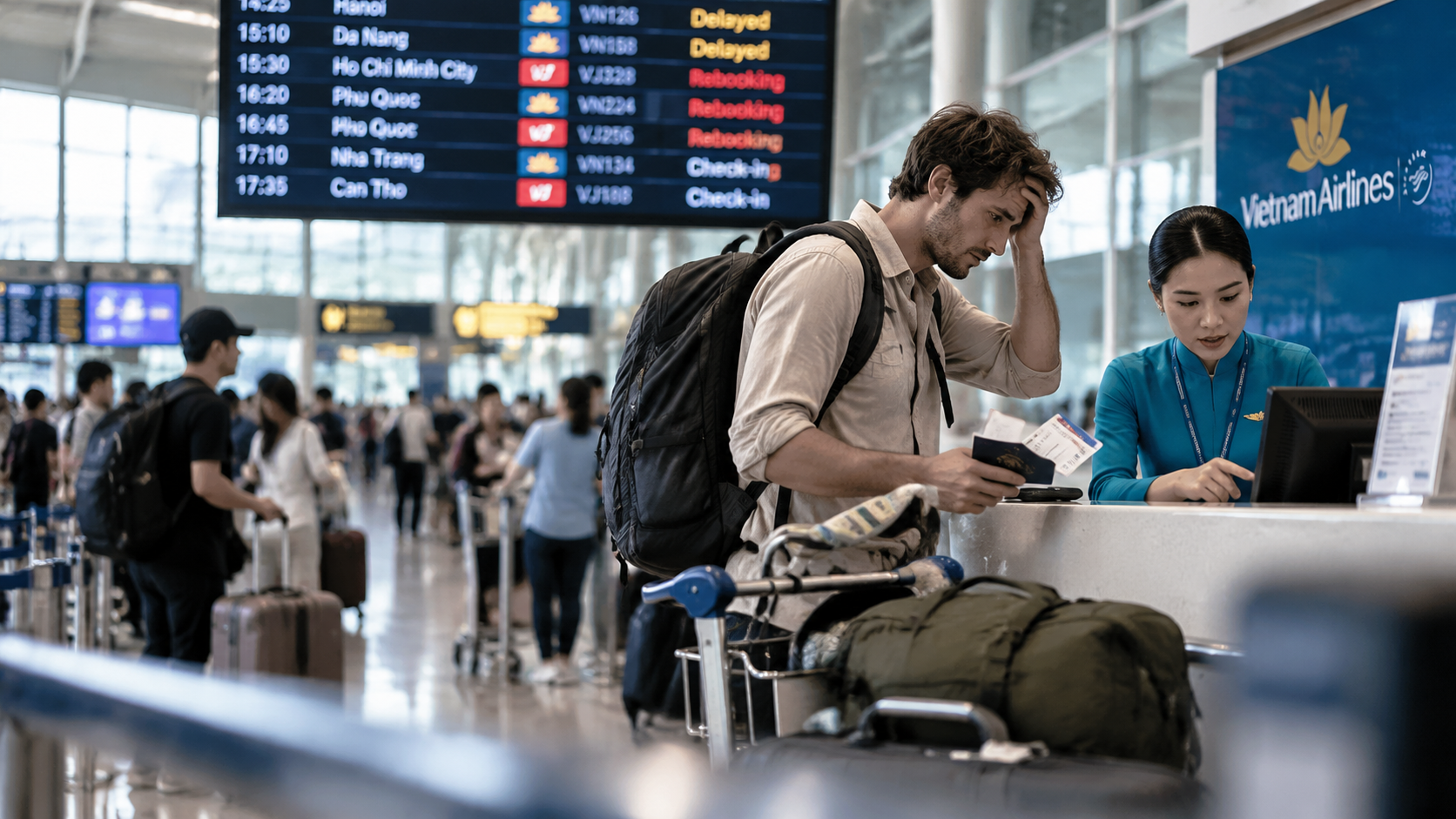
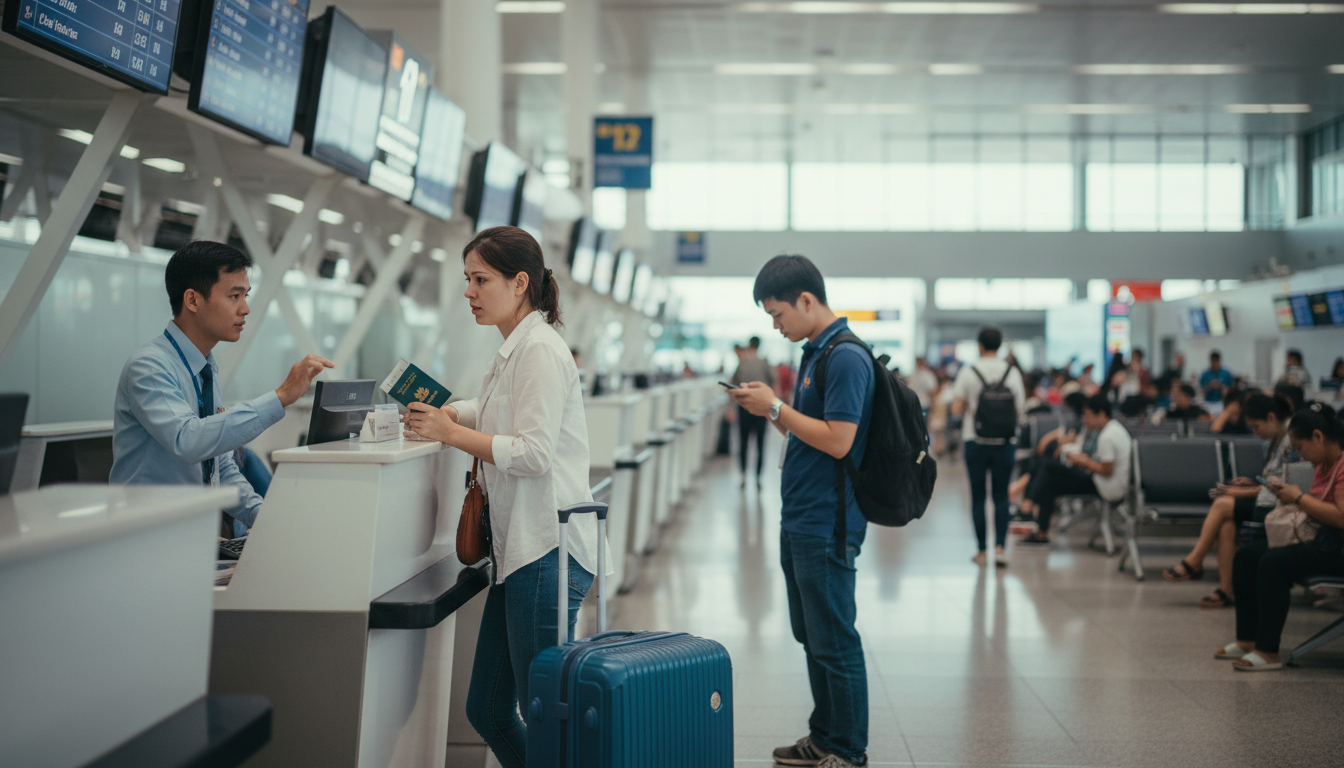
    Vietnam National Day is one of the busiest public holidays in the country, so visitors should expect packed streets, slower transport, and early closures in some areas. If you are planning a local-style trip, this is still a strong date to travel, but you need to move with the holiday rhythm instead of fighting it.

    For foreign travelers, the smartest approach is simple: book early, stay flexible, and choose experiences that fit the mood of the day. A good mix is a city walk, a food stop, and a respectful cultural visit, then leave the rest of the day open. That way you avoid stress and still get the real Vietnam vibe.

    Featured snippet: Vietnam National Day usually brings heavy domestic travel, busy attractions, and reduced opening hours. Travelers should confirm transport, book accommodation early, and plan short, flexible activities. Public ceremonies and family outings are common, so respectful behavior and extra buffer time make the trip smoother.

    Travel conditions, crowds, and holiday closures

    Expect more traffic in big cities, fuller trains and buses, and sold-out hotels near popular landmarks. Museums, offices, and some family-run shops may close or shorten hours, while restaurants in tourist areas often stay open. The practical rule is to treat Vietnam National Day like a major local travel wave, not a normal weekday.

    Tiêu chí Big City Areas Tourist Zones Rural Stops
    Transport Heavier traffic and delays Busy but manageable Usually easier and calmer
    Opening hours Some closures and short hours Most services stay open Local schedules may vary

    Mini insight: the early morning and late evening often feel easier than midday, especially around central squares and main transport hubs. If your route includes a holiday ceremony area, build in extra time and keep your day light. For a smoother booking strategy, check all Vietnam Crazy tour options before locking dates.

    Best ways to experience the holiday respectfully

    The best way to enjoy the day is to observe first, then join in politely. Watch local families, keep your voice low near memorial or flag-raising areas, and avoid blocking sidewalks or ceremonies for photos. Vietnam National Day is not a theme event; it is a meaningful national moment.

    If you want a deeper local experience, choose activities that match the atmosphere. A morning coffee stop, a short heritage walk, or a neighborhood food run can be perfect. Travelers who like more cultural edges can pair the holiday with a ghost and beliefs tour for a respectful look at how Vietnamese traditions shape daily life.

    Soft CTA: if you prefer local-first travel, build your schedule around one meaningful activity instead of chasing too many sights in one day.

    Practical tips for planning a trip around the date

    Book transport and hotels early, confirm opening hours one day before arrival, and keep one backup plan in case your first choice is crowded or closed. For couples and solo travelers, short city stays work best. Families should choose easy logistics, while adventurous visitors can use the holiday to explore less touristy districts.

    Simple planning checklist: arrive earlier than usual, carry cash for small shops, and expect some attractions to move slower than normal. If you want a guided local perspective, the Vietnam Crazy Tour homepage is a useful starting point for checking styles of travel that fit a more authentic trip.

    Strong CTA: plan Vietnam National Day with flexibility, respect, and local curiosity, and you will get a trip that feels more real than rushed. If you want to turn the holiday into a deeper adventure, choose one neighborhood, one food stop, and one cultural activity, then let the rest of the day unfold naturally.

    Common Questions, Mistakes to Avoid, and Final Travel Tips

    Vietnam National Day is one of the easiest times to understand the country’s rhythm, but it also creates confusion for first-time visitors. If you are planning a trip around this holiday, the key is to know what is open, what gets crowded, and how locals actually celebrate. That small bit of prep can save you from wasted time and turn the holiday into a real cultural highlight.

    For solo travelers, couples, families, and adventurous visitors from Europe, North America, Korea, or Japan, the smartest move is to plan around local behavior, not just the calendar. If you want a trip that feels authentic, consider pairing the holiday with a local experience lineup that keeps logistics simple while still giving you access to real street life, food, and neighborhood energy.

    Featured snippet: Vietnam National Day is a public holiday on September 2, marked by parades, flags, family outings, and heavy domestic travel. Expect busier attractions, adjusted opening hours, and a more local atmosphere. The best strategy is to book early, check service schedules, and stay flexible with transportation and dining plans.

    Tiêu chí What to expect Best traveler move Risk if ignored
    Transport High domestic demand and crowded routes Book early and travel off-peak Missed departures and long waits
    Attractions Popular sites feel busier than usual Arrive early and keep backup options Rush-hour stress and limited entry time

    Frequently asked questions usually come down to three things: opening hours, crowd levels, and whether the holiday changes the travel experience. Yes, some museums, restaurants, and shops may close earlier or run shorter hours, while parks, squares, and night markets often become even more active. That mix is exactly why Vietnam National Day can be fun if you plan it right.

    One useful rule: do not assume everything follows a Western holiday schedule. A local coffee shop may open while a government office closes, and a family-run place may pause for celebrations. If you want to stay close to the cultural pulse, browse Vietnam Crazy Tour for ideas that fit a more local, street-level travel style.

    Common misunderstandings often start with tourists treating the holiday like a quiet day off. In reality, it can be lively, emotional, and proudly patriotic. You may see flags everywhere, hear music in public spaces, and notice families dressing up for photos. The smartest etiquette tip is simple: be observant, avoid blocking parades or ceremonies, and never joke casually about national symbols.

    Another mistake is underestimating traffic. Around major cities, short distances can take much longer because locals are moving for gatherings, day trips, and events. Build in buffer time, especially if you have a flight, train, or prebooked tour. A small delay plan is better than a stressful sprint across town.

    Final travel tip: if your trip overlaps with the holiday, keep one day flexible and one day dedicated to a guided local experience. That balance gives you freedom without chaos, and it helps you see Vietnam at its most energetic. For travelers who want a more immersive angle, check out cultural tour options that reveal how belief, tradition, and daily life connect in real neighborhoods.

    Quick CTA: If you are planning Vietnam National Day travel, book transport early, confirm opening hours, and leave room for local crowds. That is how you turn a busy holiday into a smoother, richer trip. For a trip plan that feels adventurous but still practical, explore the full range of local experiences before you arrive.

  • Motorbike Tours in Vietnam: What Most Travelers Miss 2026

    Motorbike Tours in Vietnam: What Most Travelers Miss 2026

    Motorbike tours in Vietnam are for travelers who want more than a seat in a car; they want open roads, real local life, and that wild feeling of riding through rice fields, mountain passes, and coastal curves. For many first-time visitors, the hard part is not the ride itself but choosing a route, a safety level, and a tour that actually fits their comfort zone.

    This guide explains how motorbike tours in Vietnam work, which styles suit solo travelers, couples, and families, and what makes a route worth your money and time. If you are comparing guided rides, easy rider options, or self-drive trips, you will also get a simple way to judge all Vietnam Crazy Tour options before booking, so you can ride with more confidence and less guesswork.

    What Motorbike Tours in Vietnam Actually Include

    What Motorbike Tours in Vietnam Actually Include

    Motorbike tours in Vietnam usually mean more than renting a bike and heading out on your own. For first-time visitors, the real value is a route that is planned, local insight that saves time, and a style of travel that matches your confidence level. The main choice is between guided rides, self-drive tours, and easy rider tours, each built for a different kind of traveler.

    Most travelers choose this format because it blends freedom with support. You can cover scenic roads, stop for food, meet local communities, and still avoid the stress of navigation, police checks, or bad road decisions. If your goal is to see Vietnam in a more local way, all Vietnam Crazy tour options show how different trip styles fit different travel plans.

    Featured snippet: Motorbike tours in Vietnam are organized trips that usually include route planning, a rider or guide, safety support, fuel guidance, and cultural stops. Depending on the package, travelers may ride themselves, sit behind an easy rider, or join a guided convoy for a safer and more social experience.

    The experience usually starts with a short briefing, helmet and gear check, and a clear explanation of the route. On a self-drive trip, you ride your own motorbike but still follow a planned itinerary. On an easy rider tour, a local rider drives while you sit behind and focus on the landscape, which is popular with couples, families, and solo travelers who want comfort first.

    Typical inclusions can look like this:

    • Route planning through scenic mountain roads, coastal highways, or rural backroads
    • Fuel support, hotel stops, and luggage handling on longer trips
    • Local food breaks, village visits, and photo stops with real time flexibility
    • Safety guidance, riding support, and help with weather or road changes

    A quick example: a couple from Europe might choose an easy rider route for the Ha Giang Loop because they want the views without the pressure of mountain riding. A solo traveler from North America may prefer self-drive for independence, while still joining a small group for safety and social energy. That flexibility is why motorbike tours in Vietnam work so well for different experience levels.

    Tiêu chí Self-drive Easy rider Guided group
    Best for Confident riders who want freedom Travelers who want comfort and views Visitors who want structure and safety
    Main value Independence and pace control Local insight without riding stress Shared route, support, and social experience
    Typical trade-off More responsibility on the rider Less control over the bike Less privacy and flexibility

    If you are comparing trip styles, the safest move is to match the tour to your comfort level instead of chasing the hardest route. A short mountain ride can feel magical when it is well supported, and a long coastal loop can become exhausting when the package is too intense. That is why good operators explain the ride first, not after booking.

    If your main goal is adventure with local depth, look for a package that includes route design, trained support, and real stops for food and culture. When that balance is right, the journey feels personal, practical, and far more memorable than a standard day tour. For travelers who want a wider view of the brand, Vietnam Crazy Tour shows the style and spirit behind these trips.

    What travelers should expect in a quality motorbike tour:

    • A clear route matched to your riding level
    • A support team that handles logistics and timing
    • Local stops that go beyond tourist checklists
    • Enough freedom to enjoy the road without losing safety

    At the end of the day, motorbike tours in Vietnam are about movement, access, and cultural immersion in one package. If you want the country to feel closer, louder, and more real, this is one of the smartest ways to travel it.

    Ready to choose the right style? Start with the route that fits your comfort level, then book the format that gives you the right mix of freedom and support. The best tour is not the fastest one, it is the one that lets you enjoy Vietnam with confidence, energy, and zero unnecessary stress.

    How Motorbike Tours in Vietnam Work from Booking to Riding

    Motorbike tours in Vietnam are easier to book than many first-time travelers expect, but the real challenge is choosing a route that fits your riding comfort, time, and travel style. For solo travelers, couples, and families who want local roads, mountain views, and real village stops, the best plan is the one that balances adventure with support.

    In practice, a good tour follows a simple flow: select the route, confirm the details, get fitted with the right gear, and start riding with a local team that handles logistics. If you want to see what kinds of experiences fit that style, browse all Vietnam tours and compare the pace before you decide.

    Featured snippet: A motorbike tour in Vietnam usually includes route selection, booking confirmation, safety briefing, gear check, rider matching, accommodation planning, and on-tour support. Most operators also provide local guides and backup vehicles so travelers can focus on the ride, not the logistics.

    The typical process starts with a route choice. Short loops work well for beginners, while longer mountain rides suit confident travelers who want deeper local immersion. A solid operator should explain road conditions, daily distances, weather risks, and what level of riding is needed, because that is where trust starts.

    After booking, you usually receive a clear briefing on bike type, luggage limits, pickup point, and safety gear. This is the stage where details matter most. For example, a couple may want a semi-automatic scooter for comfort, while an experienced rider may prefer a manual bike for more control on steep passes.

    Midway through planning, ask about accommodations, fuel stops, and whether a support vehicle follows the group. That one question often separates a polished Vietnam travel company from a basic rental setup. The strongest tours reduce stress by handling bags, spare parts, and emergency backup without making the trip feel overmanaged.

    Core elements also shape the riding experience. A reliable tour normally includes these parts:

    Tiêu chí Cột 1 Cột 2 Cột 3
    Bike type Easy to ride Manual or semi-auto Matched to skill level
    Support Local guide Backup vehicle Route and safety help

    Mini insight: the most enjoyable tours are not always the fastest ones. Travelers often remember the roadside coffee stop, the village lunch, and the guide who knows every shortcut more than the mileage itself.

    If your goal is a deeper local experience, choose a tour operator that explains the daily rhythm clearly and supports flexible pacing. That is especially useful for first-time visitors, families, and older riders who want adventure without chaos.

    Before you confirm, check whether the tour includes a helmet, rain gear, phone support, and overnight stays in places that feel authentic rather than overly polished. Small details like these turn a standard ride into a smooth Vietnam adventure.

    For travelers who want the booking process to stay simple while still feeling local and real, the smartest move is to compare route style, support level, and bike type before paying. That makes motorbike tours in Vietnam far easier to enjoy from the first kilometer to the last.

    To move from interest to action, choose a route, confirm the inclusions, and ask one direct question: what happens if weather, road conditions, or rider comfort change on the day. A strong operator will answer clearly, and that clarity is usually the best sign you are ready to ride.

    Why Motorbike Tours in Vietnam Are So Popular with Travelers

    Why Motorbike Tours in Vietnam Are So Popular with Travelers

    Motorbike tours in Vietnam are popular because they give travelers total control over the journey while unlocking places that buses and big tours often miss. For adventurous solo travelers, couples, and even families with a flexible pace, this style of travel turns the road itself into the main attraction.

    The real draw is simple: you can stop for coffee in a mountain town, detour to a quiet beach, or spend longer in a village when the view or the people feel worth it. That freedom makes a trip feel personal, local, and far more memorable than a standard itinerary.

    Tiêu chí Self-guided ride Private motorbike tour Big group tour
    Flexibility Highest High Low
    Local access Strong but risky Strong and safer Limited

    Featured snippet: Motorbike tours in Vietnam are popular because they combine flexibility, scenic freedom, and authentic local access. Travelers can reach hidden villages, mountain passes, and riverside communities while moving at their own pace, which creates a more immersive and personal travel experience.

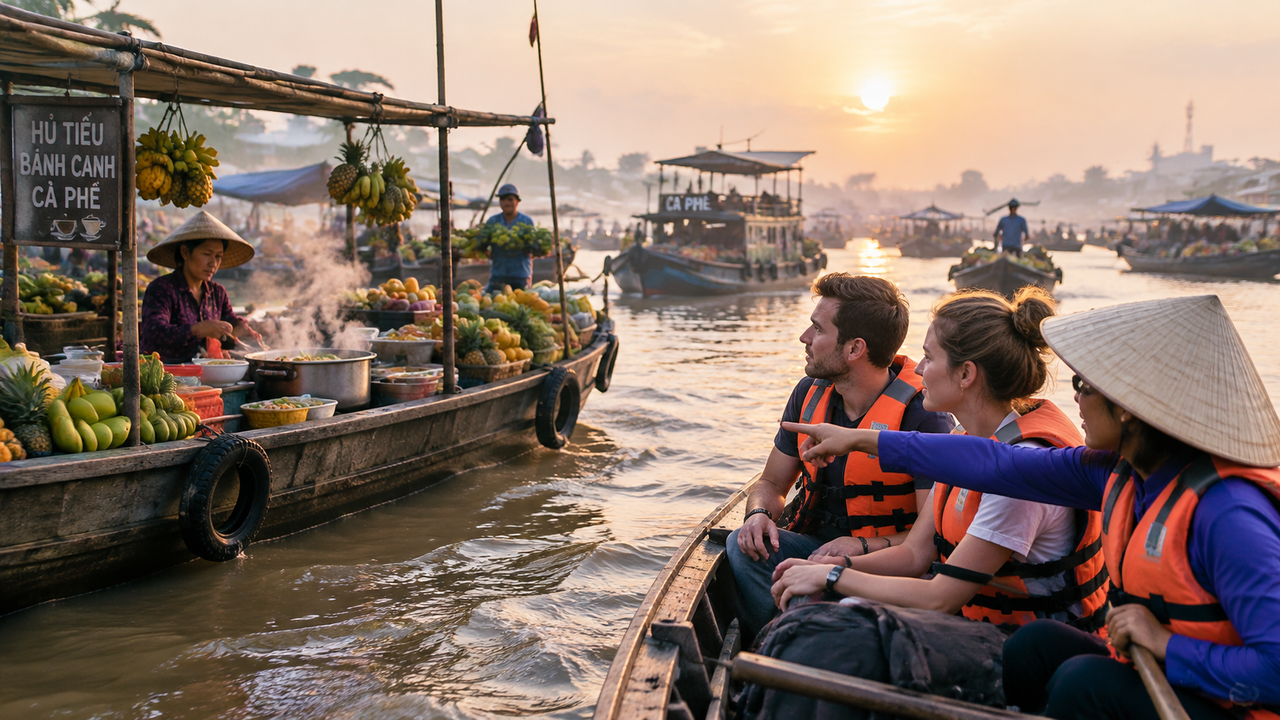
    Popular routes prove this advantage every day. The Ha Giang Loop delivers dramatic limestone peaks and ethnic minority villages, while the Hai Van Pass gives you a coastal ride with sea and mountain views in one stretch. In the Central Highlands, coffee farms and red-dirt roads create a deeper cultural feel, and Mekong Delta rides bring you close to floating markets, canals, and village life. If you want a broader look at Vietnam travel styles, all Vietnam tours can help you compare options before you book.

    For travelers who want more than a checklist, this is where the trip becomes special. A good route lets you pause for lunch at a family-run roadside kitchen, watch local life unfold, and feel the landscape change in real time. That mix of movement, freedom, and real human contact is exactly why this travel style keeps winning attention from international visitors.

    If you want a trip that feels personal instead of packaged, Vietnam Crazy Tour focuses on routes that balance comfort, local access, and strong storytelling on the road. It is a smart fit for first-time visitors who want adventure without losing structure or safety.

    In practice, the best motorbike tours are not just about speed or thrill. They are about choosing the right rhythm, the right scenery, and the right stops so the journey matches your travel style. That is why motorbike tours in Vietnam continue to stand out for couples, solo travelers, and families who want a deeper, more vivid trip.

    How to Choose the Right Motorbike Tour in Vietnam

    Motorbike tours in Vietnam can be the smartest way to see the country if you want local streets, mountain views, and a trip that feels real, not packaged. The hard part is choosing the right style, because one wrong pick can turn an exciting ride into stress, wasted money, or a route that is too hard for your level.

    The good news is simple: match the tour style to your budget, riding skill, and travel days. If you want freedom, a self-guided ride may fit. If you want comfort and local support, a guided tour or easy rider package may be better. The best choice is the one that keeps you safe, flexible, and fully in the moment.

    Featured snippet: Choose a motorbike tour in Vietnam by comparing three things: your riding confidence, your available time, and how much support you want on the road. Guided tours suit first-time visitors and tighter schedules, self-guided rides suit experienced riders, and easy rider packages suit travelers who want local discovery without handling the bike stress.

    Tiêu chí Guided tour Self-guided ride Easy rider package
    Best for Beginners, first-time visitors Confident riders, flexible planners Solo travelers, couples, comfort seekers
    Main trade-off Less freedom, more structure More freedom, more responsibility Higher cost, lower stress
    Travel feel Efficient and safe Independent and adventurous Local, relaxed, personal

    Here is the real breakdown. Guided tours usually work best for short trips, family travel, or anyone who wants the route handled by a pro, especially on busy roads or in the Vietnam Crazy Tour style of local discovery. You get navigation, timing, and backup support, which matters when weather, traffic, or road conditions change fast.

    Self-guided riding gives you the most freedom, but it also asks for strong navigation skills, riding experience, and comfort with long distances. Easy rider packages sit in the middle: a local rider handles the bike while you enjoy the views, chats, and stopovers. That option is often the best fit for travelers who want all tours of Vietnam Crazy tour without the pressure of managing every detail themselves.

    If your budget is tight, self-guided may look cheaper, but hidden costs can rise fast with fuel, repairs, wrong turns, and lost time. If your trip is only two or three days, a guided or easy rider option can deliver more value because you spend less energy planning and more energy enjoying the road. For longer trips, experienced riders often prefer self-guided freedom.

    A simple way to decide is this: choose guided if you are new, easy rider if you want comfort with local depth, and self-guided if you already know how to handle traffic, hills, and route changes. For couples and solo travelers who want a more social and culture-rich ride, the easy rider format usually feels like the sweet spot.

    Ghost and beliefs tours can also be a strong add-on if your route passes through villages, temples, or regions where local stories shape daily life, because those moments often turn a simple ride into a deeper Vietnam experience. Small cultural details matter, and a good operator should explain them clearly, not rush past them.

    Before booking, check the bike condition, insurance coverage, luggage support, pickup rules, and whether the operator offers roadside help. If any of those answers are vague, keep looking. A good motorbike tour should feel adventurous, but never careless, and it should leave you with great stories, not unnecessary problems.

    For travelers who want local streets, mountain air, and a ride that feels truly alive, the best motorbike tour is the one that fits your actual comfort level, not your fantasy level. Choose well, then let the road do the magic.

    Soft CTA: If you are still comparing options, start with the style that matches your confidence and trip length, then build the route around your pace and interests.

    Strong CTA: Book the tour type that gives you the best balance of safety, freedom, and local experience, so your Vietnam ride feels exciting from the first kilometer to the last stop.

    Important Safety Tips, Common Mistakes, and FAQs Before You Book

    Motorbike tours in Vietnam can be the trip that turns your holiday from normal to unforgettable, but only if you book with the right safety mindset. For first-time visitors, the biggest risks are not the distance or the scenery, it is choosing a tour that ignores road reality, weather shifts, and rider comfort.

    The smart move is simple: check the route style, match the bike to your skill level, and make sure the operator explains insurance and support clearly. On local roads, a good plan matters more than a cheap price, especially when you want adventure without turning it into stress.

    One common mistake is underestimating road conditions. Vietnam roads can change fast, from smooth city streets to wet mountain curves, gravel patches, and busy traffic around market areas. If you are joining a full list of Vietnam tours, ask how much of the route is highway, backroad, or off-road before you confirm.

    Another mistake is skipping insurance because the rider feels confident. Confidence helps, but protection matters more when weather, traffic, and road surfaces are unpredictable. A simple rule works well: if the operator cannot explain coverage in plain English, treat that as a warning sign.

    The third mistake is choosing the wrong bike for the trip. A heavy bike may look cool, but it can be tiring for beginners on tight roads, while a smaller bike may feel safer for city-to-rural travel. Here is a quick decision guide:

    Criteria Best for beginners Best for mixed terrain Best for experienced riders
    Bike type Scooter or small automatic Mid-size semi-automatic Manual bike or larger engine
    Road comfort Easy in city traffic Balanced for long day rides Better for skilled control

    A practical safety tip: wear proper shoes, bring a light rain layer, and test the brakes before you leave the pickup point. That small check can save a lot of trouble later, especially on routes with sudden hills or slippery corners.

    Do you need a license? In many cases, yes, and the exact requirement depends on your nationality, home license, and the bike category. Is it safe for beginners? Yes, if the route is matched to your level and the guide gives clear instructions. What should you pack? A valid ID, travel insurance details, phone charger, sun protection, and a compact rain jacket.

    If you want a tour that feels local, adventurous, and still well organized, choose an operator that explains the route, the bike, and the backup plan before payment. That is how you enjoy the real Vietnam road vibe without guessing what happens next.

    Ready to book with confidence? Pick the ride that fits your level, ask the right questions, and choose a team that treats safety as part of the experience. When the basics are handled well, the trip feels freer, smoother, and far more memorable.

  • Vietnam Typhoon Season 2026: What Most Travelers Miss

    Vietnam Typhoon Season 2026: What Most Travelers Miss

    Vietnam typhoon season can catch first-time visitors off guard, especially when you are picturing clean beach days and easy island hopping. The real problem is not just rain, but sudden route changes, ferry delays, and coastal closures that can derail a tight itinerary. If you understand the storm calendar early, you can keep the trip flexible and stay one step ahead.

    For travelers chasing local food, remote villages, and a more adventurous Vietnam, the smart move is to read the weather by region, not by country. The south often stays more workable, while the central coast and northern shoreline can turn rough fast. If you want a trip that feels bold but still controlled, planning around the Vietnam typhoon season is the move. For broader trip ideas, check all Vietnam crazy tours or start with Vietnam crazy tour for the style of travel that fits your pace.

    Tiêu chí North Coast Central Coast South Vietnam
    Typhoon risk High in peak months Highest and longest season Lower, mostly rain-driven
    Best travel style Flexible city and inland plans Buffer days and indoor backups Safer base for beach and city travel

    Featured snippet: Vietnam typhoon season usually runs from May to October, with the strongest disruption in August and September. Northern and central coastal areas face the highest risk, while southern Vietnam is generally more travel-friendly. Build in buffer days, choose flexible bookings, and monitor local weather alerts daily.

    Soft CTA: If you are still shaping your route, keep the coastal highlights on your list but leave room to shift inland when the forecast turns messy. That simple habit can save a whole trip.

    Strong CTA: Before you lock in flights, hotels, and island tours, check the storm window for each region and plan your backup days now. Smart travelers move with the weather, not against it, and that is how you keep Vietnam exciting without turning it into a stress test.

    Vietnam Typhoon Season Overview

    Vietnam Typhoon Season Overview

    Vietnam typhoon season can reshape a trip fast, especially if you are chasing beach days, island hops, or that wild local adventure on the coast. The good news is you do not need to avoid Vietnam entirely. You just need to know when the weather gets spicy, which regions stay calmer, and how to keep your plans flexible without killing the vibe.

    For first-time visitors, the real pain point is not the storm itself, it is the sudden disruption to boats, flights, road transfers, and outdoor tours. If you are planning a solo escape, a couple trip, or a family holiday, the smart move is to pair awareness with backup plans. That is how you keep the journey smooth and still enjoy the crazy local side of Vietnam.

    Featured snippet: Vietnam typhoon season usually runs from May to October, with the highest risk in August and September. Central Vietnam gets hit hardest, while the south is usually safer. Travelers can still visit during this period by choosing flexible plans, checking weather alerts daily, and avoiding exposed coastal activities when warnings appear.

    Tiêu chí Cột 1 Cột 2 Cột 3
    Best timing November to April Lower storm risk Best for coastal plans
    Higher risk period July to October Central coast most exposed Needs flexible booking

    Vietnam typhoon season means a stretch of tropical storm activity that can bring heavy rain, strong wind, flooding, and transport delays. It does not always mean a full shutdown, but it can easily change the order of your itinerary. A beach day in Da Nang can turn into a hotel reset, while a boat trip in Ha Long may get canceled with little notice. That is normal, not a disaster.

    The clearest pattern is simple. Northern and central coastal areas face the sharpest impact, while the south is more about monsoon rain than direct typhoons. If your trip depends on open water, island access, or long coastal drives, you need to plan with a weather buffer. If you want deeper trip planning support, check all Vietnam tours for flexible local options that work better in shifting weather.

    What Vietnam typhoon season means and how it affects travel: in practice, it is a travel planning issue, not just a weather issue. The season can affect flights, ferries, hiking routes, and even city walking plans. For example, a couple heading to Hoi An may still enjoy lantern streets and food stops, but should not lock in a boat tour too early. Solo travelers and families should keep one indoor day ready for every two outdoor days.

    Typical typhoon months, regional weather patterns, and storm-prone areas: the main window is May to October, with August and September usually the most active. Central Vietnam, especially Da Nang, Hoi An, and nearby coastal strips, sees the strongest exposure. The north can also take hits, while the south usually stays more manageable. If you want a smarter local route, a safer fallback is to follow the rhythm of the country and switch to inland or city-heavy days when the coast gets rough.

    Mini insight: travelers who stay flexible usually save more money and lose less time than travelers who try to force a fixed beach itinerary through storm season.

    In short, Vietnam typhoon season is manageable when you respect the forecast, book smart, and avoid overcommitting to exposed destinations. The strongest travel strategy is to mix coastal highlights with inland backups, keep your booking terms flexible, and treat weather as part of the adventure, not an obstacle. For a broader local travel plan, the Vietnam Crazy Tour homepage can help you shape a route that stays fun even when the sky turns messy.

    Soft CTA: if you are building a local and adventurous Vietnam trip, choose routes that can pivot between coast, city, and inland spots. That gives you more freedom, better value, and fewer weather headaches.

    Strong CTA: book smart, travel flexible, and let Vietnam surprise you in the right way. When you are ready to turn this weather knowledge into a real trip, explore the full lineup and lock in a plan that fits the season, not fights it.

    How Vietnam Typhoon Season Works

    Vietnam typhoon season starts when warm ocean water, moist air, and unstable winds line up over the South China Sea. For travelers, that means a calm beach morning can turn into a delayed flight, a cancelled ferry, or a rainy day in the middle of your local adventure plan. The smart move is not fear, but timing.

    Most storms develop far out at sea, then track west or northwest toward the coast. Some weaken before landfall, others stay strong enough to hit central and northern Vietnam with wind, surge, and flooding. If you are planning a full Vietnam tour lineup, knowing how the season behaves helps you choose safer routes and keep your trip flexible.

    Typhoons form when warm sea surface temperatures feed rising air, low pressure grows, and spinning wind bands organize into a storm. In Vietnam, the biggest risk usually comes from systems moving in from the Pacific, crossing the South China Sea, then hitting the central coast or northern shoreline.

    Key signs travelers should watch include dark building clouds, sudden wind shifts, falling barometric pressure, and repeated rain bands. Local authorities and weather apps often give 48 to 72 hours of warning, which is enough time to change plans if you stay alert. For a softer, culture-first backup plan, ghost and belief tours can work well when outdoor cruising gets cancelled.

    Tiêu chí Before Landfall During Storm After Storm
    Flight status Possible delay or reroute Often cancelled Reopens gradually
    Boat services Warning based suspension Closed Restart after safety checks

    Real life disruption is usually simple and brutal: Ha Long Bay cruises stop, island ferries shut down, and tours move inland or pause completely. If your itinerary has beach days, keep a backup indoor option and a flexible booking policy. That is the Vietnam crazy tour way to travel smart, stay local, and still enjoy the trip even when the sky turns wild.

    Featured snippet: Typhoons in Vietnam usually begin over warm tropical water, move westward through the South China Sea, and affect flights, ferries, and tours when wind and rain become unsafe. Travelers can reduce risk by watching official warnings, booking flexibly, and choosing inland backup activities.

    Soft booking signal: If you want a trip that still feels adventurous when weather changes, plan with flexible transport and keep one local culture experience ready as your backup day.

    For travelers who want the strongest control over typhoon season risk, the best habit is simple: check forecasts daily, avoid tight connections, and build one spare day into any coastal itinerary. That is how you protect your trip, your money, and your time on the ground.

    Need a safer plan with less stress and more local flavor? Visit Vietnam Crazy Tour homepage to explore trip ideas that can be adjusted around weather and still feel deeply local.

    Benefits of Planning Around Vietnam Typhoon Season

    Vietnam typhoon season matters most when you want a trip that feels bold, local, and still under control. Travelers who plan around the weather do not just avoid chaos, they also unlock better prices, calmer routes, and faster decisions when the forecast shifts. For beach lovers, island hoppers, solo explorers, and couples chasing a more adventurous Vietnam, timing can save both money and stress.

    If you already know where storms are more likely, you can shape the trip around them instead of reacting at the last minute. That means fewer wasted nights, fewer cancelled boat days, and more time on the ground where the real magic happens. For many readers, the sweet spot is not avoiding the season completely, but using it with a smarter route and a flexible mindset.

    Featured snippet: Planning around Vietnam typhoon season helps travelers cut costs, avoid ferry and flight disruptions, and choose safer regions like the south or inland cities. It works best for flexible itineraries, weather-aware bookings, and travelers who want fewer crowds with a more local travel rhythm.

    Why travelers who understand typhoon season save time, money, and stress

    When you plan around Vietnam typhoon season, you get three clear wins: better value, cleaner logistics, and less emotional friction. Hotels in coastal cities often drop rates, especially when demand softens, and that can make a premium stay more reachable. At the same time, you avoid the expensive trap of rebooking boats, moving hotels, or losing a full day to a closed route. A smart traveler treats the weather like a route filter, not a problem.

    Mini insight: the biggest savings are usually not only on room rates, but on the decisions you do not have to undo later. If you want a softer travel flow, keep one flexible day in the middle of the trip and use all Vietnam Crazy tour options as a backup for land-based experiences when the sea turns rough. That is especially useful for travelers who like local street energy more than fixed resort schedules.

    Tiêu chí Cột 1 Cột 2 Cột 3
    Cost Higher in peak dry months Lower during typhoon season Best for flexible budgets
    Risk More stable weather Possible delays or closures Best with backup plans

    Popular travel uses: beach trips, island routes, motorbike loops, and city stays

    Vietnam typhoon season does not make every trip a bad idea. It simply changes which styles of travel work best. Beach holidays can still work if you stay in the south or keep your dates loose. Island routes need more caution because ferries and speedboats are the first services to shut down. Motorbike loops are strongest when you avoid exposed coastal stretches and choose inland roads with easy exit points. City stays are often the most practical because museums, cafes, markets, and food streets keep moving even when the sky turns heavy.

    A simple breakdown helps:

    • Beach trips: better in southern Vietnam or with short, flexible stays
    • Island routes: only for travelers who can shift dates fast
    • Motorbike loops: best inland, with daily weather checks
    • City stays: strongest option for comfort, food, and low disruption

    For adventurous travelers who want a more local edge, this is where the season can actually improve the vibe. Fewer crowds often mean easier table access at busy noodle shops, more space at markets, and a travel rhythm that feels real instead of packaged. If your trip leans toward local discovery, a rainy city day can be the perfect excuse to book a cultural experience through Vietnam Crazy Tour home rather than losing the day to hotel boredom.

    When Vietnam typhoon season can still work for budget or flexible travelers

    This season works best when your trip is built for flexibility, not perfection. Budget travelers can take advantage of lower rates, especially in cities and in the south, where weather disruption is usually easier to manage. Couples and solo travelers often handle this best because they can pivot fast, switch transport, or swap a beach plan for a food and culture day. Families can still travel too, but only if they choose reliable hotels, keep transport simple, and avoid tight schedules.

    Use typhoon season when you want value, variety, and less crowd pressure. Do not use it when your whole trip depends on one island transfer or a fixed beach calendar. The smart move is to book refundable stays, keep one backup region, and aim for experiences that feel local even when weather changes. That is how you turn Vietnam typhoon season from a risk into a travel advantage, with more savings and a stronger story at the end of the trip.

    How to Choose the Best Travel Plan During Vietnam Typhoon Season

    How to Choose the Best Travel Plan During Vietnam Typhoon Season

    Vietnam typhoon season does not mean canceling your trip. It means choosing the right region, the right dates, and the right level of flexibility so your plan stays fun, safe, and realistic. For adventurous solo travelers, couples, and families, the smartest move is to treat weather like part of the itinerary, not a surprise.

    The best travel plan depends on where you go first. Northern and central Vietnam face stronger storm disruptions, while the south usually stays more workable. If your dates are fixed, build a route with indoor backup activities, flexible bookings, and a buffer day or two. That is how you keep the trip local, wild, and still under control.

    Featured snippet: Choose southern Vietnam or inland destinations if you must travel during typhoon months, book flexible hotels, avoid peak storm windows in August and September, and keep two buffer days in your plan. A safe itinerary is not boring; it is the one that survives the weather and still gives you real Vietnam energy.

    When comparing regions, the key is how storms affect transport and activities. Northern Vietnam can still work in early shoulder months, but bay cruises and mountain roads become risky fast. Central Vietnam is the most exposed zone, especially for beach and island plans. The south is usually the smartest base because rain can be heavy without shutting the whole trip down.

    Criteria North Central South
    Storm risk Moderate to high Highest Lower
    Best use case Culture and city breaks Short visits only Safer mixed itinerary

    If you are deciding between typhoon season and dry season, the tradeoff is simple. Dry season gives easier logistics, clearer skies, and more beach time. Typhoon season can give lower prices, fewer crowds, and a more local feel, but only if your route can absorb sudden changes. A smart traveler uses this season for flexible city stays, food tours, and inland escapes instead of rigid coast-hopping.

    Soft CTA: if you want the trip to stay adventurous without becoming stressful, build your route around weather-proof stops and then add one coastal highlight only after checking forecasts. That is also where curated local experiences can help, especially when you need quick backup options through all Vietnam tours that fit changing conditions.

    The safest itinerary is usually built in this order: arrive in the south, keep central Vietnam as optional, and use the north only when the forecast stays calm. For example, a three-stop plan could be Ho Chi Minh City for arrival, Da Lat for cool inland days, and Phu Quoc only if the sea stays stable. This structure works well for families and couples who want comfort without losing the local edge.

    Here is the decision rule in plain English: if your dates fall in August or September, avoid fixed island cruises and long coastal transfers; if your dates are in May, June, or October, keep your plan flexible and watch alerts daily; if you want the safest balance, base the trip in southern Vietnam and mix in culture, food, and inland scenery. Strong weather planning is not overcautious. It is how you keep the whole trip alive.

    For travelers who want deeper local flavor even in storm season, pair city exploring with human-scale experiences that stay doable in bad weather. A rainy day can still be a great day if the plan includes markets, street food, museums, and guided neighborhood walks. If your style leans toward raw local discovery, you can also browse Vietnam Crazy Tour for trip ideas that feel more alive than a standard package.

    Strong CTA: choose your dates, choose the south when possible, and choose flexibility over perfection. If you are ready to turn a risky weather window into a smart Vietnam route, build your plan around real-time forecasts and book only the parts that can move with the storm. That is the difference between a trip that gets stuck and a trip that still hits hard.

    Typhoon Season Travel Tips, FAQ, and Smart CTA

    Vietnam typhoon season can still be a smart time to travel if you plan like a local and keep your route flexible. The biggest mistake is treating every destination the same. A coastal cruise, a mountain transfer, and a city break all react differently when storms move in, so your trip plan needs a real weather strategy, not wishful thinking.

    For adventurous travelers, solo visitors, couples, and families, the win is simple: check forecasts early, choose safer bases, and keep a backup list of indoor and south-bound options. If you want a deeper look at how local-style travel works when conditions shift, the Vietnam Crazy Tour home base is a useful starting point for trip ideas that stay practical in real weather.

    Featured snippet: The safest way to travel during Vietnam typhoon season is to avoid rigid bookings, monitor official forecasts daily, and prioritize flexible stays in lower-risk regions. If a storm warning appears, shift to indoor activities, delay boats and island trips, and follow local advice instead of forcing the original itinerary.

    Tiêu chí Do this Avoid this Why it matters
    Booking style Choose flexible hotels and flights Lock every night in advance Lets you move fast when weather changes
    Route choice Use south or city backups Depend on boats and beach days Reduces disruption during storm alerts

    Common mistakes travelers make during Vietnam typhoon season usually start with overconfidence. Many visitors keep island transfers, rooftop stays, and long motorbike legs even after warnings appear. Another classic error is relying on a single weather app. Use official updates, hotel guidance, and local transport notices together, because the first signal of trouble is often a ferry suspension or road closure, not a dramatic forecast screen.

    A better move is to build a simple decision ladder. If rain is light, keep your plan. If winds rise and alerts appear, switch to museums, food tours, or city walks. If boats close, do not push for the coastline. This is where a local-style experience can still shine, especially on a browse all Vietnam tours page that helps you compare safer alternatives quickly.

    FAQ: when typhoons happen, where they hit hardest, and what to do if one arrives. Typhoons usually affect Vietnam from May to October, with the sharpest risk in August and September. The central coast and northern shoreline often feel the strongest impact, while the south usually gets heavy rain instead of direct storm force. That means the most useful plan is regional, not national.

    If a typhoon arrives, move indoors, secure your documents, and stop all water travel. Stay near staff, ask about generator power, and confirm the next safe transport window before you move. For travelers who want a more unconventional local experience later in the trip, ghost and beliefs tours can be a memorable backup when the weather clears and you want something fully culture-driven.

    CTA: check forecasts, stay flexible, and build a safer Vietnam trip plan. Before you lock your route, check the latest storm outlook, keep at least one backup city in mind, and leave room to swap outdoor plans for indoor ones. That small amount of flexibility can save an entire trip from becoming a stress test.

    If you are booking now, prioritize refundable stays, choose transport with change options, and keep your first two days simple so you can react to weather after arrival. A safer Vietnam trip plan is not less adventurous; it is smarter, cleaner, and more likely to give you the local moments you actually came for.

  • Vietnam National Day 2026: What Travelers Often Miss

    Vietnam National Day 2026: What Travelers Often Miss

    Vietnam National Day is the kind of holiday that can change your whole trip plan in one move. If you are arriving in Hanoi, Ho Chi Minh City, or even a quieter coastal town, knowing what happens on 2 September helps you avoid closed offices, packed roads, and fully booked stays.

    For first-time visitors, expats, couples, and solo travelers, Vietnam National Day is also the easiest way to read the country’s mood. Streets feel more patriotic, public spaces fill with flags, and local people often gather for evening walks, fireworks, and family time. If you want to travel smart, not just travel hard, this guide will show you the history, meaning, and practical side in a way that keeps your trip smooth.

    Tip Why it matters Best move Traveler note
    Accommodation Rooms sell fast Book early Use flexible dates
    Transport Traffic gets heavy Leave earlier Expect slower rides

    A quick rule of thumb: if you want to enjoy the holiday atmosphere without the stress, stay central, keep one evening free, and check opening hours in advance. For a deeper local experience, you can also explore Vietnam Crazy Tour ideas that fit real-world holiday timing, especially if you prefer adventurous routes over crowded tourist-only stops.

    This article is built to help you understand Vietnam National Day fast, then use that knowledge to move smarter. You will get the essentials, plus the kind of travel insight that saves time, money, and energy on the ground. If local culture is your thing, that is where the real value starts.

    What Vietnam National Day Is and Why It Matters

    Vietnam National Day is the country’s annual independence celebration on 2 September, and it matters because it marks the moment modern Vietnam declared its sovereignty. For first-time visitors, it is more than a public holiday. It is a live snapshot of national pride, with flags, crowds, and real local energy across cities and smaller neighborhoods.

    If you are planning a local trip, this is the kind of day that changes the mood of the whole country. Streets feel busier, key public spaces become gathering points, and some services run on holiday timing. If you want to understand the atmosphere before you land, a city-based Vietnam crazy tour style itinerary can help you see how the holiday feels on the ground, not just on paper.

    In simple terms, Vietnam National Day celebrates the 1945 declaration of independence in Hanoi. It is observed by locals nationwide, especially in the capital, where Ba Dinh Square becomes the symbolic center of remembrance and civic pride.

    Criteria What to Expect Why It Matters Best Move
    Holiday meaning Independence remembrance Explains the national mood Plan for crowds and ceremonies
    Traveler impact Busy streets and closures Affects routes and timing Book early and stay flexible

    The historical context is straightforward but important. After the end of Japanese occupation, Vietnamese revolutionary forces moved quickly, and the independence declaration became the turning point that defines the holiday today. That is why the day feels both ceremonial and emotional, not just administrative.

    For travelers who want a deeper cultural angle, pairing a holiday visit with a ghost and beliefs tour can reveal how Vietnamese people connect memory, national identity, and everyday tradition in a very local way.

    Quick answer: Vietnam National Day is celebrated every 2 September, mainly by locals, government institutions, schools, and businesses across the country. It is one of the clearest dates for understanding Vietnam’s modern identity, and one of the best times to feel the country at full patriotic volume.

    Soft travel tip: if your trip overlaps with this holiday, build in extra time for transport, photo stops, and street-level discovery.

    National Day in Vietnam is best understood as a living public memory, not just a date. Expect flags, patriotic visuals, and a stronger sense of community than on an ordinary travel day.

    For adventurous visitors, this is also a strong time to observe local routines, because the holiday reveals how Vietnamese cities actually move when the whole country is watching the same symbol.

    If you want more than a standard sightseeing trip, explore the full range of all Vietnam Crazy Tour experiences and build around real local energy rather than generic tourist timing.

    Bottom line: Vietnam National Day helps you read the country faster. Knowing the meaning, the history, and the date makes your itinerary smarter, your timing safer, and your cultural experience much richer.

    How Vietnam National Day Is Celebrated Across the Country

    Vietnam National Day turns 2 September into a nationwide wave of flags, crowds, and civic pride. For travelers, the real challenge is not only knowing the date, but understanding how the holiday changes city movement, opening hours, and public space. If you want to explore Vietnam like a local, this is one of those days when timing and location matter more than usual.

    The celebration is built around remembrance and public visibility. In Hanoi, the atmosphere is formal and ceremonial; in Ho Chi Minh City, it feels louder and more energetic; in smaller cities, it becomes a family-centered holiday with parks, cafés, and night strolls. For planning a trip, Vietnam National Day is both a cultural moment and a logistics puzzle, so a little prep gives you a much smoother experience.

    Featured snippet: Vietnam National Day is celebrated with official ceremonies, flag displays, fireworks, and local gatherings across the country. Hanoi leads with the most formal events, Ho Chi Minh City brings the busiest public energy, and other cities focus on family outings, decoration, and evening activities.

    The Main Traditions and Public Ceremonies

    The core of Vietnam National Day is remembrance of independence, so the day starts with official ceremonies, speeches, and flag raising at state buildings, schools, and major public squares. In many places, you will see early-morning crowds, uniformed groups, and residents stopping briefly for national anthems or televised coverage. This is not a private holiday; it is a public ritual with strong civic meaning.

    A practical example is Ba Dinh Square in Hanoi, where the historical weight of the day is most visible. Nearby streets may be busier than usual, and some areas can be partially controlled for events. For visitors, that means the best experience often comes from observing respectfully, then moving to nearby cafés or walking streets after the ceremonies settle down. If you want deeper local context, the full Vietnam tours list can help you shape the day around the city rather than against it.

    Tiêu chí Hanoi Ho Chi Minh City Other Cities
    Public tone Formal and ceremonial Busy and energetic Relaxed and local
    Best time to visit Early morning Evening and night Afternoon into night

    For couples and solo travelers, the smartest move is to keep the ceremony viewing short, then switch to a flexible city plan. That may mean slow coffee, street photography, and a walk through flagged streets instead of trying to cover too many attractions in one day. If your style is more offbeat, local-rooted discovery, even a city holiday can feel like a soft version of a cultural walk.

    Fireworks, Flags, and Patriotic Displays

    Flags are everywhere on Vietnam National Day, and that visual layer is part of the celebration itself. Red banners hang from balconies, government offices, and shopfronts, while public spaces often add portraits, slogans, and stage setups. In the evening, some cities prepare fireworks or light displays, which creates a strong contrast between daytime ceremony and nighttime festivity.

    Mini insight: the holiday feels most alive when people move from formality to leisure. A family may watch the parade in the morning, eat together at lunch, then return for lakeside walks or a night market later. This shift is why the day matters to visitors who like real street-level atmosphere. If you enjoy culture with a sharper local edge, Vietnam Crazy Tour gives you a good starting point for planning beyond standard sightseeing.

    How Celebrations Look in Hanoi, Ho Chi Minh City, and Other Cities

    In Hanoi, National Day often feels dignified and historically grounded. Around the Old Quarter, West Lake, and key government areas, you may see organized traffic, dense crowds, and a very visible national mood. In Ho Chi Minh City, the celebration is faster, louder, and more commercial, with busy streets, decorative lighting, and a stronger nightlife feel after sunset.

    Smaller cities and coastal towns usually celebrate in a more practical way, with flags, public music, family dinners, and evening outings rather than massive parades. For travelers, this creates a useful decision point: choose Hanoi for ceremony, Ho Chi Minh City for energy, or a secondary city for a calmer local holiday. If you want an unusual angle, some visitors pair the national holiday with a socially grounded experience such as a local charity visit to see how urban communities live beyond the postcard layer.

    In short, Vietnam National Day is not one single celebration but many versions of the same national mood. The exact experience depends on the city, the time of day, and how closely you want to follow the public program. For travelers who like discovery with structure, plan one main event, one flexible neighborhood walk, and one evening stop so the holiday feels vivid instead of rushed.

    Soft CTA: If you are building a Vietnam itinerary around 2 September, think about transport, crowds, and what kind of local atmosphere you want most. That simple choice can turn a crowded holiday into a memorable cultural highlight.

    Strong CTA: For a smoother holiday plan, use the city that matches your travel style, then explore the country through carefully chosen local experiences. That is the easiest way to enjoy the celebration without losing time in traffic, closures, or overloaded tourist spots.

    Why Vietnam National Day Is Important for Travelers and Locals

    Why Vietnam National Day Is Important for Travelers and Locals

    Vietnam National Day matters because it is not just a public holiday, it is a shared memory of independence, pride, and national identity. For travelers, it also changes the rhythm of the country fast, especially in Hanoi, Ho Chi Minh City, and major transport hubs. If you want the real local pulse, this is one of the most revealing times to be here.

    Vietnam National Day can be a great trip window if you know how to move smart. Expect lively streets, packed cafés, family outings, and some service slowdowns, but also a stronger sense of community and authentic atmosphere. In the right plan, the holiday becomes part of the experience, not a disruption.

    The cultural meaning runs deep for Vietnamese people. On 2 September, many locals remember the 1945 declaration of independence at Ba Dinh Square, and that history still feels alive in public celebrations, flags, and memorial visits. In everyday life, the holiday is also about family time, hometown travel, and a rare pause from work.

    For visitors, that emotional layer is important because it explains why the country feels more ceremonial than usual. You may see national flags on motorbikes, apartments, and shopfronts, while public spaces carry a more patriotic mood. A local guide or curated Vietnam tours can help you read these moments with context instead of just passing through them.

    Travel impacts are real, and planning around them keeps the trip smooth. Roads can get crowded before and after the holiday, some businesses shorten hours, and trains or buses may sell out earlier than expected. In busy cities, museums, banks, and smaller family-run shops may close or open later than normal.

    Criteria City Center Intercity Travel Local Services
    Expected demand High foot traffic near landmarks Book early for trains and buses Reduced hours in some places
    Best move Visit early morning or late evening Allow buffer time and backup plans Check opening times before you go

    Mini insight: the holiday is often easier for solo travelers and couples who stay flexible, while families should lock transport and hotel plans in advance. If your trip includes local culture and soft adventure, this is also a strong moment to combine city walks with deeper experiences, like Vietnam Crazy Tour style itineraries that keep you close to real life in the streets.

    The best situations to experience the holiday are when you want atmosphere over efficiency. Hanoi offers the strongest historical feeling, especially around Ba Dinh and the Old Quarter, while coastal or smaller destinations can give you breathing room without losing the holiday mood. For visitors who enjoy local detail, this is when Vietnam feels most alive and most human.

    A simple way to decide is this: if you want easy logistics, travel just before or after the holiday; if you want cultural energy, stay through the celebration days. Key signs of a good experience include flag-lined streets, local food stalls with special crowds, and public spaces filled with families rather than tourists. For travelers who like spontaneous discovery, Vietnam National Day can be one of the most memorable dates on the calendar.

    Soft CTA: If you want to enjoy the holiday without stress, plan your routes, reserve transport early, and keep one flexible day in your schedule. Strong CTA: Choose the right Vietnam National Day itinerary, and you will turn a busy public holiday into a powerful local travel experience.

    How Vietnam National Day Compares to Other Major Holidays in Vietnam

    How Vietnam National Day Compares to Other Major Holidays in Vietnam

    Vietnam National Day is easier to navigate than Tet, but it still changes the rhythm of travel, business hours, and public spaces in a very local way. If you are planning an adventurous trip for the first time, the key is to know where the real crowd pressure happens and where the city feels festive without becoming overwhelming.

    For foreign travelers, especially solo visitors, couples, and families from Europe, North America, Korea, and Japan, this holiday is a strong chance to see patriotic Vietnam in motion. The challenge is not the celebration itself, but timing transport, restaurant plans, and day trips around holiday closures and peak domestic movement.

    Featured snippet: Vietnam National Day is a one-day patriotic holiday on 2 September, while Tet is the biggest and longest holiday in Vietnam. National Day usually brings short city closures, flags, parades, and domestic travel surges, but Tet creates broader shutdowns, heavier family travel, and a much deeper cultural reset across the country.

    Vietnam National Day vs. Tet Holiday

    Tet is the main family holiday in Vietnam, while Vietnam National Day is more about national identity and public pride. Tet usually lasts longer, triggers major homecoming travel, and affects almost every service business. National Day is shorter, so it feels intense in certain cities but does not shut the whole country down in the same way.

    In Hanoi, National Day often means flag-lined streets, central square activity, and busy sightseeing around Ba Dinh. Tet feels different: many businesses close, streets become quieter, and local families focus on ancestral traditions. If you want a deeper holiday comparison, check our all Vietnam tours for trips that match your timing and style.

    Key Differences in Travel Flow, Business Closures, and Atmosphere

    Travel flow during National Day is usually concentrated around major cities and short domestic breaks. That means train stations, airports, and intercity buses can get busy, but not as chaotic as Tet. Many cafés, malls, and tourist restaurants stay open, while government offices and some local businesses reduce hours.

    Tiêu chí Vietnam National Day Tet Holiday Visitor impact
    Travel flow Short, city-focused spikes Nationwide homecoming rush National Day is easier to plan
    Business closures Mixed hours, many services open Broad shutdown across sectors Tet needs much more preparation
    Atmosphere Patriotic, lively, urban Family-centered, spiritual, quiet Choose by mood and travel style

    The mini insight is simple: National Day gives you holiday energy without full-country disruption. That makes it a smart window for travelers who want local atmosphere and still want flexibility. If your trip includes culture-focused experiences, you can also explore Vietnam Crazy Tour for routes that work around holiday traffic.

    Which Holiday Is Better for First-Time Visitors to Experience

    For most first-time visitors, Vietnam National Day is the easier holiday to experience well. You still get flags, public pride, and a stronger local mood, but you avoid the most severe service closures and the pressure of family travel that comes with Tet. It is a better fit if you want culture without too much logistical stress.

    Tet is unforgettable, but it is better for travelers who already know how Vietnam moves during major festivals. If you are visiting for the first time, National Day gives you a clearer, safer, more comfortable introduction to local holiday life, especially if you prefer flexible transport, open dining options, and a lively city scene.

    Soft CTA: If you want to build a holiday trip around real local energy, start with dates, transport, and city zones first, then choose the right tour style for your pace.

    Strong CTA: Book your Vietnam holiday plan early so you can catch the festive atmosphere of Vietnam National Day without losing time to last-minute closures, crowded transfers, or missed cultural moments.

    Vietnam National Day Travel Tips, Common Mistakes, and FAQ

    Vietnam National Day is one of the busiest travel moments of the year, and the main challenge is not sightseeing, it is timing. If you arrive unprepared, you can lose half a day to closed services, packed transport, and sold-out rooms. The fix is simple: plan early, stay flexible, and build your route around the holiday rhythm instead of fighting it.

    For adventurous travelers, this is also a great chance to see the country in a more local way. Cities feel patriotic, public spaces get lively, and some destinations become easier to enjoy if you know where to go and when to move. If you want a smarter trip, Vietnam Crazy Tour is a useful place to start because local timing matters more than usual during this period.

    Featured snippet: Vietnam National Day is celebrated on 2 September. Expect bigger crowds, transport pressure, and service closures in major cities. Book hotels and intercity tickets early, visit outdoor attractions in the morning, and avoid leaving key transfers for the holiday rush. Hanoi is the most symbolic place to experience the atmosphere.

    One common mistake is assuming every business runs normally. Many travelers book a perfect itinerary, then discover that museums, banks, and small shops have shorter hours or close completely. Another mistake is staying only in central Hanoi or Ho Chi Minh City without checking traffic conditions, because the holiday can slow movement far more than usual. If your trip includes culture-focused stops, you can balance the schedule with all Vietnam Crazy tours and choose routes that fit your pace.

    Decision point Best choice Why it works Risk if ignored
    Hotel booking Reserve early Rates rise fast Limited rooms
    City movement Travel before peak hours Less congestion Missed tours and transfers

    Quick tip: For families and couples, book one main city day and one slower local day, so the holiday feels exciting instead of exhausting. For solo travelers, staying near a walkable district saves time and stress, especially when taxis are harder to find.

    FAQ: Vietnam National Day is on 2 September every year. It marks the 1945 Declaration of Independence in Ba Dinh Square, Hanoi. The biggest celebrations usually include flags, speeches, fireworks in some places, and heavier crowds around central landmarks. Best places to visit are Hanoi for the national atmosphere, nearby countryside for a calmer escape, and coastal or mountain destinations if you want to avoid the peak traffic.

    The best planning strategy is to lock in transport, sleep in a central but quiet area, and keep one backup plan for every long transfer. A small schedule change can save hours. If you want a soft cultural angle or something more adventurous, browse ghost and beliefs tours for local depth or choose a guided option that keeps the holiday chaos under control.

    Final advice: treat Vietnam National Day as a high-demand travel window, not a regular holiday. Book first, move early, and pick experiences that fit the crowd level you can handle. That approach gives you better photos, smoother logistics, and a trip that feels local, not rushed. If you are ready to build a smarter route, start from the Vietnam Crazy Tour homepage and plan with the holiday reality in mind.

  • Non Nuoc Stone Carving Village: Worth It or Not in 2026?

    Non Nuoc Stone Carving Village: Worth It or Not in 2026?

    Non Nuoc Stone Carving Village is one of Da Nang’s most iconic craft stops, where stone sculpture, marble carving, and living tradition still feel raw and real. Many travelers want an authentic cultural visit, but they arrive with one big question: is this just a souvenir area, or a place with real depth worth their time?

    This guide gives the clear answer. You will learn what the village is, how the carving process works, why the craft matters, what to look for in the workshops, and how to time your visit for a better experience. If you like local, adventurous travel with a real human touch, Non Nuoc Stone Carving Village can hit differently. For more trip ideas around Vietnam, you can also explore Vietnam Crazy Tour and see how local culture fits into a bigger Central Vietnam route.

    What Is Non Nuoc Stone Carving Village?

    What Is Non Nuoc Stone Carving Village?

    Non Nuoc Stone Carving Village is a centuries-old artisan community at the foot of the Marble Mountains in Da Nang, where local families turn stone into statues, home decor, and spiritual works. If you are building a Da Nang plan and want something more local than the usual city stops, this place gives you a real craft experience without wasting time on generic attractions.

    For foreign travelers, especially solo visitors, couples, and families who like authentic culture, the village solves a common pain point: finding a stop that feels both scenic and meaningful. It is easy to combine with a Marble Mountains visit, and it also works as a smart souvenir stop before you leave Central Vietnam. For a broader travel plan, you can also check Vietnam Crazy Tour local trips or browse all Vietnam tours for more ideas.

    Featured snippet: Non Nuoc Stone Carving Village is a traditional craft village in Da Nang near Marble Mountains, known for handmade stone sculptures, religious art, and local souvenirs. It matters because it protects a long-running artisan heritage while giving visitors a practical and cultural stop on a Da Nang itinerary.

    In simple terms, the village is both a workshop zone and a living heritage site. You can watch artisans carving by hand, see large marble statues in progress, and notice how modern tools support older skills rather than replacing them. Mini insight: the best visits are not rushed. A short walk through the workshops reveals the difference between mass-produced souvenirs and true handmade stone art.

    Why it still matters today is easy to see:

    Tiêu chí Visit before itinerary Visit with Marble Mountains Visit for souvenirs
    Best for Trip planning and cultural context Easy same-area pairing Authentic handmade gifts
    What you get Clear local overview One efficient half-day route Better quality than tourist-market items

    The cultural role of Non Nuoc Stone Carving Village is not just historical, it is active. This craft has supported Da Nang identity for generations, and it remains important because it keeps traditional skills visible in daily life. If you enjoy deeper cultural stops, the city also connects well with ghost and belief experiences, which can add another layer to your Central Vietnam trip.

    Use this village when you want a smart, local, and low-effort stop that still feels special. Add it before your Da Nang itinerary, pair it with Marble Mountains, or come here when you need a souvenir that actually carries a story. For adventurous travelers, this is the kind of place that makes Da Nang feel personal, not packaged.

    How Non Nuoc Stone Carving Village Works

    How Non Nuoc Stone Carving Village Works

    Non Nuoc Stone Carving Village is a living workshop district where raw marble is turned into statues, décor, and religious art by hand and machine. If you are curious how a rough stone block becomes a polished piece you can actually buy or watch being made, the process is easier to understand than it looks.

    For first-time visitors, the main challenge is knowing what is real craft and what is just a display item. The good news is that the village is very open, so you can see the full workflow, compare materials, and read the room like a local explorer. If you want a deeper local-day-out vibe, see all Vietnam tours for nearby route ideas.

    Featured snippet: Non Nuoc Stone Carving Village works through a clear sequence: selecting stone, shaping the block, chiseling details, sanding the surface, and polishing the final piece. Artisans use both traditional hand tools and modern equipment, creating everything from Buddha statues and cemetery markers to home décor and custom souvenirs.

    The carving process usually starts with a rough block of marble, granite, or other stone placed in front of an artisan. The first job is to mark the outline, cut away extra stone, and shape the main form. After that comes chiseling for facial features, folds, textures, and edges. Sanding smooths the surface, while polishing gives the final shine that makes the piece ready for display, shipping, or temple use.

    What makes Vietnam Crazy Tour style travel exciting here is the human side of the workshop. You may see an older master guiding younger workers, a line of half-finished lions and Buddhas, stone dust on the floor, and a table covered with fine carving tips, cutting wheels, and polishing pads. Traditional know-how still matters, especially for sacred sculptures where proportion and expression must feel right.

    In real workshops, the materials and products are very mixed. One corner may hold large religious figures for pagodas, while another has small home décor items, garden statues, tea sets, or custom name plates. A practical mini insight: the same craft village can handle both fast tourist orders and highly detailed commissions, which is why the village stays busy all year.

    Tiêu chí Hand carving Machine support Best use
    Speed Slower, more detailed Faster for rough shaping Large orders and basic forms
    Finish More artistic and unique More consistent surface work Custom pieces and export items

    If you are planning a visit, the best approach is to walk slowly, watch one piece from start to finish, and ask what stone is being used. That single question often reveals how experienced the artisan is and whether the workshop is focused on spiritual work, souvenirs, or custom private orders. For a soft next step, the village pairs well with a half-day central Vietnam trip rather than a rushed stop.

    For adventurous travelers, couples, families, and solo visitors who want something genuinely local, this is one of the few places where craft still feels alive in the air. If you want help turning this stop into a smarter route across Da Nang and Hoi An, check the full tour collection and build your day around it.

    Why Visit Non Nuoc Stone Carving Village

    Non Nuoc Stone Carving Village is worth your time if you want a real local experience near Da Nang, not another polished tourist stop. It gives you a quick but meaningful look at Vietnamese handmade art, where stone dust, loud tools, and quiet focus all happen in the same lane.

    For first-time visitors, the biggest win is simple: you see authentic craft in action without needing a full-day detour. If your trip already includes Vietnam crazy tour experiences, this village fits neatly into a cultural route that feels raw, human, and easy to enjoy.

    Why people go here:

    • to watch artisans carve marble by hand and machine
    • to take strong photos with real workshop backdrops
    • to buy gifts that feel more personal than mass-market souvenirs
    • to learn how local stone art connects with temples, heritage, and daily life

    One smart insight: this is not only for art lovers. Couples like the visual detail, families like the educational angle, and solo travellers often enjoy the slower pace because it is easy to explore at their own rhythm. A short stop becomes more valuable when you pair it with a local Vietnam tour base or combine it with the Marble Mountains in one clean half-day plan.

    Tiêu chí Quick visit Tour combo Best for
    Time needed 30 to 45 minutes Half day Slow travellers
    Main value Photo stop and browsing Culture and craft discovery Heritage seekers

    It is especially worth including when you enjoy off-the-beaten-path places that still feel connected to real local life. If you want sightseeing with substance, this village gives you that balance without making the day feel heavy or complicated.

    Best use cases are simple: shop for handmade gifts, join a Da Nang cultural tour, or stop here after Marble Mountains while your energy is still fresh. That mix works well because the village adds texture to your itinerary instead of repeating the same beach-and-city pattern.

    For travelers from Europe, North America, Korea, or Japan who like craft heritage and practical sightseeing, Non Nuoc Stone Carving Village is a strong yes. It is compact, easy to understand, and memorable in a way that feels local rather than staged.

    If you want a deeper cultural day in Central Vietnam, this stop can become the bridge between nature, religion, and traditional artistry. For a smooth plan and local support, you can also explore all Vietnam Crazy Tour options and choose the route that fits your pace.

    How to Choose the Best Way to Experience Non Nuoc Stone Carving Village

    Non Nuoc Stone Carving Village is one of those Da Nang stops where the real question is not whether to go, but how to go. If you want to see local workshops without wasting time or missing the story behind the craft, your choice between a self-guided visit and a guided tour matters more than most travelers expect.

    For first-time visitors, the village can feel a little chaotic at street level: many workshops, mixed signage, active carving noise, and dozens of tempting stone pieces. The good news is simple. Once you match the visit style to your pace, curiosity, and shopping goals, the experience becomes much smoother and far more rewarding.

    Featured snippet: The best way to experience Non Nuoc Stone Carving Village depends on your travel style. Go independently if you want freedom, quick browsing, and flexible timing. Join a guided tour if you want easier navigation, richer cultural context, and better time efficiency, especially when combining the village with Marble Mountains or other Da Nang highlights.

    Criteria Self-guided visit Guided tour
    Flexibility High, you set the pace and stop where you like Moderate, schedule is organized for efficiency
    Local context Limited unless you research in advance Strong, with stories about artisans and traditions
    Best for Independent travelers, couples, slow explorers Families, first-timers, time-sensitive travelers

    If you are the kind of traveler who likes wandering slowly, taking photos, and choosing your own stops, a self-guided visit works well. You can arrive by taxi or motorbike, browse the workshops at your own rhythm, and focus on the carvings that catch your eye. This style is especially good if your main goal is exploring Vietnam tours ideas and casual artisan shopping rather than deep interpretation.

    A guided tour, on the other hand, makes the village feel more alive. A local guide can explain the difference between stone types, show how pieces are made, and help you communicate with artisans when you want to buy something. That small layer of context often turns a simple stop into a real cultural moment, especially if you also care about nearby heritage sites and local craft history.

    Here is the simple breakdown many travelers use before deciding:

    • Choose self-guided if you want freedom, privacy, and a lower-cost visit
    • Choose guided if you want storytelling, smoother navigation, and less planning
    • Choose guided if you are combining the village with a half-day Da Nang itinerary
    • Choose self-guided if shopping is casual and you already know what you want

    A practical middle path is also possible. Some travelers visit independently for the first impression, then book a guide only if they want help selecting a carving or understanding the symbolism behind the work. That approach gives you flexibility without losing the local perspective, and it works very well for adventurous couples and solo travelers who still want a safety net. For a wider look at trip styles in the country, you can also compare options with Vietnam Crazy Tour when planning a bigger Central Vietnam route.

    For families, a guided option usually wins because it reduces friction. Kids get more attention, adults spend less time guessing where to go next, and everyone stays on track. For travelers with a strong interest in cultural history, a guide adds value fast, because the village is not just a market of stone products, it is a living craft community with generational knowledge.

    If you are in Da Nang for only one day, time efficiency should lead your choice. If you have a relaxed schedule and enjoy discovering places on your own, go self-guided. If you want the easiest way to understand the village while also shopping confidently, take a guided visit. That is the cleanest rule for choosing the best experience at Non Nuoc Stone Carving Village.

    When you are ready to go deeper, a local-led trip is the stronger choice for seeing how the village really works behind the scenes. It helps you move smarter, ask better questions, and buy with more confidence, which is exactly what makes a craft village visit feel special instead of rushed.

    Tips, Common Mistakes, FAQ, and Final Travel CTA

    Non Nuoc Stone Carving Village is worth your time if you want a real craft stop in Da Nang, not just another photo break. The sweet spot is to slow down, watch the artisans, and understand the difference between a living workshop area and the nearby Marble Mountains. That small mindset shift turns a quick detour into a meaningful cultural visit.

    One smart move is to combine the village with a half-day Da Nang route, especially if you are traveling as a couple, solo, or with family. For a smoother plan, check Vietnam travel ideas before you go, then keep the visit simple and local: walk, observe, ask before touching, and buy only if a piece truly speaks to you.

    Tiêu chí Quick visit Better visit Best fit
    Time spent 30 minutes 1 to 2 hours Culture lovers
    What you do Snap photos only See carving, shop, chat Families and couples
    Result Rushed and shallow Local and memorable First-time visitors

    Common mistakes are usually simple but costly. Do not rush in, grab one photo, and leave. Do not confuse the village with Marble Mountains itself. And do not walk into a workshop like it is a museum with no people working. A little workshop etiquette goes far: greet first, keep distance from tools, and ask before filming artisans up close.

    Featured snippet: The best way to visit Non Nuoc Stone Carving Village is to spend 1 to 2 hours, move slowly through the workshops, respect artisan space, and shop only from sellers who clearly explain materials and carving work. That approach helps you avoid tourist traps and makes the visit feel authentic, calm, and useful.

    FAQ: Is it worth visiting? Yes, if you enjoy local craft, cultural history, and a non-generic stop near Da Nang. How long should you spend there? Around 1 to 2 hours is enough for most travelers. Can you buy authentic souvenirs? Yes, but choose carefully and compare finishes, stone quality, and workmanship before paying.

    Is it family-friendly? Very much so, especially for kids who enjoy watching hands-on work and seeing giant stone pieces. What is the best time to go? Morning or late afternoon is best, with drier months from February to August usually more comfortable. If you want a deeper craft-focused day, you can also browse all Vietnam Crazy tours for more local-style inspiration.

    For travelers who want more than a checklist stop, add this village to your Da Nang plan and let it slow your pace in the best way. It is one of those places where culture feels tangible, not staged. If your trip is about discovery, craftsmanship, and a real local vibe, Non Nuoc Stone Carving Village belongs on the route.

    Soft idea, strong payoff: pair it with Marble Mountains, then keep your afternoon open for one more local meal or a nearby beach walk. That balance gives your trip more texture and less rush. If you prefer a guided day with a local angle, explore Vietnam Crazy Tour and turn this stop into part of a smarter Da Nang itinerary.

  • How to Haggle in Vietnam: The Polite Trick Travelers Miss in 2026

    How to Haggle in Vietnam: The Polite Trick Travelers Miss in 2026

    How to haggle in Vietnam starts with one simple rule: stay friendly, stay curious, and never treat the price like a battle. In busy markets, taxi rides, and small souvenir stalls, a calm smile and a polite question can save you money without creating awkward vibes. That is the real travel win.

    This guide shows you how to haggle in Vietnam with local etiquette, quick phrase tips, and practical bargaining moves that fit real street life. You will learn where bargaining makes sense, where fixed prices are normal, and how to spot fair deals fast. For a deeper local adventure mindset, you can also explore Vietnam Crazy Tour experiences while you plan your trip.

    Featured snippet: Haggling in Vietnam works best in markets, street stalls, and some tailor shops. Start with a polite lower offer, keep your tone light, and be ready to walk away. If the seller stays firm, accept it gracefully. Respect matters more than squeezing every last dong.

    Tiêu chí Cột 1 Cột 2 Cột 3
    Best for bargaining Markets and street stalls Polite, flexible prices Higher chance of a deal
    Not for bargaining Supermarkets and malls Fixed, labeled prices Pay the posted amount

    All Vietnam tours are a smart add-on if you want local context before shopping, because knowing the neighborhood vibe helps you read prices faster. A soft approach usually gets the best result, especially for first-time visitors, couples, solo travelers, and families who want the experience to feel easy, fun, and very Vietnam crazy in the best way.

    Where Haggling in Vietnam Is Normal

    How to haggle in Vietnam starts with knowing where it is part of daily life and where it would feel out of place. In local markets, street stalls, and some taxi rides, bargaining is normal and often expected. In fixed-price places, pushing too hard can make you look out of touch, so the real skill is reading the room fast.

    For adventurous travelers, this is one of the easiest ways to blend into the local rhythm without losing money or momentum. A calm smile, a fair counteroffer, and a little patience can turn a price check into a friendly exchange. If you want deeper street-level travel energy, explore Vietnam Crazy Tour and see how local culture feels when you move beyond the usual tourist lane.

    Featured snippet: Haggling in Vietnam is normal in markets, street stalls, some taxis, and tourist shops. It is usually not appropriate in supermarkets, malls, chain stores, or fixed-price businesses. The best approach is to stay friendly, ask for the price, make a respectful counteroffer, and walk away if the deal does not feel right.

    What haggling means in local shopping culture: it is a quick negotiation, not a fight. Sellers may start higher because they expect some back-and-forth, especially with travelers. The goal is a price that feels acceptable to both sides, not winning at all costs.

    Tiêu chí Cột 1 Cột 2 Cột 3
    Best for bargaining Markets and street stalls Some taxis and tourist shops Small souvenir stands
    Usually fixed price Supermarkets and malls Chain cafes and convenience stores Online platforms and branded shops

    Markets, street stalls, taxis, and tourist shops are the main places where bargaining can happen, but each one has a different code. In a wet market, a vendor selling fruit or sandals may expect you to negotiate. In a taxi, it is better to confirm the fare first or use an app when possible. In tourist shops, prices can be flexible, especially for clothing, crafts, and quick buys. If you want a more immersive local experience, a soft add-on like all Vietnam tours can help you compare how everyday spending works across regions.

    When bargaining is appropriate and when it is not comes down to context, not ego. Bargain for handmade items, souvenirs, street goods, and some transport situations where the price is unclear. Do not haggle in supermarkets, branded stores, pharmacies, or places with clearly printed prices. Mini insight: if a place looks modern, organized, and labeled in plain view, the price is probably not a negotiation starter. Stay polite, stay light, and your Vietnam trip stays smooth.

    Soft CTA: if you are building a local-first trip, learn the rhythm of the streets before you chase the discount.

    Strong CTA: use this rule on your next stop in Vietnam, then book the kind of tour that puts you close to real local life, not just souvenir aisles.

    How to Haggle in Vietnam Step by Step

    How to Haggle in Vietnam Step by Step

    How to haggle in Vietnam works best when you stay calm, smile first, and treat the price like a friendly conversation, not a fight. In local markets, street stalls, and small souvenir shops, vendors expect a little negotiation, especially when you are a foreign visitor carrying tourist energy and no local context.

    The goal is not to win every dong. The goal is to pay a fair local price, keep the vibe warm, and avoid overpaying for simple items like fruit, sandals, dried snacks, or handmade gifts. If you want a smoother trip, this is one of the most useful street skills you can learn before exploring deeper with all Vietnam adventure tours.

    Featured snippet: Start with a smile, ask the price, offer a polite lower number, and be ready to walk away if needed. Use simple English, count in VND, and keep your body language relaxed. In Vietnam, friendly energy often gets better results than hard pressure, especially in busy local markets.

    Tiêu chí Good move Bad move Why it matters
    First approach Smile and greet Rush in silently Sets a friendly tone
    Price talk Ask and counter politely Argue or mock the price Protects respect on both sides

    Step 1: start with a smile, a simple hello, and a tiny bit of small talk. A vendor in Hanoi Old Quarter or a market stall in Hoi An will usually respond better when you act like a guest, not a calculator. You do not need perfect English. You need calm energy and a friendly face.

    Step 2: ask the price, then pause. If the number feels high, counter politely with something lower, but not ridiculous. A simple line like How much for this? followed by Could you do a better price? is enough. If the seller hesitates, that is normal. Use the pause, smile, and let them respond.

    Step 3: use the walk-away tactic only when the number is not moving. Say no thank you, turn slowly, and leave with no drama. Many stalls will call you back if they still want the sale. If they do not, you already showed respect and kept your bargaining power intact.

    Mini insight: the strongest hagglers do not look desperate. They look relaxed, curious, and ready to buy only when the deal feels fair. That is why simple English, clear numbers, and open body language matter so much. Point to the item, show the amount on your phone calculator, and keep your hands visible and neutral.

    If you are the type who likes raw, local, adventurous travel, this skill helps you move with more confidence through street food lanes, weekend markets, and tiny village shops. It also pairs well with a real local experience, such as choosing a Vietnam Crazy Tour that goes beyond the usual tourist script.

    Use these phrases and habits:

    • How much?
    • Can you make it a little cheaper?
    • Too expensive
    • No thank you
    • Count prices in VND, not in your home currency

    When you follow this simple rhythm, you will haggle with less stress and more success. The trick is not aggression. The trick is timing, smile, and clarity. That is the real step by step method for how to haggle in Vietnam without looking lost or overpaying like a rookie.

    Best Haggling Tips for Better Prices

    Best Haggling Tips for Better Prices

    How to haggle in Vietnam starts with one simple rule: know the real market range before you open your wallet. In local stalls, prices can shift fast depending on location, season, and how touristy the area feels. If you walk in blind, you are already negotiating from the weaker side.

    For adventurous travelers, that means a quick scan of two or three stalls before buying. Ask casually, compare the same item, and watch how locals move through the market. This is not about being cheap. It is about paying fair prices with confidence, especially in busy places where first offers often start high.

    The fastest way to build a good deal is to make the seller see you as an easy, respectful buyer, not a rushed tourist. A relaxed pace also helps you spot small differences in quality, size, and material. That matters in places where one scarf, bag, or souvenir can look identical but differ a lot in value.

    Use a simple decision rule: if you know the local range, you can judge whether the first price is close, inflated, or ridiculous. When in doubt, take five minutes and compare. That short pause often saves more money than aggressive bargaining ever will.

    Criteria Good Move Risky Move Best Use
    Price check Compare 2 to 3 stalls first Buy from the first quote Markets and street vendors
    Negotiation style Friendly and calm Pushy or angry Local shopping spots

    Featured snippet: To haggle well in Vietnam, check the price range at a few stalls, start with a respectful lower offer, and compare before you buy. The best deals usually come from calm timing, cash payment, and a friendly tone, not from pressure or drama.

    Buying multiple items can unlock better pricing, especially when the seller sees a bigger total sale. If one item feels too expensive, ask for a better rate on two or three. Paying cash can also help, because it removes card fees and makes the deal smoother for both sides. In some local markets, this tiny detail changes the final quote more than people expect.

    Try this in real life: one vendor offers 180,000 VND for a handmade item. Instead of arguing about one piece, ask what the price would be for two. Compare the answer with another nearby stall, then decide. If one shop gives a stronger bundle price, you have a clean reason to buy without looking hard to please.

    For travelers who like deeper local experiences, this is also where the atmosphere matters. A smile, eye contact, and a respectful tone often do more than a loud counteroffer. If you want more local-style travel ideas after the market, check out Vietnam Crazy Tour experiences for routes that put you closer to real neighborhood life.

    Timing is the final piece. Late afternoon can be good if vendors want to clear stock, while early hours may reward polite first customers. Confidence matters too, but it should look calm, not pushy. If a price still feels off, move on. In Vietnam, the next stall is often only a few steps away, and that is your real bargaining advantage.

    When you combine timing, confidence, and a respectful tone, you stop feeling like a tourist and start negotiating like someone who understands the room. That is the sweet spot for solo travelers, couples, and families who want better prices without killing the vibe. If you are planning a bigger adventure, browse all Vietnam Crazy tours to match your market stops with local-style trips.

    Strong CTA: Use these haggling tips on your next Vietnam market run, compare a few stalls, and buy only when the price feels fair. That is how you keep the experience fun, local, and wallet-friendly at the same time.

    Common Mistakes to Avoid When Haggling

    How to haggle in Vietnam works best when you stay calm, polite, and realistic. The biggest mistake is treating the price talk like a fight, because local sellers read your attitude fast and will often close the conversation before the deal even starts.

    In busy markets, street stalls, and local craft spots, the goal is not to win hard. It is to land on a fair number, protect the relationship, and keep the experience enjoyable. That is especially true for adventurous travelers who want the real Vietnam, not just the cheapest souvenir.

    Featured snippet: Common haggling mistakes in Vietnam usually come from three things: being too aggressive, trying to negotiate in fixed-price places, and ignoring product quality or the final agreed amount. A smart traveler stays respectful, checks whether bargaining makes sense, and confirms every detail before paying.

    A good rule is simple: if the seller is smiling, keep it light; if the shop looks formal, assume the price is fixed. For a deeper cultural experience, pair your market visits with a local-style day out from all Vietnam crazy tours, where understanding local behavior matters as much as saving a few dong.

    Tiêu chí Avoid Do Instead Result
    Seller tone Mocking or pushing hard Friendly back and forth Better chance of agreement
    Price setting Haggling in fixed-price spots Check for posted prices first Less awkward, faster buying
    Final check Paying without confirming details Verify quality and amount Fewer mistakes

    Being aggressive, mocking the seller, or bargaining too hard is the fastest way to lose trust. In Vietnam, a respectful smile can do more than a sharp comeback, especially in local markets where people value face and mood. If you sound rude, the vendor may simply give you a higher price or stop negotiating entirely.

    Real example: a traveler offers a very low price, laughs at the first quote, and keeps pressing after the seller already said no. The seller may still sell, but the atmosphere turns cold. A better approach is to counter once or twice, then pause. That small pause shows confidence without disrespect.

    Mini insight: if your offer is too extreme, the seller assumes you are not serious. That is why the best hagglers sound relaxed, not desperate. Keep your voice easy, your face open, and your numbers realistic.

    Overusing the tactic in places with fixed prices is another common trap. Convenience stores, malls, chain cafes, supermarkets, and many modern shops have clear pricing, so bargaining there only makes you look uninformed. If the menu, tag, or cashier screen already shows the final amount, save your energy for open-air markets and local stalls.

    That said, fixed-price places are still useful for comparison. You can learn the normal range, then return to market stalls with better judgment. If you want more local-style travel moments, browse Vietnam Crazy Tour homepage for ideas that focus on real neighborhood life instead of tourist theater.

    Ignoring quality, authenticity, and final agreement can cost more than overpaying by a little. A cheap item that breaks in one day is not a deal. Check stitching, material, weight, smell, and packaging before you commit. For food, souvenirs, or handmade goods, ask what is included so you do not discover missing parts after the sale.

    Before paying, repeat the final number clearly and confirm the item details. A simple recap avoids misunderstandings about size, quantity, color, or delivery. This is where how to haggle in Vietnam becomes practical, not performative: good negotiation ends with both sides knowing exactly what was agreed.

    Soft CTA: If you are planning a more local and adventurous trip, choose experiences that already understand real market behavior, because that makes every conversation easier and every purchase safer.

    See all local-style Vietnam tours and build a trip that mixes culture, value, and comfort without the awkward bargaining mistakes.

    FAQ: How to Haggle in Vietnam the Smart Way

    How to haggle in Vietnam works best when you stay polite, start low, and read the setting before you name a price. In markets and street stalls, bargaining is normal; in malls, chain restaurants, and ride apps, the price is usually fixed. The smartest move is to treat haggling as a short, friendly exchange, not a fight.

    For first-time visitors, the real win is not just saving money. It is avoiding overpaying while keeping the vibe easy, especially in busy local areas where vendors meet tourists all day. If you want a deeper local-style experience, pair your market walk with Vietnam Crazy Tour and learn how everyday negotiation feels on the street.

    Featured snippet: A fair starting counteroffer in Vietnam is often around 30 to 50 percent below the asking price in tourist markets, then move up slowly to a middle point both sides can accept. Be friendly, compare a few stalls, and stop when the price feels reasonable for the item and location.

    What is a fair starting counteroffer?

    A fair opening offer is usually 30 to 50 percent below the first price if you are in a tourist-heavy market. If the seller says 200,000 VND for a souvenir, a smart reply might be 80,000 to 100,000 VND, then let the price settle somewhere in between. For higher-value items like custom clothing or handmade goods, aim a little higher so the offer still feels respectful.

    Tiêu chí Tourist market Local market Fixed-price place
    Start point 30 to 50 percent lower Closer to 20 to 30 percent lower Do not haggle
    Best move Compare 2 to 3 stalls Use a gentle ask Pay the listed price

    Mini insight: if you only want one item, do not push too hard. Vendors often respond better when they see you are calm, curious, and ready to walk away. That is why how to haggle in vietnam is less about winning and more about finding the right number fast.

    Is it rude to haggle in Vietnam?

    No, haggling is not rude in the right places. In many markets, it is expected and even part of the social rhythm. What feels rude is being aggressive, mocking the price, or acting offended when the seller does not accept your first offer. A smile and a light tone go much further than hard pressure.

    If you are buying snacks, fruit, or small souvenirs from a street vendor, keep the exchange short and respectful. If you want a more immersive look at local life, browse all Vietnam tours that place you closer to real neighborhood energy instead of polished tourist lanes.

    Quick rule: if the seller seems relaxed, bargaining is fine. If the shop has clear price tags, a checkout counter, or menu prices, pay what is written. That simple filter saves awkward moments and keeps your trip smooth.

    Can you haggle in malls, restaurants, or ride apps?

    Usually no. Malls, chain restaurants, supermarkets, and ride apps work on fixed pricing, so trying to bargain there looks awkward and wastes time. Some street food stalls may adjust prices slightly for add-ons or special requests, but the base price is normally set. In ride apps, the app already calculates the fare, so negotiate only if you are booking a private car outside the platform.

    If you are deciding where to save your energy, use this simple split: haggle in open-air markets and souvenir stalls, but do not haggle in modern retail spaces. That is the easiest way to keep your trip efficient and avoid looking like a confused rookie.

    What are the most useful Vietnamese phrases for bargaining?

    The most useful bargaining phrases are simple, short, and easy to remember. Try these in a friendly tone: Bao nhiêu tiền for how much, Đắt quá for too expensive, and Giảm giá được không for can you give a discount. You do not need perfect pronunciation. A polite attempt already signals respect and often softens the conversation.

    Good body language matters too. Point at the item, smile, show the number on your phone, and ask again if needed. That combination helps solo travelers, couples, and families move through a market without stress, especially when the seller speaks limited English.

    Useful phrase set:

    • Bao nhiêu tiền for price check
    • Giảm giá được không for a discount ask
    • Đắt quá for soft pushback
    • Cảm ơn for polite exit

    Quick recap and gentle travel CTA

    Here is the smart version of the game: start low, stay calm, know where bargaining is normal, and leave places with fixed prices alone. Carry small bills, compare a few stalls, and do not turn a small purchase into a long debate. That is the cleanest path for anyone learning how to haggle in vietnam without killing the vibe.

    If you want more local insight and a more adventurous way to explore the country, check Vietnam Crazy Tour adventures and build a trip that feels real, human, and wildly memorable. Bargain with a smile, keep it light, and let the next market deal be part of the story.

  • Should I Hire a Tour Guide in Vietnam? 2026 Guide

    Should I Hire a Tour Guide in Vietnam? 2026 Guide

    Should I hire a tour guide in Vietnam is the first question many travelers ask when they start planning a trip that mixes crowded cities, rural roads, and a lot of local chaos. If you are landing in Hanoi, Ho Chi Minh City, or somewhere more offbeat, a guide can remove the guesswork around transport, timing, and cultural slips before they ruin the day.

    The real decision is not about luxury, it is about travel style. If you want to move fast, skip tourist traps, and find real local flavor, a guide can be a smart shortcut. If you love freedom and already travel well with maps and apps, a self-guided plan may be enough. This guide helps you compare both options without wasting time or money.

    Tiêu chí With a Tour Guide Self-Guided Best For
    Local insight Deep cultural context and hidden spots Basic info from apps and blogs First-timers and curious travelers
    Trip control Flexible, but planned around your route Full freedom, more research needed Solo travelers and adventurous couples

    Featured snippet: Hire a tour guide in Vietnam if you want less stress, better local access, and faster decisions on transport, food, and attractions. Go self-guided if you are confident with maps, comfortable negotiating, and happy to explore at your own pace.

    For travelers who want a more local and adventurous trip, a guide can unlock neighborhoods and food stops you would never find alone, especially when time is short. You can also compare options on all Vietnam crazy tours if you want a quick look at different styles before deciding whether to go private or stay independent.

    Soft CTA: If you are still undecided, start by matching your travel style to the kind of experience you want, then choose the level of support that keeps the trip fun, not forced.

    Strong CTA: When you are ready to turn confusion into a real plan, choose the route that fits your pace, your budget, and your appetite for local adventure. If you want a faster way into Vietnam’s real side, a guided tour can be the difference between seeing the country and actually feeling it. For a deeper local experience, check Vietnam Crazy Tour and build from there.

    Why Travelers Ask Should I Hire a Tour Guide in Vietnam

    Should I hire a tour guide in Vietnam is one of the smartest questions travelers ask before landing in Hanoi, Ho Chi Minh City, Hoi An, or the mountain roads of Sapa. Vietnam can feel wild, fast, and beautifully local at the same time, so the real challenge is not finding things to do, but choosing the right way to move through them.

    For first-time visitors, solo travelers, couples, and families who want more than the standard checklist, a guide can turn confusion into flow. You save energy, avoid bad detours, and get local context that maps and review apps usually miss. The result is less stress, better timing, and a trip that feels more alive from the first day.

    What a tour guide actually does in Vietnam

    A good guide is not just someone who walks in front of you. In Vietnam, a guide helps with route planning, timing, local etiquette, food choices, transport logic, and quick decisions when the day shifts. On a busy street in Hanoi, that might mean skipping a jammed attraction and moving you to a quieter tea house, a hidden alley, or a market that still feels real.

    Here is the practical value breakdown:

    Tiêu chí With guide Without guide Best for
    Navigation Fast and flexible More trial and error Short stays
    Local access Hidden spots and context Main tourist routes only Local explorers

    A mini insight many travelers miss: the best guides often save time by preventing bad decisions before they happen. That matters in Vietnam, where a missed train, wrong alley, or overhyped stop can eat half a day. If you want a smoother start, explore Vietnam crazy tour experiences that fit your pace instead of forcing a rigid group schedule.

    When the guide is truly doing the job well, you feel it in small moments: smoother pickup, better food picks, honest price guidance, and stories that make a pagoda, market, or fishing village suddenly make sense. This is why many travelers who love adventurous, local-first trips choose a guide on day one and never look back.

    When a guide becomes helpful or necessary

    A guide becomes especially useful when your trip includes remote areas, limited time, family logistics, or places where local knowledge changes the experience. In northern mountain routes, coastal day trips, and deep city backstreets, a guide can handle the practical friction so you can stay focused on the fun part.

    Consider hiring one if you fit any of these situations:

    • You land in Vietnam for only a few days and want maximum value
    • You want hidden food spots, not tourist-safe copies
    • You are traveling with kids, parents, or mixed age groups
    • You want cultural context in sacred or historic places
    • You prefer low-stress movement instead of constant app checking

    Soft CTA: If your style is curious, local, and a little crazy in the best way, a private guide can unlock the version of Vietnam most visitors never reach. For deeper cultural routes, some travelers pair city days with ghost and belief tours or other themed local experiences that add real texture to the journey.

    Strong CTA: If you want a trip that feels personal, efficient, and genuinely local, then yes, should I hire a tour guide in Vietnam is usually a yes. Choose the guide when you want less guessing, more discovery, and a travel day that runs like a smart local adventure, not a tourist gamble.

    How to Use a Tour Guide in Vietnam the Right Way

    Should I hire a tour guide in Vietnam if I want local places, less stress, and a trip that still feels adventurous? For many first-time visitors, the answer is yes, especially when your route mixes city streets, countryside roads, and food stops that are hard to find on your own. A good guide turns confusion into clean planning.

    The right guide is not just someone who walks beside you. They help you move smarter, skip tourist traps, and get the local context that makes Vietnam feel alive. If you want a trip that is safer, richer, and easier to enjoy, this is where the real value starts.

    Featured snippet: A tour guide in Vietnam is most useful when you want local insight, smoother transport, and better access to hidden spots. Private guides suit flexible travelers, group tours fit budget and social trips, and local experts are best for niche interests like food, culture, or countryside routes.

    Private guide, group tour, or local expert: how each works

    Private guide is the best fit when you want control. You choose the pace, stops, and food breaks, so it works well for couples, families, and solo travelers who want comfort without losing the local edge. Group tours are cheaper and easier to book, but the schedule is fixed and the crowd can slow everything down.

    Local experts sit in the middle. They know the back streets, market rhythm, and neighborhood habits, which is perfect if you want a more real experience without building the whole trip alone. For adventurous travelers, this is the sweet spot between freedom and insider access. If you are comparing options, check all Vietnam tours to see what style matches your pace.

    Tiêu chí Private guide Group tour Local expert
    Flexibility High, fully adjustable Low, fixed schedule Medium, guided by local knowledge
    Best for Couples, families, solo travelers Budget and social travelers Food, culture, hidden routes

    Mini insight: if you care more about timing than price, private usually wins. If you care more about price than privacy, group is fine. If you care about local depth, choose a guide who actually lives in the area and can explain what tourists normally miss.

    Midway through planning, many travelers also want a soft first step into Vietnam style experiences. A good home base can help, and you can browse the Vietnam Crazy Tour homepage to understand the kinds of local trips that pair well with guided travel.

    What to expect from the booking and travel process

    Booking is usually simple, but the details matter. You share your date, pickup point, group size, and main interests. A reliable guide should confirm what is included, what is not, and how the route changes if the weather or traffic gets messy. This is why should I hire a tour guide in Vietnam is often really a question about how much planning help you want.

    Before the trip, expect a quick message exchange, a clear start time, and a short plan for transport, meals, and entrance fees. On the day, good guides keep the pace steady and adapt without drama. For travelers who like unusual cultural angles, some guides also branch into ghost and belief tours, which can be a smart add-on if you want something deeper than standard sightseeing.

    Real-world checklist:

    Confirm pickup location and time
    Ask what entrance fees are included
    Check if transport, water, or food is covered
    Share walking limits, food allergies, and interests
    Ask how they handle rain, traffic, or delays

    Soft CTA: if you want the trip to feel local but not chaotic, start with a guide who can shape the day around your pace, not the other way around.

    Real examples for cities, countryside, and multi-day trips

    In cities like Hanoi or Ho Chi Minh City, a guide helps you move between old streets, markets, and food spots without wasting time. Example: a solo traveler can cover hidden cafes, war history, and one honest street-food stop in half a day, instead of wandering blindly. That is where guided travel feels efficient, not rigid.

    In the countryside, the value is different. A guide helps with local transport, small villages, and respectful behavior in places where English is limited. For couples or families, this matters even more because the trip becomes smoother and less tiring. In multi-day trips, a guide can link each stop so you do not keep repeating the same search, booking, and transfer process.

    Best-use examples:

    City trip: food, landmarks, hidden alleys, fast movement
    Countryside trip: villages, viewpoints, local etiquette
    Multi-day trip: logistics, hotel timing, route flow, daily balance

    For travelers who want something far from generic sightseeing, this is where a local expert shines. If your style leans bold and offbeat, explore Vietnam local experience tours to see how deeper neighborhood-based travel can fit into a guided trip.

    Final CTA: if you want Vietnam to feel local, adventurous, and well organized, hire a guide who knows the streets, the rhythm, and the practical side of travel. That is how you get more meaning, less stress, and a trip worth remembering.

    Benefits of Hiring a Tour Guide in Vietnam

    Benefits of Hiring a Tour Guide in Vietnam

    Should I hire a tour guide in Vietnam is one of the smartest questions to ask before you land, especially if you want local streets, real food, and less travel friction. Vietnam can feel easy on a map and wild in real life, with alleyways, motorbike traffic, temple rules, and hidden food spots that are simple to miss without local support.

    A good guide is not just a translator. They help you move faster, understand what you are seeing, and avoid the small mistakes that turn a great day into a tiring one. For adventurous solo travelers, couples, and families, that can mean more time enjoying the trip and less time decoding it.

    Featured snippet: Hiring a tour guide in Vietnam is most valuable when you want local insight, smoother logistics, and access to places that are hard to find alone. It is especially useful for first-time visitors, families, older travelers, and anyone planning a full day with transfers, food stops, or multiple neighborhoods.

    Language help is the first big win. In Hanoi, Ho Chi Minh City, or smaller towns, a guide can handle menus, directions, pickup timing, and local etiquette while you stay focused on the experience. That matters when you are trying street food, visiting a pagoda, or moving between places with Grab, taxis, or walking routes that do not always match the pin on your phone.

    Local insight is where the trip starts feeling electric. A guide can explain why one alley has the best bun cha, why a market gets busy at a certain hour, or which backstreet temple still matters to the neighborhood. If you want deeper cultural experiences, browse all Vietnam Crazy Tour experiences and compare styles before you book. Small detail, big payoff.

    Criteria Go solo Hire a guide Best for
    Navigation More app checks Handled for you First-time visitors
    Cultural depth Basic context Local stories and nuance Curious travelers
    Daily flow More self-managed Smoother and faster Families and seniors

    Best use cases are clear. First-time visitors usually benefit because they do not yet know the rhythm of Vietnam, from crossing roads to choosing the right district for food and sightseeing. Families get easier pacing, fewer surprises, and more flexibility when kids get tired. Older travelers often value the reduced stress, especially when heat, stairs, or long walking stretches can drain energy fast.

    If your trip includes very local experiences, a guide becomes even more useful. A lane-side breakfast, a hidden craft village, or a night walk through a neighborhood with strong traditions can feel confusing alone but effortless with the right person. For a deeper culture-led option, you can also explore ghost and beliefs tours when you want something more unique than standard sightseeing.

    The real answer to should I hire a tour guide in Vietnam is yes when your goal is not just seeing places, but understanding them. If you want a smoother day, safer routing, and access to the Vietnam that lives between the famous landmarks, a guide adds real value. For adventure seekers, that often means more authentic stops, better stories, and less wasted energy.

    Book smart: Choose a guide when your route is complex, your group has different needs, or you want local places that are hard to find alone. Choose solo travel when you enjoy slow wandering, light planning, and do not mind figuring things out as you go. If you want the best of both, start with a guide for the first day and then roam freely after you understand the city.

    For a trip that feels local without becoming stressful, start with Vietnam Crazy Tour and pick the style that fits your pace. If you are ready for a private plan built around real neighborhoods, street food, and local insight, this is the moment to make the move and turn a good Vietnam trip into a seriously memorable one.

    Should I Hire a Tour Guide in Vietnam or Travel Independently?

    Should I Hire a Tour Guide in Vietnam or Travel Independently?

    Should I hire a tour guide in Vietnam or go solo? The real answer depends on how much comfort, local insight, and time efficiency you want on the ground. Vietnam can be easy to navigate in the cities, but it can also get chaotic fast once you add traffic, language gaps, and rural routes.

    If you are a first-time visitor, a couple chasing smooth logistics, or a solo traveler who wants local depth without wasting half a day on planning, the guide vs independent choice matters. The best trip style is the one that fits your pace, budget, and appetite for surprise, especially when you want authentic food spots, hidden streets, and real local interaction.

    Featured snippet: Hire a guide in Vietnam if you want faster decisions, easier transport, and deeper cultural context. Travel independently if you enjoy freedom, can handle apps and navigation, and prefer to discover places at your own pace. For most travelers, a hybrid approach gives the best balance of control and local experience.

    Tiêu chí Guided travel Independent travel Best for
    Cost Higher upfront, often better value Lower daily spend, more hidden planning time Budget-sensitive planners
    Experience Local stories, smoother access, less friction More freedom, more trial and error Adventurous travelers

    Cost is not just the price of a guide. It is also the money you save from avoiding wrong transfers, wasted hours, and tourist traps. In busy cities, a good guide can turn a messy day into a clean route, and that matters if you only have two or three days. If you want local-style food and neighborhood access, a guide can also open doors to places you would miss alone.

    That said, independent travel wins on flexibility. You can stop for coffee whenever the vibe feels right, change plans for weather, or spend longer at a market. The downside is the mental load: maps, rides, timing, and language all sit on your shoulders. If you want to compare options before booking, see the full range of Vietnam crazy tour options for different travel styles.

    Pros and cons are simple in real life. Guided travel gives you:

    • Less stress with transport, entry points, and timing
    • More cultural depth through stories and local context
    • Better access to hidden food stops and backstreet areas

    Independent travel gives you:

    • More freedom to wander and change plans
    • Lower service cost if you already know how to move around
    • More space for spontaneous discoveries

    If you love extremely local spots, a guide can be the shortcut to them, not the replacement for exploration. A smart move is to book a guide for one complex day and keep the rest self-guided. For example, use a guide in Hanoi Old Quarter or Ho Chi Minh City backstreets, then explore beaches, cafes, or markets on your own the next day. If your trip leans toward culture and community life, ghost and belief tours can add a deeper layer without making your whole itinerary rigid.

    Choose a guide if you are short on time, traveling with family, or want comfort and local interpretation. Choose solo travel if you are confident with apps, love independence, and do not mind a few rough edges. The sweet spot for many travelers is a hybrid plan: one guided day for insight, one free day for discovery, and one flexible buffer for whatever Vietnam throws at you.

    Soft CTA: If you want the local energy without the stress, start with a custom guide for the most complicated day of your trip, then keep the rest open.

    Strong CTA: For a Vietnam trip that feels local, smooth, and unforgettable, book a guide when the route matters most and travel independently when the vibe matters most.

    Common Mistakes, FAQ, and Final Travel Advice

    Should I hire a tour guide in Vietnam is the real question many travelers ask after they have picked Hanoi, Da Nang, Hoi An, or Ho Chi Minh City. If you want local food, smoother logistics, and a deeper read on street life, the answer depends on how adventurous you are, how much time you have, and how much stress you want to carry.

    This final chapter keeps it practical: the mistakes to avoid, the answers most travelers need, and the simplest way to choose with confidence. If your trip is about local energy, hidden lanes, and real connection, a good guide can save you from tourist traps and help you move faster without losing the fun.

    One featured insight: the best guide is not always the cheapest guide. For solo travelers, couples, and families, a strong local guide often pays for itself through better routing, clearer timing, safer decisions, and smarter spending on food, transport, and entry points. That matters even more when you are chasing off the beaten path experiences and do not want your Vietnam trip to feel rushed or random.

    Travelers often make four booking mistakes: they choose only by price, they skip recent reviews, they do not check the itinerary details, and they assume every guide fits every travel style. A guide for a relaxed city walk is not the same as a guide for a ghost culture tour or a full day of local hunting. Read the fit, not just the headline.

    Mini insight: if your route includes busy markets, motorbike-heavy streets, or rural stops, ask how the guide handles pacing, pickup, food breaks, and language support before you pay. That one message can reveal more than ten perfect-looking photos.

    Tiêu chí Cheap guide Good fit guide Best for
    Price focus Lowest rate, limited detail Clear value and inclusions Travelers who want certainty
    Trip style Generic route Matches your pace and interests Solo, couples, families
    Result More guessing Less stress, better memories Local and adventurous trips

    Vietnam Crazy Tour local experiences are a good reference point when you want real local energy instead of polished tourist repetition. If your trip leans toward culture, street food, and stories that feel alive, look for a guide who can explain what you are seeing without overloading you or slowing the day down.

    FAQ: cost usually depends on city, duration, and whether transport or entry fees are included. Tipping is appreciated when the service is strong, but it should be honest, not forced. Safety is mostly about common sense: use licensed providers, share your plan, and avoid guides who refuse to explain what is included. A good guide answers questions clearly, communicates fast, and respects your travel style.

    FAQ: how do you find a good guide in Vietnam? Start with recent reviews, then check if the guide speaks your language well enough for real conversation, not just basic directions. For adventurous travelers, that matters because the best local moments often happen when plans shift slightly. A reliable guide can handle that without chaos.

    Quick CTA: if you still wonder should I hire a tour guide in Vietnam, use this rule. Choose a guide when you want local insight, smoother movement, and less mental load. Travel independently when you already know the city, do not mind slower decisions, and enjoy solving things yourself.

    Before you book, ask three questions: what is included, how flexible is the route, and what kind of traveler is this tour built for. If the answers feel clear, you are ready. If not, keep searching until the plan feels calm, specific, and worth your time. That is how you book with confidence before your Vietnam trip.

    For travelers who want more options, you can also browse the full range of all Vietnam tours and compare what matches your pace, budget, and appetite for adventure.

  • Motorcycle Passenger Tips: 11 Smart Moves Before You Ride 2026

    Motorcycle Passenger Tips: 11 Smart Moves Before You Ride 2026

    Motorcycle passenger tips matter more than most first-time riders expect, especially when the bike is moving through crowded streets, sudden turns, and stop-and-go traffic. If you sit stiff, lean wrong, or stay unsure about what to do, the ride can feel shaky fast. The fix is simple: learn a few basics before the engine starts, and your body will feel far more stable.

    For travelers chasing a local, adventurous experience, a motorcycle can be one of the most exciting ways to see the city up close. A quick pre-ride check, the right helmet, and a clear plan for getting on and off the bike can turn nervous energy into confidence. If you want a deeper look at local-style travel experiences, see Vietnam crazy tour adventures and keep your focus on safety first, thrill second.

    Tiêu chí Safe Start Risky Start Better Choice
    Helmet fit Snug and secure Loose or borrowed wrong size Check fit before mounting
    Passenger posture Relaxed and centered Stiff or wiggling Move with the bike gently

    Featured snippet: The safest motorcycle passenger setup starts before the ride, not during it. Wear a proper helmet, keep your body relaxed, follow the rider’s movement, and use simple signals for stop or slow down. That small prep reduces fear, improves balance, and makes the whole trip feel smoother.

    On a motorcycle, the passenger is not just along for the ride. Your posture, timing, and communication affect stability every second, especially in traffic or on tight corners. Think of this as shared control, not passive sitting. When both people stay alert, motorcycle passenger tips become more than advice; they become the difference between a stressful ride and a clean, confident one.

    Motorcycle Passenger Tips: What Every Rider and Passenger Should Know

    Motorcycle passenger tips matter most when the ride feels simple. A passenger is not just extra weight. On a bike, every shift changes balance, braking feel, and the rider’s confidence. If you are joining a friend, partner, or local guide on a Vietnam road trip, the goal is to stay steady, stay aware, and make the ride smoother for both of you.

    For first-time passengers, the biggest pain point is not knowing what to do with your body. That is where the right motorcycle passenger tips solve the problem fast. Learn the basics before the engine starts, and you will avoid awkward movement, surprise shifts, and that tense feeling that ruins an otherwise amazing adventure.

    Featured snippet: A motorcycle passenger should sit close, stay calm, move with the bike, and communicate clearly with the rider. Wear proper gear, mount and dismount only when the rider is ready, and keep your body neutral in turns. The safest passenger is the one who stays relaxed, alert, and predictable.

    What a motorcycle passenger does and why it matters: the passenger helps the rider keep balance, stay comfortable, and react safely in traffic. Your job is not passive. You should follow the bike’s motion, avoid sudden movements, and support the ride with clear signals. In busy streets or on scenic coastal roads, that awareness can make a big difference.

    Think of it this way: a rider handles the machine, but the passenger shapes the rhythm. Sit too far back, lean the wrong way, or fidget at the wrong time, and the bike feels unstable. Sit close, stay centered, and the ride becomes smoother, safer, and more enjoyable for both people.

    Tiêu chí Short trip City traffic Highway ride
    Body movement Stay light and still Expect frequent stops Hold steady for longer stretches
    Main risk Mounting mistakes Sudden braking and lane changes Fatigue and wind pressure

    When these tips are most important: short trips, city traffic, and highway rides all demand something different. On short rides, people relax too early and skip the basics. In the city, traffic noise, stop-and-go movement, and sharp turns make clear signals essential. On highways, the challenge becomes endurance, wind, and staying calm for longer periods.

    If you are exploring local neighborhoods or joining a custom route with Vietnam Crazy Tour, the passenger role becomes even more important because real road conditions change fast. A relaxed, prepared passenger helps the rider focus on the road instead of worrying about the person behind them.

    Quick passenger rules: mount only after the rider signals, keep your feet on the pegs, hold the rider’s waist or hips, and lean with the bike without fighting it. If you feel uncomfortable, tap the rider and speak up at the next safe stop. That simple habit prevents most beginner mistakes.

    Mini insight: the best passenger is quiet but not helpless. Stay aware of traffic, stay sober, and stay in sync with the rider’s pace. For couples and adventurous travelers, that is what turns a basic motorcycle ride into a smooth, memorable part of the trip.

    For travelers planning more local experiences across the country, browse all Vietnam Crazy tours and choose a route that matches your comfort level. If you respect the bike, the rider, and the road, the ride feels less like transport and more like a small adventure with serious freedom.

    Soft CTA: If this is your first passenger ride, take five minutes to agree on signals, body position, and stopping rules before you leave. That small prep can save the ride and make the whole experience feel easy.

    Strong CTA: Use these motorcycle passenger tips before your next ride, especially in Vietnam’s mixed traffic and fast-changing road conditions. Prepare properly, ride smart, and the journey becomes safer, smoother, and far more enjoyable.

    How to Ride Safely as a Motorcycle Passenger

    How to Ride Safely as a Motorcycle Passenger

    motorcycle passenger tips are not just about holding on and hoping for the best. If you are riding as a passenger through busy city streets, mountain curves, or rural backroads, your balance, timing, and body position directly affect safety. The goal is simple: stay calm, stay aligned, and make the rider’s job easier from the first meter.

    For adventurous travelers, a motorcycle back seat can be one of the most electric ways to see a place up close. You feel the road, the wind, and the rhythm of the ride in a way a car never can. The trick is to prepare properly, because confidence on the pillion seat comes from clear habits, not luck.

    Featured snippet: A safe motorcycle passenger sits close to the rider, keeps the body relaxed but stable, follows the bike in turns, and uses agreed signals for communication. Before moving, the passenger should confirm the helmet, foot pegs, grip points, and mounting order. During the ride, avoid sudden motions and stay alert for stops.

    The correct passenger position starts with sitting close enough to move as one unit with the rider, but not so stiff that you fight every turn. Keep your spine upright, knees lightly hugging the bike, and your weight centered. A loose upper body helps on bumpy roads, while a steady core prevents wobbling when the bike accelerates or brakes.

    Grip matters too. Wrap your hands around the rider’s waist, hips, or the grab bars if the motorcycle has them. Do not pull on the shoulders, because that can disturb steering. A simple example: on a sharp corner, the rider leans and you follow that movement naturally, instead of resisting it. That small habit is one of the most important motorcycle passenger tips for beginners.

    Here is the quick breakdown:

    Tiêu chí Cột 1 Cột 2 Cột 3
    Best passenger position Close to rider Centered and relaxed Avoid sudden shifts
    Best passenger grip Waist or hips Grab bars if available Never use shoulders

    Before you move, agree on a simple routine for mounting and dismounting. The rider should stabilize the bike, and you should wait for a clear signal before stepping on. Use the foot peg as a step only when the rider is ready, then swing your leg over smoothly. On dismount, wait for the bike to stop fully and let the rider confirm which side is safe.

    On the road, brake moments are where many passengers get nervous. The fix is not to lean forward, but to brace lightly with your core and keep your head aligned with the rider. If the bike has a backrest, use it naturally. If not, keep your elbows soft and your hands steady so your movement stays predictable. This also reduces helmet knocks in stop-and-go traffic.

    Soft CTA: If you want to turn a local ride into a full trip experience, explore all Vietnam Crazy tours for adventurous routes that keep the same close-to-the-road feeling.

    Mini insight: the best passenger is not the most active one. It is the one who moves less, listens faster, and stays synced with the bike.

    Step by step, here is the safest pattern: mount only after the rider signals, settle your feet on the pegs, keep your body calm through turns, stay braced during braking, and wait for a full stop before getting off. If the rider changes speed, let your body follow the bike instead of fighting it. That is what turns a nervous beginner into a reliable passenger.

    For travelers who love seeing local life from close range, this mindset matters even more on narrow roads and crowded streets. It keeps the ride smoother for couples, solo travelers joining a local guide, and families taking a scenic transfer. For a taste of community-based adventure beyond the road, you can also look at our local charity experience and compare how direct, human, and immersive true local travel can feel.

    Strong CTA: Ride smart, stay alert, and choose experiences that put you close to real places and real people. When you are ready for your next unforgettable route, check the full collection at Vietnam Crazy Tour and plan a journey that feels wild, safe, and deeply local.

    Benefits of Following Motorcycle Passenger Tips

    Benefits of Following Motorcycle Passenger Tips

    Motorcycle passenger tips matter because the back seat is not passive. A good passenger helps the rider stay balanced, keeps the ride smoother, and reduces stress in traffic, turns, and sudden stops. For travelers exploring Vietnam by bike, that means more comfort, more confidence, and a much better local-road experience.

    The biggest benefit is simple: safer movement creates calmer riding. When a passenger knows how to sit, lean, and communicate, the bike responds more cleanly. That can make the difference on narrow streets, hill roads, or busy city crossings where every tiny body shift matters.

    Good passenger habits also improve comfort on longer rides. If you stay relaxed, keep your arms steady, and avoid sudden motion, the rider can focus on the road instead of correcting balance. This is where all Vietnam Crazy tour experiences become more enjoyable, because the whole trip feels less tiring and more natural for both people on the bike.

    For couples, families, and first-time visitors, the real win is trust. A passenger who follows clear habits makes the ride easier in common moments like sharp turns, stop-and-go traffic, wet roads, or photo breaks along the way. That trust turns a simple transfer into a confident shared adventure.

    Tiêu chí Good passenger habits Poor passenger habits Ride result
    Balance Moves with the bike Leans suddenly Smoother control
    Comfort Stays relaxed and steady Fidgets or grips too hard Less fatigue on long rides

    Mini insight: the passenger who stays calm often feels safer than the one who tries to help at the wrong moment. If you want a deeper local-style adventure with less guesswork, a ride planned with the right rhythm can be a smart first step toward Vietnam Crazy Tour.

    Featured snippet: Following motorcycle passenger tips improves safety, comfort, and balance by helping the rider control the bike more easily. It matters most in turns, traffic, stops, and long rides, where small passenger movements can change stability, confidence, and the overall travel experience.

    • Safer turns with fewer balance mistakes
    • More comfort on long or bumpy roads
    • Better communication between rider and passenger
    • Lower fatigue during city and countryside rides

    Common situations where these habits make a big difference include crowded intersections, quick braking, rain, photo stops, and rough back roads. In each one, a stable passenger helps the bike stay predictable and the trip stay fun.

    Soft CTA: If you are planning a local-style motorcycle experience in Vietnam, good passenger habits will help you enjoy the ride from the first minute.

    Strong CTA: Follow the right motorcycle passenger tips before your next ride, and your journey will feel safer, smoother, and much more memorable from the back seat.

    One more useful note: when you are ready to explore deeper, the smartest rides are the ones where comfort, timing, and trust all work together. That is exactly why passenger discipline is not a small detail, but a real travel advantage for adventurous travelers.

    Choosing the Right Gear and Riding Setup

    Motorcycle passenger tips start with one simple truth: the right gear and setup can turn a shaky back-seat ride into a smooth, confident one. If you are joining a local adventure through busy streets, mountain bends, or coastal roads, comfort is not optional. It is the difference between enjoying the view and fighting the bike the whole time.

    The fastest way to avoid trouble is to prepare like a real passenger, not a tourist hoping for the best. A secure helmet, solid footwear, and a clear plan for where to sit, how to hold on, and how to communicate will make the ride feel natural. That matters even more on adventurous trips where roads change fast and the bike moves with real rhythm.

    Featured snippet: For safe motorcycle passenger tips, wear a snug full-face helmet, gloves, ankle-covering shoes, and a proper jacket. Before departure, confirm the passenger seat, foot pegs, and communication signals. A stable body position and the right setup reduce shock, improve balance, and make the ride safer for both rider and passenger.

    Tiêu chí Good choice Better choice Why it matters
    Head protection Basic helmet Full-face helmet Covers chin and face in a fall
    Passenger support Shared seat only Seat plus foot pegs Improves balance and control

    Start with the body, because that is where most mistakes happen. A helmet should fit snugly without wobbling, gloves should give you grip, and jacket sleeves should cover elbows and shoulders. Shoes matter more than many first-time passengers expect, especially when the bike stops on uneven ground. Closed, ankle-covering riding shoes or boots are far better than sneakers or sandals.

    A good setup also changes how relaxed you feel. If the bike has a proper passenger seat and foot pegs, you can stay centered instead of clenching for dear life. That is why our adventure tours are easier to enjoy when the gear is sorted before the engine starts. On longer rides, a soft layer under the jacket helps with wind and vibration, and it keeps you from tiring too fast.

    Mini insight: the more stable your lower body is, the less your upper body has to fight the road. Use the pegs, keep your knees steady, and avoid twisting around to look everywhere at once. If you need a quick comparison, a bike with clear passenger support is always easier than trying to balance on a cramped seat with no proper contact points.

    Communication is the last piece, and it is a big one. Wind and engine noise make talking nearly useless, so agree on simple taps or hand signals before the ride. If you are exploring a wild route with a guide or a local rider, that small system gives you confidence when the road gets busy. For travelers who want a softer, more curated experience, Vietnam Crazy Tour can help turn the setup into part of the adventure instead of a stress point.

    Soft CTA: if you are planning a local-style ride, check the bike, the gear, and the signals first. Strong CTA: book the ride only when the passenger seat, foot pegs, helmet fit, and communication plan are all ready, because that is how you keep the journey fun, safe, and full of Vietnam-level energy.

    Common Mistakes, FAQ, and Final Riding Advice

    Motorcycle passenger tips matter most when the ride starts feeling easy, because that is when people get sloppy. The biggest problems are not dramatic crashes, but small mistakes like stiff arms, late communication, bad clothing choices, and moving at the wrong moment. Fix those basics and the whole ride feels calmer, safer, and much more local.

    If you are joining a city run, a mountain loop, or a backroad trip with a local rider, treat the back seat like part of the ride plan. A good passenger stays light, steady, and alert, not passive. That mindset helps couples, solo travelers, and families enjoy the trip without turning every stop into a nervous reset.

    Featured snippet: The best motorcycle passenger tips are simple: wear proper gear, agree on signals before starting, keep your body quiet during turns and stops, and never ride if you feel unwell, tired, or tipsy. A passenger who stays balanced and communicates early makes the ride smoother for everyone.

    Frequent mistakes are easy to spot. Riders notice them fast, even if they do not say it right away.

    • Grabbing the rider too hard during acceleration
    • Leaning the wrong way in corners
    • Putting feet down at stops without warning
    • Wearing loose sandals, shorts, or thin street clothes
    • Trying to talk instead of using agreed signals
    • Riding when tired, sick, or under the influence

    Mini insight: the safest passenger is the one who moves less, not more. If you want a simple memory rule, think quiet body, clear signals, full coverage, and no surprises. That is the difference between a smooth local adventure and a stressful ride.

    Criterion Good choice Risky choice Why it matters
    Helmet fit Snug and stable Loose or old Stability and head protection
    Ride behavior Calm and in sync Twisting, fidgeting, leaning late Balance and rider control

    For pre-ride planning, ask your host or guide to show you the hand tap for stop, the signal for slow down, and the cue for I am okay. If you are exploring beyond the usual tourist trail, check the full range of Vietnam adventure tours before you book, because the best local rides usually pair better with the right route than with raw speed.

    FAQ: how to hold on, what to wear, how to signal, and when not to ride

    How should a passenger hold on? Wrap your arms around the rider’s waist or hold the rear grab points if the bike has them. Keep your elbows relaxed and avoid yanking the rider during braking. What should you wear? Closed shoes, long pants, a secure jacket, and a helmet that fits properly. If the weather turns wet, add layers that dry fast and do not flap in the wind. When should you signal? Before you are uncomfortable, not after.

    How do you signal? Use simple agreed taps or gestures, such as one tap for slow down and two taps for stop. Never invent new signals mid-ride. When should you not ride? If you feel dizzy, tired, scared of the route, or affected by alcohol. That is also the moment to pause and choose a safer option, even if the plan sounds exciting. For travelers who want more guided local experiences, the Vietnam Crazy Tour homepage is a good place to start.

    Final riding advice: the best passengers respect the bike, respect the rider, and respect the road. Stay close, stay still, and speak up early. If you want the ride to feel adventurous instead of chaotic, focus on preparation before the engine starts. That is how a short back-seat trip becomes a memory people talk about after the journey ends.

    Soft CTA: If you are planning a local-style motorcycle day with real street energy, choose a route that matches your comfort level and travel style. Small details like gear, posture, and signals make a huge difference once the road opens up.

    Strong CTA: For a smoother, safer, and more memorable ride, prepare like a pro, travel with the right crew, and pick an itinerary that fits the way you want to explore Vietnam.

  • Motorbike Clothing for Vietnam Weather: The Smart Gear Trap 2026

    Motorbike Clothing for Vietnam Weather: The Smart Gear Trap 2026

    Motorbike clothing for Vietnam weather is less about looking cool and more about solving a very real ride problem: blazing sun, sticky humidity, sudden rain, road dust, and hours in the saddle from Hanoi to Ho Chi Minh City. The smart answer is not heavy fashion gear, but breathable riding gear with real rain protection, because Vietnam can switch moods in minutes.

    For first-time riders, the biggest mistake is packing for one season only. A jacket that works at 8 a.m. in dry heat may feel miserable by noon, then useless when a tropical burst hits the road. The goal is simple: stay cool, stay dry, and keep moving without distraction. If you want a practical fit for long adventure routes, start by thinking in layers, airflow, and fast weather changes, not just style.

    Featured snippet: The best motorbike clothing for Vietnam weather is lightweight, ventilated, and fast to adapt. Choose a mesh or textile jacket, moisture-friendly base layers, gloves with airflow, and pack a compact rain shell. That combo helps riders handle heat, humidity, dust, and sudden storms while staying safer and more comfortable on long tours.

    A practical setup for Vietnam usually looks like this:

    • Mesh or textile jacket for airflow
    • Quick-dry base layer to manage sweat
    • Waterproof shell for sudden rain
    • Gloves with ventilation and knuckle protection

    For solo travelers and couples doing a big local-style ride, this is the difference between surviving the day and actually enjoying it. If you are planning a guided adventure, the gear should match the route, not just the forecast. You can also check all Vietnam adventure tours to see how different trip lengths demand different clothing choices.

    Mini insight: in Vietnam, comfort is safety. When your body stays cooler and drier, you make better decisions, react faster, and ride longer without getting sloppy. That is why the right clothing is not a small detail, it is part of the trip itself.

    Criteria Hot Season Rainy Season Best Use
    Jacket Mesh or ventilated textile Textile with removable liner All-day touring
    Outer layer Light, breathable Packable waterproof shell Fast weather changes

    If you want a softer way to plan your trip gear and route together, explore Vietnam Crazy Tour for adventure ideas that fit real road conditions. The right clothing makes the whole ride feel easier, cleaner, and a lot more fun.

    Final tip: never trust a clear sky in Vietnam for too long. Pack for heat, prepare for rain, and pick clothing that breathes first, protects second, and adapts fast. That is the winning formula for a safer, smoother ride across the country.

    Understanding Motorbike Clothing for Vietnam Weather

    Motorbike clothing for Vietnam weather means choosing gear that can handle heat, humidity, sudden rain, and changing road conditions in one ride. For a foreign rider in Vietnam, that usually means staying cool in city traffic, dry on coastal routes, and warm enough when the road climbs into the hills.

    The real challenge is not one season, but three climates in a single trip. A rider can leave a sunny street in Da Nang, get hit by coastal spray near the Hai Van Pass, then finish the day in cold mountain mist. That is why smart gear is not about looking rugged, it is about staying comfortable enough to keep riding safely.

    In practical terms, you want clothing that breathes, protects, and adapts fast. A lightweight mesh jacket may work for midday city traffic, while a waterproof shell becomes a better choice when clouds build over the coast. If your route includes longer scenic days, it helps to check all Vietnam crazy tours early, because route type often decides what gear you really need.

    Featured snippet: Motorbike clothing for Vietnam weather should protect you from heat, rain, wind, and cold in one trip. The best setup usually includes a ventilated jacket, touch-friendly gloves, quick-dry layers, and a waterproof outer shell you can add when the weather flips.

    Use this simple decision guide:

    Tiêu chí Cột 1 Cột 2 Cột 3
    City commute Light, breathable jacket High airflow, easy to pack Best for short urban rides
    Coastal or mountain route Waterproof layer and warmer shell Stops wind, rain, and temperature drop Best for long scenic days

    For solo riders and couples planning a local-style adventure, the key is flexibility. Vietnam Crazy Tour style routes often move fast between weather zones, so a good kit needs to handle sweating, rain, and cool air without slowing you down.

    City commutes usually reward lighter gear because traffic is slow and heat builds fast. Coastal trips need protection from strong wind and salt spray, while mountain routes can drop several degrees within an hour, especially after rain. That is the mini insight most first-time visitors miss: the best gear is not the thickest gear, it is the gear you can actually keep wearing all day.

    When you ride in Vietnam, pack for surprises, not forecasts. If the road looks simple, weather may still change by the next district. Choose adaptable clothing, and your trip feels less like survival and more like freedom on two wheels.

    How to Choose the Right Motorbike Clothing for Vietnam Weather

    Motorbike clothing for Vietnam weather is all about staying cool, dry, and protected in a country that can switch from blazing sun to tropical rain in minutes. For foreign riders, the real challenge is not choosing the fanciest gear, but choosing kit that works across heat, humidity, and sudden road spray without turning every stop into a struggle.

    The smart approach is simple: build a layered riding system, not a single outfit. A breathable helmet, ventilated jacket, gloves with grip, flexible pants, and boots that can handle water will cover most Vietnam road conditions. If you are planning a local adventure route with all Vietnam tours, gear choice becomes part of the trip plan, not an afterthought.

    Featured snippet: The best motorbike clothing for Vietnam weather combines airflow, light protection, and quick rain response. Choose a full-face helmet, mesh or textile jacket with vents, gloves with knuckle protection, abrasion-resistant pants, and waterproof or water-resistant boots. Add a rain shell, and you are ready for heat, humidity, and sudden tropical downpours.

    Criteria Short Ride Day Tour Long Distance
    Protection level Basic but secure Balanced and protective Highest comfort and safety
    Best material Mesh or light textile Ventilated textile with liner Breathable waterproof fabric

    For the core clothing elements, start with the helmet because it is your first line of protection and your main shield against sun, dust, and rain. A full-face helmet is the safest choice for most riders, while a modular helmet can be useful for frequent city stops. Add a jacket with shoulder and elbow armor, gloves that protect the palm, pants with knee protection, and boots that cover the ankle.

    The best materials for Vietnam are mesh, textile, and modern waterproof laminates, because they breathe better than heavy leather in hot weather. Look for vents, removable liners, quick-dry fabric, and reflective panels for night riding. On rainy days, a packable rain shell matters more than thick insulation, especially when the road suddenly goes from dry to wet near the coast or in the highlands.

    For short city rides or market runs, a ventilated jacket, gloves, jeans with knee guards, and sturdy sneakers can work if the ride is slow and close. For a day tour, upgrade to a proper riding jacket, motorcycle pants, and waterproof boots, because changing weather can hit hard after lunch. If you want to compare route styles and gear needs, Vietnam Crazy Tour can help frame the ride around local terrain, not just distance.

    For long-distance travel, choose a waterproof textile jacket with a removable thermal liner, armored gloves, abrasion-resistant pants, and touring boots that dry fast after rain. Solo travelers often need gear that is easy to pack and easy to vent, while couples and families usually do better with comfort-first setups that reduce fatigue. The rule is simple: if your outfit feels too hot while standing still in Hanoi or too wet after ten minutes in Da Lat rain, it is not the right system.

    Benefits of Wearing the Right Motorbike Clothing for Vietnam Weather

    Benefits of Wearing the Right Motorbike Clothing for Vietnam Weather

    Motorbike clothing for Vietnam weather is not just about looking prepared; it directly changes how safe and comfortable you feel once the ride starts. Vietnam can throw hot sun, sticky humidity, sudden rain, dusty roads, and cool mountain air into the same day, especially for solo riders, couples, and families exploring beyond the usual tourist routes.

    The right setup helps your body stay stable longer, so you avoid fatigue, distraction, and that drained feeling that ruins a beautiful ride. A light shirt may feel fine in town, but once you move into fast traffic, coastal wind, or long countryside stretches, proper gear becomes the difference between enjoying the journey and just surviving it.

    Featured snippet: The right motorbike clothing for Vietnam weather improves safety, comfort, and stamina by balancing airflow, rain protection, and abrasion resistance. It helps riders stay focused in city traffic, stay dry during sudden showers, and stay less tired on long Vietnam motorbike adventures.

    How proper gear improves safety, comfort, and endurance on the road

    Vietnam riding is a full body experience, not just a transport choice. A ventilated jacket, gloves, and proper footwear protect skin in a fall, reduce sun exposure, and cut down on vibration and wind stress. That matters on routes where traffic can be messy and road conditions can change fast, especially if you are booking a Vietnam adventure ride and planning to cover serious distance in one day.

    Mini insight: many riders only notice the benefit after two or three hours, when sweat, sunburn, and hand fatigue would normally start to hit hard. Good gear delays that crash. For example, a mesh jacket can keep airflow moving in Ho Chi Minh City, while a waterproof shell can save your day when a storm hits near Hoi An or the Central Highlands.

    Tiêu chí Light clothing Proper riding gear Best for
    Safety Low protection Armor and abrasion resistance City and highway riding
    Comfort Cool at first, then tiring Airflow, liners, weather control Long rides and changing weather

    That is why many experienced riders mix breathable layers with protection instead of choosing one or the other. If your plan includes remote roads, check all Vietnam tours and match your clothing to the terrain, because mountain air, rain, and traffic all demand different preparation.

    Common use cases: urban traffic, scooter travel, and Vietnam motorbike adventures

    In city traffic, the goal is control and visibility. A light helmet, gloves, and a jacket with vents help you stay calm in stop-start heat while keeping your skin protected if a scooter cuts in too close. For short scooter travel, many travelers think a T-shirt is enough, but the real problem is not distance, it is exposure to sun, exhaust, and unexpected contact with the road.

    On longer Vietnam motorbike adventures, the equation changes quickly. You may leave humid lowlands, climb into cooler hills, then ride back into rain within the same afternoon. That is where the right fabric, knee coverage, and waterproof outer layer become practical, not luxury. Couples and families often feel this most because comfort drops fast when one rider is underprepared and stops enjoying the route.

    When lightweight clothing is not enough and protective gear becomes essential

    Lightweight clothing works only when the ride is short, slow, and controlled. Once you add faster roads, rough surfaces, night riding, or long exposure to weather, protection becomes essential. At that point, mesh alone is not enough, because you need impact padding, better grip, and coverage for elbows, knees, hands, and feet.

    Soft CTA: if your Vietnam trip includes mixed terrain, choose gear before the ride instead of hoping the weather stays kind. For riders who want local, adventurous routes with less guesswork, the safest move is to plan clothing the same way you plan fuel and route.

    In simple terms, bring light gear for heat, but add protection for anything beyond a quick city loop. That balance keeps you safer, cooler, and less exhausted, which means more time actually enjoying Vietnam instead of fighting the weather. If you want to go deeper into real road conditions and route planning, explore the full tour collection and match your clothing to the trip style.

    Bottom line: the right motorbike clothing for Vietnam weather helps you ride longer, stay sharper, and handle sudden weather changes with far less stress. That is the real upgrade, because in Vietnam, comfort is not a bonus, it is part of the safety system.

    Motorbike Clothing for Vietnam Weather: What to Pick and What to Avoid

    Motorbike Clothing for Vietnam Weather: What to Pick and What to Avoid

    Motorbike clothing for Vietnam weather matters because the country can throw hot sun, sudden rain, humid traffic, and cooler mountain air into one ride. If you pack the wrong gear, even a short transfer can feel messy fast. The smart move is to choose clothing that handles heat first, then adds fast rain protection, and never sacrifices safety for comfort.

    Think of it like building a small armor system for real riding conditions. A breezy summer jacket may feel perfect in Da Nang, but the same setup can feel weak on a wet pass near Hue. If you are planning a local-style adventure with Vietnam Crazy Tour rides, gear choice should match the route, not just the season.

    Featured snippet: For Vietnam, the best riding clothing is usually a ventilated textile or mesh jacket, quick-dry layers, waterproof overgear, protective gloves, and sturdy boots with grip. Avoid heavy leather in peak heat, cheap plastic rainwear that tears easily, and gear that looks cool but traps sweat, slips in rain, or blocks movement.

    For summer riding, go with mesh or ventilated textile gear, light gloves, and breathable pants. This setup gives airflow while still protecting your shoulders, elbows, and knees. A real-world example: a rider leaving Hoi An at 8 a.m. may start under bright sun and hit wet roads by lunch, so removable liners and chest vents are a huge win.

    Rain gear is a different game. A thin poncho flaps at speed and can turn into a distraction, while a proper rain suit seals better and keeps your base layers dry. If you want to compare route ideas with weather in mind, all Vietnam Crazy tour options can help you match the gear to the trip style, especially on longer coastal or mountain days.

    Budget gear works for short, easy rides if it fits well and has real protection at the impact points. Premium gear makes sense when you ride longer days, cross regions, or expect mixed weather. The mini insight: fit beats price in Vietnam, because a well-fitting mid-range jacket with armor is usually safer than an expensive jacket that rides up or feels too hot to wear.

    Criteria Summer Gear Rain Gear All-Season Gear
    Best use Hot city and coastal rides Heavy showers and monsoon bursts Mixed routes and changing weather
    Main trade-off Cooler but less weather-proof Dryer but bulkier and warmer More expensive but more flexible

    Simple buying tips: choose gear for your longest day, not your easiest day. If your route includes hills, ferry crossings, or late starts, buy more protection and faster drying fabric. If you are mostly doing short scenic runs, keep it lighter and easier to pack. For a soft planning step, browse Vietnam Crazy tour routes and decide whether your trip is city-heavy, mountain-heavy, or full-on mixed weather.

    Final call: avoid fashion-first gear, oversized rain shells, and gloves with weak palm support. Pick a jacket you can actually wear for hours, trousers that do not trap heat, and boots that stay planted on wet footpegs. If you want a ride that feels wild but controlled, match your clothing to Vietnam’s weather reality, then book the tour that fits your style and move with confidence.

    Mistakes to Avoid, FAQs, and Final Riding Tips

    Motorbike clothing for Vietnam weather works best when you stop dressing for the photo and start dressing for the road. Vietnam can swing from sticky heat to sudden rain in one ride, so the real goal is simple: stay cool, stay protected, and stay dry enough to keep moving without drama.

    Many first-time riders overpack heavy layers, then sweat like crazy before lunch. Others trust a sunny forecast and leave rain gear behind, which is how a short cloudburst turns into a miserable day. A smarter setup keeps airflow, adds fast rain protection, and avoids bulky fabric that traps heat on long coastal or mountain routes.

    Common mistakes riders make in Vietnam weather usually look like this:

    • Wearing thick cotton under jackets, which locks in sweat and slows drying
    • Choosing a fashion-first jacket with poor ventilation
    • Skipping rain layers because the morning sky looks clear
    • Using gloves or shoes that feel fine in town but fail after an hour on the road

    For hot-weather rides, a mesh jacket can be enough if it has real armor and you are not expecting all-day rain. If your route crosses central Vietnam in wet season, add a lightweight waterproof shell. That is why many riders prefer a setup that works with the climate, not against it, and why a good Vietnam crazy tour style ride is smoother when gear is chosen with local weather in mind.

    Tiêu chí Hot weather Rainy ride Best move
    Jacket choice Mesh with armor Textile with waterproof layer Pick ventilation first, then add rain cover
    Extra layer Light base layer Packable rain shell Keep it small and quick to wear

    FAQ: What should I wear in hot weather? Wear a breathable base layer, a ventilated jacket, gloves with airflow, and boots that can handle heat without cooking your feet. Do I need waterproof gear? Yes, at least a packable shell or outer rain layer, because Vietnam rain can appear fast. Is mesh gear enough? It is enough for heat, but only if you pair it with protection and a rain plan.

    A practical rule: if you can put it on in under two minutes, you are more likely to use it when the weather flips. That is the small travel win that saves time, comfort, and energy on the road.

    Choose gear that matches Vietnam’s climate, not just style, for safer and easier rides. If you want fewer stops, fewer regrets, and more freedom on the road, build your kit around ventilation, fast-dry fabric, and one reliable rain layer. For riders who want a smoother setup from the start, check all Vietnam tours and plan with the weather in mind.

  • Scams in Vietnam 2026: What Tourists Miss First

    Scams in Vietnam 2026: What Tourists Miss First

    Scams in Vietnam can catch even confident travelers off guard, especially when you are landing in a busy airport, crossing a tourist street, or hurrying through a transport hub with your phone out and your attention split. The good news is simple: once you know the patterns, you can move smarter, pay fair prices, and keep your trip fun instead of frustrating.

    This guide breaks down the most common tricks, what they look like in real life, and how to respond fast without overthinking it. If you are planning a local-heavy adventure, a solo escape, or a family trip, a little preparation goes a long way, and it pairs well with trusted local experiences like Vietnam Crazy Tour experiences when you want the real thing, not the tourist trap.

    What Scams in Vietnam Look Like and Why They Happen

    Scams in Vietnam usually look small at first: a taxi with a fast meter, a parking fee that suddenly doubles, a helpful stranger who wants to guide you somewhere. For first-time visitors, the real problem is not the scam itself, but the pressure. In busy streets, tired travelers make fast decisions, and that is exactly what some operators count on.

    If you are planning a local-style adventure, especially in crowded city zones, learning the pattern is the win. Most tricks rely on confusion, language gaps, or momentary distraction, not violence. That means awareness, price checking, and calm refusal already solve a lot. If you want the safest way to explore deeper neighborhoods, Vietnam Crazy Tour helps you move like a smart traveler, not a soft target.

    Featured snippet: Common scams in Vietnam often happen through pressure, overpricing, or fake authority. They are most likely in airports, taxis, markets, nightlife zones, and online bookings. The best defense is simple: confirm the price first, use trusted transport, keep valuables close, and do not let urgency decide for you.

    Common scam patterns are easy to spot once you know the rhythm. A taxi driver avoids the meter, a market seller shifts from friendly to aggressive, or a motorbike rental adds damage fees after you return the keys. In tourist hotspots such as Hanoi Old Quarter, Ho Chi Minh City center, and Hoi An, the target is often a visitor who looks unsure and pays quickly.

    Why foreigners get targeted is straightforward: people who do not know local prices are easier to overcharge, and many travelers do not want conflict. That is why the pressure tactic works. The answer is a short, firm no, plus a quick check of rates before you agree. If your trip includes cultural curiosity and offbeat local stops, all Vietnam Crazy tours can also give you a better sense of fair local flow before you head out alone.

    Tiêu chí Low risk Medium risk High risk
    Airport transfer Official app or booked car Unknown street taxi Unmarked vehicle approach
    Cash payment Exact bills counted aloud Large note without checking change Confusing bill swap under pressure

    Scams are most likely in places where attention is split. Airports create fatigue, taxis create trust, markets create crowd pressure, nightlife creates distraction, and online booking platforms create urgency with limited time offers. The trick is usually not technical. It is social. Someone is trying to make you move before you think.

    Mini insight: the safer you look, the less likely you are to be pushed. Walk with purpose, keep your phone charged, and ask one clear question before paying. That small habit changes everything in a country where the streets can go from calm to chaotic in seconds.

    Soft CTA: if you want to explore local corners without getting dragged into tourist traps, choose experiences that already understand the street rhythm and let you focus on the fun, not the negotiation.

    At airports, taxis, markets, nightlife areas, and online booking situations, the red flags are almost always the same: sudden urgency, vague pricing, and someone trying to move you away from normal process. Keep receipts, confirm totals, and use trusted platforms whenever possible. For travelers who want a more confident way to move around Vietnam, that mindset is the real upgrade.

    Strong CTA: before your next ride, purchase, or booking, pause and verify the basics. That one pause can save your money, your time, and your mood, which is exactly how a smart Vietnam trip should feel.

    How Scams in Vietnam Work in Real Life

    How Scams in Vietnam Work in Real Life

    Scams in Vietnam usually work because they feel normal at first. A driver helps with bags, a vendor smiles, a rental shop seems friendly, and the price talk comes later. For first-time visitors and adventurous travelers, that delay is the whole trick. If you understand the pattern early, you can enjoy the trip, keep control, and still move through local streets with confidence.

    The real risk is not dramatic crime. It is small pressure, fast decisions, and confusion about what is included. That is why simple habits matter: agree on the price first, check the route, and slow the moment down. If you want a safer local-style trip, you can also compare options on all Vietnam tours before you arrive.

    Featured snippet: Scams in Vietnam often follow a clear pattern: create trust, hide the full price, then push for a quick decision. Common examples include overcharging, fake help, bait-and-switch offers, and pressure selling. The fastest defense is simple. Confirm the price, check the details, and walk away if the deal changes after you agree.

    Here is the typical playbook:

    • Step 1: Build trust with friendly help or a convenient offer
    • Step 2: Keep key details vague, especially price or distance
    • Step 3: Increase pressure once you are committed
    • Step 4: Use confusion, shame, or urgency to stop you from resisting

    That pattern shows up in taxis, motorbike rentals, fake tour pitches, and street vendor disputes. A cheap ride may suddenly include a longer route, a rental bike may come back with a damage claim, or a vendor may raise the price after you already hold the item. The best move is boring but effective. Ask once, confirm once, and pay only when the terms are clear.

    In real life, taxi fare manipulation often starts with a driver who looks official but skips the meter logic. Motorbike rental tricks usually hide behind vague inspection rules, while fake tours rely on a too-good-to-be-true package and last-minute changes. Street vendor disputes often start with a free sample or a photo offer, then shift into loud pressure. If you enjoy raw local experiences, a guided cultural option such as ghost and beliefs tours can help you explore deeper without falling into random street pressure.

    Tiêu chí Safe move Risky move Best outcome
    Transport Use an app or agree on price first Enter a car without checking route Clear fare and no route surprise
    Street purchase Ask before touching or eating Accept free items without terms No pressure and no dispute

    Real-world examples are easy to spot once you know the shape. A taxi may circle a busy district to add distance. A motorbike renter may demand repair money for an old scratch. A fake tour seller may promise a private adventure and then switch you into a crowded group with extra fees. A street vendor may hand you a souvenir or snack, then insist you bought it. This is why slow decisions work better than good intentions.

    If you want to stay flexible and still support local experiences, keep a soft backup plan. Save trusted transport apps, take photos of rental condition, and carry smaller bills. For travelers who prefer structured, local-focused experiences over random street offers, Vietnam Crazy Tour can be a practical starting point. The final rule is simple. Respect the hustle, but do not reward vague pricing.

    Soft CTA: If you are planning a more adventurous route and want fewer surprises, build your day around trusted operators, clear prices, and flexible timing. That keeps the trip fun without turning every stop into a negotiation.

    Strong CTA: Before your next city hop, save the warning signs, compare reliable options, and choose experiences that match your pace. That is how you enjoy Vietnam local energy without getting trapped in a scam cycle.

    How to Protect Yourself from Scams in Vietnam

    Scams in Vietnam are usually easy to avoid when you stay calm, confirm details early, and trust the right tools. For adventurous travelers, the real risk is not one big trap, but a chain of small moments where prices, transport, or bookings feel unclear. A few smart checks can save money, time, and stress from the first airport pickup to the last night market stop.

    If you are planning a local-style trip with buses, scooters, street food, and small family-run stays, use simple habits that work anywhere. Book through trusted apps, confirm the fare before moving, keep your cash split, and choose services with visible licenses or strong reviews. That approach gives you freedom without turning every interaction into a guessing game.

    Featured snippet: Protect yourself by using trusted booking apps, confirming prices before every service, checking licenses on taxis and rentals, and keeping your cash and cards separated. Stay alert in crowded places, use bank ATMs, and avoid any deal that feels rushed, unclear, or too cheap to be real.

    Practical prevention starts with friction control. When a driver, vendor, or rental shop gives you a vague answer, slow the interaction down and ask one direct question: what is the total price. If the answer changes, walk away. Use apps like Grab for rides, and for bookings choose platforms that show cancellation rules, guest reviews, and exact location.

    For transport, a licensed taxi or app ride is safer than a random curbside offer, especially after a late flight. If you rent a motorbike, inspect the bike, photograph the condition, and keep the contract. A small deposit is normal; pressure to pay fast is not. This is where Vietnam Crazy Tour style local knowledge helps, because the best operators usually have clear pricing and traceable contact details.

    Tiêu chí Cột 1 Cột 2 Cột 3
    Ride choice App ride with fixed fare Licensed taxi with meter Random street offer
    Risk level Low Medium if price not confirmed High and hard to dispute
    Best move Book in-app Check meter and plate Decline politely

    Smart habits reduce risk before problems start. Carry smaller notes for street food, parking, and short rides, because large bills can create confusion at checkout. Count your change in front of the seller, and keep your phone, passport, and main card in separate places. In crowded markets, unzip bags only when needed and do not leave your wallet in a back pocket.

    A useful mini insight is that most bad experiences happen when travelers are tired, hungry, or in a rush. That is why late-night arrivals, airport exits, and busy market streets deserve extra attention. If you want to keep the trip adventurous but smooth, combine local curiosity with one simple rule: verify first, enjoy second.

    For tours and day trips, use operators with public contact details and clear inclusions, and avoid paying a full amount before you understand what is covered. If you want to explore deeper local corners with less stress, check all Vietnam Crazy tours for options that are easier to compare and book safely.

    Bottom line, the best defense against scams in Vietnam is not paranoia, it is pattern recognition. Confirm the price, keep proof, use trusted apps, and trust your instincts when something feels off. Do those basics consistently, and you can enjoy the country’s local energy, food, and street life with much less risk and a lot more confidence.

    Common Types of Scams in Vietnam and How to Compare Your Options

    Common Types of Scams in Vietnam and How to Compare Your Options

    Scams in Vietnam usually do not look dramatic at first. They often start as a friendly offer, a too-fast yes, or a price that feels easier than it should. For first-time visitors, the real problem is not only the scam itself, but not knowing what a fair local service should look like in the first place.

    The safest approach is simple: compare before you commit. Check the price, check the name, check the route, and check whether the service has a clear process. That small habit protects your budget, keeps the trip smooth, and helps you enjoy the local side of the country without second-guessing every interaction.

    Featured snippet: The best way to avoid scams in Vietnam is to compare price, process, and reputation before you pay. A fair offer is usually clear, normal in price, and easy to verify. A suspicious offer often creates urgency, avoids details, or asks for cash before any service is confirmed.

    Start with the service itself. A legitimate taxi, street vendor, hotel, or homestay should be able to explain what you are paying for in one sentence. If the answer changes, the meter looks odd, or the deal sounds special only for you, slow down. In busy cities like Hanoi and Ho Chi Minh City, this matters most when you are tired, carrying bags, or arriving late at night.

    Here is a quick reality check:

    Tiêu chí Fair option Suspicious offer What to do
    Price Clear and close to local market rates Too cheap or strangely expensive Compare with another source first
    Process Simple booking, meter, or written confirmation No receipt, no name, no rules Ask for the final total before you pay

    For transport, taxis and ride-hailing are the easiest comparison point. A trusted app is usually better for solo travelers and couples because you see the route and fare upfront. A street taxi can still be fine if the brand is known and the meter starts correctly. When you want a more local, adventurous trip, you can also browse local Vietnam tours for clearer pricing and less guesswork.

    Food choices follow the same logic. A busy street food stall with locals eating there is often safer than a tourist trap with pushy staff and a laminated menu no one else is using. Hotels and homestays are similar: verified reviews, real photos, and a proper contact method matter more than a pretty listing. If a place refuses details or pushes you to pay quickly, treat that as a warning sign.

    Pros and cons of common travel choices:

    • Taxi: convenient, but only when the meter and brand are trustworthy
    • Ride-hailing: usually clearer on price and route, better for new arrivals
    • Street food stall: authentic and affordable, but choose places with steady local traffic
    • Tourist trap restaurant: polished, but often overpriced and less satisfying
    • Hotel: more predictable service and support
    • Unverified homestay: can be charming, but higher risk if reviews and identity are weak

    If you want a more culture-first day, choose vendors and services that feel transparent, not theatrical. That same mindset also helps when exploring unusual local experiences like ghost culture tours or community-based routes, where trust and clarity matter even more than the cheapest price.

    Soft CTA: before you book, compare one more option. That extra two minutes can save you money, stress, and a bad start to the day.

    The smartest travelers in Vietnam do not try to avoid every risk. They simply learn the pattern: clear price, clear identity, clear service. Use that rule, and scams in Vietnam become much easier to spot before they touch your trip. If you want curated, local-first experiences with less uncertainty, choose options that show their value upfront and keep the journey transparent from the start.

    What to Do If You Encounter Scams in Vietnam

    When scams in Vietnam happen, the fastest win is not winning the argument, it is stopping the loss. Most travelers make the situation worse by talking too long, paying just to escape, or leaving without proof. If you stay calm, collect evidence, and move fast, you can usually protect your money, your time, and your next plans.

    The goal is simple: create distance, document what happened, and report it through the right channel. For local transport, markets, tours, or street services, that usually means checking the final price, keeping screenshots or photos, and asking a hotel host or guide to help translate. A smart traveler is not the one who never gets targeted, but the one who knows what to do in the first five minutes.

    Featured snippet: If you think you were scammed in Vietnam, stop the interaction, take photos, save receipts, note the location, and contact your hotel, bank, or platform support immediately. If money was taken from a card or app, freeze it at once. If it was a cash dispute, report it with clear details and move to a safer place.

    Mistakes travelers make after getting scammed

    The biggest mistake is arguing too long with someone who is clearly not solving the issue. That burns energy, attracts attention, and often gives the other side more control. Another common mistake is paying first and checking later, especially in taxis, parking, or rental situations. Once the money is gone, the conversation gets much harder.

    Document everything before it disappears. Save chat screenshots, take a photo of the vehicle plate, location, receipt, or menu, and write down the time. If you need a calm next move, step into a nearby cafe, hotel lobby, or convenience store and ask for help. If your day includes local experiences and flexible travel, a trusted operator like Vietnam Crazy Tour can also help you stay on the safe side before problems start.

    Quick recovery steps:

    Tiêu chí Do this now Do not do Why it matters
    Cash dispute Record the amount and take a photo Keep arguing in public Proof helps more than pressure
    Card or app payment Freeze the payment method immediately Wait until tomorrow Fast action can block extra losses
    Service scam Ask for hotel or local support Leave without any record Support teams need details to help

    FAQ + quick action steps

    If you are wondering what to do immediately, the answer is short: stop, save evidence, and move to a safe place. For where to report, start with the platform, your bank, your hotel, or local police if the amount is serious. For how to recover, replace cards, change passwords, and check whether any accounts were exposed. For how to continue safely, use trusted ride apps, confirm prices before service, and avoid rushed decisions.

    Mini insight: most travel scams in Vietnam become expensive because people feel embarrassed and stay quiet. The faster you speak up, the more options you keep.

    Can you continue your trip after a scam? Yes, if you keep it practical. Replace what was lost, make one clear report, and reset your day. If you want lower-risk local exploration after the incident, choose organized routes, fixed-price transport, and verified experiences through all Vietnam tours rather than random street offers.

    What if the scam was minor? Treat it as a warning, not a disaster. Update your route, keep smaller cash bills ready, and avoid repeating the same setup. A few smart habits can save the rest of your trip, especially for solo travelers, couples, and families exploring busy cities or remote local areas.

    Strong next step: keep a copy of your passport, emergency contacts, bank hotline, and hotel address in your phone and on paper. That tiny prep can turn a bad moment into a manageable delay, which is exactly how experienced travelers keep moving safely in Vietnam.