Danh mục: Food & Drink

  • What to Do If You Lose Your Phone While Traveling: 2026

    What to Do If You Lose Your Phone While Traveling: 2026

    What to do if you lose your phone while traveling starts with one simple move: stay calm and protect your digital life before you chase the device. A lost phone can hide your maps, tickets, and banking apps, but a fast response keeps the trip from turning chaotic. Think of it as a recovery job, not a disaster.

    First, use any nearby device to check your last location, lock the screen, and review account access. If you are in a busy market, on a train, or at a hotel, ask staff right away while the trail is still fresh. A calm, step-by-step approach is usually enough to save both your data and your schedule, especially for solo travelers and families on the move. For more trip-planning support, keep all Vietnam tours and your backup contacts ready before departure.

    Featured snippet: If you lose your phone while traveling, immediately lock it remotely, change key passwords, contact your carrier, and check the last known location. Then ask local staff or transport operators for help while your account access is still protected. This sequence reduces fraud risk and improves recovery chances.

    Step Best for What it protects Speed
    Lock the device Any traveler Apps and personal data Immediate
    Call the carrier International trips SIM and billing Same day

    If you want a local-style escape after the stress, Vietnam Crazy Tour can also help you keep the adventure moving with smarter planning for the rest of the trip.

    What to Do If You Lose Your Phone While Traveling: First Steps to Take

    What to Do If You Lose Your Phone While Traveling: First Steps to Take

    What to do if you lose your phone while traveling starts with one rule: move fast, but stay calm. Your phone is not just a gadget on the road. It holds maps, boarding passes, ride apps, hotel chats, and emergency contact lists. In a busy airport, a local bus, or a crowded night market, every minute matters because a misplaced phone can quickly become a privacy and money problem.

    The smartest first move is to confirm the situation before you spiral. Many travelers in adventure-heavy trips, especially solo travelers and couples exploring local spots, simply leave the phone in a café, taxi, or jacket pocket. Check your last stop, ask staff, and use tracking tools from another device. If you are also planning immersive Vietnam experiences, a trusted local operator like Vietnam Crazy Tour can help keep your day moving while you sort out the problem.

    Featured snippet: First steps after losing a phone while traveling are to retrace your route, check Find My iPhone or Find My Device, call or ring the phone from another device, and secure your accounts immediately. If the phone is still nearby, these actions often recover it within minutes. If it is gone, they reduce the risk of theft, account access, and travel disruption.

    Why immediate action matters is simple. A phone left unlocked for even a short time can expose email, payment apps, cloud photos, and travel bookings. If you wait until evening, the device may be powered off, moved, or wiped. A quick response gives you three advantages: better location tracking, faster device locking, and stronger protection for your digital life.

    Tiêu chí Lost Stolen Misplaced
    Common sign You cannot remember the exact stop Location changed suddenly or tracking stops Usually found near your recent activity
    Best first step Retrace route and call venues Lock the device and contact police Ring it, ask staff, and check bags

    To confirm whether it is truly lost, stolen, or just misplaced, use a quick checklist. Ring the phone from a friend’s device, check Find My or Find My Device, and review your last payment, photo, or message timestamp. If the phone appears in a hotel room, tour van, or restaurant, you can often recover it with a simple call. If the location shifts to an unknown area, treat it as theft and lock it right away.

    Mini insight: travelers on local adventures lose phones most often during transitions, not major activities. The weak moments are check-in, taxi rides, restroom breaks, and photo stops. That is why a soft prevention habit matters so much. Keep the phone in one fixed pocket, enable tracking before every trip, and save a backup login method. If you want more adventure-friendly trip ideas that still keep logistics simple, browse all Vietnam tours for routes that fit real-world travel flow.

    Soft CTA: if you are traveling with family or on a first trip abroad, prepare a backup contact plan before you leave the hotel. One printed emergency number, one cloud backup, and one spare SIM can save an entire day.

    Strong CTA: once you know the phone is missing, do not guess. Lock it, track it, and protect your accounts in that order. That is the fastest way to stay safe, stay connected, and keep your trip alive even when the phone disappears.

    How to Track and Secure Your Phone Remotely

    How to Track and Secure Your Phone Remotely

    What to do if you lose your phone while traveling starts with one move: track it fast before the battery dies or someone logs out your accounts. If you are roaming through a night market, a train station, or a mountain town, remote tools can turn chaos into a clean recovery plan. The key is to use the right device management feature before panic takes over.

    For Apple users, open Find My iPhone from another device or iCloud. Android travelers should use Find My Device, and many couples or families already have location sharing turned on for peace of mind. If the phone still shows online, ring it, check the last location, and move quickly. A few minutes here can save your whole trip and your photos.

    Featured snippet: If you lose your phone while traveling, use Find My iPhone or Find My Device from another trusted device, check the last known location, and lock the phone immediately. Then change your key passwords, protect your SIM, and display a contact message so an honest finder can return it safely.

    Track first, secure second. In real travel situations, that order matters because location data can disappear fast once the phone powers down or loses signal. If you are on a local adventure with Vietnam Crazy Tour travel ideas in your browser, keep your recovery steps simple: open tracking, confirm the last signal, and then decide whether to search on foot or remotely lock the device.

    Tiêu chí Find My iPhone Find My Device Location Sharing
    Best for Apple users Android users Trusted travel groups
    Main action Ring, locate, lock Locate, secure, erase Share live position

    Once the phone is found or confirmed missing, lock it right away and show a message with an alternate number or email. This is especially useful for solo travelers and families moving between hotels, airports, and local food streets. A locked screen protects banking apps, booking apps, and wallet data while still giving a finder a way to contact you.

    Next, protect the accounts tied to the phone. Change your Apple ID or Google password, then update email, banking, and social media logins from another trusted device. If the SIM is still active, call your carrier and suspend it. This is the practical side of what to do if you lose your phone while traveling, because a stolen phone is often more dangerous online than offline.

    Soft step: if your route is still flexible, keep your next stop easy to manage and avoid overcomplicating the day. A reliable backup plan, a second device, or a printed booking copy can save hours. For travelers who like local, adventurous routes, having that buffer keeps the trip moving even when one device disappears.

    Strong action beats regret. Lock the phone, protect your accounts, and if needed file a report with local police so you have documentation for insurance or replacement. When the crisis settles, review your setup: tracking enabled, backups active, and recovery contacts ready. That small routine makes the next trip smoother, safer, and far less stressful.

    How to Recover Access to Your Travel Essentials Without Your Phone

    What to do if you lose your phone while traveling starts with one goal: get your access back without making the situation worse. Your phone may hold your SIM, booking codes, maps, wallets, and 2FA apps, but you can still recover the essentials fast if you move in the right order. The trick is to separate communication, security, and trip logistics, then rebuild each one from a trusted device.

    If you are in a new city, on a local bus, or deep in a rural stop, do not waste time trying random apps first. Use any laptop, hotel front desk computer, or a companion’s phone to restore the basics. This is especially useful for local adventure tours where your next pickup, ticket, or contact point may be hidden in email, chat, or wallet apps.

    Featured snippet: Recover access by restoring your SIM, resetting critical passwords, replacing two-factor authentication, and pulling booking details from email or cloud backups. Use another trusted device, contact your carrier, and secure accounts in this order: communication first, then passwords, then travel documents and payment methods.

    First, replace SIM access before you chase everything else. Call your carrier from another phone and suspend the old SIM so no one can receive SMS codes or banking alerts. If your number is needed for logins, ask for a temporary eSIM or a replacement SIM at the nearest store. In many countries, this is the fastest way to regain control of email, rideshare, and messaging apps.

    Next, rebuild password access. Start with the email account tied to your travel life, then move to your cloud account, then payment apps. If two-factor authentication was using your lost phone, switch it to backup codes, a trusted device, or an authenticator on a laptop. For travelers who move fast between cities, a small recovery plan saves a huge amount of stress. If you want a softer backup for future trips, check Vietnam Crazy Tour and keep your next itinerary easier to manage.

    Tiêu chí Immediate fix Best use Risk level
    SIM access Request a replacement SIM or eSIM SMS logins and calls High if left active
    2FA recovery Use backup codes or trusted device Email, banking, booking apps Medium until reset

    Once your login path is stable, retrieve tickets, maps, reservations, and payment methods from email and cloud storage. Search for airline names, hotel names, booking references, and payment receipts in your inbox. Open offline maps on a laptop if you had synced them before, or download a fresh map pack using hotel Wi-Fi. In real travel terms, this means you can still board, check in, and find the next guesthouse even if the phone is gone.

    For payments, use your card provider’s website to freeze or reissue cards if needed, then confirm which wallet services still work on another device. If your trip includes remote areas, save the key details on paper too: reservation number, accommodation address, emergency contact, and next transport time. That is the quiet difference between a trip that collapses and a trip that keeps moving.

    Soft CTA: before your next departure, build a recovery pack with backup codes, printed confirmations, and one secondary way to log in. It takes ten minutes and can rescue an entire journey.

    Strong CTA: if you are planning a Vietnam trip with local-style routes, mixed transport, and off-the-grid stops, prepare your access plan now so one lost phone does not control the whole journey.

    What to Do If You Lose Your Phone While Traveling: Carrier, Police, and Insurance Steps

    What to do if you lose your phone while traveling starts with speed, not panic. Your phone is not just a gadget on the road; it is your map, booking wallet, translator, and emergency lifeline. The first minutes matter because every extra delay gives a thief more time and gives you less chance to recover the device or protect your accounts.

    If you are on a local adventure, moving between buses, markets, trails, and small guesthouses, the risk is even higher because Wi-Fi may be weak and staff may not speak your language. The smartest move is to combine tracking, reporting, and carrier action in one clean sequence. That way you can stay connected, reduce financial damage, and keep the trip moving with less stress.

    Featured snippet: If you lose your phone while traveling, first lock or locate it remotely, then contact your mobile carrier to suspend the SIM, file a police report if theft is possible, and notify your travel insurance provider. Choose replacement if recovery looks unlikely, remote wipe if sensitive data is at risk, or device recovery if tracking shows a safe, reachable location.

    Start by using another trusted device to check location services. If the phone shows up in a hotel, café, or transport hub, call the place immediately and give staff a clear description. If it is offline or moving, do not chase alone into an unsafe area. For travelers who want practical local support before the situation escalates, a reliable base and organized itinerary can make these moments easier to manage, especially on an all tours collection that keeps your route simple.

    Next, contact your mobile carrier and ask them to suspend the SIM, block roaming charges, and flag the IMEI as lost or stolen. This is important when the phone contains mobile banking or travel apps, because unauthorized use can create bigger problems than the loss itself. If the device was stolen, file a police report as soon as possible and save a photo or PDF copy for insurance. That document often becomes the key piece of proof when claims are reviewed.

    Tiêu chí Remote wipe Device recovery Replacement
    Best use Sensitive data risk Location is visible and reachable Trip must continue now
    Main benefit Protects accounts fast Possible return without cost Restores communication quickly

    Use remote wipe only when recovery looks unlikely and your private data matters more than the phone. If the device is sitting in a known place like a hostel lobby or tour van, recovery may be the better first choice. If you are exploring with family or as a solo traveler in a foreign country, having insurance details ready can save time, because some policies reimburse replacement costs, SIM reissue fees, or emergency communication expenses. A soft but smart next step is to check your policy now, before the next border crossing or long transfer.

    When the practical dust settles, save every record: carrier case number, police report, screenshots of Find My or Find My Device, and any insurance emails. These small documents can decide whether your claim is approved smoothly or delayed for weeks. If your trip includes guided experiences, local transport, or remote areas, staying organized matters as much as staying mobile. For travelers who want memorable, offbeat routes without unnecessary stress, exploring the Vietnam Crazy Tour homepage can also help you plan journeys with better support on the ground.

    Final tip: choose the response that matches the risk. If the phone is trackable and safe to retrieve, recover it. If it contains banking access or passport scans, wipe it fast. If your trip cannot wait, replace it and move on. Acting in that order keeps you safer, protects your data, and prevents one lost device from turning into a full travel breakdown.

    Mistakes to Avoid, FAQ, and a Simple Backup Plan for Future Trips

    What to do if you lose your phone while traveling starts with avoiding the usual panic moves. The fastest way to make a bad moment worse is to keep guessing, keep walking, and keep the device unlocked in your mind instead of protected in real life. A better approach is to stop, switch to backup contact methods, and secure the account side first so your trip stays calm and controlled.

    For solo travelers, couples, families, and adventurous visitors chasing local streets, this matters even more because one missing phone can cut off maps, bookings, photos, and ride apps in seconds. The good news is that a few smart habits and a lightweight backup plan can keep you moving even in a busy market, on a night bus, or after a long local food crawl.

    Mistakes to avoid after losing a phone

    The most common mistake is calling your own number again and again without using a second device to locate or lock it. Another is waiting too long before changing passwords, which gives a thief time to open email, payment apps, or cloud accounts. Many travelers also forget to contact the carrier, so the SIM stays active while the phone is already gone.

    Mini insight: if you already know all Vietnam Crazy tour options, save the confirmation emails on a second device before the trip so you are not locked out of your booking flow later.

    Tiêu chí Safer move Risky mistake Why it matters
    Account access Change passwords from another device Keep using the same login Stops unauthorized access fast
    Phone line Call the carrier and suspend SIM Wait until the next day Reduces fraud and roaming charges

    Quick FAQ for travelers

    Should I erase the phone right away Only if remote lock and recovery are no longer realistic, because a full erase can remove useful tracking and last-seen data.

    What if I do not have another phone Ask your hotel front desk, a local shop, or a travel companion for a browser login to Find My or Find My Device, then secure the accounts immediately.

    Can a phone still be found if it is offline Yes, sometimes the last known location or network pings still help, especially in crowded city areas or transit hubs.

    Do I need a police report If theft is possible or insurance is involved, yes, because it gives you proof for claims and carrier support.

    What should I restore first on a replacement phone Start with email, maps, rides, payment, and messaging, then bring back photos and travel apps after the basics work.

    Soft CTA: if you are planning a local-heavy trip and want fewer surprises, build your phone backup before you leave, not after the loss happens. That small step saves time, stress, and money when the road gets chaotic.

    Simple travel backup checklist

    Before departure, make sure you have a second way to stay online and reachable. Keep this lightweight, not overcomplicated, so you will actually use it when things go sideways.

    • Save passports, tickets, and hotel details in email and cloud storage
    • Write down IMEI, carrier name, and support number on paper
    • Enable Find My or Find My Device before the flight
    • Turn on cloud photo backup and contact sync
    • Carry one power bank and one spare charging cable
    • Keep one emergency contact on a separate device or printed card

    For travelers who love local neighborhoods, side streets, and spontaneous detours, the best protection is simple: prepare once, then travel freely. If you want a trip style that still leaves room for adventure while staying practical, explore Vietnam Crazy Tour for ideas that match real-world travel habits.

    Final takeaway: what to do if you lose your phone while traveling is not just about recovering a device, it is about protecting your trip rhythm. Lock the phone, change the passwords, secure the SIM, and use your backup plan. If you are ready to keep exploring, check your essentials now, then move with confidence on your next journey.
  • Kim Bong Carpentry Village: The Hoi An Craft Secret 2026

    Kim Bong Carpentry Village: The Hoi An Craft Secret 2026

    Kim Bong carpentry village is the kind of place travelers miss when they rush straight into Hoi An Ancient Town. If you want a quieter, more local stop where wood chisels still sound in real workshops, this village gives you that rare mix of culture, craftsmanship, and slow travel without the tourist overload.

    In this guide, you will get the practical side first: what the village is, why it matters, and how to visit it without wasting time. For travelers planning a deeper Hoi An route, it pairs well with a craft-focused day and can even fit into a wider cultural loop through Vietnam Crazy Tour experiences or a flexible plan from all Vietnam tours.

    Featured snippet: Kim Bong carpentry village is a traditional woodworking community near Hoi An where visitors can see local artisans carving furniture, boats, and decorative pieces, learn how products are made, and visit a heritage site that still supports real craft life today.

    Tiêu chí Quick visit Deeper visit Best for
    Time needed 1 to 2 hours Half day Curious travelers
    Experience style Walk, observe, shop Workshop insight, local stories Couples, solo travelers, families

    If you are the type who likes authentic places more than polished attractions, this stop is a strong match. A soft way to build the day is to combine it with a river crossing, a craft stop, and a sunset return to town, which keeps the trip easy while still feeling adventurous and genuinely local.

    Kim Bong carpentry village works best when you come with simple expectations: see working artisans, respect the pace, and look for details instead of big performances. That mindset turns a short detour into one of the most memorable cultural moments in Hoi An, especially for first-time visitors who want something real, not staged.

    What Is Kim Bong Carpentry Village and Why It Matters

    What Is Kim Bong Carpentry Village and Why It Matters

    Kim Bong carpentry village is a living craft community on the edge of Hoi An where woodworking is still part of daily life, not just a performance for tourists. If you want a trip that feels more local, less staged, and full of real cultural texture, this village gives you exactly that with sawdust, river air, and skilled hands at work.

    For first-time visitors, the challenge is simple: Hoi An can feel crowded and overly polished if you only stay inside the old town. Kim Bong solves that by showing the deeper side of the area, where heritage is made, repaired, and passed down. It is a smart stop for adventurous solo travelers, couples, and families who want a quieter cultural layer. For a broader trip idea, you can also explore all Vietnam tours here.

    Featured snippet: Kim Bong carpentry village is a traditional woodworking village near Hoi An where visitors can see artisans carving, repairing, and making furniture, statues, and architectural details. It matters because it connects Hoi An tourism with real Vietnamese craft heritage, giving travelers a more authentic cultural experience.

    The village matters for three clear reasons:

    • It preserves centuries of Vietnamese woodcraft skills
    • It supports heritage tourism beyond the usual Hoi An landmarks
    • It gives travelers a real look at how local artisans work today

    A practical example: if you have half a day in Hoi An, pair the ancient town with Kim Bong and you will feel the contrast immediately. One side is lanterns and cafes; the other is chisels, timber, and family workshops. That contrast is the whole point, and it makes the visit memorable rather than generic. If your trip also includes cultural experiences, browse Vietnam Crazy Tour trips for a smoother itinerary flow.

    When should you add it to your Hoi An plan? The best time is when you already want more than sightseeing. Go after breakfast, before the afternoon heat, or on a day when you prefer slow travel and fewer crowds. It is especially worth it if you like places with real people, real craft, and a strong sense of place. Strongly consider it if you are building a Hoi An cultural itinerary, because Kim Bong is one of the easiest ways to make the day feel genuinely local.

    Tiêu chí Cột 1 Cột 2 Cột 3
    Best for Culture seekers Slow travelers Families and couples
    Why go Real woodcraft Less crowded than old town Easy cultural add-on

    If you want to build a deeper Hoi An day, this stop works best as a calm half-day cultural detour rather than a rushed checklist item. The soft CTA is simple: save it for a day when you want something authentic, not just famous. And if you are planning a custom Vietnam route, Kim Bong can fit nicely into a heritage-focused trip with tailor-friendly tour options.

    Bottom line: Kim Bong carpentry village matters because it keeps Hoi An connected to the craft traditions that shaped the region. Visit it when you want to understand not just where Hoi An is, but how its cultural identity is still being built by local hands today.

    How Kim Bong Carpentry Village Works Today

    How Kim Bong Carpentry Village Works Today

    Kim Bong carpentry village is still a working craft community, not a staged museum. The best way to understand it is to follow the rhythm of the workshop: raw wood arrives, artisans mark the grain, then cut, carve, sand, and assemble by hand. For first-time visitors, this is the real answer to what makes the village worth a stop.

    Today, the village runs on small family workshops, local demand, and visitor traffic. Some shops focus on heritage restoration, while others make gifts, statues, and home decor. If you want a deeper cultural stop after Hoi An, this is exactly the kind of place that feels raw, local, and worth the detour, especially when combined with Vietnam local adventure tours for a smarter trip plan.

    The traditional carpentry process is easy to spot once you walk in. Most workshops follow a simple flow:

    • Select timber based on purpose and durability
    • Sketch the shape directly on the wood
    • Use chisels, saws, and hand tools for rough cutting
    • Refine details, polish surfaces, and add finishing layers

    A useful mini insight: the more detailed the carving, the more time you should allow. A small ornament may take hours, while larger religious or decorative pieces can take days. This is why the village still matters for people who care about handmade quality, not factory repetition.

    Tiêu chí Cột 1 Cột 2 Cột 3
    Workshop type Family-based Small production Visitor friendly
    Main output Statues and decor Restoration pieces Souvenirs and gifts

    The main products usually include wooden statues, household items, pagoda pieces, carved panels, and small souvenirs. Artisans still rely on traditional hand tools, but some workshops also use modern finishing methods to speed up production. That mix is what keeps Vietnam Crazy Tour style travel interesting: old skills still working inside a living village economy.

    On-site, visitors can watch carving demos, ask about the woodwork, and browse finished pieces without pressure. A real visitor experience often feels like this: hear the chisels first, see dust in the sunlight, then step into a small shop where the owner explains the meaning of each piece. Soft CTA: if you enjoy authentic craft stops, save a full day for Hoi An and nearby villages so the visit does not feel rushed.

    What you can do here is simple, practical, and very local:

    • Watch artisans shape wood in real time
    • Compare hand-carved products with polished finished goods
    • Buy a small souvenir or decorative item
    • Ask about restoration work and village techniques

    Strong CTA: if your trip style is adventurous, local, and culture-first, build Kim Bong into a Hoi An day plan instead of treating it like a quick photo stop. That is how the village gives you more value, more story, and a better sense of how traditional craft still survives today.

    Why Visit Kim Bong Carpentry Village: Benefits and Best Uses

    Kim Bong Carpentry Village is worth your time if you want a Hoi An experience that feels real, quiet, and deeply local. Instead of rushing through a crowded checklist, you get a living craft village where wood, history, and daily life still move together. For travelers who prefer meaningful stops over noisy highlights, this is the kind of place that solves the usual problem of Hoi An overload.

    The big win here is balance. You can learn, take photos, and slow down without needing a full-day commitment. That makes it a smart fit for solo travelers, couples, families, and small tour groups who want culture without pressure. If you are building a trip around authentic experiences, this village pairs well with Vietnam cultural tours and other heritage-focused stops in central Vietnam.

    Featured snippet: Kim Bong Carpentry Village is best for travelers who want a quieter, more authentic Hoi An experience. It offers hands-on cultural learning, strong photography value, and a chance to see traditional woodworking still in use. The village works especially well for half-day visits, heritage itineraries, and visitors who prefer local atmosphere over busy tourist crowds.

    Culturally, the village gives you a direct look at one of Hoi An’s oldest crafts. You are not just seeing finished objects; you are seeing the process, the tools, the rhythm, and the skills passed through generations. That is a real E-E-A-T strength for travelers who want context, not just scenery. In practical terms, this means you can watch artisans shaping furniture, carvings, and decorative pieces while understanding why the craft matters to the region.

    Photography is another strong reason to come. The textures, workshop scenes, and river-side setting give you natural frames without heavy staging. A simple shot of a craftsman at work can tell a better story than a polished tourist stop. For readers comparing stops, this village is also calmer than the central Hoi An old town, so it is easier to focus, shoot, and move at your own pace. If your trip leans toward slow travel, this is a clean yes.

    Popular use cases are very straightforward:
    solo travelers who want low-pressure exploration
    couples looking for a quiet cultural detour
    families wanting an educational stop with minimal walking stress
    tour groups needing a short heritage add-on
    travel agencies building a local craft day around Hoi An

    For a soft planning option, you can combine the visit with river transport, a walking route, or a craft-and-food itinerary through Vietnam Crazy Tour. That works especially well when you want one local experience to carry both culture and comfort.

    Kim Bong is often the better choice when you value space, authenticity, and time efficiency. Choose it over busier attractions when you want fewer crowds, more interaction, and a stronger sense of place. It is not about spectacle; it is about substance. If your travel style is adventurous but thoughtful, this is one of the smartest heritage stops near Hoi An.

    Criteria Kim Bong Carpentry Village Busier Hoi An Attractions Best For
    Crowd level Low and relaxed Often crowded Slow travelers
    Main value Living craft and local culture Famous sights and quick photo stops Heritage lovers

    In short, this is the place to choose when you want Hoi An to feel human, not packaged. Book it as a short cultural stop, or build it into a deeper local day, and it pays off fast. If you are ready for a smoother, more meaningful trip, explore all Vietnam Crazy Tour experiences and make this village part of your itinerary now.

    Kim Bong Carpentry Village vs Other Hoi An Craft Experiences

    Kim Bong carpentry village is best for travelers who want a real local craft stop rather than a polished tourist show. If you are choosing between lantern workshops, pottery villages, and classic Old Town sightseeing, the key is simple: do you want to watch, try, or compare culture in one easy half day?

    For solo travelers, couples, and families, this is where the decision gets practical. Kim Bong gives you woodcraft, working hands, and a quieter riverside mood, while other Hoi An craft stops can feel more hands-on or more commercial. The good news is you do not need to pick only one if your route is planned well.

    Featured snippet: Kim Bong carpentry village is a heritage craft stop focused on traditional woodworking, local atmosphere, and low-key cultural learning. Compared with lantern workshops and pottery villages, it is less about making a souvenir and more about seeing authentic craft life, so it suits travelers who prefer real local texture over staged experiences.

    Criteria Kim Bong Lantern or Pottery Old Town
    Hands-on level Moderate, more observation than workshop play High, visitors often make something Low, mostly walking and sightseeing
    Best for Local culture seekers and craft lovers Families, couples, first-timers History fans and short-stay visitors

    How it compares: lantern workshops are better if you want a colorful take-home item, pottery villages are stronger for tactile fun, and Old Town sightseeing wins for convenience. Kim Bong is the pick when the goal is heritage, riverside calm, and a less packaged feel. That makes it ideal for travelers who want a deeper local layer after the busy center.

    One smart move is to pair Kim Bong with a Vietnam craft day plan so the experience feels connected, not random. For example, you can do Old Town in the morning, cross the river for woodworking in the afternoon, then finish with a slow meal near the village. That flow works well for couples and smaller family groups.

    Pros and cons: the biggest pro is authenticity. You can hear the tools, see real artisans at work, and get a stronger sense of Hoi An heritage. Another pro is that it stays calm compared with crowded spots. The tradeoff is that it is less interactive than a lantern class and may feel too quiet for travelers who want constant activity.

    For practical planning, Kim Bong carpentry village is strongest if you like reading a place through details, not entertainment. If your travel style is adventurous and local, choose Kim Bong first. If you want a more playful souvenir-making stop, choose lanterns or pottery first. If you are short on time, Old Town should stay on your list before anything else.

    Best choice by traveler type:
    Solo traveler, Kim Bong for slow discovery
    Couples, Kim Bong plus Old Town for balance
    Families, lantern or pottery if kids want participation
    Culture-focused travelers, Kim Bong as the priority stop

    When you want a deeper cultural trip in Vietnam, a gentle add-on like Vietnam Crazy Tour can help you combine craft stops with transport and timing that actually make sense. The strongest route is not the one with the most stops, but the one that matches your energy, weather, and interest level.

    Bottom line: choose Kim Bong for authenticity, choose lantern or pottery for participation, and choose Old Town for efficiency. If your trip is short, mix one craft stop with one heritage walk. If your trip is slower, Kim Bong becomes the quiet winner because it feels local, grounded, and different from the usual Hoi An checklist.

    Tips, Common Mistakes, FAQ, and Final Travel Advice

    Kim Bong carpentry village is one of those rare Hoi An stops that feels deeply local without demanding a big time commitment. The trick is not to treat it like a random craft stop. Go with the right timing, the right transport, and a simple plan, and the village becomes a smooth, memorable half-day add-on instead of a rushed detour.

    For adventurous travelers, solo visitors, couples, and families, the real value is the atmosphere: wood dust in the air, small workshops, and a slower rhythm across the Thu Bon River. If you want a smarter route, start with a short river crossing, then combine the village with old town or a countryside stop. That keeps the day compact, local, and easy to enjoy.

    Featured snippet: Common mistakes at Kim Bong carpentry village are easy to avoid: arriving too late, expecting a large museum-style site, skipping cash for small purchases, and booking transport too loosely. The best visit is short, early, and paired with a wider Hoi An plan, especially if you want authentic craft culture without wasting time.

    Tiêu chí Best choice Why it matters Smart move
    Transport Boat or private ride Fast and flexible Start from Hoi An early
    Timing Morning visit Cooler and calmer Combine with old town lunch

    Common mistakes first-time visitors make in Kim Bong carpentry village are usually simple but costly in time. Many people arrive expecting a polished attraction, stay too long, and then miss the best light and energy elsewhere in Hoi An. Others come with no plan for the boat crossing, no cash for souvenirs, or no idea that the village works best as a short cultural stop, not a full-day destination.

    • Going too late and finding less workshop activity
    • Expecting a showy tourist complex instead of a living craft village
    • Skipping a river crossing plan and losing time
    • Not bringing small cash for quick buys or tips
    • Trying to force it into a packed one-day schedule

    FAQ: Kim Bong carpentry village is located on the right bank of the Thu Bon River, opposite Hoi An ancient town. The easiest time to visit is in the morning, especially in dry season months, because the temperature is easier and the village feels more active. Transport options include boat, taxi, Grab, bicycle plus ferry, or a private car if you are coming from Da Nang.

    FAQ: Do you need a tour? Not always, but a guide can help if you want deeper context about local carpentry, restoration work, and family traditions. For independent travelers, the village is manageable on your own; for couples and families, a short guided stop often saves time and makes the visit smoother. If you like local experiences, you can also explore all Vietnam Crazy Tour options for a bigger Hoi An route that fits your style.

    FAQ: How long should you stay? About 45 to 90 minutes is enough for most visitors. That gives you time to walk, watch craftsmen, and maybe buy a small souvenir without rushing. FAQ: Is it good for families? Yes, especially if you keep expectations realistic and pair it with an easy river crossing. FAQ: Is it worth it for solo travelers? Absolutely, because the village is compact, safe, and very easy to navigate at your own pace.

    Mini insight: the best visits are not about collecting more stops, but about choosing the right rhythm. A half-day Hoi An plan can work beautifully if you mix old town, a river crossing, and one local craft experience. That keeps the day adventurous without turning it into a transport headache.

    If you want a smoother plan, add Kim Bong carpentry village in the first part of your day, then leave the afternoon open for Hoi An old town, coffee, or a slow riverside walk. This is the kind of local detour that feels smart when it is not overplanned. If you prefer a more curated route, a private local trip can save you from the usual timing mistakes and make the day feel easy from start to finish.

    For travelers who want authentic Vietnam without chaos, the best move is simple: go early, cross the river with a plan, stay short, and keep the rest of Hoi An flexible. That is how Kim Bong turns from a name on the map into a real memory. For a more complete local experience, start from Vietnam Crazy Tour and build your Hoi An day around what actually fits your pace.

  • Phu Chau Floating Temple in Saigon: The Local Secret 2026

    Phu Chau Floating Temple in Saigon: The Local Secret 2026

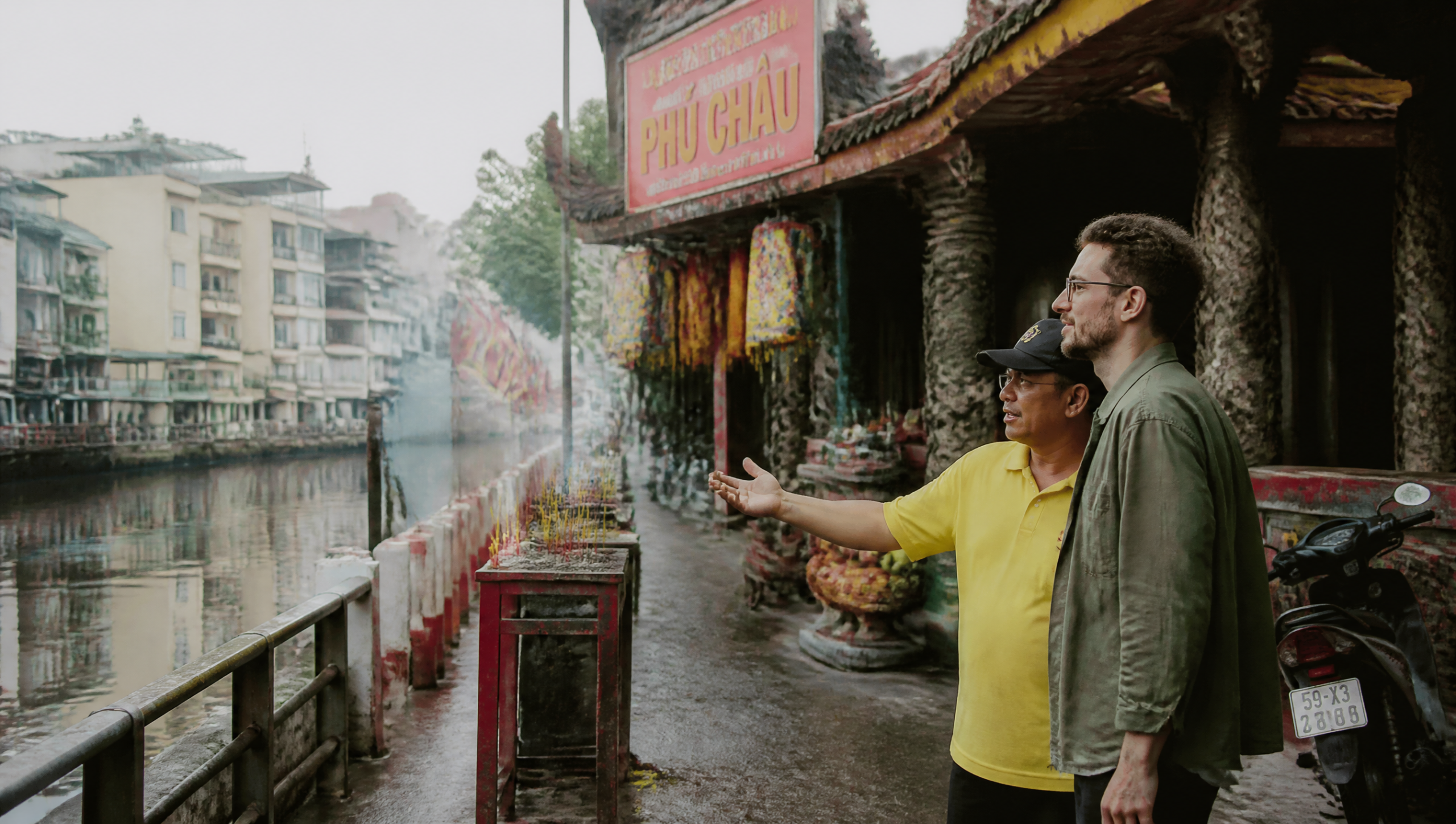
    Phu Chau Floating Temple is one of the most surprising Saigon stops for travelers who want something local, spiritual, and easy to miss if they rely on standard city lists. Many visitors reach this floating temple without knowing what to expect, then spend time figuring out where to stand, what to look at, and how to move through the site without rushing. This guide fixes that fast with clear, practical context.

    If you are planning a first-time visit, think of Phu Chau Floating Temple as a compact Vietnam cultural site where the experience matters as much as the photo. The temple sits in real neighborhood life, so the smartest approach is to arrive with a simple plan, a respectful mindset, and a bit of curiosity. For deeper local travel ideas, you can also explore Vietnam Crazy Tour for more offbeat routes and city experiences.

    Tiêu chí Cột 1 Cột 2 Cột 3
    Visit style Quick stop Slow discovery Guided local context
    Best for Photo seekers Culture lovers First-time explorers

    Mini insight: the temple becomes much more memorable when you treat it as a lived spiritual place, not just a sightseeing stop. If you like discovering authentic city corners and comparing them with other local experiences, check the full Vietnam tour collection to match the visit with your trip style. In the next sections, you will learn what the temple means, how the layout works, and how to visit smoothly without wasting time.

    What Is Phu Chau Floating Temple and Why Is It Important?

    What Is Phu Chau Floating Temple and Why Is It Important?

    Phu Chau Floating Temple is a small but deeply meaningful sacred site in Ho Chi Minh City, set on a tiny island in the river rather than in the middle of a busy street. For travelers who want something local, unusual, and easy to remember, this is one of the most distinctive spiritual stops in Saigon.

    It matters because it feels different from the city’s more familiar pagodas. The temple blends river life, folk belief, and neighborhood devotion into one compact place, so visitors get both cultural depth and a real sense of how locals worship. If you are building a local route, it pairs well with belief and spirit tours that show a more authentic side of Vietnam.

    Featured snippet: Phu Chau Floating Temple is a river-based temple in Ho Chi Minh City known for local worship, folk beliefs, and its rare floating location. It stands out because visitors reach it by boat, which makes the visit feel both spiritual and adventurous, especially for travelers looking beyond standard city sightseeing.

    This temple is not about grand scale. Its value comes from atmosphere, devotion, and setting. A simple way to think about it is:

    Tiêu chí Cột 1 Cột 2 Cột 3
    Location On the river Reached by boat Very local feel
    Why visit Spiritual insight Unique photo stop Short, memorable trip

    For first-time visitors, the best takeaway is simple: this is not just another temple in Saigon, but a place where the journey itself is part of the experience. If you want to explore more local and adventurous routes in the city, start from the Vietnam Crazy Tour homepage and compare it with other cultural stops. It is a strong fit for solo travelers, couples, and families who want something real, calm, and a little different.

    In short, Phu Chau Floating Temple is important because it preserves living belief in a setting that most tourists never see. That makes it more than a sight. It becomes a story you remember after the boat ride, the water, and the quiet temple atmosphere have already passed. For travelers seeking the next step, browse all Vietnam Crazy tours and choose a route that matches your pace and curiosity.

    How to Visit Phu Chau Floating Temple the Right Way

    How to Visit Phu Chau Floating Temple the Right Way

    Phu Chau Floating Temple is best visited with a simple plan, because the real challenge is not the distance but the flow: finding the right dock, boarding at the right time, and moving calmly once you step into the temple space. For first-time visitors, the smart move is to arrive early, keep your shoes easy to remove, and follow the local rhythm instead of rushing.

    This is one of those local places that feels small on the map but rich in detail once you are there. If you want a smoother day in Ho Chi Minh City, this stop works best when you treat it as a short cultural detour, not a quick photo mission. Many travelers pair it with other Vietnam travel experiences for a fuller route.

    Featured snippet: The right way to visit Phu Chau Floating Temple is to follow the dock-to-temple flow, respect the ritual space, and plan for a short crossing on the water. Expect a compact visit with a calm entrance, temple offerings, and a few good photo angles, all handled best with quiet movement and light preparation.

    The typical visitor flow is straightforward: arrive at the pier area, check the boat timing, cross the water, then enter the temple zone on foot. That crossing is the first real experience, because it shifts the mood from city traffic to temple calm in just a few minutes. For adventurous travelers, that transition is the magic part.

    A practical breakdown looks like this:

    • Arrive near the temple dock and confirm the crossing point
    • Prepare small cash and keep your essentials compact
    • Cross by boat or local transfer depending on the day
    • Walk slowly inside and observe the worship area first

    One useful insight: the temple is not designed for long wandering, so visitors who move with intention usually enjoy it more. If you are curious about deeper local belief culture, the experience connects well with a local beliefs tour that explains how Vietnamese spiritual spaces work in real life.

    The main parts of the experience are the temple hall, ritual moments, and the small photo spots around the water edge. The temple space is where people pray, light incense, and keep their behavior quiet. The ritual side is simple but meaningful, especially for beginners who want to understand how locals show respect without overcomplicating it. Photo spots are usually best near the outer edges, where the structure and water meet naturally.

    Compare your visit style like this:

    Tiêu chí Cột 1 Cột 2 Cột 3
    Temple focus Quiet, respectful Best for rituals Low distraction
    Photo focus Use outer angles Best with soft light Fast, efficient

    Mini insight: the best photos are usually not the most staged ones. A natural frame with a person walking, a boat edge, or a temple roof detail often looks stronger than a forced pose. That is why solo travelers and couples tend to get the best results when they stay patient for one clean shot instead of chasing ten average ones.

    If you want a soft but smart add-on to your day, browse all Vietnam Crazy Tour options and match this stop with another local neighborhood experience. It helps turn a short visit into a more complete city route without losing the local feel.

    Quick visit rule: go early, keep your movement quiet, respect the ritual space, and take photos only after you understand where the temple atmosphere becomes sensitive. That simple approach makes Phu Chau Floating Temple feel local, smooth, and worth the detour.

    For travelers who want a more guided and culturally aware day, the strongest choice is to book a route that handles timing, local context, and transit for you. That saves energy, reduces confusion at the dock, and lets you focus on the real experience instead of logistics.

    Why Travelers Love Phu Chau Floating Temple

    Phu Chau Floating Temple stands out because it gives travelers a rare mix of calm water views, local worship culture, and a setting that feels far from the usual city circuit. For first-time visitors, that combination solves a common pain point: finding a place that is easy to visit but still feels genuinely local and memorable.

    If you are planning a half-day stop in Ho Chi Minh City, Vietnam Crazy Tour home base style travel makes this kind of visit smoother, especially for solo travelers, couples, and families who want something authentic without a full-day commitment.

    The main reason people love Phu Chau Floating Temple is simple: it delivers three things at once.

    Peaceful atmosphere: the water setting softens the noise of the city, so the visit feels slow and refreshing.

    Unique architecture: the temple looks striking from every angle, which makes it more interesting than a standard sightseeing stop.

    Strong local character: you are not just seeing a landmark, you are seeing a place that still belongs to daily community life.

    That is why it works so well for sightseeing, cultural exploration, and photography. A practical example is a morning visit where travelers spend time observing details, taking photos from the walkway, and moving on to lunch nearby. The experience is short, but it feels complete.

    Tiêu chí Best for Visitor value Time needed
    Peaceful setting Solo travelers and couples Quiet break from busy streets 30 to 45 minutes
    Local culture Families and curious visitors Real community atmosphere 1 to 2 hours

    For travelers who like a more adventurous route, it also pairs well with other Vietnam Crazy tour experiences that focus on local life and offbeat discovery. The best mini insight here is that this temple is not about doing more, but about seeing one place with better attention.

    Use it as a short half-day trip when you want culture, photography, and a calmer pace in one stop. If your route includes other local attractions, this temple works as a smart anchor point before or after a broader city exploration. Book it softly, visit slowly, and let the atmosphere do the rest.

    Phu Chau Floating Temple vs Other Saigon Spiritual Attractions

    Phu Chau Floating Temple stands out because it gives you a calmer, more local spiritual visit than the big-name temples in Ho Chi Minh City. If you want a place that feels authentic, a little adventurous, and not overloaded with tourist energy, this temple is a strong fit. It is best for travelers who value atmosphere, cultural detail, and a slower pace over checklist sightseeing.

    Compared with famous landmarks like Jade Emperor Pagoda or Notre Dame Cathedral, Vietnam Crazy Tour travelers usually find Phu Chau more intimate and less polished, which is exactly the appeal. You come here for water views, incense smoke, local devotion, and a route that feels slightly off the usual tourist track. For first-time visitors, that difference matters because it changes the whole mood of the stop.

    The main comparison is simple: major temples are easier to access and better known, while Phu Chau Floating Temple offers a more niche experience. In practical terms, that means fewer crowds, more local texture, but also less convenience. If you are planning a route that mixes culture and movement, this is the kind of stop that feels rewarding without taking over your whole day.

    Tiêu chí Phu Chau Floating Temple Major Saigon Temples Best For
    Crowd level Usually quieter and more local Busier, especially at peak hours Travelers who dislike crowded attractions
    Travel style Local, scenic, slightly adventurous Classic, iconic, easier to fit into a first trip Visitors choosing between unique and convenient

    Here is the fast answer: choose Phu Chau Floating Temple if you want a spiritual stop with strong local character, limited crowd pressure, and a more memorable setting. Choose the better-known pagodas if you need easy access, famous architecture, or a safer option for a very tight schedule. That is the real decision point for solo travelers and couples planning a half-day cultural route.

    One useful insight: the temple works best as part of a broader discovery itinerary, not as a one-stop must-see. If your trip style leans toward hidden corners, local belief culture, and calm photo moments, it fits well. If you want a polished sightseeing circuit with obvious landmarks, it may feel too niche. A smart middle ground is to pair it with other Vietnam tours that balance culture and easy logistics.

    Pros: unique setting, authentic local mood, good for cultural curiosity, and strong appeal for adventurous visitors. Limitations: less famous, not as central, and not always ideal for families with very young children who need the simplest transport flow. For many travelers, that tradeoff is exactly what makes it interesting.

    If your travel style is flexible and you enjoy places that feel discovered rather than packaged, Phu Chau Floating Temple deserves a slot on your Saigon list. For a softer but still immersive cultural add-on, you can also explore ghost and belief tours that connect local spirituality with real neighborhood context. That is how you turn one temple stop into a richer Ho Chi Minh City experience.

    Phu Chau Floating Temple Tips, Common Mistakes, and FAQs

    Phu Chau Floating Temple is one of those Saigon spots that looks close on the map but still catches first-timers off guard. The biggest mistake is treating it like a quick city stop, when the real experience depends on timing, dress code, and how smoothly you reach the pier. If you want a relaxed visit, plan it like a local detour, not a random add-on.

    Most travelers enjoy it more when they arrive early, dress respectfully, and avoid rushing the boat transfer. That simple shift saves time, lowers stress, and makes the temple feel more peaceful. If your trip includes other local experiences, you can pair this stop with a Vietnam city adventure mindset and keep the whole day flexible instead of overpacked.

    Featured snippet: The best way to visit Phu Chau Floating Temple is to go in the morning, wear modest clothes, and allow extra time for transport and boat access. First-time visitors often underestimate the travel steps, so a calm schedule usually gives the best experience.

    Common mistakes are easy to avoid:

    Tiêu chí Better choice Why it works Common mistake
    Timing Morning visit Cooler, quieter, easier photos Arriving late and rushing
    Transport Extra buffer time Protects the schedule from delays Assuming Grab drops you at the entrance

    How long should you stay? Most visitors need 30 to 60 minutes if they just want a peaceful visit and a few photos. If you enjoy local worship spaces, architecture, or slow travel, stay a bit longer and observe the atmosphere without moving too fast. That is where the place feels most memorable.

    Is it worth it? Yes, especially for travelers who like local, slightly offbeat experiences instead of polished tourist zones. It is a good fit for couples, solo travelers, and families who want something authentic but not physically demanding. If you are building a bigger itinerary, it can sit nicely beside other Vietnam adventure tours for a more layered day in Ho Chi Minh City.

    Best time to visit: early morning on a weekday. Keep your clothes modest, bring small cash for transport, and check directions before you leave. Add Phu Chau Floating Temple to your Saigon plan if you want one local stop that feels real, calm, and different from the usual sightseeing circuit.

  • Solo Female Travel Vietnam 2026: What First-Timers Miss

    Solo Female Travel Vietnam 2026: What First-Timers Miss

    Solo female travel Vietnam is booming because the country feels wild, welcoming, and easy to love in one trip. Still, many first-time travelers worry about street safety, night transport, cultural etiquette, and the mental load of planning every move alone. This guide cuts through that stress with practical advice, local context, and route ideas that make Vietnam travel safety feel manageable, not mysterious.

    If you are comparing cities, beaches, and mountain loops, you will see why backpacking Vietnam can be both adventurous and surprisingly comfortable. The real win is knowing where to go, how to move, and what to expect in each region. For a deeper look at curated experiences, explore Vietnam travel ideas and all Vietnam tours that can support a safer, smarter trip.

    Tiêu chí Independent Trip Supported Tour Best For
    Safety planning Needs more research and checks Built-in local support First-time solo travelers
    Flexibility High, but more effort Balanced with structure Adventurous travelers

    Vietnam is one of the easiest countries in Asia for independent women to explore when they plan smartly, choose the right transport, and understand local rhythms. The best trips mix freedom with simple safeguards, especially for first-time visitors.

    That is why this guide focuses on real decisions, not generic advice: where to stay, how to move, which routes work well, and when a little support saves a lot of stress. If you want a more social and guided experience, the local culture tour can be a good fit for travelers who want context with their adventure.

    What Solo Female Travel in Vietnam Really Looks Like

    Solo female travel Vietnam is not one single vibe. It can feel like a fast-moving city break in Ho Chi Minh City, a slow beach reset in Da Nang, or a mountain escape in Sapa where the pace drops and the air gets cooler. That mix is exactly why first-time solo travelers, adventurous women, and easygoing planners keep putting Vietnam on their list.

    The real win is flexibility. You can move from street food stalls to boutique stays, from guided day trips to quiet coffee stops, without needing a rigid plan. For many women, that balance makes Vietnam feel exciting but still manageable, especially if they want local energy without losing comfort or safety.

    In practice, the experience changes by region. Big cities are best for transport, food, and easy hotel access. Beach towns suit travelers who want recovery time between activities. Mountain areas reward those who want culture, nature, and a stronger sense of place. If you are building a route, start by mapping your style against the country’s different zones, and then compare options on all Vietnam tours for a faster fit.

    Here is the simple breakdown:

    Criteria Big cities Beach towns Mountain regions
    Best for Food, transport, nightlife Relaxing, easy pacing Culture, scenery, local life
    Solo travel feel Busy but convenient Calm and low pressure Immersive and adventurous

    Vietnam is the best fit when you want a destination that stays interesting without becoming difficult to manage alone. It works especially well for beginner solo travelers, women who like local food and cultural detail, and travelers from Europe, North America, Korea, or Japan who want a trip that feels adventurous but still grounded. If you prefer hidden corners and real local encounters, this country delivers that in a very natural way.

    A useful mini insight: solo travel here is easier when you match the region to your energy level, not just your bucket list. Hanoi and Ho Chi Minh City give you momentum, Hoi An and Da Nang give you balance, and northern highlands like Sapa give you depth. If you want a gentle first step, a curated route can remove a lot of stress, and a Vietnam Crazy Tour itinerary can help you travel with more confidence.

    For women who want both independence and local discovery, Vietnam is one of Southeast Asia’s strongest options. It offers enough structure to feel safe, enough chaos to feel alive, and enough variety to keep every day different. If your ideal trip is part discovery, part comfort, and part adventure, this is a destination that can absolutely deliver.

    Soft CTA: If you want to turn this into a practical route, start with the type of region that matches your travel style, then build your days around food, movement, and rest. That keeps the trip easy to enjoy and much easier to book.

    Strong CTA: Ready to plan a solo-friendly Vietnam trip that feels local, efficient, and genuinely exciting. Explore the right route now and choose from all Vietnam tours to find the best match for your pace and comfort level.

    How to Plan a Safe and Smooth Solo Female Trip in Vietnam

    How to Plan a Safe and Smooth Solo Female Trip in Vietnam

    Solo female travel Vietnam becomes much easier when you plan the route before you land. The biggest mistake first-time visitors make is trying to fit too many cities into too few days, which leads to rushed transport, tired mornings, and avoidable stress. A safer plan is slower, cleaner, and easier to manage.

    For a smooth trip, build your itinerary around transport reality, not just map distance. Vietnam is long, and moving between regions can take more time than expected, especially if you mix trains, buses, and flights. That is why a simple city sequence, realistic travel days, and smart booking choices matter more than chasing every highlight.

    Featured snippet: Plan a solo trip in Vietnam by picking one region at a time, allowing one travel day between long-distance moves, and booking accommodation near central areas. Use Grab for short rides, domestic flights for long north-south jumps, and trains for scenic overland travel when time is flexible.

    Start with a beginner-friendly route: Hanoi for culture and arrival ease, Ninh Binh for a short countryside escape, Da Nang for a beach reset, Hoi An for slower walking days, and Ho Chi Minh City for a final urban base. This flow works well because each stop has clear transport links and plenty of female-friendly accommodation options. If you want more local-style experiences later, browse all Vietnam tours for ideas that fit your pace.

    Use this simple planning rule:

    Tiêu chí Fast Plan Safer Plan Best Use
    City count 5 or more 3 to 4 First-time solo trips
    Transport Mixed and rushed Booked in advance Lower stress and better timing

    Accommodation should be central, well reviewed, and easy to find late at night. Book a SIM card or eSIM before arrival so maps, bookings, and Grab work immediately. Carry some cash for markets and small vendors, but keep most money in a secure card wallet. For long routes, domestic flights save time, while trains are best when you want a calmer ride and better views.

    A practical money move is to split your budget into daily cash and backup card funds. That way, if one payment method fails, you are not stranded in a new city. Grab is especially useful for airport transfers, dinner rides, and short hops between attractions, and it keeps pricing transparent for solo travelers. If you enjoy guided local travel with built-in logistics, Vietnam Crazy Tour can help simplify the planning side.

    Example route, day by day:

    Day 1 to 2: Hanoi, easy arrival and street food

    Day 3: Ninh Binh, one overnight or day trip

    Day 4 to 5: Da Nang, beach and recovery time

    Day 6 to 7: Hoi An, slower pace and old town walks

    Day 8 to 10: Ho Chi Minh City, shopping, cafes, and departure

    That route keeps transfers manageable while giving you a strong mix of culture, nature, and city life. It is also a smart choice for solo travelers who want confidence before going deeper into the country. If your style leans adventurous, local, and easy to customize, this structure is the safest way to enjoy Vietnam without burning out.

    Book less, move smarter, and leave room for one flexible day in case weather or transport changes. That single buffer often saves the whole trip.

    For a smoother experience and more confidence on the ground, consider planning your next steps around local support and curated routes that match your pace. If you want to turn this outline into a real trip, start with the basics, then choose the stops that fit your energy, budget, and travel style.

    Why Vietnam Works So Well for Solo Female Travelers

    Why Vietnam Works So Well for Solo Female Travelers

    Solo female travel Vietnam works so well because the country gives you a rare mix of comfort, affordability, and real local energy. You can land in one city, eat well within minutes, get around without stress, and still feel like you are getting deep cultural value instead of a watered-down tourist package.

    For women traveling alone, that balance matters. Vietnam is not only easy to navigate, it is also flexible enough for different travel styles, from first-time solo explorers to digital nomads and slow travelers. If you want a trip that feels adventurous but still manageable, this destination delivers fast.

    Featured insight: Vietnam is one of the strongest solo travel choices in Asia because it combines low daily costs, reliable transport, accessible food, and a tourism network that helps independent travelers move with confidence.

    Criterion Why it matters Best for Solo female travel fit
    Affordability Longer trips stay realistic without cutting comfort Budget conscious travelers High
    Infrastructure Hotels, transfers, and tours are easy to book First timers and planners High

    The biggest day to day advantage is simple: you do not need to overcomplicate the trip. In Hanoi, Da Nang, Hoi An, and Ho Chi Minh City, you can move between food, stays, and experiences with minimal friction. That is why many women use Vietnam as a first independent trip or a reset destination after a busy work season.

    For adventure seekers, the landscape variety is a huge win. In one itinerary, you can pair a city stay with mountains, beaches, and a cruise. For a deeper local angle, some travelers add a culturally rich experience through local belief traditions tour, which gives context to everyday Vietnamese life without feeling staged.

    There is also a strong food safety and convenience factor. You can find pho, rice dishes, fruit, coffee, and vegetarian options almost everywhere, which reduces decision fatigue. That makes Vietnam especially attractive for slow travelers who want to settle in, work remotely, and explore at an easy pace.

    For a practical base, many travelers start by reviewing all Vietnam Crazy Tour options to compare trip styles before booking anything. That is often the smartest move when you want a balance of comfort, culture, and flexibility.

    Travel style Why Vietnam fits Main benefit Best match
    First-time solo traveler Easy logistics and clear tourism support Less stress Confidence building
    Digital nomad Strong cafes, stays, and transport Work life balance Long stay comfort

    If you want a country that feels approachable but still full of discovery, Vietnam is a strong choice. The comfort comes from good infrastructure and welcoming service, while the culture comes from street life, regional food, local rituals, and landscapes that change fast as you move north to south.

    That is the real reason women keep choosing it. Vietnam lets you travel independently without feeling isolated, and it gives you enough structure to stay relaxed while still tasting something genuinely local. For women who want one trip to deliver both confidence and wow factor, this country makes a lot of sense.

    Soft CTA: If you are planning your first independent route, compare a few styles and choose the one that matches your pace, energy, and comfort level.

    Strong CTA: Vietnam is ready when you are, and the best solo trips here are the ones that mix freedom, food, and local culture in one smooth journey.

    Vietnam for Solo Female Travel: Best Options and What to Choose

    Solo female travel Vietnam works best when you match your destination to your comfort level, your budget, and how much movement you want each day. Vietnam is not one single travel experience: Hanoi gives you energy and convenience, Hoi An gives you easy walking and slow nights, and the mountains or islands bring very different pacing. The smart move is choosing a base that reduces friction, not adds it.

    If you want a trip that feels adventurous but still manageable, think in terms of safety, walkability, transport, and vibe. A city can be lively yet tiring, while a beach town can be calm but too quiet after dark. The right choice depends on whether you want cafes, culture, day trips, or nature first. That is the real filter for solo female travel Vietnam.

    Featured snippet: The best destinations for solo female travelers in Vietnam are usually Hanoi for culture and transport, Hoi An for walkability, Da Lat for cool weather and easy pace, Sapa for scenery and trekking, and Phu Quoc for beach downtime. Choose based on safety, budget, and how independent you want your trip to feel.

    Tiêu chí Hanoi Hoi An Da Lat
    Walkability Good in the Old Quarter, busy elsewhere Excellent for slow walking Moderate, needs short rides
    Best vibe Big-city energy and food Relaxed, romantic, easygoing Cool, local, laid-back

    Hanoi is strong for first timers who want culture, food, and easy transport links. The tradeoff is sensory overload, so solo women usually do best staying near the Old Quarter and using trusted rides after dark. If you want a soft landing, pair Hanoi with a curated Vietnam tour list for day trips or transfers, then keep your evenings simple with street food and lake walks.

    Hoi An is the easiest choice for walkability and low stress, especially if you prefer lantern streets, tailor shops, and slower evenings. It is ideal for beginners and couples too, but it can feel compact after a few days. Da Lat is a good middle ground for travelers who want a cooler climate, cafe culture, and local markets without the chaos of a major city. Mini insight: many solo travelers use Da Lat as a reset stop between coast and north.

    Sapa is the adventure pick, but it fits best for travelers who are comfortable with mountain logistics, trekking, and more variable transport. It is rewarding for scenery, homestays, and local minority culture, yet weather and long transfers can make it tiring. Phu Quoc is the easiest beach option for rest, though it can feel resort-heavy and less local than expected. If your goal is a gentle solo trip, use Vietnam Crazy Tour as a reference point for planning routes that keep the trip smooth and practical.

    For a quick decision framework, choose Hanoi if you want culture and movement, Hoi An if you want comfort and walkability, Da Lat if you want cool weather and cafes, Sapa if you want trekking and scenery, and Phu Quoc if you want beach recovery. Budget travelers usually get the most value in Hanoi and Da Lat, while first-time solo women often feel most relaxed in Hoi An.

    Soft CTA: if you want a smoother route, build your first solo trip around one easy base and one adventure stop, instead of trying to cover everything at once. That keeps your energy high and your decisions simple.

    In practice, the best answer is the place that matches your travel style, not the place that sounds most famous. Start with the destination that fits your confidence level, then add one or two meaningful experiences nearby. For longer Vietnam planning, check the full Vietnam travel options and choose the route that gives you the right balance of comfort and adventure. Strong CTA: pick the base that makes you feel free, not rushed, and your solo trip will feel much better from day one.

    Solo Female Travel Vietnam Tips, FAQs, and Final Advice

    solo female travel Vietnam works best when you keep it simple, stay alert, and pick cities that are easy to read on day one. The biggest mistake is trying to do too much too fast, because Vietnam looks compact on a map but travel days can still eat your energy. Start with one safe base, learn the rhythm, then expand.

    For first-time solo travelers, the real win is confidence, not distance. A smart trip balances movement with recovery, and that means choosing well-reviewed stays, respecting local customs, and avoiding overpacked bags that slow you down on trains, buses, and narrow sidewalks. If you want deeper local energy later, Vietnam Crazy Tour can help you explore beyond the usual highlights without losing comfort.

    Common mistakes to avoid are easy to spot once you know the pattern: bringing too much luggage, rushing from north to south in one short trip, dressing without checking the setting, and booking a hotel only because the price looks good. In real travel, the cheap option can become the expensive mistake if the location is noisy or the reviews mention safety issues.

    Criteria Better Choice Avoid Why It Matters
    Accommodation High-rated central guesthouse Low-review bargain room Safer check-in, easier transport
    Itinerary 2 to 3 key stops 5 cities in one week Less fatigue, better experience

    Featured snippet: Vietnam is safe for many solo female travelers when you choose central accommodation, dress with local context in mind, book transport carefully, and avoid rushing your route. The best first trip is usually a simple loop through one or two cities, which gives you time to learn the country and travel more confidently.

    FAQ

    Is Vietnam safe for solo female travelers? Yes, for most beginners it is manageable and rewarding if you use normal city travel awareness. Daytime walking, reputable stays, and pre-booked transfers reduce stress a lot.

    What should I wear in Vietnam? Light, breathable clothes are best, but cover shoulders and knees in temples, pagodas, and more conservative places. A scarf or light layer solves most situations fast.

    How do I get around safely? Use ride-hailing apps, trusted hotel taxis, and daytime buses or trains when possible. At night, avoid unclear pickups and confirm the vehicle plate before entering.

    Is it easy to meet other travelers? Yes, especially in hostels, walking streets, cooking classes, and group day tours. A social setting makes solo travel feel lighter without removing your freedom.

    What is the best first-time solo route? A simple route such as Hanoi, Ninh Binh, and Hoi An gives a strong mix of culture, scenery, and comfort. If you want to combine easy travel with deeper local moments, browse all Vietnam tours for ideas that fit your pace.

    Final advice: begin with one safe, easy city, master the basics, then move deeper only when you feel ready. That is how solo female travel Vietnam becomes less about nerves and more about momentum. Once you feel steady, you can choose experiences that are more local, more adventurous, and more memorable, including selected cultural routes through ghost and belief tours if that side of Vietnam interests you.

    Keep your first plan simple, your bag light, and your expectations flexible. The best solo trips are not the busiest ones; they are the ones that make you feel safe, curious, and excited to keep going.

  • Vietnam Motorbike Tours in 2026: What Riders Miss

    Vietnam Motorbike Tours in 2026: What Riders Miss

    Vietnam motorbike tours are the fastest way to turn a regular trip into a real on-the-road adventure, but many first-time riders still worry about safety, route choice, and whether the package is worth the money. That is normal. The smart move is to book a guided option that matches your comfort level, so you get the wild roads, local insight, and no stress over navigation or logistics.

    For travelers from Europe, North America, Korea, Japan, and beyond, the appeal is simple: more local life, fewer tourist traps, and a better story to bring home. The best Vietnam motorbike tours are not just about riding, they are about riding with confidence, seeing remote landscapes, and knowing exactly what is included before you pay. If you want the short answer, start by checking route style, bike quality, support vehicle, and safety standards.

    Tiêu chí Guided Tour Self Ride Best For
    Safety High, with local support Depends on experience Beginners and families
    Planning Handled for you You manage everything Solo travelers and couples

    Featured snippet: Vietnam motorbike tours are guided or self-led riding trips across Vietnam, designed to combine scenic roads, local culture, and practical support. The best choice depends on your riding skill, comfort with traffic, and how much planning you want to avoid. A good tour should include a reliable bike, helmet, route briefing, and local assistance.

    Before booking, compare what each package really covers, because the cheapest option can quietly cost more once fuel, repairs, guides, and hotel support are added. If you want a broader look at curated travel styles, you can browse all Vietnam crazy tours and see how different routes fit different travel moods. For a quick decision, pick guided if you want ease, pick self ride only if you already know Southeast Asian road conditions.

    Soft CTA: If you are still weighing your options, start with a route that matches your pace and ask what the support team does on difficult roads. That one question reveals a lot about the operator.

    Strong CTA: Ready to ride Vietnam the smart way? Choose a tour that gives you safe bikes, clear inclusions, and real local support, then book early so your preferred dates and route do not disappear.

    What Are Vietnam Motorbike Tours and Why Travelers Love Them

    Vietnam motorbike tours are guided journeys that move you through the country by two wheels, with a local rider or a self-ride setup depending on the trip style. For travelers who want more than a bus window view, Vietnam motorbike tours solve the biggest pain point fast: they turn long distances into real access to villages, mountain passes, street food stops, and backroads most visitors never reach.

    These trips usually include a route plan, motorbike, fuel, safety gear, local guidance, and support for luggage or overnight stays. The best part is the rhythm: ride, stop, eat, talk, repeat. That is why many first-timers, solo travelers, couples, and family groups love them, because the experience feels adventurous without being chaotic when it is properly organized.

    Featured snippet: Vietnam motorbike tours are guided or self-ride trips that let travelers explore roads, small towns, and scenic regions at street level. They usually include bikes, fuel, helmets, route planning, and local support, making them a flexible way to see Vietnam with more freedom and more authentic daily life.

    What a Vietnam motorbike tour includes is simple, but the details matter. A solid trip often comes with a safe bike, an experienced guide, planned stops, and hotel coordination. On longer routes, it may also include all Vietnam tours options so travelers can compare routes before booking. Mini insight: the best tours are not about speed; they are about control, comfort, and the right amount of local chaos.

    Tiêu chí Group tour Private ride Self-ride
    Best for First-time visitors Couples and families Experienced riders
    Support level High Very high Low

    Why motorbike travel fits Vietnam’s roads, landscapes, and culture is obvious once you leave the city edge. Narrow lanes, rice terraces, coastal roads, and mountain curves all feel closer from a bike, and that closeness is the real reason travelers remember the trip. If you want the most local layer of Vietnam, a ride pairs naturally with immersive experiences like ghost culture tours when you stay in regions where beliefs, markets, and daily life are tightly connected.

    Soft CTA: if you are planning a first ride, choose a route that matches your comfort level, not your ego. Vietnam rewards travelers who ride smart, stop often, and stay curious. That is the formula for a trip that feels bold, safe, and deeply local at the same time.

    Motorbike travel works here because it matches the country’s real travel logic: short transfer distances, constant visual change, and a street culture that lives outdoors. You can cover a lot in one day, yet still feel every village, roadside coffee stop, and river crossing. For adventurous travelers from Europe, North America, Korea, or Japan, that balance of freedom and structure is the main reason the format keeps winning.

    Strong CTA: if you want Vietnam to feel raw, scenic, and human instead of rushed, start with a route built for real riders and real stops. Explore Vietnam Crazy Tour for options that turn a simple ride into a full local experience.

    How Vietnam Motorbike Tours Work from Booking to Riding

    Vietnam motorbike tours are easier than most first-time riders expect. You choose the riding style, confirm what is included, and then match the route to your comfort level. The real win is not just freedom on the road, but having the right support so the trip feels adventurous without turning chaotic.

    If you are planning a local, wild, and memorable trip across mountains or river delta roads, the booking flow is usually simple. Pick the tour type, check bike size and luggage rules, review safety gear, and confirm overnight stops. That is the basic path from inquiry to engine start, and it keeps the whole ride smooth.

    Featured snippet: Vietnam motorbike tours usually work in three steps: choose self-drive, pillion, or guided group format; confirm inclusions like bike, fuel, gear, support vehicle, and stay; then start riding a route that matches your skill level and travel style.

    There are three common formats. Self-drive gives you full control, pillion riding lets a guide handle the bike while you enjoy the scenery, and guided group rides are best when you want company, route planning, and road support. For many foreign travelers, especially couples and solo riders, guided trips feel safer on all Vietnam tours while still keeping that raw road-trip energy.

    What is usually included depends on the operator, but a solid package often covers the motorbike, fuel, helmet, gloves, rain gear, support vehicle, local guide, some meals, and accommodation. In mountain regions, the support vehicle matters more than people think because luggage, mechanical backup, and water all become part of the experience. That is where trusted operators like Vietnam Crazy Tour make the ride feel bold but managed.

    Tiêu chí Self-drive Pillion Guided group
    Best for Experienced riders who want independence Travelers who want to relax and enjoy views First-timers and social riders
    Main trade-off More responsibility on the road Less control over pace Less privacy, more structure

    A real example is the Hanoi to Ha Giang route. It usually starts with a transfer or a short warm-up day, then moves into karst peaks, narrow passes, and village stops where you see daily life very close up. The Ho Chi Minh City to Mekong Delta version is softer, flatter, and more food-focused, with canals, fruit markets, and easy riding. Same idea, very different vibe.

    Mini insight: the best route is not always the most famous one. If you are a family or a first-time visitor, the Mekong Delta may feel more comfortable. If you want serious adventure and iconic views, Ha Giang is the stronger choice. The key is matching road difficulty to your riding confidence, not your ego.

    For a soft booking decision, ask three things before paying: what bike you get, who handles breakdowns, and where you sleep each night. If the operator answers clearly, the tour is probably well organized. If you want to compare more styles before committing, check the ghost and beliefs tour for a different cultural angle.

    Bottom line: Vietnam motorbike tours work best when the package removes the logistics and leaves you with the fun part, the road, the scenery, and the local surprise factor. Choose the format that fits your skill level, confirm the inclusions, and book the route that matches your appetite for adventure.

    Top Benefits of Vietnam Motorbike Tours for Adventure Seekers

    Top Benefits of Vietnam Motorbike Tours for Adventure Seekers

    Vietnam motorbike tours are the fastest way to turn a standard trip into a raw, local, high-adrenaline experience. For adventure seekers, the big win is not just movement, it is control: you decide when to stop, where to eat, and which quiet back road deserves your attention. That freedom makes the journey feel personal, not packaged.

    If you want hidden mountain passes, river crossings, and village roads that buses never touch, this style of travel fits perfectly. It is especially strong for travelers who value flexibility, human contact, and real scenery over polished convenience. Vietnam motorbike tours also work well for people who want a softer booking decision first, then more trust as the route and pace become clear.

    Featured snippet: Vietnam motorbike tours give adventure seekers freedom, hidden-road access, and stronger cultural immersion than standard transport. They are ideal for travelers who want flexible stops, local food, and a more authentic way to see Vietnam without feeling locked into a rigid group schedule.

    Freedom is the biggest benefit, because the road in Vietnam rewards curiosity. A good route can shift from coastal bends to rice field lanes, then suddenly open into a mountain viewpoint where no coach can reach. That kind of access matters when you want real exploration, not just transport. On the ground, this also means faster detours for photos, coffee, or a roadside repair that becomes part of the story. If you want to see broader trip options, browse all Vietnam adventures and compare the style that suits your pace.

    Tiêu chí Motorbike Tour Car Tour Bus Tour
    Road access High, can use small hidden roads Medium, limited by road size Low, mostly main routes
    Local experience Very strong, frequent contact Moderate, more private but less open Low, fixed and filtered

    Local immersion is the second major win. On a motorbike, food stops are not random filler, they are part of the route logic. You can pull over for noodle soup at a family shop, drink strong iced coffee in a market town, or join a spontaneous conversation with a mechanic, farmer, or homestay host. That is where the trip becomes memorable in a way search results cannot fully explain. If your interest leans toward culture and deeper human stories, explore cultural belief experiences for a different local angle.

    A useful mini insight: the best motorcycle days are usually not the fastest ones. They are the days with a few planned anchors and enough room for surprise. That balance helps solo travelers feel independent, couples feel connected, small groups stay flexible, and adventure photographers catch better light without pressure.

    In practice, Vietnam motorbike tours suit solo travelers who want freedom, couples who enjoy shared discovery, small groups that like a playful route, and photographers who need frequent stops. Families can also enjoy them when the route is calm, private, and well matched to age and comfort level. For a deeper look at the brand and trip style, discover Vietnam Crazy Tour and see how local-first travel is designed for real-world adventure. If you are ready to move from inspiration to action, book the route that fits your pace and let the road do the talking.

    How to Choose the Best Vietnam Motorbike Tour for Your Travel Style

    How to Choose the Best Vietnam Motorbike Tour for Your Travel Style

    Vietnam motorbike tours are not one-size-fits-all, and that is exactly why choosing the right format matters. If you want raw mountain roads, local food stops, and real village energy, the wrong tour style can turn a dream ride into a tiring logistics puzzle. The best choice depends on how much freedom you want, how much support you need, and how adventurous you feel on day one.

    For first-time visitors, solo travelers, couples, and families, the winning move is to match the route to your comfort level, not just the photo appeal. A quick scenic loop, a private guided journey, or a full self-guided expedition each gives a very different experience. If you want a trusted starting point, explore Vietnam Crazy Tour and compare styles before you commit.

    Featured snippet: Choose a Vietnam motorbike tour by matching three things: your riding confidence, the time you have, and how much local support you want. Group tours are easier and social, private tours are more flexible, and self-guided rides give the most freedom but require stronger planning and navigation skills.

    Group tours vs private tours vs self-guided adventures

    Group tours work well if you want structure, safety in numbers, and easy bonding with other travelers. They are often the best fit for solo travelers and first-timers who want local guidance without handling every detail. Private tours suit couples and families better because the pace can be adjusted, photo stops become easier, and the guide can respond to weather, fatigue, or food preferences in real time.

    Self-guided adventures are for experienced riders who want maximum freedom and do not mind reading maps, checking road conditions, and handling small issues on their own. A useful rule is simple: if you care more about flexibility than convenience, go private or self-guided; if you care more about ease and safety, group tours usually win. For travelers who also want to see deeper local life beyond the road, all Vietnam tours can help you compare broader options.

    Mini insight: the more remote your route, the more valuable a local guide becomes, especially in areas where fuel stops, mobile signal, and road signage can be inconsistent.

    Short scenic rides vs multi-day expedition routes

    Short scenic rides are ideal if you want a strong Vietnam experience without committing several days to the road. They usually fit city-based travelers, families with younger kids, or couples who want a half-day or full-day escape with fewer physical demands. These routes often include coastal views, countryside villages, and food stops, so you still get the local feeling without the endurance test.

    Multi-day expedition routes are for riders who want the full mountain-to-coast energy, with changing landscapes, small towns, and more time to absorb local culture. They are better for adventurous travelers who enjoy long saddle hours and want the trip to feel like a journey, not a transfer. If you are curious about more culture-driven experiences on the ground, ghost and beliefs tours show how local context can deepen a trip beyond the road.

    Soft CTA: if you are unsure, start with a short route first, then upgrade to a longer expedition once you know how your body, schedule, and riding confidence respond.

    How to compare price, safety, bike quality, and local expertise

    Tiêu chí Group Tour Private Tour Self-Guided
    Price Lower per person Higher but flexible Can be cheapest, but hidden costs
    Safety support Shared guide support Strongest personal support Depends on your own skill
    Bike quality Standard fleet Best chance to request fit You must inspect carefully

    Price should never be judged alone. A low rate may exclude helmets, rain gear, fuel, support vehicle, or proper maintenance, which changes the real value fast. Safety matters most on Vietnam roads, so ask whether the operator checks tires, brakes, lights, and chain condition before departure. Bike quality is especially important for longer routes, because even a small mechanical issue can ruin a day in the hills.

    Local expertise is the final filter that separates a decent trip from a memorable one. A good operator knows which roads get slippery after rain, which villages welcome respectful visitors, and where to stop for food without wasting time. When you compare Vietnam motorbike tours, do not just ask what is included; ask who is guiding, how the bikes are serviced, and what backup plan exists if weather or road conditions change.

    Strong CTA: book the tour style that matches your riding level, not the one with the loudest marketing. If you want real adventure with trusted support, start by reviewing the full experience at Vietnam Crazy Tour tours and choose the route that fits your pace, your comfort, and your appetite for local discovery.

    Vietnam Motorbike Tours Tips, Common Mistakes, FAQs, and Booking CTA

    Vietnam motorbike tours are the fastest way to turn a route into a real local experience, but the booking decision still trips up many first-time riders. The biggest wins come from matching your skill level, packing light, and choosing an itinerary that fits the season, your comfort, and how adventurous you want the trip to feel.

    If you are traveling solo, as a couple, or with family, the smart move is to look beyond price and check road style, support level, and daily distance. A well-planned trip gives you freedom without chaos, and that balance is what keeps a ride fun from the first mountain pass to the last coffee stop.

    Common mistakes to avoid before you book

    Many riders book too fast and only realize the problem after the engine starts. The usual mistakes are simple but costly: choosing a route that is too long for the number of days, ignoring rain season, or assuming every tour works for beginners. A good operator should explain road conditions clearly and help you choose between easy backroads and more demanding terrain.

    Other mistakes include overpacking, skipping travel insurance, and not asking what is included in the price. Before you pay, compare these points:

    Tiêu chí Good choice Risky choice Why it matters
    Route length Matches your days and riding level Too ambitious for a short trip Keeps the ride safe and enjoyable
    Inclusions Clear guide, fuel, support, lodging Hidden extras and vague terms Protects budget and expectations

    Mini insight: the best tours feel specific, not generic. If a company can explain why a certain loop suits your month, your group size, and your riding confidence, that is usually a strong sign. For more travel-style inspiration, explore all Vietnam crazy tour options and see how different routes are built for different traveler types.

    Featured snippet: Before booking a motorbike tour in Vietnam, check your riding level, route distance, weather, inclusions, luggage limits, and insurance. Avoid choosing based only on price. The best tour is the one that matches your comfort, season, and trip style, especially if you are a beginner or traveling with family.

    FAQ: license, safety, luggage, weather, and best season to ride

    Do you need a license. Usually yes, and this is where many foreign riders get confused. For self-riding, check if your home license plus an International Driving Permit is valid for Vietnam. If you join a guided tour, the rules may differ depending on vehicle type, but safety and legal compliance should always be discussed before departure.

    Is it safe. It can be, if you ride with the right guide, wear proper gear, and avoid pushing long distances in bad weather. Luggage should stay small and soft, because hard suitcases are awkward on a motorbike. Weather matters a lot too. Northern mountains can be misty and cold, while central routes can shift fast with rain.

    Best season depends on the region, but many travelers prefer dry months for clearer roads and better visibility. If you want a deeper cultural angle on Vietnam travel, you can also check Vietnam Crazy Tour home for other local-style experiences that pair well with a motorbike itinerary.

    Quick FAQ breakdown:

    • License: confirm legal riding status before you pay
    • Safety: helmet, jacket, gloves, and realistic daily distance
    • Luggage: light backpack or soft duffel only
    • Weather: prepare for rain, fog, and temperature change
    • Best season: usually dry months for your chosen region

    CTA: how to request a custom itinerary or book your ideal tour

    If you want a trip that feels personal instead of packaged, request a custom itinerary before you book. Send your travel month, group size, riding experience, and the kind of scenery you want, such as mountains, coast, or deep local villages. A good planner will turn that into a route that fits your pace, not just a standard map.

    Soft booking step: ask for a day-by-day outline, support details, and clear notes on luggage, meals, and weather backup. That simple message saves time and prevents mismatch. If you want to compare a few tour styles first, look at the full Vietnam tour collection and pick the one that feels closest to your travel mood.

    Strong CTA: request your custom Vietnam motorbike tour now if you want local roads, real flexibility, and a route designed around how you actually travel. The best time to book is before peak season fills the most scenic departures, especially for solo travelers, couples, and family groups who need the right pace and support.

  • Inbound Tour Operator in Vietnam: What Most Brands Miss

    Inbound Tour Operator in Vietnam: What Most Brands Miss

    Inbound tour operator in Vietnam is the partner you need when trip planning starts to break at scale, especially across mixed-language guests, changing supplier quality, and itineraries that need real local timing. For solo travelers, couples, and families from Europe, North America, Korea, and Japan, the right operator keeps every moving part aligned before problems show up on the road.

    That is why businesses compare a DMC in Vietnam and a Vietnam ground operator as more than a booking contact; they need a team that can handle transfers, guides, hotel standards, and local experiences with consistency. A strong operator also understands how to build Vietnam adventure tours that feel local, safe, and easy to scale for different guest types.

    Tiêu chí Best for Watch for Decision signal
    Local supplier control Trips with many moving parts Inconsistent service quality Fast issue handling
    Trip design skill First-time and custom routes Generic sightseeing plans Clear itinerary logic

    Featured snippet: An inbound tour operator in Vietnam manages local logistics, supplier coordination, and itinerary execution for foreign visitors. The best choice combines responsive communication, on-ground problem solving, and experience serving different traveler profiles, from adventurous solo guests to family groups that want smooth, local, and well-paced Vietnam trips.

    Soft CTA: If you are comparing partners, start with how they handle real ground operations, not just price. A reliable team should show sample routes, explain supplier choices, and prove they can adapt for language, timing, and guest comfort without turning the trip into chaos.

    For a quick benchmark, review the operator’s wider product range and service style through Vietnam Crazy Tour, then ask how they would tailor the same framework for different markets and travel moods. That small check often reveals who can truly run Vietnam smoothly and who is only selling a brochure.

    What an Inbound Tour Operator in Vietnam Actually Does

    An inbound tour operator in Vietnam turns trip ideas into real, on-the-ground travel. For foreign visitors who want local food stalls, backstreet markets, mountain roads, island ferries, or a smooth family plan, this partner connects the dots between transport, guides, hotels, timing, and local access.

    In simple terms, the operator sits in the middle of the travel supply chain and makes the trip workable. If you have ever wondered who handles airport pickups, route design, guide scheduling, last minute changes, and special requests for a Vietnam local adventure, this is the role that keeps the whole journey from falling apart.

    Featured snippet: An inbound tour operator in Vietnam designs, coordinates, and manages trips for visitors coming into the country. They arrange local services, solve logistics, and adapt the itinerary to the traveler type, from solo explorers to couples and families seeking authentic experiences.

    Definition and role in the travel supply chain

    An inbound tour operator in Vietnam is the local team that builds the trip from the ground up. They do not just sell a tour; they source hotels, transfers, activities, permits, and trusted guides, then combine them into one practical itinerary. That matters most for travelers who want local depth without wasting time on confusing bookings or risky suppliers.

    Think of it like this: the traveler chooses the style, and the operator makes it happen. For example, a couple may want street food, hidden alleys, and one peaceful bay cruise, while a solo traveler may prefer flexible pacing and more adventurous stops. When the plan needs unusual experiences, the operator may also connect travelers to niche options like all Vietnam Crazy tours, which helps keep the journey local and distinctive.

    Tiêu chí In-house planning Inbound operator Best fit
    Local know-how Low High First-time visitors
    Logistics handling Self-managed Fully coordinated Families and groups

    When businesses need an inbound tour operator in Vietnam

    Businesses need one when the trip must run cleanly across multiple cities, traveler types, or special interests. That includes travel agencies, OTAs, and overseas partners who need local execution without constant firefighting. A soft CTA here is simple: if your clients want a more human, more flexible trip design, a local operator can save time and reduce service gaps.

    A good rule: use an operator when the itinerary includes remote routes, tight timing, language support, or niche cultural access. For example, if the guest mix includes adventurous travelers, the operator may add market walks, craft villages, or even ghost and beliefs tours where local traditions feel real, not staged. That is the mini insight many planners miss: the value is not only convenience, it is better travel decisions before the trip even starts.

    In practice, the best inbound tour operator in Vietnam protects the guest experience at three levels: planning, operations, and problem solving. That is why they are useful for solo travelers who want freedom, couples who want balance, and families who need reliability. If the trip has to feel local, adventurous, and still run smoothly, this is the engine behind it.

    Need a sharper Vietnam itinerary for your audience Start with a local operator that understands pacing, culture, and traveler expectations, then build the route around what your guests actually want to feel, see, and remember.

    How an Inbound Tour Operator in Vietnam Plans and Delivers Trips

    Inbound tour operator in Vietnam is the team that turns a rough travel idea into a working trip, with timing, transport, guides, meals, and backup plans already mapped before the guest lands. For adventurous solo travelers, couples, and families from Europe, North America, Korea, and Japan, the real value is not just booking activities, but removing friction in a country where local logistics can change fast.

    The best operators work like a field coordinator and a travel designer at the same time. They match the route to the traveler’s pace, build local access through trusted partners, and keep the trip flexible enough for weather, road conditions, and last-minute guest preferences. That is how a Vietnam journey feels local, safe, and easy instead of chaotic.

    Core workflow from inquiry to departure

    The planning process usually starts with a short inquiry, then a needs check: travel dates, budget, style, fitness level, and whether the guest wants city life, nature, food, or offbeat experiences. A good operator then turns that into a route plan, verifies availability, and sends a clear proposal with practical details, not just pretty ideas.

    Before departure, the team confirms hotels, transfers, guides, and entrance timing, then shares the final itinerary with emergency contacts and pickup notes. A simple compare-and-decide view helps:

    Tiêu chí Good operator Weak operator Traveler result
    Response speed Clear plan in hours Slow and vague replies Less stress and better decisions
    Trip design Built around traveler style Generic package only More relevant local experience

    Mini insight: the strongest itineraries are not the busiest ones, they are the ones that keep energy balanced from day one to the last transfer.

    Key services, local network, and on-ground coordination

    An experienced inbound tour operator in Vietnam handles more than booking. The real work is local coordination: reliable drivers, guide assignments, restaurant timing, ticketing, weather checks, and quick recovery when something shifts. That is why local network matters so much in adventurous travel, especially for guests who want hidden streets, countryside stops, and authentic neighborhood stops.

    Soft CTA: If you are comparing operators, look for one that can explain exactly how they handle changes on the ground. A strong local team, such as the one behind Vietnam Crazy Tour, usually has backup routes, local contacts, and direct communication with every supplier.

    Useful services often include airport pickup, private car support, English-speaking guides, multi-city logistics, food coordination, and special-interest add-ons like culture or community visits. For travelers who want deeper local color, curated options from all tours of Vietnam Crazy Tour help connect the trip to specific interests without wasting time on trial and error.

    Real-world example of a Vietnam itinerary delivery process

    A couple from Germany wants a 6-day Vietnam trip with street food, rural scenery, and one active day. The operator may build Hanoi arrival, Ninh Binh countryside, overnight train or domestic flight depending on pace, then finish with a flexible city day before departure. Each day is checked against timing, traffic, and meal windows so the trip stays smooth.

    In practice, delivery means the guide messages pickup details the night before, the driver arrives early, and the itinerary adjusts if rain affects outdoor plans. That is the difference between a brochure tour and a live service model: the guest feels looked after, but still free to explore.

    For travelers curious about more immersive local-style experiences, the same planning logic can also support niche products like ghost culture tours or charity community tours, as long as the operator frames them respectfully and matches them to the right audience.

    Strong inbound operations in Vietnam follow one rule: plan deeply, communicate clearly, and adapt fast on the ground. That is how solo travelers feel safe, couples feel relaxed, and families keep the trip moving without hidden surprises. If you want a trip that feels local but still runs like clockwork, choose an operator that can prove its process, not just sell a promise.

    Why Partnering with an Inbound Tour Operator in Vietnam Matters

    Why Partnering with an Inbound Tour Operator in Vietnam Matters

    An inbound tour operator in Vietnam helps travel agencies, brands, and DMC buyers turn trip ideas into smooth, bookable products. For adventurous solo travelers, couples, families, and niche groups from Europe, North America, Korea, and Japan, that local layer matters because Vietnam looks simple on a map but gets complex fast on the ground. Routes change, supplier quality varies, and guest expectations shift by market.

    When you partner with a trusted local operator, you reduce planning friction and protect the guest experience. That means better pacing, smarter hotel matching, stronger guides, and cleaner communication across time zones. If your audience wants authentic streets, real neighborhoods, and less touristy moments, this is where local execution makes or breaks the trip. For a broader view of how product depth works, explore all Vietnam tours and see how local design shapes the final experience.

    Featured insight: The smartest partnerships are not only about buying transport and hotels. They are about buying local judgment, fast problem solving, and the ability to adapt the itinerary when weather, traffic, or guest energy changes.

    Main business benefits for agencies and brands

    Working with an inbound tour operator in Vietnam gives agencies a direct advantage in speed, control, and conversion. Instead of building every itinerary from scratch, you start with local sourcing, tested routes, and supplier relationships that already work in real conditions. That lowers operational risk and helps your team reply faster with stronger proposals.

    Typical business wins include better margin control, less back-and-forth, and fewer service failures on arrival. For brands selling adventure, culture, or premium local travel, this also improves trust because the product feels grounded, not generic. If your clients value unusual cultural angles, a specialist partner can even support thematic products such as ghost culture experiences or other niche concepts that stand out in a crowded market.

    Tiêu chí Direct self-build Local inbound partner Best fit
    Speed to quote Slower and manual Fast with local templates Multi-market agencies
    On-ground flexibility Limited High and practical Adventure and tailor-made trips

    Soft CTA: If your brand needs Vietnam products that feel local and sell with confidence, a trusted partner can shorten your path from idea to itinerary.

    Common use cases across leisure, MICE, and tailor-made travel

    This model works across many demand types because Vietnam is a strong fit for both structured and flexible travel. In leisure, it supports couples and families who want smooth transfers, private guides, and authentic stops without getting lost in logistics. In MICE, it helps teams handle timing, catering, venue coordination, and post-event experiences with less risk.

    For tailor-made travel, the value is even clearer. A solo traveler may want street food, hidden alleys, and a safe pacing plan. A North American couple may want scenic balance and premium comfort. A Japanese or Korean group may need exact timing and consistent service standards. The local operator turns those preferences into a clean product that matches the market.

    Mini insight: the more specific the guest profile, the more valuable local expertise becomes because one generic itinerary rarely satisfies every segment. For brands that want to compare product families quickly, the Vietnam tour collection is a useful reference point for shaping different trip styles.

    When this model is the smartest choice

    Choose this model when your team needs local precision, faster turnaround, or a stronger Vietnam-specific product without building a ground operation. It is especially smart if you sell into several source markets, handle custom requests often, or target travelers who want adventurous and local-first experiences rather than standard sightseeing.

    It is also the right move when service failure would be expensive. A missed transfer, weak guide, or poorly timed day can damage reviews, repeat sales, and brand trust. Inbound operators reduce that risk by managing the details that guests notice most: timing, flow, and local responsiveness. In practice, that is the difference between a trip that merely works and a trip people recommend.

    Final takeaway: If your goal is to sell Vietnam with confidence, local depth, and fewer operational surprises, partnering with an inbound tour operator is often the smartest path. It gives you faster quoting, stronger execution, and a product that feels genuinely built for the traveler, not copied from a template.

    For a deeper look at the Vietnam travel styles that support this approach, visit Vietnam Crazy Tour and see how local experiences can be shaped for different audience needs.

    How to Compare and Select the Best Inbound Tour Operator in Vietnam

    How to Compare and Select the Best Inbound Tour Operator in Vietnam

    inbound tour operator in Vietnam is the partner that designs, prices, and runs trips for overseas travelers who want a smooth local experience. If you are planning a Vietnam trip with street food, hidden alleys, flexible pacing, and real local access, the right operator can save time, avoid friction, and turn a good itinerary into a crazy good one.

    The tricky part is that many companies look similar online, but their roles are not the same. Some are good at simple bookings, some only resell services, and some truly manage ground operations. For solo travelers, couples, and families from Europe, North America, Korea, or Japan, that difference matters because service quality shows up fast when the weather changes, a boat is delayed, or a pickup runs late.

    Tiêu chí Inbound operator Travel agency DMC
    Core role Designs and runs Vietnam trips end to end Sells tickets, hotels, and packaged services Manages destination operations and supplier coordination
    Best for Custom travel and local experiences Simple bookings with limited customization Large groups, corporate trips, complex logistics

    Featured insight: choose the company that actually controls the guest experience, not just the invoice. A strong Vietnam operator will explain routing, backup plans, guide standards, and transfer timing in plain English, then show how each part fits your travel style. That is the fastest way to filter out glossy sellers from real operators.

    Pros are clear when you want local depth, faster problem solving, and better trip design. Limitations appear when a company only offers fixed routes, hidden supplier markups, or vague inclusions. A red flag is any quote that avoids specifics on hotel class, guide language, cancellation terms, or emergency support. If you want a reference point for curated local travel style, browse all Vietnam tour options and compare how the experience is structured.

    Use this quick decision logic before booking:

    • Ask who handles airport pickup, guide assignment, and schedule changes
    • Check if the itinerary is private, semi-private, or fixed group
    • Compare total value, not just headline price
    • Look for transparent payment terms and response speed

    For adventurous travelers who want something beyond the standard city loop, a reliable operator should also explain how local moments are handled safely, from street food stops to community visits. That is where a niche experience like ghost culture tours or other specialty routes can reveal whether the team truly understands Vietnam or only sells generic sightseeing.

    Strong selection criteria are simple: proof of licenses, real reviews, clear inclusions, fast communication, and itinerary flexibility. Ask for sample programs, then compare the tone of the reply. A serious inbound tour operator in Vietnam will answer like a local expert, not a copy-paste chatbot, and will help you fit budget, safety, and comfort into one clean plan.

    When the quote arrives, check these three layers before saying yes: reliability, pricing, and service quality. Reliability means the company can deliver what it promises. Pricing means the value matches the route and support level. Service quality means the trip feels smooth in real life, not just on paper. If you want a partner with a broad Vietnam footprint, start from Vietnam Crazy Tour homepage and judge the structure, not only the design.

    If you travel as a couple or family, ask for rooming logic, pacing, meal flexibility, and backup transport. If you travel solo, ask how the operator handles late arrivals, language gaps, and day-to-day coordination. The best choice is the one that makes Vietnam feel exciting, local, and easy at the same time. Book only when the operator can prove both control and care.

    Mistakes to Avoid, FAQ, and Next Steps

    Choosing an inbound tour operator in Vietnam is where many trips quietly go wrong. The price may look good, but the real issue is often weak local knowledge, poor response speed, or plans that do not match the traveler’s style. For solo travelers, couples, families, and adventurous visitors, the right operator should make Vietnam feel easy, safe, and deeply local from the first message.

    A strong partner does more than sell transfers and hotel nights. They shape timing, set realistic expectations, and handle the small details that decide whether a trip feels smooth or chaotic. If you want a trip with local color, flexible pacing, and real support on the ground, a trusted team like Vietnam Crazy Tour can help turn a rough idea into a workable route.

    Common mistakes are usually very human: booking only by lowest quote, ignoring what is included, or asking for too much customization without clear priorities. Another big one is not checking support hours, language ability, or cancellation terms. A traveler may think the plan is fixed, then discover that airport pickup, guide changes, or rainy-day alternatives were never agreed in writing.

    Tiêu chí Cột 1 Cột 2 Cột 3
    Price focus Lowest quote only Balanced value Best for long term comfort
    Support level Slow replies and vague contact Clear response window Best for custom Vietnam trips

    FAQ on pricing, customization, contract terms, and support levels usually comes down to four things. First, pricing should match season, route, and service depth. Second, customization works best when you share travel dates, budget range, and must-see places early. Third, contract terms should state deposits, cancellation rules, and what happens if weather changes the plan. Fourth, support levels should be clear for pre-trip planning and during-travel help.

    Mini insight: the best all Vietnam tours proposal is not the longest one, it is the one that answers your real travel problem in the simplest way. If you want local-first experiences, ask whether the operator can adapt for food preferences, family pacing, or adventure energy without making the program feel generic.

    Typical questions from international travelers are simple but important. What is included in the quote? Can the route be adjusted after booking? Who answers if a flight is delayed? Is the guide fluent enough for easy communication? A trustworthy inbound tour operator in Vietnam should answer these without confusion, and should show examples of how they support different traveler types.

    Light next step: if you are exploring a custom route for a solo adventure, a couple’s escape, or a family trip, send a short inquiry with your dates, group size, interests, and budget range. If your idea is more niche, such as culture-heavy or offbeat local experiences, the team can shape the right pace and format, including options similar to ghost and belief tours.

    For partnership inquiries, keep it practical: target market, preferred destinations, expected volume, and service style. That makes the first reply more useful and faster. The goal is not to sell hard, but to build a clear path from curiosity to a trip design that feels local, adventurous, and well managed for your audience.

  • Saigon Traffic Congestion in 2026: Why It Gets Crazy

    Saigon Traffic Congestion in 2026: Why It Gets Crazy

    Saigon traffic congestion is the first shock many visitors feel when they land in Ho Chi Minh City: a sea of motorbikes, sudden lane changes, and rush-hour pressure that can turn a short ride into a wild delay. If you are planning local exploration, understanding the rhythm of the streets is the fastest way to save time and stay calm.

    The good news is that the city is not random chaos, it follows patterns. Morning school runs, office commutes, rain showers, and late-afternoon home traffic all shape the flow, and once you read those signals, getting around becomes much easier. For a smarter start, explore Vietnam Crazy Tour experiences and learn how local movement really works before you go deeper.

    Featured snippet: Saigon traffic congestion is most intense during morning and evening rush hours, especially on major arteries and around schools, offices, and markets. The easiest way to beat it is to travel outside peak times, use short local routes carefully, and keep buffer time for every trip.

    Here is the practical breakdown for first-time visitors and adventurous travelers:

    Criteria Best Choice Why It Works Best For
    Travel time Outside rush hour Fewer stops and smoother movement City sightseeing
    Route choice Main roads with backup options Easier to reroute when traffic tightens Families and solo travelers

    A small but useful insight: in Saigon, one delayed bridge or a rainstorm can affect an entire district, so the smartest move is to plan with flexibility. If you want more local-style travel ideas after this guide, the full tour list is a good next stop.

    For a soft CTA, think of this city as a place to read, not fight. Once you understand the traffic rhythm, you can move smarter, see more, and enjoy the adventure without letting the road steal your energy. That is how you beat the congestion and still keep the trip fun.

    What Saigon Traffic Congestion Really Looks Like

    Saigon traffic congestion is the daily squeeze of vehicles, people, noise, and timing conflicts that slows movement across the city, especially on mixed-use streets and major intersections. For first-time visitors, it feels less like a delay and more like a living system that never fully pauses, even when the light turns green.

    If you are planning a local adventure, the good news is that congestion in Ho Chi Minh City is predictable once you understand the pattern. A smart route, flexible timing, and one well-chosen base can turn a stressful ride into a manageable city experience, especially if you pair it with a full range of Vietnam tours that fit your pace.

    Featured snippet: Saigon traffic congestion is strongest where motorbikes, cars, buses, and pedestrians share the same narrow space. It peaks during morning and evening rush hours, after rain, and around large junctions. The city does not stop moving, but it often moves in short, uneven bursts.

    In practical terms, congestion here means stop-and-go traffic, lane drifting, blocked turns, and intersections that feel overloaded before they are technically full. A short trip across District 1 can take twice as long when school traffic, office traffic, and delivery riders overlap.

    The main reason is the motorbike-heavy road network. Motorbikes can fill gaps fast, but they also create constant micro-conflicts at merges, U-turns, and red lights. That is why a road that looks wide on a map can still freeze in real life.

    Common bottleneck triggers include:
    1. Dense motorbike flows turning at the same time
    2. Cars stopping for pickups, drop-offs, or parking
    3. Slow lane changes near junctions and bridges
    4. Rain, which reduces speed and space instantly

    A useful rule for visitors is simple: if you are crossing a busy corridor near office towers, schools, or markets, expect the flow to change every minute. Even a five-minute delay can feel longer because movement becomes uneven, not just slow.

    For travelers who want to see the city beyond the usual sightseeing loop, this is also where a local Vietnam adventure becomes more useful than a standard transfer. Local knowledge helps you choose streets with better flow, safer pickup points, and less wasted time.

    Saigon traffic congestion is usually worst at two daily peaks. Morning rush runs roughly from 6:30 to 8:30, when commuters, students, and delivery riders all hit the road together. Evening congestion often starts around 5:00 and can last until 7:30, especially if weather or events add extra pressure.

    Tiêu chí Cột 1 Cột 2 Cột 3
    Morning rush 6:30 to 8:30 School and office traffic Best to leave early
    Evening peak 5:00 to 7:30 Return commute and deliveries Expect slower crossings

    Rainy season changes the whole rhythm. When heavy showers hit, motorbikes slow down, visibility drops, and small crashes or sudden stops ripple through nearby streets. A route that was fine ten minutes earlier can become messy very fast, especially near intersections and underpasses.

    Major intersections are another pain point because every direction wants the same space at the same time. If you are staying near central districts, plan extra buffer time for routes that pass through large junctions, bridge entrances, or market roads. That small adjustment often saves the whole day.

    Soft travel tip: if your goal is to explore local Saigon without wasting hours in traffic, choose activities that cluster by area instead of moving across the city all day. That is one reason some travelers pair city exploration with curated experiences, because fewer transfers usually means a better trip.

    The real takeaway is not that Saigon is impossible to move through. It is that the city rewards timing, patience, and local awareness. Once you understand when the traffic tightens, you can plan around it and still enjoy the energy, chaos, and street-level life that make Saigon feel so alive.

    CTA: If you want to experience Saigon in a way that feels local, fast-moving, and genuinely memorable, keep exploring the city with routes and activities designed for real traffic conditions, not ideal ones.

    Why Saigon Traffic Congestion Happens So Often

    Saigon traffic congestion happens so often because the city is growing faster than its roads, its rules, and sometimes even its patience. For first-time visitors, that can feel wild at street level, especially when a short ride turns into a slow crawl. The good news is the pattern is predictable, so you can plan smarter and move with less stress.

    In simple terms, the city runs on a dense mix of motorbikes, cars, buses, delivery riders, and pedestrians all sharing limited space. Add rush-hour pressure, rainy season flooding, and sudden road disruption, and you get the classic Saigon slowdown. For local-style exploration, it helps to understand not just where you want to go, but when and how to get there. If you like discovering the city in a more flexible way, the full tour collection can help you time your plans better.

    Featured snippet: Saigon traffic congestion is frequent because rapid population growth, narrow road layouts, mixed vehicle flow, and daily triggers like roadworks or school rush all stack up at the same time. The result is not random chaos. It is a repeated urban pressure pattern that hits the same corridors, especially during peak hours and bad weather.

    Population growth, urban density, and rising vehicle numbers

    Saigon keeps pulling in new residents, workers, students, and business traffic, while vehicle ownership continues to rise. That means more people moving through the same core districts every day. In practical terms, one extra lane worth of demand can appear without the road network actually changing. This is why even a normal weekday can feel heavy from morning to evening.

    A useful mini insight: traffic here is not only about volume, but timing. When thousands of people leave homes, schools, and offices within a narrow window, the system gets overwhelmed fast. If you are staying longer and want to see the city beyond the usual postcard stops, Vietnam Crazy Tour home base is a smart place to start planning your route.

    Road design limits, narrow streets, and mixed traffic patterns

    Many streets in Saigon were built for older, lighter traffic, not today’s layered flow of motorbikes, cars, ride-hailing vehicles, vendor carts, and buses. Some roads are narrow, some intersections are irregular, and many routes feed directly into each other. That creates friction, because one slow vehicle can affect everything behind it within seconds.

    For visitors, the biggest surprise is usually mixed traffic behavior. A bus may need more space, a motorbike may weave for a gap, and a pedestrian may cross where there is no clear buffer zone. This is exactly why Saigon traffic congestion can feel intense even when the distance looks short on a map. The layout is working against speed from the start.

    Tiêu chí Cột 1 Cột 2 Cột 3
    Road factor Narrow streets Limited turning space Slow flow buildup
    Traffic mix Motorbikes, cars, buses Unsteady lane discipline Frequent bottlenecks

    Common triggers like roadworks, accidents, school hours, and flooding

    Even when the city is moving well, small triggers can slow everything down. Roadworks block lanes, accidents stop flow, school drop-off and pick-up times create sharp spikes, and heavy rain can turn low roads into temporary choke points. Saigon is not one long traffic jam all day. It is more like a series of pressure waves hitting different zones.

    Smart travelers watch these trigger windows closely. Leave a little earlier, avoid crossing busy school corridors at peak times, and be extra cautious during rainy afternoons. If you prefer local, offbeat experiences and want to keep your day flexible, you can also browse the city and discovery tours after the rush settles. A soft planning habit here saves a lot of energy later.

    So the real reason is simple. Saigon traffic congestion happens because demand is high, space is tight, and disruptions spread quickly. Once you know that, you can read the city like a local, move with better timing, and enjoy the adventure instead of fighting it.

    If you are building a Saigon itinerary and want less stress on the road, plan around rush hours, choose stays near the places you want most, and keep one flexible block each day for weather or delays. For a smoother start, the tours page gives you a clear way to match your trip style with the city rhythm.

    How to Navigate Saigon Traffic Congestion Like a Local

    How to Navigate Saigon Traffic Congestion Like a Local

    Saigon traffic congestion can feel wild at first, especially if you arrive during school runs or office rush. The good news is that locals do not fight the flow, they plan around it. If you choose the right hour, the right vehicle, and the right street, the city becomes much easier to move through.

    For adventurous travelers, this is not just a transport problem, it is part of the local rhythm. A smart route can save an hour, reduce stress, and keep your energy for the real experience, from cafe stops to street food hunts and local city adventures that feel much smoother when you move like a resident.

    Featured snippet: To handle Saigon traffic congestion like a local, avoid the heaviest rush windows, use motorbike taxis for fast short hops, book cars for comfort on longer crossings, and reroute around major chokepoints near schools, markets, and bridge entrances. In Saigon, timing often matters more than distance.

    Best travel times to avoid peak traffic pressure

    The easiest way to beat the city is to leave before the crowd forms. In most districts, traffic pressure rises fast around 6:30 to 8:00 a.m. and again from 4:30 to 7:00 p.m. If you are crossing the center, aim for late morning or early afternoon, when the roads breathe a little more.

    A useful local pattern is simple: plan museum visits, cafe hopping, and riverfront walks between rush blocks, then keep dinner locations close to your last stop. If you are staying in a busy central area, a short walk can be smarter than a ten-minute ride that turns into thirty. That is the kind of small decision that keeps the trip feeling easy, not exhausting.

    Criteria Best option Why it works Best use case
    Rush hour crossing Ride-hailing or motorbike taxi Flexible and faster in dense traffic Short to medium city hops
    Comfort and luggage Taxi or app car Less exposure and better for families Airport rides and long routes

    Smart transport choices: motorbike taxi, taxi, ride-hailing, bus, and walking

    For solo travelers and couples, motorbike taxis are the fastest local-style fix when the roads jam up. They can slip through packed streets, avoid long queues, and get you to dinner on time. For families or anyone carrying bags, taxis and ride-hailing cars are the safer comfort-first choice, especially in heat or rain.

    Buses are the cheapest option, but they work best when you are not in a hurry and already know your route. Walking is often underrated in compact areas like District 1 or around certain food streets, where distance looks short on the map but traffic makes riding pointless. If your plan includes deeper neighborhood exploring, combine transport with Vietnam city travel tips so you can match the vehicle to the moment.

    Mini insight: In Saigon, the best transport is not the most expensive one. It is the one that matches your luggage, your schedule, and how much stress you can handle in 35 degrees of heat.

    Real-life routing tips for crossing districts and avoiding chokepoints

    When crossing districts, avoid assuming the shortest line is the fastest. Big intersections near schools, markets, bridges, and roundabouts often slow everything down. If a route looks too direct through a major boulevard during rush hour, the smarter move is usually one or two calmer side streets, even if the map shows extra distance.

    Locals also know to watch for chokepoints near office clusters and bridge entrances, where traffic can stall without warning. If possible, cross earlier, not later, and keep a backup route in your phone before you leave. That habit matters even more on rainy afternoons, when one blocked lane can change the whole ride. For travelers who want a deeper, more local side of the city, slower routes can even pair well with experiences from all Vietnam Crazy Tour options, especially when you want to keep the day flexible.

    Soft CTA: If you want to explore Saigon without wasting time in traffic, build your day around timing, not just distance. That is the local secret most first-time visitors miss.

    Strong CTA: Book smarter, move lighter, and let Saigon feel exciting instead of stressful. With the right route choices, Saigon traffic congestion becomes part of the adventure, not the problem.

    Saigon Traffic Congestion vs Other City Traffic Experiences

    Saigon Traffic Congestion vs Other City Traffic Experiences

    Saigon traffic congestion is not just about slow roads, it is a full urban rhythm that first-time visitors feel the moment they step outside. For adventurous travelers, the city can look wild at first, but that chaos also makes movement surprisingly adaptable when you know the rules of the street. The real challenge is not the traffic itself, but choosing the right way to move through it.

    Compared with Bangkok and Hanoi, Saigon feels more motorbike-heavy, more fluid, and often less predictable at intersections. Bangkok can look more gridlocked on major arteries, while Hanoi feels denser and more formal in the old quarter. Saigon sits in the middle: fast-changing, loud, and flexible, which is why a Vietnam travel expert mindset helps when planning routes for couples, solo travelers, or families.

    The simple rule is this: if you are going a short distance, Saigon traffic congestion is usually manageable by ride-hailing, motorbike taxi, or even walking in compact districts. For longer routes or peak-hour airport transfers, build in buffer time and avoid rush windows. If your trip goal is local discovery, the city becomes easier once you accept the flow instead of fighting it.

    Tiêu chí Saigon Bangkok Hanoi
    Traffic style Flexible and chaotic Heavier on main roads Dense in central areas
    Best for Short local trips Planned city moves Slow cultural roaming

    One big advantage of Saigon is speed of choice. If one street looks blocked, another often works. That is useful for travelers booking flexible local experiences, including all Vietnam Crazy Tour options, because timing can shift without killing the day. The drawback is that crossings, turns, and lane changes demand more attention, especially for visitors not used to mixed traffic.

    Best approach by trip purpose: sightseeing means travel early, keep distances short, and stay in central districts; airport or business trips need extra time; family trips work best with private cars; solo travelers can use ride-hailing to stay flexible. The bottom line is simple: Saigon rewards people who plan lightly, move smart, and respect the street rhythm.

    Common Mistakes, FAQ, and Final Travel Tips

    Saigon traffic congestion is not just about slow roads, it is about timing, lane choices, and how confidently you move through the city. Travelers who expect a calm, straight-line commute often get caught in the busiest windows, take the wrong vehicle for the route, or book too little buffer time between stops. The good news is that once you understand the rhythm, Saigon becomes far easier to handle.

    If you are planning a local adventure, the smartest move is to treat transport like part of the experience. A short ride can still feel smooth if you leave early, choose the right pickup point, and avoid peak-hour pressure. For deeper local inspiration, some travelers also combine city movement with all Vietnam Crazy tours when they want a route that feels more curated and less stressful.

    Mistakes travelers make when dealing with Saigon traffic congestion

    The biggest mistake is underestimating how long a short trip can take. A 3-kilometer ride may look quick on the map, but during rush hour it can stretch far longer than expected. Another common issue is choosing the wrong transport style for the situation: walking works for very short inner-district moves, but motorbike taxi or car is usually better when the heat, rain, or luggage factor in.

    Travelers also get trapped by planning too many stops back to back. In Saigon, one delay can ripple into the rest of the day. Mini insight: the city rewards flexible travelers, not rushed ones. A simple buffer of 20 to 30 minutes can save dinner reservations, day tours, and a lot of frustration. If you want a more local-style experience with less guesswork, Vietnam Crazy Tour can help you frame the day around realistic movement, not wishful timing.

    Criterion Best choice Why it works Travel tip
    Rush hour Leave early Traffic builds fast Add 30 minutes
    Short inner-city trip Motorbike taxi Fast and flexible Confirm pickup point

    FAQ: best time to travel, safest transport, and how long short trips take

    Featured snippet: The best time to move around Saigon is usually mid-morning, early afternoon, or late evening outside the main commute peaks. For safety, many visitors prefer car-based ride-hailing for rainy weather, families, or longer routes, while experienced solo travelers often choose reputable motorbike apps for short hops. A 2 to 5 kilometer trip commonly takes 10 to 25 minutes, but peak-hour traffic can double that.

    Best time to travel: avoid the usual 7:00 to 9:00 a.m. and 5:00 to 7:30 p.m. windows when possible. Safest transport: for beginners, a car is easiest; for adventurous solo travelers, a motorbike ride can be efficient if you wear a helmet and stay alert. Short trips: a ride from District 1 to nearby districts may seem tiny on paper, but weather, signals, and dense intersections can change everything quickly.

    One practical trick is to check your route before leaving, then decide if the trip is worth doing by road right away or after the rush. That kind of judgment matters even more if you are exploring the city with family or planning multiple stops in one afternoon.

    Light CTA: plan smarter routes and enjoy Saigon with less stress

    Plan smarter routes, give yourself breathing room, and use transport that matches your comfort level. Saigon feels much friendlier when you stop fighting the flow and start moving with it. If your trip includes local culture, food, or offbeat neighborhoods, build the day around fewer transfers and better timing.

    For travelers who want a more adventurous local pace, this approach keeps energy high and stress low. When you are ready to turn that idea into a real itinerary, check Vietnam Crazy tour options and choose a route that fits your style, your group, and your tolerance for the city’s wild rhythm.

  • Saigon Mooncake 2026: What Locals Buy First in Saigon

    Saigon Mooncake 2026: What Locals Buy First in Saigon

    Saigon mooncake is the sweet clue many travelers miss when they first hear about the Mid-Autumn Festival in Vietnam. People see colorful boxes in Saigon, but they often do not know what makes each cake different, how it connects to family reunion, or which one is worth trying first. This guide clears that up in a simple, local way.

    In Saigon, mooncake in Saigon is more than a dessert; it is part of a seasonal street scene shaped by tradition, gift giving, and late-night tea. Here, you will learn the meaning behind the Vietnamese mooncake, the common fillings and styles, and the smart way to buy one without guessing. For travelers who like real local taste, Vietnam Crazy Tour experiences can also help you explore the city beyond the usual stops.

    Featured snippet: Saigon mooncake is a Vietnamese Mid-Autumn treat sold across Ho Chi Minh City in late summer and early autumn. It usually comes as baked or sticky rice cake with fillings like lotus seed paste, salted egg yolk, or mixed nuts, and it is often enjoyed with tea as a symbol of reunion.

    Quick choice guide: pick baked mooncake for a classic gift, choose sticky rice mooncake for a softer texture, and check the filling list if you want a less sweet option. If you want to turn tasting into a local food moment, a city ride with all Vietnam Crazy tour routes can make the mooncake hunt feel like a real discovery.

    Criteria Classic Saigon Mooncake Modern Version Best For
    Texture Firm and rich Soft or lighter Different taste moods
    Filling Lotus seed and salted egg Matcha, durian, mixed nuts Gift buyers and food explorers

    For couples, families, and solo travelers who like local flavor with a little adventure, the best first step is simple: choose a box that looks fresh, ask what filling is inside, and pair it with tea. That small ritual is where Saigon’s traditional desserts become a memory, not just a snack. If you are building a deeper city food plan, Vietnam Crazy Tour adventures can fit that into your route naturally.

    What Is Saigon Mooncake and Why Does It Matter?

    What Is Saigon Mooncake and Why Does It Matter?

    Saigon mooncake is a seasonal Mid Autumn Festival cake sold across Ho Chi Minh City, especially in busy local streets and older market districts. For first time visitors and adventurous travelers, it is more than a dessert because it shows how Saigon celebrates family, gifts, and late night street life in one very local ritual.

    In practical terms, people buy it as a festival gift, a tea pairing snack, or a way to join the city mood before the full moon night. The demand rises fast because shops release new boxes, flavors, and price levels each season, from simple neighborhood stalls to premium gift sets.

    Featured snippet: Saigon mooncake is a traditional Mid Autumn Festival cake in Ho Chi Minh City. People buy it as a seasonal gift, tea snack, and family symbol. Its popularity grows every year because local bakeries, market stalls, and luxury brands compete for festival shoppers across the city.

    What makes saigon mooncake stand out is not just taste, but timing and social meaning. In Saigon, the mooncake season usually starts weeks before the festival, so streets like Nguyen Tri Phuong and district bakeries turn into fast moving shopping zones. You may see:

    • classic baked cakes with lotus seed paste and salted egg
    • snow skin styles with lighter, modern fillings
    • premium boxes bought for business gifts
    • small family packs for tea time at home

    This is why the cake matters for travelers too. It is a small cultural shortcut into the city’s seasonal rhythm, and a simple stop on a local food walk can reveal more than a polished attraction. If you want a deeper look at Saigon street culture, browse all Vietnam tours and see how festival food fits into the real city experience.

    Mini insight: the best mooncake purchase is often not the most expensive one, but the one that matches the receiver’s taste, from traditional lotus filling to modern coffee, durian, or matcha versions.

    For travelers who like local scenes, mooncake season is one of the easiest ways to understand how Saigon mixes tradition, commerce, and family celebration in the same streets. If your trip lines up with the festival, a slow evening ride through local districts can be as rewarding as any big landmark visit. You can also pair the experience with Vietnam Crazy Tour adventures for a more grounded city view.

    In short, Saigon mooncake matters because it is both food and signal: the city is entering its most festive, gift driven, and family centered month. If you want to taste Saigon in its most local form, this is one of the clearest entry points.

    Tiêu chí Local meaning Traveler value Best time
    Gift culture Used to show respect and reunion Easy way to join a festival tradition 2 to 4 weeks before Mid Autumn Festival
    Street activity Markets and sidewalks fill with stalls Good for photos and food exploration Evenings in festival season

    If you are planning a local food focused night in Saigon, this is the moment to book a simple city route and taste the festival before the crowds peak.

    How Saigon Mooncake Is Made and What Goes Inside

    Saigon mooncake is usually built from a soft wheat dough, a rich filling, and careful pressing before baking or shaping. If you want to understand the flavor before buying one on a night market run, the easiest way is to break it into three parts: crust, filling, and finish. That simple frame helps first-time visitors choose smarter and avoid boxes that look fancy but taste flat.

    In Saigon, mooncakes are not only festival food, they are also a local snapshot of family habits, bakery skill, and seasonal shopping. On a busy street near Cholon, you may see workers lining trays, sealing molds, and brushing egg wash while customers sample tea nearby. For travelers, that scene is as useful as the taste because it shows how tradition still works in a modern city.

    Featured snippet: A Saigon mooncake is made by wrapping filling in a thin dough, pressing it into a mold, then baking or shaping it until the crust turns fragrant and golden. Traditional versions often use lotus seed paste, mixed nuts, and salted egg yolk, while modern versions add matcha, pandan, durian, chocolate, or low-sugar fillings for younger buyers and curious tourists.

    The core ingredients are simple but the balance matters. Dough usually includes flour, syrup, oil, and a little alkaline water for color and texture. Common fillings include lotus seed paste, mung bean paste, mixed nuts, salted duck egg yolk, and sometimes coconut or taro. The best sellers keep the sweetness moderate, because local buyers often want a rich bite without the heavy sugar crash.

    Here is the practical breakdown for what you will notice at a real shop:

    Tiêu chí Traditional style Modern style What travelers notice
    Flavor profile Deep, nutty, eggy, less sweet Matcha, chocolate, durian, cheese Traditional feels richer and more local
    Best for Tea pairing and heritage tasting Gift boxes and easy first bites Modern styles are more beginner friendly

    The shaping process is where the craft shows. Bakers wrap the filling, press the dough into a carved mold, then unmold it carefully so the pattern stays sharp. Baked versions go into the oven and get brushed for shine, while snowskin or sticky-rice versions skip baking and stay soft. If you are joining a local food and culture tour, this is the exact moment that feels most alive.

    Locals usually recognize classic baked mooncakes first, especially lotus seed with salted egg yolk and five-nut combinations. Tourists often notice modern fillings faster because the flavors are easier to read from the label, and the colors look more playful in shop windows. The mini insight here is simple: the more traditional the cake, the more it depends on tea; the more modern it is, the more it tries to win you on aroma and novelty.

    For adventurous travelers, that contrast matters because it changes how you eat. A traditional slice works best after dinner with hot tea, while a modern version can be a snack on the road or a souvenir gift. If you want a deeper look at neighborhood food culture in the city, Vietnam Crazy Tour is a useful starting point for planning a local-style trip without wasting time on generic stops.

    Final tip: choose one traditional cake and one modern cake in the same visit. That side-by-side tasting reveals how Saigon mooncake has moved from old-school festival symbol to a flexible local gift, and it gives you the clearest value for your money before the holiday rush cleans out the best boxes.

    Why Saigon Mooncake Is Loved by Locals and Visitors

    Why Saigon Mooncake Is Loved by Locals and Visitors

    Saigon mooncake is more than a seasonal dessert, because it carries reunion, respect, and local identity in one compact box. For first-time visitors, that makes it an easy way to understand how Saigon families celebrate the Mid-Autumn season, share tea, and choose gifts that feel thoughtful instead of generic.

    The appeal is simple: locals connect mooncake with family memory, while visitors enjoy it as a local food experience that feels both festive and authentic. If you are planning a city walk during the lunar season, pairing a tasting stop with all Vietnam Crazy tour experiences can help you see how the cake fits into real street life, not just a souvenir shelf.

    Featured snippet: Saigon mooncake is popular because it blends cultural meaning, easy gifting, and seasonal enjoyment. Locals buy it for family reunion and festival respect, while visitors choose it as a tea-time treat, travel souvenir, or limited seasonal gift that feels deeply local.

    The cultural meaning is why it stays relevant year after year. In Vietnam, mooncake is commonly given to parents, teachers, hosts, and business partners as a sign of gratitude and good wishes. The box matters, but the message matters more: you are sharing peace, reunion, and a small moment of care. That is also why many travelers remember their first bite as part dessert, part cultural lesson.

    A simple breakdown helps:

    Tiêu chí Cột 1 Cột 2 Cột 3
    Cultural value Family reunion Respect and gratitude Seasonal tradition
    Visitor value Tea-time pairing Giftable souvenir Easy local discovery

    Common use cases are very practical. During festival season, people buy mooncakes for relatives and colleagues. At home, they serve one slice with hot tea after dinner. Travelers often choose a small box to bring back because it is compact, seasonal, and easy to explain when they return home. If you want a deeper local angle, a walk with Vietnam Crazy Tour can add street context, market rhythm, and real neighborhood flavor to the experience.

    Mini insight: visitors usually enjoy the best mooncake when they taste it slowly, with tea, in the evening. That is when the sweetness feels balanced and the texture becomes part of the ritual, not just a snack.

    For couples and families, mooncake works well as a shared tasting moment because it invites conversation. One person notices the filling, another likes the crust, and everyone talks about the meaning behind it. That is the real reason saigon mooncake stays loved: it is edible, giftable, and emotionally familiar at the same time.

    Strong CTA: If you are in Saigon during mooncake season, do not treat it like a random pastry. Pick one from a local shop, sip tea beside it, and turn the moment into a small cultural stop. That is the easiest way to enjoy the city like a local and still keep your trip adventurous.

    How to Choose the Best Saigon Mooncake for Your Taste

    Saigon mooncake is the easiest way to taste the Mid Autumn season in a city that loves bold flavor, generous filling, and street-level variety. If you are a first-time visitor, the challenge is not finding mooncakes; it is choosing the right style, size, and sweetness for your own taste. This guide cuts through the noise so you can buy with confidence and enjoy the real local experience.

    For travelers who like local hunts, the best choice usually depends on three things: flavor preference, texture, and how much richness you want in one bite. In Saigon, mooncakes range from classic lotus seed and salted egg to modern low-sugar versions, so you can match the cake to your pace, your group, and your tea break. A little planning makes the purchase feel personal, not random.

    Featured snippet: The best saigon mooncake depends on your taste, not just the brand. If you like deep traditional flavor, choose baked mooncakes with lotus seed paste and salted egg. If you want lighter and more modern, try low-sugar or mixed filling versions. Check freshness, box date, and portion size before buying.

    Compared with mooncakes in other parts of Vietnam, Saigon versions often feel richer, sweeter, and more commercial in the best possible way. Hanoi mooncakes may lean more restrained, while Saigon shops tend to experiment with bigger fillings, glossy packaging, and more flavor choices. You will often see both baked and soft-style cakes, but the city’s signature is variety, from classic family boxes to premium gift sets. If you are exploring the city’s deeper food culture, pairing a mooncake stop with local food adventures can turn a simple snack into a full discovery day.

    Tiêu chí Saigon mooncake Other Vietnamese styles Best for
    Flavor Richer, sweeter, more filling variety Often simpler and less intense Travelers who like bold taste
    Style Traditional, premium, and modern mixes More classic and regionally consistent First-timers comparing options

    Traditional cakes are the safest pick if you want the authentic mid autumn experience: baked crust, lotus seed paste, and salted egg yolk. They feel dense, nostalgic, and perfect with hot tea. Premium versions add bird nest, abalone, or luxury nuts, which can be exciting but sometimes more about gifting than flavor value. Modern cakes often reduce sugar, use cleaner packaging, and add matcha, chocolate, or coffee notes for younger buyers and travelers who want something lighter.

    Here is the practical buyer logic: if you are buying for family, choose a classic mixed box; if you are buying for a partner, premium packaging works well; if you are buying for yourself, start with one small cake and test the sweetness. A quick trick is to ask whether the cake was made recently, because freshness matters more than fancy branding. For those who like meaningful local storytelling, a cultural stop such as ghost culture tours can add context to how Vietnamese people value seasonal foods and rituals.

    How to choose your saigon mooncake:

    1. Pick baked if you want deeper flavor and firmer texture.
    2. Pick soft or modern if you prefer a lighter, more delicate bite.
    3. Choose traditional filling for the safest classic taste.
    4. Choose premium only if gifting or sampling luxury ingredients.
    5. Check sweetness level, box date, and store reputation before paying.

    First-time buyers should avoid oversized boxes unless they plan to share, because many mooncakes are rich enough to feel heavy after one piece. A two-piece pack is usually the smartest starter choice. Also, look at the filling-to-crust ratio: a good Saigon cake should feel balanced, not dry, and not overloaded with sugar. If you are walking through local neighborhoods in the evening, mooncake stalls are best visited early, when stock is fresh and vendors still have the widest range.

    Bottom line: Choose the best cake by matching flavor, size, and purpose. Traditional for heritage, premium for gifting, modern for lighter eating, and small packs for first-time tasting. If you want a soft travel conversion moment, pair your mooncake stop with a city ride and discover more curated routes through Vietnam Crazy Tour before the season gets busy.

    Saigon Mooncake Tips, Common Mistakes, and FAQ

    Saigon mooncake is one of those Mid-Autumn treats that looks simple, but smart buying matters if you want the real flavor, safe shelf life, and a gift that feels local instead of generic. In Saigon, tourists often rush the booth, pick the prettiest box, and miss the details that actually decide taste, freshness, and value.

    For solo travelers, couples, and families chasing a more local experience, the trick is easy: check the label, match the filling to your taste, and buy from places with steady turnover. That way, you can enjoy the festive season like a local, whether you are walking through a busy street market or joining a local Vietnam adventure after sunset.

    Featured snippet: To buy the best Saigon mooncake, choose a fresh box with clear production and expiry dates, keep it away from heat and moisture, and match the filling to the person who will eat it. Traditional lotus seed paste suits classic tastes, while green tea, durian, or mixed nut flavors fit travelers who want a modern twist.

    Common mistakes when buying, storing, or gifting mooncakes are usually very practical. First, people buy too many because the packaging looks premium, then discover the filling is too sweet or too heavy for their group. Second, they leave mooncakes in a hot motorbike basket or near a window, which can ruin texture fast. Third, they gift a box without checking dietary needs, so the recipient may avoid egg yolk, nuts, or dairy.

    A better way is to test the style before buying a full box. If you are exploring the city with a guide, a stop near Vietnam Crazy Tour style streets can help you compare modern and traditional options without guessing. Mini insight: in Saigon, the best gift is not the most expensive box, but the one that feels fresh and thoughtful.

    Tiêu chí Cột 1 Cột 2 Cột 3
    Freshness Check production date Pick fast-selling shops Avoid damaged boxes
    Gifting Know the receiver Choose balanced flavors Use neat packaging

    FAQ: How long does a mooncake last? Most packaged mooncakes keep for a short seasonal window, often a few weeks to a couple of months depending on ingredients and preservatives, so always read the label. What are the best flavors? Lotus seed paste with salted egg yolk is the classic answer, while mixed nut, green tea, taro, and durian are popular with visitors who want variety.

    Where should you buy one in Saigon? Choose busy shops, heritage bakeries, or respected local brands where stock moves quickly. How do you enjoy saigon mooncake with tea? Slice it into small wedges, serve warm or room temperature, and pair it with light green tea or jasmine tea to cut the richness. If you want a deeper food stop during your trip, a ghost and beliefs tour can add cultural context to the festival season.

    Soft CTA: if you want to taste Saigon the local way, use mooncake season as your excuse to explore street-level culture, tea stops, and evening neighborhoods instead of only shopping the tourist core.

    Strong CTA: for travelers who want a more adventurous, local-first route through the city, book a ride that lets you sample seasonal food, compare real neighborhood bakeries, and feel the Mid-Autumn energy where Saigon actually lives.

  • Money in Vietnam 2026: What Locals Don’t Tell You

    Money in Vietnam 2026: What Locals Don’t Tell You

    Money in Vietnam can feel simple at first, then suddenly messy when you land with the wrong cash mix, a card that does not work, or a price written in dong that looks bigger than it really is. The good news is that once you understand the basic rhythm of money in Vietnam, daily spending gets easy fast. You can pay smarter, avoid tourist traps, and keep more budget for the fun stuff.

    This guide gives you the practical stuff first: when to use cash, when cards help, how exchange rates affect your spend, and what local habits matter in real life. If you are planning a local-style trip, from city food hunts to offbeat day trips, a little money know-how goes a long way. For a wider travel idea, you can also explore Vietnam Crazy Tour and see how the country feels on the ground.

    What Money in Vietnam Looks Like Today

    What Money in Vietnam Looks Like Today

    Money in Vietnam can feel confusing at first, especially if you are landing with cards, app payments, and a rough exchange-rate guess. The good news is simple: once you understand the Vietnamese Dong and where cash still rules, daily spending becomes easy, even on a first trip.

    For adventurous travelers, this matters fast. Local markets, street food stalls, island ferries, and small family-run places often prefer cash, while bigger hotels and malls may take cards. If you want to move like a smart traveler and avoid awkward payment moments, this is the money map that keeps your Vietnam trip smooth.

    Featured snippet: The Vietnamese Dong is the official currency of Vietnam, and cash is still essential in many everyday travel situations. Cards work in hotels and larger businesses, but street food, markets, taxis in smaller towns, and remote stops often need cash in small denominations.

    The Vietnamese Dong, or VND, is the currency you will use most in Vietnam, and the number on the note can look bigger than what travelers expect. That is normal here. A 100,000 VND bill is everyday money, not a premium note, so it helps to think in local value instead of converting every purchase in your head.

    Here is the practical breakdown:

    Tiêu chí Cash Card Best use
    Street food Yes Rarely Small bills for quick buys
    Hotels and malls Sometimes Yes Card for larger payments

    In real life, cash matters most when you leave the polished tourist zones. A morning market in Hanoi, a seafood stop in Da Nang, or a boat transfer in a quieter bay may not be card-friendly. That is why many travelers keep a mix of small notes and one backup payment method, which is also the safest way to travel with money in Vietnam.

    If you are planning a more local route with Vietnam adventure tours, cash becomes even more useful because small shops and transport stops can be surprisingly old-school. A soft rule works well: pay big things by card, pay daily life by cash, and always carry enough to cover one full travel day without stress.

    Vietnam Crazy Tour travelers often find that the smartest money strategy is not carrying a huge wallet, but knowing where cash will save time. At busy markets, have exact notes ready. In remote areas, withdraw before you leave the city. That one habit avoids most payment problems and keeps your trip feeling easy, local, and confidently adventurous.

    How Money in Vietnam Works in Daily Travel

    How Money in Vietnam Works in Daily Travel

    Money in Vietnam moves fast in daily travel, and that is exactly why smart planning matters. If you are landing in a busy city, heading to a remote market, or joining a local Vietnam adventure, you will spend less time stressing when you know what to carry, where to exchange, and when card payments actually work.

    The simple rule is this: use safe exchange points, keep small notes ready, and do not expect every place to take cards. In tourist hubs, payments feel modern. In smaller streets, money still runs on cash, quick decisions, and a bit of local street logic. That mix surprises many first-time visitors, but it is easy to manage.

    Featured snippet: In Vietnam, the best travel money setup is a mix of cash, a card, and a backup plan. Exchange only at trusted banks, official counters, or reputable hotels, then keep small VND notes for taxis, street food, markets, and rural stops where card readers may not exist.

    How to exchange currency safely comes down to three practical checks. First, avoid random street offers even if the rate looks tempting. Second, count your cash before leaving the counter. Third, keep your receipt in case you need to verify a transaction later. A good example is airport arrival: take only what you need, then top up in town where rates are usually better.

    When you compare your options, the decision is simple:

    Tiêu chí Cash Exchange ATM Withdrawal Card Payment
    Best for First-day spending Quick top up Hotels and malls
    Main risk Poor rate if careless Bank fees Limited acceptance

    Cash, cards, and mobile payments in real life work by location, not by theory. In Hanoi or Ho Chi Minh City, you can often use cards at mid-range restaurants and convenience stores, while street food, local buses, and village shops still prefer notes and coins. Mobile wallets are growing, but foreign travelers should treat them as a bonus, not a plan.

    For adventurous travelers, this matters even more once you leave the main city circle. A family heading to the countryside, or a couple joining a Vietnam crazy tour, should always carry enough VND for fuel stops, entrance fees, and spontaneous food breaks. Small bills save time, protect your budget, and make local transactions smoother.

    Soft tip: keep one card for backup, one cash stash for daily use, and one emergency reserve hidden separately. That simple system keeps you flexible without overthinking every payment.

    Strong CTA: If you want Vietnam trips with less payment stress and more real local experience, plan your route with reliable stops, smart cash habits, and flexible transport. That is how you travel lighter, spend wiser, and enjoy more of the country on the ground.

    How Much Money You Need in Vietnam

    Money in Vietnam is easy to manage once you know your travel style, because your daily spend can swing from ultra budget to surprisingly comfortable. For adventurous solo travelers, couples, and families, the real trick is not carrying too much cash, but matching your budget to the way you move, eat, and explore.

    If you like local streets, street food, and spontaneous rides, Vietnam can feel crazy cheap in the best way. But hidden costs appear fast when you add airport transfers, island boats, entrance tickets, or a private guide from Vietnam Crazy Tour, so a smart plan keeps the fun high and the stress low.

    Featured snippet: Most travelers in Vietnam spend around 25 to 50 USD per day on a budget trip, 60 to 120 USD for a mid-range trip, and 150 USD or more for comfort or private travel. The final number depends on city, transport choice, accommodation, and how often you join paid activities.

    Typical Daily Budget by Travel Style

    Here is the practical breakdown. Budget travelers who eat local and use buses or Grab often land near 25 to 40 USD per day. Mid-range travelers usually spend 60 to 120 USD per day with better hotels, more taxis, and one or two activities. Comfort travelers and families can reach 150 to 300 USD daily, especially with private drivers, bigger rooms, and boat trips.

    Tiêu chí Budget Mid-range Comfort
    Daily spend 25 to 40 USD 60 to 120 USD 150 to 300 USD
    Best for Solo explorers Couples and families Private, easy travel

    A quick mini insight: northern mountain routes, island hops, and remote local areas often cost more than city days, not because Vietnam is expensive, but because transport eats the budget. If you want a smoother route with fewer money surprises, check the full Vietnam tour options before you lock your plan.

    Common Costs for Food, Transport, and Attractions

    Food is where Vietnam stays wonderfully friendly. A bowl of pho or a banh mi can cost 1 to 3 USD, a proper local meal 3 to 7 USD, and a nice restaurant 10 to 20 USD per person. For transport, short Grab rides often cost 1 to 5 USD, intercity buses 8 to 20 USD, and domestic flights can range from 40 to 120 USD depending on timing.

    Attractions also stay manageable. Temple or museum entry is often 1 to 5 USD, cave or island fees may be 5 to 15 USD, and guided day trips can sit higher when they include boat time, transfers, and local expertise. That is where a curated experience can actually save time and reduce random spend, especially if you prefer deep local routes and not tourist chaos.

    For adventurous travelers, the best strategy is simple: spend lightly on food, stay flexible on transport, and save your bigger budget for experiences that feel rare. If your trip includes offbeat neighborhoods or cultural stories, a themed route like a ghost and belief tour can add value beyond a standard sightseeing day.

    Soft CTA: If you want a trip that feels local but still runs smoothly, plan your daily budget around transport first, then food, then activities. That order keeps your money in Vietnam working harder for the memories you actually want.

    In short, the amount of money you need in Vietnam depends less on the country and more on your style. A solo backpacker can move fast on a small budget, while couples and families usually spend more for convenience. If you want a custom route that fits your pace, Vietnam Crazy Tour can help shape the trip before costs start creeping up.

    Strong CTA: Set your target daily budget, choose your travel style, and book with intention. That is the smartest way to keep Vietnam affordable while still getting the wild, local, unforgettable trip you came for.

    Best Ways to Manage Money in Vietnam

    Money in Vietnam can feel easy once you know where to pull cash, when to use a card, and how to avoid bad exchange rates. For first-time visitors, the real challenge is not spending too much, but not getting trapped by fees, poor rates, or card limits in smaller towns and local markets.

    The smart move is simple: mix ATMs, bank cards, and trusted exchange counters based on where you are. In big cities, you have more options; in rural areas, cash still rules. If you want the trip to stay smooth and local, a little planning goes a long way, especially for adventurous routes and spontaneous detours.

    Featured snippet: The best way to manage money in Vietnam is to carry a mix of cash and cards, withdraw from ATMs in cities, and exchange money only at reliable counters. Keep small bills for street food, taxis, and local shops, because many places still prefer cash over cards.

    Using ATMs, bank cards, and exchange counters each works differently, so choose by situation. ATMs are the easiest for fast cash, especially at airports and city centers, while bank cards are useful for hotels, larger restaurants, and online bookings. Exchange counters can give better rates than hotels, but only if you compare first and avoid random street offers.

    Here is the practical breakdown:

    • ATMs: best for quick access, but check withdrawal fees and daily limits
    • Bank cards: good for bigger payments, but not accepted everywhere
    • Exchange counters: useful for getting local cash, especially before heading off-grid

    Mini insight: in smaller towns and beach areas, one card payment failure can waste time, so keep backup cash in two places. If your plan includes remote markets, motorbike day trips, or a local countryside stop, that extra buffer matters more than you think.

    The pros and cons are clear when you compare them side by side. ATMs are convenient but can charge each withdrawal. Cards are clean and secure, but some merchants add surcharges or simply do not accept them. Exchange counters are flexible, yet the rate depends on location and trust. That is why experienced travelers often use a blended strategy instead of relying on one method.

    Tiêu chí ATMs Bank Cards Exchange Counters
    Best use Quick cash in cities Hotels and larger bills Converting foreign currency
    Main downside Withdrawal fees Limited acceptance Rate depends on trust

    For adventurous travelers, the best setup is to withdraw a moderate amount, keep a card for backup, and exchange a small amount when needed. This keeps your money flexible without overloading your wallet. If you are planning a local-style trip with food stalls, markets, and countryside stops, view all Vietnam tours to match your route with realistic spending habits.

    Strong money management in Vietnam is about control, not complexity. Use cards where accepted, ATMs when you need emergency cash, and exchange counters when the rate makes sense. Keep some small notes ready for taxis, coffee, and street snacks, because in Vietnam, the easiest payment is often still cash.

    For travelers who want a smoother trip and less payment stress, it helps to plan around real local conditions before you go. If you are looking for more than the usual route, explore Vietnam Crazy Tour for trips built around local discovery, practical travel flow, and easy on-the-ground pacing.

    Money in Vietnam Tips, Mistakes to Avoid, and FAQ

    Money in Vietnam can feel messy on day one, especially if you land tired, carry the wrong notes, or expect every place to take cards. The smart move is simple: plan for cash first, use cards as backup, and keep a small buffer for transport, food, and surprise costs. That one habit saves time, stress, and awkward payment moments.

    For most travelers, the real win is knowing where cash works best, where card payment is normal, and how to avoid bad exchange rates. If you are building a local, adventurous trip, this is the kind of practical detail that keeps your day smooth from airport pickup to late-night street food. It also helps you spend more on experiences, not on fees.

    Common Money Mistakes Tourists Make

    One of the biggest mistakes with money in Vietnam is changing too much at the airport without checking the rate. Airport exchange is convenient, but it is rarely the best value. Another common problem is carrying only large bills, which creates trouble at small shops, local cafes, and rural stalls where change can be limited.

    A lot of first-time visitors also assume cards work everywhere. In reality, many family-run spots, taxis outside major apps, and local food places still prefer cash. A better approach is:

    • Keep small and mid-sized notes ready for daily spending
    • Use ATMs from trusted banks when you need a top-up
    • Store emergency cash separately from your main wallet

    Mini insight: in busy markets, sellers often move fast, so having exact or near-exact cash makes transactions easier and usually gets you a better vibe too. For travelers who want to explore beyond the usual route, that flexibility matters just as much as the destination. If you want more local trip ideas, browse all Vietnam Crazy Tour experiences before planning your route.

    Tiêu chí Best choice Why it works Watch out
    Airport exchange Small amount only Fast after landing Usually weaker rate
    ATM withdrawal Regular top-up Convenient in cities Bank fees may apply

    Featured snippet: The best way to handle money in Vietnam is to carry enough cash for local spending, use cards for larger or backup payments, and avoid exchanging all your money at the airport. Keep small notes, use trusted ATMs, and separate emergency cash from your daily wallet.

    Soft tip: if your trip includes remote areas, beach towns, or deep local neighborhoods, cash becomes even more important, so build that into your daily budget before you go. For travelers who enjoy offbeat culture, ghost and belief tours can also be a fascinating add-on where small cash payments are often the norm.

    Frequently Asked Questions and Smart Final Tips

    Do you need USD in Vietnam? Not for everyday travel, but it can help as a backup in some situations. Should you tip? Not always, but good service from guides, drivers, and boat crews is worth rewarding. Can you pay by card in most places? In major hotels and international restaurants, yes. In local spots, not reliably.

    How much should you carry each day? For budget street food, local transport, and casual sightseeing, a modest amount of cash is usually enough. For a couple or family doing full-day activities, food, and private transfers, bring more. The smart rule is to keep spending money in one place and reserve an emergency stash in another. That way, one lost wallet does not ruin the trip.

    Final tip: money in Vietnam is easier when you travel with a simple system. Use one card for backup, one cash reserve for daily spending, and one trusted ATM strategy for the rest. If you want a more local and adventurous trip plan, check Vietnam Crazy Tour and pick routes that fit your style before you arrive.

  • Soai Kinh Lam Fabric Market: What First-Timers Miss in 2026

    Soai Kinh Lam Fabric Market: What First-Timers Miss in 2026

    Soai Kinh Lam fabric market is the kind of place that looks simple from the outside but turns into a full sensory rush once you step in. Rolls of fabric stack high, sellers call out prices, and first-time visitors often waste time because they do not know which stalls offer good quality, fair bargaining, or tailoring-ready materials. This intro gives you the map before the chaos.

    For travelers planning a local shopping stop, the smart move is to understand the market flow before you buy. If you are comparing fabric options with other real local experiences in Vietnam, you can also browse Vietnam Crazy Tour home base for more travel ideas. Soai Kinh Lam fabric market matters because it is not just shopping, it is a working fabric world where families, expats, tailors, and curious visitors come for practical value.

    Tiêu chí Good for Not ideal for Quick tip
    Fabric hunting Tailors and DIY buyers Anyone in a rush Compare at least three stalls
    Local experience Curious travelers Strict mall-style shoppers Go early for calmer browsing

    Featured snippet: Soai Kinh Lam fabric market is a local fabric shopping spot where visitors can find a wide range of textiles, compare prices, and choose materials for tailoring or souvenirs. Best results come from checking texture, asking about yardage, and visiting more than one stall before buying.

    A practical mini insight: the best stalls are not always the loudest ones. Look for sellers who let you touch the fabric, explain the weave clearly, and quote prices without pressure. If you want to turn the visit into a broader local day out, check all Vietnam Crazy tours for nearby ideas that fit solo travelers, couples, or families. Start with a clear budget, then let the market work for you, not the other way around.

    What Soai Kinh Lam Fabric Market Is and Why It Matters

    What Soai Kinh Lam Fabric Market Is and Why It Matters

    Soai Kinh Lam fabric market is one of Ho Chi Minh City’s most practical places for anyone who needs fabric fast, needs variety, or wants local market prices without the showroom polish. It matters because this is where tailors, fashion students, small shop owners, and curious travelers meet the real supply side of the city, not the tourist version.

    If you are planning clothes, costumes, or a custom wardrobe stop in Saigon, this market saves time and guesswork. You can compare textures, ask about yardage, and spot the difference between everyday cotton, bridal lace, silk blends, and specialist textiles in one busy walk. For a local-first experience, it pairs well with a deeper city route like Vietnam crazy tour style exploration, where street life and trade culture are part of the trip.

    Featured snippet: Soai Kinh Lam fabric market is a fabric shopping hub in Ho Chi Minh City where visitors can buy textiles, compare prices, and work with local sellers. It is especially useful for tailors, designers, and travelers who want custom-made clothing or authentic market energy.

    Tiêu chí Best for What you get Visit feeling
    Shoppers Quick fabric buying Many choices in one place Fast and practical
    Designers and tailors Matching materials Texture, color, and price comparison Focused and useful

    The market is important because it connects demand and craftsmanship in a very direct way. A tailor can walk in with a sketch, check several stalls, and leave with the right material the same day. A visitor can see how fabric is priced, negotiated, and displayed in a working neighborhood, which makes the stop feel real rather than staged.

    Best timing depends on your goal. Early morning is better for calmer browsing, cleaner displays, and more patient conversations. Midday can be busier, louder, and more overwhelming, but it also shows the market at full rhythm. If you want a soft stop in a broader day of exploring local culture, consider mixing it with one of the city routes from all tours of Vietnam Crazy tour, especially when you want a trip that feels adventurous but still useful.

    When shoppers usually visit: for wholesale-style browsing, custom tailoring, or finding a last-minute piece of fabric. When designers usually visit: before production, during sampling, or when they need to test color and texture in person. When travelers usually visit: when they want a local market that feels active, authentic, and easy to understand even on a first trip.

    For solo travelers, couples, and families, the market works best as a short, high-value local stop. You do not need deep fashion knowledge to enjoy it, but you do need a little patience, a curious eye, and enough time to compare before buying. That is what makes Soai Kinh Lam fabric market both useful and memorable.

    How to Shop at Soai Kinh Lam Fabric Market

    Soai Kinh Lam fabric market is the kind of place where smart travelers buy better, pay fairer, and leave with materials that actually match their sewing or tailoring plan. If you walk in cold, the choices can feel wild, but the buying process is simple once you know how the stalls work and how local sellers expect you to compare, ask, and negotiate.

    This guide gives you the exact flow: where to start browsing, how to spot useful fabric and trims, and what a normal shopping trip looks like in real life. If you want a broader local travel context before or after your visit, the Vietnam Crazy Tour homepage is a useful starting point for planning nearby experiences with a local edge.

    Featured snippet: At Soai Kinh Lam fabric market, start by checking texture, weight, and color under natural light, then ask for price per meter, compare two or three stalls, and bargain politely if buying more than one cut. For tailoring projects, check trims, zippers, lining, and thread before paying.

    Tiêu chí Cột 1 Cột 2 Cột 3
    Best first check Fabric texture Weight and drape Color in daylight
    Buy with confidence Compare 2 to 3 stalls Ask price per meter Check minimum cut

    The typical buying process is practical, not dramatic. First, walk the aisles and touch fabrics without rushing. Next, ask for the price, then compare nearby sellers before you speak about quantity. In many stalls, a small purchase gets a simple quoted price, while buying several meters opens a better conversation. That is where friendly bargaining works best, especially if you know exactly what you need.

    A useful mini insight: sellers respond faster when you show a clear purpose such as shirt fabric, dress fabric, lining, or tailoring repair. If you are planning a custom outfit, bring a reference photo or an old garment. It saves time and reduces mistakes. For travelers who enjoy exploring local markets as part of a bigger Vietnam experience, all Vietnam Crazy Tour trips can add a strong off-the-beaten-path layer to the itinerary.

    Look for the main categories that matter most in a busy fabric market. Cotton is the easiest for casual clothes, silk or silk blends work well for dressier pieces, and polyester blends are often chosen for durability and budget control. You will also see lace, denim, chiffon, rayon, and printed fabric for different tailoring goals. Trims matter too: zippers, buttons, elastic, lining, interfacing, thread, and bias tape can decide whether a project finishes smoothly or becomes a headache.

    When you shop, keep a simple decision list in mind: check softness, ask about shrinkage, test stretch if needed, and confirm whether the cut is enough for your pattern. If the seller offers mixed bundles, inspect every piece carefully because a good bargain is only good when all materials are usable. For travelers who like learning local culture through everyday places, this market is far more authentic than a standard souvenir stop.

    Here is a real-world example. A solo traveler enters the market looking for fabric to make two summer shirts and a light dress. She first checks three stalls, chooses one cotton blend for the shirts, then asks for matching buttons and lining. The seller gives a better rate after she buys enough for all three items. She pays, gets the material folded neatly, and leaves with a clear plan for the tailor.

    The strongest tip is to shop in layers. First decide the project, then inspect the fabric, then compare prices, and only after that negotiate. That order keeps you from buying based on color alone. If you want to pair this market visit with a more unusual local experience later in the trip, ghost culture tours can add a very different side of Vietnam to your travel story.

    For most first-time visitors, the win is simple: do not chase the cheapest fabric, chase the right fabric. A careful thirty-minute visit often beats a rushed one-hour splurge. That is how Soai Kinh Lam fabric market turns from a confusing maze into one of the most rewarding local shopping stops in Ho Chi Minh City.

    In short, the best way to shop is to browse calmly, compare stall by stall, ask direct questions, and buy only when the fabric, trims, and price all make sense. If you want help building a local-style day around this market, Vietnam Crazy Tour can turn it into a much richer city experience with strong cultural depth and smooth logistics.

    Benefits and Practical Uses of Soai Kinh Lam Fabric Market

    Soai Kinh Lam fabric market is where buyers go when they need real choice, fast price comparison, and a local sourcing experience that still feels practical. If you are planning a fashion project, custom tailoring, or a small wholesale purchase, this market gives you a clear way to test fabric quality without paying tourist-market markup.

    The main advantage is simple: you can compare many fabric types in one area, talk directly with sellers, and understand which materials work best for your budget. That makes the market useful for first-time visitors, solo travelers, couples, and even travel agencies building local shopping stops into a city day plan.

    For visitors who want a deeper local angle, the market fits naturally into a route with Vietnam Crazy Tour experiences, especially if your trip already includes food, crafts, and neighborhood exploration. The vibe is busy, human, and hands-on, which is exactly why it feels more useful than a polished retail street.

    Here is the fast breakdown of why people choose it:

    Tiêu chí Variety Price Best for
    Quick fabric comparison Many textures, colors, and prints in one stop Good for budget testing before larger orders Designers and DIY buyers
    Local sourcing Direct contact with sellers and nearby supply chains More flexible than fixed retail pricing Tailors and wholesale shoppers

    A useful mini insight: the market becomes more valuable when you already know your project goal. Bring a sample photo, note the fabric weight you want, and ask for similar options. That simple move saves time and helps you avoid buying pretty fabric that does not work for the final garment.

    For fashion projects, the market is ideal when you need inspiration, a matching trim, or a last-minute material fix. Tailors benefit from seeing options in person because hand-feel matters more than online photos. Wholesale buyers also get a smarter buying environment, especially if they can explore all Vietnam tours around the market day and combine sourcing with a local city route.

    When is Soai Kinh Lam fabric market the best choice? Use it when you want variety over luxury branding, local prices over mall pricing, and a real market environment over a packaged retail experience. It is especially strong for small batches, urgent sourcing, and buyers who want to negotiate directly based on color, texture, and quantity.

    If you are choosing between convenience and authenticity, this market usually wins on authenticity and practical value. The strongest booking-style decision is to go when your trip already includes local shopping, custom tailoring, or fabric hunting as part of a broader Vietnam adventure. For travelers who like real neighborhood energy, that balance is where the market shines.

    ghost and belief tours can also pair well with a market day if you want a deeper local culture route, while slum tour charity experiences offer another lens on how people live and work in the city. That mix of shopping and culture makes the visit feel grounded, not touristy.

    In short, Soai Kinh Lam fabric market is best for buyers who want choice, useful pricing, and direct access to local fabric sources. If your goal is to turn a city stop into something practical and memorable, this market is one of the smartest places to start.

    How to Choose the Right Stalls and Compare Options

    How to Choose the Right Stalls and Compare Options

    Soai Kinh Lam fabric market is the kind of place where the right stall can save you money, time, and a lot of guesswork. For first-time visitors, the challenge is not finding fabric, it is knowing which vendor matches your project, budget, and patience level. A smart choice here starts with comparing the market vibe against a modern fabric store, then narrowing down by what you actually need.

    If you want fast, safe, and predictable service, a modern shop may feel easier. If you want local texture, better negotiation room, and more variety in one walk, the market wins. The best move is to decide first whether you are buying for clothing, tailoring, home decor, or a souvenir stop, then use that goal to filter every stall you see. For a broader travel plan that blends local culture with easy logistics, check Vietnam Crazy Tour as a simple starting point.

    Featured snippet: To choose the right stall at Soai Kinh Lam fabric market, compare three things: fabric quality, final price, and whether the seller understands your use case. Look for clean rolls, consistent color, clear weave, and staff who can explain stretch, thickness, and care. The best stall is not always the cheapest; it is the one that matches your project without hidden tradeoffs.

    Tiêu chí Soai Kinh Lam market stall Modern fabric store Best for
    Price More flexible, negotiation possible Fixed, usually clear Budget hunters
    Selection Dense, local, wide variety Curated, easier to browse Pattern explorers
    Comfort Busy, crowded, lively Clean, calm, organized Families and beginners

    For adventurous solo travelers and couples, the market is fun when you enjoy browsing, asking questions, and comparing small differences in texture or finish. Families and cautious buyers may prefer stalls near the front lanes, where sellers are used to simple requests and quicker decisions. If you are planning a deeper local experience and want ideas beyond shopping, the full tour list can help you combine the market with other city stops.

    Pros and cons are simple. Market stalls often give better value, stronger local character, and more room to bargain, but they can also feel overwhelming if you do not know fabric names. Modern stores reduce stress, yet they may not offer the same price advantage or the same sense of discovery. A good mini insight: if a stall cannot explain the fabric in plain English, keep walking until you find one that can.

    To pick the right stall, scan in this order: first touch the fabric, then compare prices for the same type, then ask about width, washability, and minimum cut length. A stall that answers clearly is usually safer than one that only pushes a sale. If you want a more guided local day around Saigon-style street life, you can also look at community-based city tours for context on how locals live, work, and shop.

    Soft CTA: If you are short on time, start with two or three stalls, compare one fabric type across each, and buy only after you feel the difference in your hands. That simple method keeps you from overpaying and helps you choose with confidence.

    When quality matters most, inspect edge finishing, color evenness, and how the cloth drapes when folded. When price matters most, ask for the final total before you get too excited, because small add-ons can change the deal. When fabric needs are specific, bring a photo or a sample from home so the seller can match weight, weave, and purpose faster. The smart buyer at Soai Kinh Lam fabric market does not chase every stall; they choose the one that fits the job and leaves room for a better story after the purchase.

    Strong CTA: Visit with a clear target, compare a few options side by side, and leave with fabric that actually works for your trip or project. That is how you turn a busy market into a clean win.

    Common Mistakes, FAQ, and Final Tips for Visitors

    Soai Kinh Lam fabric market is where first-time visitors often arrive with the wrong plan, then leave with rushed choices and missed deals. The market looks simple at first glance, but the best results come from knowing what to buy, when to go, and how to compare fabric quality without stress.

    For solo travelers, couples, and families who like very local experiences, this is not just a shopping stop. It is a working market with fast movement, local bargaining, and real buyer habits. A little preparation turns a confusing visit into a smooth one, especially if you also want time for Vietnam Crazy Tour style local exploring nearby.

    One common mistake is checking only the first stall and assuming the price is fixed. In reality, sellers often quote differently based on fabric type, quantity, and how clearly you know what you want. Another mistake is visiting too late in the day, when the best selection may already be gone. If you are shopping for tailoring, bring a photo, know your approximate length, and compare at least two stalls before deciding.

    Mini insight: the smartest visitors ask about texture, width, and washing care before they ask for a discount. That small shift helps you buy better, not just cheaper.

    Tiêu chí Better choice Risky choice Why it matters
    Price check Compare 2 or 3 stalls Buy at first quote Helps you judge real market range
    Visit timing Go early morning Arrive very late Early hours usually give better selection
    Shopping prep Bring a reference photo Guess the fabric type Clear visuals reduce mistakes

    FAQ: Prices vary by material, pattern, and volume, so there is no single fixed rate. The best timing is usually early morning, when choices are wider and the market feels more active. If you are unsure what to buy, point to examples, ask about usage, and keep your language simple. For travelers who want a broader local itinerary, you can combine the market with all tours of Vietnam Crazy tour and build a day that feels more complete.

    A simple final tip: do not shop in a rush, and do not buy only because something looks cheap. Check the weave, feel the weight, and think about how the fabric will work for your project or outfit. If you want a better visit, arrive early, carry cash, stay curious, and leave enough time to walk, compare, and enjoy the local rhythm before you move on.

    For a soft planning step, start with one clear idea of what you need, then map the market around that goal. That approach keeps your visit calm, practical, and much more rewarding, especially if you are combining street-level discovery with a local tour experience that feels authentic.

    If you are ready to explore the market with less guesswork and more local confidence, plan your route in advance and keep your shopping list short. A focused visit usually brings better finds, better prices, and a better travel story to bring home.