Danh mục: Food & Drink

  • Small Group Tour in Vietnam: Why It Feels Smarter in 2026

    Small Group Tour in Vietnam: Why It Feels Smarter in 2026

    Small group tour in Vietnam is the smart way to travel when you want real comfort without the chaos of big coach trips. Many travelers arrive excited, then face crowded buses, rushed sightseeing, and that awkward feeling of being just another face in the group. A better plan is simple: choose a smaller, guided travel experience that gives you more breathing room, better timing, and a trip that actually feels human.

    For solo travelers, couples, families, and adventurous explorers, the difference is immediate. A Vietnam tour package built for a small group lets you move faster, connect deeper, and reach places that large tours often skip. That means easier hotel check-ins, more local access, and a calmer rhythm from day one. If you want Vietnam with more story, more space, and less stress, this format makes a lot of sense.

    Tiêu chí Small Group Tour Large Coach Tour Best For
    Travel pace Flexible and smoother Often rushed Travelers who hate being pushed
    Local experience Closer and more personal More general and scripted Visitors who want guided travel experience

    If you are comparing options, start with the feel of the trip, not just the price. A small group setup often gives you the best balance of structure and freedom, especially when you want to explore Vietnam in a way that feels local, social, and still easy to manage. You can browse more trip styles on all Vietnam Crazy Tour packages, then match the pace to your travel style. Softly planned, deeply lived, very Vietnam crazy tour.

    Mini insight: the best trips are not the ones that cover the most places, but the ones that give each place enough time to matter.

    What Is a Small Group Tour in Vietnam?

    What Is a Small Group Tour in Vietnam?

    Small group tour in Vietnam means traveling with a limited number of people, usually around 4 to 15, on a guided trip that keeps the experience social, flexible, and well organized. For first-time visitors, solo travelers, couples, and families, it solves a common pain point: seeing the real Vietnam without the stress of planning every transfer, hotel, and activity alone.

    The core idea is simple. You get the comfort of professional logistics, but the pace stays human, not conveyor-belt fast. That is why this format works so well for adventurous travelers who want local depth, real interaction, and less tourist overload. It also supports stronger E-E-A-T because a local expert can shape the route, timing, and context around what actually matters on the ground.

    Featured snippet: A small group tour in Vietnam is a guided travel style for a limited number of travelers, combining shared experiences, local expertise, and smoother logistics. It is ideal for people who want authentic Vietnam, manageable pacing, and a more personal atmosphere than large coach tours.

    Vietnam fits this style naturally because the country is long, layered, and full of contrasts. Distances between regions are big, but the best experiences are often small: a boat ride in Tam Coc, a family-run homestay in the highlands, a street-food stop in Hanoi, or a countryside bike ride near Hoi An. On a Vietnam Crazy Tour home, that balance between iconic sights and local life is exactly what makes the journey feel alive.

    There is also a practical reason this format performs well in Vietnam. Roads, rail, domestic flights, and boat routes can connect a lot of ground, but comfort matters if you want to avoid fatigue. A small group usually moves faster at check-in, adapts better to weather or traffic, and leaves room for spontaneous moments like a coffee stop, a market visit, or an extra viewpoint.

    Quick decision guide:

    Tiêu chí Small group tour Large coach tour Private tour
    Group size Limited, social Big, less personal Only your party
    Pace Balanced and flexible Often fixed and rushed Fully tailored

    Soft CTA: If you want more than a standard sightseeing trip, explore the full range of Vietnam small group tours to see how different routes, styles, and comfort levels match your travel mood.

    For travelers who like local energy but still want structure, this is the sweet spot. You can meet like-minded people, share costs more efficiently, and still keep the trip intimate enough to notice details, ask questions, and enjoy the country at a real pace. In Vietnam, that difference matters a lot.

    Strong CTA: If your goal is to discover Vietnam in a smarter, more local, and more effortless way, a small group tour is one of the best formats to book. Start with the right itinerary, then choose a trusted operator who understands how to turn travel days into meaningful days. That is where the real value lives.

    How a Small Group Tour in Vietnam Works

    A small group tour in Vietnam is the sweet spot for travelers who want structure without feeling trapped, and company without the chaos of a big coach. If you are planning a small group tour in Vietnam, the real question is not just where you go, but how the days flow, what is included, and whether the pace fits your travel style.

    For solo travelers, couples, families, and adventurous explorers, the format is built to feel easy from day one. You get a local guide, coordinated transport, key activities, and enough breathing room to enjoy the country at a human pace. That is where the magic happens, especially when the route mixes icons with local stops and keeps the group intimate.

    Featured snippet: A small group tour in Vietnam usually includes 4 to 15 travelers, shared or semi-private transport, an English-speaking guide, selected meals, entrance fees, and planned activities. Days often start after breakfast, move through one or two main experiences, and end with free time or a relaxed dinner, so the trip stays smooth, social, and easy to follow.

    Most departures keep the group size between 4 and 15 people, with 8 to 10 being very common on the ground. That size works well because it keeps logistics simple while still giving the trip a social feel. You can browse all Vietnam tours if you want to compare different styles before locking in your dates.

    Criteria Small group tour Private tour Big coach tour
    Group size 4 to 15 guests Just your party 20 plus travelers
    Travel feel Social and flexible Fully tailored Fixed and busy

    The daily flow is usually simple: breakfast, transfer, one major sight or activity, lunch, another stop, then check in or dinner. In Hanoi, that might mean a city walk and street food stop; in Halong Bay, a cruise day with kayaking and cave visits; in Hoi An, a cycling loop, cooking class, or lantern walk. The key insight is that the program feels full, but not rushed.

    What is usually included is the real value driver. Most operators cover transport, an English-speaking guide, selected activities, entrance fees, and some meals, while drinks, personal spending, and optional extras are separate. If you want a trip with more local texture, look for routes that mix heritage sites with countryside experiences, or even specialized themes like ghost and belief culture tours for a deeper cultural angle.

    On a real Hanoi to Halong Bay to Hoi An trip, the rhythm often looks like this: two active city days, a transfer or flight connection, one overnight cruise, and then softer days in the Central Vietnam heritage zone. That format works especially well for first-time visitors because it covers Vietnam’s big highlights without turning the trip into a transport marathon. Soft CTA: if you want help matching pace, budget, and travel style, ask for a route built around your comfort level and curiosity.

    Example trip format: Hanoi for arrival and street culture, Halong Bay for the overnight cruise, then Hoi An for heritage, food, and light adventure. This mix gives a balanced first trip with scenery, history, and local life in one flow, which is why many travelers choose a small group setup instead of planning everything alone.

    If you prefer a more community-driven or purpose-led journey, some travelers also combine classic touring with meaningful local experiences through our charity travel option. For most visitors, though, the biggest win is simple: less planning stress, more real experiences, and a trip that feels organized without losing the wild, local Vietnam energy.

    Ready to turn that into an actual itinerary? The best small group departures sell fast in peak season, so booking early gives you better room choices, smoother routing, and a stronger chance of joining a group that matches your travel vibe.

    Strong CTA: If you want a small group journey that feels local, adventurous, and easy to enjoy from start to finish, start planning now and secure a route that fits your pace before the best dates are gone.

    Why Choose a Small Group Tour in Vietnam?

    Why Choose a Small Group Tour in Vietnam?

    A small group tour in Vietnam solves the biggest travel problem for adventurous visitors: how to stay flexible without losing comfort, local depth, or value. For solo travelers, couples, and first-time visitors, it creates a sweet spot where logistics are handled, the pace feels human, and every day still leaves room for surprise, conversation, and real discovery.

    The best part is the balance. You get a guided journey with enough space to connect with others, ask questions, and enjoy places beyond the standard checklist. A small group tour in Vietnam often feels more personal than a big coach trip, yet less complicated and expensive than private travel, which is exactly why it works so well for curious international travelers.

    Featured answer: A small group tour in Vietnam is best for travelers who want organized logistics, authentic local access, and a social atmosphere without the high cost of private touring. It usually suits people who value comfort, want to meet others, and prefer a smarter way to explore Vietnam at a steady, well-managed pace.

    What makes it strong is the mix of comfort, social connection, and local insight. Instead of moving with a large crowd, you travel with a limited number of people, so the guide can give better attention and the schedule stays easier to manage. That means smoother hotel check-ins, less waiting, and more time for highlights like village walks, market visits, and scenic stops that reveal daily life. If you want a deeper local layer, browse all Vietnam journeys to see how different styles match different travel moods.

    There is also real value in the structure. A good small group program often includes transport, guide support, selected meals, and carefully chosen stays, which reduces planning stress and hidden surprises. For couples, this can feel romantic but social. For solo travelers, it removes the awkwardness of going everywhere alone. For first-timers, it brings confidence because someone local is always guiding the flow and explaining the context behind each place.

    Here is where it fits best:
    1. Couples who want shared experiences without private-tour pricing
    2. Solo travelers who want companionship and a safer, easier rhythm
    3. First-time visitors who need a clear route and local explanation
    4. Travelers who enjoy authentic stops and light adventure, not just postcard sightseeing

    Mini insight: the smaller the group, the easier it is to turn a standard itinerary into a real travel memory. In Vietnam, that can mean a spontaneous coffee stop, a better conversation with your guide, or a visit to a local home that would feel impossible in a large bus group. If your style leans more cultural and curious, explore Vietnam Crazy Tour for ideas that go beyond the obvious.

    Tiêu chí Small Group Tour Private Travel Big Coach Tour
    Comfort High Very high Basic
    Social feel Strong Low Mixed

    A small group tour makes more sense than private travel when you want structure, but not full customization. It is especially smart for first-time visitors who are not ready to build a complex itinerary from scratch, and for adventurous travelers who want local insight without managing every transfer themselves. The trade-off is simple: you surrender some control, but you gain efficiency, lower cost, and a smoother way to discover Vietnam with less planning pressure.

    If your priority is authentic experience with less hassle, this travel style hits the mark. For many visitors, that is the exact point where the Vietnam trip starts feeling easy, social, and worth every mile. Soft CTA: if you are comparing options, check the route details carefully and choose the itinerary that matches your pace before you book.

    Strong CTA: choose a small group tour in Vietnam when you want a well-run journey with real local flavor, smarter value, and enough freedom to enjoy the country without doing all the work yourself. For a deeper look at all available styles, visit Vietnam tour collection and find the trip that fits your travel energy.

    How to Choose the Best Small Group Tour in Vietnam

    Small group tour in Vietnam is the sweet spot for travelers who want real local moments without the chaos of a big bus. It gives you enough company to feel social, enough space to stay comfortable, and enough structure to actually enjoy the trip instead of managing every detail yourself.

    If you are a solo traveler, a couple, or a family planning an adventurous route through Vietnam, the real challenge is not finding a tour. It is choosing the right one. The best option depends on budget, pace, comfort level, and how much flexibility you want when the road gets wild, scenic, and beautifully unpredictable.

    Featured insight: The smartest way to choose a tour is to match the format to your travel style first, then check what is included. A cheaper trip can become expensive if transfers, meals, and entrance fees are missing, while a slightly higher-priced tour may deliver better value through smoother logistics and more authentic experiences.

    When comparing a small group tour in Vietnam with private and large coach options, think in three layers: cost, connection, and control. Private tours give maximum flexibility and privacy, but the price rises fast. Large coach tours usually save money, yet they often feel rushed and crowded. Small groups sit in the middle, which is why many travelers from Europe, North America, Korea, and Japan prefer them for first-time discovery.

    Tiêu chí Small group tour Private tour Large coach tour
    Budget Mid-range value Highest cost Lowest base price
    Travel style Social and flexible Fully customized Fixed and crowded
    Best for Solo, couples, families Privacy seekers Low-cost group travel

    A practical example: a couple who wants local food, light trekking, and a shared boat ride in Ninh Binh will usually enjoy a small group setup more than a crowded coach. A family with young kids may prefer private transport for easier timing. If you are exploring deeper local experiences, you can also check all Vietnam tour options and compare the pace before booking.

    Before you confirm any small group tour in Vietnam, check four things carefully: actual group size, inclusions, review quality, and cancellation flexibility. Group size should be clearly stated, not vague. Inclusions should cover the big cost items such as transport, guide, accommodation, and entrance fees. Reviews should mention real service details, not only generic praise. Flexibility matters if you want optional activities or a slower pace on certain days.

    Soft CTA: If you want a more local and adventure-driven journey, look for operators that combine popular landmarks with countryside stops, village visits, and small-scale cultural encounters. That balance is what turns a standard itinerary into a trip with real character.

    One useful mini insight: read recent reviews from travelers with a similar profile to yours. A solo traveler will notice guide support and social atmosphere, while a family will care more about timing, room setup, and transport comfort. That small detail can save you from booking the wrong fit.

    If your style leans toward authentic local discovery, Vietnam Crazy Tour keeps the focus on memorable experiences, smooth logistics, and a travel rhythm that feels human. For a deeper look at curated Vietnam journeys, explore Vietnam Crazy Tour and see which trip matches your style.

    In short, the best choice is not always the cheapest or the most luxurious. It is the one that matches your budget, your energy level, and the kind of Vietnam you want to meet on the road.

    Strong CTA: Choose smart, book early, and pick a tour that actually fits the way you travel. If you want convenience, local depth, and a smoother booking decision, start with a trusted operator and move fast before the best departures fill up.

    Small Group Tour in Vietnam Tips, FAQs, and Next Steps

    Small group tour in Vietnam planning gets easier when you know what to avoid, what to ask, and how to match the trip to your travel style. For adventurous solo travelers, couples, families, and friends from Europe, North America, Korea, and Japan, the sweet spot is balance: enough structure to stay smooth, enough freedom to feel local. That is where the real Vietnam crazy tour energy comes in, with local food stops, village roads, and guide-led moments that feel personal.

    Most booking mistakes happen before the plane even takes off. Travelers focus on price first, then realize the route is too rushed, the group is too large, or the activities do not fit their pace. A smarter approach is to compare itinerary depth, transfer time, hotel style, and the type of guide support included. If you want to browse broader options while keeping things organized, start with all Vietnam tour ideas and work backward from the kind of experience you actually want.

    Common mistakes travelers make when booking a tour include choosing too many cities in too few days, ignoring the season, and assuming every small group tour in Vietnam feels the same. A well-built route should not turn into a moving suitcase test. For example, combining Hanoi, Sapa, Halong Bay, Hue, Hoi An, and Ho Chi Minh City in one short trip can leave you more tired than inspired. A better plan is to keep one region as the core and add one or two highlight stops with real breathing room.

    Another frequent mistake is not checking the group profile. A tour with eight active travelers can feel very different from one with fifteen mixed-age guests. If you are traveling solo, ask whether room sharing is optional. If you are a couple, confirm whether the schedule has downtime for coffee, local markets, or a quiet riverside walk. These details matter because they shape the pace, the social mood, and how much of Vietnam you can actually enjoy instead of just passing through.

    FAQ: ideal group size, best time to go, and who small group tours are for. The ideal size is usually 4 to 15 travelers, with 8 to 10 often feeling the most comfortable for conversation and flexibility. Best time depends on region, but spring and autumn are generally strong choices for most itineraries. Small group travel works well for solo travelers who want company, couples who want light social energy, and families who prefer guided logistics without the pressure of a private custom trip.

    Featured snippet: A small group tour in Vietnam is a guided trip for a limited number of travelers, usually 4 to 15 people. It combines local expertise, shared transport, selected accommodation, and a balanced itinerary. It is ideal for travelers who want authentic experiences, easier planning, and a more social atmosphere than a private trip.

    Tiêu chí Small Group Tour Private Tour Best For
    Group size 4 to 15 travelers Just your party Social but organized travel
    Pace Balanced and structured Fully flexible Travelers who want ease and value

    CTA: how to start planning the right Vietnam itinerary today. First, decide whether your priority is culture, nature, soft adventure, or all three in one route. Then check the travel season, the transfer times, and whether the program includes local experiences like markets, cycling, cruising, or homestays. If you want a stronger local angle, you can explore the story-driven side of Vietnam Crazy Tour and see how a route can feel both adventurous and easy to manage.

    Next, shortlist two or three departures, compare what is included, and ask about room sharing, guide language, and optional activities. If your group wants something more tailored, start with one clear idea and build from there. Contact a local specialist, share your dates and travel style, and request an itinerary that fits your pace. That is the fastest way to turn a good trip idea into a real Vietnam experience worth booking.
  • Best Time to Visit Vietnam: The Month Everyone Misses 2026

    Best Time to Visit Vietnam: The Month Everyone Misses 2026

    Best time to visit Vietnam is not a one-month answer, and that is exactly why many travelers get it wrong. Vietnam runs long from north to south, so Hanoi can feel cool and misty while Ho Chi Minh City stays hot and bright. If you are planning a beach break, a trekking route, or a local food trip, the right timing changes fast by region.

    This guide makes that decision easier by breaking Vietnam into clear travel windows, so you can match weather with the kind of trip you actually want. Whether you are a solo traveler chasing adventure, a couple looking for easy days, or a family trying to avoid heavy rain, the best time to visit Vietnam becomes much easier once you understand the rhythm of the country. If you want a deeper look at local-style experiences, start with Vietnam Crazy Tour for trip ideas that feel real, not packaged.

    Criteria North Vietnam Central Vietnam South Vietnam
    Best dry months October to April January to March December to April
    Trip feel Cooler, better for culture and mountains Best for beaches and heritage towns Hot, lively, good for city and river trips

    Featured snippet: Vietnam does not have one universal best travel month. The best time depends on region, but January to March works well for central Vietnam, October to April suits much of the north, and December to April is usually the most comfortable time in the south. For adventure-focused readers, this is where planning smart beats chasing a perfect forecast. A soft way to keep your options open is to browse all Vietnam tours and build around weather, not the other way around.

    Quick planning steps: 1 choose your main region, 2 match it to the dry season, 3 decide whether heat, rain, or humidity matters most, 4 leave room for local weather surprises. That simple filter saves time and helps you book with confidence, especially if your trip mixes cities, beaches, and offbeat local stops. If your style leans more cultural and curious, strong options like ghost culture tours can add a memorable layer to a weather-smart itinerary.

    Soft CTA: use the month-by-month sections below to narrow your trip window before booking flights or hotels. Strong CTA: pick your region first, then lock the dates that fit it best, because the smartest Vietnam trip is the one planned around local climate, not generic advice.

    Vietnam Weather Overview: Why the Best Time to Visit Vietnam Depends on Region

    Vietnam Weather Overview: Why the Best Time to Visit Vietnam Depends on Region

    Best time to visit Vietnam is not a single answer, because the country stretches across different climate zones with very different rain patterns, temperatures, and sea conditions. A trip that feels perfect in Hanoi can feel sticky in Ho Chi Minh City or stormy in central coastal towns, so the real move is matching your route to the season instead of chasing one ideal month.

    For first-time travelers, this usually becomes a planning headache fast. Solo travelers want clear riding days, couples want fewer weather surprises, and families need easier logistics. The good news is that a regional weather guide makes the choice simple, especially if your itinerary includes all Vietnam tours or a custom local route with beach time, mountain roads, and city stops mixed together.

    Featured snippet: Vietnam’s weather changes by region, not by one national season. Northern Vietnam is cooler in winter, central Vietnam gets heavier rain later in the year, and the south stays hot most of the year. The best time to visit Vietnam depends on where you start, where you end, and how much weather risk you can handle.

    What makes the climate different from north to south is simple: latitude, mountains, and coastal exposure. The north can feel crisp from November to February, central Vietnam often gets its roughest rain from August to December, and the south runs hot with a short dry season and a long humid one. In real travel terms, that means a Hanoi to Hoi An route may be comfortable in March, but a Saigon to Mekong trip can still be wet and lush.

    A practical way to decide is to compare your route like this:

    Tiêu chí North Central South
    Weather feel Cool to mild Mixed and storm-prone Hot and humid
    Best travel window Oct to Apr Jan to Mar Dec to Feb

    Mini insight: if you are planning a route with local culture stops and flexible timing, weather matters less than most blogs say, as long as you pack smart and leave room for change. That is why many travelers pair weather research with route ideas from Vietnam Crazy Tour before locking dates.

    When travelers usually need a regional weather guide is during multi-stop trips, motorbike adventures, or short vacations with fixed dates. If you are landing in Hanoi and ending in the south, the guide helps you avoid one common mistake: assuming one month works everywhere. It also helps families and couples choose calmer months for smoother transfers, while adventurous travelers can still chase the wetter, more local side of Vietnam with better expectations.

    Soft CTA: If you want a trip that feels local, wild, and still well-timed, start with the region first and the month second.

    For a stronger plan, check the full trip options, compare regions, and then build your dates around the weather that fits your style. That is the safest way to choose the best time to visit Vietnam without wasting days on avoidable rain, heat, or cold.

    Best Time to Visit Vietnam by Season and Month

    Best Time to Visit Vietnam by Season and Month

    Best time to visit Vietnam depends on where you go, how you travel, and how much weather chaos you are willing to handle. For first-time visitors, solo riders, couples, and family trips, the smart move is not chasing one perfect month, but matching your route to the season.

    Vietnam is a long country with three very different climate zones, so one month can feel amazing in the north and soaked in the central coast. If you want local markets, mountain roads, beach stops, and a smoother adventure flow, timing matters more than most travelers expect.

    Featured snippet: Vietnam does not have one universal best season. The most reliable travel window is usually from March to April and again from October to November, but the best month still depends on whether you stay in the north, central coast, or south.

    Dry Season, Rainy Season, and Shoulder Season Explained

    Think of Vietnam weather in three simple layers. Dry season gives you clearer roads, easier sightseeing, and better movement between cities. Rainy season brings heavy showers, high humidity, and occasional flooding in central areas, but it can also mean greener landscapes and fewer crowds. Shoulder season sits in the middle, where weather is less extreme and prices can feel friendlier.

    For a smooth trip, dry season is best for classic routes like Hanoi, Ninh Binh, Hoi An, and Ho Chi Minh City. Rainy season is still usable if you build buffer time into your plan and stay flexible. If you like adventurous travel and more local energy, shoulder months can be a sweet spot because you avoid the hardest weather while still seeing real daily life.

    Mini insight: in Vietnam, weather is not just comfort. It changes road safety, island transport, visibility in the mountains, and how long you stay outside before needing a coffee stop or rain break.

    Tiêu chí Dry season Rainy season Shoulder season
    Travel comfort Most stable and easiest Hot, wet, and more unpredictable Balanced and often practical
    Best fit First timers and family trips Flexible adventurers and repeat visitors Couples, solo travelers, value seekers

    If your trip includes offbeat local areas, mountain villages, or culture-heavy routes, this is where smart planning wins. You can explore all Vietnam tours to match season, region, and travel style instead of forcing a one-size-fits-all itinerary.

    Month-by-Month Travel Conditions: January to December

    January to March is one of the best windows for the north and central coast. Hanoi can be cool, sometimes misty, while Hoi An and nearby beaches stay pleasant. April and May turn warmer, especially in the south, so this is a good time for travelers who want more sun and are okay with heat. June to August brings heavier rain, strong humidity, and more weather swings, especially outside the south.

    September to November is a smart pick for many travelers because the north often becomes more comfortable and the countryside looks fresh after rain. Central Vietnam can be tricky in this period due to storm risk, so route choice matters. December is popular again because temperatures drop in the north and the south settles into dry season, which works well for mixed-country itineraries.

    Practical examples help here. A couple doing Hanoi, Ninh Binh, and Ha Long should lean toward March, April, October, or November. A family focusing on beach time and cities may prefer December to February. A solo traveler chasing a more local, adventurous feel can use shoulder season, then build the route around weather windows instead of calendar habits.

    Soft tip: if your travel plan includes unusual cultural stops, market detours, or deeper local neighborhoods, keep one flexible day in every region. That small buffer saves the trip when rain or road delays show up.

    For travelers who want a more immersive experience beyond standard sightseeing, Vietnam Crazy Tour fits well with a seasonal approach because you can choose the kind of route that matches local conditions, not fight against them.

    Strong CTA: If you want the best time to visit Vietnam for your exact trip style, start with the season, then narrow by region, then lock your dates. That is how you get better weather, better photos, easier transport, and a more memorable Vietnam adventure.

    Best Time to Visit Vietnam for Beaches, Cities, and Adventure

    best time to visit Vietnam depends on what you want most: clear beach days, easy city walking, or safer adventure routes. Vietnam is not a one-season country, so smart timing saves you from heavy rain, sticky heat, and closed trails. If you plan by region first, you get better weather, better photos, and a trip that feels smooth from day one.

    For first-time visitors, the big mistake is choosing one month for the whole country. A couple can have perfect beach weather in Da Nang while a solo rider hits wet mountain roads in the north. The fix is simple: match your route to the season, then lock in the month that fits your style. That is how you turn a regular holiday into a real Vietnam trip with local energy.

    Here is the fast answer for the best time to visit Vietnam by travel style:

    • Beaches: March to August for Central Coast, December to April for Phu Quoc
    • Cities: February to April and October to December for comfortable walking
    • Adventure: October to April for north and highland routes

    For beaches, Ha Long Bay is usually cleaner and more comfortable in March to May and October to November, when the water is calmer and visibility feels better. Da Nang and Hoi An are strongest from February to August, but the sweet spot is March to May, before the deep summer heat. Phu Quoc is a different beast, with its best dry season running from November to April, which is the safer pick for families and couples who want easy island time.

    For city travel, Hanoi and Ho Chi Minh City work year-round, but the most comfortable months are February to April and October to December. In those windows, walking Old Quarter streets, café hopping, or joining a local Vietnam tours style day out feels less draining. You still get the noise, food, and street life, but without the worst humidity or flood-season stress.

    Tiêu chí Beaches Cities Adventure
    Best months Mar to Aug, plus Nov to Apr in Phu Quoc Feb to Apr, Oct to Dec Oct to Apr
    Main benefit Better sea conditions and easier island days Cooler walking weather and easier sightseeing Safer roads and stronger mountain visibility

    For hiking, motorbike trips, and cultural festivals, the north is best from October to April, when trails are drier and mountain views are clearer. This is the right window for Ha Giang, Sapa, and remote roads where weather can change fast. If you are booking a private trip and want a more flexible pace, this is also the season when guide-led planning works best with local stops, food breaks, and village stays.

    Vietnam festival timing matters too. Tet usually falls in late January or February, which is exciting but busy, with higher prices and closures in some places. Mid-Autumn season brings great family atmosphere in major cities, while many local religious and village events are more visible when you travel slowly instead of rushing. If you want deeper cultural moments, timing your route around festivals can add a strong human layer to the trip.

    Mini insight: if your trip combines beach and adventure, choose March to April for the best balance. You can start in the north or central highlands, then finish with a relaxed coastal stop before flying out. That is the cleanest way to keep energy high without gambling on the weather.

    Need help turning that into a real route? Explore Vietnam Crazy Tour options if you want a local-style trip with smarter timing, easier logistics, and a more authentic feel.

    Bottom line: there is no single perfect month for all of Vietnam, but there is a best time to visit Vietnam for your exact trip goal. Pick beaches, cities, or adventure first, then choose the season that matches. That is how you avoid weather regret and get the kind of Vietnam trip people remember for years. If you want maximum comfort, clear planning, and fewer bad surprises, book around the regional calendar, not the global travel myth.

    How to Choose the Best Time to Visit Vietnam for Your Trip Style

    Best time to visit Vietnam depends less on one perfect month and more on how you travel. If you want mountain roads, local markets, and flexible days, your ideal window changes by region, budget, and comfort level. That is why smart planning beats chasing a single weather chart.

    For a first trip, the real question is not only when it is sunny, but when your route feels easy, safe, and worth the flight. A solo traveler may love shoulder-season quiet, while a family often needs steadier weather and smoother logistics. That is where trip style makes the decision clear.

    The simplest way to choose is to balance three things: weather, crowd levels, and cost. If you want cleaner skies and easier riding, aim for the dry months. If you want lower prices and fewer tourists, look at the shoulder months. If you want the most local energy, avoid peak holiday rush and choose a region-specific route. For many travelers, the sweet spot is not the same for Hanoi, Hoi An, and Ho Chi Minh City.

    Tiêu chí Dry Season Shoulder Season Peak Holiday Period
    Weather Most reliable for multi-city trips Mixed, but often very workable Can be fine, but less predictable
    Budget Higher flights and hotels Best value for money Highest prices and tighter availability

    Mini insight: travelers who can shift dates by one or two weeks often save more than people who only compare destinations. A small timing change can unlock better hotel rates, less traffic, and calmer sightseeing, especially in popular coastal stops.

    If you are building a local-first or adventurous route, pair timing with experiences instead of just weather apps. A city food crawl, countryside motorbike day, or cultural detour can still work beautifully outside the most famous months. You can even check all Vietnam crazy tours when you want a route that matches the season instead of fighting it.

    For first-time visitors, choose the most stable weather you can afford and keep the route simple. For repeat travelers, use timing to go deeper: quieter regions, better value stays, and more authentic encounters. If your trip is about real local texture, not just postcard sightseeing, the best choice is usually the window that keeps your plans flexible.

    Vietnam Travel Timing for First-Time Visitors vs Repeat Travelers is where the decision gets sharp. First-timers usually benefit from dry, manageable weather and easy transfers between major cities. Repeat travelers can take more seasonal risk because they already know how to adapt, which means they can chase cheaper fares, greener landscapes, or fewer crowds.

    First-time traveler checklist:

    – Pick a dry or shoulder month for the region you care about most

    – Prioritize one north to south route, not too many stops

    – Book earlier if your dates overlap holidays or school breaks

    Repeat traveler checklist:

    – Use rain or off-peak periods for better value and quieter streets

    – Build the trip around one strong local experience

    – Consider route depth over weather perfection

    Soft CTA: if you want help matching season, region, and travel style, start with a route plan that leaves room for local detours and last-minute changes.

    Strong CTA: choose the timing that supports the kind of Vietnam trip you actually want, then book with confidence. That is how you get the best mix of comfort, discovery, and value without overthinking the calendar.

    Featured snippet: The best time to visit Vietnam depends on your trip style. First-time visitors should favor stable weather and simple routes, while repeat travelers can use shoulder seasons for lower prices and fewer crowds. Match the month to the region, your budget, and how flexible you want the trip to be.

    In practice, that means one couple may love a cooler, quieter week in the north, while a family may prefer a dry window with easier logistics in central Vietnam. Solo travelers often get the best experience when they choose flexibility over perfection, because the country rewards spontaneous detours, local food stops, and small changes in plan.

    Think like this: weather opens the door, crowds shape the mood, and budget decides how long you can stay. When those three line up, Vietnam feels easy, vivid, and full of momentum. That is the real win for any traveler chasing an adventurous trip with strong local flavor.

    If you want a trip that feels more personal than packaged, browse the Vietnam Crazy Tour homepage for ideas that fit different seasons and travel styles. You will spot options that work better when you want a local route, not a generic tourist loop.

    Choosing the best time is not about finding a perfect month for the whole country. It is about choosing the month that gives your version of Vietnam the best chance to shine, whether that means smoother roads, smaller crowds, or a better price on every part of the trip.

    Common Mistakes, FAQ, and Final Travel Tips for Vietnam

    best time to visit Vietnam is not a single date on the calendar, and that is exactly where many travelers go wrong. Vietnam shifts by region, so the smartest trip plans match weather with route, pace, and the kind of local experience you want. If you are chasing adventurous roads, street food, and real neighborhood energy, timing matters more than hype.

    The good news is simple: you do not need a perfect month, you need the right month for the right region. That is how solo travelers, couples, and families avoid rainy-day frustration and get more out of every stop, from Hanoi cafes to Mekong backstreets. Small timing choices can change your whole trip feel.

    Mistakes Travelers Make When Picking Travel Dates

    The biggest mistake is assuming one season works everywhere. In reality, the north, central coast, and south all move differently, so a month that feels ideal in Ho Chi Minh City may feel cold, wet, or windy in Sapa or Hue. Another common error is booking around school holidays without checking local weather patterns and transport demand.

    Here is the practical breakdown:

    • Choosing a fixed date before choosing a route
    • Ignoring regional rain and temperature differences
    • Forgetting that mountain areas feel colder at night
    • Overpacking summer clothes for a mixed-climate trip

    A smarter move is to plan by region first, then lock dates. If you want a trip with local flavor and flexible adventures, check route options early at all Vietnam Crazy Tour routes so you can match the weather to the style of trip, not the other way around. Mini insight: the most comfortable trips are usually the ones that respect the map, not the calendar.

    Tiêu chí Dry season Rainy season Best for
    North Vietnam Oct to Apr May to Sep Cooler city breaks and mountain rides
    South Vietnam Dec to Apr May to Nov Warm beach, food, and easy city travel

    Soft tip: if your dream trip includes local culture, unusual neighborhoods, and slower exploration, build one flexible day into the itinerary so weather shifts do not ruin the mood. For travelers who like deeper community-style experiences, the local charity tour can add a grounded human story to a bigger Vietnam journey.

    FAQ: Is Vietnam Good to Visit Year-Round, and What Month Is Best?

    Featured snippet: Vietnam is good to visit year-round because the country has different weather by region. If you want the most balanced overall conditions, March and April are often the best months. For the north, October to April works well. For the south, December to April is usually the most comfortable.

    Yes, Vietnam is good year-round if you travel with regional logic. The best time to visit Vietnam depends on whether you want dry weather, cooler temperatures, or easy long-distance movement. For first-time visitors, March and April are often the sweet spot because much of the country is stable, with fewer weather surprises and good visibility for sightseeing.

    If you want a fast decision guide, use this:

    • Best overall balance: March to April
    • Best north Vietnam weather: October to April
    • Best south Vietnam weather: December to April
    • Best for fewer crowds in some areas: shoulder months with flexible planning

    There is also a big trip-quality difference between a calendar month and a region-specific route. A couple doing food stops and city walks may prefer the south, while a solo traveler chasing mountains may want the north at a cooler time. If you want a curated local experience with a stronger cultural angle, ghost and beliefs tours can be a memorable add-on in the right season.

    Final travel tip: pack for humidity, light rain, and temperature swings, even in a supposedly dry month. Vietnam rewards prepared travelers. The ones who do best are usually the ones who stay curious, keep the itinerary flexible, and leave room for one unexpected local detour that becomes the best part of the trip.

    If you want a route that feels adventurous but still practical, start with your weather window, then choose experiences that fit your style. For more inspiration and trip planning support, explore Vietnam Crazy Tour and shape a Vietnam trip that feels local, exciting, and easy to actually enjoy.

  • Tra Que Vegetable Village: Why This Hoi An Escape Feels Real

    Tra Que Vegetable Village: Why This Hoi An Escape Feels Real

    Tra Que Vegetable Village is one of the easiest ways to answer the classic Hoi An question: what can I do beyond the Ancient Town? Just a short ride from the center, it opens into a slower world of Hoi An countryside paths, organic farming, and real village life. For travelers who want a Vietnam village experience that feels local, calm, and still easy to fit into a half day, this is the kind of escape that delivers.

    What makes Tra Que Vegetable Village worth your time is not a big attraction checklist, but the feeling of being inside a working farm where people still grow herbs and vegetables the traditional way. You can watch daily farm routines, join a hands-on visit, or simply bike through the fields and take it in at your own pace. This guide shows what Tra Que is, why it matters, and how to visit it well, so you can plan a countryside stop that actually feels rewarding.

    Tiêu chí Self-visit Guided visit Best for
    Time needed 1 to 2 hours 2 to 4 hours Short Hoi An day trip
    Experience style Quiet and flexible Hands-on and explained Solo travelers, couples, families

    Tra Que works best when you treat it as more than a photo stop. A simple plan is to bike in the morning, spend time in the fields, then pair it with lunch or a cooking class nearby. If you want a smoother countryside day and a few curated Vietnam experiences, you can also explore all Vietnam Crazy Tour options or start from the Vietnam Crazy Tour homepage for trip ideas that fit different travel styles.

    Featured snippet: Tra Que Vegetable Village is a peaceful organic farming village near Hoi An where visitors can see traditional vegetable growing, cycle through the countryside, and join local-style activities. It is best for travelers who want an authentic, low-key Vietnam village experience just outside the Ancient Town.

    In practical terms, Tra Que is best for people who want one easy win outside the city. If you are traveling as a couple, solo, or with family, the village gives you an authentic break without the pressure of a full-day tour. That is why Tra Que Vegetable Village keeps showing up in good Hoi An travel plans.

    What Is Tra Que Vegetable Village and Why Is It Famous?

    What Is Tra Que Vegetable Village and Why Is It Famous?

    Tra Que Vegetable Village is a small working farm area just outside Hoi An where visitors come to see how local vegetables and herbs are grown in a clean, traditional way. If you want a break from the old town crowds and want something real, green, and hands-on, this place gives you that countryside reset fast.

    What makes Tra Que Vegetable Village famous is not just the scenery, but the farming routine behind it. Farmers still use lagoon algae and organic methods instead of harsh chemicals, so the whole area feels different from a normal sightseeing stop. For many travelers, that mix of culture, food, and daily local life is the real win.

    Featured insight: Tra Que is not a show farm. It is a living agricultural community where visitors can watch, learn, and sometimes join simple farm tasks. That is why it works so well for first-time visitors, couples, and solo travelers who want something local without feeling staged.

    Tiêu chí Tra Que Village Hoi An Old Town Why it matters
    Vibe Quiet, green, rural Busy, historic, touristy Good for a slower half-day
    Main draw Organic farming culture Lamps, shops, heritage streets Better if you want local authenticity

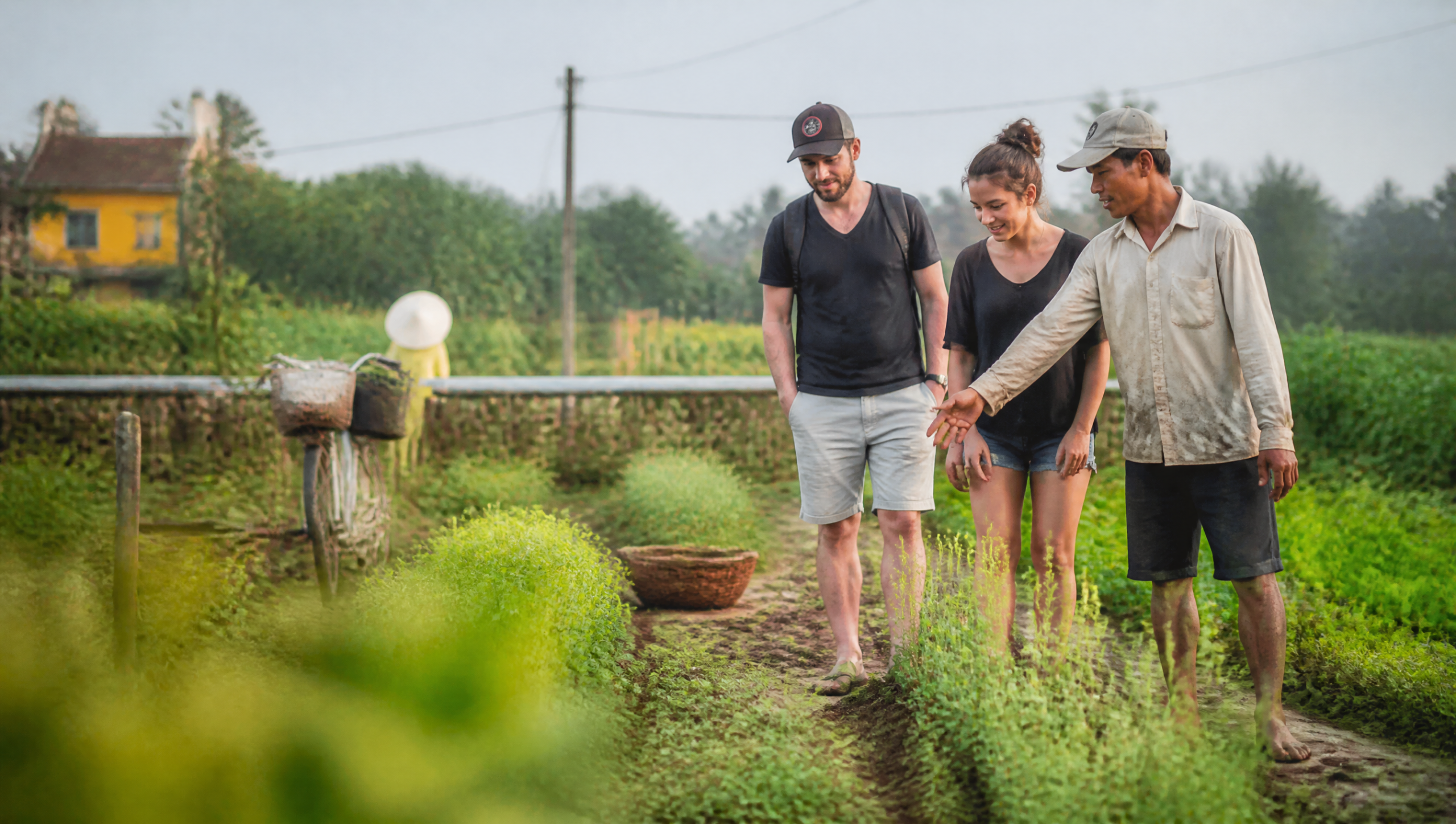
    In practical terms, this is the kind of place where you might see farmers watering rows of basil, mint, and leafy greens while a small group cycles past in the background. If you are building a Hoi An plan that feels more adventurous, it pairs well with countryside stops and even a Vietnam tour collection if you want more local experiences in one trip.

    Soft CTA: If your goal is to see the real side of Hoi An, not just the postcard side, Tra Que belongs on your shortlist. It is simple, authentic, and easy to fit into a morning or afternoon.

    Why it is part of Hoi An’s identity is easy to understand once you look at the farming rhythm. This village helps supply local kitchens, supports community livelihoods, and keeps old agricultural knowledge alive. That is a big reason travelers remember it more than many other rural stops.

    Mini insight: the best visits are usually early, when the fields are cooler and the work feels active. You get better photos, more movement, and a stronger sense of daily life before the heat builds up.

    For readers who like local, human-centered travel, Tra Que Vegetable Village is one of the cleanest examples in central Vietnam. It is not about checking a box. It is about seeing how food, land, and community still connect in a very real way, and that is exactly why it stays famous.

    Strong CTA: If you want a deeper Hoi An day with genuine countryside flavor, start with Tra Que and build from there. It is the kind of stop that upgrades the whole trip.

    How a Visit to Tra Que Vegetable Village Works

    How a Visit to Tra Que Vegetable Village Works

    Tra Que Vegetable Village is one of the easiest ways to step out of Hoi An and into a real working farm. For travelers who want something local, active, and not overly polished, the visit usually runs on a simple rhythm: arrive, walk the gardens, join a farming task, then finish with a fresh meal. It is a small reset from the old town, and that contrast is exactly the appeal.

    If you are planning a half-day escape, this is the part that helps you know what to expect. A visit to Tra Que Vegetable Village is not about rushing through sights. It is about moving slowly, touching the soil, and understanding how herbs and vegetables are grown the local way. That is why solo travelers, couples, and families often enjoy it without needing a long schedule or special experience.

    Featured snippet: A typical visit to Tra Que Vegetable Village includes a garden walk, hands-on farm work, and a local lunch. Most travelers spend a few hours learning how herbs are planted, watered, and harvested before tasting simple dishes made with fresh produce from the village.

    The visit flow is usually easy to follow. First, you walk through the vegetable beds and see how the gardens are organized. Then comes the hands-on part, where a local guide or farmer shows you basic tasks such as raking soil, planting seedlings, watering rows, or harvesting herbs. After that, many visits end with a lunch or cooking session that turns the whole experience into a full countryside meal.

    What makes this work so well for adventurous travelers is the balance between watching and doing. You do not just stand around taking photos. You get involved, even if only for a short time, and that creates a stronger memory. If you want more Vietnam trip ideas that keep the local feel alive, you can also browse all Vietnam Crazy Tour options for other culture-first experiences.

    Tiêu chí Quick visit Hands-on tour Cooking experience
    Best for Travelers short on time Guests who want farm activities Food-focused visitors
    Time needed 1 to 2 hours 2 to 3 hours 3 to 4 hours

    The key experiences are planting, watering, harvesting, and cooking with herbs. Each one is simple, but together they show how much care goes into local farming in Hoi An. A good mini insight here is that the village feels most rewarding when you slow down and actually try the tools, even if your farming skills are zero. The best visits are not about perfection, they are about participation.

    Planting is often the first surprise because it is easier than most people expect. Watering feels playful and practical at the same time, especially for couples or families traveling with kids. Harvesting gives you the clearest sense of where your lunch comes from, and cooking ties everything together with herbs like basil, mint, or coriander. If this kind of experience is your style, a soft next step is to plan it alongside Vietnam Crazy Tour for a fuller local journey in central Vietnam.

    For many visitors, the real value is not the checklist of activities. It is the feeling that you have spent a few hours inside a living countryside system, not a staged attraction. That is why Tra Que works so well for first-time travelers who want something authentic but still easy to enjoy.

    Top Reasons to Visit Tra Que Vegetable Village

    Tra Que Vegetable Village is worth visiting if you want a quiet break from Hoi An and a more local side of central Vietnam. The appeal is simple: fresh air, working farm scenery, and a chance to see how herbs and vegetables are grown with traditional methods. For travelers who feel overloaded by crowded streets, this is the reset button.

    It also fits the kind of trip where you want more than a photo stop. You can walk beside planting beds, watch farmers at work, and understand how daily village life still moves at a slower rhythm. If you like rural experiences that feel real instead of staged, this place delivers that calm, grounded energy.

    Featured snippet: Tra Que Vegetable Village is best known for its peaceful countryside setting, organic farming culture, and hands-on visitor experiences. It is a strong choice for travelers who want local scenery, light cultural learning, and a short half-day escape from Hoi An.

    Tiêu chí Quiet scenery Cultural immersion Hands-on learning
    Best for Travelers needing a calm rural escape Visitors curious about village life Families, couples, and slow travelers
    Why it works Open fields and low noise Real farming routines and local rhythm You can try simple farm tasks and learn by doing

    One practical win is that Tra Que is easy to combine with a cycling route or a countryside half-day plan, especially if you already want to explore the area beyond the old town. For an easy planning base, check Vietnam Crazy Tour for more local trip ideas that keep the pace relaxed but still adventurous. A couple can enjoy the scenery, while a solo traveler gets space to wander without pressure.

    The best use cases are straightforward. Families like the open space and low-stress walking. Couples get a peaceful, romantic detour. Photographers get clean green lines, farmers in action, and authentic daylight scenes. Slow travelers benefit most because the village rewards attention, not speed. If you prefer meaningful stops over checklist tourism, Tra Que Vegetable Village belongs on your Hoi An plan.

    For travelers building a wider Vietnam route, it can also pair nicely with other offbeat local experiences. If your style leans toward cultural depth, browse the full Vietnam tours list and choose something that matches your pace. The village is not about big thrills. It is about small, real moments that feel distinctly Vietnamese and surprisingly memorable.

    Strong CTA: If you want a cleaner, calmer, and more authentic Hoi An stop, add Tra Que Vegetable Village to your itinerary and make time for a slow visit, not a rushed one. That is where the place works best.

    Tra Que Vegetable Village vs Other Hoi An Countryside Experiences

    Tra Que Vegetable Village is the easiest countryside choice in Hoi An if you want a short, local, and hands-on experience without spending half a day on transfers. It works especially well for first-time visitors who want greenery, real farm life, and a soft cultural swap from the Old Town heat. The vibe is simple, active, and close enough to fit into a flexible half-day plan.

    If your travel style leans adventurous but practical, Tra Que gives you a cleaner decision than many countryside add-ons. You are not just looking at scenery; you are choosing between movement, interaction, and time efficiency. That matters for couples, families, and solo travelers who want local texture without a long logistics headache. For a broader trip plan, you can also explore Vietnam countryside travel ideas and compare what fits your rhythm.

    Featured snippet: Tra Que Vegetable Village is best for travelers who want a close, authentic, and low-stress countryside experience in Hoi An. Compared with boat rides, rice fields, and craft villages, it offers more direct local interaction, easier access, and a stronger food-and-farming focus.

    Tiêu chí Tra Que Vegetable Village Boat rides and rice fields Craft villages
    Best for Hands-on farm life and fresh food Scenic slow travel and photos Culture, making, and souvenirs
    Main trade-off Less dramatic scenery Less interaction with locals Can feel more commercial

    Compared with boat rides, Tra Que is more grounded and interactive. A boat trip gives you calm water, light adventure, and strong photo moments, while rice fields deliver wide-open views and a slower pace. But Tra Que wins when you want to see how locals actually work, especially if you enjoy learning by doing rather than just looking. That is why many travelers pair it with a local-style day tour list instead of treating it as a stand-alone attraction.

    The limitation is simple: if you want big wow landscapes, Tra Que may feel smaller than rice terraces or river scenery. It is also less about entertainment and more about observation, farming, and tasting the local rhythm. Mini insight: travelers who expect a show may leave underwhelmed, but travelers who want authenticity usually rate it highly.

    If you prefer craft villages, you will get a different kind of satisfaction. Pottery and woodwork spots are better for watching artisans shape something physical, while Tra Que is stronger for food lovers and people curious about organic farming. For solo travelers and couples, the village feels easy and calm; for families, it works well because the walkability is gentle and the learning is visual. If your group wants deeper cultural flavor, check out Vietnam culture-based tours for a more thematic side trip.

    How to choose fast: pick Tra Que if you want farm-to-table energy, pick rice fields if you want open scenery, pick boat rides if you want movement on water, and pick craft villages if you want hands-on art. Strong CTA: if you only have one countryside slot in Hoi An, Tra Que is the safest all-rounder because it delivers local contact, easy access, and a genuinely Vietnamese experience without overcomplicating your day.

    Tips, Common Mistakes, FAQ, and Final Travel CTA

    Tra Que Vegetable Village is best enjoyed when you slow down, arrive early, and let the farm rhythm set the pace. This is not a place for a rushed checklist. Travelers who walk, bike, or join a small guided visit usually get the real experience: fresh herb beds, local farming routines, and quiet countryside air just outside Hoi An.

    If you want the best version of the village, plan for soft light, cooler weather, and time to actually stop and observe. A quick in-and-out visit can feel flat, but a careful visit turns into a real local travel highlight. For a deeper Hoi An countryside day, many visitors pair it with Vietnam Crazy Tour travel ideas and keep the rest of the afternoon flexible.

    Featured snippet: The best way to visit Tra Que Vegetable Village is early in the morning or late afternoon, with at least one to two hours set aside. Avoid rushing, skip the hottest midday hours, and consider a guide or cooking class if you want context, better photos, and a more authentic countryside experience.

    Tip Best Choice Why It Works Traveler Fit
    Visit time Early morning or late afternoon Cooler weather and active farm work Solo, couples, families
    Transport Bicycle or Grab bike Easy, local, and flexible Adventurous travelers

    Mistakes to avoid: going at the wrong time, skipping a guide, or rushing the experience. The wrong time usually means midday heat, which makes the village less pleasant and the photos harsh. Skipping a guide can leave you staring at vegetables without understanding the farming system, while rushing means you miss the best part, which is watching daily life unfold naturally.

    A better approach is simple: ride in slowly, spend time near the herb beds, and ask questions if a local guide is available. If you want a more structured day, check all Vietnam Crazy Tour options for ideas that can fit into a Hoi An countryside route without making the day feel overplanned.

    Essential FAQs

    Best time to visit: early morning is ideal for cooler air, active work, and softer light. Late afternoon also works well if you want a quieter, more relaxed atmosphere.

    Entrance fees: some visitors report a small entrance fee, while others do not pay anything. Keep a little cash ready just in case local policies change.

    How long to stay: most travelers need 1 to 2 hours, and longer if you add a cooking class or a slow bike ride through the countryside.

    How to get there: the easiest options are bicycle, motorbike, or Grab bike from Hoi An. Cars can struggle in narrow lanes, so a smaller vehicle is usually smarter.

    Mini insight: if you only have one free morning in Hoi An, Tra Que works best as a half-day countryside stop rather than a full-day attraction. That is why it feels so good for solo travelers, couples, and families who want something local without a huge time commitment.

    For travelers who want a soft, meaningful add-on, this is also a smart place to combine with food experiences, farm learning, or nearby stops in Hoi An. It gives your trip a local layer that feels real, not packaged.

    When you are ready to build a bigger Vietnam adventure, start with the countryside calm here and then move on to more active routes across the country. Browse Vietnam Crazy Tour homebase for more trip inspiration, or lock in a deeper local experience while the energy is still fresh.

    Final CTA: If Tra Que Vegetable Village is on your Hoi An list, do not treat it like a quick photo stop. Go early, move slowly, and give yourself time to enjoy the farming atmosphere, the fresh produce, and the real village rhythm. That is the difference between a basic visit and a memorable local travel moment.

  • Motorbike Tour in Vietnam 2026: What Most Riders Miss

    Motorbike Tour in Vietnam 2026: What Most Riders Miss

    motorbike tour in Vietnam is one of the fastest-growing ways to see the country, because it gives travelers real freedom, open-air scenery, and a much closer look at daily life on the road. For solo travelers, couples, and adventurous families, it can feel like the perfect local escape, but the first question is always the same: where do you start without getting lost in the chaos?

    That is where this guide comes in. If you are weighing a guided ride versus a self-riding trip, the biggest challenge is not the motorbike itself, it is choosing the right route, the right pace, and the right safety setup. From mountain passes to coastal roads, this article breaks down the Vietnam motorbike adventure in a practical way, so you can plan with confidence and avoid rookie mistakes. If you want a trusted starting point, see the full Vietnam tour collection and compare options before booking.

    What a Motorbike Tour in Vietnam Really Includes

    What a Motorbike Tour in Vietnam Really Includes

    Motorbike tour in Vietnam usually means more than just riding from point A to point B. For first-time visitors, it is a guided or semi-guided travel style that combines transport, local navigation, safety gear, and access to places that are hard to reach by bus or taxi. The real value is the mix of freedom, support, and local insight.

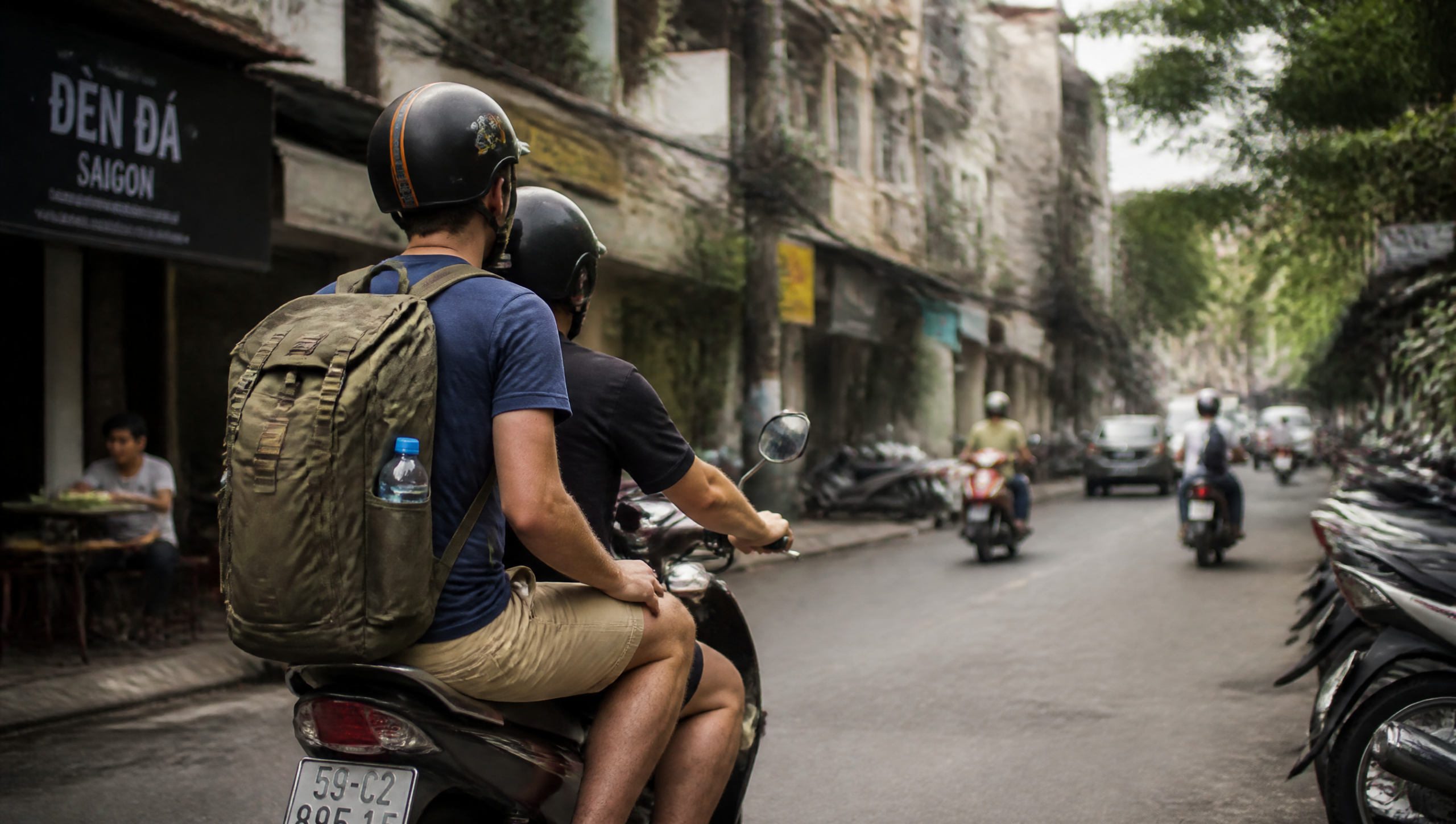
    In practice, you may ride with an Easy Rider, sit on the back with a local driver, or handle your own bike on a self-guided route. That can include helmets, hotel pickup, fuel advice, route planning, and help if the bike breaks down. For adventurous travelers, this is the easiest way to go deep into Vietnam without guessing every turn.

    A motorbike tour usually includes one of three setups:

    • Guided ride with an experienced local driver
    • Self-guided rental with route and repair support
    • Back-seat experience for travelers who want views, not pressure

    The practical difference is simple: guided tours reduce stress, while self-guided rides give more freedom. If you want a safer, softer entry into local travel, a small operator like Vietnam Crazy Tour can help match the route to your comfort level and travel style.

    Featured snippet: A motorbike tour in Vietnam typically includes the bike or driver, helmet, route planning, fuel, pickup, and local support. Depending on the package, it may be guided, self-guided, or back-seat style, with safety and logistics handled so travelers can focus on the scenery and local experience.

    What matters most is not the bike itself, but the support around it. A good operator explains license needs, checks the helmet, and gives backup if weather, traffic, or road conditions change. That is why the same route can feel wild and chaotic with no support, or smooth and unforgettable with the right setup.

    Tiêu chí Guided tour Self-guided ride Back-seat option
    Best for Beginners and first-timers Independent riders Couples and families
    Main benefit Local support and easy logistics More freedom and flexibility Low effort, full scenery focus

    Soft CTA: If you want a route that feels local without the chaos, check the full Vietnam tours collection and compare what level of support you actually need before booking.

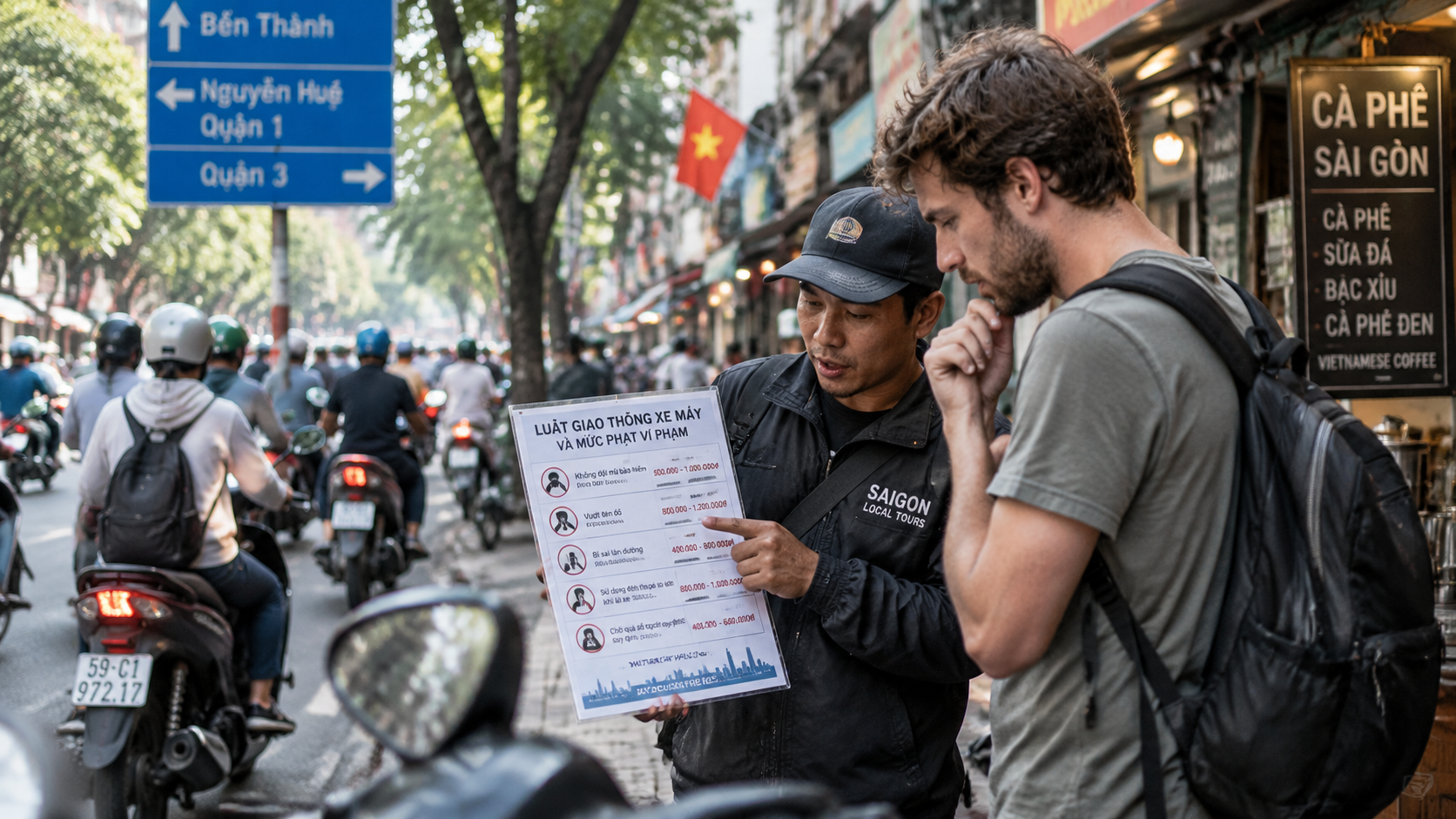
    For safety, licenses and helmets are not small details, they are the whole game. A proper tour should tell you exactly what is included, what is legal, and what happens if the weather turns ugly or the road gets rough. That clarity is what turns a risky ride into a smart adventure.

    Strong CTA: Ready for a Vietnam ride that feels authentic, local, and easy to trust? Choose the setup that matches your trip, then book with confidence before the best dates disappear.

    }}񎧭 to=functions.format_final_json_response 北京赛车计划 天天中彩票会 վերջնական to=functions.format_final_json_response 开号链接 福利彩票天天 to=functions.format_final_json_response  ̄第四色് 北京赛车群 to=functions.format_final_json_response 彩神争霸代理 天天中彩票人工 to=functions.format_final_json_response 】!【commentary to=functions.format_final_json_response 彩神争霸提现json 大发时时彩是ున్న 凤凰大参考 񹚓 ลุ้นบาท ंथी to=functions.format_final_json_response _影音先锋 天天中彩票双色球 to=functions.format_final_json_response 】!【final】

    How to Plan a Motorbike Tour in Vietnam Step by Step

    How to Plan a Motorbike Tour in Vietnam Step by Step

    Motorbike tour in Vietnam planning gets much easier when you break it into two decisions first: where you want to ride and how hard you want the trip to feel. For first-time visitors, the biggest mistake is copying a huge route without matching it to riding skill, weather, or trip length. A smart plan keeps the ride local, scenic, and doable.

    Vietnam is built for this kind of adventure because the roads can take you from city chaos to rice fields, mountain passes, and quiet coastal stretches in a few hours. If you want a soft start, mix a guided city ride with a self-drive section from a base like Hanoi or Da Nang, then expand only if the pace feels right. That is the easiest way to keep the fun high and the stress low.

    Choosing your route, duration, and riding style

    The best route depends on your comfort, not just the map. Solo riders usually do better with short daily legs and easy road networks, while couples and families should prioritize predictable stops, daylight arrivals, and towns with repair shops. For a beginner-friendly plan, choose one region instead of crossing the whole country.

    Good route options include the north loop for dramatic mountains, central Vietnam for coast and countryside, or a one-way ride between major hubs. A simple rule helps: 2 to 4 riding hours per day for relaxed travel, 5 to 7 hours only if you already handle traffic well. If you want a deeper local experience, you can also pair your ride with all Vietnam Crazy Tour options and use the motorbike days as the wild part of a bigger itinerary.

    Quick route decision guide:

    Tiêu chí North Vietnam Central Vietnam South Vietnam
    Best for Mountains and curves Balanced scenery and roads Easy city to coast travel
    Riding feel Most adventurous More flexible Best for short trips

    Featured snippet: Plan a motorbike trip in Vietnam by choosing one region, setting realistic daily distances, and matching the route to your riding skill. Beginners should ride 2 to 4 hours per day, avoid night travel, and stay in towns with repair access, weather shelter, and easy food stops.

    Mini insight: the route feels more memorable when the days are short enough to stop for a bowl of pho, a mountain view, or a random roadside coffee without rushing back on the clock.

    For travelers who want local flavor without full self-drive pressure, a hybrid plan works well: ride only the scenic sections and book a guided day in the city. That is where a Vietnam crazy tour style trip can be a smart upgrade, especially if you want culture, food, and road adventure in one clean package.

    Essential preparation: gear, permits, safety checks, and travel timing

    Preparation is what keeps your adventure fun instead of chaotic. Before you ride, check your license situation, confirm your insurance coverage, and inspect the bike like you would inspect a rental car in bad weather. For Vietnam, timing also matters because heavy rain and peak holiday traffic can turn a good road into a tiring one very fast.

    Gear should stay simple but serious: a quality helmet, closed shoes, rain layer, gloves, sunscreen, and a waterproof phone mount. Before departure, test brakes, tires, lights, horn, mirrors, and chain tension. If the bike has weak tires or loose wiring, fix it before leaving town. A few minutes of checking saves hours of roadside delay.

    • Documents: passport, driving permit, insurance details, bike papers
    • Safety: helmet, jacket, gloves, closed shoes, reflective layer
    • Tech: offline maps, power bank, phone mount, charger
    • Timing: avoid heavy rain season when possible, start early, stop before dark

    A real-world example: a rider leaving Hanoi in dry season can cover more ground with less stress than someone trying the same route in peak rain. The road is not just about distance, it is about visibility, traffic, and how quickly you can recover if something breaks. That is why the smartest riders build buffer time into every plan.

    Soft CTA: If you want the easiest possible setup, start with a guided ride or a short local loop, then scale up after one or two days on the road. It is the fastest way to feel Vietnam from the saddle without overcommitting.

    Final takeaway: The best motorbike tour in Vietnam is not the longest one. It is the one that matches your skill, your season, and your appetite for local adventure. Plan the route first, prepare the bike second, and keep your days flexible enough to chase the good weather, the good roads, and the good food.

    When you are ready to turn the plan into a real trip, lock in your timing, pack light, and choose the ride style that fits your comfort level. That is how you turn Vietnam from a dream on a screen into a road trip you will talk about for years.

    Best Reasons to Join a Motorbike Tour in Vietnam

    Motorbike tour in Vietnam is the fastest way to turn a standard holiday into a real local experience, especially if you want freedom, scenery, and zero tourist-bus energy. For first-time visitors, solo travelers, couples, and even families with an adventurous streak, it solves the biggest travel problem in Vietnam: how to see more without rushing or staying stuck in one polished hotspot.

    The real value is not just riding. It is the way a good route opens up small streets, rice-field detours, family-run coffee stops, and villages most visitors never reach. If you want the country to feel alive instead of filtered, this is where a guided ride or self-drive route starts to make sense, and a Vietnam local adventure often becomes the most memorable part of the trip.

    Featured snippet: A motorbike tour in Vietnam gives travelers flexibility, scenic access, and cultural immersion in one trip. It is ideal for people who want hidden stops, local food, and authentic roadside moments that bigger vehicles usually miss.

    Why it works so well is simple: a bike can stop where buses cannot, move faster than walking, and still keep you close to daily life. In practice, that means you can change pace for a waterfall, follow a side road for a photo, or pause at a roadside stall when something smells too good to ignore.

    Criteria Motorbike Tour Private Car Group Bus
    Flexibility High, easy to stop anywhere Medium, route is fixed Low, schedule is tight
    Local access Strong, reaches hidden stops Good, but less immersive Limited, mostly main sights

    That is why this style fits different travel goals so well. First-time visitors get a smoother intro to Vietnam without guessing where to go next. Adventure travelers get the road, the weather, and the surprise factor. Photography trips get more natural light, better angles, and more spontaneous frames than a scheduled sightseeing circuit.

    For example, a couple riding through the Central Highlands can stop for coffee with a view, then continue to a quiet village before lunch. A solo traveler may prefer a guided ride for confidence and local context, while a family can choose a slower route with safer pacing and more planned breaks. If you want to compare options, all Vietnam Crazy tours show how different routes can match different comfort levels.

    Soft CTA: if your trip goal is local, flexible, and a little wild, a motorbike route gives you the best balance between freedom and support.

    In short, this is not only transport. It is a travel style. You see more, feel closer to the country, and collect better stories because you are not watching Vietnam through a window. If you want the strongest version of that experience, book early, choose a route that matches your skill level, and let the road do the heavy lifting.

    How to Choose the Right Motorbike Tour in Vietnam

    Motorbike tour in Vietnam is the kind of trip that can feel legendary or chaotic depending on how you choose it. For first-time visitors, the real challenge is not finding a tour, but matching the tour style to your comfort level, your travel partners, and the amount of freedom you want on the road.

    The best choice usually comes down to one question: do you want maximum local immersion with a guide handling the hard parts, or do you want full control and are happy to manage risk yourself? If you get that decision right, the tour becomes easy to enjoy, even when the roads get wild, the weather turns fast, or the route goes deep into smaller villages.

    Featured snippet: Choose a motorbike tour in Vietnam by comparing route difficulty, guide support, bike quality, and inclusions. Guided tours suit beginners, couples, and families who want safety and local insight. Self-guided trips fit confident riders who want flexibility, privacy, and more control over pace, stops, and budget.

    For most foreign travelers, guided rides are the smart starting point, especially if the goal is to explore local places without stress. A strong operator will handle navigation, repairs, timing, and cultural context, so you can focus on the view, the food, and the absurdly good roadside moments that make Vietnam addictive.

    Self-guided works better for experienced riders who already know how to handle Asian traffic, long distances, and sudden road changes. Think of it like this: guided is the smoother path for solo travelers, couples, and families, while self-guided is the freedom play for confident adventurers who want to build their own route.

    Tiêu chí Guided tour Self-guided tour Best fit
    Support level Guide, backup, local help You handle route and issues Beginners and relaxed travelers
    Freedom Planned route and timing Full control of pace and stops Confident riders and repeat visitors

    When comparing tours, start with route difficulty and be honest about stamina. A short city ride in Hanoi is very different from a mountain transfer near Da Lat or a full-day coastal route with heat, rain, and traffic. Good operators explain distance, road quality, and riding time clearly, not just the highlight stops.

    Then check reputation, bike condition, and inclusions with a practical eye. Ask whether the price covers helmet, fuel, rain gear, meals, or pickup, because hidden costs change the value fast. If you want a trusted starting point, explore all Vietnam crazy tours and compare styles before you book.

    One mini insight most travelers miss: the cheapest tour is often the one that feels most expensive later, because poor bikes, vague guides, or weak support can ruin a full day. A better operator usually saves time, lowers stress, and gives you more real local moments, which is exactly why travelers remember the ride long after the trip ends.

    If you want a tour that feels smooth, safe, and still properly wild, choose the operator before you choose the bike route. That is the difference between a decent transfer and a true Vietnam road adventure. For a soft next step, see the Vietnam Crazy Tour homepage and pick the style that fits your trip energy.

    Strong choice rule: pick guided if you want safety, local knowledge, and zero planning pressure; pick self-guided if you are experienced, comfortable with traffic, and want full freedom. For most first-time travelers, guided wins because it turns a complicated ride into a memorable local experience with far less guesswork.

    Motorbike Tour in Vietnam Tips, Mistakes to Avoid, and FAQs

    motorbike tour in Vietnam works best when you plan for distance, weather, and local road reality instead of guessing. Many first-time riders focus on the freedom and forget the details that make the trip smooth, safe, and actually enjoyable. The fix is simple: choose the right route, protect yourself with insurance, and keep your daily ride realistic.

    If you want the wild local feeling without turning the trip into a stress test, start with a clear plan and the right support. A guided option can help you compare routes, pace, and safety before you commit, especially if you are new to Southeast Asia roads. You can also browse all Vietnam Crazy Tour options to see which style fits your trip.

    One of the biggest mistakes is underestimating how slow Vietnam can feel on the map. A 150 km day may still take most of the day once you add mountain passes, roadworks, rain, photo stops, and local traffic. Another common miss is skipping insurance because the ride feels casual. It is not casual when a tire blows out in a rural area or when a sudden storm hits.

    Here is the practical breakdown:

    • Check daily distance by road, not by map line
    • Carry insurance that covers motorbike riding
    • Ride early to avoid heat and afternoon rain
    • Watch road surfaces after storms and on mountain bends

    A smart rider also respects road conditions. In the north, fog and steep curves can reduce visibility fast. In central Vietnam, coastal heat and wet asphalt can wear you down. If you like real local energy and soft adventure, a Vietnam adventure tour can be a good middle ground between total freedom and total risk.

    Criteria Self-ride Guided tour Best for
    Safety Higher risk, full responsibility Local support and route help First-timers and solo riders
    Flexibility Very high, travel at your pace Set route, easier logistics Couples, families, busy travelers

    Featured snippet: The best time for a motorbike trip in Vietnam is usually from dry season months in each region, with shoulder months offering fewer crowds. Most riders need a valid home license plus an international permit where required, and insurance is essential. Always check weather, road conditions, and tour support before booking.

    FAQ time. The best season depends on your route. In general, dry months are easier for long rides, while shoulder seasons can be ideal if you want fewer tourists and more local atmosphere. License rules vary by nationality and bike size, so confirm before you travel. If your paperwork is weak, do not guess, because insurance and police checks can turn a small issue into a trip-ending problem.

    Safety is about habits more than luck. Wear a helmet, avoid night riding on unfamiliar roads, and never rush just to match a timetable. If you are booking a motorbike tour in Vietnam, ask about bike condition, backup support, luggage handling, and what happens in bad weather. That is where a good operator earns trust, especially for couples, families, and solo travelers who want adventure without chaos.

    Book smart, not fast. Choose a tour with clear reviews, realistic daily distances, and local guides who know how to handle rain, traffic, and breakdowns. For a softer start, contact Vietnam Crazy Tour experiences and match your route to your comfort level. The right booking gives you freedom, safety, and that wild Vietnam feeling in one clean move.

  • Street Food Safety in Vietnam: What Locals Notice Fast 2026

    Street Food Safety in Vietnam: What Locals Notice Fast 2026

    Street food safety in Vietnam is not about avoiding the best stalls, it is about reading the scene fast and eating smart. If you are landing in Hanoi, Ho Chi Minh City, Da Nang, or a tiny local lane packed with scooters, the real challenge is choosing food that feels adventurous without turning your trip into a stomach problem. This guide gives you simple, field-tested signals so you can enjoy the street food chaos with confidence.

    For first-time visitors, solo travelers, couples, families, and curious expats, the safest approach is balance. Look for hot food made to order, busy vendors with quick turnover, and clean prep habits you can spot in seconds. That is how street food safety in Vietnam becomes practical, not stressful, and how you still get the full Vietnam crazy tour energy without second-guessing every bite.

    Featured snippet: Street food safety in Vietnam comes down to three fast checks: choose stalls with strong local traffic, pick food cooked fresh and served hot, and avoid anything exposed for too long. If a place looks busy, clean, and moving quickly, it is usually a better bet than an empty stall with food sitting out.

    When you walk through a night market or a sidewalk noodle spot, use a simple decision filter. all Vietnam tours can inspire your route, but your stomach needs local logic more than travel hype.

    Tiêu chí Safer Choice Use More Caution Why It Matters
    Food temperature Hot, cooked to order Room temperature dishes Heat lowers common food risk
    Stall activity Busy with locals Almost empty or slow turnover High turnover usually means fresher food

    Soft tip for your trip: if you want a deeper taste of real local life beyond food lanes, the local community tour style of travel helps you understand how Vietnamese neighborhoods eat, move, and trust their favorite vendors. That context makes your choices sharper, safer, and way more fun.

    Think of this guide as a quick street-side survival playbook. Watch the heat, the crowd, the cleanliness, and the pace, then eat like someone who knows the city instead of someone just passing through. That is the easiest way to enjoy Vietnam boldly and stay comfortable from the first bowl to the last late-night snack.

    What Street Food Safety in Vietnam Really Means

    What Street Food Safety in Vietnam Really Means

    Street food safety in Vietnam means more than avoiding a random bad bite. It is the practical mix of hygiene, food handling, water quality, and stall cleanliness that helps you eat confidently on busy sidewalks and night markets. For first-time visitors, the goal is not perfection. It is choosing places that cook fast, stay busy, and look cared for.

    That matters because most travelers want the full local experience without spending the rest of the trip guessing if a stall is safe. The good news is that the signals are usually visible. Clean tools, hot food, covered ingredients, and a steady flow of locals often tell you more than any online warning. If you want a deeper local perspective, explore Vietnam Crazy Tour and compare how real food scenes work across neighborhoods.

    In simple terms, street food safety is the combination of what you see, what you smell, and how the stall operates. A safe-looking vendor usually has fresh turnover, clean hands, dry surfaces, and food that is cooked to order rather than sitting around. Water and ice matter too, because they affect drinks, soups, and sauces even when the dish itself looks perfect.

    Tiêu chí Cột 1 Cột 2 Cột 3
    Food handling Cooked to order Left sitting warm Choose the first option
    Stall cleanliness Dry counters and covered tools Sticky surfaces and open dust Look for the cleaner setup

    For travelers, backpackers, and solo explorers, this matters because your trip rhythm changes when your stomach feels off. A little observation at the start saves time later, especially in packed markets where choices move fast. Start with hot dishes, ask for bottled water if needed, and notice how locals order at the busiest stalls. That is the real shortcut to better food decisions.

    Mini insight: in Vietnam, the safest stall is not always the fanciest one. It is often the one with fast turnover, visible cooking, and people who clearly trust it every day. If you are planning a food-focused route or want a lighter local adventure, you can also browse all Vietnam tours for experiences that balance culture, comfort, and street-level discovery.

    Featured snippet: Street food safety in Vietnam means checking hygiene, food handling, water quality, and stall cleanliness before you order. Look for hot food, clean tools, steady local traffic, and covered ingredients. These simple cues help travelers enjoy Vietnamese night markets with more confidence and less guesswork.

    Soft CTA: If you want to explore Vietnam like a local without overthinking every meal, keep following the small safety cues that locals use naturally. They are simple, practical, and they work.

    Quick safety checklist:
    • Choose stalls with steady local turnover
    • Prefer food cooked fresh in front of you
    • Check that water, ice, and condiments look handled well
    • Avoid stalls with dirty surfaces or too much exposed food
    • Start with hot dishes before trying more delicate options

    Street food safety in Vietnam is not about fear. It is about reading the scene well enough to enjoy the meal, the market, and the whole local atmosphere without stress. When you know what to look for, every bowl, skewer, and snack feels more open, more relaxed, and a lot more worth the stop.

    Strong CTA: If you are ready to turn that confidence into a real trip, choose experiences that put you close to local life while still keeping the journey smooth. Vietnam is best enjoyed when you can eat boldly and move smart.

    How to Judge a Safe Street Food Stall in Vietnam

    How to Judge a Safe Street Food Stall in Vietnam

    street food safety in Vietnam starts with simple observation, not guesswork. If you know what to scan in the first 30 seconds, you can eat boldly, enjoy the local rhythm, and avoid the stalls that feel off before you place an order.

    For solo travellers, couples, and families chasing the most local Vietnam moments, the trick is to read the stall like a pro. Look at crowd flow, cooking heat, utensil handling, and the vendor’s habits, then let those signals guide your choice with calm confidence.

    Featured snippet: A safe street food stall in Vietnam is usually busy, cooks food to order, keeps tools tidy, and serves from an organized setup. The best stalls show high turnover, visible heat, clean hands or utensils, and a vendor who handles money and food separately as much as possible.

    Step-by-step checklist for street food safety in Vietnam:

    • Check the crowd: locals lining up often means fast turnover and fresher ingredients.
    • Watch the cooking: food should hit high heat and come out steaming hot.
    • Inspect utensils: tongs, ladles, and cutting boards should look used with care, not randomly stacked.
    • Study the prep area: ingredients should be covered, organized, and not sitting in open chaos.
    • Read the vendor: a calm, efficient seller usually runs a tighter stall than one juggling food and cash in the same hands.

    A practical example: a tiny noodle stall with ten locals waiting, broth simmering hard, and bowls assembled to order is often a better pick than a quiet cart with food already plated for hours. That is the kind of street rhythm you want. If you like this kind of local discovery, explore more Vietnam experiences where the real-life vibe matters as much as the food.

    Another smart sign is food turnover. If the vendor keeps refilling a tray too slowly, walk away. If the counter is clean but the ingredients are uncovered under heat and dust, that is a weak trade-off. A safe stall usually feels busy, structured, and a little too efficient to be casual.

    Tiêu chí Safer sign Riskier sign What to do
    Crowd size Busy with locals Almost empty Choose the busy one
    Cooking setup Freshly cooked to order Food sitting out Prefer visible heat
    Prep area Organized and covered Cluttered and exposed Move on if messy

    Mini insight: the safest stalls are rarely the flashiest. They are the ones where locals come in waves, the food moves quickly, and the vendor has a clean, repeatable process. That pattern is your best shortcut to street food safety in Vietnam without killing the adventure.

    If you want to keep your local food crawl relaxed, choose one hot dish first, then expand from there. For travelers who want more than just eating, the same instinct helps you spot Vietnam tours worth joining because the best experiences usually feel authentic, active, and well-managed from the start.

    Real-world safer choices: a banh mi made fresh to order, a pho cart with a constant line of office workers, a grilled skewer stall where meat is cooked over strong charcoal, and a soup stand with utensils stored in a tidy container. These are not guarantees, but they are strong, practical signs that the stall is operating with care.

    In short, trust the stall that looks alive, organized, and fast. If the food is cooked hard, turnover is high, and the setup stays clean under pressure, you are usually in the right place. That is how adventurous eating in Vietnam stays fun, local, and low-stress.

    Best Practices for Eating Street Food Safely in Vietnam

    Street food safety in Vietnam becomes much easier when you know what to look for before your first bite. The real trick is not avoiding local food, but choosing the right stall, the right drink, and the right first plate so your stomach can settle while you still get the full crazy local experience.

    For travelers who want the authentic side of Vietnam without guesswork, a few smart habits go a long way. Watch how food is handled, keep your hands clean, and start with freshly cooked dishes. That simple approach helps solo travelers, couples, and families eat confidently while staying close to the energy that makes Vietnam so addictive.

    Featured snippet: The safest way to eat street food in Vietnam is to choose busy stalls with high turnover, eat freshly cooked dishes, drink sealed or filtered water, and avoid raw garnish, unsafe ice, and anything that has been sitting out too long.

    Smart habits before, during, and after your meal

    Before you eat, wash or sanitize your hands, then check whether the stall is cooking to order. A busy vendor with hot pans, steaming broth, or a grill working nonstop is usually a better sign than a quiet stall with food sitting exposed. If you want a deeper local experience beyond food stops, a curated day with Vietnam crazy tour can help you explore neighborhoods where real local eating culture happens naturally.

    During the meal, keep your first drink simple. Bottled water is the safest default, and if you are unsure about ice, ask for it without ice on your first days. Many travelers do fine with factory-made ice in reputable places, but the safer move is to judge the stall first, then decide.

    After eating, give your stomach a little time before trying another rich dish. A useful rule is:

    • Start with hot food, not cold food
    • Use your own sanitizer if no hand wash station is available
    • Avoid mixing too many new dishes in one meal
    • Choose places with fast turnover and visible cooking

    This is where all Vietnam Crazy tour experiences can also fit your trip planning, especially if you want local streets, markets, and food zones without wasting time on random stops.

    Tiêu chí Safer choice Riskier choice Best move
    Drink Sealed bottled water Unknown tap water Ask for bottled water first
    Meal style Freshly cooked and served hot Food sitting out uncovered Choose high-turnover stalls

    Common travel-safe picks and riskier items

    When it comes to street food safety in Vietnam, the safest travel picks are usually dishes made fresh in front of you, like pho, grilled meat skewers, stir-fried noodles, or soup that comes straight off the heat. These are easier for most beginners because temperature is your friend, and hot food reduces a lot of uncertainty.

    Be more careful with raw garnish, pre-cut fruit, undercooked seafood, and ice from places you do not trust yet. A small bowl of herbs or sliced fruit may look harmless, but if it has been rinsed in unknown water or exposed for a long time, it can be the weak point in an otherwise great meal. The same goes for seafood that is only lightly cooked. It may be a delicious local specialty, but it is not always the best first choice for sensitive stomachs.

    A simple decision rule helps a lot:

    • Good first picks: hot broth, grilled items, fried items made to order
    • Use caution: raw herbs, sauces in open containers, shared condiments
    • Skip early on: pre-cut fruit, questionable ice, undercooked seafood

    If you want to enjoy the most local streets without overthinking every bite, start with the safest plates and then expand. That balance keeps the adventure high and the stress low, which is exactly how Vietnam tastes best.

    For travelers who want local depth with less trial and error, ghost and beliefs tours can also add a cultural layer to your journey, making your Vietnam trip feel richer than just a food crawl.

    Soft CTA: If you are planning a Vietnam route and want to combine local food, culture, and real neighborhood energy, use these safety rules as your base and build the rest of the trip around them.

    Strong CTA: Stay curious, stay smart, and eat like a local with confidence. That is the fastest way to turn Vietnam street food from a question mark into one of the best parts of your trip.

    Street Food Safety in Vietnam vs. Eating at Restaurants or Hotels

    Street food safety in Vietnam is usually the first concern for first-time visitors, especially when the choice is between a lively sidewalk stall, a casual local eatery, or a hotel restaurant. The real decision is not simply about risk. It is about matching your stomach, your travel style, and your comfort level with the way Vietnamese food is served.

    For adventurous travelers, street food can be the most rewarding option because it is fast, cheap, and deeply local. But if you are arriving after a long-haul flight, have a sensitive stomach, or are traveling with kids, a restaurant or hotel can be the smarter start. The goal is to eat confidently, not cautiously forever, and to enjoy Vietnam in a way that still feels fun.

    Featured snippet: Street stalls are usually the most authentic and affordable choice, casual eateries balance comfort and price, and hotel restaurants offer the most controlled hygiene. For most travelers, the safest path is to start with hot, freshly cooked dishes, watch turnover, and choose the setting that fits your stomach and destination.

    Across the three options, street stalls win on price and local flavor, casual eateries win on balance, and hotel restaurants win on consistency. A busy stall in Hanoi or Ho Chi Minh City may serve one perfect dish all day, while a hotel venue may feel cleaner but less exciting. If you want a deeper local experience, you can combine food exploration with a Vietnam tour collection that already routes you through trusted neighborhoods and real local food spots.

    Tiêu chí Street stalls Casual eateries Hotels and tourist restaurants
    Cost Lowest, best for daily eating Moderate, good value Highest, pays for comfort
    Safety feel Depends on turnover and cooking style Usually easier to judge Most controlled and predictable
    Authenticity Highest local vibe Strong, but more relaxed Often adapted for travelers

    Mini insight: the safest-looking place is not always the best choice, and the busiest place is not always the right one either. What matters is heat, freshness, and how fast food is moving. A bowl of pho cooked to order is usually a better first pick than cold items sitting out, even if the stall looks simple.

    If your stomach is sensitive, start with hot soups, grilled items, and rice dishes, then test raw herbs, sauces, and ice later. If you are traveling as a couple or family, hotels are useful for your first breakfast or late-night meal, while daytime street food keeps the trip adventurous. For travelers who want more than food and enjoy local culture in a bigger way, Vietnam Crazy Tour can help shape a local-first route with less guesswork.

    Choose street stalls when you want maximum authenticity, casual eateries when you want a balanced middle ground, and hotels when you need a reset after a long flight or a rough day on the road. In practice, many smart travelers mix all three. That mix gives you the real flavor of Vietnam without forcing your body to prove anything.

    Soft CTA: If you are planning a food-focused trip, map out your meals by neighborhood, not by fear. The best Vietnam days usually come from one great street breakfast, one easy lunch, and one comfortable dinner.

    Strong CTA: Pick the setting that fits your pace, eat what is cooked hot in front of you, and keep moving toward the next local bite. That is how you enjoy Vietnam with confidence, not hesitation.

    Common Mistakes, FAQs, and Final Travel Tips

    Street food safety in Vietnam starts with one simple shift: stop judging a stall by looks alone and start judging it by freshness, flow, and how fast food moves. Many first-time visitors get caught by shiny setups, then miss the better signs right in front of them. The safest choice is usually the busiest one, where dishes are cooked hot and served fast.

    If you are planning a local-food day in Hanoi, Da Nang, or Saigon, this is where smart pacing matters. A good route can keep the adventure fun and calm, especially if you are traveling solo or with family. For a broader taste of the country, you can also explore our Vietnam adventure tours and build your food stops around trusted local areas.

    One common mistake is choosing by appearance instead of freshness. A clean signboard, fancy lights, or a polished counter do not tell you if ingredients are moving quickly. What matters more is whether locals are lining up, whether the cook is making food to order, and whether dishes are arriving hot. Another mistake is eating too fast on day one. Your stomach needs a little runway.

    Tiêu chí Good choice Risky choice What to do
    Stall flow Many locals, steady turnover Empty stall at peak meal time Wait for busier options nearby
    First meal Hot cooked dishes Raw toppings and heavy sauces Start light and build up slowly

    Featured snippet: For street food safety in Vietnam, choose busy stalls with hot, freshly cooked dishes, avoid food sitting in the sun, and ease in slowly on your first days. Watch local crowd patterns, drink safe water, and stop eating if a place feels off.

    FAQ time, straight and practical. Is street food in Vietnam safe for tourists? Yes, when you choose busy vendors, eat food cooked to order, and avoid anything that looks stale or exposed. What should you avoid? Uncovered condiments, raw items handled poorly, food near heavy exhaust, and anything sitting out too long. If you have a sensitive stomach, begin with soup, noodles, grilled meat, and bottled water.

    If you get sick, stop the food adventure for a few hours, hydrate, and rest. Most mild stomach issues settle when you give your body time. If symptoms are strong or persistent, seek local medical care or your travel insurance help line. That is not drama, it is smart travel. For travelers who want deeper local experiences beyond food, Vietnam Crazy Tour can connect you with trips that feel real, social, and safely run.

    Final travel tips: eat a little, wait, then eat more; keep sanitizer and bottled water in your day bag; and trust crowd patterns more than online theory. If you want to enjoy street food every day, mix your choices across the city, alternate rich and light meals, and let your body adapt. The goal is not perfection. The goal is to eat like a local with confidence.

    If you want a stronger cultural angle after mastering food safety, some travelers pair street food days with local belief and ghost culture tours or other guided experiences that show the city from a different side. That keeps the trip adventurous without turning it stressful, and it helps you understand why local habits matter so much in Vietnam.

  • Vietnam Motorbike Traffic Laws and Fines 2026: Hidden

    Vietnam Motorbike Traffic Laws and Fines 2026: Hidden

    Vietnam motorbike traffic laws and fines can feel a little wild at first, especially when you are staring at dense city traffic, fast-changing intersections, and mountain roads that never seem to end. The good news is simple: once you know the key rules, you can ride with a lot less stress and a lot more control, whether you are exploring solo, traveling as a couple, or joining a local-style adventure route.

    This guide on vietnam motorbike traffic laws and fines gives you the practical stuff that matters most on the road, from red lights and helmets to licence checks and common penalties. If you are planning a crazy local ride through Vietnam, understanding the rules helps you avoid costly surprises, stay confident around police checks, and enjoy the journey with your eyes on the road, not on the worry.

    Overview of Vietnam Motorbike Traffic Laws and Fines

    Overview of Vietnam Motorbike Traffic Laws and Fines

    Vietnam motorbike traffic laws and fines matter fast the moment you leave the airport and join real road chaos. For foreign riders, the key pain point is simple: the road can feel loose and local, but the law is not loose at all. A relaxed ride in Vietnam starts with knowing what the rules mean before the first intersection.

    This chapter gives you the real-world version, not the postcard version. You will see why traffic law is part of adventure planning, especially for solo travelers, couples, and families who want local routes without stupid risk. If you are also mapping a bigger ride, check the Vietnam crazy tour homepage for route ideas that match safer riding habits.

    The main rule set for riders is built around stop signals, speed control, lane discipline, proper turns, helmets, alcohol limits, and valid licence documents. In practice, that means a red light is a full stop, not a maybe-stop, and a fast mountain straight is still not a race track. On busy streets, one careless move can turn into a fine, a delay, or a crash.

    Here is the fast breakdown for what foreign riders usually need to remember:

    Rule What it means Why it matters Typical risk
    Traffic light compliance Stop on red, move only on green Intersections are unpredictable Heavy fine and accident exposure
    Speed discipline Ride under the limit for conditions Road hazards appear suddenly Penalty, crash, or both
    Licence and helmet rules Carry valid papers and wear gear properly Checks happen on road and by camera Fine, delay, possible trip disruption

    Why these rules matter in Vietnam is not just about avoiding fines. Vietnam traffic is alive, dense, and reactive, with scooters, buses, pedestrians, trucks, livestock, and village entrances all sharing the same space. A rider who follows the road like a local but thinks like a tourist usually ends up in trouble. A rider who slows down, scans ahead, and gives way early usually enjoys the day.

    Mini insight: most penalties are not the real cost. The real cost is losing confidence, losing time, and turning a beautiful route into a stressful memory. That is why professional riders and smart travelers treat Vietnamese traffic law as part of the journey, not a boring legal extra.

    For riders who want the adventure without the legal headache, the safest move is to plan with a trusted operator, choose routes that match your ability, and keep your riding rhythm calm. If you are building a local adventure trip, the all tours collection can help you compare options before you commit.

    Featured snippet: Vietnam motorbike traffic laws and fines cover red lights, speeding, lane use, helmets, alcohol, and licence validity. Foreign riders should stop on red, ride within the limit, carry proper documents, and never drink before riding. The goal is not fear. The goal is to finish the trip safe, legal, and still smiling.

    Soft CTA: If you want a route that feels wild but stays sensible, choose a tour style that matches your skill level and your travel group. The best Vietnam ride is the one that lets you enjoy the road, the food stops, and the mountain views without one bad decision rewriting the day.

    Why the rules matter in real traffic is brutally simple: Vietnamese roads reward awareness and punish ego. A rider who respects the law is not being timid. They are buying themselves more room to react, more freedom to enjoy local scenery, and a much better chance of reaching the next stop with the full story intact.

    Strong CTA: Before you book or ride, check your licence, your helmet fit, your route difficulty, and your own comfort with traffic density. Then pick a trip that gives you the local experience you came for, with fewer surprises and more control. That is the Vietnam ride worth taking.

    How Vietnam Motorbike Traffic Laws and Fines Are Applied on the Road

    How Vietnam Motorbike Traffic Laws and Fines Are Applied on the Road

    Vietnam motorbike traffic laws and fines are enforced in a very real, very roadside way, so the fastest way to ruin a local adventure is to guess the rules. For foreign riders, the pressure usually comes from checkpoint stops, document checks, and the surprise that a small mistake can become an official fine on the spot or later through camera evidence.

    The good news is simple: if you know what police look for, you can ride with calm confidence and keep the trip smooth. On a Vietnam motorbike journey, the safest riders are not the ones trying to impress anyone, they are the ones who stay visible, carry the right papers, and move through stops like they belong there.

    Featured snippet: Police in Vietnam typically focus on helmet use, license validity, bike registration, insurance, alcohol, lane discipline, and red-light behavior. Foreign riders should stop calmly, show documents when asked, and never argue at the roadside. Most fines are handled as formal administrative procedures, not casual tourist warnings.

    During stops and checkpoint checks, officers usually look for the violations that cause the most risk on busy Vietnamese roads. Expect attention on helmet use, red-light runs, speeding, wrong-way riding, and alcohol. They may also watch for a pillion without proper protection, unsafe overtaking, or a rider who looks unsure at a control point near a village or mountain pass.

    A practical example: if you are riding a rented bike near a provincial town and an officer signals you over, do not continue rolling forward to stay with your group. Stop, switch off the engine, and keep your hands visible. If your tour day includes Vietnam Crazy Tour adventures, that same calm response helps the entire ride stay organized and keeps the mood local, not stressful.

    Tiêu chí On-the-spot check Camera-based follow-up Best rider response
    Typical issue Helmet, license, registration, insurance Speed, red light, lane or wrong-way violation Stay calm, verify facts, keep records
    What matters most Immediate cooperation and clean documents Matching plate, time, and rider assignment Follow official instructions and pay legally

    How fines, license checks, and vehicle documents are typically handled is very procedural. Officers may ask for your passport, valid riding license, IDP where applicable, and the motorcycle papers. If a document is missing, the issue is usually treated as an administrative violation, and the fine depends on the exact problem and engine category.

    Mini insight: the smartest foreign rider does not carry a random stack of papers, but the right set of papers ready to show in under ten seconds. That means license, IDP if required, registration, and insurance stored together, dry, and easy to reach. If you want a ride that feels adventurous instead of messy, keep those documents as organized as your route plan.

    Soft CTA: if your Vietnam ride is part of a bigger local exploration plan, choose tours and support that explain the rules before the engine starts. You can compare options through the Vietnam Crazy Tour homepage and build a trip that feels wild on the road but controlled at every checkpoint.

    In practice, fines are usually handled by the authority that detected the violation, either directly on the road or later through the owner or operator if a camera recorded it. Do not treat a fine as a negotiation game. Pay attention to the exact violation, keep any official notice, and if the bike was shared, confirm who was riding at that time before assuming responsibility.

    For adventurous travelers, the takeaway is clear. Vietnam does not punish curiosity, but it does punish carelessness. If you ride legal, carry the right documents, and respect the roadside process, you spend less time worrying about police and more time enjoying the kind of local roads that make Vietnam feel properly unforgettable.

    Most Common Motorbike Fines Riders Should Expect

    Vietnam motorbike traffic laws and fines matter most when the ride starts feeling easy, because that is when foreign riders get relaxed and make small mistakes that turn expensive fast. If you are exploring Vietnam on two wheels, the usual traps are speeding, helmet issues, wrong lane riding, missed signals, alcohol, and missing documents. The good news is simple: once you understand the common penalties, you can ride with less stress and more freedom.

    This chapter is for riders who want the real local experience without getting caught by avoidable fines. In busy cities and on mountain roads, police checks, cameras, and on-the-spot enforcement are all part of the picture. Stay sharp, ride calmly, and keep your paperwork ready, because the road here rewards riders who respect the rules and still know how to enjoy the madness.

    Featured snippet: The most common motorbike fines in Vietnam usually come from speeding, red light violations, wrong-lane riding, improper signalling, helmet mistakes, alcohol use, and missing licence documents. For foreign riders, the safest approach is to ride within limits, carry the right papers, and never assume local traffic flow makes a violation acceptable.

    For adventurous travellers, the biggest fines usually come from the most ordinary mistakes. Speeding is the classic one. A rider sees an open stretch, twists the throttle, and forgets that Vietnamese roads can change in one corner. A village entrance, a slow truck, a dog, or loose gravel can appear without warning, especially on our Vietnam adventure routes where rural riding keeps things wild and real.

    Helmet violations are another easy target. Riders sometimes wear the helmet loose, leave the strap undone, or assume a short ride does not matter. It does matter. The same goes for lane discipline and turn signals. A quick lane drift, a lazy indicator, or a red-light rush can bring a fine that ruins an otherwise perfect day. One small rule to remember: if you want a smooth ride, signal early, hold your lane, and never copy the rider in front blindly.

    Violation Typical Risk Why It Matters Rider Move
    Speeding Medium to very high fine Road hazards change fast Keep speed smooth and readable
    Helmet or signal mistake Low to medium fine Easy for police to spot Check gear and indicators before moving

    For riders booking a guided trip, this is where a soft reminder matters. A professional guide can help you read the road, but the fine is still your responsibility if you are the one riding. If you want a safer local adventure, keep your pace steady, stay alert in traffic, and let the scenery be the thrill, not the speed. If you are comparing travel styles, you can also see Vietnam Crazy Tour for deeper local ride ideas.

    High-risk penalties are the ones that can end a trip fast. Drunk riding sits at the top of that list. Vietnam applies a zero-alcohol standard for riders, so even a small drink before a ride is a bad idea. Missing documents can also become a real problem during a roadside check, especially for foreign riders who assume a passport alone is enough. It is not. Your licence, IDP where required, and bike papers should all be ready to show.

    One practical rule separates smooth riders from stressed riders: park first, then drink later. That one habit avoids the biggest legal and safety mess. Another useful habit is to keep your documents dry, easy to reach, and consistent with the bike you are using. If you are riding as part of a small group or family trip, make sure every person knows who carries what before you leave the hotel. It saves time, saves face, and keeps the journey moving.

    In Vietnam, the local vibe is adventurous, but the legal side is strict when it needs to be. Respect the road, and the road gives you more freedom back. If you want more support for planning a legal and enjoyable ride, start with a route that matches your skill level and your comfort with traffic. That way, the only thing surprising you is the next great view, not the next fine.

    How to Ride Legally and Avoid Trouble in Vietnam

    Vietnam motorbike traffic laws and fines matter from the first minute you twist the throttle, because enforcement is real, visible, and increasingly camera-based. If you are riding through Hanoi, the northern mountains, or a coastal backroad, the safest move is simple: carry the right papers, ride with patience, and never assume local shortcuts are legal for visitors.

    For adventurous travelers, the goal is not to ride timidly. It is to ride smart, stay relaxed, and keep the trip fun instead of expensive. A few clean habits will save you from the most common problems, especially when you are exploring with a partner, solo, or on a family-friendly road day.

    Here is the practical rule set every foreign rider should know before leaving the city:

    • Carry passport, valid licence, and a correct IDP if required
    • Wear a properly fastened helmet every time
    • Keep speed low enough for blind corners, gravel, and village traffic
    • Never drink and ride, even after one beer
    • Follow lane markings, signals, and one-way signs without copying locals who break them

    These basics sound obvious, but they are exactly where many visitors get caught. On local roads, a rider might see others filtering through traffic, turning late, or rolling through a red light. That does not protect you if police stop you or if a camera records the violation.

    One useful mindset shift is this: the road is shared space, not a private playground. In mountain areas, that means slowing before bends, keeping space from trucks, and expecting surprises from village driveways, animals, or wet asphalt. On city edges, it means checking mirrors, using indicators early, and never squeezing through a gap that leaves no escape route. Those small habits are what separate a smooth ride from a stressful one.

    Tiêu chí Safe choice Risky choice Best use Documents Valid licence plus required IDP Relying on a rental handover only Before pickup and police checks Road behavior Signal early and keep lane discipline Copying another rider through a red light Busy cities and mountain roads

    If you want to explore Vietnam with less guesswork, Vietnam Crazy Tour routes are a good reference point for how local terrain changes the way you should ride. Soft-road days, village tracks, and mixed traffic all demand a calmer rhythm than many first-time riders expect.

    Mini insight: the riders who avoid trouble are rarely the fastest. They are the ones who read the road early, stay visible, and treat every junction like it deserves a full second of attention. That one habit alone saves more money and stress than any fine list ever could.

    Featured snippet: To ride legally in Vietnam, foreign motorcyclists should carry the correct licence documents, wear a fastened helmet, obey traffic lights and lane rules, avoid alcohol, and ride at a speed that matches the road. Police and cameras can record violations, so local habits are never a legal defense.

    For tourists, expats, and everyday riders, the smartest approach is to prepare before departure, not after a checkpoint. Check whether your motorcycle category is covered, keep your documents accessible, and make sure your rental or tour provider explains the rules clearly. If you are booking a multi-day adventure, all Vietnam Crazy tours give you a sense of how organized riding can reduce legal risk while keeping the trip exciting.

    Use this simple field checklist before every ride:

    • Licence and IDP packed
    • Helmet strapped correctly
    • Fuel, brakes, tires, and lights checked
    • Phone on silent and stored away
    • No alcohol planned until the bike is parked

    That is the whole game: legal, calm, and ready for the road instead of fighting it. Ride with that mindset and Vietnam becomes a place you remember for the scenery, the food, and the crazy-good roads, not for a fine you could have avoided in five seconds.

    Common Mistakes, FAQs, and Final Riding Advice

    Vietnam motorbike traffic laws and fines matter most when riders get relaxed, rushed, or overconfident on local roads. The usual problems are not dramatic: a missed signal, a bad lane choice, a little alcohol, or the wrong licence paper. For adventurous travellers who want the raw, local side of Vietnam, the fix is simple: understand the rules, ride calmly, and keep the fun without inviting a fine.

    The biggest mistake is assuming other riders know something you do not. On busy streets and mountain routes, that mindset can cost time, money, and safety. A smart rider watches the road, not the crowd, and treats every village, turn, and checkpoint with respect. If you want the wild Vietnam ride and still want a smooth trip home, this chapter is your safety net.

    Featured answer: most fines happen because riders copy local habits without understanding the legal line. In Vietnam, the safest strategy is to slow early, signal clearly, stay in the correct lane, and never ride after drinking. That one habit alone removes many of the common problems foreign visitors face on rented bikes and guided tours.

    Mistakes that lead to fines or police attention usually fall into a few clear buckets:

    Tiêu chí Risky choice Safer choice Why it matters
    Traffic light Rolling a red light Wait fully for green Red-light fines are serious
    Paperwork No proper licence or IDP Carry valid licence documents Police checks are common
    Group riding Chasing the rider ahead Ride your own pace Mountain roads change fast

    For solo riders, couples, and families, the best rule is the same: if you are unsure, do less, not more. A small delay is cheaper than a violation. If you want a deeper local adventure beyond roads, consider pairing your trip with all Vietnam Crazy Tour experiences, especially when you want a route that feels authentic but still professionally managed.

    FAQ: license rules, rental bikes, international permits, and what to do if stopped. You normally need the correct motorcycle licence for the bike class you ride, plus an International Driving Permit only when it matches your country and the legal format accepted for Vietnam. A rental shop handing you keys does not make the ride legal. If police stop you, stop safely, stay polite, show documents calmly, and wait for clear instructions. Do not argue at the roadside, and do not try to hide missing papers.

    Rental bikes should be checked before departure: brakes, lights, tyres, mirrors, registration, and helmet fit. If you ride with a pillion, explain the basics before moving. If you are still unsure whether your trip setup is correct, start with the official Vietnam Crazy Tour homepage at Vietnam Crazy Tour to see how a properly planned adventure is organised from the ground up.

    Final riding advice is simple. Keep your speed human, your paperwork ready, and your attention on the road rather than the scenery. Vietnam rewards riders who respect the rhythm of traffic and the people living beside it. That is how you get the real local experience without stress, delays, or a police conversation you never wanted.

    Strong CTA: if your goal is an adventurous Vietnam trip with less guesswork and more confidence, ride with a plan, not a gamble. Learn the rules before the engine starts, choose the right bike, and make sure every day ends with the same thing: the whole group, the full memory, and no unnecessary fine.

  • Vietnam Rainy Season Guide 2026: What Rain Hides

    Vietnam Rainy Season Guide 2026: What Rain Hides

    Vietnam rainy season guide is the smartest way to plan a trip that still feels wild, local, and full of great moments. If you are a first-time visitor or a solo traveler chasing markets, motorbike rides, and hidden food stops, the rain is not the real problem. The real win is knowing when showers hit, which regions stay more manageable, and how to move with the weather instead of fighting it.

    In Vietnam, rainy season does not mean one long wet spell everywhere. Southern cities often get short but intense afternoon rain, central coast weather can turn messy fast, and the north may feel humid with sudden downpours. That is why the best time to visit Vietnam depends on your route, not just the calendar. If you want a trip that stays flexible, Vietnam Crazy Tour style travel can help you build a smarter plan around local conditions and real on-the-ground timing.

    Criteria Dry Season Rainy Season Best For
    Weather feel Stable and sunny Hot, humid, with showers Flexible travelers
    Trip style Easy sightseeing Fewer crowds, more local feel Adventure and culture

    A simple rule works well: pack for fast changes, plan indoor backups, and keep transfers light when the forecast looks unstable. For travelers who want deeper local experiences, rainy season can actually improve the journey because streets feel more real, prices are often softer, and cultural stops are easier to enjoy at a slower pace. If you are building a multi-stop route, check the full tour list to see how different regions fit your timing.

    Vietnam Rainy Season Guide: What to Expect Across the Country

    Vietnam Rainy Season Guide: What to Expect Across the Country

    Vietnam rainy season guide travelers need one simple truth: rain here is rarely a countrywide washout, but it can change your route, timing, and comfort fast. If you are planning a local-feeling adventure in Vietnam, the real win is learning how to read the weather by region so you can keep moving, stay dry enough, and still catch the best street scenes, rice fields, and coastal stops.

    For first-time visitors, the tricky part is not the rain itself. It is the way a wet afternoon in Ho Chi Minh City feels completely different from a gray, misty morning in Hanoi or a stormy beach day in Central Vietnam. Once you understand the pattern, you can pack smarter, book with more confidence, and choose trips that still feel wild, local, and fun even when the clouds roll in.

    What the rainy season means in Vietnam is not one single weather event. It usually means shorter intense showers, humid air, and fast changes during the day. In the South, rain often arrives like clockwork in the late afternoon, then clears enough for a scooter ride, market walk, or dinner by the river. In the North, rain can be softer but more persistent, especially during cooler months. In the Central region, heavy rain can be more disruptive, so route planning matters more.

    A practical way to think about it is this: rain in Vietnam is a timing problem, not always a trip-stopper. That is why many travelers still enjoy Vietnam crazy tour style experiences during wet season, especially when the itinerary mixes food, culture, and flexible transport instead of long exposed transfers.

    Criteria North Central South
    Rain style Light to steady rain Heavy bursts and storms Short afternoon showers
    Trip impact Flexible with layers Watch road and coast plans Easy to adapt daily

    How weather patterns change by region is the key decision point for smart travelers. North Vietnam is more seasonal, with cooler wet months that can feel misty and cinematic, especially around Hanoi and Ninh Binh. Central Vietnam can be the most unpredictable, with strong rain that affects Hue, Da Nang, and Hoi An differently depending on the month. The South stays warmer year-round, so even in the wet season you can still enjoy city energy, floating markets, and countryside rides if you start early.

    Here is the mini insight most visitors miss: wet weather often improves the local experience. Fewer crowds, richer colors, and more authentic daily life on the street can make the trip feel deeper. If you want ideas that fit a rain-adjusted route, browse all Vietnam tours and look for options that stay flexible, city-based, or food-focused.

    Quick decision guide:

    • North: bring a light jacket and plan for misty days
    • Central: keep one backup plan for storms and flooding
    • South: expect afternoon rain and travel earlier in the day

    For couples, solo travelers, and families, the winning formula is the same: start early, keep transfers short, and choose experiences that still work when the sky turns gray. Vietnam rainy season guide planning is less about avoiding rain and more about turning rain into part of the adventure.

    If you want a more local, flexible way to explore Vietnam in wet weather, choose itineraries with food stops, market time, and neighborhood stories rather than rigid schedules. That is where the trip stays easy, memorable, and worth every wet step.

    Vietnam Rainy Season Guide: When It Happens and How Long It Lasts

    Vietnam Rainy Season Guide: When It Happens and How Long It Lasts

    Vietnam rainy season guide: if you time it right, the rain is not a trip killer, it is part of the local rhythm. The real challenge is not avoiding every shower, but knowing when heavy bursts hit, which region stays wetter, and how to plan days that still feel adventurous for solo travelers, couples, and families.

    In Vietnam, the rainy season changes by region, so one month can feel manageable in the north and intense in the south. That is why smart travelers check both the calendar and the map before booking. With the right plan, you can still enjoy street food, countryside roads, and local experiences without getting trapped by endless downpours.

    Featured snippet: Vietnam’s rainy season usually runs from May to October in the south and from roughly May to September in the north, while central Vietnam gets a later wet season from September to December. The heaviest rain often arrives in short afternoon storms, not all-day rain, so trips are still possible with flexible planning.

    Month by month, the pattern is easier than most first-timers expect. From May to June, rain starts building in the south and high humidity becomes the main issue. July to September is the classic wet stretch nationwide, with stronger afternoon storms and greener landscapes. October to November often brings a gradual cooldown in the north and a heavier wet phase in central Vietnam, especially around Hue and Hoi An.

    By December, the south usually dries out, while the central coast may still be dealing with flood-prone weeks. A practical example: Ho Chi Minh City can get a sudden 45-minute storm at 3 pm and still feel lively by dinner, while Da Nang may face longer rain systems later in the year. For deeper trip planning, you can also check all Vietnam tours when deciding the best route for your season.

    Which regions get the heaviest rain and why? The central coast often takes the hardest hit because monsoon winds push moisture into the mountains, then storms linger near the sea. The north gets strong summer rain, but it is usually more spread out. The south gets dramatic but shorter showers, which means roads can stay usable if you move early in the day.

    Tiêu chí South Central Coast North
    Rain style Short heavy showers Longer storm systems Summer downpours
    Best planning tip Start early Check flood alerts Carry a light shell

    Soft booking tip: if your trip mixes city life with local food stops, choose flexible transport and one weather backup activity. A rainy afternoon is a good time for a Vietnam crazy tour style experience that keeps you close to real street culture without losing the adventure feel. That approach works especially well for first-time visitors who still want an authentic pace.

    Strong CTA: If you want the safest seasonal choice, aim for the dry window in each region, then build a rain-proof plan around it. Keep your mornings open, your shoes quick-drying, and your expectations realistic. Vietnam in the rainy season can still be excellent, but only for travelers who plan like locals and move with the weather instead of fighting it.

    How to Travel Smart During Vietnam’s Rainy Season

    Vietnam rainy season guide travelers need if they want fewer disruptions and more real local moments. Rain can turn a simple road trip into a slippery mess fast, but the right packing list and daily plan keep the adventure smooth. For solo travelers, couples, and families, the trick is not to avoid the rain. It is to move with it.

    In Vietnam, wet weather often comes in short, heavy bursts, then clears enough for food stops, market walks, and scenic rides. That means smart planning beats strict schedules. If you want deeper, more local experiences, start with flexible timing, quick-dry gear, and backup indoor options from all Vietnam crazy tours so your day still feels alive even when the sky changes.

    Featured snippet: To travel smart in Vietnam’s rainy season, pack light rain protection, quick-dry clothing, waterproof shoes, and a dry bag for electronics. Plan transport with extra buffer time, schedule outdoor activities earlier in the day, and keep one indoor backup option. Flexibility is the real travel hack.

    What to pack for wet weather and humid conditions

    Focus on items that dry fast, protect your gear, and keep you comfortable in heat plus humidity. A poncho is useful, but a compact rain jacket with ventilation is better for moving around cities, markets, or scooter rides. Add anti-slip sandals or lightweight shoes, because soaked sneakers can ruin a full day.

    Practical packing list:

    • Breathable rain jacket and compact umbrella
    • Quick-dry shirts, shorts, and underlayers
    • Waterproof phone pouch and dry bag
    • Moisture control items like small towels and spare socks
    • Insect repellent and refillable water bottle

    A small insight many first-time visitors miss: humidity is often the bigger problem than rain. Clothes that feel fine at home can turn sticky in Vietnam, so avoid heavy fabrics. If you are building a more local trip style, keep your bag light enough to switch plans fast, and leave room for wet clothes on the return ride. For a broader sense of what experience style fits you, check Vietnam Crazy Tour home base before locking your route.

    Soft CTA: If you want local-friendly trips that still work in bad weather, choose flexible routes and transport gaps that give you breathing room.

    Criteria Best Choice Why It Works When To Use
    Rain protection Light rain jacket Better airflow than a poncho City walks and motorbike rides
    Footwear Quick-dry sandals Faster drying and better grip Markets, beaches, and transfers

    How to plan transport, activities, and daily schedules

    Build your day around the weather window, not the clock. In many parts of Vietnam, rain comes hard but briefly, so mornings are often safer for outdoor sightseeing, while afternoons work better for food tours, cafés, museums, and local homes. That simple shift can save a whole itinerary.

    Transport tips that actually help:

    • Leave earlier than usual for road transfers
    • Use ride-hailing or private transport when visibility drops
    • Keep one indoor backup activity in every city
    • Book flexible departure times when possible

    This is where adventurous travelers win. You can still chase street food, river life, and neighborhood walks, but with smarter timing and a wetter-weather mindset. For example, a morning market stop, a lunch break during the heaviest rain, and a late-afternoon cultural visit often feels better than trying to force a full-day outdoor plan. If your trip style leans toward unusual local stories, a themed experience like ghost and belief tours can be a strong rainy-day fallback because it fits indoor or semi-covered conditions while staying deeply local.

    Strong CTA: Plan your rainy-season trip with flexibility, choose backups before you need them, and you will turn bad weather into part of the journey instead of a problem.

    Best Places to Visit in Vietnam During the Rainy Season

    Vietnam rainy season guide travelers usually need one thing first: a smart plan that keeps the trip moving even when the sky turns heavy. The rainy months do not cancel Vietnam, they simply change the game. If you choose the right cities and rhythms, you can still get street life, culture, food, and real local energy without wasting time hiding from storms.

    For solo travelers, couples, families, and adventurous visitors, the best places are not always the most famous ones. You want destinations with flexible indoor options, short transfer times, and neighborhoods that stay active in wet weather. That is where Vietnam becomes surprisingly easy to enjoy, especially when you match your route to season, budget, and travel style.

    Featured snippet: The best places to visit in Vietnam during the rainy season are cities and regions with strong indoor experiences, short travel distances, and reliable food and culture scenes. Ho Chi Minh City, Hanoi, Da Nang, Hoi An, and Hue work well because rain usually comes in bursts, not all day, and travelers can switch between cafes, museums, markets, and local eats.

    Rain-friendly destinations are not about escaping the weather, they are about using it well. Ho Chi Minh City is a strong pick for nightlife, cafes, museums, and easy day planning, while Hanoi gives you old-quarter character, covered street-food stops, and compact walking zones. If you want a softer pace, Da Nang and Hue are smart because you can combine beach downtime with cultural stops, then move indoors when the rain hits. For a deeper local angle, some travelers add all Vietnam Crazy tours to build a weather-proof route around food, culture, and short city hops.

    Mini insight: rainy season is often better for travelers who like less crowd pressure and more flexible discovery. Hotels are easier to book, cafes feel more alive, and local markets stay busy even when the streets are wet. A good rainy-season route is usually city first, then short countryside or heritage add-ons. That way you avoid long exposed transfers and still get variety.

    Criteria Best for Rain advantage Travel style
    Ho Chi Minh City Food, nightlife, museums Heavy rain comes in short bursts Solo, couples, city lovers
    Hanoi and Hue History, culture, local food Easy indoor backups and walkable cores Families, culture seekers

    Where you go should also depend on your budget and travel style. If you want value, choose places where transport is short and dining is cheap, such as Hanoi, Hue, or Ho Chi Minh City. If you want comfort and easier logistics, Da Nang is a strong middle option with modern hotels and indoor-friendly cafes. If you want a more local and adventurous feel, connect your city stay with a niche experience like Vietnam Crazy Tour home and keep the route flexible around weather windows.

    For first-time visitors, the best rainy-season strategy is simple: stay in one base city for two or three nights, then add a short nearby trip only if the forecast stays stable. That cuts stress and gives you more room for spontaneous food stops, markets, and hidden neighborhoods. If you are booking for a couple or family, choose destinations with malls, museums, coffee culture, and easy grab rides so the rain never becomes a full-day problem.

    Soft CTA: If you want a trip plan that fits rain, budget, and local experience together, start with a city base and build from there. The right route makes Vietnam feel easy, even in wet season.

    In short, the smartest Vietnam rainy season guide is not to avoid the monsoon months, but to choose places that stay interesting indoors and outdoors. Go for cities with compact centers, strong food scenes, and flexible day plans. That is how you keep the trip moving, save money, and still get the adventurous Vietnam trip your audience actually wants.

    Strong CTA: Ready to turn wet-weather uncertainty into a smooth Vietnam route? Pick the right base city, mix in local experiences, and travel with a plan that keeps every rainy hour useful.

    Rainy Season Travel Tips, Common Mistakes, FAQ, and Final Advice

    Vietnam rainy season guide travelers need is simple: plan for flexibility, not perfection. In Vietnam, showers can hit fast, roads get slick, and local life keeps moving anyway. If you are chasing a local, adventurous trip, the smart move is to build your day around weather windows, not just a fixed schedule. That way you still get markets, street food, and real neighborhood energy.

    The best rainy-season trips are the ones with backup plans that still feel exciting. Bring quick-dry clothing, a compact rain layer, and shoes with grip, then map out indoor stops, food breaks, and short rides between sights. If you want ideas that fit that style, browse our Vietnam tour collection for routes that work well even when the sky turns gray.

    Common mistakes travelers make in rainy season usually come from underestimating transport and timing. Many people book back-to-back outdoor activities, ignore flood-prone streets, or assume a 30-minute shower will stay small. In cities like Ho Chi Minh City, Hanoi, or Danang, the rain often changes traffic, visibility, and comfort more than the actual itinerary, so pacing matters as much as packing.

    Here is the practical breakdown:

    Tiêu chí Good choice Poor choice Why it matters
    Transport Short rides with buffer time Long cross-city hops in rush hour Rain slows traffic and raises stress
    Activities Mix indoor and outdoor stops Full-day open-air plans only Flexible plans keep the trip enjoyable

    Mini insight: the rainy season can actually improve the trip if you lean into local rhythm. Wet weather brings slower streets, better coffee stops, and more time to notice daily life. That is why many travelers prefer small-group or custom routes that adapt on the fly. If you want a softer way to plan, check Vietnam Crazy Tour for local-style trip ideas.

    Featured snippet: The smartest rainy-season travel strategy in Vietnam is to keep your itinerary flexible, use short transfers, pack quick-dry essentials, and balance outdoor plans with indoor backups. This approach reduces stress, protects your time, and helps you enjoy local food, markets, and city life even when showers arrive suddenly.

    Key FAQ for planning:

    What should I pack? Light rain jacket, sandals with grip, a small dry bag, and a power bank.

    Is it still worth traveling? Yes, especially if you enjoy food, culture, and local neighborhoods more than perfect beach weather.

    Should families worry? Only if the schedule is too tight. Build in rest time and indoor options.

    Soft CTA: If you want a route that feels local, adventurous, and easy to manage in wet weather, start by comparing tour styles and pick the one that matches your pace.

    Final advice: do not fight the rain, plan around it. The best Vietnam trips in the wet season feel natural, unhurried, and full of real moments, which is exactly why experienced travelers often remember them more vividly than the dry season.

    For a stronger plan, choose routes with built-in flexibility and local timing, then book early enough to secure the right pace for your group. If you are ready to shape a trip that works in real weather, explore all Vietnam Crazy Tour options and build your rainy-season plan with confidence.

  • Motorbike Accident in Vietnam: What Tourists Miss in 2026

    Motorbike Accident in Vietnam: What Tourists Miss in 2026

    Motorbike accident in Vietnam is one of the first searches travelers make when they see how wild the traffic can feel. The real problem is not just speed, it is the mix of buses, scooters, delivery bikes, sudden turns, and road conditions that change block by block. If you are a tourist, expat, or first-time rider, knowing what usually goes wrong helps you stay calm and ready.

    This guide gives you the practical basics without the drama: what triggers crashes, what happens right after impact, and how to reduce risk before you even twist the throttle. If you are planning a local-style trip, choosing the right support matters, and many riders also check Vietnam crazy tour style travel ideas because safer planning starts with better route awareness. The goal is simple, ride smart, avoid panic, and know the next move if the road gets messy.

    Tiêu chí Cột 1 Cột 2 Cột 3
    Risk level City traffic High Best for alert riders
    Best response After a crash Stay calm Call help and document

    Featured snippet: A motorbike crash in Vietnam usually happens because riders face mixed traffic, sudden lane changes, and unpredictable road behavior. The safest response is to stop, check injuries, move out of danger if possible, call medical help if needed, and record the scene before anything changes.

    Soft tip: if you want a more local, adventurous trip plan, build your route with buffer time and fewer night rides, especially in dense city areas. That one small decision can save a lot of stress.

    When you need a bigger-picture travel reset, browse all Vietnam tours for ideas that keep the adventure high and the road pressure lower. Strong reminder: preparation beats panic, every time, and the riders who understand that usually get the safest, smoothest trip across Vietnam.

    What a Motorbike Accident in Vietnam Usually Involves

    Motorbike accident in Vietnam usually means a fast-moving road incident where a rider faces sudden braking, side swipes, mirror hits, or a low-speed fall in dense traffic. For first-time visitors and local explorers, the biggest pain point is not just the crash itself, but the confusion right after it, especially when road behavior feels unpredictable and support is hard to read on the spot.

    The good news is that most situations become easier when you understand the pattern before riding. If you are planning a local-style adventure, keep a basic safety mindset and choose trips that match your comfort level, especially when road conditions get busy. Many travelers pair city riding with relaxed experiences through all Vietnam Crazy Tour experiences to reduce stress while still exploring deeply.

    Featured snippet: A motorbike accident in Vietnam usually involves sudden traffic movement, limited space, and fast decisions by nearby riders. Common cases include minor contact, skidding, or a close call at an intersection. The main risk comes from dense traffic, mixed driving habits, and limited reaction time for new riders.

    Quick Definition and Common Scenarios

    In practical terms, a motorbike accident in Vietnam is often a contact event rather than a high-speed impact. Typical examples include turning into a lane too early, brushing another bike while overtaking, or slipping on wet pavement after rain. In crowded city roads, even a small mistake can create a chain reaction.

    • Side-swipe at an intersection
    • Brake suddenly behind a taxi or bus
    • Slip on painted lane markings after rain

    Mini insight: many incidents look minor at first, but damage, pain, or police attention can show up later, so riders should never dismiss a small crash too quickly.

    Why Vietnam’s Traffic Environment Raises the Risk

    Vietnam traffic moves with a style that can feel wild to new riders, especially in Ho Chi Minh City and Hanoi. Cars, buses, delivery bikes, and pedestrians often share the same road space, while lane discipline can shift by time of day. That mix makes motorbike accident in Vietnam scenarios more likely for anyone who rides without local awareness.

    If you want a smoother first ride, start with quieter roads, avoid peak rush hours, and learn how vehicles merge before you join the flow. For travelers who prefer safer exploration with a local edge, Vietnam Crazy Tour home can help frame your trip planning around comfort and confidence.

    Tiêu chí Quiet road Busy road Night ride
    Crash risk Lower Higher Highest for beginners
    Best for Short practice Experienced riders Only confident riders

    When Riders Should Be Especially Alert

    Riders should stay extra sharp at intersections, after rain, during evening congestion, and when following larger vehicles that block the view ahead. These are the moments when sudden lane changes, hidden potholes, or road debris can turn a normal ride into a stressful incident.

    A simple rule helps: slow down before blind corners, keep more space than you think you need, and never assume the next rider will signal clearly. That small habit can prevent a lot of trouble on a motorbike accident in Vietnam journey. If your trip includes unusual local experiences, choose them with care and check the route before you go, especially on unfamiliar roads where traffic rhythm changes quickly.

    Soft CTA: If you are building a Vietnam route that mixes adventure with safety, plan your ride schedule first and then choose activities that fit your pace.

    Key takeaway: Most motorbike accidents in Vietnam happen because road flow is fast, close, and unpredictable, not because of one huge mistake. The safest riders are the ones who notice patterns early, slow down in crowded zones, and respect how local traffic actually behaves.

    For travelers who want a stronger local experience without losing control of the trip, the smartest move is to prepare before you ride and choose a trusted path. When you are ready to explore more confidently, view all Vietnam Crazy Tour routes and build a journey that feels adventurous but still manageable.

    How to Respond After a Motorbike Accident in Vietnam

    How to Respond After a Motorbike Accident in Vietnam

    After a motorbike accident in Vietnam, the first 10 minutes matter more than anything else. Stay still, check your body, move only if it is safe, and make the scene visible to other riders. If you are shaken, keep your breathing slow and focus on the next practical step, not the noise around you.

    The quickest way to avoid a bad situation becoming worse is to secure help early, record proof, and speak clearly with the people around you. This is especially important for the motorbike accident in Vietnam because traffic, language gaps, and insurance rules can turn a simple crash into a messy claim very fast.

    Featured snippet: If you are in a motorbike accident in Vietnam, move to safety if possible, call 115 for medical help if anyone is injured, contact traffic police for damage or disputes, and take photos of the scene, vehicles, plates, and injuries before anything is moved.

    Immediate Steps at the Scene

    First, stop, breathe, and check whether you can stand or walk without sharp pain. If the road is active, move yourself and the bike to the shoulder only when that does not risk more injury. A helmet cracked on impact, blood on clothing, or dizziness can be signs that you need medical attention even if the crash looked minor.

    A useful rule is simple: safety first, evidence second, talking third. Take photos of the road, the bike positions, brake marks, traffic signs, and any visible damage. If you are riding with a partner or family, one person can stay with the bikes while the other asks nearby locals for help or translation. For travelers who want a safer, more prepared ride, explore Vietnam with local experts who understand how quickly road situations can change.

    Mini insight: in Vietnam, small accidents often become bigger problems when riders move vehicles too early or agree on fault too quickly. Keep the scene as unchanged as possible until you have enough photos and basic facts recorded.

    Tiêu chí Do Do not Why it matters
    Immediate action Check injuries and stay calm Argue at the roadside Prevents panic and mistakes
    Evidence Take photos before moving items Delete or edit images Supports police and insurance claims

    Who to Contact and What Information to Record

    If someone is hurt, call 115 immediately and give the exact location, nearby landmark, number of people injured, and whether there is bleeding or loss of consciousness. If the crash involves serious damage, disagreement, or another driver refuses to cooperate, contact traffic police. In many cities, local people will help flag a taxi, call emergency services, or translate simple details for you.

    Record the names, phone numbers, bike plate numbers, insurance details, time, and weather conditions. If there are witnesses, ask for a short voice note or written statement while the memory is fresh. A clean record helps later when you explain the event to the rental shop or insurer. This is the kind of practical planning that fits well with all Vietnam Crazy tours for travelers who want local adventure without avoidable stress.

    Soft CTA: if you are still planning your route, choose activities and transport partners that are used to foreign riders, because local support can save time, money, and a lot of confusion after a bad day on the road.

    When the facts are clear, your notes should answer five questions: where it happened, who was involved, what was damaged, whether anyone was injured, and who already saw the scene. That simple structure makes the report easier to understand.

    How Insurance, Police, and Medical Help Fit In

    These three pieces work together. Medical help protects the rider, police create an official record, and insurance decides what costs may be covered. If you skip one of them, the whole process gets harder. In a mild crash with no injury, you may only need photos and a written exchange. In a painful crash, police and doctors should come first.

    Travel insurance often requires proof that you were riding legally and wearing a helmet. Rental coverage, if it exists, may only apply to the bike itself, not your body or a third party. Before you ride in Vietnam, keep a copy of your passport, driving permit, and policy details in your phone and in the cloud. If you want more local experiences once you are safe again, try a ghost culture tour that stays deep in Vietnam’s real traditions.

    Here is the practical breakdown: call 115 for injuries, call police for serious damage or conflict, then contact your insurer and rental provider with the same facts and photos. If the accident is minor, medical care may still be smart because adrenaline can hide pain for hours. If you feel uncertain, get checked first and sort the paperwork after.

    Strong CTA: riding in Vietnam can be incredible, but smart preparation is what keeps an adventurous trip fun. Save emergency numbers, read your insurance rules before the first ride, and choose reliable local support so one accident does not ruin your entire journey.

    Safety Tips to Reduce the Risk of a Motorbike Accident in Vietnam

    Motorbike accident in Vietnam risk drops fast when you ride with a calm plan, not just confidence. The streets move in waves, with buses cutting in, scooters appearing from blind spots, and locals reading the road differently from first-time visitors. If you are a solo traveler, couple, or family trying to explore real local corners, the goal is simple: stay visible, stay predictable, and leave more space than you think you need.

    The smartest riders do not try to win traffic. They scan, slow early, and keep their hands and eyes relaxed. That approach matters even more in dense city traffic and on narrow neighborhood roads where one small mistake can turn into a motorbike accident in Vietnam. If you want to enjoy the ride instead of fighting it, use a few repeatable habits, basic protective gear, and a rider mindset that treats every intersection like a decision point.

    Essential Riding Habits for Busy Roads

    On busy roads, your best defense is consistency. Hold a steady lane position, signal early, and never assume the vehicle ahead has seen you. In Vietnam, traffic often changes direction without much warning, so a safe rider reads the space around every car door, side mirror, and driveway entrance.

    A useful rule is to slow before the hazard, not during it. For example, if a taxi is preparing to stop, ease off the throttle before you reach the rear bumper, because passengers may open a door or a scooter may squeeze between lanes. A simple city checklist helps:
    – Keep a wide following distance
    – Scan two vehicles ahead
    – Brake smoothly, not suddenly
    – Avoid weaving through gaps that look open but close fast

    Mini insight: the most dangerous moment is often not speed, but surprise. If you ride like the road will change in the next three seconds, you will usually be right. For more trip planning context, see all Vietnam Crazy Tour experiences when you want to balance adventure with safer route choices.

    Gear, Helmet, and Visibility Basics

    Good gear will not make you invincible, but it can reduce injury and help other riders see you sooner. Use a certified helmet that fits tightly, closed shoes with grip, and clothing that covers your arms and legs. Bright or reflective layers are especially useful at dusk, when many road users in Vietnam start mixing daylight habits with night traffic speed.

    If you rent a bike, check the brakes, lights, mirrors, and tire pressure before leaving. A strong headlight and working indicators matter more than many tourists realize, especially on darker streets near markets or outer districts. Soft CTA: if you are comparing styles of travel, choosing a provider that explains the bike clearly can reduce stress before your first ride. You can also explore Vietnam Crazy Tour for trip ideas that fit a more local, flexible pace.

    Tiêu chí Safe Choice Risky Choice Why It Matters
    Helmet Certified and snug Loose or decorative Better impact protection and stability
    Visibility Bright layers and lights Dark clothing at night Helps others notice you sooner

    Common Mistakes Tourists and New Riders Make

    Most new riders do not crash because they are careless. They crash because they copy street flow too fast. Common mistakes include speeding after a clear stretch, forgetting that scooters can enter from any side street, and underestimating how tiring city riding becomes after a few hours. When focus drops, reaction time drops with it.

    Another frequent problem is choosing routes that look short but feel chaotic, especially during rain or rush hour. New riders also tend to trust mirrors too much and forget to check blind spots before changing direction. That is why a slower first day is usually the best investment. Strong final CTA: if your trip includes urban riding plus local neighborhood discovery, plan the ride first, then book the adventure, because the safest travelers are the ones who arrive ready to read the road, not react to it.

    Motorbike Accident in Vietnam: Tourist, Expat, or Local - What Changes?

    Motorbike Accident in Vietnam: Tourist, Expat, or Local – What Changes?

    Motorbike accident in Vietnam cases do not play out the same for every rider. A tourist with no local knowledge, an expat using a long-term rental, and a local commuter each face different risks, different paperwork, and different outcomes after impact. If you are planning a trip that mixes freedom with real road exposure, this is the part that helps you avoid expensive mistakes.

    The good news is simple: the safer choice is not always to avoid the motorbike completely. It is to match the transport option to your experience, route, and confidence level. For some travelers, that means riding only in low-traffic areas. For others, it means using a car, private driver, or joining a safer Vietnam Crazy Tour adventures route when the road risk becomes too high.

    Featured snippet: In Vietnam, accident risk changes by rider type because tourists usually lack local road instinct, expats often ride more often but may still miss licensing or insurance details, and locals usually know traffic behavior better. The safest option depends on road conditions, riding skill, and whether your paperwork and protection are fully in place.

    How the situation differs by rider type is less about nationality and more about road readiness. Tourists are most likely to misread traffic flow, overestimate short distances, or rent a bike without knowing brake quality and helmet standards. Expats may ride more comfortably, but they still face problems if their license, insurance, or rental contract is weak. Locals usually have better instinct, yet they are not immune to a motorbike accident in Vietnam when congestion, rain, or night traffic gets messy.

    Practical example: a solo traveler in Da Nang may feel fine on quiet coastal roads, then struggle the moment trucks, buses, and delivery bikes appear at a busy intersection. A family with children will usually be better off using a car for city transfers, then saving the motorbike for short, controlled rides. That is why many travelers use a mixed plan: ride only when the route is simple, and switch transport when the pressure rises. If you want flexible options, check the main Vietnam Crazy Tour page for trip styles that fit different comfort levels.

    Pros and cons of riding vs. using alternatives are easy to compare when you keep the goal in mind. Riding gives freedom, quick access to local streets, and a more adventurous feeling. The tradeoff is higher exposure to unpredictable traffic, weather, and road surface changes. Alternatives like taxis, private cars, and guided transport reduce stress, protect children better, and remove most parking and navigation issues.

    Tiêu chí Ride a motorbike Use alternatives Best for
    Freedom High, easy to stop anywhere Lower, fixed routes or booking needed Independent adults
    Risk level Higher in busy traffic Lower and more predictable Families, beginners, night travel

    Mini insight: the safest transport choice is often the one that matches the weakest member of the group, not the boldest one. A confident couple may enjoy short scooter rides in the morning, but the same couple may choose a car after dark or in heavy rain. That balance keeps the trip adventurous without turning one mistake into a serious claim or injury.

    How to choose the safest transport option starts with three checks: route, rider skill, and legal protection. If the road is crowded, wet, unfamiliar, or far from medical help, choose a car or driver. If you ride, wear a proper helmet, inspect the bike, and confirm insurance coverage before leaving. For travelers who want to explore local life without unnecessary risk, structured transport can still feel authentic while staying far more controlled.

    Soft CTA: if you are planning a trip that mixes city movement, local culture, and less stress, choose transport with care before you choose excitement. Small decisions at the start usually save the biggest headaches later.

    Final advice: do not judge safety by how common motorbike travel looks in Vietnam. Judge it by your own experience, your paperwork, your route, and your group. When the conditions are simple, riding can be practical. When the conditions stack up, a safer vehicle is the smarter move. If you want a travel style that stays adventurous but reduces road pressure, explore more options through all Vietnam Crazy Tour tours.

    Important Warnings, FAQ, and Next Steps

    Motorbike accident in Vietnam is the kind of problem that can turn a freedom trip into a messy day fast. For solo riders, couples, families, and adventurous travelers, the biggest risk is not only the crash itself, but the confusion that follows. The fix is simple in principle: stay calm, document everything, and know who to contact before the situation gets expensive.

    If you are riding local streets in Ho Chi Minh City, Da Nang, Hanoi, or anywhere between, the details matter. A missing license, a weak rental agreement, or a rushed conversation with the other party can change the outcome. The good news is that most post-crash mistakes are avoidable when you know the basic steps and understand how local traffic and insurance really work. For deeper riding preparation, check Vietnam travel tips before your next route.

    Most Common Mistakes After a Crash

    The most common mistake is leaving the scene too fast. Riders often panic, move the bike, and forget to take photos of the road, damage, and license plates. Another mistake is admitting fault on the spot before police or witnesses have a clear picture. In Vietnam, that can weaken your position during compensation talks. A third mistake is assuming travel insurance will cover everything without reading the policy conditions.

    Quick breakdown of avoidable errors:

    1. No photos of damage, street signs, and injuries
    2. No police report when the case should be recorded
    3. No valid license or expired rental documents
    4. No hospital receipt or accident paperwork for claims

    Mini insight: if the crash looks minor, that is exactly when people get careless. Small damage can still become a big cost once repair quotes, medical checks, and liability questions start to stack up.

    FAQ: Injury, liability, documents, and repair questions

    If someone is injured, call medical help first and then the police. If liability is unclear, do not argue in the street. Let the traffic police and witnesses help establish what happened. If the bike is rented, keep the contract, passport copy, and any handover photos ready. These documents matter more than most travelers expect, especially when a rental shop needs to verify damage and timing.

    Featured snippet: After a crash in Vietnam, check injuries, call 115 if needed, contact traffic police for serious damage or disputes, take photos, collect witness details, and keep all rental and insurance documents. Do not admit fault too early, and do not leave before the scene is properly recorded.

    When repair questions come up, the right move is to ask for a written estimate and compare it with the rental agreement. If you want a smoother pre-ride setup, a trusted local provider like all Vietnam tours and rides can help travelers understand safer route choices and equipment expectations before departure.

    Tiêu chí Safer Choice Risky Choice Why It Matters
    License status Valid local or converted license No valid license Affects liability and insurance claims
    Crash proof Photos, witnesses, police report Only verbal explanations Documents protect both repair and injury claims

    What to Do Before Your Next Ride

    Before you ride again, check the helmet, brakes, tires, lights, and rental paperwork. Make sure your phone is charged, your insurance number is saved, and your passport copy is stored where you can reach it. If you are planning a longer adventure, choose routes that match your comfort level and avoid rushing through dense traffic just to save time.

    Soft CTA: if you want a safer and more local riding experience, choose services that explain the bike, the route, and the rules clearly before you start.

    Strong CTA: book with a team that understands real Vietnam road conditions, gives proper handover support, and helps you ride with more confidence from day one.

    Small habits make a big difference: slow down at intersections, avoid night riding when tired, and never treat a quick city hop as if it were a no-risk ride. That is how travelers reduce the chance of another motorbike accident in Vietnam and keep the trip moving in the right direction.

  • Saigon Events in August 2026: What’s Worth Going For

    Saigon Events in August 2026: What’s Worth Going For

    Saigon events in August 2026 are easy to miss because plans change fast, listings scatter across social pages, and what looks current today can be outdated by tomorrow. If you are a traveler, expat, couple, or solo explorer trying to choose well, the real challenge is not finding events, but finding reliable ones that still fit your time, mood, and location.

    This guide fixes that problem with a simple, no-drama way to scan the best festivals, live shows, cultural activities, and practical tips for Saigon events in August 2026. You will get a clear read on what is worth your evening, what suits a rainy-season schedule, and how to match each event with the right neighborhood, from District 1 energy to more local corners like District 5 and District 7.

    What to Expect from Saigon Events in August 2026

    Saigon events in August 2026 sit at a sweet spot for travelers who want real city energy without the peak-Tet chaos. Expect humid weather, late afternoon rain, and a strong mix of pagoda culture, trade fairs, and nightlife-friendly indoor plans. If you like local streets, easy Grab rides, and last-minute discoveries, this month gives you a very usable travel rhythm.

    The key move is simple: plan outdoors for the morning, keep a flexible indoor backup for the afternoon, and save your best evening hours for food, ceremonies, or skyline views. That is the practical way to enjoy Saigon in August, especially for solo travelers, couples, and families who want culture with low stress and high payoff.

    August in Saigon feels hot, wet, and alive. Rain usually comes in short bursts, so most visitors can still move around between showers. The city mood shifts from daytime errands to nighttime energy, which is why local events, temple visits, and indoor exhibitions all feel more comfortable in this month. If you want a deeper local layer, ghost culture experiences can help you understand how the seventh lunar month shapes behavior, food, and family rituals.

    Mini insight: August is not just a weather month, it is a planning month. People stay flexible, carry light rain gear, and choose venues with shelter, AC, or evening timing. That is why Saigon events in August 2026 will lean strongly toward culture, food, and indoor-friendly formats rather than long daytime sightseeing.

    Tiêu chí Outdoor plan Indoor plan Best use
    Weather fit Risky after noon Reliable all day Choose indoor for afternoons
    Traveler mood Good for short walks Best for long visits Use both in one day

    Why August is busy is easy to spot once you look at the calendar. Cultural dates like Vu Lan bring pagoda traffic and vegetarian food demand. Big city events, trade fairs, and holiday build-ups also pull in domestic travelers, which makes District 1, District 3, and District 7 noticeably more active. For a soft plan that keeps you moving, browse all Vietnam Crazy tours and match the city pace to your style.

    Featured snippet: Saigon events in August 2026 are shaped by rainy-season weather, temple culture, and indoor-friendly city experiences. Expect afternoon showers, crowded pagodas during Vu Lan, busy entertainment venues, and strong demand for evening activities, trade fairs, and local food spots across District 1, District 3, and District 7.

    Soft CTA: If you want to build a smarter August route, stay near District 1, keep your afternoons flexible, and let the city surprise you with one event at a time.

    August also rewards travelers who like authentic street-level observation. You may see families heading to pagodas, business visitors entering expo halls, and couples waiting out the rain in cafes before dinner. That mix is what makes the month feel practical and local at the same time. If you are the kind of traveler who likes unusual city stories, even a quick look at Vietnam Crazy Tour can help you spot routes beyond the standard tourist loop.

    For booking strategy, the best rule is to secure your stay early, then leave the event order open. Morning temple visits, midday expo time, and evening food walks work better than a rigid schedule. Strong rooms near the center also reduce taxi friction when rain and holiday traffic hit at the same time.

    In short, August is one of the smartest months to experience Saigon if you want culture, convenience, and a real sense of local movement. You get the city at full volume, but in a form that is still manageable for first-time visitors. Book early, move smart, and use the weather as part of the adventure.

    Strong CTA: Lock your hotel, choose a few flexible event windows, and use Saigon’s August rhythm to turn a simple city trip into a very local travel story.

    Top Types of Saigon Events in August 2026

    Top Types of Saigon Events in August 2026

    Saigon events in August 2026 are a smart way to see the city when the weather is wet, the streets are lively, and the crowds feel more local than touristy. For foreign travelers, the challenge is not finding something to do, but knowing which events are worth your time and where they actually happen.

    In this chapter, you will get the main event types that matter most: festivals, concerts, art exhibitions, and family-friendly activities. You will also see the usual hotspots in downtown, District 1, District 7, and major venues, so you can plan around traffic, rain, and your own travel style.

    Featured snippet: Saigon events in August 2026 usually fall into four easy groups: cultural festivals, live music, art shows, and family activities. Most happen in District 1, downtown riverfront areas, District 7, and large venues like exhibition centers or pagodas. If you want the fastest plan, focus on evening programs and book transport early.

    What to expect in August:

    • Festivals are the most local choice, especially when the city is in a reflective or holiday mood. Think pagodas, candlelight ceremonies, vegetarian food, and street-level cultural activity that feels real rather than staged.

    • Concerts and nightlife events usually cluster in downtown Saigon and District 1, where the energy stays high after sunset. This is the easiest option for solo travelers and couples who want something social without needing a full-day schedule.

    • Art exhibitions are often the cleanest indoor backup when rain hits. Museums, galleries, and cultural centers in the core city give you a slower, more comfortable break from traffic and heat.

    • Family-friendly activities are stronger in wide public spaces and major venues, especially in District 7 and large event halls. These are better if you want space, air conditioning, and easy access for children or older travelers.

    A useful rule: if the event feels local, it is often in or near a temple, riverwalk, or neighborhood cultural space. If it feels commercial or international, it is usually at a major venue such as SECC or a central hotel district. For a broader travel map, check all tours of Vietnam Crazy Tour when you want to pair an event with a deeper city experience.

    Tiêu chí Cultural festivals Concerts and shows Family and indoor activities
    Best for Local insight and culture Nighttime energy and social plans Rainy days and easy logistics
    Typical locations Pagodas, downtown streets, District 1 District 1, waterfront, major venues District 7, malls, exhibition centers

    If you are building a local-first trip, start with the neighborhoods before picking the event. Downtown and District 1 work best for walkable evening plans, while District 7 fits bigger indoor programs and smoother movement. That simple choice saves time, especially when rain and traffic hit at the same hour.

    For travelers who want a deeper city angle, Saigon events can be combined with street-level experiences, food stops, or cultural walks instead of treating them as isolated bookings. That approach is especially useful for couples and solo visitors who want more than a checklist. If you like that style, you can explore Vietnam Crazy Tour homepage for ideas that match a more adventurous pace.

    Quick planning steps:

    1. Choose the vibe first: cultural, nightlife, art, or family.

    2. Match the area to your schedule: District 1 for convenience, District 7 for major venues, downtown for easy evening access.

    3. Go after the rain when possible, because August evenings often feel more comfortable and more photogenic.

    4. Book transport early if the event falls near a holiday or weekend.

    5. Keep one indoor backup ready, since August weather can shift fast.

    For travelers who want a softer conversion path, the smartest move is to treat event hunting as part of city discovery, not just ticket buying. That mindset helps you enjoy the atmosphere, avoid rushed decisions, and still leave room for a spontaneous night out in Saigon.

    Bottom line: the best Saigon events in August 2026 are the ones that fit your route, your weather tolerance, and your travel personality. If you choose one cultural event, one indoor backup, and one downtown evening option, you will cover the full Saigon rhythm without wasting time.

    How to Find the Best Saigon Events in August 2026

    Saigon events in August 2026 are easiest to find when you stop chasing random posts and start using a simple filter system. The city moves fast, and the best local experiences often appear first on official calendars, hotel desks, and niche community pages before they show up on big travel sites.

    For solo travelers, couples, families, and adventurous visitors, that means you can skip the noise and focus on what fits your trip. If you want to mix culture with food, nightlife, or heritage, the smartest path is to check trusted sources, compare timing, and then choose the neighborhood that matches your style.

    Featured snippet: The best way to find Saigon events in August 2026 is to cross-check official event pages, ticket platforms, hotel concierge recommendations, and local social media. Then filter by date, budget, district, and event style so you only keep options that fit your schedule and travel mood.

    Start with official sources first because they usually publish the most accurate dates, venue changes, and entry rules. Good examples include city tourism pages, festival organizers, and venue websites. After that, scan ticket platforms for availability and pricing, because some events open public registration only a few days before the date. If you want a broader view of what else is happening in the city, browse all Vietnam Crazy tour options and use that as a planning shortcut for nearby activities.

    Hotel concierge teams can be surprisingly useful for local picks, especially in District 1 and District 3. They often know which temple ceremony, rooftop gathering, food fair, or cultural program is actually worth your time, not just what looks flashy online. One practical trick is to ask for two lists: events within walking distance and events worth a Grab ride, so you can make a fast decision after dinner.

    Social media discovery works best when you search by neighborhood and venue name, not just by generic keywords. Look at recent posts from expat groups, local creators, and event venues on Instagram, Facebook, and TikTok. The useful signal is not the number of likes, but whether the post shows real attendees, current dates, and clear entrance details.

    Tiêu chí Official sources Ticket platforms Social media
    Best for Verified dates and venue details Prices and booking availability Local buzz and live updates
    Watch out for Slow updates near event day Fees or sold-out slots Outdated reposts and fake hype

    To filter by date, budget, neighborhood, and event style, begin with your travel window and remove anything that conflicts with rain, transit time, or dinner plans. Then set a budget cap, because in Saigon many events are free or low-cost, while rooftops, river cruises, and premium food experiences can climb quickly. If you are building a custom city plan, the Vietnam Crazy Tour homepage can help you connect event time with nearby sightseeing.

    Neighborhood matters more than many first-time visitors expect. District 1 is the safest bet for classic public events, District 3 often gives you temple culture and calmer streets, District 5 is strong for food and heritage, and District 7 works well for expo-style activities. A simple rule is this: if you want maximum energy, stay central; if you want a more local feel, choose a district with a clear identity.

    Event style should match your travel mood. Choose cultural programs if you want meaning, food fairs if you want easy browsing, and nightlife or rooftop events if you want skyline views after sunset. For adventurous travelers who like unusual local experiences, you can also combine an event night with a themed activity such as ghost culture tours for a deeper look at Saigon beliefs and night traditions.

    Soft CTA: if you want to save planning time, shortlist three events only: one cultural, one food-based, and one evening option. That balance gives you flexibility if the weather changes or a venue sells out.

    In practice, the best Saigon events in August 2026 are not the loudest ones; they are the ones that fit your district, your timing, and your comfort level. Use official listings for accuracy, local social channels for freshness, and neighborhood filters for convenience, and you will end up with a trip that feels both easy and genuinely local.

    Strong CTA: Book your stay near the area you plan to explore first, then lock the event tickets before your flight. In Saigon, the smartest travelers do not just find events, they build the whole evening around them.

    Which Saigon Events in August 2026 Are Worth Your Time?

    Which Saigon Events in August 2026 Are Worth Your Time?

    Saigon events in August 2026 are worth your time if you want a city that feels alive, local, and easy to explore without planning every hour. The sweet spot is to match the event to your travel style, then choose between free community moments, ticketed expo days, and weather-safe indoor options that keep the trip smooth even when the rain kicks in.

    For most visitors, the best picks are the ones that blend culture with low friction: pagoda ceremonies for deeper local meaning, travel expos for deal hunters, and waterfront or walking-street programs for easy sightseeing. If you are traveling solo, as a couple, or with family, the right event can turn a normal August stop into a very sharp Saigon memory.

    Featured answer: The best Saigon events in August 2026 are the ones that match your purpose. Choose free temple and street events for local culture, paid expo or rooftop experiences for convenience and comfort, and indoor venues when the rain is heavy. That simple filter saves time, reduces stress, and keeps the day feeling fun instead of rushed.

    When you compare free vs paid options, the decision is less about cost and more about control. Free events like Vu Lan at pagodas give you raw atmosphere, incense smoke, vegetarian food, and real local behavior. Paid events usually give you seating, air conditioning, cleaner logistics, and less waiting, which matters if you are traveling with kids, older parents, or a tight schedule.

    Criteria Free events Paid events Best for
    Budget Zero entry, pay only for food or transport Ticket, but usually more comfort Solo travelers and backpackers
    Experience More local, more unpredictable More curated, easier to manage Families and first-time visitors

    If you want the most local feeling, go for temple programs, neighborhood food streets, and holiday build-ups around District 1 and District 5. If you want a smoother visitor experience, choose events with official schedules, indoor halls, or clear registration like all Vietnam Crazy tour options, where timing and logistics are easier to control. That is especially useful during rainy afternoons, when outdoor plans can slip fast.

    Indoor vs outdoor also changes the whole mood. Outdoor events give you energy, photos, and street-level chaos in the best way. Indoor events are safer bets when August rain arrives suddenly, especially for couples who want comfort, families who need predictable timing, and solo travelers who do not want to stand in the heat or search for shelter.

    Use this quick rule: if your group is young, flexible, and curious, pick outdoor culture. If your group is mixed-age, tired from flights, or sensitive to weather, go indoor first and outdoor later. For travelers who want a deeper local angle, ghost and belief tours can pair naturally with August’s spiritual season and give you context that a normal city walk usually misses.

    Here is the practical way to choose: solo travelers should prioritize events with simple transit and flexible entry; couples should pick night events, rooftops, or ceremonies with strong atmosphere; families should favor short, structured, indoor-friendly programs; adventure seekers should combine one culture event with one food stop. If you are still undecided, start from the weather, then the crowd level, then the kind of story you want to bring home.

    Soft CTA: If you want Saigon to feel local without turning your day into a logistics puzzle, build your route around one anchor event and one nearby food stop. That keeps August simple, and simple usually wins in this city.

    For travelers who want more than surface-level sightseeing, the smartest move is to mix one public event with one guided experience. It saves time, lowers confusion, and gives you a better read on how Saigon actually works during a busy month. If that sounds like your style, Vietnam Crazy Tour is a good place to start planning a sharper local day.

    Strong CTA: Pick the event type that fits your pace, then lock your accommodation early if you are traveling near the holiday rush. Saigon in August rewards people who plan just enough, stay flexible, and leave room for one unexpected local moment.

    Practical Tips, Common Mistakes, FAQ, and Quick CTA

    Saigon events in August 2026 can feel chaotic if you wait too long, book the wrong district, or assume every program runs exactly on schedule. The smart move is simple: lock your hotel early, keep one flexible evening for weather changes, and choose events that match your travel style, from temple visits to city-center countdowns.

    For first-time visitors, the real win is balance. Spend daylight on easy logistics, then save your energy for the most local moments after sunset, when pagodas glow, streets get lively, and the city feels fully alive. If you like deeper cultural experiences, browse all Vietnam Crazy tours before you lock your plan, because August dates can shift fast.

    Common mistakes when planning around Saigon events in August 2026:

    • Booking late and expecting central rooms to stay cheap
    • Arriving in District 1 without checking road closures or rain timing
    • Wearing shorts and sleeveless tops to pagodas or formal ceremonies
    • Depending only on one ticket source for trade fairs or special programs
    • Ignoring traffic buffers, especially from 5 PM to 7 PM

    Mini insight: the best local experiences are often the least complicated. A quiet evening at a pagoda, a rain-cleared street walk, or a late dinner in District 5 can deliver more value than chasing three events in one night. If your trip also includes social-impact sightseeing, the slum charity tour can add a more grounded local perspective.

    Criteria Best choice Why it works Watch out
    Booking time 3 to 6 weeks ahead Better rates and room choice Holiday dates sell out faster
    Outfit Light, modest layers Good for rain and temple visits Overly casual wear may block entry

    FAQ: best time to book, what to wear, how to avoid sold-out events, and where to check updates

    Best time to book: as soon as your dates are fixed, especially if you want District 1 or travel during the late-August holiday window. What to wear: breathable clothing, closed shoes for rain, and covered shoulders for pagodas. How to avoid sold-out events: choose a backup plan and check whether the event needs registration or public-day access.

    Where to check updates: official event pages, venue social channels, and hotel front desks that track local traffic better than most maps. For a more atmospheric night option, ghost culture tours can fit well with August’s spiritual calendar and give you a different lens on local beliefs.

    Quick CTA: if you want to stay close to the action, book early, pack light, and build one rainy-day backup into your schedule. Saigon rewards travelers who move smart, stay flexible, and keep one evening open for whatever the city decides to do next.

    For a smooth start, use central accommodation, keep cash and QR payments ready, and confirm each event 24 hours before you go. That small habit saves time, lowers stress, and makes Saigon events in August 2026 feel local, not rushed.

  • Han River Bridge Da Nang 2026: The Night View Locals Love

    Han River Bridge Da Nang 2026: The Night View Locals Love

    Han River Bridge Da Nang is one of those landmarks travelers hear about before they fully understand it, which is why the first question is usually simple: is it worth your time? The short answer is yes, especially if you want a real Da Nang moment, not just another stop on a rushed checklist. This bridge is part city utility, part local symbol, and part night-view magnet.

    If you are planning a local-style trip, the smartest move is to know when to go, where to stand, and what to combine nearby so you do not waste a night walking in circles. A good visit can be quick, easy, and memorable, especially when paired with a riverside stroll or a curated Vietnam adventure that helps you see more without the stress. In this guide, Han River Bridge Da Nang becomes clear fast: what it is, why it matters, and how to enjoy it like a traveler who knows the city well.

    Tiêu chí Cột 1 Cột 2 Cột 3
    Best for First-time visitors Night views and photos Short city stop
    Why go Easy to reach Local landmark energy Pairs well with nearby sights

    Featured snippet: Han River Bridge Da Nang is a rotating landmark in central Da Nang that connects two sides of the city and attracts visitors for its night views, pedestrian access, and weekend rotation schedule. It is best visited after sunset when the riverfront lights, traffic, and skyline create the most photo-friendly atmosphere.

    For a smarter first visit, think in simple steps: arrive after dark, check the rotation time, and stay near the riverbank if you want a clean view. If you enjoy local culture, nightlife, and easy sightseeing in one compact area, this bridge fits perfectly into a relaxed evening plan. A soft tip for curious travelers: if you want to build a fuller Da Nang route, Vietnam Crazy Tour can help turn one landmark into a better local discovery.

    What Is Han River Bridge Da Nang and Why It Matters

    What Is Han River Bridge Da Nang and Why It Matters

    Han River Bridge Da Nang is the city’s signature rotating bridge, a real-world landmark that helps travelers understand Da Nang beyond the beach postcard. If you are planning a local-style trip, this is one of those places that answers a simple question fast: where does the city actually come alive at night, and why do locals still care about it so much?

    Built to connect both sides of the Han River, it is useful, photogenic, and easy to fit into a first-night walk. For visitors who like adventurous, local, and low-effort experiences, the bridge gives instant orientation. You can pair it with a river stroll, a night market stop, or a relaxed dinner near the waterfront, especially if you want a soft start before booking other Vietnam experiences.

    Featured snippet: Han River Bridge Da Nang is a rotating river bridge in central Da Nang that links key districts, supports daily transport, and becomes a popular night attraction when it opens for ship passage. Travelers visit it for skyline views, easy access, and a quick feel of the city’s rhythm.

    The short definition is simple: it is both infrastructure and city symbol. Unlike a bridge you just cross and forget, this one has a public identity. Locals use it for movement, while travelers use it as a reference point for downtown planning, photography, and night sightseeing. In practice, that means one bridge can solve three travel needs at once:

    • Orientation: it helps you map central Da Nang quickly
    • Experience: it gives you a classic riverside evening stop
    • Logistics: it links busy streets, hotels, and waterfront areas

    A practical example: if you are staying near the river, you can walk to the bridge after sunset, watch traffic and lights, then continue toward the Dragon Bridge area or a nearby café. That small loop is why many first-time visitors remember the Han River Bridge more than they expected. It is not a big attraction by size, but it is a strong signal that you are in the center of Da Nang.

    Tiêu chí Cột 1 Cột 2 Cột 3
    Best for First-time city orientation Easy night walk Simple photo stop
    Why it matters Connects both riverbanks Shows local urban life Feels authentic, not staged

    When travelers usually want to know about it is right after arrival, before dinner plans, or when they start searching for the best river views at night. Couples want atmosphere, solo travelers want a safe and easy route, and families want a low-stress outing that does not take a lot of time. If that is your style, the bridge fits naturally into a first evening plan, and you can also check Vietnam Crazy Tour home page for more local trip ideas.

    Soft CTA: If you like local landmarks that feel useful, walkable, and genuinely Da Nang, add this bridge to your first-night route before you lock in the rest of your itinerary.

    Mini insight: the bridge matters not because it is the biggest attraction, but because it quietly organizes the city around it. That is the kind of detail smart travelers notice early, and it usually makes the whole trip feel easier.

    Next step: If you want the best timing, viewing spots, and what happens when the bridge rotates, keep going through the next chapter so you do not miss the real night-time payoff.

    How Han River Bridge Da Nang Works and What Makes It Unique

    Han River Bridge Da Nang is not just a city landmark; it is a working swing bridge that still serves river traffic with a simple but rare mechanism. If you are planning a night walk in Da Nang, the main pain point is timing it right, so the bridge rotation, viewing spots, and real-life schedule matter more than the history alone.

    What makes it unique is the mix of utility and spectacle. During the day, it works like a normal transport link for cars, scooters, and pedestrians. At night on set schedules, the central span rotates to open a navigation lane for boats, giving visitors a local scene that feels practical, not staged, and very Da Nang in spirit.

    The bridge uses a swing design, which means the central section can pivot to let vessels pass. In simple terms, the deck shifts from a road connection into a rotated position aligned with the river flow, then returns after traffic clears. This is the core reason Han River Bridge Da Nang became one of the most talked-about engineering icons in central Vietnam.

    Here is the fast breakdown visitors usually want:

    • Function: road bridge by day, rotating bridge at night
    • Movement: central span opens for river traffic
    • Best viewing: riverbanks, nearby promenades, and elevated cafes
    • Best timing: late night on weekends or very early morning on weekdays

    For travelers who like local nightlife with a clear plan, this is a smart stop before or after dinner. If you want more curated city experiences, browse all Vietnam Crazy tour options and pair the bridge with a riverside evening.

    Tiêu chí Weekday schedule Weekend schedule Visitor takeaway
    Opening time Very late night, usually after midnight Earlier evening window Weekends are easier for tourists
    Best use case Functional river passage Photo time and sightseeing Arrive early for a better viewing spot

    A practical example helps. A couple may arrive near the riverwalk, grab a coffee, and wait with other visitors as scooters pass and the lights reflect on the water. The bridge does not feel like a theme park show; it feels like the city quietly revealing how it works. That is why many travelers remember it as a real local moment rather than a checklist attraction.

    The best night experience is simple: come before the opening time, stand on the river side with a clear sightline, and stay a little longer after the bridge closes again. For a deeper cultural evening in Da Nang, explore Vietnam Crazy tour experiences and build a route that matches your style, whether solo, family-friendly, or adventurous. The strong CTA is this: if you want Da Nang at its most authentic, make Han River Bridge Da Nang part of a full night route, not just a quick photo stop.

    Top Reasons to Visit Han River Bridge Da Nang

    Han River Bridge Da Nang is worth your time because it gives first-time visitors a clean, easy win: one place to understand the city, enjoy river scenery, and get a real local feel without a complicated plan. If you are in Da Nang for only a short stay, this bridge helps you see how the downtown, riverfront, and nightly energy all connect in one simple stop.

    For solo travelers, couples, and families, the bridge works as a low-effort sightseeing anchor. You can walk, take photos, watch traffic and boats, then move straight to the nearby riverfront or night market. That mix of convenience and atmosphere is why the bridge keeps showing up in smart local itineraries and soft Vietnam travel inspiration.

    Featured snippet: Han River Bridge Da Nang is best for travelers who want a short, scenic, and local-friendly stop. It offers river views, easy walking access, and a strong city feel, making it a practical choice for first-time sightseeing, night photography, and relaxed exploration around central Da Nang.

    Criteria Best for Why it matters Traveler fit
    First-time sightseeing Easy city orientation Shows Da Nang in one glance Beginners and short-stay visitors
    Night visits Photos and river views Lights and reflections look stronger after dark Couples, solo travelers, families

    The best use cases are simple but strong. Come here for a river walk, a city-view pause, or a photo stop before dinner. If you like local energy, the bridge also fits naturally into a bigger evening route with nearby streets and waterfront spots, especially when you want a flexible plan instead of a fixed tour schedule.

    Soft tip for adventurous travelers: pair the bridge with a nearby night circuit so your walk feels more alive, not just scenic. A route that includes riverfront streets, local food, and a late evening stop near the water can feel far more memorable than a single photo stop. If you enjoy curated local experiences, browse all Vietnam Crazy Tour experiences for more trip ideas.

    When is it most worth seeing? Go after sunset if you want the strongest visual payoff, or visit near the weekend rotation window if timing matters most to you. Early evening is best for relaxed walking, while later hours bring a moodier skyline and better reflections. In practice, Han River Bridge Da Nang feels most alive when the city lights turn on and the river starts to mirror them.

    For travelers planning a short Da Nang stay, that timing matters. Daytime works for orientation, but nighttime is where the bridge earns its reputation. If your goal is a smooth, local, and memorable stop that fits sightseeing, photos, and gentle exploration, this bridge is one of the easiest wins in the city.

    Han River Bridge Da Nang vs Other Da Nang Bridge Options

    Han River Bridge Da Nang vs Other Da Nang Bridge Options

    Han River Bridge Da Nang is the best pick when you want a classic city landmark with a local rhythm, but it is not always the most dramatic bridge in town. If your goal is to see what makes Da Nang feel alive at night, comparing it with Dragon Bridge and nearby crossings helps you choose the right stop for your style, your camera, and your schedule.

    For first-time visitors, the real decision is simple: do you want movement, spectacle, or a relaxed riverside walk. That answer changes your route, your timing, and even where you stand. A smart bridge plan saves time, reduces backtracking, and gives you a better night experience without rushing between busy viewpoints.

    For a wider city plan, many travelers pair bridge viewing with Vietnam crazy tour experiences or a slow riverfront evening after dinner. The Han River Bridge feels most rewarding when you treat it as part of a broader Da Nang night route, not a standalone photo stop.

    Featured snippet: Han River Bridge Da Nang is best for a relaxed local atmosphere, while Dragon Bridge wins for spectacle. Choose Han Bridge for night walks and rotating bridge timing, Dragon Bridge for fire shows, and nearby crossings for easier photos, smoother traffic, and less crowded river views.

    Tiêu chí Han River Bridge Dragon Bridge Other nearby crossings
    Best for Local city feel and night walks Big visual impact and fire show Quick transit and calmer views
    Visitor experience Balanced, easy, authentic Loud, crowded, highly photogenic Low stress, less iconic, practical

    The comparison with Dragon Bridge is the fastest way to understand your options. Dragon Bridge is the headline act, especially for families and casual tourists who want a show, while Han River Bridge is more subtle and better for travelers who enjoy atmosphere over noise. If you like local life, the rotating span and riverfront flow feel more personal, especially on a weekday night.

    For photographers, the tradeoff is clear. Dragon Bridge gives strong light, color, and crowd energy, but it can be difficult to frame cleanly. Han River Bridge works better for reflections, long exposure shots, and calmer compositions, especially from the eastern bank or a river cruise. Vietnam crazy tour style travelers often prefer this softer, more local vibe because it feels less staged and more real.

    Pros and cons are different by traveler type. Tourists who want the signature Da Nang postcard may lean Dragon Bridge. Night visitors who want a slower, easier outing usually enjoy Han River Bridge more. Solo travelers and couples often appreciate the walkability, while families may prefer the bridge with the biggest payoff in the shortest time.

    Best choice by itinerary: if you have one night, choose Dragon Bridge for spectacle. If you have two nights, do both and compare the mood. If you want a peaceful evening with river air, pick Han River Bridge and nearby walkways. If your schedule is tight, nearby crossings help you skip congestion while still seeing the river skyline.

    Soft CTA: If you are building a custom Da Nang night plan, choose the bridge that matches your energy, not just the famous name. The smartest route is the one that fits your pace, your camera, and your mood.

    In the end, Han River Bridge Da Nang is not about being the loudest landmark. It is about timing, atmosphere, and the feeling of being in the city after dark. For travelers who like local discovery, it gives you a cleaner, calmer, and more authentic bridge experience than the bigger crowds usually expect.

    Strong CTA: For the best result, visit Han River Bridge for atmosphere, Dragon Bridge for spectacle, and a nearby crossing for easy movement between stops. That simple mix gives you the strongest Da Nang bridge experience without wasting a single night.

    Tips, Common Mistakes, FAQ, and Final Travel CTA

    Han River Bridge Da Nang looks simple on a map, but the visit gets much better when you time it right, choose the right side of the river, and know what not to do. For first-time visitors, the biggest win is treating it like a local night walk, not just a quick photo stop. That small shift saves time and gives you a richer Da Nang experience.

    If you want the cleanest plan, arrive early, check the rotation schedule, and keep one nearby stop in your pocket for after the bridge. The area works well for solo travelers, couples, and families, especially if you like local city energy with a little adventure. A good evening here can easily turn into a full riverside route with food, lights, and skyline views.

    Common visitor mistakes and how to avoid them: many people arrive too late and miss the best viewing position, stand in the middle of crowded sidewalks, or expect the bridge to move on random nights. Another mistake is skipping the riverfront walk, which means losing the real atmosphere of the area. A better approach is to come 20 to 30 minutes early, pick one side of the bridge, and stay flexible for a short stroll after the rotation. If you like local discovery, combine it with nearby night spots from all Vietnam Crazy tour experiences for a fuller evening.

    Feature snippet: The best Han River Bridge visit is simple: check the night rotation time, arrive early, choose a safe riverside viewpoint, and plan one nearby stop after the show. That gives you better photos, less stress, and a more local Da Nang night experience.

    Tip Best choice Avoid Why it matters
    Arrival time Come 20 to 30 minutes early Arrive at the last minute Better viewing angle and less crowd stress
    After the bridge Walk to the riverside or market Leave immediately after rotation More value from the same evening

    FAQ: Is Han River Bridge Da Nang worth seeing for a short trip? Yes, because it gives you a clear local landmark, a real night scene, and an easy stop between dinner and other attractions. Can pedestrians cross it? Yes, and that is often the best way to enjoy the river breeze and city lights. When should you go? Weekend nights are the most popular because the rotation draws the biggest crowd and feels more festive.

    FAQ: What should you pair it with nearby? Dragon Bridge is the obvious add-on, while river cruises and the night market make the plan feel more complete. If you prefer a more cultural detour, the city also has deeper local stories through ghost and beliefs tours that appeal to travelers who want something beyond standard sightseeing. Is it good for families and couples? Yes, because the area is walkable, easy to understand, and strong on safe night views.

    Final CTA: If you want a better visit, build your evening around the bridge instead of treating it as a single checkpoint. Start with the rotation, then explore the riverbank, grab a local bite, and continue to nearby attractions while the city still feels alive. For travelers who love local energy and adventurous city moments, that is exactly the kind of route that makes Da Nang memorable. If you are planning more than one stop, begin with Vietnam Crazy Tour and shape the night into something smoother, richer, and more fun.