Danh mục: Itineraries

  • Da Nang Food Guide 2026: What Locals Eat First

    Da Nang Food Guide 2026: What Locals Eat First

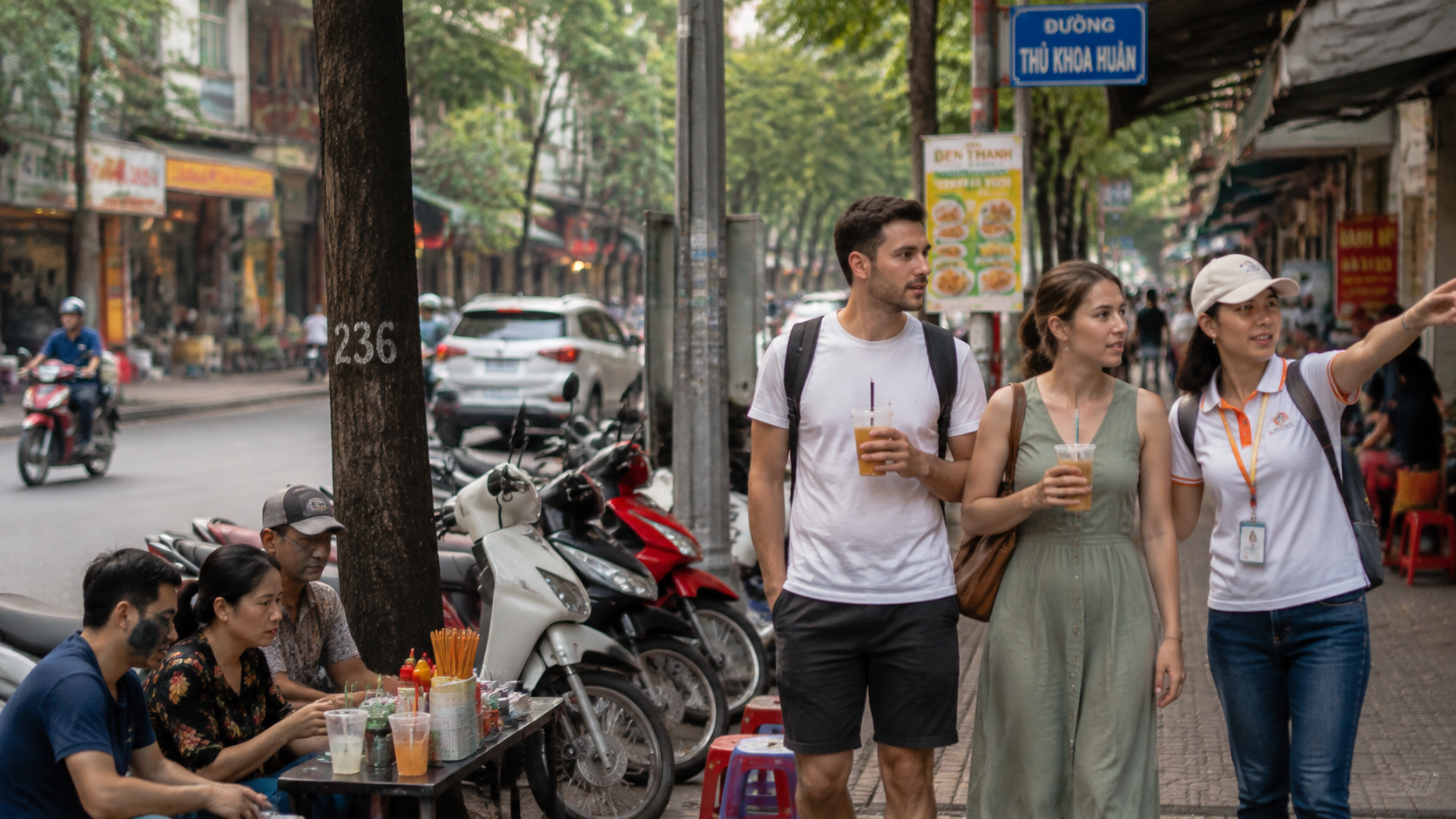
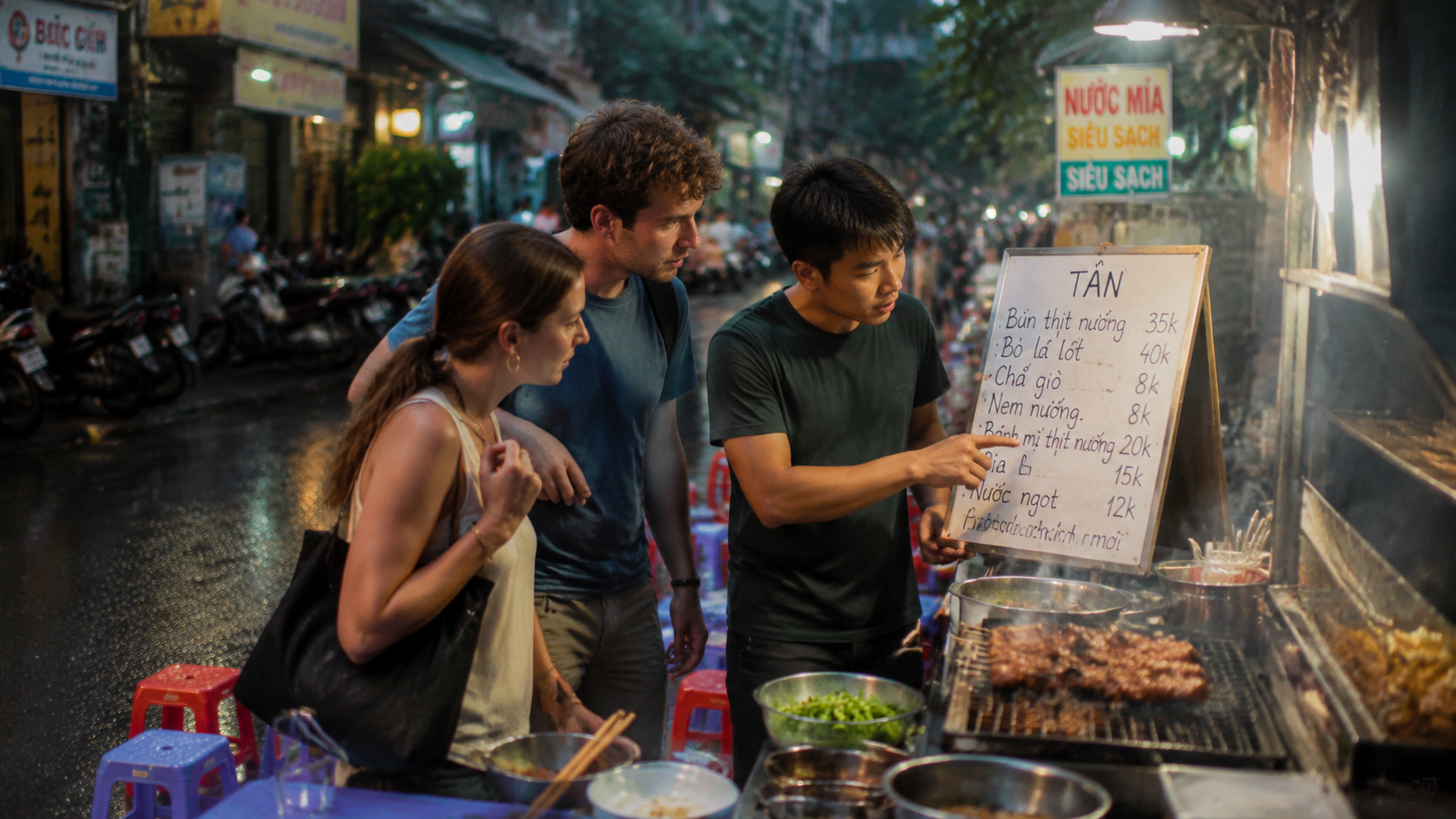
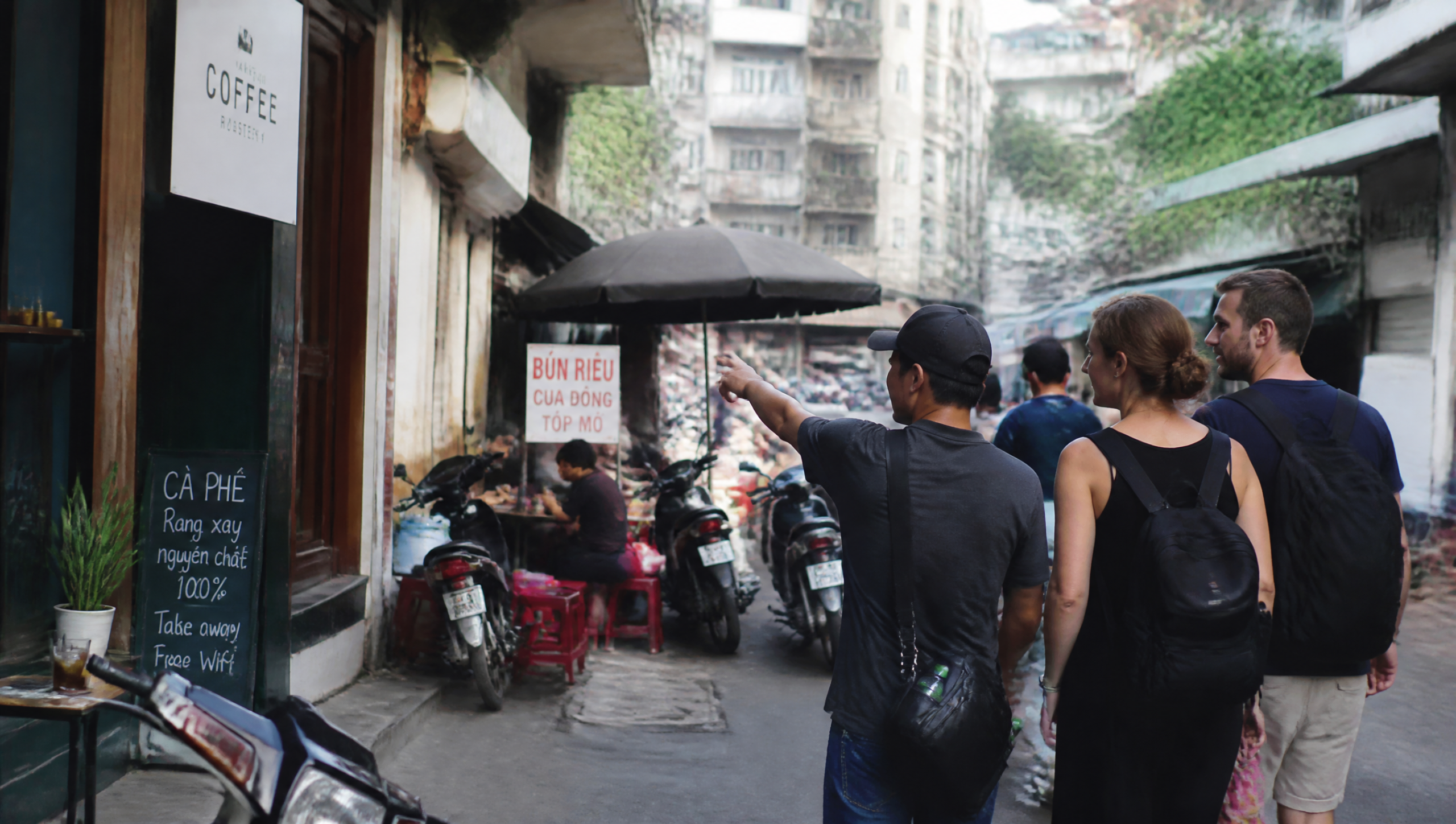
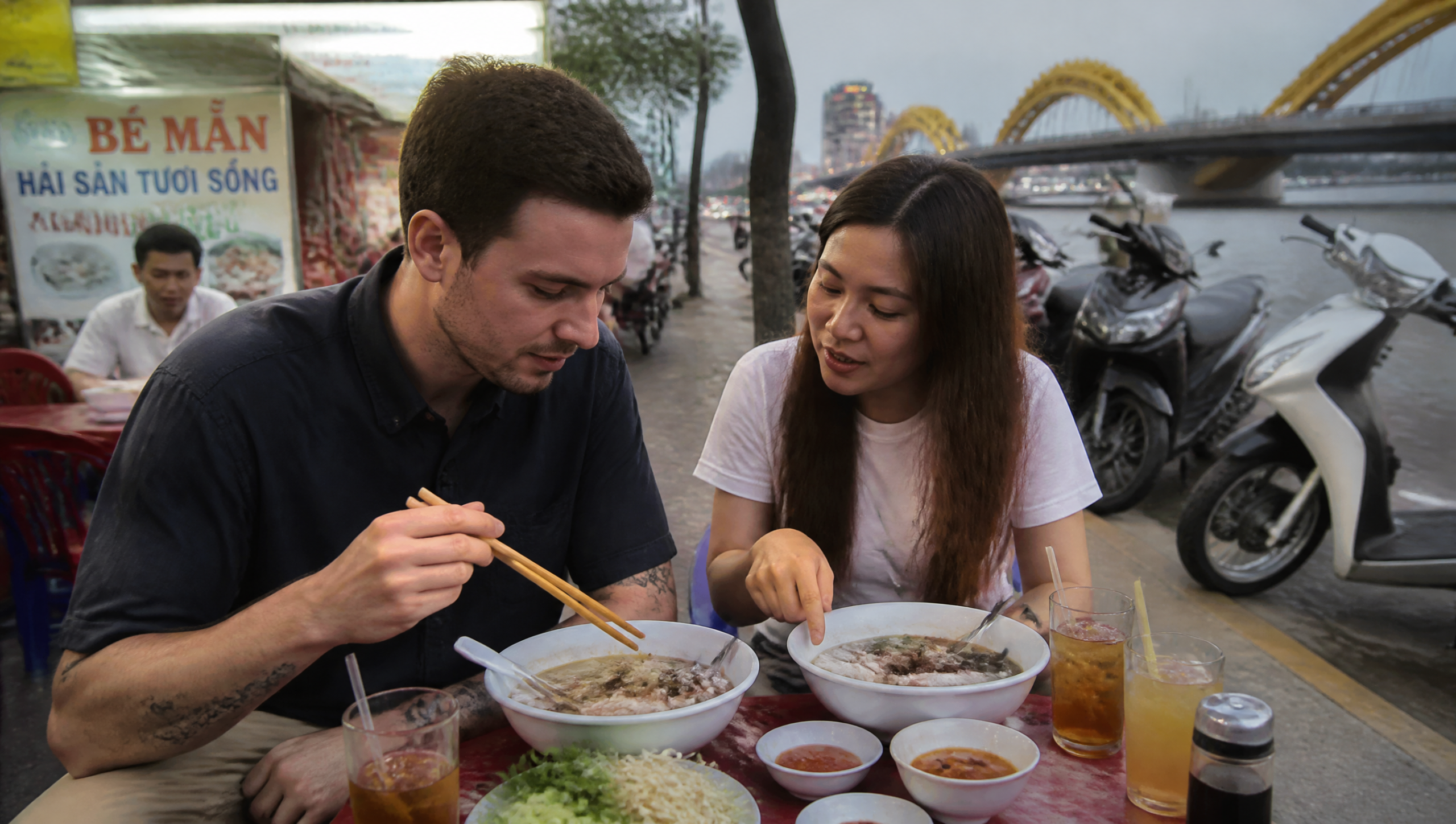
    Da Nang food guide starts with one simple rule: eat where the locals queue, not where the menus look polished for tourists. If you want the real city on a plate, the fix is knowing which streets, markets, and small shops serve the bowls and snacks people actually return for. That saves time, keeps your budget sane, and helps you skip the bland stuff.

    This Da Nang food guide is built for adventurous travelers who want seafood, noodle soups, and street-side bites without the guesswork. A good first move is to target the city’s busiest food lanes early, then compare prices and freshness before you order. For a broader trip-planning base, you can also browse Vietnam Crazy Tour’s travel ideas while mapping your meals around beach time and evening walks.

    What Makes Da Nang Food Worth Exploring

    What Makes Da Nang Food Worth Exploring

    Da Nang food guide is the fastest way to turn a simple city break into a real local adventure. Da Nang looks relaxed on the surface, but its food scene is where the city shows its full personality: coastal seafood, humble noodle shops, late-night snacks, and coffee spots packed with everyday life. If you want to eat like a traveler with taste, not just follow tourist maps, this chapter gives you the right starting point.

    For first-time visitors, the challenge is not finding food, but knowing what is worth your stomach space. The good news is that Da Nang is easy to read once you understand its rhythm: fresh from the sea, quick on the street, and deeply tied to Central Vietnam. A smart local Vietnam tour list can help you pair food stops with the city’s best neighborhoods, especially if you travel solo, as a couple, or with family.

    Da Nang’s food identity is coastal, casual, and full of local flavor. That means meals are often simple in presentation but strong in taste. You will see this in dishes like bún chả cá, mì Quảng, bánh xèo, fresh seafood, and sweet drinks eaten in places where locals actually gather. The key insight is that the city does not try to impress with fine dining first. It wins you over through freshness, speed, and everyday comfort.

    Tiêu chí Cột 1 Cột 2 Cột 3
    Best for Seafood and noodles Street snacks Relaxed local cafes
    Traveler fit Couples and families Solo and adventurous travelers Anyone needing a slow break

    Real examples make the city easier to understand. A breakfast bowl of noodles near a busy intersection feels completely different from a grilled seafood dinner by the beach, yet both are equally Da Nang. That mix is why many visitors feel comfortable exploring here. You do not need a luxury budget or deep language skills, only a little curiosity and a clear plan.

    When and why travelers need a Da Nang food guide becomes obvious once they arrive hungry and time-limited. With so many small shops, local specialties, and neighborhood differences, a guide saves you from random choices and helps you focus on the meals that matter. For a softer travel-planning path, you can also browse Vietnam Crazy Tour homepage for ideas that connect food, culture, and easy city movement.

    Featured snippet: Da Nang is worth exploring for food because it blends coastal seafood, Central Vietnamese noodle culture, and everyday street dining in one compact city. A good Da Nang food guide helps travelers choose local specialties, eat safely, and save time by focusing on dishes and neighborhoods that match their style.

    Soft CTA: If you want your Da Nang food trip to feel local without getting complicated, start with a simple route, one breakfast, one lunch, and one evening seafood stop. That is usually enough to understand why the city hooks food lovers so fast.

    Strong CTA: For travelers who want more than random restaurant hopping, build your next stop around a curated route and let the city’s food lead the day. Da Nang rewards the curious, and the best meals are often found where local life is already moving.

    How to Eat Your Way Through Da Nang Food Like a Local

    Da Nang food guide travelers need one simple rule: follow the places where locals actually eat, not where the signs look the prettiest. In this city, the best bowls, grills, and crispy pancakes are usually found in wet markets, tiny sidewalk stalls, and family-run specialty shops that open early and sell out fast.

    If you are traveling solo, as a couple, or with family, the local food scene is easy to crack once you know the rhythm. Start with breakfast noodles, move to a late lunch stall, then finish with seafood by the beach. For a broader Vietnam trip plan, browse all Vietnam tours and compare the food-heavy routes with your own pace.

    Featured snippet: Eat Da Nang like a local by visiting a market for breakfast, a street stall for lunch, and a seafood place for dinner. Look for Mi Quang, Bun Cha Ca, Banh Xeo, and fresh shellfish. Choose busy spots, watch the turnover, and order what the locals are lining up for.

    The easiest routine is simple and very local: market in the morning, stall at midday, specialty shop after dark. At Chợ Cồn or Chợ Hàn, you will see bowls of mi Quang and bun cha ca moving fast, which is a good sign the kitchen is fresh. A small menu, plastic stools, and constant movement usually mean the food is serious, not fancy.

    Quick decision guide:

    Tiêu chí Street stall Specialty shop Seafood restaurant
    Best for Fast breakfast and lunch One signature dish done well Shared dinner with choices
    What to watch Queue, steam, turnover Local repeat customers Live tanks, clear pricing

    For the signature dishes, start with mi Quang for a central Vietnam noodle fix, bun cha ca for a light fish cake broth, and banh xeo when you want something crisp and social. Then finish with seafood picked from live tanks, because Da Nang’s coast makes that meal the city’s strongest flex. If you want a local-style, low-stress food day, this is the exact order to follow.

    Soft CTA: If you like adventurous trips that mix food and neighborhood energy, see what Vietnam Crazy Tour can add to your Da Nang plan.

    Mi Quang is the cleanest local benchmark. It looks simple, but the balance is everything: turmeric noodles, herbs, rice cracker, and a little broth that ties the bowl together without drowning it. Bun cha ca feels lighter and more coastal, making it a smart pick if you want breakfast or an easy lunch. Banh xeo is the opposite mood, crispy and loud, perfect for sharing at a crowded table.

    Seafood deserves its own stop because the best places let you choose directly from the tank. Ask for clams, squid, crab, or oysters, then keep the seasoning basic so the freshness stays in front. That is the mini insight most first-time visitors miss: in Da Nang, the best food is not about decoration, it is about speed, smell, and repeat customers.

    Strong CTA: Eat the city the local way, book your Da Nang food-focused trip with Vietnam Crazy Tour, and turn one meal stop into a full local experience with the right pace, the right neighborhoods, and the right table.

    Best Da Nang Food Experiences for First-Time Visitors

    Da Nang food guide is the fastest way to understand the city beyond beaches and bridges. If you are a first-time visitor, the real challenge is not finding food, it is knowing which bowls, stalls, and streets actually deliver the local experience without wasting a meal on tourist traps.

    For adventurous solo travelers, couples, and families, the sweet spot is simple: choose dishes that locals eat daily, then pair them with places that stay busy after office hours. That is how you get flavor, atmosphere, and a better read on the city in one evening.

    Featured snippet: Start with three things in Da Nang: one signature noodle bowl, one crispy street snack, and one seafood meal by the coast. Then move through local markets or old food streets at peak dinner hours, when turnover is high and the food is freshest.

    Must-Try Local Dishes and What Makes Each One Special

    Da Nang is famous for food that feels direct, fresh, and easy to love. The city does not rely on heavy seasoning to impress. Instead, it uses broth, herbs, texture, and balance. That is why many travelers remember their first bite of mi Quang or bun cha ca more than a fancy restaurant meal.

    The short list worth prioritizing is practical: mi Quang for a dry noodle bowl with rich toppings, bun cha ca for a light fish-cake soup, banh xeo for crisp crepes you wrap yourself, and bun mam or seafood if you want a stronger coastal punch. Each dish shows a different side of the local table.

    • Mi Quang: best for lunch, filling but not too heavy
    • Bun cha ca: clean broth, great for a gentle first meal
    • Banh xeo: interactive, fun for couples and families
    • Seafood: ideal for a bigger dinner with live tanks and beach air

    A smart first-timer move is to order one signature dish and one shared side, then compare flavors across stalls. That approach keeps the meal light enough to continue exploring, which matters when you are building a full Vietnam food adventure around the city.

    Tiêu chí Cột 1 Cột 2 Cột 3
    Best first order Mi Quang Bun cha ca Banh xeo
    Why it works Balanced and iconic Light and local Crunchy and social

    Mini insight: the most memorable Da Nang meals often come from places with a short menu and fast turnover. When a shop focuses on one or two specialties, the flavor is usually sharper and the service moves faster, which is exactly what you want on a tight travel day.

    Popular Food Areas, Markets, and Street Corners to Prioritize

    If you want the city to feel local, do not eat only around the beach hotel zone. The better Da Nang food guide strategy is to follow where residents actually stop after work, especially in busy streets near the center and market areas. Those spots usually give you lower prices, fresher cooking, and better people watching.

    Start with Cho Bac My An for snacks and sweet treats, then move to Nguyen Chi Thanh or Le Dinh Duong for well-known noodle shops. In the evening, beachside seafood streets and packed local corners near Pham Hong Thai can be excellent for a second meal, especially if you want a more lived-in atmosphere. If you enjoy guided local discovery, Vietnam Crazy Tour can help you turn a food stop into a broader city experience.

    Use this quick filter before you sit down:

    • Look for a full room or steady local foot traffic
    • Check if the menu is short and specific
    • Choose live seafood tanks only if the pricing is clear
    • Visit markets early evening for the best snack rhythm

    Soft CTA: If you are planning more than one meal stop, build a route that combines food with a short walk or local market visit. That is the easiest way to keep the day exciting without overplanning.

    For travelers who want a stronger cultural angle beyond food, some visitors also pair dinner with a local belief or neighborhood walk, especially through ghost culture stories that reveal how people connect daily life with tradition. It is a subtle way to make the evening feel deeper, not just delicious.

    Strong CTA: For first-time visitors, the best Da Nang food experiences are the ones that feel active, local, and easy to trust. Pick one signature dish, one busy market area, and one night street, then keep moving. That is how you taste the city properly and leave with stories worth repeating.

    How to Choose the Right Da Nang Food Spots

    How to Choose the Right Da Nang Food Spots

    Da Nang food guide travelers need is not just about finding the tastiest bowl or the busiest beach road. It is about choosing a spot that fits your mood, your appetite, and your comfort level. In Da Nang, the best meals often come from places that look simple, feel local, and move fast enough to keep the food fresh.

    If you are traveling solo, as a couple, or with family, the smartest move is to match the venue to the experience you want. Street stalls deliver energy, seafood restaurants bring variety and scale, while local cafes slow everything down. A good Da Nang food guide helps you avoid overpaying, waiting too long, or ending up in a place built for tourists, not real flavor.

    Featured snippet: Choose Da Nang food spots by checking the style of place, the freshness of ingredients, the crowd level, and whether the menu is easy to understand. Street food is best for speed and local flavor, seafood restaurants suit shared meals and live tanks, and local cafes are ideal for coffee breaks and light bites.

    Vietnam Crazy Tour home can help travelers turn food hunting into a smoother local-style day, especially when you want smart stops instead of random guesses.

    Street food, seafood restaurants, and local cafes each solve a different travel need. Street food is usually the fastest and cheapest, with dishes like mi Quang or banh mi served fresh to order. Seafood spots work best when you want a bigger sit-down meal, often with live tanks and printed prices by weight. Local cafes are the reset button, perfect for iced coffee, avocado ice cream, or a short break between beach and market time.

    Mini insight: the right place is not always the fanciest one, but the one with the clearest purpose. If the dining room is full of locals and the kitchen moves quickly, that is usually a strong signal. If you want to explore beyond eating and see more local life, Vietnam Crazy Tour experiences can pair well with food stops across the city.

    Tiêu chí Street Food Seafood Restaurant Local Cafe
    Best for Fast local bites Shared seafood meals Coffee and dessert breaks
    Watch for Clean prep and turnover Live tanks and fair pricing Menu clarity and service speed

    Before you order, check freshness, crowd level, and menu clarity. Fresh seafood should look firm, smell clean, and move from tank to kitchen without delay. A steady crowd is often a good sign because it means ingredients are turning over. Menu clarity matters too, especially for first-time visitors, because photos, prices, and portion sizes should be easy to read before you commit.

    For solo travelers and couples, this is where confidence comes from. If a place has no clear pricing, vague English descriptions, or a menu that changes every time you ask, slow down. Look for simple signs of trust: local families eating there, staff who can explain the dishes, and a kitchen that does one thing well. If your trip includes a wider Vietnam route, plan with local travel experts so food choices fit your day, not the other way around.

    Soft CTA: choose with your eyes first, then your nose, then your wallet. That order usually saves time and improves the meal.

    When in doubt, follow this quick rule set: choose street food for speed, seafood restaurants for a celebration meal, and local cafes for a calmer reset. If the place feels busy, clean, and easy to understand, it is probably worth sitting down. For adventurous travelers who want the most local side of the city, the best Da Nang food spots are often the ones that look ordinary but run with quiet confidence.

    Strong CTA: make your Da Nang food trip sharper by combining smart local eating with a well-planned route, so every stop feels intentional, flavorful, and easy to enjoy.

    Da Nang Food Guide Tips, Common Mistakes, and FAQs

    Da Nang food guide travelers need most is not a long restaurant list, but a smart way to eat like a local without wasting meals. In Da Nang, the best bowls, seafood, and snacks often hide in plain sight, so the real win is knowing what to order, when to go, and how to avoid tourist traps.

    If you are planning a local-first trip, think simple: choose busy places, check freshness, and follow the lunch and dinner rhythm of the city. That approach saves money, improves flavor, and keeps the experience relaxed for solo travelers, couples, families, and adventurous eaters who want the real Da Nang.

    Common Food Tour Mistakes Travelers Make in Da Nang

    Many visitors rush straight to the most visible seafood spot, then overpay for average dishes. A better move is to watch where locals sit, ask for the daily special, and compare prices before ordering live seafood. This is where a Vietnam food experience feels sharper, because timing and street knowledge matter more than hype.

    Common mistakes to avoid:

    • Eating too early before popular stalls open fully
    • Ordering too much seafood without checking weight first
    • Skipping small local shops for polished tourist venues
    • Missing breakfast bowls like bun cha ca or mi Quang

    Mini insight: the busiest place is not always the best, but the busiest place with local customers and fast turnover usually is. For more immersive travel ideas, browse all Vietnam tours that match an adventurous food-focused trip.

    Tiêu chí Smart choice Poor choice Best time
    Seafood Live tanks and clear pricing No price check Evening
    Street food Busy local stall Empty tourist spot Morning or lunch

    Soft CTA: if you want a deeper local route, pair food stops with cultural neighborhoods and nearby night vibes so each meal feels part of the city, not a random stop.

    FAQ: Budget, safety, vegetarian options, and best time to eat

    Budget: Street food meals can stay very affordable, especially noodles, banh mi, and sweet soups. Mid-range seafood is still reasonable if you share dishes and confirm pricing before cooking.

    Safety: Choose hot, freshly cooked food, watch ice in low-traffic places, and prefer bottled water. In Da Nang food guide planning, simple hygiene habits matter more than fear.

    Vegetarian: Look for com chay, tofu dishes, vegetable noodles, and ask for no fish sauce. Many places can adjust if you speak clearly or show the request on your phone.

    Best time to eat: Breakfast for noodle soups, lunch for rice and mi Quang, evening for seafood and snacks. Locals often eat earlier than visitors, so following their rhythm usually means fresher food and shorter waits.

    Featured snippet: Da Nang is easiest to enjoy when you eat by local timing, check seafood prices before cooking, and choose busy stalls with fast turnover. Budget travelers can eat well for cheap, safety improves with hot food and bottled water, and vegetarians can still find solid options with simple custom requests.

    If you want to turn that into a smooth trip, combine food stops with guided local routes and book a day that matches your pace. A culture and belief route can add a memorable evening layer after dinner, while a foodie day can stay focused on markets, bowls, and coastal seafood.

    Strong CTA: for travelers who want the real Da Nang without guesswork, choose a local-led plan, eat where the city eats, and let each stop build into the next one for a trip that feels bold, easy, and unforgettable.

  • Hanoi Motorbike Ban 2026: What Travelers Miss

    Hanoi Motorbike Ban 2026: What Travelers Miss

    Hanoi motorbike ban is the headline travelers keep seeing, and the real question is simple: can you still move around the city without stress? For visitors, the change matters because Hanoi runs on motorbikes, side streets, and fast local habits. If you are planning a trip, especially to the Old Quarter or beyond Ring Road 1, you need a clear picture of what is changing and what stays easy.

    The good news is that this is not a travel panic situation. It is more of a planning shift, where public transport, taxis, and ride-hailing will matter more, especially for first-time visitors and families. If you want a smooth trip, build your route strategy early and keep a backup plan ready, just like a smart local would. For deeper city travel ideas, check Vietnam crazy tour experiences and compare how different neighborhoods feel before you go.

    The Hanoi motorbike ban is mainly about reducing pollution in central areas, not stopping travelers from exploring the city. That means the key impact is on where and how you move, not whether Hanoi is still worth visiting. Expect more electric buses, more regulated zones, and a stronger push toward cleaner transport. If your style is adventurous but practical, browse all Vietnam tours to see how guided local routes can reduce transport friction.

    Featured snippet: The Hanoi motorbike ban refers to upcoming restrictions on gas-powered motorbikes in central Hanoi, especially around Ring Road 1. For travelers, it mainly affects local mobility, not sightseeing access. The smartest move is to plan around taxis, ride-hailing, walking routes, and public transport before arriving.

    Tiêu chí Travel Impact Best Response Who Benefits
    Old Quarter access Possible restrictions inside central zones Use taxi, Grab, or walk short links Solo travelers, couples, families
    Day-to-day movement Less convenience for gas bikes Plan routes with public transport backup Expats, visitors, agencies

    Soft CTA: If you want a local-style trip without transport confusion, it helps to choose routes that already match Hanoi’s new direction. That is where a well-planned city day or private tour can save time and keep the experience smooth.

    For travelers who want more than standard sightseeing, the city still offers deep local energy, market life, and neighborhood culture. The smartest approach is not to fear the ban, but to travel with a cleaner, easier movement plan that fits Hanoi’s evolving streets.

    What the Hanoi Motorbike Ban Means

    What the Hanoi Motorbike Ban Means

    Hanoi motorbike ban is the phrase many travelers are now hearing, but the real meaning is more specific than a total citywide shutdown. The policy is about restricting gas-powered motorbikes in selected zones, starting with central Hanoi, then expanding in stages. For visitors, that means the city is not suddenly closing its streets; it is changing how vehicles move through key districts.

    This matters because the Old Quarter, Ring Road 1, and other dense areas are exactly where many travelers spend their time. If you are planning a local-style trip, the shift can affect taxis, ride-hailing, parking, and even the feel of the street scene. For deeper context on how Hanoi works as a travel destination, see Vietnam Crazy Tour for city travel ideas and local guidance.

    The basic definition is simple:

    • Gas-powered motorbikes face limits first in central zones
    • Electric vehicles and cleaner transport are expected to replace them over time
    • Implementation will likely happen in phases, not overnight

    That phased approach is the key insight. Hanoi is not trying to erase motorbikes in one move; it is trying to reduce pollution while keeping the city functional. In practical terms, you may see fewer loud engines in restricted areas, more electric buses, and more attention to parking and access rules. If your trip mixes sightseeing with adventurous local experiences, it is smart to check routes early and build flexibility into your day.

    Tiêu chí Cột 1 Cột 2 Cột 3
    Scope Central Hanoi first Later expansion Phased rollout
    Travel impact More checks and reroutes Cleaner streets over time Better planning needed

    Why is Hanoi doing this now? City officials want to cut dangerous air pollution, ease pressure on crowded roads, and push people toward cleaner transport. That includes better public transit, more charging points, and rules that make fossil-fuel vehicles less convenient in the center. In plain travel terms, the city is trying to move from chaos to control without losing its energy. If your style is to explore beyond the usual route, this transition may actually make the center easier to navigate on foot.

    For travelers who like local culture with a sharper edge, the change also shapes how you experience the city. Streets may feel calmer, air may improve, and transport options may shift toward electric rides. Midway through planning, many visitors pair Hanoi with a themed day out or a guided experience, and you can browse all Vietnam Crazy Tour options if you want something more adventurous than standard sightseeing. Soft CTA: build your Hanoi route around areas that remain easy to enter, then save the restricted core for walking and cafes.

    Featured snippet: The Hanoi motorbike ban is a phased restriction on gas-powered motorbikes in selected central areas, starting with Ring Road 1 and expanding later. The goal is to reduce pollution, support cleaner transport, and reshape traffic in the city center without ending motorbike travel across Hanoi overnight.

    If you are visiting as a solo traveler, couple, or family, the best move is simple: confirm where your hotel sits, check whether your rides pass through restricted zones, and leave extra time for transfers. For a smooth local trip, book flexible transport and keep your itinerary centered on walkable neighborhoods and verified pickup points.

    Strong CTA: plan your Hanoi route with local transport changes in mind, then turn the city shift into an advantage by booking a smarter, smoother experience before your trip.

    How the Hanoi Motorbike Ban Could Work in Practice

    The Hanoi motorbike ban would likely start as a tight, high-impact policy in the city center before spreading outward in stages. For travelers, that means the Old Quarter and nearby core streets could feel the earliest changes, with more checks, fewer gas bikes, and stronger pressure to switch to electric transport or shared rides. The real shift is not overnight chaos, but a managed move toward cleaner mobility.

    In practice, this kind of rollout usually works best when authorities combine zone limits, parking rules, and fee changes. A visitor walking near Hoan Kiem Lake may notice fewer noisy engines, while a local commuter may see higher parking costs or restricted access at certain hours. The goal is simple: reduce emissions without freezing the city’s daily rhythm. For anyone planning an adventurous stay, understanding this transition helps you move smarter and avoid last-minute transport stress.

    Featured snippet: The Hanoi motorbike ban would most likely begin in central low-emission zones, then expand in phases. Enforcement could include camera checks, parking restrictions, registration controls, and higher fees for gas-powered vehicles. Residents, workers, and tourists would adapt by using electric bikes, buses, taxis, and walking more in the most restricted areas.

    Possible rollout zones and timelines would probably look like this: ring-fenced central districts first, then broader corridors with heavier traffic, then a wider citywide framework. That staged approach gives the government room to test compliance before expanding pressure. A traveler staying near the French Quarter could still get around easily, but a daily worker crossing central arteries may need to swap to buses, e-bikes, or park-and-ride options. A practical soft step is to browse local Vietnam tours that already account for changing traffic conditions and pickup patterns.

    Enforcement methods are likely to be a mix of visible and digital control. Expect roadside inspections, license plate scanning, parking fee differentials, and targeted restrictions in the busiest core streets. Mini insight: the less a policy depends on one big ban date, the more likely it is to survive real-world pushback. That matters in Hanoi, where millions of motorbikes are part of everyday life, not just transport. If you want a bigger picture of the city’s evolving travel scene, the Vietnam Crazy Tour homepage can help you explore options beyond standard sightseeing.

    Tiêu chí Early stage Middle stage Later stage
    Coverage City core zones Expanded inner districts Broader ring areas
    Enforcement Camera and parking checks Fees and access limits Wider compliance rules

    For residents and workers, adaptation will probably be the biggest story. Many people will keep using motorcycles, but cleaner vehicles, shared rides, and public transport will become more important for short city trips. Tourists, especially solo travelers and couples, will adapt faster because they are less tied to routine commuting. The strong move is to book stays near walkable areas and choose transfers that do not depend on a last-minute petrol bike.

    Families may prefer a hotel with airport pickup and easy taxi access, while adventurous travelers can use the new transport shift as part of the experience instead of fighting it. If you like exploring deeply local neighborhoods, you can still do it, but with more planning and less spontaneity in the central zones. Soft conversion point: local transport changes can actually make the city easier to explore when you plan around them instead of against them.

    Strong CTA: if you are visiting Hanoi during this transition, book flexible transport, stay central, and choose experiences that are designed for easy movement across the city. That is the safest way to enjoy Hanoi without losing time to traffic rules or transport confusion. For more unusual cultural travel ideas that fit a changing city rhythm, see the ghost and beliefs tours option, especially if you want a local lens beyond standard attractions.

    Benefits and Real-World Impact of the Hanoi Motorbike Ban

    Hanoi motorbike ban is more than a policy headline, because it could reshape how visitors and locals move through the city every day. For travelers who want a local, adventurous Hanoi experience, the key question is simple: will the city become calmer and easier to breathe in, or just harder to get around? The real answer is probably a bit of both.

    In practice, the biggest upside is less congestion in the inner districts, especially around Ring Road 1 where traffic pressure is brutal at peak hours. Fewer fuel bikes should also help air quality, which matters in a city that often struggles with PM2.5 spikes. For road safety, a cleaner mix of buses, e-bikes, and walking can reduce chaotic lane changes and crowded curbside conflict.

    The most immediate effect is likely to be felt by commuters and delivery workers, not tourists. A rider who used to cross the Old Quarter in minutes may need to switch to shuttle buses, walking routes, or ride-hailing drop-off points outside restricted zones. That is why smart planning matters, and you can also explore local Hanoi tours that already match slower urban movement.

    Featured snippet: The Hanoi motorbike ban could improve traffic flow, lower roadside pollution, and make central streets safer for pedestrians. In return, daily mobility will become more dependent on public transport, electric vehicles, and better trip planning, especially inside the old city core.

    Tiêu chí Before the ban After the ban Visitor impact
    Traffic flow Dense and noisy Potentially smoother Easier walking and curb access
    Air quality High exhaust exposure Possible improvement More comfortable sightseeing

    For delivery services, the shift may create delays at first, but it also pushes the city toward cleaner logistics and more predictable routing. For tourism, the effect is softer: airport transfers, hotel pick-ups, and food tours may need more time buffers, while neighborhoods inside the center could feel less frantic. If you prefer a deeper look at urban change and local community life, see our community-focused trip for a different lens on Hanoi movement.

    Strong CTA: If you are planning Hanoi as a first-time or return visit, build in extra transit time, choose stays with flexible access, and expect the city center to change step by step. The Hanoi motorbike ban is not just about restriction; it is a sign that the capital is moving toward a cleaner, safer, and more visitor-friendly transport future.

    Hanoi Motorbike Ban vs Other Transport Options

    Hanoi Motorbike Ban vs Other Transport Options

    Hanoi motorbike ban is changing the way travelers think about getting around the city, especially if you want local flavor without getting stuck in traffic shock. For solo travelers, couples, and families, the real question is not whether Hanoi is still fun, but which transport option gives you the right mix of speed, comfort, and street-level experience.

    This chapter compares motorbikes, buses, metro, taxis, and ride-hailing apps in a practical way. If you are planning a first visit or staying longer as an expat, the best choice depends on your route, your budget, and how much chaos you can handle on a busy Hanoi morning near the Old Quarter and Ring Road 1.

    Featured snippet: The best transport choice in Hanoi depends on your travel style. Motorbikes stay the most flexible for short local trips, buses offer the lowest cost, metro works best for fixed corridors, while taxis and ride-hailing apps win for comfort, luggage, and door-to-door convenience. After the Hanoi motorbike ban, mixed transport planning becomes even more important.

    Criteria Motorbikes Public and App-based Options Best Fit
    Cost and flexibility Low running cost, high freedom, but harder after restrictions Buses are cheapest, metro is predictable, taxis and apps cost more Budget travelers and planned city routes
    Comfort and convenience Fast in traffic, exposed to weather and pollution Taxis and ride-hailing are easiest for luggage, families, and late nights Families, expats, and short-stay visitors

    Motorbikes still feel like the most local way to move through Hanoi, but the city’s direction is clear: cleaner air, tighter zones, and more pressure on fossil-fuel vehicles. That matters if you are using a private bike, renting one, or simply crossing areas affected by the ban, because the old default will no longer fit every trip. You can read more about local travel-minded experiences through Vietnam Crazy Tour experiences when you want a city plan that balances culture and movement.

    Buses are the strongest value option, especially for short-term visitors who do not want to deal with parking or traffic stress. The trade-off is time, because buses can be slow and less intuitive for first-time visitors. Metro is cleaner and easier to follow, but its usefulness depends on whether your hotel or sightseeing route is near a station. That is why many travelers combine metro for main legs and taxis for the last mile.

    For expats and families, ride-hailing apps often become the sweet spot. They are simple, cash-light, and safer feeling when you arrive late or carry bags. A soft rule works well here: choose buses for savings, metro for predictability, taxis for comfort, and apps for everyday convenience. If your trip includes a deeper local angle, the wider all Vietnam Crazy tour options page helps you compare city-based experiences before booking.

    Which option fits each traveler best

    Locals usually keep the strongest advantage with motorbikes or mixed commuting, because speed and flexibility matter more than convenience. Expats often prefer ride-hailing plus metro, since it reduces decision fatigue and fits a workday rhythm. Short-term visitors should lean toward taxis, apps, and metro for the smoothest city movement, especially when they are navigating Hanoi motorbike ban related changes near central districts.

    Quick decision guide

    Use motorbikes if you know the streets well and want maximum freedom.

    Use buses if price matters most and you do not mind slower travel.

    Use metro if your route matches the line and you want a clean, stable ride.

    Use taxis or ride-hailing if comfort, luggage, or family travel is the priority.

    Bottom line: Hanoi is not becoming harder to explore, only smarter to plan. Travelers who mix transport types will save time, reduce stress, and still keep that wild, local Hanoi energy alive.

    For a smoother trip plan, especially if you want a local-but-comfortable flow across the city, check the transport pattern first, then book your day around it. If you want a broader route that connects sightseeing, culture, and flexible movement, start with Vietnam Crazy Tour and build from there.

    Key Warnings, FAQ, and What to Do Next

    Hanoi motorbike ban planning gets messy fast when travelers assume the rule is already citywide or that exemptions will be obvious at the border. If you are heading into the Old Quarter, the safest move is to check the exact zone, the travel date, and whether your hotel or operator has an updated pickup plan before you arrive.

    The real trap is not the policy itself, it is the last-minute scramble it creates. A smart traveler treats this like a route change, not a cancellation: book a backup transfer, keep walking-friendly plans for central Hanoi, and use a trusted local update source such as Vietnam Crazy Tour when you need a practical read on what is actually happening on the street.

    Featured snippet: The Hanoi motorbike ban is expected to affect fossil fuel motorbikes inside the most restricted central zones first, with further phases planned later. Travelers should verify the exact road ring, avoid assuming exemptions, and stay flexible with hotel transfers, day tours, and late-evening returns.

    Tiêu chí Check now Risk if ignored Best move
    Zone boundary Confirm Ring Road 1 access Pickup refusal or reroute Choose a nearby meeting point
    Transport type Know if your ride is gas or electric Unexpected denial at checkpoints Pre-book compliant transfer

    Common mistakes are simple but expensive: assuming all scooters are banned at the same time, arriving with no backup plan, and booking a cheap ride that cannot enter the restricted core. If you are a solo traveler or a family, build one buffer hour into your central-day itinerary so a route change does not wreck your whole plan.

    FAQ

    Who is affected? Riders, residents, and visitors using fossil fuel motorbikes inside the restricted Hanoi core are the first group to watch.

    When does it start? The first phase is tied to mid-2026 for the most central zone, with wider stages later.

    Are exemptions possible? Some special-use or policy-defined cases may appear, but travelers should never assume automatic access.

    How do I stay updated? Recheck your hotel message, local news, and route advice 24 to 48 hours before travel, then again on the day you move around the center.

    If you want the easiest trip experience, keep your plans simple, stay walkable, and let a local operator handle the messy parts. For more flexible sightseeing, browse all Vietnam tours and choose routes that still work even if central motorbike access changes.

    Book smarter now, not later. If your Hanoi days include the Old Quarter, make your transfer plan, walking plan, and backup plan today so the ban does not become your problem tomorrow. When you need local-first travel with less stress and more adventure, start from the right route and keep moving with confidence.

  • Best Cafes in Saigon: 15 Spots Locals Keep Secret 2026

    Best Cafes in Saigon: 15 Spots Locals Keep Secret 2026

    Best cafes in Saigon are the easiest way to slow the city down without missing its energy. If you are landing here for the first time, the problem is not finding a cafe, it is choosing one that matches your pace, whether that means a strong phin coffee, a quiet laptop seat, or a photogenic space with real local character.

    This guide cuts through the overload with a practical look at Saigon coffee shops, hidden cafes, and Vietnamese coffee culture, so you can skip the random trial and error. For travelers who like local streets and adventurous detours, a good cafe stop can also sit nicely beside a Vietnam crazy tour day plan, giving you a softer reset between market walks, district hopping, and food hunting.

    Tiêu chí Old School Cafe Modern Cafe Hidden Cafe
    Best for Classic coffee taste Work and photos Local vibe and calm
    Traveler fit Culture seekers Solo travelers and couples Adventurous explorers

    Featured snippet: The best cafes in Saigon depend on your goal. Choose old-school spots for strong Vietnamese coffee, modern cafes for comfort and work, or hidden cafes for local atmosphere. If you want the right balance of taste, mood, and location, start with your schedule, then match the cafe style to your travel plan.

    That simple filter saves time and usually leads to a better experience. Some cafes are built for slow sipping, others for quick photo stops, and a few are made for long conversations before dinner. If you want to build a fuller city day, check all Vietnam Crazy tour options and pair your cafe break with a nearby local adventure.

    Soft CTA: If you are planning a Saigon itinerary and want local stops that feel easy, authentic, and worth the detour, keep reading. The next sections will help you choose a cafe with less guesswork and more good coffee.

    Strong CTA: Ready to explore Saigon with a smarter local angle? Use this guide to pick your first cafe, then turn the rest of your day into a memorable city walk, one cup at a time.

    What Makes the Best Cafes in Saigon Stand Out?

    What Makes the Best Cafes in Saigon Stand Out?

    best cafes in Saigon are not just about pretty walls or a famous name. They stand out when they deliver a real city feel, a cup worth remembering, and a space that fits how travelers actually move through Saigon: fast, curious, and always ready for one more stop. For first-time visitors, the challenge is simple: too many cafes look good online but feel flat in person.

    The best ones solve that by giving you more than a caffeine break. They give you local rhythm, a sense of place, and a reason to stay longer than planned. If you are building a Saigon cafe list for an adventurous trip, look for spots that balance history, comfort, and coffee craft. That is the difference between a random cafe and a place people talk about after the trip.

    In Saigon cafe culture, best means useful, memorable, and local. A cafe can be tiny and still be top-tier if the coffee is strong, the service is warm, and the setting tells a story. This is why travelers often remember a simple filtered coffee on a side street more than a polished chain in a busy mall. The city rewards curiosity, not just trend chasing.

    Here is the real breakdown for travelers choosing where to go:

    Tiêu chí Cột 1 Cột 2 Cột 3
    Location Easy to find near key districts Hidden but worth the detour Good for a quick coffee stop
    Experience Strong local identity Relaxed atmosphere for long chats Best for photos and slow sipping

    Location matters because Saigon traffic can turn a short cafe stop into a whole afternoon. A smart pick saves energy for the rest of your day, especially if you are pairing coffee time with Vietnam adventure tours or a walking route through central districts. Atmosphere matters just as much: couples want privacy, solo travelers want a seat that feels safe and calm, and families need space that does not feel cramped.

    Coffee quality is the final filter. The best cafes in Saigon usually care about bean sourcing, brewing consistency, and whether the drink tastes balanced in the heat. A mini insight: if a cafe can make a classic Vietnamese iced coffee taste smooth, rich, and not overly sweet, it usually knows what it is doing. That is the kind of place worth returning to, and it often becomes the quiet highlight of the whole city day. For travelers who like local discovery with a bit of edge, a cafe stop can sit nicely beside a Vietnam Crazy Tour style itinerary that mixes culture, movement, and real neighborhood energy.

    Soft CTA: if you want a Saigon plan that blends coffee stops with local streets, choose cafes that feel lived in, not staged.

    Featured snippet: The best cafes in Saigon stand out through three things: strong local atmosphere, convenient location, and coffee that tastes genuinely good. Travelers should look for places that feel authentic, not just photogenic. A great Saigon cafe gives you a short rest, a real cultural moment, and a reason to stay longer.

    For a strong travel day, use cafes as anchors between sightseeing blocks. Start with one local-style coffee, then move into the city’s food, markets, or riverside areas. That rhythm keeps the day easy and memorable, especially for solo travelers and couples who want a relaxed but adventurous pace.

    Strong CTA: if Saigon coffee culture is part of your trip, pick the places that feel local, look welcoming, and serve a cup you would actually order again. That is where the best cafes in Saigon truly earn their reputation.

    How to Find the Best Cafes in Saigon for Your Travel Style

    How to Find the Best Cafes in Saigon for Your Travel Style

    Best cafes in Saigon are not about chasing the prettiest room first. They are about matching your day plan, because a remote worker, a photo hunter, and a couple on a slow afternoon need very different vibes. If you choose well, one coffee stop can give you shade, Wi-Fi, good lighting, and a smoother city rhythm.

    Think of Saigon cafe hunting as a local travel skill. The city moves fast, the traffic is wild, and the wrong cafe can waste an hour. The right one can become your reset point between District 1 walking, food stops, and a late-evening wander near the river, which is exactly why the best cafes in Saigon matter more than most travelers expect.

    Featured snippet: To find the best cafe in Saigon for your travel style, match three things first: purpose, seating, and location. Remote workers need stable Wi-Fi and power outlets, photo lovers need natural light and character, and relaxed hangouts need quiet corners. Then check the menu and neighborhood before you commit.

    For remote work, prioritize strong Wi-Fi, a calm room, and enough power outlets. A cafe with long tables and steady air-conditioning is better than a stylish spot with loud music. For photos, look for big windows, vintage details, plants, or a terrace. For couples and solo travelers, the sweet spot is usually a smaller place with soft music and easy people-watching.

    Quick filter for choosing fast:

    • Remote work: outlet access, stable internet, low noise
    • Photos: daylight, texture, good wall colors, unique cups
    • Relaxed hangout: comfy chairs, slower service, quiet corners

    If you want a broader day plan, pair cafe time with a light local experience from Vietnam Crazy tour ideas, so your route feels more like a real Saigon day and less like random hopping. That is a soft way to keep energy high without overpacking the schedule.

    Menu matters more than most visitors think. A cafe that serves strong Vietnamese coffee, coconut coffee, or fresh tea usually fits short visits better than a place built only for dessert. If you are staying longer, check whether they have lunch bites, milk options, or decaf alternatives. Simple rule: the more flexible the menu, the easier the stop works for mixed groups and families.

    Neighborhood is the final decision maker. District 1 is best when you want convenience and easy access. District 3 often feels more local and slower. Thao Dien works well for expats and long, relaxed afternoons. If your travel style is adventurous and local, choose streets with everyday foot traffic, not only tourist blocks.

    Tiêu chí Best for remote work Best for photos Best for hangouts
    Lighting Even indoor light Natural window light Soft, warm light
    Priority Wi-Fi and outlets Design and details Comfort and calm

    Vietnam Crazy Tour homepage can also help you connect cafe stops with local experiences, which is useful if you are building a custom Saigon plan for solo travel, couples, or family time. The city rewards travelers who move with purpose, not just by map pins.

    So when you search for the best cafes in Saigon, do not stop at popularity. Check what you need for that exact moment, then choose the neighborhood, menu, and seating that support it. That is how you turn one ordinary coffee break into a clean, memorable part of your trip and keep the whole day running smooth.

    Soft CTA: If you want a Saigon day that mixes coffee, culture, and local pace, start with the cafe that fits your mood, then build the rest of the route around it. That small choice makes the whole city feel easier, deeper, and a lot more fun to explore.

    Top Reasons People Love the Best Cafes in Saigon

    Best cafes in Saigon are not just places to drink coffee. They solve a real travel problem: how to slow down in a city that moves fast, feels local, and still gives you something memorable in under an hour. For first-time visitors, solo travelers, couples, and families, a good cafe becomes the easiest way to reset between street food stops, museum visits, or a hot afternoon walk.

    The appeal is simple. You get strong Vietnamese coffee, cool interiors, and a people-watching scene that feels alive from morning to late afternoon. If your Saigon plan needs a soft landing after intense sightseeing, a cafe break is where the city starts to make sense. Many travelers pair this kind of stop with a deeper local route, like Vietnam Crazy Tour, because it fits the same adventurous mood without pushing the day too hard.

    Featured snippet: The best cafes in Saigon stand out because they combine signature drinks, local coffee culture, and photogenic design in one stop. Travelers love them for quick rest breaks, digital nomads use them for work sessions, and locals treat them as social spaces. The result is a cafe scene that feels practical, stylish, and deeply Saigon.

    Signature drinks are a big reason people keep coming back. In Saigon, the menu often goes beyond basic espresso and gets into coconut coffee, egg coffee, salted coffee, and strong phin brew served slow and proud. That mix creates a local coffee experience that feels authentic even in modern spaces. A simple rule helps: if the cafe has a good drip setup, a balanced sweet option, and a crowd of locals, you are usually in the right place.

    Design matters too, especially for travelers who want atmosphere, not just caffeine. Some cafes lean vintage with tiled floors and old fans; others use open balconies, plants, and soft natural light that works well for couples and solo creators. A quick comparison:

    Tiêu chí Traditional cafe Modern cafe Travel fit
    Drink style Phin coffee and sweet milk drinks Espresso, cold brew, signature mix Choose by mood and schedule
    Best for Local culture and slow visits Work, photos, meetups Solo travelers and couples

    For digital nomads, the best cafes in Saigon are useful because they offer Wi Fi, seating, and enough noise to stay focused without feeling isolated. For locals, they are weekend meeting points, first-date spots, and easy after-lunch hangouts. For families, the win is usually comfort, shade, and drinks that work for different ages. If you want to keep your itinerary flexible, a cafe stop also gives you time to check the next move through all Vietnam Crazy tours while the coffee cools.

    Soft CTA: If your Saigon day feels too packed, pause at a cafe that matches your pace, then build the rest of the plan around that energy. That small decision can make the whole trip feel smoother.

    Popular use cases are where these places really prove their value. Travelers use them for breakfast, shelter from heat, or a calm base before city exploring. Digital nomads use them to answer emails, edit photos, or take calls. Locals use them to talk business, relax with friends, or grab a late afternoon refreshment. The mini insight is this: the best cafe is not always the prettiest one, it is the one that fits your moment.

    Strong CTA: If you want Saigon to feel more local, do not rush past the cafe scene. Book a day that mixes coffee, culture, and neighborhood energy, and let the city show you why its cafe culture is one of its strongest travel experiences.

    Best Cafes in Saigon Compared: Hidden Gems vs Popular Favorites

    Best cafes in Saigon can feel like a trap when you only have one or two free hours and too many choices. Some places are polished, easy, and built for first-time visitors, while others are tucked into tiny alleys and reward curious travelers with a more local rhythm. If you want a café stop that fits your mood, budget, and energy level, the trick is knowing what kind of Saigon experience you actually want.

    For solo travelers, couples, and adventurous families, the real win is not chasing the most famous name. It is choosing a place that gives you good coffee, a comfortable setting, and the kind of atmosphere that matches your day. That could mean a tourist-friendly cafe with clear menus and air conditioning, or a hidden gem where you hear motorbikes outside and see regulars ordering from memory. Saigon does both well.

    Pros and cons of tourist-friendly cafes vs local spots

    Tourist-friendly cafes are easy to love because they remove friction. Menus are often in English, staff are used to visitors, and the space usually feels clean, photogenic, and predictable. That makes them a safe first stop if you are jet-lagged or traveling with kids. The tradeoff is that they can feel a bit staged, with higher prices and less of the city’s everyday energy. Local spots are the opposite: more character, lower prices, and better chances of hearing real Saigon life around you.

    Here is the fast breakdown:
    Tourist-friendly cafes
    More comfortable for first-timers, faster service, easier ordering, but often busier and pricier.
    Local cafes
    More authentic, cheaper, and moodier in a good way, but you may need cash, patience, and a little confidence.

    Tiêu chí Tourist-Friendly Cafes Local Spots Best For
    Price Usually higher Often cheaper Budget control
    Atmosphere Comfortable and polished Messier, louder, more real Different moods
    Ordering Easy for visitors More local-style service New travelers

    If you want to understand the city faster, mix both styles in one day. Start with a familiar cafe in District 1, then move to a smaller neighborhood place for a stronger local feel. That approach keeps the trip smooth while still giving you the messy, charming side of Saigon that people remember later. If you are building a broader city day, pairing coffee with an easy Vietnam tour collection can make the flow even better.

    How to choose the right cafe for your budget and mood

    The best choice depends on what you need in the moment, not on rankings. For a slow morning, pick a quiet cafe with natural light and a stable Wi Fi connection. For a low-cost break, choose a local coffee shop where black coffee or milk coffee is served fast and simple. For couples, look for a place with a calm second floor or courtyard. For families, prioritize easy access, enough seating, and a menu with non-caffeinated drinks.

    Use this simple rule set:
    If your budget is tight, go local and order basic Vietnamese coffee.
    If your mood is relaxed, choose hidden gems with fewer crowds.
    If your energy is social or photo-heavy, go with a popular cafe that has strong visuals and consistent service.
    If you want a deeper city vibe after coffee, some travelers like to balance soft sightseeing with a more immersive local experience such as ghost culture stories or other cultural walks.

    Mini insight: the best cafes in Saigon are not always the most famous ones. They are the places that match your pace. A great cafe stop should make you feel more awake, more relaxed, or more connected to the city, not just more caffeinated. Soft planning like this saves time, saves money, and usually leads to a better day.

    When in doubt, choose by three questions: Is it easy to reach, does the menu fit your budget, and does the mood match your travel style? If all three line up, you have probably found the right spot. For travelers who want their Saigon day to feel simple but still adventurous, a balanced plan with coffee, local streets, and one curated activity from Vietnam Crazy Tour can turn a basic break into a memorable city moment.

    Best quick answer: tourist-friendly cafes are safer and easier, while local spots are cheaper, more authentic, and better for travelers who want a real Saigon feel. Pick tourist-friendly cafes for comfort and hidden gems for atmosphere, then match the final choice to your budget, time, and mood.

    Tips, Common Mistakes, FAQ, and a Final Cafe Crawl Idea

    Best cafes in Saigon are easier to enjoy when you plan the route, the timing, and the order of stops. The city looks compact on a map, but traffic, peak heat, and popular weekend queues can turn a simple coffee crawl into a tired one. Start with one strong old-school stop, then mix in a design cafe and a quiet hidden corner so the day feels local, smooth, and worth the ride.

    If you want the trip to feel more than a checklist, keep your crawl flexible and use each cafe for a different mood. Morning is for filtered coffee and people watching, afternoon is for air-con and a break, and sunset is for rooftop views or a slow dessert stop. A good plan saves time, cuts stress, and leaves room for surprise, which is exactly how Saigon works best.

    Common mistakes when cafe hopping in Saigon are usually simple. People choose too many cafes, arrive too late, or expect every place to be quiet and photogenic. A smart crawl means 3 stops max, short transfers, and a backup option in case your first pick is full. When you visit a famous Vietnam Crazy Tour style neighborhood, the streets can be busy, so build in extra time for crossing, ordering, and resting.

    Another mistake is ordering only the standard iced latte. Saigon rewards curiosity. Try ca phe sua da, coconut coffee, egg coffee, or a house roast if the cafe is serious about beans. A small soft CTA here: if you want a deeper city rhythm, pair your cafe crawl with a local walking route or one of the full Vietnam crazy tours for a richer day.

    Tiêu chí Best choice Why it matters Traveler tip
    Time of day Morning Less heat and faster service Pick one old cafe first
    Number of stops 3 cafes Enough variety without rush Leave space for one extra stop

    Featured snippet: For the best cafe crawl in Saigon, choose three cafes with different styles, start before noon, and order one signature drink at each stop. This gives you better value, less waiting, and a more local experience without spending the whole day in traffic.

    FAQ: hours, Wi-Fi, prices, and what to order. Most cafes open around 7:00 to 8:00 AM and close between 9:00 PM and 11:00 PM, but heritage cafes can close earlier. Wi-Fi is common in modern shops, while some old cafes focus more on atmosphere than work comfort. Prices usually range from 35,000 to 80,000 VND, with specialty drinks costing more. Good first orders include drip coffee, coconut coffee, or an egg coffee if the cafe is known for it.

    For solo travelers, choose cafes with counter seating or a calm second floor. Couples should look for spaces with natural light, soft music, and a view. Families do better with larger cafes that have room for strollers and fast service. If you need a practical break between sightseeing blocks, a cafe stop can work like a reset button before your next move through the city.

    The final cafe crawl idea is simple and strong. Begin at a heritage coffee shop for Vietnamese drip, move to a design-forward cafe for a lighter drink and a snack, then end at a rooftop or hidden alley spot for a slower finish. This route gives you culture, comfort, and a little Saigon chaos in one compact day, which is exactly why the city stays unforgettable.

    For travelers who want a deeper local layer, you can connect the crawl with a culture walk, a street-food stop, or a themed local experience from Vietnam Crazy Tour. If you are planning more than coffee, check the ghost and beliefs tours for a different side of Vietnam, or build a bigger route from the city experiences in all tours. The best ending is not one more cafe, but the right cafe at the right time.

  • Things to Do in Ho Chi Minh City for First-Timers: 2026

    Things to Do in Ho Chi Minh City for First-Timers: 2026

    Things to do in Ho Chi Minh City for first-timers should start with a simple plan, because Saigon hits fast with traffic, noise, and too many choices. If this is your first visit, the smart move is to focus on the landmarks, food streets, and easy areas around District 1, where most classic sights sit close together and save you time.

    That approach keeps the trip smooth for solo travelers, couples, families, and adventurous visitors who want a more local feel. Instead of bouncing around random spots, you can mix culture, street food, and light exploring in a way that actually works on a first trip. In this guide, we keep the route beginner-friendly, practical, and still full of Saigon energy.

    Why Ho Chi Minh City Is a Great First Destination in Vietnam

    Things to do in Ho Chi Minh City for first-timers is usually the first search people make when they land in Vietnam, and that makes sense. The city is fast, loud, and full of options, but it is also one of the easiest places to get your bearings if you want local energy without feeling totally lost.

    For solo travelers, couples, and families from Europe, North America, Korea, and Japan, Ho Chi Minh City works because the core districts are compact, transport is simple to arrange, and every block gives you a different flavor of street life. You can start with Vietnam Crazy Tour style local exploration and still keep the trip flexible enough for food stops, culture, and low-stress planning.

    Featured snippet: Ho Chi Minh City is a great first destination in Vietnam because it is easy to navigate, rich in food and history, and packed with local experiences in a compact area. First-time visitors can explore District 1, eat well, move around quickly, and build confidence before heading deeper into the country.

    What makes the city easy to explore for first-time travelers is the mix of convenience and adventure. District 1 concentrates many top sights, so you can walk from cathedral streets to markets, cafes, and museums without wasting half the day in transit. A good first-day plan usually includes a slow café stop, a market visit, and one cultural landmark, which keeps the pace exciting but not overwhelming.

    Mini insight: first-timers often try to see everything at once, but the smarter move is to build one local neighborhood experience around food and one around history. If you want a broader list of route ideas, the full selection of all tours of Vietnam Crazy tour can help you match your energy level to the right style of exploration.

    Simple first-timer breakdown:

    Tiêu chí District 1 Chinatown Riverside areas
    Best for Easy sightseeing and first meals Deep local culture and street scenes Relaxed views and slower pacing
    First-timer value Very high High Medium

    When first-timers should visit for the best experience depends on your travel style. The dry season from December to April is usually the easiest time for walking, motorbike rides, and food-hopping because the weather is more predictable. If you prefer a more local feel with fewer crowds, the shoulder months can still work well, as long as you plan around afternoon heat and short rain bursts.

    A practical example: a couple visiting in February can spend the morning at a market, the afternoon at a museum, and the evening on a street-food crawl without fighting bad weather. That balance is exactly why the city is such a strong first stop for curious travelers who want culture, comfort, and a bit of wild Saigon spirit in one place. If you want to go deeper into local life, check slum tour experiences for a more grounded perspective on the city beyond the postcard spots.

    Best time guide: December to April is best for overall comfort, January to March is excellent for outdoor exploring, and May to November suits travelers who do not mind rain and want greener, less polished city scenes. In every season, the city still delivers easy food access, short-distance sightseeing, and enough local character to keep first-time visitors engaged from morning to night.

    Soft CTA: If you want a first-trip plan that feels local, adventurous, and still manageable, start with a city route built around food, culture, and short transfers.

    Why this destination works for first-timers: simple logistics, dense attractions, strong food culture, and a fast learning curve that helps new travelers feel confident quickly. Ho Chi Minh City gives you a clean entry point into Vietnam without reducing the trip to a tourist bubble.

    Book-smart move: choose one central base, keep your first day light, and use the city to understand Vietnam before you branch out. That is the easiest way to turn a first visit into a great one.

    Strong CTA: For a first-time trip that feels real, energetic, and well paced, build your Saigon stay around local food stops, walkable sights, and a guided route that saves time while keeping the adventure alive.

    The Best Things to Do in Ho Chi Minh City for First-Timers

    The Best Things to Do in Ho Chi Minh City for First-Timers

    Things to do in Ho Chi Minh City for first-timers usually start with the city’s biggest decision: go classic, or go local. If you only have a short stay, the smartest move is to mix iconic landmarks with real street-level experiences, so you do not waste time on places that look good online but feel flat in real life.

    For foreign visitors, especially solo travelers, couples, and families, the city works best when you balance orientation, food, and neighborhood time. That way you get the famous skyline, the old colonial core, and the messy, electric daily rhythm that makes Saigon feel alive from morning until late night.

    Featured snippet: First-time visitors in Ho Chi Minh City should focus on a simple mix: District 1 landmarks, one local market, one coffee stop, and one food walk. That combination gives you the city’s history, flavor, and street energy in a single easy route without rushing or overplanning.

    Start with the landmark zone in District 1, where the city is easiest to read in one walk. The Saigon Notre-Dame Cathedral area, Central Post Office, and Independence Palace form a clean first-day circuit, and each stop gives a different layer of context: French colonial design, postal history, and modern Vietnamese political memory. If you want a broader trip view, check all Vietnam Crazy tour options before you lock your route.

    A quick practical flow works well here:

    – Morning: landmarks before the heat rises
    – Midday: a museum or shaded café break
    – Late afternoon: market, riverfront, or rooftop view
    – Evening: street food and a short neighborhood walk

    Mini insight: first-timers often try to see too much in one district. In Saigon, slower is better because traffic, heat, and sidewalk life are part of the experience, not an obstacle. A short walk with good timing often beats a packed checklist.

    For food lovers, the city’s real magic appears after dark. Street food lanes, hidden noodle stalls, and small coffee shops around local neighborhoods give you the everyday side of the city that most visitors remember most. This is where a soft, adventurous trip style works perfectly, especially if you like walking, tasting, and watching local life unfold at street level. If your group wants a more guided cultural angle, the Vietnam Crazy tour homepage is a good place to explore trip ideas without committing too early.

    Tiêu chí Landmark First Food First Best For
    Time needed 3 to 4 hours 2 to 3 hours Short stays
    Trip value History and orientation Flavor and local energy First-time balance

    One of the smartest things to do in Ho Chi Minh City for first-timers is to keep your day flexible. Landmarks give structure, but cafés, markets, and neighborhood walks give the city its soul. That is why many travelers end up loving the simple combination of a famous site, a local meal, and one unplanned alley detour.

    Strong plan for a first day: do the landmark loop in the morning, take a slow café break, then finish with a local food walk in a busy neighborhood. That sequence helps you stay comfortable, avoid burnout, and still get the full Saigon experience in one clean day.

    For travelers who want more than a standard sightseeing list, the best strategy is to combine classic icons with a deeper local lens. The city rewards curiosity, so the more you walk, pause, and eat like a local, the more the place opens up. Finish with a relaxed evening, and you will understand why first-timers often turn into repeat visitors very fast.

    If you want to make that first trip smoother and more memorable, start with the city basics, then build in one or two local experiences that feel spontaneous but still well chosen. That is the sweet spot where comfort meets adventure, and where a first visit to Saigon becomes a real story instead of just a photo album.

    How to Plan Your First-Time Ho Chi Minh City Itinerary

    Things to do in Ho Chi Minh City for first-timers can feel overwhelming fast, especially when every district seems to offer a different version of the city. The smartest way to plan is to build your days around areas, not random landmarks, so you spend less time in traffic and more time enjoying real Saigon energy.

    For solo travelers, couples, and families, that means your route should feel smooth, local, and flexible. A good first itinerary keeps one area for each block of the day, adds a food stop nearby, and leaves space for coffee, walking, and a little spontaneous detour.

    A Simple 1-Day, 2-Day, and 3-Day Route

    If you only have one day, stay in District 1 and keep it tight. Start with the Notre-Dame Cathedral area, walk to the Central Post Office, then continue to Saigon Book Street and Ben Thanh Market. Finish with coffee at the Cafe Apartments and sunset from the Bitexco Skydeck. This is the fastest way to hit the classic first-timer highlights without rushing across the city.

    With two days, add a deeper cultural layer. Use day two for the Independence Palace, War Remnants Museum, and the Museum of Fine Arts, then move into a street food night around District 1 or Bui Vien if you want a louder scene. If you want a more local-style experience, you can also swap one city stop for a full list of Vietnam Crazy tours that mix culture, food, and movement in one route.

    For three days, expand beyond the center. Keep one day for District 1, one day for Chinatown in Cholon, and one half-day for Cu Chi Tunnels or a river-based trip. That gives you a balanced first visit: history, local neighborhoods, and a real sense of how the city changes from block to block. Mini insight: the best first itinerary is not the one with the most stops, it is the one with the least wasted transit.

    Tiêu chí 1 Day 2 Days 3 Days
    Best for Quick city sampler Balanced first visit Deeper local feel
    Core areas District 1 only District 1 plus nearby museums District 1, Cholon, Cu Chi
    Travel pace Fast and compact Moderate and flexible Relaxed with side trips

    How to Group Attractions by Area for Less Travel Time

    District 1 works best as your anchor because it holds many of the classic first-time sights in one walkable zone. Group the cathedral, post office, Book Street, Ben Thanh Market, and the Opera House together, then add the Skydeck or coffee stop later in the day. This reduces taxi hopping and keeps your energy focused on exploring, not commuting.

    Next, build separate clusters for museums and outer neighborhoods. The Independence Palace and War Remnants Museum belong together, while Cholon deserves its own morning because the streets, food, and temples need slower exploration. If you are in the mood for more adventurous and local travel, a city-based route pairs well with Vietnam Crazy tour experiences that help you see Saigon through a more grounded lens. Soft tip: when you group by area, your itinerary instantly feels more expensive, even if your budget stays the same.

    Featured snippet version: For first-time visitors, plan Ho Chi Minh City by district, not by attraction list. Spend one day in District 1, one half-day on museums or nightlife, and one side trip to Cholon or Cu Chi. This saves travel time, reduces stress, and creates a smoother, more local experience.

    Strong CTA: If you want a first-time Ho Chi Minh City plan that feels local, efficient, and adventure-ready, choose a route built around neighborhoods, then leave room for food, coffee, and unexpected street scenes. That is how first-timers turn a simple city break into a real Saigon trip.

    Things to Do in Ho Chi Minh City for First-Timers: What to Choose Based on Your Travel Style

    Things to Do in Ho Chi Minh City for First-Timers: What to Choose Based on Your Travel Style

    Things to do in Ho Chi Minh City for first-timers depends less on how many sights you can pack in, and more on how you want the city to feel. If you like local chaos, food-stained sidewalks, hidden alleys, and fast-moving energy, Saigon gives you a lot of room to explore your way.

    The easiest mistake is trying to do everything in one day. A better plan is to match your route to your travel style, then build around that. History lovers, foodies, nightlife hunters, solo travelers, couples, and families all get a different version of the city, and that is exactly why first-timers remember Saigon so strongly.

    Featured snippet: For first-timers in Ho Chi Minh City, the best choice depends on your style. History lovers should focus on war-era landmarks and museums, foodies should build a street food route, and nightlife travelers should start in District 1 before moving to local bars or rooftop spots. Match the area, pace, and transport to your comfort level.

    If your style is history-first, start with the Independence Palace, War Remnants Museum, and a slow walk through French-era streets near the cathedral and post office. These places work well because they are close together, so you can absorb the story of the city without wasting time in traffic. A half-day like this feels deep, not rushed.

    Foodies should keep the plan loose and hungry. Saigon is at its best when you let snacks become the itinerary: broken rice for lunch, pho for a late breakfast, banh xeo for a crunchy stop, then coffee in a hidden apartment building. For a more local edge, a street food crawl with all Vietnam Crazy tour options can save you time while still keeping the experience wild and authentic.

    Nightlife travelers usually get the strongest contrast after dark. Bui Vien is the loud, neon-heavy starter pack, but the smarter move is to treat it as one stop, not the whole night. After one drink, move to a quieter rooftop or riverside bar so the energy stays fun instead of exhausting.

    Mini insight: in Saigon, the best nights usually start with food, not alcohol. Eat first, then wander.

    For adventurous solo travelers or couples, the sweet spot is a flexible mix of walking, biking, and one guided local experience. That gives you freedom without losing context. If you want something deeper and more offbeat, the city also connects well with ghost and beliefs tours, which fit travelers who enjoy cultural stories beyond the obvious checklist.

    Families and beginner travelers should go for low-stress, high-reward stops: central landmarks, museums, a café break, and one easy evening view from the Skydeck. This keeps energy balanced and avoids the overload that hits many first-time visitors by day two.

    Criteria History lovers Foodies Nightlife travelers
    Best focus Museums, palaces, heritage streets Markets, street food, coffee spots Bars, live music, late-night streets
    Best pace Slow and structured Flexible and snack-driven Fast, social, and short bursts

    A quick soft win is to build one core area per day instead of zigzagging across the city. That is how first-timers keep the experience fun and still get real local texture. If you want a ready-made local route, browse Vietnam Crazy Tour home for ideas that suit your pace.

    Guided tours and self-exploration both work in Ho Chi Minh City, but they solve different problems. Guided tours are stronger when you want context, smoother logistics, and access to local corners without guessing. Self-exploration is better when you already enjoy getting lost, negotiating transport, and making your own discoveries.

    Guided tours usually win for first-timers who want efficient value. You get transport, timing, and local explanation in one package, which matters in a city where traffic can quietly eat your day. This is especially useful for places outside the center, like Cu Chi or hidden local neighborhoods where the story matters as much as the stop itself.

    Self-exploration wins when your goal is freedom. You can stop for coffee, detour into a tiny alley, or stay longer at a market stall that feels right. The tradeoff is that you need more patience, better navigation, and a little comfort with uncertainty. For adventurous travelers, that uncertainty is often the fun part.

    Mini insight: if your trip is under 48 hours, one guided anchor plus one self-led half-day is usually the smartest balance.

    The best decision often comes down to your energy level. If you are a solo traveler or couple who enjoys local surprises, self-exploration keeps the trip personal. If you are traveling with family, or you want to avoid wasting time, a guided plan makes the city feel much easier. A hybrid approach is often the strongest choice because it gives structure without killing spontaneity.

    So the simple rule is this: choose guided when you want efficiency, choose self-guided when you want freedom, and choose both when you want the real Saigon sweet spot. If you are ready to turn that style into a route, check the full Vietnam Crazy tour collection and pick the trip that matches your mood.

    Final call: first-timers in Ho Chi Minh City should not copy someone else’s itinerary. Pick the version of Saigon that fits how you travel, then let the city do the rest.

    First-Timer Tips, Common Mistakes, FAQ, and Final Travel CTA

    Things to do in Ho Chi Minh City for first-timers often look simple on a map, but the real challenge is matching the city’s pace with your travel style. If you want local flavor, easy movement, and zero wasted time, you need a plan that balances famous sights with street-level discovery.

    For adventurous solo travelers, couples, and families from Europe, North America, Korea, and Japan, the smartest move is to mix busy icons with calmer neighborhoods, good food stops, and one or two deeper cultural experiences. That way, you get the real Saigon vibe without burning out on traffic, noise, or tourist traps.

    Common Mistakes First-Timers Make in Ho Chi Minh City

    The biggest mistake is trying to do everything in one day. Saigon rewards slow movement, especially in District 1 where a short walk can turn into coffee, a market stop, and a hidden alley discovery. A better approach is to group nearby attractions and leave room for random local moments.

    Another common problem is only following big-name landmarks. Yes, Ben Thanh Market, the Central Post Office, and the Skydeck matter, but some of the best things to do in Ho Chi Minh City for first-timers happen in between them, like street food lanes, apartment cafes, and neighborhood corners where locals actually hang out.

    Mini insight: if a place feels too polished, check one block away. That is usually where the real Saigon energy starts.

    Criteria Good Choice Risky Choice Why It Matters
    Timing Start early and split the day Pack 6 major stops into one afternoon Traffic and heat can drain energy fast
    Experience Mix landmarks with local streets Stay only in tourist-heavy blocks Balanced plans feel more authentic and fun
    Food Eat where locals queue Choose empty stalls for convenience Busy local spots usually signal freshness

    A second mistake is underestimating transport. Walking works in small pockets, but for longer jumps, use a ride-hailing app, a private bike tour, or a planned route. If you want a more local and adventurous rhythm, browsing all Vietnam Crazy Tour options can help you build a day that feels smoother and less stressful.

    Food errors are common too. Many first-timers skip street food because it looks too basic, then end up missing the city’s best flavors. Another classic slip is eating only when you are very hungry, which makes you rush into the first random place instead of choosing well.

    Strong travel rule: in Saigon, patience tastes better than panic.

    Essential FAQ + Soft CTA for Planning Your Trip

    What are the best things to do in Ho Chi Minh City for first-timers if you only have one day? Focus on District 1 highlights, one local market, one cultural stop, and one food experience. That combination gives you history, movement, and flavor without stretching your schedule too thin.

    Is Ho Chi Minh City good for solo travelers and couples? Yes, especially if you like easy exploration, street food, and lively neighborhoods. Solo travelers often enjoy the freedom of cafe hopping and walking routes, while couples and families usually prefer a gentler mix of museums, skyline views, and local dining.

    When is the best time to go out? Morning is best for sightseeing, late afternoon is ideal for food and sunset views, and evening works well for nightlife or a cultural show. If you want a quieter local experience, avoid rushing the hottest hours and build in a café pause.

    If you want help turning these ideas into a custom plan, start with a simple route and build around your travel mood. For a deeper local feel, you can also explore the Vietnam Crazy Tour homepage and see which style fits your trip best.

    Final tip: the best first visit is not the one with the most checkmarks. It is the one that feels alive, local, and easy to remember. If that is your style, Saigon is ready for you.

    Book smart, move light, and leave space for surprise. That is how first-timers turn a regular city trip into a crazy good Vietnam story.

  • Street Food in Ho Chi Minh City: 10 Spots Locals Swear By

    Street Food in Ho Chi Minh City: 10 Spots Locals Swear By

    Street food in Ho Chi Minh City is the fastest way to feel the city for real, but many first-time visitors still worry about what to try, where to sit, and how to avoid the usual beginner mistakes. This guide solves that by showing you how the local food scene works, which dishes are worth your appetite, and how to choose stalls with more confidence than guesswork.

    The magic is not only in the food, it is in the full street-level experience: plastic stools, smoky grills, loud chatter, and dishes arriving hot in front of you. If you want a smart starting point, follow local clusters, read the crowd, and compare a few spots before ordering. For broader Vietnam trip ideas, you can also check Vietnam Crazy Tour travel ideas and use this guide as your food map. A quick rule: busy tables usually mean fresh turnover, and that matters more than fancy signage.

    Criteria Best Choice Why It Works Good For
    Busy stall High turnover Food is usually fresher First-time visitors
    Local crowd Neighborhood favorite Better taste and value Solo travelers and couples

    Featured snippet: Street food in Ho Chi Minh City is a lively local dining scene built around open-air stalls, sidewalk seating, and affordable dishes. The best approach is to start where locals eat, order one or two signature items, and focus on places with steady customer flow, visible cooking, and simple menus. That keeps the experience tasty, efficient, and safe.

    If you want to explore beyond eating on your own, a soft way to level up the experience is to join a local route or curated walk, especially on your first night in the city. It saves time, removes hesitation, and helps you understand what you are looking at before you start ordering freely. For more organized options, see all Vietnam Crazy Tour tours when you want to turn curiosity into a full food adventure.

    Simple starter steps: arrive hungry, bring cash, scan the menu, watch what locals order, and choose dishes that are cooked to order. That small checklist turns street food in Ho Chi Minh City from confusing to addictive.

    Strong CTA: Start with one neighborhood, one meal, and one open mind. If you want a deeper local experience with less stress and more flavor, book a curated Vietnam Crazy Tour route and let the city guide your appetite the proper way.

    What Makes Street Food in Ho Chi Minh City So Special

    What Makes Street Food in Ho Chi Minh City So Special

    Street food in Ho Chi Minh City is not just a meal, it is a full local experience built into the rhythm of the city. For first-time visitors, the challenge is knowing why one corner feels chaotic, another feels family-friendly, and a third feels like a hidden culinary jackpot. The answer is simple: Saigon turns sidewalks, alleys, and storefronts into a living dining room.

    If you want the real flavor of the city, start by understanding the local logic behind each food lane. That is where the magic happens, and it is exactly why street food in Ho Chi Minh City keeps pulling travelers back for more. For a bigger picture of the country’s food culture, you can also explore Vietnam Crazy Tour as a broader travel starting point.

    The local Saigon context is easy to define: food sold at street level, cooked fast, priced fairly, and eaten in a social setting. You will see tiny plastic stools, open grills, and bowls passed across busy sidewalks. That is not a tourist gimmick, that is daily life. A good example is a breakfast stall serving bánh mì beside a family noodle shop, both packed before 8 a.m.

    What makes the city special is density and variety. In one short walk, you can move from southern noodle soups to Chinese-inspired dumplings, seafood grills, and sweet desserts. Each district has its own flavor map, so the best approach is to follow the crowd, the smoke, and the smell. If you enjoy local immersion, some travelers pair food exploring with all Vietnam tours that focus on authentic street-level experiences.

    Criteria Street Food Lane Restaurant Zone Best For
    Atmosphere Busy, open, social Controlled, formal People who want local energy
    Food style Quick, varied, regional More standardized Travelers who want discovery

    The city is one of Asia’s most exciting food destinations because it rewards curiosity. A solo traveler can snack safely and flexibly, couples can share a slow evening meal, and families can choose familiar dishes plus adventurous bites. The best streets come alive late afternoon through night, when office workers, students, and neighborhood regulars all hit the pavement at once. That is the moment when Saigon feels most alive.

    Mini insight: the real benchmark is not fame, it is flow. If a street has constant turnover, hot pans, and mixed local diners, it is probably worth your time. For travelers who want food plus culture in one trip, a softer next step is booking with ghost and beliefs tours or other local experiences that reveal how Vietnamese daily life connects with food, ritual, and neighborhood identity.

    Street food in Ho Chi Minh City means affordable local dishes eaten in lively public spaces, usually on sidewalks or narrow alleys. It is special because the food, the setting, and the crowd work together. The best time to enjoy it is from late afternoon to late evening, when each district becomes a different kind of open-air dining scene.

    If you are planning your first food walk, go with an open route, not a rigid checklist. Choose one busy area, order small portions, and keep moving. That is the smartest way to taste more, see more, and understand why the city has such a strong reputation among adventurous travelers.

    Street food in Ho Chi Minh City becomes memorable because it is never only about eating. It is about watching a grill fire up beside a sidewalk, hearing people bargain in local accents, and noticing how every stall fits into the neighborhood’s daily pulse. That is the real Saigon vibe, and it is exactly what makes the scene unforgettable.

    Must-Try Street Food in Ho Chi Minh City

    Must-Try Street Food in Ho Chi Minh City

    Street food in Ho Chi Minh City is the fastest way to understand the city, because the real magic happens at sidewalk level, not in polished restaurants. If you are a first-time visitor, the challenge is not finding food, it is knowing what to trust, what to order, and how to read the local rhythm without feeling lost.

    The good news is that the city makes this easy once you know the core dishes. From sizzling pancakes to noodle soups, each plate tells a different story about migration, climate, and daily life. This chapter gives you the must-try bites, the drinks worth chasing, and the flavor clues that help you eat like a local instead of just passing through.

    Featured snippet: The best street food in Ho Chi Minh City is cheap, fast, and deeply local. Start with a few signature dishes, choose busy stalls with steady turnover, and eat where office workers, families, and students already queue. That is the simplest way to find fresh food and a real Saigon street scene.

    Signature dishes every first-time visitor should know are the ones that instantly show why street food in Ho Chi Minh City has such a strong following. For a beginner, the safest and most rewarding starters are phở, bánh mì, cơm tấm, bánh xèo, and bún thịt nướng. These are not just famous names, they are daily meals with clear personality: broth, crunch, smoke, rice, herbs, and dipping sauce all doing different jobs at once.

    For example, bánh mì gives you a French-influenced baguette with Vietnamese fillings, while cơm tấm turns broken rice into a full comfort plate with grilled pork and pickles. A smart first route is to try one soup, one rice dish, and one snack in the same evening, then compare textures. If you want a smooth starting point, see all Vietnam tours for ideas that keep the food adventure easy and local.

    Tiêu chí Bánh mì Cơm tấm Bánh xèo
    Best for Quick snack or light meal Hearty lunch or dinner Sharing and tasting together
    Flavor profile Crisp, savory, bright Smoky, sweet, rich Crispy, herbal, slightly earthy

    Street snacks, meals, and drinks that define the city are often the easiest way to build confidence, especially for solo travelers, couples, and families who want variety without overthinking every stall. Look for gỏi cuốn for a fresh roll, bún bò Huế for a spicier noodle bowl, hủ tiếu for a southern-style soup, and grilled skewers when you want something casual and social. In the evening, the sidewalks turn into a mix of steam, smoke, and plastic stools, which is exactly where the city feels most alive.

    Drinks matter too. Fresh sugarcane juice, avocado smoothie, coconut coffee, and iced tea are all part of the local pace, and they reset the palate between richer dishes. This is also where a smart traveler learns pacing: order smaller portions, share plates, and save room for dessert like chè or coconut ice cream. A little snack hopping goes a long way, and it keeps the night moving without food fatigue.

    Local ingredients and flavors shape each dish in a very practical way. Saigon cooking leans on rice, herbs, fish sauce, pork, seafood, coconut, and tropical vegetables because they are abundant, affordable, and suited to the southern climate. That is why dishes often feel brighter and sweeter than in the north, with more herb lift and more dipping sauce. The city also absorbs Chinese, Khmer, and French influence, so a single street can move from dumplings to noodle soup to grilled meat in a few steps.

    Mini insight: the best stalls usually keep one or two specialties and repeat them all day, which is a good sign of focus and freshness. If you are building a food-focused itinerary, it helps to pair tasting routes with local context, and Vietnam Crazy Tour homepage is a useful place to start when you want a trip that stays grounded in real neighborhood energy. For travelers who like rougher, more human local scenes, the same approach works across the city, from family-run counters to busy alley food courts.

    In Ho Chi Minh City, the real win is not just eating well, it is eating in the middle of the city’s daily pulse. Choose one signature dish, one snack, one drink, then sit where locals sit and watch how the whole system works. That is where the flavor, the pace, and the atmosphere finally lock together.

    How to Enjoy Street Food in Ho Chi Minh City Like a Local

    Street food in Ho Chi Minh City is easiest to enjoy when you stop thinking like a tourist and start moving like a regular diner. The city rewards curiosity, but it also rewards small habits: watch how locals order, follow the busiest tables, and choose the right time of day. That is how you get better flavour, faster service, and a far more local experience.

    For first-time visitors, the main challenge is not finding food, but reading the room. Some stalls look chaotic and are actually very organised, while others look polished but feel empty for a reason. If you want a smooth start, combine Vietnam Crazy Tour inspiration with a simple rule: eat where the turnover is high, the setup is clean enough, and the menu is short enough to trust.

    Featured snippet: To enjoy street food in Ho Chi Minh City like a local, order by pointing or naming one dish, sit where locals sit, and choose busy stalls with fast turnover. Go early for breakfast streets, late afternoon for snacks, and after 6 pm for the full night-food atmosphere.

    Simple ordering habits and dining etiquette matter more than most travellers expect. At a typical stall, you can point to the dish, ask for no ice if needed, and keep your order direct. Locals often eat quickly, share tables, and do not treat the meal like a long event. A small gesture, like moving aside after paying or not blocking the counter, makes you fit in immediately.

    Here is the local rhythm to follow:

    • Stand or sit where the flow is already moving
    • Watch one table before ordering if you are unsure
    • Use cash in small bills when possible
    • Keep your bag close and your phone out of the food zone
    • Tip only when service feels extra helpful, not mandatory

    Mini insight: in Ho Chi Minh City, confidence matters more than perfect pronunciation. Say the dish name slowly, smile, and point if needed. Most vendors understand basic English, but they appreciate calm, respectful body language even more.

    How to spot busy, trustworthy food stalls is a practical skill, not a guessing game. A strong stall usually has a steady stream of Vietnamese customers, visible cooking, and ingredients that move quickly from prep to plate. If the grill is hot, the broth is active, and the seller is constantly restocking, that is a very good sign. If the same dishes sit untouched for too long, keep walking.

    Use this quick check before you sit down:

    Tiêu chí Cột 1 Cột 2 Cột 3
    Customer flow Mostly locals Mixed but steady Almost empty
    Food turnover Fast and fresh Acceptable Slow and stale

    Mini insight: locals often trust a stall because the same families return every day. That is why a narrow alley with constant movement can feel more reliable than a glossy restaurant with perfect signage.

    Best times of day to explore street food streets and markets depend on what you want to eat. Breakfast is ideal for noodle soups, broken rice, and fresh bread. Late afternoon works best for snack streets and market browsing because vendors are setting up and the energy is building. After sunset, the city shifts into its loudest, brightest food mode, and that is when places like all Vietnam Crazy tour adventures style streets feel most alive.

    If you want the best timing by food style, use this simple guide:

    • 6:30 am to 9:00 am for breakfast bowls and coffee
    • 3:00 pm to 5:30 pm for snacks, desserts, and lighter bites
    • 6:00 pm to 9:30 pm for full street food dinners
    • After 10:00 pm for flower markets, late noodles, and night eats

    Mini insight: some of the best stalls are not the most famous ones, but the ones serving the same dish at the same hour every day. That consistency is often the real local signal.

    For adventurous travellers, the smartest move is to build your route around the district, not around random cravings. Start with one crowded street, sample two or three dishes, then move on before you get too full. If you want a deeper local angle, ghost and beliefs tours can complement a food night with cultural context, especially in older neighbourhoods where food, ritual, and family life overlap.

    Soft CTA: if you like exploring hidden corners, go slow, stay curious, and treat each stall like a local recommendation rather than a checklist stop. That is where the real flavour lives.

    In short, the local way to enjoy street food in Ho Chi Minh City is simple: pick busy stalls, order cleanly, respect the pace, and time your visit around the street’s natural rhythm. That approach gives you better food, fewer mistakes, and a much more memorable night in the city. If you want help planning a deeper food-focused route, start with Vietnam Crazy Tour and let the city do the rest.

    Strong CTA: choose one neighbourhood, arrive at the right hour, and eat with confidence. That is how a first visit turns into a real local-style food experience.

    Best Areas to Find Street Food in Ho Chi Minh City

    Street food in Ho Chi Minh City is not spread evenly, and that is exactly why area choice matters. Some streets are built for big variety, some for late-night energy, and some for quiet, local eating with fewer tourists. If you want the real deal, the trick is to match the neighborhood to your pace, appetite, and travel style.

    For first-time visitors, the city can feel wild fast: traffic, noise, steam, and menus with no English. The good news is that the best food areas each solve a different problem. Some are easy to navigate, some feel deeply local, and some are perfect for adventurous couples or solo travellers who want to eat where residents actually gather after dark.

    Featured snippet: The best areas for street food in Ho Chi Minh City depend on your style. Choose District 4 for seafood and chaos, District 5 for Chinese-Vietnamese classics, District 10 for dense local eating, and District 1 side streets for convenience. Night markets and alleyways are best for variety, but quieter neighborhoods often deliver the most authentic experience.

    Popular food districts and what each area is known for

    District 4 is the no-messing-around choice for seafood, grilled shellfish, and loud plastic-table energy. It is a strong pick for groups, couples, and travelers who want a big local atmosphere without trying too hard. District 5 and 11 lean into Chinese-Vietnamese food, especially dumplings, hotpot, and herbal drinks, which makes them ideal for food lovers who enjoy regional depth and older urban character.

    District 10 is a solid all-rounder for people who want heavy local density and lots of snack options in one walkable zone. Streets here often feel more lived-in than curated, which is good news if your goal is discovery. If you want a softer entry point, District 1 side streets like Cô Giang still offer Vietnam crazy tour style convenience, with easy access and enough local food to keep things interesting.

    Mini insight: the busiest area is not always the best one for taste. In Saigon, a smaller street with steady local traffic often beats a famous strip packed with hype.

    Night markets, alleyways, and local neighborhoods worth visiting

    Night markets are useful when you want variety in one stop, but alleyways usually bring the stronger local feel. Hồ Thị Kỷ is the classic example: a narrow food lane beside a flower market, full of tiny tables, mixed menus, and late-night movement. It works well for solo travellers and adventurous couples because you can wander, sample, and stop without pressure.

    Alleyways also help families avoid the harshest traffic and give children or older travelers a calmer eating rhythm. In places like Cô Giang, Nguyễn Thượng Hiền, and the side lanes around District 4, the real action often sits a few steps off the main road. If you like exploring neighborhoods on foot, this is where the city starts to feel personal rather than performative. For travelers comparing different food-focused experiences, check all tours of Vietnam Crazy tour for more local-style ideas.

    Tiêu chí District 4 District 5 District 10
    Best for Seafood, grilled dishes, nightlife Dumplings, hotpot, Chinese-Vietnamese food Dense local street eats and snacks
    Travel style Adventurous, social, high-energy Culture-focused, curious, food-led Explorer, repeat eater, neighborhood walker

    How to choose the right area based on your travel style

    If you want easy logistics, stay close to District 1 and use nearby streets for a low-stress first taste of the scene. If you want a more local adventure, head toward District 4 or District 10 after sunset, when the atmosphere feels most alive. Couples usually enjoy a district with strong sit-down options and room to linger, while solo travellers often prefer alleyways where it is easy to sample one dish at a time.

    Families should look for places with stable seating, clearer menus, and not too much motorcycle chaos at the curb. Food-first travelers who care more about flavor than comfort should prioritize neighborhood streets over polished markets. The best rule is simple: choose the area that matches your energy, then eat what the locals are lining up for. If you want a deeper, guided way to explore, a ghost and beliefs tour can pair naturally with evening street wandering in the city.

    Strong CTA: If you only have one night, choose one food district and go deep instead of rushing across the city. That is how Ho Chi Minh City street food stops being a checklist and starts becoming a real local experience.

    Street Food Safety Tips, Common Mistakes, and FAQ

    Street food in Ho Chi Minh City is one of the easiest ways to eat like a local, but first-time visitors often overthink it, panic too early, or miss the best stalls because they are looking for perfect cleanliness instead of smart signs. The real move is simple: choose busy vendors, eat food that is cooked fresh, and know a few basic safety habits so you can enjoy the chaos with confidence.

    If you want the fun without the headache, this chapter gives you the practical rules that matter on the ground. Whether you are traveling solo, as a couple, or with family, the goal is not to play it safe in a boring way. It is to eat well, stay comfortable, and still feel the electric energy of Vietnam crazy tour style street dining.

    Featured snippet: The safest way to enjoy street food in Ho Chi Minh City is to pick busy stalls, order food that is cooked hot in front of you, avoid raw ice or questionable water, and start with small portions. Most stomach problems come from rushing, overeating, or choosing empty stalls with food sitting out too long.

    Common mistakes first-time visitors make with street food

    Many visitors think the cleanest-looking stall is always the safest, but in reality a spotless setup with no customers can be a bad sign. A better clue is turnover. If locals are lining up and dishes are disappearing fast, the ingredients are likely fresher and the kitchen is active. Another common mistake is ordering too many dishes at once and overwhelming your stomach before it has adapted.

    Watch for these classic errors:

    • Choosing an empty stall just because it looks neat
    • Eating too much fried food on the first night
    • Drinking untreated ice or tap water
    • Ignoring food that should be served hot but arrives lukewarm

    A useful rule is to start with grilled, boiled, or noodle dishes before trying heavier seafood spreads. If you are exploring a lively local zone and want to move between safe options, our all tours in Vietnam page can help you match food plans with neighborhood style.

    How to eat safely and avoid issues without missing the fun

    Eat at stalls where the cooking happens in front of you and the crowd is steady. The heat does most of the safety work for you. Ask for less chilli if you have a sensitive stomach, and begin with small bites so you can test how your body reacts before going all in.

    Tiêu chí Best choice Avoid Why it matters
    Cooking style Freshly grilled or boiled Food sitting uncovered Heat reduces risk
    Stall traffic Busy with locals Completely empty High turnover means fresher food

    Mini insight: the safest street food is usually the food that looks busy, smells fresh, and leaves the pan fast. If you want a softer way to explore local food culture beyond restaurants, you can also browse ghost and belief tours for a different kind of neighborhood experience.

    Quick safety steps: wash or sanitize hands before eating, carry tissues and wet wipes, drink bottled water, and do not mix too many new dishes in one sitting. That keeps the adventure high and the risk low.

    FAQ: what to eat, how much it costs, and whether it is safe

    What should I eat first? Start with grilled pork rice, banh mi, noodle soup, or fried pancakes. These are easier for most visitors than raw herbs, fermented seafood, or very rich shellfish dishes.

    How much does it cost? Most street dishes cost around 1 to 3 USD, while bigger seafood or hotpot meals can cost more. Even then, Ho Chi Minh City stays one of the best-value food cities in Asia.

    Is it safe? Yes, for most travelers, street food is safe when you choose busy stalls, cooked-to-order dishes, and bottled water. Sensitive stomachs should pace themselves, especially on the first day.

    If you want a structured way to explore local food without wasting time hunting for the wrong streets, Vietnam Crazy Tour can help you turn a food crawl into a smooth, high-energy day out. The best approach is simple: eat where locals eat, keep portions sensible, and stay open-minded enough to enjoy the full Saigon street-food buzz.

  • Where to Stay in Ho Chi Minh City: The District Trap 2026

    Where to Stay in Ho Chi Minh City: The District Trap 2026

    Where to stay in Ho Chi Minh City depends on your travel style, not just your budget. District 1 puts you right in the action, District 3 feels more local, and District 2 suits travelers who want cafés, calm streets, and a slower pace. If you are arriving for the first time, the district choice can save you hours of traffic and help you enjoy the city from day one.

    This guide gives you a fast, practical way to match the best place to stay in Ho Chi Minh City with your trip goals, whether you are a solo traveler, a couple, or a family from Europe, North America, Korea, or Japan. Expect clear area breakdowns, hotel style tips, and local insight so you can book smarter and explore better. For travelers who also want a deeper Vietnam experience, you can browse Vietnam Crazy Tour for more local adventure ideas.

    Criteria District 1 District 3 District 2
    Best for First-time visitors Local feel Quiet long stays
    Main vibe Central and busy Authentic and balanced Modern and relaxed

    Featured snippet: District 1 is the best starting point for most visitors because it is central, walkable, and close to major sights, while District 3 and District 2 work better for travelers who prefer a quieter, more local, or more upscale stay.

    If your priority is easy sightseeing, nightlife, and simple airport-to-hotel logistics, District 1 is the safest bet. If you want local food, calmer streets, and a more lived-in Saigon experience, District 3 gives you that sweet spot without losing too much convenience. For more offbeat experiences in Vietnam, you can also check all Vietnam tours when planning the rest of your trip.

    As a quick rule, book central if your stay is short, go local if you want atmosphere, and choose a quieter district if you value space and comfort over constant movement. That simple filter makes where to stay in Ho Chi Minh City much easier to decide.

    Best Areas to Stay in Ho Chi Minh City for First-Time Visitors

    Best Areas to Stay in Ho Chi Minh City for First-Time Visitors

    Where to stay in Ho Chi Minh City matters more than most first-time visitors expect, because the city is fast, spread out, and full of very different vibes in each district. Choose the wrong base and you will burn time in traffic, miss easy sightseeing, and end up too far from the energy that makes Saigon so addictive.

    The smart move is to stay where your trip style matches the neighborhood. If you want easy access to landmarks, street food, and a first-timer friendly layout, you should look at central districts first. For travelers who want a more local, adventurous feel, the city also has quieter pockets that reward slow exploration and late-night wandering.

    Featured snippet: The best area for first-time visitors in Ho Chi Minh City is usually District 1 because it puts you close to major sights, food, nightlife, and transport. District 3 works well for a more local feel, while District 5 and Thao Dien suit travelers who want culture, food, or a slower pace.

    What makes a good location in Ho Chi Minh City comes down to four things: walkability, traffic access, food options, and how easily you can reach the places on your list. A good base should save time, reduce transport stress, and still feel alive after dark. That is why Vietnam Crazy Tour style travelers often prefer areas that blend convenience with real local character, not just polished hotel zones.

    For a solo traveler or couple, the best neighborhood is often one with short Grab rides to major attractions and plenty of cafés, convenience stores, and evening food stalls nearby. Families usually benefit from calmer streets and better hotel access, while adventurous visitors may choose areas slightly outside the center if the neighborhood itself is part of the experience.

    Tiêu chí District 1 District 3 District 5
    Best for First-time sightseeing Local atmosphere Food and culture
    Travel style Easy and central Balanced and calmer Adventurous and local

    Why District 1 is the most popular base for sightseeing is simple: it puts the city’s biggest sights within the shortest reach. Ben Thanh Market, the central post office area, the riverfront, and nightlife streets are all nearby, so you can do a lot without wasting energy in transit. If your trip is short, this convenience is a huge win.

    District 1 also gives you the easiest first impression of Saigon. You can wake up, walk out, and immediately feel the city moving around you. That matters for visitors who want a practical base for a few days, especially if they are arriving after a long-haul flight. A soft planning tip: if you want airport-to-hotel simplicity and a strong sightseeing base, start by checking central stays and then compare them with all Vietnam Crazy tours for local day-trip ideas.

    Still, District 1 is not perfect for everyone. It is busy, more expensive than outer districts, and some streets can feel intense at night. If you want a quieter sleep, District 3 gives you a more lived-in city feel without losing too much convenience. If you want temples, food lanes, and a strong local rhythm, District 5 can be a better cultural match. District 2, especially Thao Dien, suits slow travelers who prefer cafés, river views, and a more international scene.

    If you are deciding quickly, use this simple rule: choose District 1 for maximum convenience, District 3 for a more local base, and District 5 for food-driven exploration. For many first-time visitors, District 1 is still the safest all-round answer, especially when the goal is to see a lot in a short stay and keep transport easy. For deeper neighborhood discovery, the city opens up fast once you step beyond the obvious tourist core.

    Best choice summary: District 1 is the top pick for first-time visitors who want easy sightseeing, District 3 is best for a more authentic city feel, District 5 rewards food lovers and culture seekers, and Thao Dien works well for long-stay travelers who want a quieter, more polished base.

    For travelers who want to pair a central stay with a stronger local experience, consider booking the most convenient base first, then adding a guided outing or city-side adventure later in the trip. That way, you get both comfort and character without overthinking logistics. If you want to keep the journey smooth and still explore beyond the usual route, start with our Vietnam tours and build your itinerary around the neighborhood that fits your pace.

    Strong recommendation: book District 1 if this is your first Ho Chi Minh City trip and your time is limited. Choose District 3 if you want a more balanced, local experience. Choose District 5 or Thao Dien only if the neighborhood itself is part of what you want to discover.

    Where to Stay in Ho Chi Minh City by Travel Style

    Where to stay in Ho Chi Minh City depends less on price and more on how you want the city to feel from sunrise to late night. If you want easy access to street food, rooftop bars, museums, and local chaos, your hotel location can make or break the trip. The smart move is to match your base with your pace, not just your budget.

    For first-time visitors, solo travelers, couples, and families, the real win is staying close to the experiences you care about most. A lively district saves time, while a quieter one gives better sleep and a more local rhythm. That is why where to stay in Ho Chi Minh City should be decided by travel style first, then by comfort, then by convenience.

    Featured snippet: The best area depends on your travel style: District 1 for nightlife and easy sightseeing, District 3 for local energy with less noise, District 2 for luxury and calm, and District 5 for food and cultural depth. Choose the district that matches your itinerary, not only the cheapest room rate.

    Best areas for nightlife, luxury, and family trips

    District 1 is the strongest pick if your trip is built around energy, food, and late nights. Stay near Ben Thanh Market or Bui Vien if you want bars, cafes, and easy walks to major landmarks. It is busy, loud, and highly practical, which is perfect for solo travelers who want action and couples who want everything close.

    District 2 in Thao Dien works better for luxury travelers, longer stays, and families who want space, river views, and calmer streets. You will find stylish cafes, premium restaurants, and more polished hotels, plus an easy base if you are not chasing nightlife every night. For a softer local-luxury mix, Vietnam Crazy Tour experiences can pair well with this style of stay.

    District 3 is the sweet spot for travelers who want a local feel without going too far from the center. It is quieter than District 1, but still close enough for museums, cafes, and easy taxi rides. District 5 suits adventurous food lovers and culture hunters, especially if you want Chinatown energy and street scenes that feel more local than touristy.

    Criteria District 1 District 2 District 3
    Best for Nightlife and first-time stays Luxury and relaxed family trips Local feel and balanced access
    Trip vibe Fast, central, busy Calm, upscale, spacious Authentic, practical, less touristy

    A small but useful insight: if your family itinerary includes early starts, choose a district with shorter taxi rides and quieter nights rather than the most famous address. That usually means District 2 or District 3 over the party core of District 1. If you want a deeper look at culture-heavy routes, all Vietnam Crazy Tour options help you build a smarter stay-plan around the city.

    How to match your hotel location to your itinerary

    Start by mapping your day into three blocks: morning sights, afternoon downtime, and evening plans. If your list includes Ben Thanh Market, the Post Office, and rooftop drinks, stay central in District 1. If your plan is more museum-heavy with slower meals and hidden cafes, District 3 gives you a better balance. For river walks, boutique dining, and a more polished base, District 2 is the clean fit.

    Here is the simplest rule: book near the part of the city you will visit most often, not the attraction you want to see once. That saves time, reduces taxi costs, and makes the trip feel smoother. For travelers who prefer authentic, offbeat experiences, a local-style base can also make it easier to add niche activities like ghost and beliefs tours or other neighborhood-based outings without wasting half the day in traffic.

    If you are visiting for only two or three nights, stay central and keep the logistics easy. If you are staying longer, split your priorities: one district for sightseeing, another for slow meals, local markets, and better sleep. That approach is especially good for couples and solo travelers who want both convenience and atmosphere, plus a softer route into the real city beyond the postcard version.

    In short, choose District 1 for speed, District 2 for comfort, District 3 for local balance, and District 5 for food-first adventure. If your itinerary mixes city icons with local discovery, your hotel should support both without forcing long rides every day. That is the cleanest way to stay smart in Saigon and still keep the trip wild in the best way.

    For travelers who want a more grounded side of the city, booking the right district is only step one. The next step is building a route that fits your style, and that is where the city starts feeling less overwhelming and more alive. When you want a hand choosing experiences that match your base, Vietnam Crazy Tour can help turn the stay into a proper Saigon plan.

    How to Choose the Right Neighborhood in Ho Chi Minh City

    Where to stay in Ho Chi Minh City depends on your travel style, not just your budget. If you want easy sightseeing, fast food access, and a smooth first landing in Saigon, District 1 is the simplest base. If you want a more local rhythm, quieter nights, and a stronger sense of the city beyond the tourist core, District 3, District 4, and District 7 each solve a different problem.

    For first-time visitors, the real question is not which district is the best overall, but which one matches your day plan. A couple chasing cafes and skyline views will feel different from a solo traveler hunting street food and late-night energy. That is why the right neighborhood can save time, reduce friction, and make the trip feel more alive from day one.

    Featured snippet: The best neighborhood in Ho Chi Minh City depends on what you want to do daily. District 1 is best for first-timers and short stays, District 3 suits travelers who want a local feel, District 4 is great for street food and central access, and District 7 fits families and longer, calmer stays.

    District 1 vs District 3 vs District 4 vs District 7 is the fastest way to narrow your choice. District 1 gives you the strongest location advantage, but it can feel busy and loud. District 3 feels more residential and authentic, with easier access to local cafes and museums. District 4 is compact, energetic, and very local, while District 7 is cleaner, greener, and more relaxed, but farther from major tourist sights.

    Criteria District 1 District 3 District 4
    Best for First-time visitors, short stays Local feel, slower pace Food lovers, adventurous travelers
    Main trade-off Busy and touristy Less nightlife Narrow streets, less polished

    For many travelers, District 1 still wins if the goal is simple logistics. You can walk to Ben Thanh Market, book a grab in seconds, and return to your room after a full day without wasting energy. But if you want a softer base, District 3 gives you a more lived-in Saigon vibe, especially for couples and solo travelers who like wandering side streets, coffee shops, and casual local food. If that style appeals to you, you can also explore all Vietnam Crazy tours for a deeper local experience.

    District 4 is the sleeper pick. It is close to District 1, the food scene is strong, and the vibe is more raw and local, which works well for adventurous trip planners who do not need polished streets all day. District 7 is the easiest choice for families or longer stays because it feels calmer, wider, and more organized, with malls, parks, and international dining. If your trip leans toward comfort after a city-heavy day, District 7 gives you that balance. For travelers who want a more immersive side of the city, Vietnam Crazy Tour can help turn a simple stay into a richer local route.

    Pros and cons by area:

    District 1: best location, biggest hotel choice, easiest for sightseeing, but noisy and crowded.

    District 3: more local, better for repeat visitors, strong cafe culture, but slightly less convenient for major landmarks.

    District 4: great street food and central access, but less comfortable if you want quiet or upscale surroundings.

    District 7: clean, spacious, family-friendly, and relaxing, but farther from the historic core and nightlife.

    Mini insight: if your priority is time on the ground instead of time in traffic, choose the district that shortens your daily movement, not the one that looks best on a map. That single choice often matters more than hotel star rating.

    If you are still deciding where to stay in Ho Chi Minh City, use this rule of thumb: District 1 for first timers, District 3 for local flavor, District 4 for food and edge, District 7 for calm and comfort. That simple filter is usually enough to avoid booking regret and keeps your trip easy from the first night to the last.

    Best match by traveler type:

    Solo travelers: District 1 or District 3

    Couples: District 3 or District 7

    Families: District 7

    Adventurous local explorers: District 4 or District 3

    Short-stay visitors: District 1

    Choose based on your daily habits, not just your arrival airport transfer. The right neighborhood in Saigon should make it easier to eat well, move fast, and feel the city instead of just passing through it.

    If you want help building a trip that feels local, efficient, and fun without the usual tourist drag, start with the district that matches your energy, then lock in the rest of your plan around it. For a more curated way to explore the city, browse the full tour list and pair your stay with a smarter route through Saigon.

    Best Hotel Types and Booking Tips in Ho Chi Minh City

    Best Hotel Types and Booking Tips in Ho Chi Minh City

    Where to stay in Ho Chi Minh City depends on your travel style, but the smartest move is to match your hotel type with how you want to move around. Solo travelers usually want social energy and late check-in flexibility, couples often prefer quiet design-led rooms, and families need space, elevators, and easy transport. In Saigon, the wrong hotel can turn a fun trip into a daily taxi headache.

    For adventurous visitors who want the city to feel real, not packaged, the best choice is often a place near local food, markets, and reliable ride-hailing. That gives you fast access to downtown while still letting you sleep well. If you want a deeper feel for the city beyond standard sightseeing, you can also pair your stay with Vietnam Crazy Tour experiences that show you the local rhythm without wasting time in transit.

    Here is the practical breakdown. Boutique hotels are ideal if you want style, a strong location, and a more intimate feel. Serviced apartments work best for families, long stays, or travelers who like a kitchen and laundry. Budget stays are the best value if you care more about location than fancy extras. A simple rule: in Ho Chi Minh City, a cheaper room far from the center often costs more in transport and energy than a better-located mid-range stay.

    Tiêu chí Boutique hotel Serviced apartment Budget stay
    Best for Couples and design lovers Families and longer stays Solo travelers and backpackers
    Main tradeoff Smaller rooms and higher rates Less hotel service, more self-manage Noise and basic facilities

    Before booking, check three things first: transport, safety, and walkability. A hotel near a main road or easy Grab pickup point saves a lot of time, especially after a long flight. Safety is mostly about common sense, such as 24-hour reception, good lighting, and avoiding isolated streets late at night. Walkability matters because many parts of the city are busy, hot, and not built for relaxed strolling.

    One small but useful insight: a great area for daytime exploring may still be a bad sleep zone if it sits beside a loud bar street. Read the map, read the recent reviews, and look at where guests say they actually walked. If your goal is a smoother city experience, stay central enough to move easily, but not so close to nightlife that you lose rest. For travelers who want authentic local energy with less tourist pressure, booking well can be as important as choosing the district itself.

    Featured snippet: The best hotel type in Ho Chi Minh City depends on your trip length and style. Boutique hotels suit couples and short stays, serviced apartments fit families and longer visits, and budget stays work for solo travelers. Always check transport access, safety, and walkability before booking.

    Quick booking checklist: compare nightly rate plus transport cost, confirm airport transfer options, scan recent guest reviews for noise and cleanliness, and check whether the area is walkable for food and convenience. If a listing looks cheap but sits far from the action, the real value usually disappears fast.

    Soft CTA: If you want a stay that feels local but still easy to manage, choose a district with strong transport access and then build your days around real neighborhood experiences, not just hotel amenities.

    Strong CTA: Book smart, stay close to the action, and make Ho Chi Minh City easy to explore from day one. That is how you save time, reduce stress, and get more out of every street, meal, and night in the city.

    Common Mistakes, Quick FAQs, and Final Travel Tips

    Where to stay in Ho Chi Minh City often feels simple until you land and realize the city rewards the traveler who plans by lifestyle, not by map distance alone. The biggest mistake is booking a hotel because it looks central, then discovering the noise, traffic, or lack of walkable food spots makes every small errand a mission. A smarter pick starts with your daily rhythm: late nights, local food hunts, family comfort, or easy airport access.

    If you want a local, adventurous base, choose the district that matches your energy, then build the rest of the trip around it. That is how solo travelers, couples, families, and first-time visitors avoid wasting time in taxi traffic and overpaying for the wrong neighborhood. For a deeper trip plan, you can also scan all Vietnam Crazy tours if you want to balance city time with real local experiences.

    Common mistakes travelers make include booking too far from the center, assuming every safe area feels the same after dark, and choosing a quiet district when they actually want street life. Another classic mistake is ignoring airport transfer time. District 1 is usually the easiest answer for short stays, while District 3 gives a more local feel, and Thao Dien works best for longer stays or travelers who prefer cafes and slower mornings.

    Tiêu chí District 1 District 3 Thao Dien
    Best for First-time visitors and short stays Local feel with central access Longer stays and cafe lovers
    Tradeoff Noisy and busy at night Less walkable for major sights Farther from main tourist spots

    Featured snippet: For most short trips, District 1 is the best area to stay in Ho Chi Minh City because it keeps you close to major sights, food, nightlife, and transport. Choose District 3 for a more local feel, or Thao Dien if you want a slower, expat-friendly base with good cafes and riverside energy.

    FAQ: The safest and easiest answer for most visitors is District 1, especially if it is your first time and you want simple airport transfers, food, and sightseeing. District 3 is a strong second choice for travelers who want a more everyday Saigon feel without going far from the center. For couples or families, quieter hotels near the city core usually work better than party streets like Bui Vien. If your trip is very short, stay close to the main downtown grid and keep your plans tight.

    Airport access is best when you stay in District 1 or District 3, since both are relatively simple taxi rides from Tan Son Nhat Airport. Solo travelers should prioritize a place with good reviews, 24-hour reception, and easy Grab access. If you want a softer landing after a long flight, booking a place near Vietnam Crazy Tour home base style convenience means you can arrive, drop your bags, and start exploring fast.

    Final travel tip: do not chase the cheapest room if it costs you comfort, sleep, and time. In Ho Chi Minh City, a good location often saves more money than a low nightly rate because you spend less on rides and arrive at the places you actually want to see. Book smart, keep your base practical, and use the city’s energy as part of the adventure rather than fighting against it.

    For adventurous travelers who want the city to feel more local, the best move is to stay central, walk early in the morning, and eat where office workers eat. If you want to make the most of your first visit, choose a district first, then choose the hotel second. That simple order usually leads to a much better trip.

    Quick take: stay in District 1 for convenience, District 3 for a balanced local vibe, and Thao Dien if you are happy trading central access for calmer streets and good cafes.

    If you want to turn this trip into something bigger, use the city as your launchpad and explore more of the country with a local-minded plan. A strong base in Saigon makes the rest of Vietnam easier, smoother, and way more fun.

    Book your stay with confidence, keep your airport transfer simple, and choose the district that matches your style. That is the real shortcut to a better Ho Chi Minh City trip, especially if you want the city to feel exciting, local, and effortless from the first day.

  • Is Da Nang Worth Visiting in 2026? The Real Answer

    Is Da Nang Worth Visiting in 2026? The Real Answer

    Is da nang worth visiting is the first question many travelers ask when they want a Vietnam beach base that feels easy, modern, and still close to real local life. The short answer is yes, if you want wide roads, sea views, cheap stays, and simple access to Hoi An, Hue, and Marble Mountain without the chaos of bigger cities.

    This guide cuts through the noise and gives you the practical view. You will see who Da Nang suits best, what the city actually feels like on the ground, and where it wins over other Vietnam stops. If you are planning a smart route, think of it as a smooth base for Vietnam crazy tour style travel, with more freedom for beach days, food hunting, and easy day trips.

    Why Da Nang Is Getting So Much Attention

    Da Nang is getting attention because it solves a very practical travel problem: how to enjoy a beach city, move around easily, and still reach Vietnam’s biggest cultural highlights without wasting days in transit. If you are asking is da nang worth visiting, the real answer depends on whether you want convenience, variety, and a base that works for both slow travel and active exploring.

    The city feels different from older Vietnamese destinations. Roads are wider, hotels are newer, and the airport connection makes arrivals simple for solo travelers, couples, families, and adventurous visitors who want to keep moving. For many foreign tourists, that mix is the whole appeal, especially when paired with Vietnam Crazy Tour local experiences that turn a simple stop into a more memorable trip.

    Featured snippet: Da Nang is worth visiting if you want a modern, well-connected base with beaches, easy day trips, and a comfortable setup for first-time travel in central Vietnam. It is especially strong for travelers who like flexibility, quick transfers, and a balance of city energy and coastal downtime.

    What Da Nang is known for is not one single landmark, but the way everything sits together in one easy area. My Khe Beach gives you long sand and sunrise walks, the Dragon Bridge adds a night-time city moment, and nearby Marble Mountain, Hoi An, and Hue create a strong multi-stop route. That is why a lot of travelers use Da Nang as a base instead of a final destination.

    Tiêu chí Da Nang Hoi An Hue
    Best for Easy beach base and transport Old-town charm and food walks History and imperial culture
    Travel style Modern and flexible Slow and scenic More cultural and classic

    One useful insight: Da Nang is strongest when you treat it as a smart base, not just a city to check off. You can do a beach morning, a Marble Mountain visit, then finish with seafood and a riverfront evening. If you want a deeper route across central Vietnam, browse all Vietnam Crazy Tour itineraries and compare what fits your pace.

    When Da Nang makes sense for travelers is usually when comfort matters, but boredom is not an option. It works well for people who want easy airport access, a clean coastal setting, and enough nearby sights to fill three to five days without repeating the same routine. That makes it a strong choice for first-timers, expats testing Vietnam, and couples who want an easy base with optional adventure.

    It may be less ideal if you want deep old-world atmosphere in the center of town. In that case, Hoi An or Hue may feel richer. But if your goal is a practical, lively, beach-friendly stop with fast access to Vietnam’s central highlights, Da Nang lands in the sweet spot and often surprises travelers who expected only a transit city.

    For a soft next step, think of Da Nang as the place where a trip becomes easier to enjoy. You get the logistics, the coastline, and the freedom to explore without pressure, which is exactly why so many travelers keep adding it back into their Vietnam plans.

    If you want to build a central Vietnam route that feels adventurous but still smooth, Da Nang is a smart anchor point. And if you prefer curated local-style movement between major sights, this is the right moment to plan ahead with Vietnam travel tour options before the best stays get booked out.

    How to Experience Da Nang the Right Way

    How to Experience Da Nang the Right Way

    is da nang worth visiting if you want a city that feels easy, active, and still close to real local life? The right answer depends on where you stay and how you plan your days. Da Nang can feel flat if you only sleep near the beach and repeat the same loop, but it becomes a strong base when you mix food, coast, hills, and nearby culture.

    For first-time visitors, the best strategy is simple: stay close to what you want to do most, then build short day moves around it. That keeps energy high for solo travelers, couples, and families, especially if you want an adventurous trip without wasting hours in traffic.

    The smartest way to choose your base is to match your travel style. My Khe Beach works well for beach time, easy cafés, and long walks, while the riverside area gives you better access to night views, markets, and city movement. If you want a quieter escape, Son Tra Peninsula offers a more relaxed setting with green space and sea views. Da Nang is modern, but the right pocket still gives you local flavor, fresh seafood, and fast access to the city highlights.

    Tiêu chí My Khe Beach Riverside Son Tra
    Best for Beach access and easy cafés Night views and city walks Quiet stays and nature
    Travel style Couples and families Solo travelers and short stays Slow travel and scenic breaks

    A balanced itinerary in Da Nang should follow a clear rhythm: one city highlight, one outdoor stop, and one food stop each day. For example, start with Marble Mountain in the morning, rest at the beach in the afternoon, then finish with a seafood dinner and Dragon Bridge at night. That pattern works because Da Nang is spread out, so you save time by grouping nearby places instead of zigzagging across town. If you want a ready-made route, check all Vietnam Crazy tour options for ideas that fit a tighter schedule.

    Mini insight: the best Da Nang trips feel local, not rushed. Keep one free block every day for coffee, a market stop, or a random street corner discovery. If you want a deeper culture contrast on a later day, a themed experience like ghost and beliefs tours can add a different layer to your Vietnam story. Soft CTA: choose a base that matches your pace, then let the city open up naturally.

    Featured snippet: Experience Da Nang the right way by staying in a location that matches your travel style, then building each day around one beach or mountain stop, one food experience, and one evening landmark. This keeps the trip smooth, local, and easy to enjoy without wasting time in transit.

    To make the most of your stay, use this simple decision flow: pick your neighborhood, cluster attractions by distance, and leave room for food and rest. That is how Da Nang becomes more than a transit city and turns into a proper base for adventure. If you are comparing trip styles, start with the Vietnam Crazy Tour homepage and build from there, then book the pace that feels right for your group.

    Bottom line: Da Nang works best when you stay close to your priorities and plan around short, smart day routes. Do that, and the city feels easy, active, and genuinely worth your time.

    What Makes Da Nang Worth Visiting in Real Life

    What Makes Da Nang Worth Visiting in Real Life

    Da Nang is worth visiting if you want a Vietnam base that feels easy, modern, and still close to real adventure. For travelers asking is da nang worth visiting, the short answer is yes when you care about beach time, day trips, food, and simple transport. It is not the most historic city in Vietnam, but it is one of the most practical for first-time visitors, couples, solo travelers, and families who want variety without chaos.

    The real win is how fast you can switch between city, sea, and culture. One morning can start with coffee near the beach, then move to the best Vietnam tours or a mountain visit, and end with seafood by the river. That mix is why many travelers keep Da Nang on the itinerary even if they stay longer in Hoi An or Hue.

    Top reasons travelers love Da Nang are simple, but they matter in real life. You get long beaches, wide roads, good hotels, easy airport access, and a cleaner layout than many other Vietnamese cities. My Khe Beach is the obvious choice for swimming and sunset walks, while the Dragon Bridge area gives the city a lively night scene with locals out for dinner, photos, and motorbike rides.

    Mini insight: Da Nang works best for people who want movement, not just sightseeing. If you like changing pace during the same trip, this city makes that effortless.

    Here is the quick breakdown:

    Tiêu chí Why it matters Best for Travel feel
    Beach access Easy daily swim and sunset time Couples, families, solo travelers Relaxed and simple
    Day trip base Fast access to Hoi An, Hue, and Marble Mountain Active travelers Flexible and efficient

    Best activities, beaches, and day trips are where Da Nang becomes genuinely useful instead of just a stopover. A strong plan is to pair the city with one cultural route and one nature route. For example, spend half a day at Marble Mountains, then take a scenic run to Hoi An, or go north through Hai Van Pass for a more adventurous ride. If you want a deeper local angle, the city also fits well with ghost and belief tours that reveal how Vietnamese spiritual life shapes daily routines.

    Soft CTA: if you enjoy places that combine comfort with outdoor energy, Da Nang is one of the easiest wins in central Vietnam.

    Best choices by travel style:

    Beach lovers: My Khe Beach, Non Nuoc Beach, Son Tra Peninsula

    Cultural travelers: Marble Mountains, Linh Ung Pagoda, My Son Sanctuary

    Adventure travelers: Hai Van Pass, Monkey Mountain, coastal motorbike routes

    Food-focused travelers: seafood streets, local coffee stops, night markets

    For many visitors, the real answer to is da nang worth visiting depends on whether they want an efficient base or a deep old-town atmosphere. If you want local life with easy access to major sights, Da Nang delivers. If you want stronger heritage energy, pair it with Hoi An or Hue and use Da Nang as your launch point. That is the smartest way to enjoy the city without expecting it to be something it is not.

    In short, Da Nang is a strong choice for travelers who want real convenience, clean beaches, and fast access to central Vietnam highlights. It is especially good for first-time visitors who want low stress, and for adventurous travelers who want to move between coast, mountain, and heritage sites in one trip. Book a flexible route, keep one beach day free, and let the city surprise you in the best way. If you are planning the bigger picture, start with Vietnam Crazy Tour homepage and build your Da Nang days around that.}

    Is Da Nang Worth Visiting Compared to Other Vietnam Cities?

    Is Da Nang worth visiting depends on the kind of Vietnam trip you want. If you want a clean beach base, easy transport, good food, and a city that works for couples, solo travelers, and families, Da Nang is a strong choice. If you want deep heritage streets or nonstop old-town atmosphere, another city may fit better.

    The real decision is not whether Da Nang is good. It is whether its modern, practical vibe matches your travel style. For many foreign visitors, that is exactly the win, because you can beach-hop in the morning, eat seafood at lunch, and still reach culture-heavy day trips without moving hotels. A balanced base often saves time and stress.

    Featured snippet: Da Nang is worth visiting if you want a modern, beachside Vietnam city with easy access to Hoi An, Hue, and Marble Mountain. It suits travelers who value comfort, flexible day trips, good value hotels, and a lighter pace than Hanoi or Ho Chi Minh City.

    Da Nang vs Hoi An, Hanoi, and Ho Chi Minh City

    Da Nang is the practical middle ground. Hoi An delivers more charm and old-town character, while Da Nang gives you better roads, a bigger airport, wider beaches, and easier movement. Hanoi feels richer in history and street energy. Ho Chi Minh City is faster, louder, and more urban.

    If you are choosing by travel mood, use this simple lens:

    Tiêu chí Da Nang Hoi An Hanoi
    Best for Beach base and easy logistics Old-town charm and slower nights History, food, and city culture
    Travel feel Modern and spacious Compact and atmospheric Busy and deeply local

    A smart move is to stay in Da Nang and day trip to nearby highlights, or split time between Da Nang and Hoi An. If you want a richer trip map, browse all Vietnam adventure tours for ideas that fit beach lovers and local explorers.

    Vietnam crazy tour style trips work well here because this region rewards flexible travelers. You are not stuck in one lane; you can mix beach time, mountain views, food stops, and culture-heavy excursions in a single base.

    Pros, Cons, and Who Should Choose Da Nang

    The biggest pros are simple: long beaches, affordable hotels, easy airport access, less traffic pressure than bigger cities, and excellent day-trip reach. The main cons are also clear: it feels newer, less romantic, and less historically layered than Hoi An or Hanoi. For some travelers, that is a downside. For others, it is peace.

    Choose Da Nang if you want:

    • A comfortable base for a few days or a week
    • Easy travel with kids, luggage, or limited time
    • Good value seafood, cafes, and resorts
    • Access to Hoi An, Marble Mountain, Ba Na Hills, and Hue

    Do not choose it if your top priority is old Vietnamese atmosphere, tiny alleyways, and heritage-first wandering. In that case, Hoi An or Hanoi will feel more alive. If you want a deeper local angle after Da Nang beach time, a cultural add-on like a ghost and beliefs experience can add real texture to the trip.

    Soft CTA: If you are building a Vietnam route and want the best mix of comfort, beach access, and local adventures, Da Nang is one of the easiest cities to include.

    For adventurous couples, solo travelers, and families, Da Nang is worth visiting when you want convenience without losing access to the good stuff. It is not the most historic city in Vietnam, but it may be the most efficient base for seeing central Vietnam well.

    Final call: Pick Da Nang if you want a modern beach city that makes exploring central Vietnam smoother. Pick Hoi An for charm, Hanoi for depth, and Ho Chi Minh City for energy. If your trip needs one city that keeps everything simple, Da Nang is absolutely worth the stop.

    Common Mistakes, FAQ, and Final Travel Advice

    Is da nang worth visiting? Yes, if you want a modern base with beaches, easy transport, and quick access to Hoi An, Marble Mountain, and Hue. But the real win is knowing what not to expect. Da Nang rewards travelers who plan smart, move fast, and choose the right neighborhood for their style.

    For first-time visitors, the biggest mistake is treating it like a pure old-town destination. This city is cleaner, newer, and more spread out than many people imagine. If you want local energy, seafood streets, river views, and an adventurous beach-to-mountain trip, Da Nang can be a strong stop, especially when paired with a local Vietnam adventure collection.

    Mistakes first-time visitors should avoid:

    • Booking only one night and rushing the coastline
    • Expecting Hoi An-style heritage in the city center
    • Ignoring weather, especially in the rainy season
    • Staying too far from My Khe Beach or the riverfront
    • Skipping a plan for day trips, because the city works best as a base

    A practical mini insight: couples and solo travelers usually enjoy Da Nang more when they mix beach time with one cultural outing and one food-focused evening. That balance keeps the trip from feeling too polished or too generic. If your style is deeper local immersion, a guided ghost and beliefs experience can add a very different layer to your Vietnam trip.

    Tiêu chí Best for Watch out for Smart move
    Beach trip My Khe, sunset walks, easy food access Rain, rough sea, strong sun Stay near the shoreline and check weather daily
    Culture trip Marble Mountain, Hoi An, Hue day trips Overlooking travel time Use Da Nang as a base, not the final destination

    Featured snippet: Da Nang is worth visiting for travelers who want a modern, well-connected base in central Vietnam with beaches, good food, and easy access to Hoi An and Hue. It is less ideal if you only want old-world charm, because the city is built for convenience, not historic atmosphere.

    FAQ: budget, weather, safety, length of stay, and final verdict

    Budget: Da Nang is usually good value for hotels, food, and transport. Weather: March to May is the safest bet for beach time, while the wet season can bring wind and gray skies. Safety: the city is generally traveler-friendly, but normal street smarts still matter, especially on busy roads and at night.

    Length of stay: two to four nights is enough for most visitors, though adventurous travelers can stay longer if they plan day trips and slow mornings. If you want a soft introduction before booking more of Vietnam, browse the Vietnam Crazy Tour homepage for ideas that match couples, families, and solo travelers.

    Final verdict: yes, Da Nang is worth visiting if you like clean convenience, beach access, and a practical base for central Vietnam. It is not the most emotional or historic city in the country, but it is one of the easiest places to build a flexible, high-CTR-style Vietnam trip around. For many travelers, that makes it a very smart stop.

    If you want the trip to feel more local and less predictable, combine Da Nang with one structured cultural activity and one offbeat experience, then move on before the city starts to feel too easy. That is the best way to enjoy the modern side of central Vietnam without missing the region’s soul.

  • Is Ho Chi Minh City Safe in 2026? The Local Truth

    Is Ho Chi Minh City Safe in 2026? The Local Truth

    Is Ho Chi Minh City safe for travelers who want big-city energy without constant stress? For most visitors, yes, but the real win is knowing where the small risks live, like street theft, taxi overcharges, and chaotic traffic. Once you understand the rhythm of the city, you can move with confidence instead of hesitation.

    Ho Chi Minh City, still called Saigon by many locals, rewards travelers who stay alert and travel smart. District 1 feels busy but manageable, while night markets, scooters, and late-night streets need a little more awareness. If you are planning a local-style trip, the easiest way to enjoy the city is to pair curiosity with practical habits and a calm pace. For a deeper local experience, you can also explore Vietnam Crazy Tour when you want the city with more insider flavor.

    Featured answer: Ho Chi Minh City is generally safe for tourists, especially in central areas and daytime settings. Most problems are minor and avoidable, such as pickpocketing, fake taxi fares, and distracted walking near traffic. Travelers who use ride-hailing apps, keep valuables close, and avoid dark isolated streets usually have smooth, low-risk trips.

    Tiêu chí Daytime Center Nightlife Areas Late Transport
    Risk level Low to moderate Moderate Moderate
    Best move Walk aware and keep bags zipped Watch drinks and avoid empty streets Use Grab or a trusted taxi

    If you want a softer, more guided way to experience the city, especially as a solo traveler, couple, or family, booking a curated route can remove a lot of guesswork. The smartest trips in Ho Chi Minh City are not the most cautious ones, but the ones where safety and spontaneity stay in balance. That is the real travel sweet spot.

    Is Ho Chi Minh City Safe for Tourists?

    Is Ho Chi Minh City Safe for Tourists?

    Is Ho Chi Minh City safe for tourists depends less on danger and more on how you move through the city. For most first-time visitors, the real risks are petty theft, traffic, and tourist scams, not violent crime. If you stay alert in busy zones and use common sense, the city is very manageable.

    The smart approach is simple: choose well-known areas, keep valuables close, and use trusted transport. That works especially well for solo travelers, couples, and families who want a local, adventurous trip without unnecessary stress. If you like exploring deeper, see all Vietnam tours for safer ways to discover the city with context.

    Featured snippet: Ho Chi Minh City is generally safe for tourists, especially in Districts 1 and 3. The main concerns are pickpockets, scams, and chaotic traffic. Most visitors stay safe by avoiding flashy valuables, using Grab or reputable taxis, and being extra careful at night in crowded entertainment areas.

    What safety really looks like in Districts 1, 3, and beyond is fairly practical. District 1 is the busiest and most tourist-friendly, with strong foot traffic, bright streets, and lots of hotels, cafes, and shops. District 3 feels calmer and more residential, which many visitors prefer for slower evenings and easier walking.

    Mini insight: in this city, crowded usually means safer, while empty side streets at night can feel riskier simply because they are quiet and less predictable.

    Tiêu chí District 1 District 3 District 2
    Daytime feel Busy and easy to navigate Quieter and local Modern and relaxed
    Best for First timers and sightseeing Cafes and slower stays Expats and riverside visits

    When safety concerns usually show up for first-time visitors, it is often during small routine moments. A phone pulled out while crossing the street, an open bag in a crowded market, or a late ride after drinks are the classic weak spots. These are avoidable if you stay switched on and do not move like a distracted target.

    Typical examples include motorbike snatches near curbside cafes, overcharging around nightlife streets, and confusion when tourists accept help they did not need. If you want a softer, experience-first way to explore local life, a local charity tour can add context while keeping the pace more controlled.

    For most travelers, the answer to is ho chi minh city safe is yes, with normal city awareness. Daytime walking, app-based rides, and modest spending behavior go a long way. At night, stay in lit areas, travel in pairs when possible, and keep your route simple so the city stays exciting instead of draining.

    If your trip includes food walks, markets, or nightlife, safety improves when you plan ahead rather than improvise every move. That means choosing a hotel in a central district, checking taxi apps before leaving, and carrying only what you need for the day. Strong trips here are built on small habits, not fear.

    Final take: Ho Chi Minh City rewards travelers who are curious but not careless. It is lively, local, and very doable for solo travelers, couples, and families when you respect traffic, protect your belongings, and avoid unnecessary late-night wandering. For deeper cultural experiences beyond the usual tourist loop, Vietnam Crazy Tour can help you explore with more confidence.

    Common Safety Risks in Ho Chi Minh City and How to Avoid Them

    Common Safety Risks in Ho Chi Minh City and How to Avoid Them

    Is ho chi minh city safe for travelers? Yes, mostly, but the city rewards smart habits. The real risks are not violent crime; they are pickpocketing, bag snatching, street scams, and traffic that moves like a live chess game. If you understand those two pressure points, you can move through Saigon with a lot more confidence.

    For adventurous visitors, this is good news. The city feels intense because it is active, not because it is hostile. Keep your bag in front of you, stay alert at crossings, and use trusted transport. That small shift changes the whole trip, especially for solo travelers, couples, and families who want local energy without unnecessary stress.

    Featured snippet: Ho Chi Minh City is generally safe for tourists, but the most common risks are petty theft, street scams, and chaotic traffic. Avoid trouble by securing your bag, using ride-hailing apps, crossing streets with steady steps, and ignoring strangers who offer unofficial help.

    Pickpocketing, Bag Snatching, and Street Scams

    The most common issue in busy areas is opportunistic theft, especially around Ben Thanh Market, nightlife streets, and crowded sidewalks. A backpack worn loosely, a phone in the back pocket, or a bag hanging off a chair is an easy target. In Saigon, street hustle is normal, so confidence matters, but visible care matters more.

    Simple habits work best: use a cross-body bag with zippers, keep cash split into small amounts, and hold your phone with two hands in dense traffic areas. If a vendor, driver, or passerby pushes a too-good deal, slow down and confirm the price first. That is also why many travelers pair city exploration with a trusted local operator like all Vietnam tours when they want fewer surprises.

    Mini insight: scams here usually depend on distraction, not force. If something creates urgency, it deserves a second look.

    Soft CTA: If you want to explore the city with more local flavor and less guesswork, a guided route can save time, energy, and money.

    Risk Where It Happens Best Move Traveler Impact
    Pickpocketing Markets and crowds Use zipped cross-body bags Low if alert
    Street scams Taxi stands and tourist zones Confirm price before service Low to medium

    Traffic, Crosswalks, and Getting Around Safely

    Traffic in Ho Chi Minh City is the other big safety story. Motorbikes fill the streets, lanes are flexible, and crosswalks are more of a suggestion than a shield. The city is navigable, but only if you move predictably. Run, freeze, or make sudden turns, and you make yourself harder to read for drivers.

    The safest way to cross is simple: wait for a clear gap, walk at a steady pace, and do not stop mid-crossing. For longer rides, use Grab or a reputable taxi company rather than random street offers. This matters even more at night, when tired travelers are less focused and roads feel faster. If you like structured local exploration, Vietnam Crazy Tour can help turn chaotic logistics into a smoother day.

    Mini insight: in Saigon, the safest traveler is usually the one who looks calm, moves clearly, and plans transport before stepping outside.

    Strong CTA: For a city this alive, the best safety strategy is not fear. It is rhythm, awareness, and smart movement. Stay sharp, and Ho Chi Minh City becomes exciting for the right reasons.

    How Safe Is Ho Chi Minh City at Night?

    Ho Chi Minh City is generally safe at night for travelers who stay sharp, move with purpose, and choose the right streets. If you are asking is ho chi minh city safe after dark, the short answer is yes in the main nightlife zones, but the real risk is not violent crime. It is petty theft, distraction scams, and traffic that keeps everyone on alert.

    For solo travelers, couples, and families, the city feels easiest when you keep evenings simple. Pick busy districts, use ride-hailing for longer hops, and avoid wandering into dark side streets after late dinner. A little structure makes the night feel relaxed, local, and still adventurous, which is exactly why many visitors love Saigon after sunset.

    Featured snippet: Ho Chi Minh City is safe at night in busy, well-lit areas such as District 1 and District 3. Most problems are petty theft, taxi overcharging, and late-night street awareness. Use Grab, keep your phone secure, and avoid empty alleys. That simple routine makes nighttime travel much smoother.

    Best Areas for Dining, Walking, and Going Out After Dark

    District 1 is the easiest starting point because the streets stay busy, restaurants stay open late, and there is enough foot traffic to feel active without feeling chaotic. Nguyen Hue Boulevard works well for a relaxed walk, while rooftop bars and riverside venues give you a safer, more polished night out. If you want a softer local vibe, District 3 has café streets and dinner spots with less pressure than the backpacker zone.

    District 2, especially Thao Dien, is another smart choice for couples and expats. It is calmer, more residential, and full of international dining, which makes it ideal if you want a chill evening instead of a high-energy party night. For travelers who want a deeper local angle, all Vietnam tours can help you pair dinner with a curated night experience, while still keeping transport simple and safe.

    Quick decision guide:

    Area Best for Night feel Best move
    District 1 Dinner, bars, walking Bright and busy Stay on main streets
    District 3 and Thao Dien Cafes, couples, quiet evenings Relaxed and local Use Grab after dinner

    Mini insight: the safer the street looks for dining, the better it usually is for returning to your hotel without stress. Soft CTA: if you like travel with a strong local pulse, check Vietnam Crazy Tour for options that fit a night-friendly itinerary.

    Nighttime Safety Tips for Solo Travelers and Couples

    Solo travelers should keep nighttime movement predictable. Book transport before you leave the venue, sit near light and activity, and keep one hand free for your phone and one for your bag. Couples can usually feel very comfortable in central areas, but the same rule applies: avoid empty corners, do not flash cash, and do not follow random offers from street promoters.

    The most practical habits are simple:

    • Use Grab or a trusted taxi after 9 pm
    • Keep your phone in a zip pocket when walking
    • Choose restaurants with visible crowds and staff
    • Avoid quiet shortcuts, even if they look faster
    • Stay extra alert near Bui Vien after late hours

    If you want a more cultural evening, ghost and beliefs tours can be a smart way to experience the city with a guide instead of navigating unfamiliar streets alone. Strong CTA: for travelers who want local energy without losing peace of mind, book early, plan your return ride, and let the city stay exciting rather than unpredictable.

    Is Ho Chi Minh City Safe Compared with Other Southeast Asian Cities?

    Is Ho Chi Minh City safe for adventurous travelers? In most cases, yes, especially if you compare it with the other big Southeast Asian cities that first-time visitors usually worry about. The real story is not about violent danger. It is about traffic, petty theft, and how confidently you move through a city that never really slows down.

    For solo travelers, couples, and families from Europe, North America, Korea, or Japan, the city feels busy but manageable. If you want a local-heavy trip with markets, cafés, river views, and late-night energy, Ho Chi Minh City can feel surprisingly comfortable once you learn the rhythm. Think of it as a place where smart habits matter more than fear.

    Featured insight: Ho Chi Minh City is generally safe for tourists, but it asks for street awareness. Compared with many major cities in Southeast Asia, the main risks are non-violent: phone snatching, taxi overcharging, and hectic road crossings. Most visitors who stay alert, use ride-hailing apps, and avoid flashy behavior enjoy a smooth trip.

    When people ask is ho chi minh city safe, the best answer is that it is safe enough for independent travel, but not the kind of city where you switch off completely. A simple plan works well: stay in central districts, move with purpose, and keep your valuables light. That approach turns the city from chaotic to manageable very fast.

    Compared with Bangkok, Ho Chi Minh City feels a little rougher around the edges but often less overwhelming in terms of tourist targeting. Bangkok has stronger transport structure and more polished visitor zones, while HCMC gives you a more raw street-level experience. Bangkok can be easier for beginners, but Saigon often feels more authentic and easier to navigate once you accept the traffic pattern.

    Compared with Phnom Penh, Ho Chi Minh City usually feels more organized, brighter at night, and more predictable for daily movement. Phnom Penh can be quieter, but some travelers find its side streets and transport less intuitive. HCMC has heavier traffic, yet it also has better ride-hailing coverage, stronger hotel zones, and more consistent tourist infrastructure.

    Compared with Hanoi, the difference is mostly style. Hanoi can feel more compact and sometimes more intense in its old-quarter crowds, while Ho Chi Minh City spreads out more and has broader roads, modern districts, and a faster pace. Hanoi may feel cooler and more traditional; HCMC feels more open for people who like action, nightlife, and modern café culture.

    Criteria Ho Chi Minh City Bangkok Phnom Penh
    Street movement Busy, fast, but easy with Grab More structured transit Slower but less predictable
    Common traveler risk Pickpocketing and scams Scams in tourist zones Transport and area awareness
    Best fit Adventurous city explorers First-timers wanting comfort Travelers who like quiet pace

    That comparison matters because it helps set the right expectation. If you want polished and relaxed, Bangkok may feel easier. If you want a city that feels local, lively, and a little wild in a good way, HCMC delivers more character. It is also a strong base for travelers who like to mix food hunting, cafés, and cultural stops in one compact trip, especially if you explore options from all Vietnam tours.

    The people who usually feel most comfortable here are solo travelers with decent street confidence, couples who enjoy urban energy, and families who prefer guided movement over random wandering. Expats and repeat Asia travelers adapt quickly because the city rewards awareness. If you already know how to cross a busy road, keep your phone tucked away, and confirm prices before a ride, you are in good shape.

    These travelers often enjoy staying near District 1 or District 3, where restaurants, hotels, and attractions are close together. That reduces friction and makes the city feel safer, especially after dark. Many also appreciate how easy it is to combine modern city life with deeper cultural experiences, from markets to heritage sites to local neighborhoods. For visitors who want something more immersive, Vietnam Crazy Tour experiences can add structure without killing the adventure.

    If you are the kind of traveler who likes high-energy places, HCMC can feel very rewarding. You can spend the morning at a local café, the afternoon in a museum or market, and the evening in a rooftop bar or street-food lane. The city is not gentle, but it is welcoming to people who move smartly. That is the key difference. Ho Chi Minh City does not hide its chaos. It teaches you how to travel through it.

    Quick decision guide:

    • Choose Ho Chi Minh City if you want energy, food, and a local street feel
    • Choose Bangkok if you want easier first-time navigation and stronger transit
    • Choose Phnom Penh if you prefer a slower, less crowded city break
    • Choose Hanoi if you want old-world charm and a more traditional urban mood

    In short, Ho Chi Minh City is safe enough for most visitors, including adventurous solo travelers and couples, as long as they stay alert and travel with common sense. It is not the softest city in the region, but it is one of the most exciting. Book a well-planned route, keep your expectations realistic, and the city will reward you with the kind of local buzz that makes a trip unforgettable.

    If you want to explore Vietnam with fewer logistics and more confidence, start with a guided city plan and then scale up the adventure. That is the smartest way to enjoy Saigon without missing the fun. For travelers who want deeper local flavor, strong pacing, and a smoother experience, the next step is simple: check the best routes and build your trip around the neighborhoods that fit your style.

    Safety Tips, FAQs, and Final Travel Advice

    Is Ho Chi Minh City safe is the question most first-time visitors ask before landing in Saigon, and the short answer is yes, if you travel with street-smart habits. The city feels intense at first, but the real risks are usually petty theft, traffic confusion, and small scams rather than serious violence.

    For solo travelers, families, women, and digital nomads, the key is not fear but preparation. Stay in central areas, use trusted transport, and avoid looking lost with your phone in hand. If you want a more local experience without chaos, a curated day out with Vietnam Crazy Tour can help you explore deeper while keeping the logistics simple.

    Featured snippet: Ho Chi Minh City is generally safe for tourists, including solo travelers and families, when they use common-sense precautions. The main issues are traffic, pickpockets, and taxi scams. Stay in busy districts, keep valuables secure, and use ride-hailing apps after dark.

    Common mistakes tourists make in Ho Chi Minh City often come from moving too casually in a high-energy city.

    Most problems start when visitors treat every street like a quiet European boulevard. In Saigon, keep your bag zipped, do not flash cash, and never assume a cheap taxi is a good deal. A quick reality check can save you time, money, and stress.

    Tip What tourists do Better move Why it helps
    Transport Hail random taxis Use Grab or trusted firms Reduces overcharging and route stress
    Street behavior Walk while staring at phone Pause near walls or storefronts Helps you avoid snatch theft and traffic mistakes
    Food and water Drink tap water Choose sealed or filtered water Prevents stomach trouble on long trips

    One practical rule for safer sightseeing is to plan your day around density. District 1, District 3, and well-known expat zones are easier for beginners because the streets are active, lighting is better, and help is nearby. If you want a more adventurous local angle, book experiences that already include route planning, timing, and local context through all Vietnam tours.

    FAQ: Is Ho Chi Minh City safe for solo travelers, families, women, and digital nomads? Yes, with normal precautions. Solo travelers usually do well in busy central districts and should avoid isolated lanes late at night. Families benefit from short rides, early evenings, and familiar hotel areas. Women often find the city manageable and welcoming, while digital nomads appreciate the café culture, but all groups should stay alert in crowds and on motorbikes.

    For a solo traveler, the smartest approach is simple: book accommodation in a central area, move by app-based transport, and keep one hand free on your bag. For families, the city works best when sightseeing is clustered, so children are not dragged across traffic-heavy zones. For women and remote workers, the biggest win is choosing neighborhoods with foot traffic, bright storefronts, and easy access to food, ATMs, and transport.

    Final travel advice: trust the city, but do not switch off your awareness. Ho Chi Minh City rewards curious travelers who move with confidence, dress lightly, stay hydrated, and respect the pace of the streets. If you want to turn safety into a smooth local adventure, the best trips are the ones that mix smart planning with a little controlled chaos, the kind that makes Saigon unforgettable.

    Before you go, keep this checklist in mind: use a cross-body bag, carry cash in small amounts, save offline maps, confirm fares before riding, and drink bottled water. Those five habits remove most of the friction and let you focus on the city’s best side, from food stalls to café corners to riverfront nights. If you are ready for a deeper, safer, more local experience, start with a route that matches your pace and comfort level.

    Overall, is Ho Chi Minh City safe for your trip? For most visitors, yes. It is a lively big city with manageable risks, strong tourism infrastructure, and plenty of room for memorable, low-stress travel when you stay alert and make smart choices.

  • Things to do in Da Nang: 7 Picks That Surprise First-Timers

    Things to do in Da Nang: 7 Picks That Surprise First-Timers

    Things to do in Da Nang can feel endless on a first trip, especially when you want beach time, real local culture, and a few headline sights without spending half the day in transit. The easiest win is to follow a simple route that blends the coast, the city, and one or two must-see landmarks, so your Da Nang travel guide stays smooth from the start.

    For first-time visitors, the real challenge is not finding activities, it is choosing the right mix for your style. Whether you are a solo traveler chasing adventure, a couple planning an easy escape, or a family looking for comfort and variety, this guide helps you focus on the best places to visit in Da Nang with less guessing and more good momentum.

    Da Nang rewards travelers who like variety, so the best plan is usually a clean mix of sunrise beach walks, a cultural stop, and a food break near the city center. A simple rule works well: start with the coast, then add one inland highlight, then leave room for a flexible evening around Vietnam Crazy Tour style local experiences that feel authentic rather than overdone.

    Think of it this way: if you only chase famous spots, you may miss the city’s easy rhythm; if you only stay local, you may skip the icons that make Da Nang special. The sweet spot is balance, and that is exactly what makes things to do in Da Nang so appealing for travelers from Europe, North America, Korea, and Japan who want comfort, energy, and a little adventure in one trip.

    Tiêu chí Cột 1 Cột 2 Cột 3
    Best fit Beach and city mix Culture focused Food and nightlife
    Typical traveler First-time visitor History lover Adventure seeker

    If you want a quick decision, choose one scenic landmark, one local meal stop, and one relaxed beach block, then build the rest of the day around that anchor. That is the fastest way to enjoy Da Nang attractions without turning the trip into a checklist, and it also leaves space for spontaneous detours that often become the best memories.

    Soft CTA: if you are building a custom plan, browse all Vietnam Crazy tours for local ideas that can match your pace, budget, and travel style. A good Da Nang itinerary should feel easy to follow, not overloaded, and the right structure will keep your energy high from arrival to sunset.

    What Makes Da Nang Worth Visiting

    Things to do in Da Nang is a search that usually starts with a simple problem: travelers want a city that is easy, scenic, and still feels local. Da Nang solves that balance fast. It gives you beaches, mountains, food streets, and a clean base for short trips without the chaos of bigger hubs. For first-time visitors, that mix removes a lot of planning stress.

    What makes the city stand out is how quickly it switches from calm to adventurous. You can start your morning by the sea, cross into the hills by noon, then end the day near the river lights. That is why Da Nang works so well for solo travelers, couples, and families who want movement without pressure.

    Featured snippet: Da Nang is worth visiting because it combines beach life, mountain scenery, modern infrastructure, and local culture in one compact city. It is one of the easiest places in Central Vietnam for travelers who want both comfort and adventure, especially if they prefer flexible itineraries and real local experiences.

    Here is the practical breakdown of why people keep adding things to do in Da Nang to their Vietnam plans:

    • Easy to explore in short time, so it fits weekend trips and longer itineraries
    • Strong variety, from My Khe Beach to Marble Mountains and Han River viewpoints
    • Good for different travel styles, including couples, families, and solo explorers
    • Close to Hoi An and Ba Na Hills, so it works as a smart base

    If you want a softer local angle, a guided day plan can help you see the city beyond the obvious stops. A trusted operator like Vietnam Crazy Tour can connect beach time, cultural stops, and hidden corners into one route without making the day feel rushed.

    Tiêu chí Da Nang Hoi An Hue
    Best for Beach, city breaks, active days Old town walks, slow travel History, imperial culture
    Travel feel Modern and flexible Compact and romantic Quiet and heritage driven
    Trip style Best base for mixed itineraries Best for short stays Best for culture focus

    When to visit Da Nang depends on what kind of trip you want. Dry months are better for beach days and outdoor sightseeing, while shoulder seasons can feel calmer and easier on the budget. If your goal is comfort plus movement, choose a period with stable weather and plan early morning activities before the heat builds.

    For travelers who want more than a standard checklist, the best approach is to mix classic spots with one or two deeper local experiences. That is how the city becomes memorable instead of just photogenic. If you want to keep exploring Vietnam in the same style, you can also browse all tours in Vietnam for more route ideas that fit adventure-minded travel.

    In short, Da Nang is worth visiting because it is efficient, scenic, and flexible. It gives you a strong base for coastal relaxation, cultural discovery, and easy side trips, which is exactly what many international travelers want when they are planning a trip through Central Vietnam.

    The Top Things to Do in Da Nang for First-Time Visitors

    The Top Things to Do in Da Nang for First-Time Visitors

    Things to do in Da Nang can feel overwhelming on a first trip, especially if you want more than the usual checklist. The city moves fast between beach mornings, mountain views, and night lights, so the smartest plan is to group sights by area and pace your day around them.

    For first-time visitors, Da Nang works best when you mix easy coastal time with one cultural stop and one evening highlight. That balance gives you real local texture without rushing, whether you are traveling solo, as a couple, or with family. If you want a trip style with more local energy, check Vietnam Crazy Tour for ideas that go beyond standard sightseeing.

    Featured snippet: The best first-time plan in Da Nang is simple: spend your morning at My Khe Beach, add the Marble Mountains or Linh Ung Pagoda in the afternoon, then finish with the Dragon Bridge and Han River at night. This route is easy to navigate, visually strong, and gives you beach, culture, and city lights in one day.

    My Khe Beach is the easiest place to start because it shows you the city’s coastal rhythm right away. The promenade is wide, open, and active with joggers, food stalls, and early swimmers, so it gives first-time visitors a quick read on daily life. A useful mini insight: go early for cooler air and softer light, then stay long enough to see how locals treat the beach like a living public space rather than just a postcard stop.

    Visit the Marble Mountains when you want a deeper cultural layer. The steps, caves, and temple spaces create a more adventurous feel, and the climb rewards you with wide views over the coast and city. Linh Ung Pagoda adds another dimension with its calm atmosphere and giant Lady Buddha, which many travelers find more memorable than expected. If you are building a fuller Central Vietnam trip, the tour collection can help you compare day trips and city routes.

    A practical way to choose between the two is simple:

    Tiêu chí My Khe Beach Marble Mountains Linh Ung Pagoda
    Best for Relaxed coastal start Active sightseeing and views Quiet cultural stop
    Good for Solo travelers and families Couples and adventure seekers First-time visitors who want a calm finish

    At night, the Dragon Bridge and Han River area show a different side of the city. The bridge is most exciting when the lights come on and the riverfront fills with walkers, snack sellers, and families taking photos. That is where Da Nang feels most local and social. A smart timing tip: arrive before sunset, walk the riverbank first, then stay for the bridge show and the after-dark atmosphere rather than treating it as a quick photo stop.

    For travelers who like a more adventurous, local-facing experience, this is also the moment to slow down and observe how the city changes after dark. You can pair this evening with a street-food walk, or keep it simple and wander the riverfront at your own pace. If your trip style leans toward unusual local stories and cultural depth, you may also like cultural night tours that reveal a different side of Vietnam.

    The strongest first-time itinerary in Da Nang is not about seeing everything. It is about choosing three experiences that show the city from three angles: beach, mountain, and river nightscape. That combination keeps the day easy, varied, and memorable, which is exactly what most visitors need when they only have limited time.

    Best first-time plan: start at My Khe Beach, continue to Marble Mountains or Linh Ung Pagoda, then end at Dragon Bridge and Han River. This sequence saves time, reduces backtracking, and gives you the clearest introduction to Da Nang’s coastal lifestyle, spiritual landmarks, and nightlife in one smooth route.

    If you want to turn a first visit into a better-planned trip, use these three stops as your base and build around your pace. Book a local-style experience through all Vietnam tours when you want transport, timing, and insider context handled for you, then enjoy Da Nang without the usual tourist stress.

    Local Experiences That Make Things to Do in Da Nang More Memorable

    Local Experiences That Make Things to Do in Da Nang More Memorable

    Things to do in Da Nang become far more rewarding when you step into daily local life instead of only ticking off the usual beach and bridge stops. Travelers who want a more authentic trip often feel stuck between polished attractions and tourist-heavy tours, but Da Nang solves that fast with street food, markets, and easy side trips that show the city’s real rhythm.

    If you are a solo traveler, a couple, or a family looking for something more local and adventurous, this chapter gives you the practical route. The best experiences here are simple to reach, easy to enjoy, and strong on atmosphere, especially when you mix a food crawl with one smart day trip through curated Vietnam tours.

    Featured snippet: The most memorable local experiences in Da Nang are usually found in food markets, street stalls, and short day trips nearby. Try a bowl of mì Quảng, walk a morning market, then add Hoi An or Ba Na Hills for contrast. That combination gives you local flavor, culture, and a fuller sense of central Vietnam.

    Try Da Nang’s food scene and local markets first, because this is where the city feels alive before the heat fully settles in. Start with a simple breakfast at a neighborhood noodle stall, then move into a wet market where locals buy seafood, herbs, fruit, and snacks. You do not need a guide to feel the energy; just follow the busiest stalls and observe what people actually order.

    A good local food route usually looks like this:

    Tiêu chí Cột 1 Cột 2 Cột 3
    Best time Early morning Less crowded Fresh food
    What to try Mì Quảng Bánh xèo Fresh seafood

    Mini insight: the most memorable meals are often the cheapest ones, because local vendors care more about flavor and consistency than presentation. If you want a cleaner introduction to the city’s social side, pair your food walk with a stop at local belief traditions to understand how everyday culture shapes what people eat and celebrate.

    Take a day trip to Hoi An or Ba Na Hills when you want to broaden the experience without losing momentum. Hoi An works best for travelers who like lantern streets, old houses, and a slower cultural mood. Ba Na Hills is better if your group wants mountain air, sweeping views, and a full day of easy sightseeing with less planning pressure.

    Here is the practical breakdown:

    • Choose Hoi An for heritage walks, riverside cafes, and evening photos
    • Choose Ba Na Hills for cooler weather, cable car views, and family-friendly scenery
    • Use Da Nang as your base when you want comfort, beach access, and flexible timing

    Soft CTA: if you want to turn these ideas into a smooth route, book with a local operator that understands pace, transport, and timing instead of trying to stitch everything together last minute. That is how things to do in Da Nang feel easy, not exhausting.

    For travelers who want more depth, the smartest move is to combine one food-heavy morning with one half-day excursion. That balance keeps the trip fresh, gives you better photos, and avoids the usual tourist fatigue that happens when every stop feels identical.

    Strong CTA: plan your Da Nang days around real local moments, not just landmarks, and you will leave with stories that feel personal rather than generic. Start with markets, add street food, then choose Hoi An or Ba Na Hills for contrast, and your trip becomes much more memorable from the first day to the last.

    How to Choose the Best Things to Do in Da Nang for Your Trip Style

    Things to do in Da Nang should match how you actually travel, not just what looks popular on a map. A family with kids, a couple on a short escape, and a solo traveler chasing local energy will each enjoy the city in a different way. The smart move is to choose activities by pace, comfort, and the kind of memory you want to bring home.

    If you want a trip that feels smooth, local, and worth your time, start by narrowing your options into a few clear lanes. Think beach time, food walks, cultural stops, and active outings, then build your day around one main mood. That simple filter saves energy, cuts decision fatigue, and makes all tours in Vietnam easier to compare with what you really want.

    Featured snippet: Choose the best things to do in Da Nang by trip style first. Families usually need easy logistics and flexible timing, couples often prefer scenic and relaxing experiences, and solo travelers can get more value from local food, culture, and adventure. The best plan is the one that fits your pace, budget, and energy level.

    For families, the best choices are low-stress and high-comfort: My Khe Beach, the Marble Mountains with a short visit, and riverfront evening walks where kids can move around safely. Couples usually get the most out of sunrise or sunset moments, spa time, and a slower cafe-hopping route near the coast. Solo travelers, especially those who like local discovery, often enjoy night markets, hidden food streets, and bike-friendly neighborhoods where the city feels more alive.

    A simple way to decide is to compare activities by what they give you. Relaxation works best when you want easy timing and minimal planning. Culture is ideal if you want local context and photos that feel meaningful. Adventure fits travelers who want movement, challenge, and more spontaneous days. If you are building a deeper local trip, a ghost culture tour can add a surprising cultural layer, while a slum charity tour offers a more grounded look at real community life.

    Soft CTA: If you want a trip plan that matches your style without wasting time on weak stops, compare your top three priorities first, then book the activities that fit them best.

    Tiêu chí Families Couples Solo travelers
    Best pace Easy and flexible Slow and scenic Flexible and spontaneous
    Best activity type Beach, light culture, evening strolls Sunset, spa, cafe time Food, local streets, adventure
    Best decision rule Keep transport simple Choose atmosphere first Pick variety and freedom

    For a stronger trip result, build one day around one main style only. Do not mix too many heavy activities in the same half day, because Da Nang feels best when you leave space for meals, walking, and small discoveries. That is how a simple itinerary turns into a trip that feels local, memorable, and easy to enjoy.

    Final CTA: If your goal is to see the right side of the city fast, choose a few high-fit experiences and book the rest only after you know your pace. That is the cleanest way to turn a Da Nang plan into a trip that actually works.

    Tips, Common Mistakes, FAQ, and Final Travel CTA

    Things to do in Da Nang can feel overwhelming at first, especially if you want more than the standard city highlights. The smartest approach is to mix iconic sights with local neighborhoods, coastal time, and one or two adventurous stops so your day feels alive instead of rushed. That balance is what turns a short visit into a real Vietnam experience.

    For solo travelers, couples, families, and curious explorers, the best plan is simple: go early, move with the weather, and leave space for spontaneous stops. A good local guide can help you avoid wasted time and connect you with the city’s real rhythm, whether that means street food, hidden beaches, or a slow sunset drive along the coast.

    Common mistakes visitors make in Da Nang usually come from trying to do too much in one day. Many people stay only near the beach strip, skip the early morning window, or underestimate how quickly popular spots get crowded. Another common issue is booking activities without checking distance, which can turn a relaxing trip into a long taxi day.

    Here is a simple decision table to help you plan better:

    Tiêu chí Cột 1 Cột 2 Cột 3
    Best time to go Early morning Late afternoon Midday is hardest
    Trip style Local and active Relaxed and scenic Only if you have limited time

    A practical mini insight: if you want real local energy, combine a market visit, a short coastal ride, and a food stop instead of chasing five attractions in a row. That is also where all Vietnam tours become useful, because the right route saves energy and improves the whole day.

    Featured snippet: The best way to enjoy Da Nang is to pair one famous landmark with one local experience, one food stop, and one flexible moment. This keeps the trip balanced, reduces transit time, and gives travelers a more authentic feel of the city without rushing from place to place.

    3 to 5 essential FAQs about things to do in Da Nang:

    1. What should first-time visitors prioritize? Start with a beach morning, one cultural stop, and one food experience. That combination gives a clean overview without overload.

    2. Is Da Nang good for families? Yes, because the city is easy to move around, has wide-open spaces, and offers options for both relaxed and active days.

    3. Can solo travelers explore safely? In most tourist areas, yes. Stay aware at night, use trusted transport, and keep your plan simple in unfamiliar neighborhoods.

    4. How many days are enough? Two full days is a solid base, but three days gives more room for local discovery and a slower pace.

    5. What makes Da Nang different from other Vietnam cities? It blends beach life, urban comfort, and quick access to hills, culture, and adventurous day trips.

    If you want a deeper local angle, look for experiences that go beyond the postcard route. Travelers who enjoy culture and curiosity often pair Da Nang with local belief experiences or other offbeat journeys that reveal how people actually live, move, and celebrate in Vietnam.

    Final travel CTA: If you are planning things to do in Da Nang and want a trip that feels local, adventurous, and easy to enjoy, now is the time to choose a route that matches your style. Book early, stay flexible, and let the city surprise you with a mix of coast, culture, and raw everyday energy.

    For a fuller Vietnam adventure, start with the Vietnam Crazy Tour homepage and build a trip that fits your pace. Whether you travel solo, as a couple, or with family, the right plan turns Da Nang into more than a stopover and makes it a highlight worth remembering.

  • Ben Thanh Market Guide 2026: What Locals Won’t Tell You

    Ben Thanh Market Guide 2026: What Locals Won’t Tell You

    Ben Thanh Market guide is the fastest way to get the real Saigon buzz without drifting through overpriced stalls or missing the good finds. If you want food, souvenirs, and a bit of bargaining drama in one stop, this intro shows you how to move smart, shop sharp, and keep the experience fun from the first minute.

    For first-time visitors, the challenge is not what is inside the market, it is how to handle the heat, the crowd, and the price game without feeling rushed. This Ben Thanh Market guide gives you the simple route: when to go, what to expect, and how to enjoy the market like a local-minded traveler, whether you are solo, as a couple, or with family.

    What Ben Thanh Market Is and Why It Matters in Ho Chi Minh City

    What Ben Thanh Market Is and Why It Matters in Ho Chi Minh City

    Ben Thanh Market guide seekers usually want one thing first: a clear answer on whether this place is worth their time in Ho Chi Minh City. The short answer is yes, because Ben Thanh is not just a shopping stop, it is one of the citys most recognizable public spaces, where tourism, daily buying, and local identity all collide in one loud, colorful block.

    For first-time visitors, especially solo travelers, couples, and families who like local energy without feeling lost, this market works as a fast introduction to Saigon life. You get food stalls, souvenir lanes, bargaining culture, and a location that connects easily to the city center, so the visit can fit into a half-day plan without stress.

    Quick definition of Ben Thanh Market: it is a historic central market in District 1, famous for local food, souvenirs, textiles, coffee, and tourist-friendly shopping. Think of it as a compact snapshot of the city, where you can compare prices, taste classic dishes, and see how a busy Vietnamese market really works in real time.

    Its role in Saigon culture, tourism, and local daily life goes beyond photo stops. In the morning, people come for practical errands, while travelers come for a soft first encounter with the city. That contrast is the real value. You are not only buying things, you are seeing how commerce, social rhythm, and everyday habits still shape central Ho Chi Minh City.

    Mini insight: the market matters because it is easy to understand, easy to reach, and easy to compare with more local markets later. If you want the citys bigger travel picture, check the full Vietnam tour collection for ideas that go beyond the usual tourist path.

    Tiêu chí Cột 1 Cột 2 Cột 3
    Best for First-time city overview Local food sampling Souvenir shopping
    Travel style Easy half-day stop Good for groups Works for solo visitors

    For travelers who want more than the standard stop, Ben Thanh is also a practical base for building a smarter city route. You can pair it with nearby landmarks, then decide whether to continue into food streets, nightlife, or deeper cultural experiences depending on your energy and interests.

    That is why Ben Thanh Market guide content should not treat the market as just a shopping place. It is a convenient orientation point, a cultural shortcut, and a low-risk way to start understanding Ho Chi Minh City before moving on to more adventurous local experiences.

    If you are planning a trip that balances easy sightseeing with real local flavor, use Ben Thanh as your starting point and then explore with intention. For a broader discovery path, the Vietnam Crazy Tour homepage can help you compare different styles of travel across the city and beyond.

    How to Visit Ben Thanh Market the Smart Way

    How to Visit Ben Thanh Market the Smart Way

    Ben Thanh Market guide for first-time visitors starts with one simple rule: go early, move smart, and know which stalls are worth your time. This is not the kind of place where you casually wander without a plan if you want fair prices, good photos, and less stress. A little strategy turns the whole visit into a much better local experience.

    If you are coming for shopping, snacks, or a real slice of Saigon energy, timing matters more than most travelers expect. The market gets hot, crowded, and noisy fast, but the right hour gives you easier browsing, better bargaining, and a more relaxed pace. For travelers who like a local vibe, this is where the fun begins.

    Featured snippet: The best time to visit Ben Thanh Market is early in the morning, ideally from 7:00 to 9:00, when crowds are lighter and sellers are more open to first-sale bargaining. The main market is open daily from 6:00 am to 6:00 pm, while the night market runs from 5:00 pm to 10:00 pm.

    Best time to go, opening hours, and crowd tips

    Morning is the smartest window. By around 7:00 am, the market is active but still manageable, so you can compare stalls without getting pushed through the aisles. Midday is the toughest time because heat and foot traffic build up fast, and you will feel it after just one lap.

    If you want calmer browsing, arrive before tour groups hit the main aisles. The best tactic is simple: start with a slow scan, then return to buy. That works better than impulse shopping, especially when sellers are quoting tourist prices first. If you want a deeper local day out, you can also pair the market with our city adventures and keep the pace relaxed.

    Tiêu chí Morning Afternoon Night market
    Best for Fresh energy and easier bargaining Quick purchase runs Food and casual browsing
    Crowd level Lower Highest Medium to high

    Mini insight: if a stall feels rushed or crowded, keep walking. The better deals often appear one row deeper, where the seller has more time to talk and fewer tourists nearby. That one habit alone saves money and reduces stress.

    Main sections inside the market and how to navigate them

    The market is easier to understand when you think in zones. The center lanes usually carry food, dry goods, and small souvenirs, while the outer edges are better for fixed-price shopping. That makes navigation simple: first circle the perimeter, then enter the inner sections once you know what the price range looks like.

    Look for these practical zones: clothing and accessories, snacks and coffee, handicrafts and gifts, and household items. A good Ben Thanh Market guide always tells travelers to compare two or three stalls before buying. For example, if one seller quotes a high price for silk scarves, the next aisle may give you a better offer for the same quality.

    Smart route: enter from a side gate, do one full loop, then return to the section that matches your priority. If you want a fuller Ho Chi Minh experience beyond the market, the curated local rhythm at Vietnam Crazy Tour can help you connect it with food stops and nearby city highlights.

    Soft CTA: If you are planning a local-style day in District 1, combine the market with nearby streets, coffee stops, and an easy walking route so the visit feels more like discovery than shopping.

    What to remember inside the market:
    • Fixed-price stalls are easier for fast decisions
    • Bargaining stalls need patience and a smile
    • Food stalls are best for a quick break after one full loop
    • Souvenir zones work better when you compare in batches
    • Morning visits usually give better energy and cleaner photos

    Strong CTA: Visit with a clear plan, shop with a calm pace, and treat the market as a local experience first. That is how you get better value, more authentic moments, and a far smoother Ben Thanh visit from start to finish.

    What to Eat, Shop, and Experience at Ben Thanh Market

    Ben Thanh Market guide starts with one simple rule: come hungry, come curious, and come ready to compare. This is not just a place to shop, it is a full sensory hit, where sizzling grills, coffee aroma, and packed souvenir stalls all compete for your attention. For first-time visitors, the challenge is knowing what is worth eating, what is worth buying, and what can be skipped without regret.

    The good news is that the market rewards smart choices. If you know where to look, you can enjoy a proper local meal, pick up useful gifts, and still keep your budget under control. A few stalls are genuinely strong on flavor, while others are built for quick tourist browsing. That is why a clear Ben Thanh Market guide helps solo travelers, couples, and families spend less time guessing and more time enjoying the real local energy.

    Featured tip: focus on food stalls with steady turnover, buy souvenirs only after comparing two or three booths, and use the night market for a more relaxed browse after dark.

    At the food section, the best strategy is to watch what locals and repeat customers are ordering. Look for bowls of Vietnam travel experiences with steam rising fast, fresh herbs on the side, and tables that keep turning over quickly. Popular picks usually include pho, bun thit nuong, com tam, spring rolls, grilled seafood, and coconut-based desserts. If you want a quick snack, try banh trang nuong, sugarcane juice, or dried fruit. The mini insight here is simple: the most crowded stall is not always the cheapest, but it is often the safest bet for freshness.

    For visitors who want to pair market time with a deeper city experience, it can be smart to combine lunch here with a cultural stop nearby through Vietnam Crazy Tour. That way, you get the market atmosphere without rushing the meal. If you are deciding what to eat, use this quick comparison:

    Tiêu chí Cột 1 Cột 2 Cột 3
    Best for lunch Pho or com tam Heavier, filling Good value for one meal
    Best for snacking Banh trang nuong or fruit Light and fast Easy to try while walking

    Shopping here is strongest when you know the difference between souvenir buying and real practical buying. The best items are usually lightweight and easy to pack: Vietnamese coffee, tea, dried fruit, lacquerware, silk scarves, conical hats, and simple handmade gifts. Clothes and fashion items can work too, especially casual T-shirts, bags, and ao dai-inspired pieces, but always inspect stitching and fabric before paying. For travelers who love local texture, this is where the market feels most alive.

    Prices are rarely fixed in the central lanes, so bargaining is part of the experience. Start by checking two nearby stalls, then decide if the item is worth it. A polite smile and calm tone go further than aggressive negotiation. If you want the easiest shopping zone, look for the fixed-price sections first, then move deeper into the market once you understand the range. That approach is especially useful for families and solo travelers who want less stress and more certainty.

    The strongest way to enjoy Ben Thanh Market is to treat it as a local planning stop, not a checklist. Eat something simple, shop for one or two meaningful items, and leave room for the night market if you want a more relaxed atmosphere after sunset. The market works best when you slow down enough to notice the details: the smoke from the grill, the stack of folded scarves, the fast hand of a vendor wrapping gifts, and the constant movement that makes this place feel unmistakably Saigon. If you want a bolder city day, you can then continue into the wider nightlife and street-food scene with the same easy pace.

    Ben Thanh Market Guide: Tips for Bargaining, Safety, and Better Choices

    Ben Thanh Market guide visitors usually need one thing first: a simple way to avoid overpaying without killing the fun. This market is lively, crowded, and full of sellers who expect a little back and forth, so the smartest move is to bargain politely, compare a few stalls, and keep your pace calm. If you shop with a plan, the whole place feels less chaotic and more like a real Saigon adventure.

    For first-time travelers, the trick is not to chase the lowest price at any cost. Look for fixed-price stalls in the outer area, then test the open-market section only when you know the real value. A friendly smile, a clear offer, and the confidence to walk away often get a better result than arguing. This Ben Thanh Market guide is built for travelers who want useful buys, safe choices, and a smoother experience from the first aisle to the last.

    How to bargain politely and avoid overpaying

    Start with a simple rule: ask, compare, then offer. If a seller says 300,000 VND for a souvenir, your first counter can be around half, then move up in small steps. That rhythm works better than a hard no, because the market runs on social energy, not pressure.

    Mini insight: morning visits can be better for bargaining since many sellers believe the first sale brings luck, so they may accept a fair deal faster. Buying two or three items from the same stall can also improve the price, especially for T-shirts, coffee, or small gifts. If the number feels too high, pause and see more Vietnam tours before deciding, because rushed shopping is usually the fastest way to overpay.

    Common mistakes, safety tips, and how to pick the best stalls

    The most common mistake is touching items too casually and then walking away. Sellers notice that fast, and it can create a cold reaction. Another mistake is buying from the first stall you see, especially for souvenirs, silk, or snacks, where quality and price can vary a lot.

    Criteria Good Stall Risky Stall Best Action
    Price style Clear, calm, fair negotiation Pushy or vague pricing Compare before paying
    Product quality Neat display, consistent items Mixed quality, no clear selection Check stitching, labels, and finish

    For safety, keep cash in a secure pocket, avoid flashing your full wallet, and stay aware in crowded aisles. Solo travelers and families should agree on a meeting point before splitting up, because the market gets busy fast. If you want a softer local rhythm after shopping, Vietnam Crazy Tour home can help you plan experiences beyond the market, from city walks to more adventurous local stops.

    Featured snippet: Ben Thanh Market is best handled with calm bargaining, stall comparison, and simple safety habits. Start at a lower offer, stay polite, check a few stalls, and avoid buying in a rush. The best stalls usually show fair pricing, consistent quality, and a seller who is open to a friendly conversation.

    Soft CTA: If you want a smarter Saigon day, shop Ben Thanh Market in the morning, eat nearby, then continue into the city with a plan that fits your travel style.

    Strong CTA: Choose the stalls that feel honest, keep your bargaining friendly, and turn Ben Thanh into one of the easiest local-style wins of your Vietnam trip.

    FAQ and Final Travel Tips for Your Ben Thanh Market Guide

    Ben Thanh Market guide travelers usually ask the same practical questions before they go in: how much things cost, whether cash is required, when the market is open, and what to wear. The short answer is simple. Come early, compare stalls, keep your budget flexible, and expect a lively local shopping scene that rewards calm bargaining and smart timing.

    If you are visiting Ho Chi Minh City for the first time, this is one of the easiest places to get a real feel for the city without needing a full-day plan. The market works best when you move slowly, watch how vendors quote prices, and treat every purchase as part shopping, part cultural experience. That mindset saves money and makes the visit more fun.

    Featured snippet: Ben Thanh Market is open daily, with the main market usually operating from 6:00 am to 6:00 pm and the night market running from 5:00 pm to 10:00 pm. Cash is still the safest option, bargaining is normal for many stalls, and light, breathable clothing is the best dress code for the heat and crowd.

    Here is the fast FAQ breakdown for first-time visitors:

    • Prices: fixed in some stalls, negotiable in many others
    • Payment: cash is easiest, cards are not always accepted
    • Opening hours: go in the morning for cooler air and better selection
    • Dress code: casual, modest, and comfortable for walking

    A small but useful insight: morning shopping often feels calmer, and sellers may be more open to a fair deal before the day gets busy. If you want a more local and adventurous side of Saigon after the market, pair your visit with a city experience from all Vietnam Crazy tours or a deeper cultural stop like ghost and beliefs tours, both of which fit travelers who want more than a standard sightseeing loop.

    Criteria Best choice Why it helps Traveler tip
    Morning visit 6:00 am to 10:00 am Cooler, less crowded Best for first-time visitors
    Evening visit 5:00 pm to 10:00 pm Night market energy Better for snacks and casual browsing

    Final recommendation: if this is your first Ben Thanh Market guide stop, go early, wear light clothing, bring small bills, and keep your pace relaxed. The market is busy, loud, and very local in the best way, so the smartest move is not to rush. Vietnam Crazy Tour is a strong next step if you want to turn a simple market visit into a bigger Saigon adventure with local flavor and real street-level energy.