Danh mục: Culture & History

  • Vietnam SIM Cards in 2026: eSIM or Physical?

    Vietnam SIM Cards in 2026: eSIM or Physical?

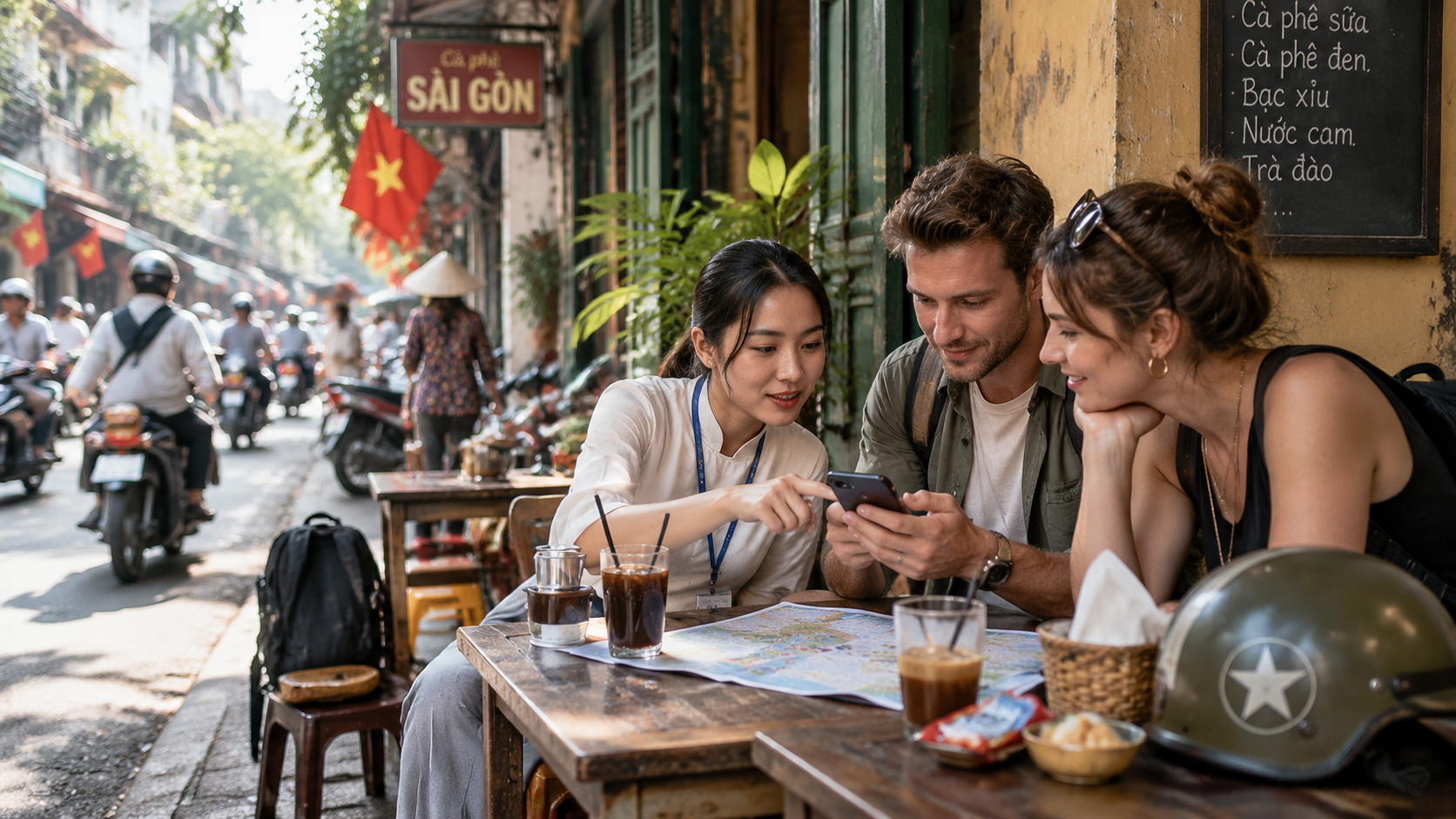
    Vietnam SIM cards are the fastest way to stay online in Vietnam without getting hit by crazy roaming fees or gambling on weak airport Wi-Fi. For foreign travelers, a travel SIM, prepaid SIM, mobile data, or eSIM is usually the cleanest fix the moment the plane lands. You get maps, chats, ride apps, and backup calling without the stress.

    If you are planning a beach hop, a Hanoi food crawl, or a business week in Ho Chi Minh City, Vietnam SIM cards keep the trip smooth from day one. A simple setup can save you time at the airport and help you move like a local, especially when your hotel check-in, Grab ride, or family message cannot wait. For a quick trip plan, you can also check Vietnam Crazy Tour for ideas that match real travel flow.

    Featured snippet: Vietnam SIM cards are the easiest way to get reliable internet, local calls, and better coverage in Vietnam. Travelers can choose a physical SIM or eSIM depending on phone compatibility, trip length, and whether they need a local number. The best option depends on speed, convenience, and how much data you use.

    In practice, the choice is simple. If your phone supports eSIM, you can activate before departure and walk off the plane connected. If not, a physical card or airport pickup works fine, especially for couples, solo travelers, and families who want one less thing to worry about. Later in the guide, you can compare plans and even pair your arrival setup with all Vietnam tours if you want to build the rest of the trip around your connection already sorted.

    Tiêu chí eSIM Physical SIM Airport Wi-Fi
    Setup speed Activate before landing Buy after arrival Immediate, but unstable
    Best for Short trips and convenience Longer stays and local number Emergency only

    If you want a smoother arrival and less time hunting for a kiosk, start with the option that fits your phone and trip style, then upgrade later if needed. That is the smart Vietnam move, and it keeps your first hours in the country calm, connected, and ready for the real adventure.
    What Vietnam SIM Cards Are and Why They Matter

    What Vietnam SIM Cards Are and Why They Matter

    Vietnam SIM cards are the fastest way to get real mobile data and, in many cases, a local phone number the moment you arrive. For first-time visitors, that means no hunting for weak Wi-Fi in airports, cafés, or hotel lobbies. With the right SIM, your phone becomes a travel tool, ready for maps, ride-hailing, translation, and messages across the country.

    If you are landing for a short adventure or settling in for a longer stay, a Vietnam SIM card helps you stay flexible from day one. It is especially useful for solo travelers, couples, and families who move between cities, book transport on the go, and want a smoother arrival. Many visitors pair this with practical planning from Vietnam Crazy Tour when they want local experiences without losing connection on the road.

    Featured snippet: A Vietnam SIM card gives travelers mobile data, and often a local number, so they can use maps, rides, messaging apps, and booking tools anywhere in Vietnam. It matters because public Wi-Fi is not always reliable, especially when you are moving through airports, old quarters, beaches, or mountain roads.

    A Vietnam SIM card is a small chip or eSIM plan that connects your unlocked phone to a Vietnamese mobile network such as Viettel, Mobifone, or Vinaphone. Once activated, it works like your regular mobile service, but with local rates and local coverage. If you are comparing travel styles, a quick look at all tours of Vietnam Crazy Tour can also help you plan routes where strong mobile data is a real advantage.

    Tiêu chí Vietnam SIM card Hotel Wi-Fi eSIM
    Best use Everyday travel and navigation Only when you stay in one place Fast setup before landing
    Local number Usually yes No Usually no

    Why it matters in real life is simple: a local SIM lets you order a Grab ride after a late flight, check directions in a busy market, or confirm a homestay pickup in a remote area. Travelers who want deeper local movement often benefit from exploring cultural routes, including ghost and belief experiences, where signal and quick communication can save time.

    For most visitors, the smart move is to get connected first, then enjoy the trip with less friction. That is the difference between spending your first hours solving phone problems and spending them eating, exploring, and moving like a local.

    Soft tip: if you want a smoother arrival, choose your data setup before you fly, then focus on the fun part when you land. Strong connection is not a luxury in Vietnam. It is the small detail that keeps the whole trip moving.

    For long days on the road, a Vietnam SIM card is not just about internet access. It supports the way you travel, the places you reach, and how confidently you move through Vietnam without depending on patchy public networks.

    Bottom line: if you want real mobility, better coordination, and fewer delays, a Vietnam SIM card is one of the first things worth sorting out. It is a small purchase that quickly pays off in time, convenience, and peace of mind.

    How to Get and Activate Vietnam SIM Cards

    How to Get and Activate Vietnam SIM Cards

    Vietnam SIM cards are the fastest way to stay online the moment you land, especially if you want Google Maps, Grab, and translation apps working without hunting for Wi-Fi. The real trick is choosing the right place to buy, then activating it cleanly so you do not waste time at the airport counter or get stuck with a dead connection.

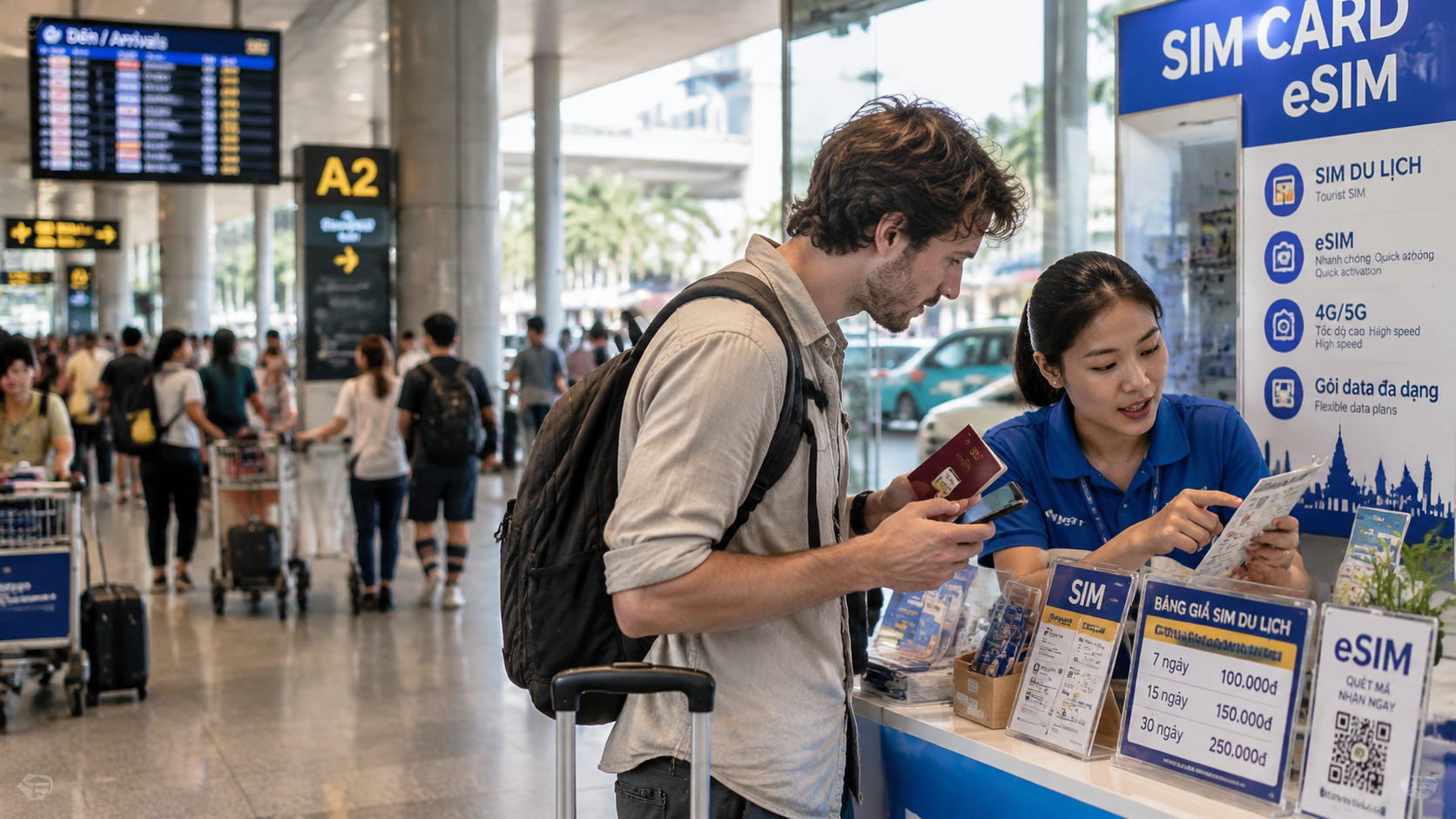
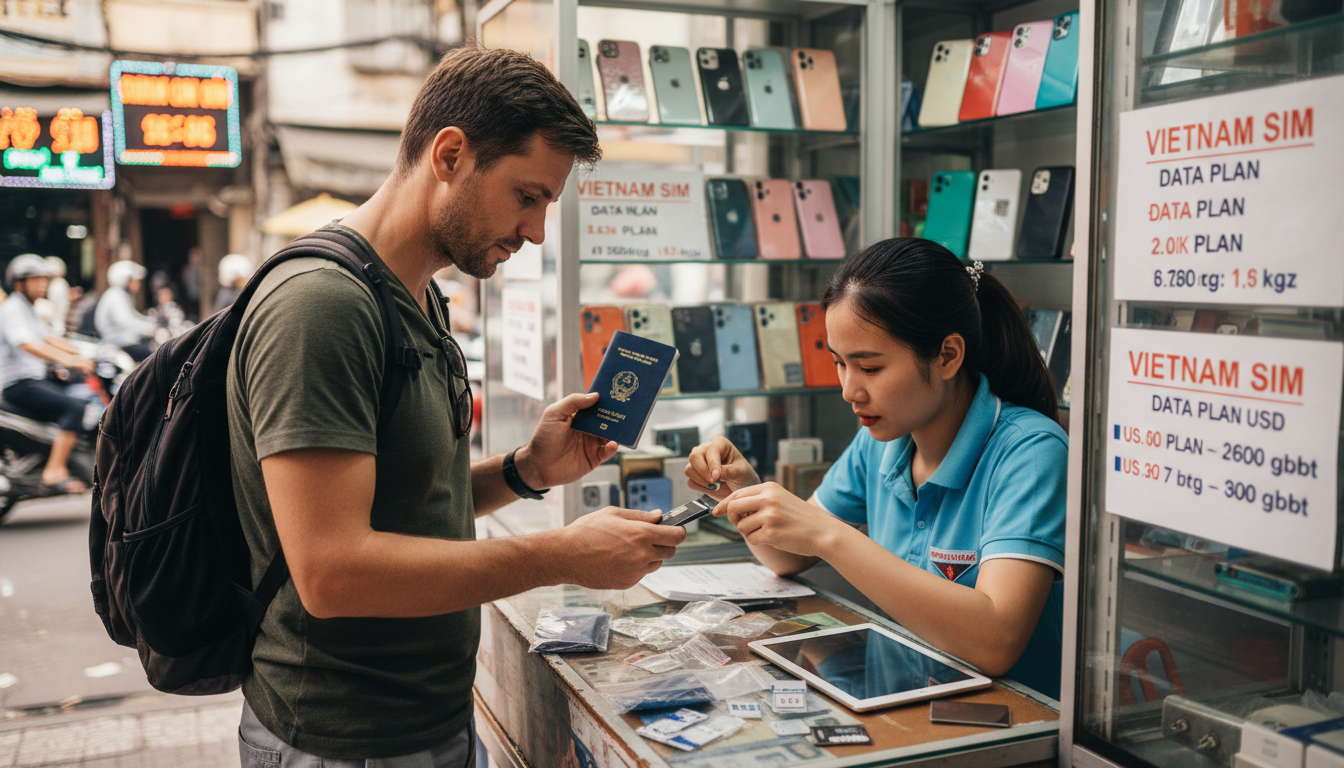
    For first-time visitors, the smart move depends on your trip style. If you want pure convenience, buy at the airport. If you want better value and a proper local setup, go to an official mobile shop in the city. Either way, bring your passport, keep your phone unlocked, and expect a quick registration step before the line goes live.

    A good rule for travelers: airport SIMs are about speed, city shops are about control, and online orders are about planning ahead. If you are arriving late, tired, or traveling with family, pre-arranging service can save a lot of friction. That is why many readers pair a quick arrival setup with a longer-term plan later through Vietnam Crazy Tour style travel planning, especially when the itinerary is packed.

    Where to buy depends on your risk tolerance and how soon you need data. Airport kiosks are the easiest, but prices can be a little higher and packages vary. Convenience stores are useful for top-ups, not usually the best place for a fresh start. Official mobile shops are the most reliable for registration, while online pre-order platforms are best if you want to land, scan, and go.

    For practical comparison, use this simple breakdown:

    Tiêu chí Airport Official shop Online pre-order
    Best for Fast arrival setup Local plans and support Planned arrivals
    Main tradeoff Higher price Needs a short detour Needs advance booking

    Activation is usually straightforward. Staff will scan your passport, register the SIM, insert it into your phone, and test the signal. If it is an eSIM, you will download the profile and switch data lines in your phone settings. The mini insight here: many travelers forget to turn on data roaming or choose the wrong SIM as the default line, so check both settings before walking away.

    Top-up is equally simple. You can pay at convenience stores, mobile shops, or by scratch card. Give the staff your number, or enter the code in the dialer, and the balance will refresh. A soft but useful tip: if you are staying more than a few days, add a little extra credit on day one so you are not scrambling when the plan renews.

    Real-world setup example: a first-time couple lands in Da Nang, buys a physical SIM at the airport, asks for help with registration, then uses Grab straight to the hotel. The next day, they visit an official store in the city for a better package, keep the airport SIM as backup, and top up once a month without stress. That is the easiest path if you want to travel light and stay connected.

    If you are building a bigger Vietnam itinerary, this kind of setup gives you freedom to move between cities, book rides, and message hosts without depending on public Wi-Fi. And if you want local experiences beyond the usual tourist trail, you can still keep your phone sorted while exploring deeper with all Vietnam tours for inspiration around routes, neighborhoods, and offbeat stops.

    Strong recommendation: choose one main SIM strategy before arrival, then stick to it for the first 48 hours. That avoids duplicate purchases, wrong top-ups, and confusing number switches. For most travelers, the winning formula is simple: arrive with data, register properly, top up once, and move on with the trip.

    Benefits and Best Use Cases for Vietnam SIM Cards

    Vietnam SIM cards are one of the easiest ways to stay connected without burning through expensive roaming fees. For travelers landing in busy cities, moving between local neighborhoods, or chasing hidden food streets, a local data plan gives you faster access to maps, ride-hailing apps, translation tools, and hotel check-ins the moment you need them.

    For many visitors, the real value is not just cheaper data. It is the freedom to move like a local, especially when your trip includes street food hunts, day trips, or last-minute changes. If you are planning a flexible route, pairing connectivity with all Vietnam crazy tours can make the whole trip smoother from the first airport ride to the last night market stop.

    Featured snippet: Vietnam SIM cards are best for travelers who need affordable data, reliable local connectivity, and easy access to navigation and ride-hailing. They are especially useful for tourists, digital nomads, and business travelers who want to move quickly, stay online, and avoid roaming charges in Vietnam.

    Main benefits usually come down to four practical wins. Affordable data keeps daily costs low, local connectivity improves signal stability, navigation becomes easier with Google Maps, and ride-hailing apps like Grab work better when you can stay online anywhere. In Vietnam, that matters because street names, traffic patterns, and pickup points can change fast, especially in dense city areas.

    Criteria Vietnam SIM cards Hotel Wi-Fi Roaming
    Cost Low daily spend Usually free but limited Often the most expensive
    Mobility Works across the city Only in one place Works abroad but can be costly

    Popular use cases are easy to spot. Tourists use Vietnam SIM cards to get from airport to hotel, find local cafés, and book scooters or cars without guessing. Digital nomads use them for steady data while working from cafés, co-working spaces, and coastal towns. Business travelers use them to stay reachable, join meetings on the move, and handle quick coordination without depending on unstable public Wi-Fi.

    Here is the smart choice rule. If your trip includes multiple cities, late arrivals, local food stops, or a lot of spontaneous movement, a Vietnam SIM card is usually worth it. If you only stay inside one resort with strong Wi-Fi, you may not need much data. But once you start exploring local markets, temples, or offbeat neighborhoods, the SIM becomes the practical travel tool that saves time and stress.

    Mini insight: solo travelers and couples often benefit the most because they rely on fast decisions and flexible transport. Families also gain peace of mind when everyone can share locations, contact each other, and check routes in real time. If your trip includes more adventurous local exploring, it is worth planning connectivity before you land so the rest of the journey feels easier and more spontaneous.

    If you want a trip that feels smooth from day one, a Vietnam SIM card is the kind of small decision that quietly upgrades everything. You can compare it with airport pickup options, then decide whether you want simple data first or a fuller local setup after arrival. For travelers building a bigger route, it also pairs well with Vietnam crazy tour homepage planning for a more connected trip.

    Final takeaway: choose Vietnam SIM cards when you want affordable internet, local mobility, and less friction during travel. They are smartest for visitors who value freedom, quick navigation, and on-the-go booking across Vietnam.

    How to Choose the Best Vietnam SIM Cards for Your Trip

    Vietnam SIM cards are the easiest way to stay connected if you plan to chase hidden alleyway coffee spots, book Grab rides, and map your next stop on the fly. The best option depends on your device, trip length, and how much data you actually use, not just on the cheapest price.

    If you want zero airport stress, compare four choices first: physical SIM, eSIM, pocket Wi-Fi, and roaming. For most foreign travelers, a local SIM or eSIM gives the best mix of speed, value, and flexibility, especially if your trip includes city hopping, motorbike days, or remote coastal routes.

    Tiêu chí Cột 1 Cột 2 Cột 3
    Best for eSIM Short trips and instant setup Great for landing ready
    Best value Physical SIM Longer stays with heavier data use Usually cheaper than roaming
    Least practical Pocket Wi-Fi Groups that stay together all day Extra device and battery hassle

    Featured snippet: Choose an eSIM if you want instant data on arrival, a physical SIM if you need a local number and better long-stay value, pocket Wi-Fi if several people will share one connection, and roaming only if convenience matters more than cost. For most travelers, a local plan wins on price and reliability.

    Here is the simple breakdown. eSIM is best for a modern phone and a quick trip, while physical SIM cards are better if you want a Vietnamese number for apps, bookings, or long-stay logistics. Pocket Wi-Fi can work for families, but it adds one more device to charge, carry, and remember. Roaming is the easiest to activate, yet it is usually the most expensive option, so it makes sense only for very light data use.

    A smart move is to buy a basic data plan first, then upgrade only if your trip gets more active than expected. If you are heading beyond the main cities and want to stay flexible, pair your connectivity plan with a local adventure route from all Vietnam tours or learn more about the brand through Vietnam Crazy Tour experiences. That way, your phone is ready before the road gets wild.

    Pick your plan by trip length. For 3 to 7 days, an eSIM or airport SIM is usually enough. For 1 to 3 weeks, a physical SIM with a local number is better. For families or couples sharing hotspots, calculate total data use instead of guessing: maps, ride-hailing, video calls, and social uploads can burn through data fast. If you stream often, choose a larger package; if you mostly use navigation and messaging, a smaller plan is the better buy.

    Best rule: the more remote and adventurous your itinerary, the more you should value stable coverage, easy top-ups, and a local number. That is how you avoid dead spots, extra fees, and last-minute stress while still moving fast across Vietnam.

    Important Tips, Common Mistakes, FAQ, and CTA

    Vietnam SIM cards are the easiest way to stay connected if you are landing for the first time, exploring local neighborhoods, or moving between cities with a packed travel plan. The safest move is simple: choose the right setup before arrival, bring your passport, and avoid wasting airport time on confusing kiosks or overpriced bundles.

    For adventurous travelers, the real win is not just data. It is having smooth maps, ride apps, translation, and instant access when you step out into busy streets, night markets, or remote bus stations. If you want a quick landing solution plus a stronger long-stay option, this chapter shows the common traps, the answers people ask most, and the smartest final move.

    Common mistakes to avoid when buying Vietnam SIM cards

    The biggest mistake is buying the first offer you see after landing. Airport kiosks can be convenient, but prices and data packages vary, and some travelers pay for more than they need. Another common problem is skipping passport rules, then getting stuck when a local store asks for ID during registration.

    Here is the practical breakdown:
    1. Do not assume every seller is an official carrier partner.
    2. Do not buy unlimited data if you mostly use maps, chat, and taxi apps.
    3. Do not forget to check if your phone is unlocked or eSIM ready.
    4. Do not wait until your battery is low and your airport Wi-Fi is unstable.

    A better approach is to plan ahead and keep arrival simple. If you want a secure fallback while you travel, a pre-arranged option from Vietnam Crazy Tour travel help can reduce first-day stress and leave you more energy for the actual trip.

    Criteria Airport Buy Pre-order Online Official Store
    Best for Fast arrival connection Short trips and easy pickup Longer stays and local number
    Main risk Higher price or upsell Limited plan choice Requires passport and time

    FAQ: coverage, passport registration, data speed, dual-SIM phones

    Coverage in Vietnam is generally strong in major cities, tourist routes, and most travel hubs, but speed can vary by location and carrier load. Passport registration is normal for official plans, and it is one reason local stores can offer a proper phone number instead of only data.

    Dual-SIM phones are ideal because you can keep your home number active while using a local Vietnam data line. Data speed is usually enough for Google Maps, Grab, WhatsApp, and browsing, but heavy video streaming can burn through plans quickly. If you need a simple answer, the best setup for many travelers is one home SIM plus one Vietnam SIM card or eSIM.

    Featured snippet: Vietnam SIM cards usually require passport registration for official plans, while eSIMs often give faster setup for travelers who only need data. Coverage is solid in most cities and tourist areas, and dual-SIM phones make it easy to keep your home number while using a local Vietnam connection.

    When comparing options, match the plan to your trip style: short stay, long stay, city-hopping, or work plus travel. For more ways to build a smooth arrival plan, explore all Vietnam Crazy Tour options before you lock in the rest of your itinerary.

    CTA: choose the best Vietnam SIM card before you land

    If you want the easiest first hour in Vietnam, do not wait until you are tired at the airport. Choose your Vietnam SIM cards before you land, decide whether you need data only or a local number, and make sure your phone is unlocked or eSIM compatible. That one small decision can save time, money, and a lot of arrival chaos.

    The smartest rule is simple: short trip, go for fast setup; longer stay, go for a real local plan after you arrive; adventurous trip across multiple cities, keep a backup connection ready from the start. If you want a travel day that feels smooth from the first taxi to the first dinner, plan ahead, then move straight into the fun part.

    Start with Vietnam travel planning now, then choose the SIM setup that fits your route, your phone, and your travel pace before your plane touches down.
  • Must-Have Travel Apps in Vietnam 2026: What Saves Trips

    Must-Have Travel Apps in Vietnam 2026: What Saves Trips

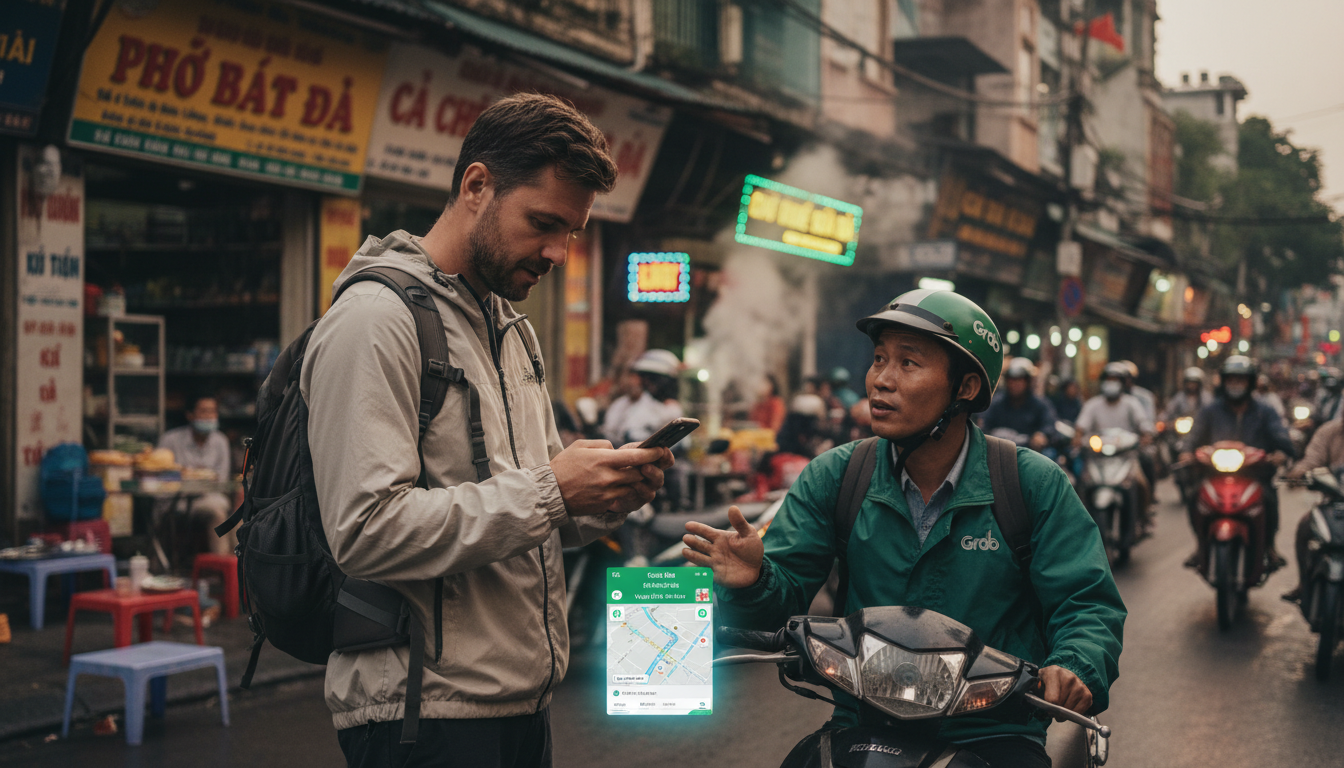
    Must-have travel apps in Vietnam can save your trip before it gets messy, especially when you are landing in a new city, hunting for a ride, or trying to decode a menu after a long flight. If you want a smoother Vietnam experience, the right apps help you move faster, avoid tourist traps, and keep the whole journey feeling local instead of chaotic.

    For first-time visitors, solo travelers, couples, and families, these tools are not just convenient, they are the difference between guessing and traveling with confidence. A few smart downloads can handle transport, food, maps, translation, and cashless payments, so you can focus on the real fun, from street markets to Vietnam crazy tour adventures and beyond.

    Travel Need Best App Type Why It Helps Best For
    Getting around cities Ride-hailing and maps Faster routes, clearer pricing Solo travelers and couples
    Eating and booking easier Food and activity apps Local choices with less guesswork Families and first-time visitors

    A quick travel app setup also makes your Vietnam planning more practical before you even arrive. Download offline maps, save a translation tool, and prep one payment app if your bank supports it. Vietnam tour options can still be the easy shortcut for travelers who want local experiences without dealing with every detail alone.

    Featured snippet: The must-have travel apps in Vietnam are usually for maps, rides, food delivery, translation, messaging, and payments. They help travelers save time, move around cities more easily, communicate with locals, and avoid common travel stress, especially in busy places like Hanoi, Da Nang, and Ho Chi Minh City.

    If you are the kind of traveler who wants the real Vietnam, not the stressful version, these apps are your first local move. They keep the trip flexible, practical, and way more enjoyable from the moment you land.

    Soft CTA: Want a smoother route through Vietnam with local-style experiences and less planning stress? Start with the right apps, then choose the kind of trip that fits your pace.

    Strong CTA: If you want to go beyond convenience and turn your Vietnam trip into a true local adventure, book a tailored journey with Vietnam Crazy Tour and travel smarter from day one.

    What Makes the Must-Have Travel Apps in Vietnam Essential

    What Makes the Must-Have Travel Apps in Vietnam Essential

    Must-have travel apps in Vietnam matter because the country moves fast, prices change by the minute, and street-level decisions happen on your phone. For first-time visitors, solo travelers, couples, and families, the right apps remove friction from transport, food, translation, and booking, so the trip stays adventurous instead of stressful.

    Think of Vietnam travel like this: one app helps you get there, one helps you speak, one helps you pay, and one helps you avoid tourist traps. If you want a smoother local-style trip, these tools are not optional gadgets. They are the practical layer that makes exploring cities, beaches, and hidden neighborhoods feel easy and safe.

    Featured snippet: Must-have travel apps in Vietnam are essential because they help travelers navigate streets, book rides, translate signs, find trusted places, and manage cashless payments. In cities like Hanoi, Ho Chi Minh City, and Da Nang, they save time, reduce confusion, and make local travel far more efficient.

    What these apps actually do for travelers is simple: they solve the problems that appear after landing. Google Maps handles route planning and offline navigation. Grab covers ride-hailing and food delivery. Google Translate helps with menus, signs, and quick conversations. Zalo can be useful when a hotel or local operator prefers chat-based communication.

    For adventurous trips, this matters even more when you leave the main tourist zone. A hidden café, a countryside homestay, or a night market in a smaller city may not be as straightforward as a city-center itinerary. That is why many travelers also keep an eye on all Vietnam tours when they want local access without the logistics headache.

    Criteria Essential Helpful Less critical
    Navigation Offline maps and live routing Review checking Social discovery
    Daily use Ride booking and translation Food delivery and chat Trip inspiration only

    When you need them most in Vietnam is usually at arrival, during cross-city transfers, and anytime you go beyond a polished hotel zone. Airport pickup, late-night food, cashless payment, and last-minute route changes are the moments when apps protect your time and budget. In rainy season or peak traffic, that becomes even more valuable.

    Mini insight: the best travelers do not install every app at random. They install the few that match their route, connect them to a local SIM or eSIM, and test them on day one. That small habit turns Vietnam from confusing to smooth in about ten minutes.

    Soft CTA: if you want local-style travel with less guesswork, build your app setup before you land, then pair it with a smart itinerary. That is the fastest way to keep your Vietnam trip adventurous without losing control of the details.

    Strong CTA: for deeper local experiences, use the apps for daily convenience, then let a well-planned route do the heavy lifting. If you are heading off the beaten path, book a trip that fits your pace, your group type, and your comfort level so every move in Vietnam feels effortless.

    How to Use the Must-Have Travel Apps in Vietnam Step by Step

    How to Use the Must-Have Travel Apps in Vietnam Step by Step

    Must-have travel apps in Vietnam can turn a chaotic first day into a smooth landing, especially if you are arriving solo, as a couple, or with family and want local experiences without wasting time. The real win is not downloading every app, but setting up the right ones before you leave home so you can move, eat, translate, and pay like a confident traveler from minute one.

    Vietnam moves fast, and the best trips happen when your phone is ready before your feet hit the street. If you want hidden cafes, easy rides, and fewer awkward moments at markets or hotel check-ins, start with a simple app stack, then use each app for one clear job. That is the easiest way to travel smarter in Hanoi, Ho Chi Minh City, or anywhere in between.

    Featured snippet: Set up a Vietnam travel app toolkit before arrival by downloading offline maps, translation packs, and ride apps, then connect your payment method and test each app on Wi-Fi. Once in Vietnam, use one app for transport, one for food, and one for navigation so every decision stays fast, local, and low stress.

    Before arrival, build your core toolkit around three essentials: Google Maps for navigation, Grab for rides, and Google Translate for communication. Add your payment option where possible, and save your hotel address in both English and Vietnamese. This tiny setup saves time when airport Wi-Fi is weak or your driver asks for a pin instead of a street name.

    For local discovery, keep a second layer ready. Tripadvisor helps you compare reviews, Klook is useful for booking activities, and Zalo becomes valuable when a hotel, host, or tour operator prefers local messaging. If you like off-the-beaten-path experiences, this setup pairs well with a curated Vietnam tour collection when you want structure without losing that adventurous feel.

    Criteria Before Arrival First Day Best For
    Navigation Download offline maps Check live route changes Solo travelers and couples
    Transport Install Grab and save card details Book airport or city rides Families and first-time visitors

    When you are on the ground, use the right app for the right moment. For transport, Grab is the easiest option in major cities because it shows pricing upfront and works well for taxis, cars, and motorbike rides. For food, open GrabFood or a local delivery app when you want a late dinner, but use review apps first if you are chasing the best bowl of pho in a neighborhood that locals actually love.

    For navigation, keep Google Maps open but do not trust it blindly in tiny alleys, night markets, or areas with sudden road works. For language, use camera translation on menus and signs, then confirm tricky details with a local if needed. A small soft CTA here: if you want less planning and more real Vietnam energy, pair these apps with a Vietnam Crazy Tour experience that already handles the moving parts.

    A simple real-life day in Hanoi looks like this: breakfast near your hotel, Grab to the Old Quarter, Google Maps for a walking loop, Translate for a street food menu, Klook for a last-minute temple ticket, then Grab again after dark. In Ho Chi Minh City, the flow is similar, but traffic is heavier, so a motorbike ride can save serious time if you are traveling light and comfortable with city pace.

    Mini insight: the smartest travelers do not use every app all day. They switch apps by task. That keeps battery life better, reduces confusion, and helps you move like a local instead of a stressed tourist with ten tabs open.

    If your trip includes a deeper local angle, from hidden neighborhoods to cultural corners, these apps are only the start. Use them to handle logistics, then leave space for surprise detours, street food stops, and neighborhood walks that turn an ordinary day into something memorable. For travelers who want a trip that feels both easy and adventurous, this is where planning starts to pay off.

    Strong CTA: download your key apps now, test them before departure, and lock in your Vietnam route with confidence. If you want more than convenience and are ready for a smoother, richer itinerary, explore the full range of local Vietnam tours and travel with less guesswork and more discovery.

    Best Benefits and Real Travel Use Cases of the Must-Have Travel Apps in Vietnam

    The must-have travel apps in Vietnam help you move faster, spend smarter, and avoid the classic first-trip mistakes that slow travelers down. If you are chasing local food streets, hidden alleys, beach detours, or a last-minute ride after sunset, the right apps turn Vietnam from confusing to ridiculously easy.

    For solo travelers, couples, families, and adventurous visitors from Europe, North America, Korea, and Japan, the real value is not just convenience. It is control. You can find your way, compare options, message locals, book transport, and keep the trip flexible without getting stuck in guesswork.

    Featured snippet: Must-have travel apps in Vietnam save time by handling navigation, ride-hailing, translation, food delivery, and local booking in one place. They are most useful in big cities, on day trips, and for first-time visitors who want safer, smoother, and more efficient travel.

    Save time, avoid stress, and travel more efficiently is the real reason these tools matter. A traveler landing in Hanoi at night can use Google Maps for the hotel route, Grab for a fixed-price ride, and Google Translate to check a late check-in message. That small stack removes the usual airport chaos and makes the first hour in Vietnam feel clean and under control.

    For local-style exploring, apps also help you go deeper without wasting energy. You can compare street food spots, read recent reviews, and spot places that fit your pace, whether that means a slow cafe morning in Da Lat or a full motorbike day in Ho Chi Minh City. The smart move is to use apps for logistics, then keep the actual experience open and spontaneous.

    Travel need Best app type Main benefit Best for
    Getting around city traffic Ride-hailing Clear price, fast pickup, less bargaining Solo travelers, couples
    Finding food and places Maps and review apps Better choices, fewer tourist traps Families, first-time visitors

    Common use cases for tourists, digital nomads, and first-time visitors look different, but the same app stack keeps showing up. A digital nomad may use messaging and maps all day while moving between cafes and coworking spots. A family may lean on translation, delivery, and booking apps to reduce daily friction. A first-time visitor usually needs all three: direction, communication, and payment support.

    For adventurous travelers who like local neighborhoods and less polished experiences, apps are even more useful when the plan changes fast. You can message a homestay host, check whether a ferry is running, or book a tour after lunch instead of committing days ahead. If you want a more structured local experience, explore all Vietnam tours for routes that match your pace, from city culture to offbeat countryside days.

    In practical terms, the best workflow is simple. Use maps to understand the area, use a ride app when traffic gets messy, use translation when menus or instructions become unclear, and use booking apps only when they genuinely save time or guarantee entry. That balance is what makes the must-have travel apps in Vietnam feel powerful without taking over the trip.

    Soft CTA: If you want to travel deeper into Vietnam without wasting hours on logistics, build your app setup before landing and keep one backup plan for rides, food, and communication.

    For travelers who want the local side with less guesswork, Vietnam Crazy Tour can help turn app-based planning into real on-the-ground experiences. Check Vietnam Crazy Tour home for trip ideas that fit adventurous couples, families, and solo explorers.

    Strong CTA: Ready to turn smart planning into a smoother Vietnam trip? Start with the right apps, then pair them with a local tour plan that helps you see more, stress less, and move like you already know the country.

    How to Choose the Right Travel Apps for Your Vietnam Trip

    Must-have travel apps in Vietnam can save you from the classic chaos of getting lost, overpaying, or missing a local experience because you could not translate a sign or book a ride fast enough. For first-time visitors and adventurous travelers alike, the real challenge is not downloading everything. It is choosing the right mix for the way you move, eat, and explore.

    Think of your phone as a travel kit, not a trophy shelf. If you are hopping between cities, staying in boutique hotels, or chasing hidden food spots, the smartest setup usually includes one navigation app, one ride-hailing app, one translation tool, and one payment backup. That simple stack keeps your trip flexible without draining storage, battery, or patience.

    Featured snippet: Choose travel apps in Vietnam by matching them to your trip style. Use maps for navigation, ride-hailing for city transport, translation for menus and conversations, and payment tools for cashless convenience. The best setup is the one that works offline, supports local habits, and keeps you moving smoothly.

    Start with the basics: maps, rides, translation, and payments. Google Maps is best for route planning, offline maps, and finding nearby cafes or landmarks, while Grab is stronger for quick city rides and clear pricing. If you are exploring local streets in Hanoi or Ho Chi Minh City, that combo is enough to handle most day-to-day problems without stress.

    For communication, Google Translate helps with menus, market chats, and signs, especially outside major tourist zones. If your route includes homestays, local drivers, or boutique operators, apps like Zalo can be useful, though a Vietnamese SIM often makes them work better. For deeper local discovery, pair your app setup with a curated experience like Vietnam crazy tour experiences when you want a smoother way to explore less obvious places.

    Tiêu chí Best Pick Why It Works Best For
    Navigation Google Maps Offline maps, walking routes, place reviews City explorers and road trippers
    Local transport Grab Fixed fares, easy booking, motorbike or car options Solo travelers and couples
    Language help Google Translate Camera and voice translation for fast communication First-time visitors and families

    Pros and cons matter because different travel styles need different tools. Solo travelers usually want speed and independence, so maps plus Grab is the cleanest setup. Couples often benefit from translation and booking apps when they plan meals, day trips, or last-minute activities. Families should prioritize offline access, safety, and easy directions, because a smooth day depends on fewer moving parts.

    For adventurous trips into smaller towns, do not rely on one app alone. Coverage can drop, local addresses can be messy, and payment methods may change from one district to another. The smartest move is to keep one offline map downloaded, one ride app ready, some cash in your pocket, and one translation tool that works without data. That is the real way to choose must-have travel apps in Vietnam without overcomplicating your trip.

    If you want a softer, more structured way to discover local Vietnam beyond screens and logistics, consider pairing your app setup with a guided route from the Vietnam Crazy Tour homepage. It is a practical move when you want local depth without losing the freedom to travel on your own terms.

    Soft CTA: Download only the apps that match your route, your pace, and your comfort level. If you want local-style travel without the guesswork, build your app kit before departure, test offline mode, and keep one backup payment option ready.

    Strong CTA: Before you fly, set up your Vietnam travel stack with maps, rides, translation, and a payment backup, then explore smarter with local experiences that save time and reduce friction from day one.

    Travel App Tips, Common Mistakes, FAQ, and Final CTA

    Must-have travel apps in Vietnam can save you time, money, and a lot of confusion the moment you land. If you are planning a local-heavy trip with street food stops, alleyway cafés, night markets, and last-minute rides, the right apps make Vietnam feel smoother and more fun from day one.

    The trick is not just downloading apps, but using them the smart way. In cities like Hanoi, Ho Chi Minh City, Da Nang, and Hoi An, the best setup is simple: offline maps, a ride app, a translation app, and one payment or messaging app if you stay longer. That small prep makes adventurous travel easier for solo travelers, couples, and families alike.

    Common Mistakes Travelers Make With Vietnam Apps

    Many travelers install apps too late, skip offline setup, and then panic when data is weak in a small street or rural stop. A better move is to download maps, translation packs, and key bookings before departure, then test each app on airport Wi-Fi so you are not troubleshooting in a taxi line.

    Another common mistake is trusting one app too much. For example, Google Maps can guide you well, but a local alley, motorbike shortcut, or temporary road closure may not always show instantly. Use it as your base, then confirm with hotel staff, café workers, or your driver when the route looks strange.

    A third mistake is expecting every app to work the same across Vietnam. Grab is strong in major cities, while some local areas still depend on cash, hotel help, or old-school calling. If you want a deeper local flow, pair your app setup with a flexible itinerary from all Vietnam tours so transport and timing stay realistic.

    Criteria Best for Main benefit Watch out
    Offline maps City walking and remote stops Prevents getting lost Needs download before travel
    Ride and food apps Urban travel and quick meals Saves time and keeps pricing clear Coverage drops outside major cities

    Featured snippet: The best Vietnam app setup is offline maps, ride booking, translation, and one local communication tool. Download them before departure, turn on roaming or eSIM data, and keep cash as backup for places where app coverage or digital payment is limited.

    For travelers chasing more local and adventurous days, apps work best when they support the trip, not control it. That is why a flexible ride plan, a strong translation app, and a realistic route matter more than downloading every popular tool. If you want easy, low-stress planning, a soft next step is to browse Vietnam Crazy Tour and compare experiences that fit your pace.

    FAQ and a Quick Download Before You Go Checklist

    What should I install first? Start with Google Maps, Grab, and Google Translate. Those three solve the most common problems: finding places, getting around, and asking for help. If you are staying longer or want easier communication with locals, add Zalo and a payment app after you arrive.

    Do I need all the apps on day one? No. A smart starter pack is enough for most first-time visitors. Solo travelers usually need maps and ride booking, couples often use the same setup plus food delivery, and families benefit from offline navigation and messaging to keep everyone together.

    Quick download before you go checklist: offline maps saved, translation pack installed, ride app logged in, hotel address copied in English and Vietnamese, roaming or eSIM ready, screenshots of booking confirmations, and some cash in small notes. If you want one more local layer, check options like ghost and beliefs tours for culture-rich stops that are easier to enjoy when your logistics are sorted.

    Final CTA: Download the essential apps before your flight, test them on Wi-Fi, and keep your setup lean. That is the fastest way to travel Vietnam like a confident explorer, not a stressed tourist. If you want a smoother trip with local flavor, start planning early, then choose experiences that match your style and let the apps handle the rest.

  • Missed Vietnam Airlines Flight: What to Do Next in 2026

    Missed Vietnam Airlines Flight: What to Do Next in 2026

    Missed Vietnam Airlines flight moments can derail a trip fast, especially when you are staring at the gate screen and wondering whether rebooking, fees, or refunds are still possible. The quickest move is to contact the airline immediately, confirm your ticket rules, and check whether your fare allows a same-day change or standby option.

    For many travelers, a missed Vietnam Airlines flight is less about panic and more about timing, airport distance, and not knowing which policy applies. If you are flying into a busy hub like Ho Chi Minh City or Hanoi, a delayed taxi, long security line, or tight connection can be enough to trigger a miss. A clear plan saves money, and it also keeps your Vietnam trip on track for the next stop.

    What a Missed Vietnam Airlines Flight Means

    Missed Vietnam Airlines flight means you did not board the plane on time, usually because you arrived too late for check-in, security, or the boarding gate. For travelers moving between Hanoi, Da Nang, Ho Chi Minh City, and island routes, this can happen fast when airport traffic, long queues, or wrong terminal timing eat your margin.

    In practice, Vietnam Airlines treats a no-show, late arrival, and same-day disruption differently, so the first step is to know which case you are in. If you are still at the airport, act immediately, because a small delay can turn into a lost fare, especially on popular domestic routes and busy holiday periods. If you want a broader view of local travel flow, Vietnam Crazy Tour trips can help you plan timing around real Vietnam conditions.

    The easiest definition is simple: if you miss the departure after the airline closes check-in or boarding, your original booking may be canceled for that leg. That is why the phrase missed Vietnam Airlines flight usually means more than being five minutes late; it can also mean you missed the baggage cutoff, the gate shut early, or a schedule change left you at the wrong counter.

    Featured snippet: A missed Vietnam Airlines flight usually means you arrived after check-in or boarding closed, or your booking was affected by a same-day disruption. In most cases, the airline will treat it as a no-show unless you act quickly, verify your fare rules, and speak to the airport desk before the flight departs.

    Situation What it usually means Best move Risk level
    Late check-in Desk already closed Go to the airline counter High
    Gate closed Boarding ended without you Ask about rebooking immediately Very high

    Check-in deadlines matter because domestic and international flights do not stay open until departure. A simple airport timing issue like a late taxi, slow bag drop, or moving from the wrong terminal can cost you the seat, and once the gate closes, the staff may mark you as absent even if you are still inside the terminal.

    If your schedule is tight, leave extra buffer and keep your phone on for changes. For travelers who build Vietnam around adventure, local food, and flexible routing, that buffer is not boring, it is smart trip insurance. If you want to combine flight recovery with a last-minute experience in Vietnam, you can browse all Vietnam Crazy Tour options while you solve the airport problem.

    Strong CTA: Before you travel, save your ticket details, know the check-in cutoff, and move to the airport earlier than you think you need. That one habit protects your fare, your itinerary, and your whole Vietnam plan.

    What to Do After You Missed a Vietnam Airlines Flight

    What to Do After You Missed a Vietnam Airlines Flight

    Missed Vietnam Airlines flight moments are stressful, but the first move is simple: stay calm and act fast. If you are at the airport, go straight to the Vietnam Airlines counter or gate staff. If you are already outside, call customer service immediately and explain your situation with your booking code ready.

    Do not guess your ticket rules. Check the fare conditions first, because some tickets allow a flexible change while others may require a fee or even a full new fare. This is where many travelers lose time. A quick check now can save money, especially on busy domestic routes and holiday departures.

    Featured snippet: After you miss a Vietnam Airlines flight, contact the airline right away, review your ticket conditions, and ask for the next available flight. You may be offered standby, rebooking, or a fare difference payment. Keep your passport, ID, and booking reference ready so the process moves faster at the airport or by phone.

    Here is the practical order that works best for most travelers:

    • Contact Vietnam Airlines as soon as possible
    • Confirm whether your fare allows free change or paid rebooking
    • Ask for the earliest open seat on the next flight
    • Prepare required documents such as passport, ID, and ticket details

    For airport support, the counter team can usually check standby options and same-day rebooking. If seats are limited, you may need to pay the fare difference before they issue a new boarding pass. For a smoother trip, keep your phone on and follow updates through all Vietnam tours if your delay affects a land itinerary, or use Vietnam Crazy Tour support when you need flexible local planning help.

    Tiêu chí At airport counter By customer service Best for
    Speed Fast if staff is available Can take longer Urgent same-day changes
    Outcome Standby or rebooking Fare review and new options Travelers away from airport

    Mini insight: the earlier you ask, the better your chance of getting the next flight without paying extra baggage of stress. If the route is popular, one available seat can disappear in minutes. That is why travelers on short leisure trips, family holidays, and adventure plans should always act before leaving the airport area.

    If your ticket is not flexible, ask directly about standby, paid rebooking, or the closest alternative routing. Keep your documents ready, stay polite, and confirm every detail before paying. For travelers who want to avoid last-minute chaos on future trips, booking with a support-focused operator can make a huge difference, especially on tight Vietnam connections.

    Final move: if the missed Vietnam Airlines flight changes your full itinerary, recheck hotel timing, pickup schedules, and onward transport immediately. A quick decision now protects the rest of your trip, and that is the smartest way to recover without turning one delay into a full travel mess.

    Fees, Refunds, and Rebooking Rules for a Missed Vietnam Airlines Flight

    Missed Vietnam Airlines flight costs can change fast depending on your fare, your route, and how quickly you contact the airline. The biggest money leak is usually not one single fee, but a stack of no-show penalties, change charges, and fare rules that only show their teeth after the flight is gone.

    For travelers heading into Vietnam for local food, island trips, or a more adventurous route, this matters a lot. A missed connection can turn a smooth arrival into a messy budget hit, especially on tighter tickets. The good news is that flexible fares, travel insurance, and fast rebooking can sometimes cut the damage before it gets ugly.

    Featured snippet: If you miss a Vietnam Airlines flight, your final cost depends on the fare rules, ticket class, and whether the ticket is marked no-show. In many cases, rebooking is cheaper than buying a new ticket, but refunds are limited unless your fare allows it or your trip was protected by insurance.

    Here is the simple breakdown most travelers need. A basic economy ticket may allow very little after departure, while a higher fare class can give you more room to change or recover value. In practice, the airline may charge a change fee plus any fare difference, and some tickets lose nearly all value once the passenger does not board.

    Tiêu chí Low fare ticket Flexible fare Insurance support
    No-show impact Usually high loss Lower loss risk May cover eligible reasons
    Rebooking chance Limited or costly More likely possible Can reduce out-of-pocket cost

    A real-world example: a solo traveler misses a Hanoi domestic connection because immigration took longer than expected. If they call support immediately, they may be able to rebook on the next seat for a fee instead of losing the whole fare. If they wait until after departure, the ticket may flip into no-show status and become far harder to rescue.

    Refunds are usually possible only when the fare rules say so, or when the airline cancels or significantly changes the service. That is why flexible fares matter for couples, families, and anyone combining city stops with remote adventures. You can also browse all Vietnam tours to keep the rest of the trip moving even if one flight goes sideways.

    Soft money-saving tip: before booking, check whether the ticket allows changes, whether the fare difference is capped, and whether the no-show rule wipes out value after departure. If you travel often, a policy that covers delays, missed connections, or emergency rebooking can be worth more than the cheapest fare.

    The fast rule is this: act early, read the fare conditions, and ask for the cheapest rebooking path before you accept a full reissue. On longer itineraries, especially when a missed flight would ruin a whole Vietnam route, you may also want backup plans from Vietnam Crazy Tour so your trip stays alive even when the airline schedule does not.

    Bottom line: a missed Vietnam Airlines flight does not always mean total loss, but the amount you recover depends on ticket class, timing, and the fare rules printed at purchase. Rebooking is often the first move, refunds are more limited, and insurance or flexible fares are the best way to reduce the shock before it happens.

    How to Avoid Missing a Vietnam Airlines Flight Again

    How to Avoid Missing a Vietnam Airlines Flight Again

    Missed Vietnam Airlines flight stress usually starts before you even leave your hotel, and the fix is far simpler than people think: build a buffer, watch live conditions, and handle check-in early. If you are flying out of Hanoi, Da Nang, or Ho Chi Minh City, the real risk is not distance alone, it is traffic spikes, airport queues, and last-minute gate moves.

    The smartest move is to treat departure day like a timed mission, not a casual transfer. A few small habits can protect your trip, especially if you are heading into a busy domestic hop or a long-haul connection. For travelers who like local adventures, pairing good planning with flexible routing can keep the whole journey smooth, whether you are booking a beach escape or exploring with Vietnam Crazy Tour.

    Featured snippet: To avoid missing a Vietnam Airlines flight again, arrive early, check traffic before leaving, complete online check-in, and monitor your gate on the airport app or display boards. Keep your passport, visa, and boarding pass ready before you enter the terminal. For connecting flights, protect your layover time and never cut it too close.

    Best prevention tips that actually work

    Arrive at the airport earlier than you think you need. For domestic flights, a safe buffer is usually 2 hours. For international flights, aim for 3 hours or more, especially during holidays, weekend rush, or rain season. If your hotel is far from the airport, build extra time for traffic, road works, and ride-hailing delays.

    Use online check-in as soon as it opens so you are not stuck in the longest counter line. Then keep checking your gate, because changes can happen after security. A simple habit like refreshing the airport screen every 15 to 20 minutes can save you from a painful sprint across the terminal.

    Tiêu chí Domestic flight International flight Best move
    Arrival buffer 2 hours 3 hours Add 30 to 60 extra minutes in peak season
    Risk check Traffic and queue time Documents and immigration Prepare both before leaving the hotel

    Mini insight: the travelers who miss flights most often are not the ones who leave late, but the ones who assume the airport will be easy today. It may be calm one morning and chaotic the next, so check live traffic, terminal updates, and boarding time, not just departure time. If you want more local travel ideas that still keep logistics under control, browse the full Vietnam tour list before you lock in your route.

    Soft CTA: if your trip mixes city energy, local food stops, and tight airport timing, it is worth planning the itinerary around the flight, not the other way around. That small shift makes the whole journey feel easier.

    Smart planning for domestic and international flights

    Domestic flights are usually more forgiving, but they still punish weak timing. If you are connecting from a sleeper bus, train, or another flight, give yourself a clean buffer before the Vietnam Airlines departure. Do not assume a short taxi ride will stay short during rush hour, because one accident or flood-prone road can change everything.

    International flights need a stronger document routine. Before you head out, confirm passport validity, visa rules, name spelling, and any transit requirements. For layovers, protect enough time for passport control, terminal transfers, and security re-screening. If your journey includes a long break in Hanoi or Ho Chi Minh City, check whether you need a visa for airport exit or baggage recheck before booking the connection.

    Practical checklist:

    • Passport and visa checked before departure
    • Boarding pass saved offline and on phone
    • Airport route confirmed with live traffic
    • Gate and terminal rechecked after security
    • Layover time protected with a realistic buffer

    When you plan this way, a missed Vietnam Airlines flight becomes far less likely, and your trip stays adventurous for the right reasons. If you want a stronger travel plan with more local flavor and less airport panic, explore ghost culture experiences or other curated routes that fit your schedule, then close the chapter with one final check of documents, timing, and gate status before you move.

    Common Mistakes, FAQ, and What to Do Next

    After a missed Vietnam Airlines flight, the biggest mistake is waiting too long. The earlier you contact the airline or your booking channel, the more options you usually keep, especially for same-day rebooking or fare protection. If you are already at the airport, speak to the service desk first, then call the booking channel while you still have your ticket details ready.

    A second common trap is assuming every ticket is refundable. Many travelers on a tight local-hopping trip think a missed departure automatically means a full refund, but that is not how most fare rules work. A ticket may still have value for a later flight, yet the outcome depends on fare class, timing, and whether you missed the plane because of check-in delay, security, or a connection issue. For adventurous travelers moving between cities, that small timing gap can decide whether you rebook or reset the whole plan.

    Featured answer: If you missed your flight, contact Vietnam Airlines or the place where you booked as soon as possible. Same-day rebooking may be possible, but it depends on seat availability, fare conditions, and the reason you missed the departure.

    Issue What travelers assume What usually happens
    Contact delay I can wait until later Options may shrink fast
    Refund status Every ticket is refundable Rules depend on fare type

    Can I get on the next flight? Sometimes yes, if there is space and the fare rules allow it. Will I lose my ticket? Not always, because some tickets can be changed or reissued with a fee. Is same-day rebooking possible? Yes in many cases, but it moves fastest when you act immediately and keep your booking reference, passport, and payment card ready. If you booked through an OTA or agency, check both the airline and the channel because one may process the change faster than the other.

    For a smoother recovery plan, keep calm, call first, and document every change. If your trip still includes local experiences in Vietnam, you can also plan around the new departure with all Vietnam Crazy tours or choose a lighter stop such as the ghost and beliefs tour while you wait for the next flight. A missed connection does not need to ruin the entire journey, but speed matters more than guesswork.

    Next step: contact Vietnam Airlines or your booking channel now, ask for the earliest rebooking option, and confirm the fee before you accept it. If your route changes, lock in your new plan right away so you do not lose another seat.

  • Man Thai Fishing Village in Da Nang: The Morning Scene Most Miss

    Man Thai Fishing Village in Da Nang: The Morning Scene Most Miss

    Man Thai fishing village is not a staged stop for photos, it is a real coastal community in Da Nang where daily work still shapes the shoreline. Travelers searching for an authentic local experience often end up with vague guides, but this Da Nang fishing village gives you something much clearer: boats coming in, seafood changing hands, and a local rhythm that still feels alive.

    If you want a local seafood village with real morning energy, this is where the scene makes sense. You will see basket boats, fishermen sorting the catch, and beachside life that is simple but full of detail. In this guide, I will show what Man Thai fishing village is, why it matters, and how to visit without losing the real vibe. For more context on local community travel, you can also check Vietnam Crazy Tour experiences and compare it with other cultural routes at all Vietnam tours.

    Tiêu chí Cột 1 Cột 2 Cột 3
    Best for Authentic local life Fresh seafood views Easy Da Nang stop
    What you see Basket boats and fishing work Beachside seafood stalls Sunrise and sunset activity

    Quick definition: Man Thai fishing village is a working seaside neighborhood in Da Nang where fishing, seafood trading, and everyday coastal life happen side by side. Best time to visit is early morning for the catch, or late afternoon for a more relaxed local scene. If you enjoy deeper cultural routes, a soft add-on like ghost and belief culture tours can help you understand how local traditions shape daily life without turning the trip into a generic tourist loop.

    What Is Man Thai Fishing Village and Why It Matters

    Man Thai fishing village is one of Da Nang’s most authentic coastal communities, where daily life still moves with the sea. For travelers searching for a real local scene instead of a polished tourist strip, this is the kind of place that solves the common pain point of seeing only the surface of a destination.

    Here, the rhythm is simple and alive: fishing boats return early, seafood is sorted on the beach, and neighbors gather around the catch of the day. If you want a deeper local layer of the city, this village gives it without a filter. For a broader look at city experiences, you can also explore all Vietnam Crazy tours as a planning reference.

    Featured snippet: Man Thai fishing village is a traditional coastal village in Da Nang where fishing, seafood trading, and local daily life still shape the atmosphere. It matters because it preserves a living piece of the city’s identity and gives visitors a rare chance to see authentic seaside culture up close.

    The best time to visit is early morning or late afternoon, when the beach feels most active and the light is best for photos. Sunrise brings the freshest catch and the busiest working scene, while sunset feels more relaxed and social. That timing matters because it turns a simple visit into a memorable local experience.

    Criteria Early Morning Late Afternoon Best For
    Atmosphere Busy, local, working Calm, social, scenic Different travel moods
    Experience Fresh catch and boats Beach walk and seafood Photo lovers and explorers

    Smart move: pair your visit with a slow seafood meal nearby, then keep the rest of the day flexible so you can stay as long as the local scene feels interesting. If you like culture-driven travel, the same style of immersive discovery also appears in Vietnam Crazy Tour experiences, especially for guests who prefer real places over generic sightseeing.

    For travelers who want one sentence to remember, this is it: Man Thai fishing village matters because it shows Da Nang before the resort polish takes over. Visit with curiosity, respect, and enough time to watch the village breathe, and you will leave with a much stronger sense of the city’s coastal identity.

    How Life and Fishing Work in Man Thai Fishing Village

    Man Thai fishing village is one of the clearest places in Da Nang to see how coastal life still runs on a working rhythm, not a tourist schedule. Visitors who arrive early can watch fishers sort gear, launch basket boats, and prepare for the day while the shore slowly wakes up. For travelers who want a real local scene, this is the kind of place that feels alive without trying too hard.

    The main value here is simple: you do not just see the sea, you see how the sea supports daily income, meals, and community movement. If you enjoy local places that are raw, active, and easy to understand, pair this stop with all Vietnam Crazy tour options or plan it as part of a relaxed coastal morning. It is a small window into authentic life, and that makes the experience strong.

    Featured snippet: Life in Man Thai fishing village follows an early morning fishing routine where local fishers repair nets, guide basket boats, bring in the catch, and sell fresh seafood near the shore. The best time to observe the workflow is dawn, when the beach is busy, practical, and full of local energy.

    At dawn, the fishing routine is easy to read. Men push bamboo basket boats into the water, while others check nets, sort ropes, and carry fish back to the shore. The workflow is efficient because it has to be; every movement supports the next one. That is why visitors often say the village feels honest rather than staged.

    A useful breakdown of the daily scene looks like this:

    • Basket boats waiting near the waterline
    • Nets spread out for repair or drying
    • Small groups sorting the morning catch
    • Local buyers and beachside food stalls starting early

    One small insight that matters: the beach is not only for photos, it is also a working space. That means you may see saltwater splashes, fish smell, wet sand, and quick conversations between locals. If you want more local-style travel ideas in Vietnam, the broader mood of Vietnam Crazy Tour matches this kind of adventure well.

    The village is shaped by a few key elements that visitors notice fast. First are the boats, especially the round basket boats that keep the shoreline visually unique. Next are the nets, which show how much labor still happens by hand. Then comes the market rhythm, where seafood changes hands quickly and fresh food moves straight from boat to table. Finally, there is shoreline life itself, where fishing, resting, fixing gear, and eating all happen in one compact space.

    Tiêu chí Morning scene Later scene Why it matters
    Boat activity Bamboo basket boats landing Boats resting on sand Shows the daily work cycle
    Local market rhythm Fresh catch being sorted Seafood moving to stalls Helps visitors understand local trade

    For travelers, the best real example is early morning near the beach edge. You may see fishers unloading the catch while neighbors wait to buy seafood for breakfast or for nearby restaurants. Children may pass by on the sand, a few older locals may sit and chat, and the whole shoreline feels practical, social, and very local. If you are building a soft local itinerary, this is also a good time to check a full tour list here before choosing your next stop.

    That is the main lesson of Man Thai fishing village: the fishing is not a show, it is daily life. And that is exactly why the experience feels memorable for solo travelers, couples, families, and adventurous visitors who want something real, simple, and close to the sea.

    Top Reasons to Visit Man Thai Fishing Village

    Top Reasons to Visit Man Thai Fishing Village

    Man Thai fishing village is one of the fastest ways to feel the real coastal rhythm of Da Nang without the polished tourist filter. If you are chasing an authentic local experience, this is where traditional fishing life still happens in front of you, not behind glass. The setting is simple, raw, and active, which makes it ideal for travelers who want a deeper cultural layer on a short Vietnam trip.

    The main appeal is not a list of attractions, but the atmosphere itself. You will see basket boats on the sand, fishermen sorting nets, and local routines that have stayed close to the old pace of life. For visitors who want to understand the city beyond beaches and cafes, this kind of street-level realism adds strong value, especially when paired with a broader Vietnam travel experience.

    Here is the fast answer: visit for culture, seafood, sunrise, and people watching. Man Thai fishing village gives you all four in one compact area, so it works well for a short stop, a half-day exploration, or a quiet morning before the city gets busy.

    Tiêu chí Solo visitors Photographers Food lovers
    Best time Early morning for quiet observation Sunrise for soft light and movement After the catch arrives and kitchens open
    What to focus on Local routines and beach walking Basket boats, nets, and working scenes Fresh seafood and simple beachside meals

    The strongest insight is timing. At sunrise, the village feels alive with motion, color, and real work, which gives photographers natural frames and solo travelers a calm, reflective start. Couples and families also benefit because the beach is easy to explore at a relaxed pace, and the morning scene is more enjoyable before the heat rises.

    If you like destinations with a local soul, this spot fits perfectly with slow, curious travel. It is not built for entertainment parks or polished shows, which is exactly why it feels memorable. The experience becomes even better when you combine it with Vietnam Crazy Tour ideas for a deeper, more adventurous route through central Vietnam.

    For different traveler types, the use case is very clear. Solo visitors get a safe, easy place to wander. Photographers get strong visual texture with boats, nets, and shoreline activity. Food lovers get a direct path to fresh seafood that often goes from sea to table fast. That combination is why Man Thai fishing village stands out from more generic beach stops and keeps people talking long after the visit.

    In short, come here if you want one destination that gives culture, scenery, and a real taste of coastal life in a single stop. If your trip style values local discovery over tourist crowds, this is one of the smartest additions to a Da Nang itinerary.

    For a stronger planning result, use this village as a morning anchor, then continue to nearby coastal or city experiences. That way you get the atmosphere at its best and avoid the midday rush.

    Ready to build a more original Vietnam route with local character. Start with this stop, then expand your trip through all Vietnam Crazy Tour options that match your pace, interests, and appetite for real local scenes.

    How to Visit Man Thai Fishing Village the Right Way

    How to Visit Man Thai Fishing Village the Right Way

    Man Thai fishing village is best visited with the right pace, the right timing, and the right mindset. This is not a polished attraction with neat photo spots and fixed schedules. It is a working coastal community, so the real value comes from watching daily fishing life unfold, then moving on with respect and curiosity.

    If you come expecting a beach club vibe, you will miss the point. If you come early, stay observant, and keep your plans flexible, the experience feels raw, local, and memorable. For travelers who like authentic corners of Da Nang, this is where the city slows down and shows its real face.

    Featured snippet: Visit Man Thai fishing village at sunrise for the most active scene, allow 45 to 90 minutes, keep expectations focused on local life rather than sightseeing attractions, and combine the stop with nearby Son Tra or a seafood meal for a better travel flow.

    How it compares with other Da Nang attractions and beach areas

    Compared with My Khe Beach or the Son Tra Peninsula viewpoints, this local Da Nang experience is quieter, rougher, and far less curated. You come here for fishermen, basket boats, nets, and everyday coastal rhythm, not for polished facilities or long beach lounging.

    A practical way to choose is simple:

    • For clean sand and swim time, go to My Khe
    • For scenery and a bigger route, go to Son Tra
    • For local culture and early-morning energy, choose Man Thai fishing village

    Mini insight: many travelers pair this stop with breakfast nearby, then continue the day toward the peninsula. That keeps the visit short, smart, and easy.

    Tiêu chí Man Thai fishing village My Khe Beach Son Tra Peninsula
    Best for Local life and fishing culture Swimming and easy beach time Views and nature drives
    Visit style Short, early, observant Flexible and relaxed Half-day or longer

    Pros and cons of visiting Man Thai fishing village

    The biggest advantage is authenticity. You can see basket boats, fish sorting, and the working beach atmosphere without a filter. It is also easy to combine with other Vietnam adventures if you are planning a fuller Da Nang itinerary.

    The tradeoff is comfort. There may be fish smells, limited facilities, and less shade than a standard tourist beach. For solo travelers, that can feel exciting. For couples and families, it works best when everyone understands this is a cultural stop, not a full-day beach destination.

    Pros and cons at a glance:

    • Pros: authentic local scene, easy morning visit, strong photo opportunities, fresh seafood nearby
    • Cons: smell, modest infrastructure, less activity outside peak hours

    Soft CTA: if your goal is to see the real coastal side of Da Nang, plan this as a short, meaningful stop rather than a long stay.

    Tips for choosing the best time, pace, and expectations

    The best time is sunrise, when boats return and the beach wakes up with real movement. Late afternoon can also work, but the energy is usually softer. If you want cleaner light and more action, early morning wins every time at Man Thai fishing village.

    Keep the pace simple: arrive, watch, walk, take a few photos, eat nearby, and leave before the experience turns repetitive. A smart visit usually lasts under two hours. If you want a deeper local day, you can pair it with a culture-focused local tour or continue toward other neighborhood spots.

    Best expectations to bring:

    • Expect real working life, not a tourist show
    • Expect movement, noise, and fish smell
    • Expect strong local character in a small area

    For travelers who love local discovery, that is exactly the point. Come early, stay respectful, and let the village set the rhythm. If you want a more customized route around Da Nang, talk to a local tour planner and build the day around your travel style.

    Strong CTA: book this stop as part of a smarter Da Nang local route, and you will get more than a photo stop. You will get a real slice of coastal Vietnam, with the kind of energy that stays in your memory long after the trip ends.

    Common Mistakes, FAQs, and a Simple Travel CTA

    Man Thai fishing village is easy to enjoy when you slow down, arrive at the right hour, and know what locals actually do here. Many travelers rush in, expect a polished attraction, and miss the raw charm of boats, fish markets, and daily beach life. The smartest plan is simple: come early or late, walk gently, watch the routines, and stay long enough to feel the place instead of just photographing it.

    For travelers who love local corners, this stop can fit neatly into a Da Nang day that feels more real. It is not a theme park, and that is the point. If you want a wider look at the city’s everyday culture, you can pair it with more local Vietnam experiences or build a relaxed route from the coast to nearby neighborhoods without overpacking the schedule.

    Tiêu chí Cột 1 Cột 2 Cột 3
    Best time to go Early morning Late afternoon Sunrise is busiest
    Best trip style Short local stop Slow beach walk Seafood meal after visit

    Common mistakes are also easy to avoid. Do not expect a shopping street, do not arrive with tight timing, and do not assume every area is built for tourists. Bring small cash, wear shoes that can handle sand, and keep your camera ready for working boats and the fish landing area. If you like culture-heavy routes, a visit can also connect with local belief and culture tours that show how Vietnamese life is shaped by tradition, community, and everyday rituals.

    FAQ: the best time to go is sunrise for action or late afternoon for a softer, calmer mood. What to see includes basket boats, fishing activity, the shoreline, and simple seafood spots. How long to stay usually ranges from 45 minutes to 2 hours, depending on whether you eat. Is it worth it? Yes, if you want a real local stop rather than a polished sightseeing landmark.

    Featured snippet: Man Thai fishing village is best visited at sunrise or late afternoon for the most authentic scenes, including fishing boats, basket boats, and local seafood life. Plan 1 to 2 hours, bring cash, and expect a working village atmosphere rather than a tourist attraction.

    For a stronger local experience, plan this as a slow stop before or after a beach walk and seafood meal. Couples and solo travelers usually enjoy the early-morning rhythm, while families can keep it simple and short. If you want a fuller day in Da Nang beyond standard landmarks, start from our Vietnam Crazy Tour homepage and build a route that feels more local, more human, and far less rushed.

    Simple travel CTA: Choose one quiet morning, visit Man Thai fishing village without rushing, and let the place show you Da Nang beyond the usual tourist trail. If you love adventurous local travel, this is an easy stop to add to your next Vietnam plan.

  • Drone Regulations in Vietnam: What Travelers Miss in 2026

    Drone Regulations in Vietnam: What Travelers Miss in 2026

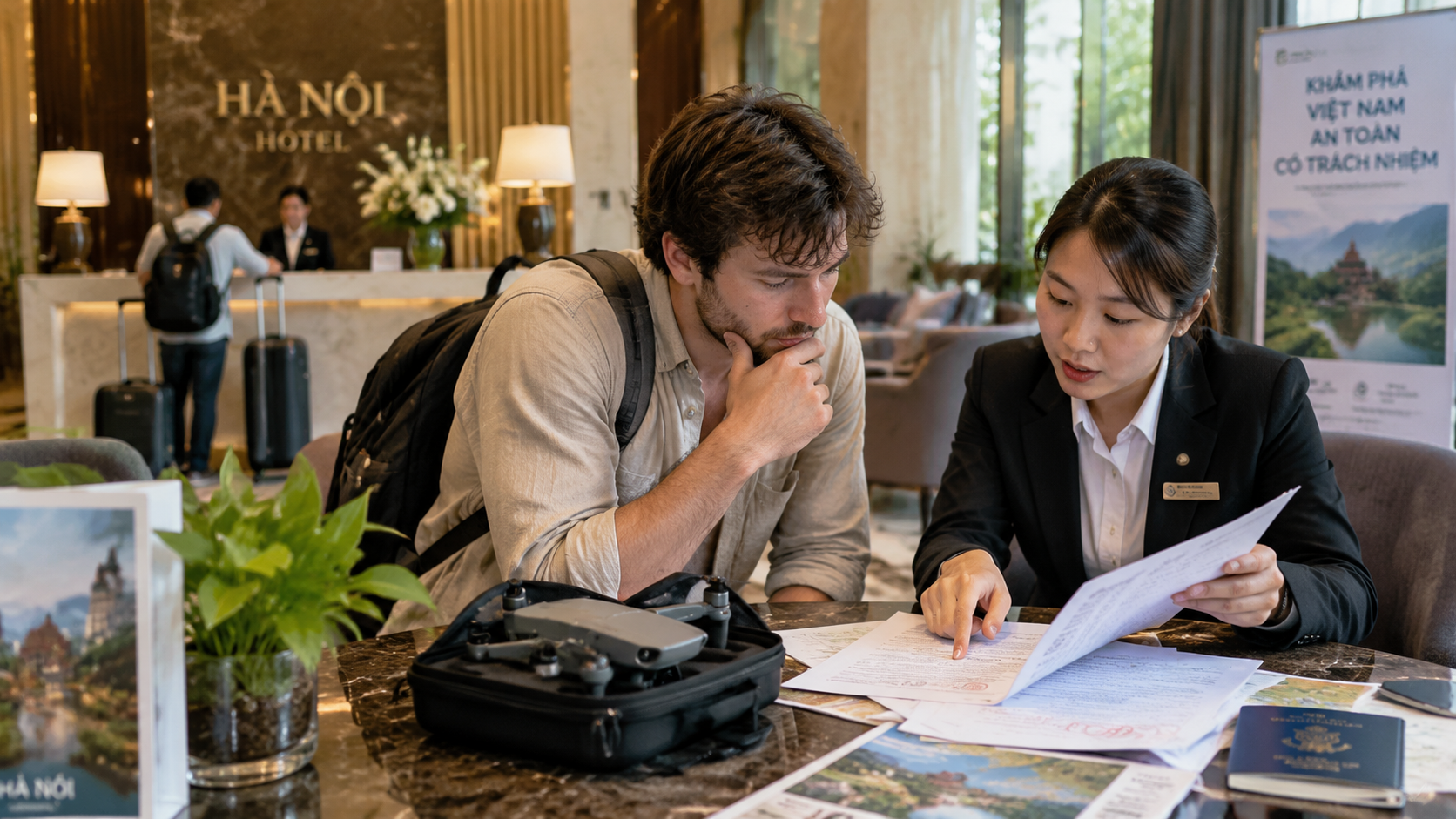
    Drone regulations in Vietnam can turn a dream shot into a real headache fast. If you are planning aerial footage over Hanoi, Ha Long Bay, Da Nang, or Ho Chi Minh City, the big question is not just where to fly, but whether you can legally take off at all. For solo travelers, couples, and families chasing wild local views, the smartest move is to understand the rules before the drone leaves your bag.

    This guide gives you the quick legal picture, the permit basics, and the practical steps that save time at the airport and in the field. Think of it as your pre-flight checklist for drone flight rules in Vietnam, with clear examples of risky zones, approval needs, and simple safety habits. If you want a smoother trip and fewer surprises, Vietnam crazy tour style planning starts with staying legal, calm, and prepared.

    Tiêu chí City Areas Nature Spots Best Move
    Permission risk High Lower but still checked Confirm rules before flying
    Traveler impact Fines or confiscation Safer with approval Use local guidance or permit support

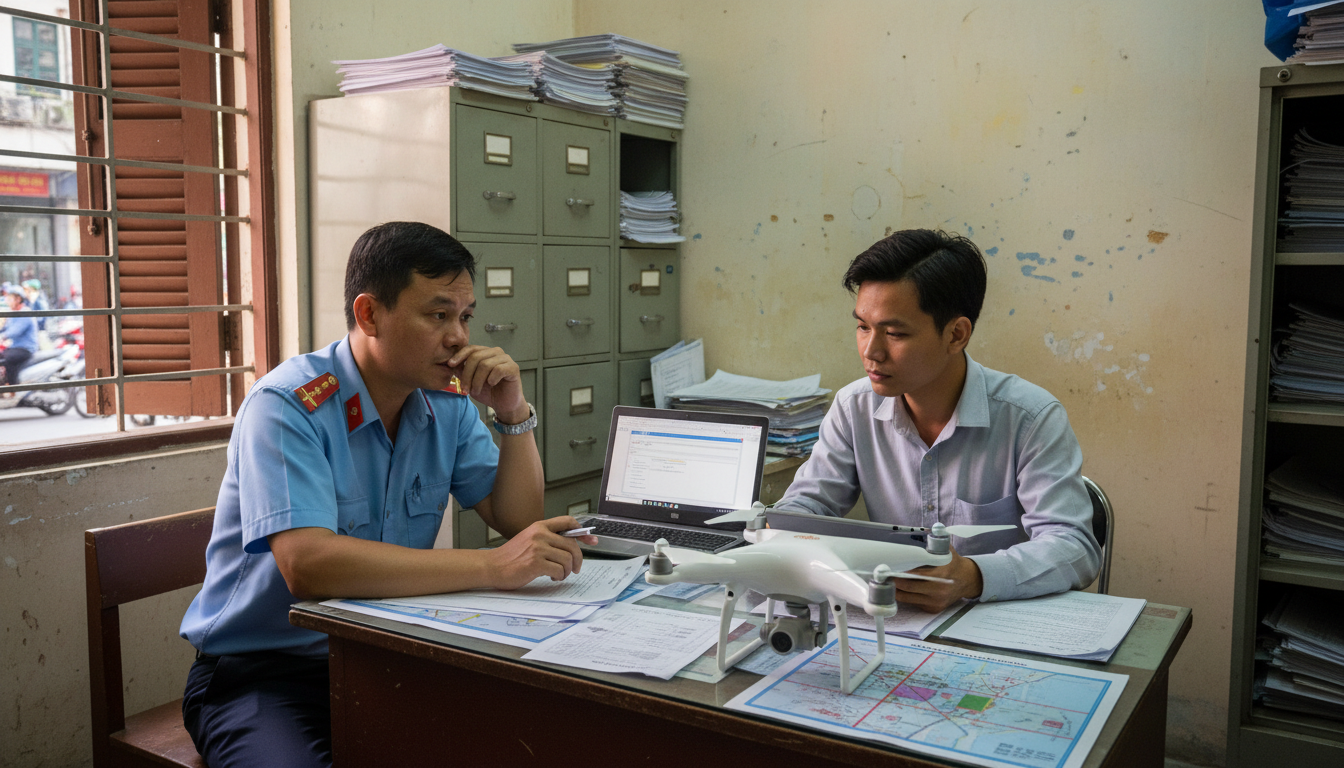
    In plain terms, drone regulations in Vietnam are strict because authorities treat airspace control seriously. A small drone is still a drone, and size does not remove the permit requirement. One useful insight: many travelers assume scenic places are automatically safe, but popular landscapes can sit near restricted zones. That is why checking ahead matters more than carrying a lightweight camera drone. If your trip includes offbeat experiences, you can also browse Vietnam tour options that help you focus on the view, not the paperwork. The short version: legal first, epic footage second.

    Overview of Drone Regulations in Vietnam

    Overview of Drone Regulations in Vietnam

    Drone regulations in Vietnam are not a casual travel detail, they are a legal gate you need to understand before packing your gear. For foreign visitors who want clean aerial shots of bays, rice terraces, or wild coastline, the main pain point is simple: a drone that is fine at home can still be restricted on arrival here.

    In practice, the rules cover permission, flight zones, customs checks, and who can approve a takeoff. That is why travelers planning an adventurous route through remote landscapes should read this early, because flying first and asking later is the fastest way to lose time, money, and possibly the drone itself.

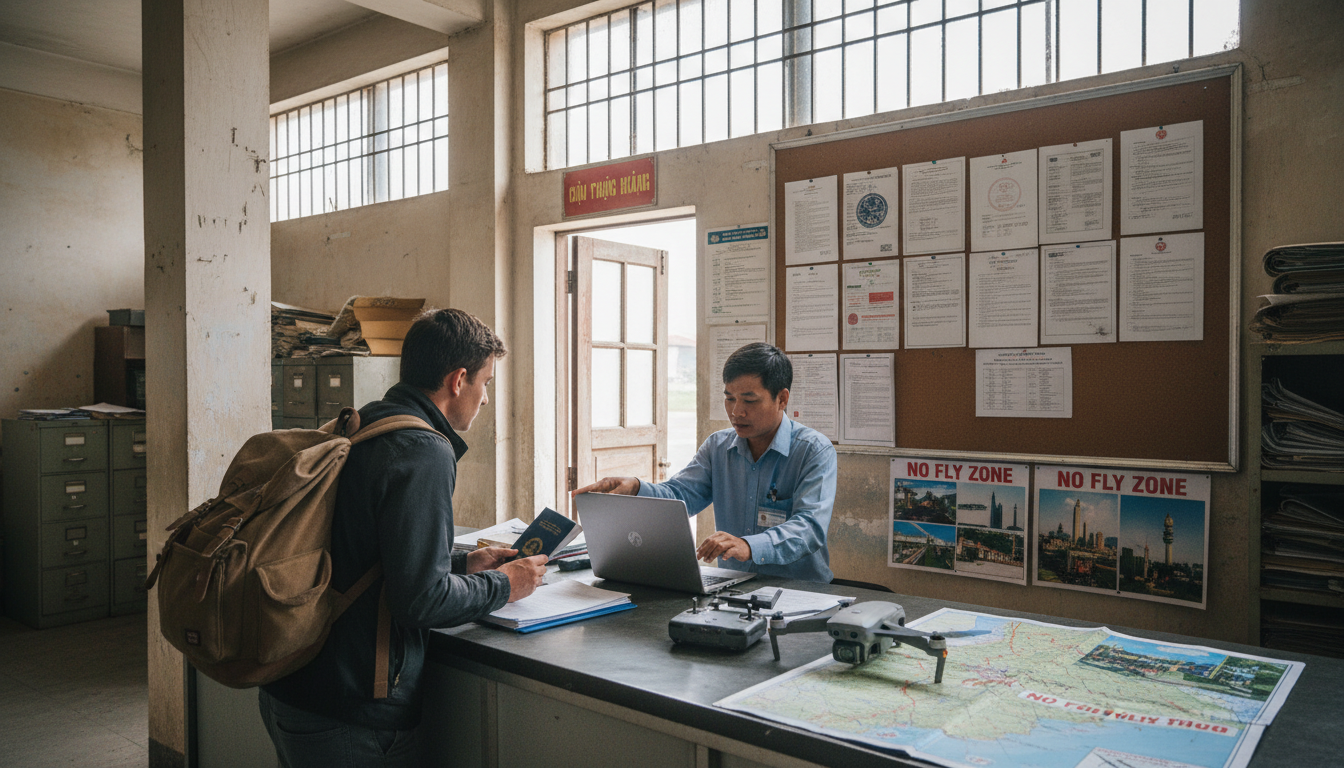
    Featured snippet: Drone regulations in Vietnam require prior approval before flight, even for tourist use. The rules typically cover where you can fly, how the drone enters the country, and which authority must approve the operation. Sensitive areas, urban centers, airports, and border zones are tightly controlled.

    What these rules actually cover is broader than many travelers expect. They do not only focus on the drone model or battery size. They also control the purpose of the flight, the exact location, and sometimes the timing. If your plan includes places like Ha Giang, Ninh Binh, or the coast, think of the permit as part of trip logistics, not an optional extra.

    A simple breakdown helps:

    Criteria Allowed Restricted Risk level
    Tourist drone use Only with approval Flying on arrival without notice High
    Flight locations Selected rural zones Airports, cities, border areas Very high

    Why Vietnam keeps the rules strict comes down to national security, airspace control, and public safety. The key authority is usually tied to defense oversight, while local enforcement can involve police, airport staff, or provincial officials depending on where you are. That means there is no single relaxed zone just because the scenery looks empty.

    Mini insight: the most beautiful local places are often the most sensitive from a drone perspective, because quiet valleys, coastlines, and frontier roads can sit near controlled airspace. If you want to keep the adventure smooth, use a local operator or plan your route with help from Vietnam Crazy Tour experts who understand how travel logistics work on the ground.

    For travelers building a custom itinerary, the smartest move is to treat drone approval like transport or hotel booking: confirm it early, then shape the rest of the day around it. If you are comparing experiences, check all Vietnam tours for routes that already suit photo-friendly, low-stress travel without forcing you into legal grey zones.

    Soft CTA: if you want Vietnam’s wildest views without the permit headache, choose a route that is designed around local conditions, not just social-media shots.

    Strong CTA: before you fly, verify the permit path, flight area, and customs rules, then book support that keeps your trip legal, local, and camera-ready from day one.

    How to Legally Fly a Drone in Vietnam

    How to Legally Fly a Drone in Vietnam

    Drone regulations in Vietnam are strict, and the biggest mistake travelers make is assuming a small camera drone is automatically allowed. If you want smooth aerial shots of rice terraces, bays, or coastal roads, the safe route is simple: get permission first, check your route, and keep your paperwork ready before takeoff.

    For foreign tourists, solo travelers, couples, and families on an adventurous trip, the process is less about flying skills and more about approvals. Vietnam treats drone use as a controlled activity, so the smartest move is to plan early, use local support when needed, and avoid guessing at the airport or on the beach.

    Featured snippet: To legally fly a drone in Vietnam, you usually need prior flight approval, clear flight details, and documents submitted before arrival. Expect review time, possible location limits, and strict no-fly zones around military sites, airports, and government buildings. Without approval, even recreational flights can lead to fines or confiscation.

    The practical process is very straightforward on paper, but not always fast in real life.

    Step-by-step permit flow:

    • Prepare drone details, pilot info, and exact flight locations
    • Submit the request well before travel dates
    • Wait for approval from the relevant Vietnamese authority
    • Carry the approval letter with you during the trip
    • Fly only in the approved area and during the approved window

    Mini insight: many travelers forget that a permit for one site does not cover the next one. If you move from Ninh Binh to Ha Giang, treat it as a new plan, not a free pass. That is why agencies handling Vietnam adventure tours often coordinate filming support early, especially when the route includes remote landscapes.

    Required documents usually include a passport copy, drone specifications, planned dates, exact coordinates or location names, and the purpose of filming. In some cases, authorities may also ask for a local contact or supporting itinerary. Keep everything consistent, because mismatched dates or locations can delay the file.

    Lead time matters. A realistic timeline is at least 2 to 4 weeks before departure, and longer if your route crosses sensitive areas or popular tourist zones. For example, a couple planning sunrise shots over a bay should not wait until arrival. A family traveling from Hanoi to the north should map each stop early and avoid assuming city rules are the same as rural rules.

    Tiêu chí Fast track Safer option Best for
    Lead time About 2 weeks 3 to 6 weeks Most travelers
    Risk level Higher Lower with local help Remote or sensitive areas

    If you are filming for travel content, the cleanest choice is to pair your drone plan with a local operator or travel team that already knows the approval path. For travelers who want a fully organized experience, Vietnam Crazy Tour can help you build an itinerary that respects local rules and still delivers epic outdoor moments.

    Strong closing rule: do not fly first and ask later. In Vietnam, legal drone use is all about preparation, precision, and respect for restricted airspace. If your paperwork is complete, your route is approved, and your timing is realistic, you can enjoy the shoot with far less stress and far better results.

    Where You Can and Cannot Fly a Drone in Vietnam

    Drone regulations in Vietnam are strict, and that matters most when you are chasing those wild, cinematic shots across bays, rice terraces, and chaotic city streets. If you want smooth travel, the smart move is to know where a drone is likely to cause trouble before you even unpack the battery. That saves time, stress, and awkward conversations with local authorities.

    For adventurous travelers, solo creators, couples, and families, the rule is simple: not every beautiful place is flyable. Vietnam is incredible from the air, but the country treats airspace with caution. A little planning helps you keep the trip fun, legal, and far more rewarding than a rushed takeoff in the wrong spot.

    Featured snippet: In Vietnam, drones are generally not allowed near airports, military sites, government buildings, embassies, border areas, and many crowded urban centers. Even scenic tourist spots may still require permission. Safer choices are remote rural landscapes, less populated coastal zones, and approved filming locations with local guidance.

    Common no-fly zones are the places that look tempting on camera but are risky in real life. Think airports, army facilities, ministries, embassies, border checkpoints, and dense city cores like Hanoi or Ho Chi Minh City. A tourist may see an empty square or a quiet street, but the airspace can still be restricted. This is why drone regulations in Vietnam are more about location than appearance.

    As a quick decision guide, use this breakdown:

    Tiêu chí Tourists Creators Commercial operators
    Risk level High in cities and sensitive sites High without pre-checks Lower with permits and local coordination
    Best action Check location before every flight Use approved scenery only Work with a local fixer or licensed partner

    There is a practical middle ground for travelers who want epic visuals without legal drama. Remote mountains, rural valleys, selected beaches, and some island or delta areas can be more workable, especially when the flight plan is coordinated in advance. For a smoother experience, it helps to pair your trip with a local expert from Vietnam Crazy Tour, because local knowledge often saves more time than any drone app.

    Typical flight scenarios differ a lot. Tourists usually want a quick scenic clip, but the safest approach is to treat each stop as a separate case. Creators often need sunrise shots, yet sunrise does not override restrictions. Commercial operators need the most structure: exact coordinates, dates, and purpose matter. If you are planning an offbeat route, especially a culture-heavy or local-style journey, check the broader trip context on all Vietnam tours so the route and the airspace both make sense.

    Strong CTA: if your Vietnam plan includes drone footage, do not guess. Choose the right landscapes, confirm the local rules, and travel with a plan that protects your gear and your schedule. The best content comes from the right place, at the right time, with zero unnecessary risk.

    Drone Regulations in Vietnam vs. Other Travel Destinations

    Drone regulations in Vietnam are much stricter than most travelers expect, especially if you are planning a scenic, adventurous trip with a drone in your backpack. The main pain point is simple: what is easy in one country can become a legal headache in another, and Vietnam sits on the careful side of that line. For foreign visitors, the safest move is to compare rules before you fly, not after customs or security asks questions.

    In practice, Vietnam asks for prior approval, while many tourists are used to more flexible beach or island destinations. That difference matters if you want smooth filming, fewer delays, and zero risk of losing your gear. If you are building a Vietnam route that mixes nature, city life, and local experiences, it helps to explore Vietnam tour options early so your travel plan matches the places where drone use is realistic and legal.

    Featured snippet: Vietnam is one of the more regulated drone destinations in Southeast Asia. Travelers usually need prior permission, and city, military, airport, and border areas are highly restricted. Compare the rules before packing your drone, especially if your itinerary includes Hanoi, Ho Chi Minh City, or busy coastal zones.

    Criteria Vietnam Thailand, Bali, Singapore Best choice
    Permit need Usually required before flight Varies by country and zone Depends on your route
    Traveler convenience Lower for casual users Often easier for tourism Thailand or Bali for quick use

    Thailand often feels more flexible for casual travel filming, especially in less crowded areas, but you still need to check local rules near airports, temples, and national parks. Bali can be attractive for content creators because of its beaches and rice terraces, yet some areas are sensitive and enforcement can be uneven, so local guidance still matters. Singapore is the strictest kind of city stop, with tight control around urban, aviation, and protected zones, making spontaneous flying a bad idea for most tourists.

    If your goal is pure aerial content, Thailand or selected rural parts of Bali may feel easier. If your goal is a balanced trip with culture, food, and low stress, Vietnam can still be the smarter choice, as long as you respect the permit process or leave the drone at home. For travelers who want a local, adventurous itinerary without legal surprises, plan with a local Vietnam expert so the route fits the rules, not the other way around.

    The safest decision usually comes down to three simple questions: where will you fly, how often will you move, and do you want to handle paperwork abroad. If the answer is no, choose a destination or itinerary where the drone is optional, not essential. For families, couples, and solo travelers, that often means prioritizing landscapes you can enjoy on the ground first, then deciding on aerial shots only when the location and permissions clearly allow it.

    Common Mistakes, FAQ, and Final Travel Tips

    Drone regulations in Vietnam can feel simple on paper, then turn messy the moment you arrive with your gear. The biggest problem is not the drone itself, but the missing permit, the wrong flight zone, or a casual launch near sensitive places. If you want clean footage and zero drama, you need a plan that matches the law, the terrain, and the local mood.

    For adventurous travelers, solo explorers, couples, and families chasing remote Vietnam, the smartest move is to treat flying as a permit-first activity. That means checking your route before departure, keeping documents ready, and respecting restricted spaces even when a view looks empty. When in doubt, use a local guide or operator who already knows the legal side, the timing, and the real-world risks.

    Featured tip: The fastest way to lose your drone in Vietnam is to fly first and ask later. Authorities can deny permits, stop a flight, or confiscate equipment when the location, paperwork, or timing does not match local rules. In practice, the safest strategy is simple: prepare documents early, avoid airports and official buildings, and never assume a quiet countryside scene is automatically allowed.

    Mistakes that cause permits to be denied or drones to be seized

    The most common error is submitting vague flight details. Authorities want clear dates, exact locations, drone model, and purpose. If your itinerary changes after approval, the permit may no longer be valid. Another frequent issue is flying near government buildings, border areas, or crowded city zones, where drone use is heavily restricted even when the area looks tourist-friendly.

    Smart travelers also avoid these mistakes:

    • carrying the drone without a printed permit copy
    • launching from beaches near airports or military areas
    • assuming small drones have fewer rules
    • using hotel rooftops without local consent
    • ignoring customs questions about batteries and purpose

    A practical mini insight: the more local and remote the trip feels, the more important it is to confirm access. In many cases, the best way to stay compliant is to pair your trip with a local support team, such as Vietnam Crazy Tour, especially when your route includes sensitive regions or hard-to-reach landscapes.

    Criterion Low Risk Higher Risk Best Move
    Location Open rural area City, airport, border zone Verify before takeoff
    Documents Permit ready No permit or unclear route Carry copies on phone and paper

    FAQ: permits, insurance, flying near attractions, and final CTA

    Do I need a permit? Yes, if you plan to fly legally. For drone regulations in Vietnam, the permit is the key document, and it should be arranged before arrival whenever possible.

    Is insurance required? It is not always the first thing officers ask about, but liability coverage is a smart move for any traveler bringing expensive gear into a new country. It helps protect you if damage, loss, or an incident happens during transport or filming.

    Can I fly near major attractions? Sometimes the answer is no, even if the site is famous and open-air. Around heritage zones, crowded tourist spots, and urban landmarks, local restrictions can be much tighter than expected. If you want a smoother route, choose places with fewer people, more space, and local guidance.

    If your goal is a legal, adventurous, and low-stress trip, the best final step is simple: build your itinerary first, then decide whether a drone is truly worth carrying. For travelers who want authentic local access without guesswork, see all Vietnam tours and match your route with the right support before you fly.

    Final tip: when your trip includes remote mountains, hidden villages, or culturally sensitive areas, keep the drone as a bonus, not the plan. That mindset protects your gear, saves time at checkpoints, and lets you focus on the real win, which is experiencing Vietnam the right way, with full respect for the places and people on the ground.

  • Vietnam Family Trip 2026: The Smarter Route Most Families Miss

    Vietnam Family Trip 2026: The Smarter Route Most Families Miss

    Vietnam family trip planning can feel like a puzzle at first, especially when you are balancing kid energy, grandparent comfort, and long travel days across a country that never slows down. The good news is that the right route turns the chaos into a smooth, exciting journey with more time for real moments and less time worrying about logistics.

    This guide shows you how to shape a Vietnam family trip that actually works in the real world, from choosing easy-moving cities to picking activities that keep everyone engaged. If you want a trip that feels adventurous without becoming exhausting, start here and build around comfort, timing, and simple wins that families remember.

    Tiêu chí Easy Family Route Adventure Family Route Best For
    Travel pace Short transfers, city bases More hops, more motion First-time families
    Daily energy Moderate, flexible, low stress Active, outdoor, local-style Travelers who love discovery

    Featured snippet: Vietnam works best for families when you keep the route simple, mix one big city with one cultural town, and add one scenic nature stop. The smartest plan is to reduce moving days, use private transfers when needed, and choose activities that are short, visual, and easy to enjoy at different ages.

    For a family that likes authentic local energy, a strong first move is to keep one eye on comfort and the other on Vietnam Crazy Tour style experiences that feel more local than touristy. A soft decision rule helps here: if the day needs more than two major transitions, it is probably too much for kids or grandparents. In practice, that means one market walk, one boat ride, or one craft stop can beat a packed schedule every time.

    As you plan your Vietnam family trip, think in layers rather than a long checklist: transport, weather, food, and rest all matter more than just sightseeing names. A family day that includes a calm breakfast, a short cultural stop, and an easy dinner often delivers better memories than a full-speed itinerary. When the route feels smart, the whole trip feels bigger, lighter, and far more fun.

    Soft CTA: If you want a more local, adventure-first version of Vietnam without losing family comfort, explore the full range of Vietnam Crazy Tour experiences and match the pace to your group before you book.

    What a Vietnam Family Trip Really Looks Like

    What a Vietnam Family Trip Really Looks Like

    Vietnam family trip planning looks exciting on paper, but the real experience is a mix of raw energy, easy wins, and a few chaotic moments that catch first-time visitors off guard. Cities can feel intense, food is more adventurous than in many Asian destinations, and moving between regions takes a little strategy. The good news is that families who like local culture, street life, and active days usually end up loving it.

    For families from Europe, North America, Korea, or Japan, the trip works best when expectations are realistic. Think less resort bubble and more live, local rhythm: motorbikes, markets, river trips, short hikes, and meals that become part of the adventure. If you want a trip that keeps kids engaged without feeling overplanned, this destination can be a strong fit, especially when you build in family-friendly Vietnam tours around the busiest transfer days.

    Featured insight: Vietnam is not the easiest family destination, but it is one of the most rewarding for travelers who enjoy culture, movement, and a bit of edge. It suits parents who want meaningful travel, not just entertainment. The smartest approach is to keep transit short, choose one or two highlights per region, and leave room for spontaneous stops.

    What makes Vietnam different is the pace and contrast. In one day, a family might ride a boat in the morning, eat noodles at a sidewalk stall at lunch, and walk through an ancient town by sunset. That variety keeps older kids curious and gives parents enough depth to feel the trip matters. For a softer start, many travelers begin with our Vietnam travel home base and then branch into more adventurous routes later.

    Mini insight: the best Vietnam family trip is not the one with the most places. It is the one with the right balance of movement, comfort, and local texture.

    Tiêu chí Family first-time Family adventure Best fit
    Daily pace Slow and simple Active and varied Choose based on age mix
    Transport style Private car and short hops Train, boat, and local transfer Use what keeps kids calm

    Vietnam is the right choice when your kids have different energy levels, because the country can flex. Younger children may enjoy boats, lantern towns, and food markets, while teens often love scooters, caves, hikes, and bold street scenes. If your family enjoys local, adventurous travel, this is exactly the kind of place where age gaps stop being a problem and start becoming an advantage.

    Families with toddlers need more buffering, especially in big cities where traffic and heat can drain energy fast. Families with school-age kids or teens usually adapt much faster, because they can handle longer walks, stronger flavors, and busier environments. That is why a well-paced Vietnam family trip often feels more successful than a beach-only escape, as long as you plan around nap times, weather, and transfer days.

    A practical rule: if your family likes discovering places that still feel real, alive, and slightly unpredictable, Vietnam fits. If you need everything quiet, polished, and fully controlled, it may feel too wild. For travelers who want the adventure without the stress, the sweet spot is a custom route that mixes local culture, easy logistics, and a few wow moments.

    When you are ready to shape the trip, start with the route that matches your family style and then choose the experiences that keep everyone curious. That is the difference between surviving Vietnam and actually enjoying it. For more inspiration across the country, see the full Vietnam tour collection and build from there.

    In short, Vietnam works best for families who travel with open minds, light structure, and a taste for the unexpected. The trip becomes easier once you accept that the chaos is part of the charm, and that the most memorable moments usually happen between the planned stops.

    How to Plan a Vietnam Family Trip Step by Step

    How to Plan a Vietnam Family Trip Step by Step

    Vietnam family trip planning gets easier when you design the route around energy, not just distance. The biggest mistake is trying to see everything in one run. Families do better with fewer stops, softer transfers, and one main experience per day, especially when kids need food, naps, and recovery time after busy markets or long roads.

    A smart plan starts with region choice, then moves to transport, hotels, meals, and weather. For most first-time visitors, the best balance is north to center, or south to center, with 3 to 4 nights per base. If you want a deeper local angle, build in one slow day for a river ride, craft workshop, or hidden neighborhood walk through Vietnam Crazy Tour.

    Featured snippet: The best Vietnam family trip plan is simple: choose 2 to 3 regions, keep transfers under 4 hours when possible, and add one low-effort activity each day. Prioritize hotels with family rooms, choose food areas with plenty of clean options, and travel in the dry shoulder season for smoother pacing.

    How to build a family-friendly itinerary with the right pace: think in blocks, not in checklists. A family in Hanoi can pair water puppets with a short Old Quarter walk, then rest. In Hoi An, one lantern workshop and one food evening is enough. In Ninh Binh, a boat ride plus easy cycling beats a packed sightseeing crawl.

    • Day 1 to 3: arrival city, easy exploration, early nights
    • Day 4 to 6: cultural town or beach base with one signature activity
    • Day 7 to 10: scenic region for nature, boating, or light adventure
    • Day 11 to 14: return city, shopping, and buffer time

    A good mini insight: if your child still needs a nap, avoid full-day tours with multiple pickups. Keep one anchor activity in the morning and one relaxed meal plan for the afternoon. That single move cuts fatigue fast and makes the whole trip feel premium instead of rushed.

    Key planning elements: transportation, accommodation, food, and weather should work together, not separately. For long routes, private transfers are often worth it because they reduce friction and give you control over stops. Trains are scenic, but buses can be better value for older kids who can handle longer sitting time.

    Tiêu chí Best Choice Why It Works Family Tip
    Transport Private car or short flight Less stress and fewer delays Use trains only for scenic legs
    Accommodation Family room near center Easy food access and quick downtime Check pool, laundry, and elevator

    Food is one of the easiest wins on a Vietnam family trip because there is always a gentle option. Pho, banh mi, rice dishes, grilled chicken, and fresh fruit are widely available. The trick is to choose busy places with fast turnover, then keep one safe snack in the day bag for sudden hunger between stops.

    Weather matters more than most travelers think. Northern Vietnam can be cool in winter, central Vietnam can get wet in typhoon season, and the south stays warm but humid. For families, March to April is usually the safest sweet spot because the weather is more stable and outdoor plans are less likely to collapse.

    If you want a softer planning shortcut, build your route around sleep quality, walkability, and transfer time. That is how families turn a good Vietnam trip into a smooth one. For curated routes, local support, and easier decision-making, browse all Vietnam tour options before locking in hotels and transport.

    Strong CTA: If you want a family itinerary that feels adventurous but still easy to manage, choose fewer bases, book flexible transport, and match each stop with the right weather window. That is the simple formula for a better, calmer, more memorable Vietnam family trip.

    Best Places and Activities for a Vietnam Family Trip

    Vietnam family trip planning gets much easier when you match the destination to your family’s pace. The strongest routes combine easy city access, short transfers, and activities that keep both adults and kids engaged. For first-time visitors, that usually means starting with Hanoi or Ho Chi Minh City, then adding one bay, one beach town, and one heritage stop.

    The smart move is to build variety, not distance. A good family route mixes culture, water, food, and downtime, so nobody burns out after day two. If you want a trip that feels local, adventurous, and still comfortable, focus on places where transport is simple, sightseeing is compact, and family-friendly activities are easy to join.

    Best family-friendly destinations in Vietnam include Hanoi, Ha Long Bay, Da Nang, Hoi An, and Ho Chi Minh City. Hanoi works well for culture and easy half-day outings, while Ha Long Bay delivers the classic boat trip that children usually remember longest. Da Nang is your beach reset, and Hoi An adds a softer pace with lantern streets, cooking classes, and cycling. Ho Chi Minh City is best for high-energy urban exploration and history.

    A practical family combo looks like this:

    • Hanoi for water puppets, old-quarter walks, and simple food stops
    • Ha Long Bay for an overnight cruise or a day boat adventure
    • Da Nang for beaches and relaxed resort time
    • Hoi An for lantern-making, riverside strolls, and cycling
    • Ho Chi Minh City for museums, markets, and easy city tours

    A useful decision rule: choose Hanoi and Hoi An if you want more culture, or Da Nang and Ha Long Bay if your family needs more nature and rest. For families that want a smoother plan, browsing all Vietnam Crazy Tour packages can help you compare routes without wasting time on fragmented bookings.

    Criteria Hanoi Hoi An Da Nang
    Best for Culture and easy city breaks Lantern streets and hands-on fun Beaches and relaxed family time
    Family fit Great for older kids and first-timers Strong for mixed-age families Best for downtime and beach lovers

    Best activities for families are beaches, boat trips, cultural walks, and hands-on experiences. Beaches in Da Nang or nearby coastal stretches are ideal when kids need open space and simple fun. Boat trips in Ha Long Bay or along the river in Hoi An add movement without overloading the schedule. Cultural walks in Hanoi and Ho Chi Minh City work best when you keep them short and pair them with snack stops, playground breaks, or a café pause.

    Hands-on activities create the biggest win for family travel because they keep the day interactive. Lantern making in Hoi An, a food market visit, or a water puppet show in Hanoi gives children something to do, not just something to watch. A small but important insight: families enjoy Vietnam most when each day has only one major activity, plus one easy bonus stop. That rhythm keeps energy up and meltdowns low.

    Featured snippet: The best family travel in Vietnam combines Hanoi, Ha Long Bay, Da Nang, Hoi An, and Ho Chi Minh City with beaches, boat trips, cultural walks, and hands-on activities. This works well for families because the destinations are easy to connect, and the experiences balance learning, play, and rest.

    If you want a trip that feels local rather than rushed, focus on one region at a time. You can also explore Vietnam Crazy Tour for inspiration if you prefer a route built around practical transfers and family-friendly pacing. The goal is simple: less logistics, more time enjoying the country.

    For families who like a slightly more adventurous angle, Vietnam also rewards small detours that still feel manageable. A market walk in Hanoi, a cruise stop in Ha Long Bay, a bike ride in Hoi An, or a coastal afternoon in Da Nang adds variety without making the itinerary too heavy. That mix is exactly why a Vietnam family trip can work for both kids and adults who want something beyond the standard tourist circuit.

    Soft CTA: if you are still deciding between destinations, start with one city, one bay, and one beach town. That formula usually gives the cleanest family experience.

    Strong CTA: build your Vietnam family trip around places that keep transfers short and activities practical, then book a route that matches your pace instead of forcing a one-size-fits-all itinerary.

    How to Choose the Right Vietnam Family Trip Style

    Vietnam family trip planning gets easier when you choose the right travel style first. The country can feel smooth and easy with a private driver, playful and flexible on a self-guided route, or simple and social in a group tour. The best choice depends on your family age mix, your comfort with movement, and how much local chaos you want to handle.

    For first-time visitors, the real win is not doing everything. It is matching pace to people. Babies need calm transfers, kids need short wins, teens want action, and multigenerational groups need less friction. Once that is clear, the whole Vietnam route becomes cleaner, safer, and far more fun.

    Featured snippet: Choose a private tour for comfort and custom pacing, self-guided travel for maximum freedom, or a group tour for lower cost and easy logistics. For families, private touring usually works best for babies, toddlers, and grandparents, while older kids and teens often enjoy self-guided or small-group trips with more independence.

    Criteria Private tour Self-guided travel Group tour
    Best for Babies, toddlers, multigenerational trips Families with older kids and flexible travelers Budget-conscious families and social travelers
    Main trade-off Higher cost More planning and stress Less control over timing

    Private tour vs self-guided vs group tour is really a comfort decision disguised as a price decision. A private setup gives you a driver, flexible pickup times, and stops when kids need a break. That matters in Vietnam, where traffic, heat, and nap schedules can turn a simple transfer into a messy day.

    Self-guided travel works well if your family likes adventure, can handle Grab, trains, and short walks, and does not mind solving problems on the go. A group tour is best when you want one booking, fixed timing, and local guide support without daily logistics. If you want a softer middle ground, check all Vietnam crazy tour options for family-friendly routing ideas that keep the pace human.

    Mini insight: the more children you travel with, the more valuable control becomes. With babies or toddlers, one delayed bus can destroy the whole day. With teens, the equation flips a little because they often enjoy the freedom of a self-guided day mixed with one or two organized highlights.

    Here is the simplest family fit guide:

    • Babies and toddlers: private tour, because nap timing and fast transfers matter most
    • Kids age 5 to 11: private or small group, depending on energy and how much walking they can handle
    • Teens: self-guided or flexible private trip, because they usually want more independence and adventure
    • Grandparents or mixed-age groups: private tour, because comfort, toilets, and pacing become non-negotiable

    If your family wants meaningful local moments, not just sightseeing, a private driver can also help you reach places that feel more real and less tourist-polished. That is where Vietnam gets its wild charm. For travelers who want deeper culture in a controlled format, a Vietnam crazy tour home base can be a smart starting point before you decide whether to go private, independent, or with a group.

    Soft CTA: If you want help turning this into a family route that actually fits your ages and energy level, choose the travel style first, then build the itinerary second. That one move cuts stress fast and makes the whole trip feel more local, more flexible, and way more fun.

    Strong CTA: For the smoothest Vietnam family trip, book private transport when the group includes little kids or elders, go self-guided only if your family enjoys constant movement and problem-solving, and choose a group tour when you want easy planning at a lower price. The right style is the one that protects energy and keeps the experience enjoyable from day one to the last flight home.

    Vietnam Family Trip Tips, Common Mistakes, and FAQs

    Vietnam family trip planning gets much easier when you treat the country like a fast-moving, high-contrast adventure, not a slow resort break. Cities are loud, roads are busy, and the climate can drain young travelers faster than adults. The fix is simple: build shorter moving days, choose family-friendly transport, and let the trip breathe with enough rest stops, easy meals, and flexible timing.

    For families coming from Europe, North America, Korea, or Japan, the biggest win is mindset. Vietnam rewards curious travelers who like street-level culture, local food, and real-life energy. If you want a smoother start, browse all Vietnam Crazy Tour experiences before you lock your route, because the right rhythm matters more than packing every famous stop into one schedule.

    Featured snippet: The best Vietnam family trip is built around short transfers, cool morning activities, simple food choices, and flexible pacing. Avoid overpacking the itinerary, prepare for heat and traffic, and use local transport that works for children. Families that plan around energy, not distance, usually enjoy Vietnam far more.

    Criteria Best choice Why it works Family note
    Transfers Private car Predictable and door to door Best with kids and luggage
    City movement Grab taxi Easy booking and fair pricing Better than walking long blocks

    Common family travel mistakes to avoid in Vietnam are usually small but expensive in energy. The first mistake is planning too many stops, especially across Hanoi, Hoi An, Hue, Ninh Binh, and Ho Chi Minh City in one short trip. The second is depending on a stroller in old towns and crowded sidewalks. The third is skipping sun protection, bottled water, and a backup snack plan, which sounds minor until a child gets tired and the whole day derails.

    A smarter approach is to keep one movement goal per day and use the rest of the time for food, rest, and one signature experience. For local-style adventures and family-safe pacing ideas, check the Vietnam Crazy Tour homepage and build around the parts of Vietnam that match your energy level. A good family itinerary should feel exciting, not exhausting.

    FAQ: safety, food, stroller access, packing, and the best time to visit Vietnam with family

    Is Vietnam safe for families: Yes, Vietnam is generally safe, especially for tourists who stay aware in traffic and keep valuables secure. What food works for kids: Pho, banh mi, rice dishes, and mild noodle soups are easy wins, while spicy street food can wait for older children. Can you use a stroller: In modern areas yes, but a baby carrier is far easier in old quarters, markets, and uneven lanes.

    What should families pack: Lightweight clothing, rain gear in wet months, insect repellent, sunscreen, power bank, wet wipes, and a refillable bottle with bottled water only. When is the best time to visit: March to April is the sweet spot for many regions, while October and November can also work well depending on your route. If you want a softer, locally rooted trip plan, a family-focused operator can save time and reduce stress.

    Strong CTA: If you want a Vietnam family trip that feels local, adventurous, and still manageable with kids, choose a route built around comfort and real experiences. Start with simple transport, keep your itinerary light, and pick one meaningful highlight per region. That is how families get the magic of Vietnam without the burnout.

  • Independence Palace Ho Chi Minh City: What Most Visitors Miss in 2026

    Independence Palace Ho Chi Minh City: What Most Visitors Miss in 2026

    Independence Palace Ho Chi Minh City is one of the easiest ways to understand Saigon’s modern history without spending half a day reading plaques. If you are searching for a clear, no-confusion visit plan, this landmark gives you the big story, the key rooms, and the practical details in one stop. It is a strong first choice for solo travelers, couples, and families who want something local, meaningful, and easy to fit into a city day.

    The real challenge is that many visitors arrive with only the name and no context, then waste time figuring out what to see first. This guide fixes that by breaking down the palace in a traveler-friendly way, from the main highlights to simple visit tips. If you want a smooth stop in District 1 and a deeper look at Vietnam’s past, independence palace ho chi minh city belongs on your list.

    Quick answer: Independence Palace is the former presidential palace in central Ho Chi Minh City, best known for its role in Vietnam’s reunification history. Visit for the basement bunker, main reception rooms, and the preserved political spaces that show how power, war, and architecture came together in one building. A short visit usually takes 60 to 90 minutes, and it pairs well with nearby District 1 attractions.

    Tiêu chí Best for Visit time Why it matters
    Independence Palace First-time visitors and history lovers 60 to 90 minutes Major Saigon landmark with real historical weight
    Nearby stop City walkers and easy planners Half-day combo Pairs well with District 1 sights and cafés

    If you are building a bigger Saigon day, it helps to combine the palace with a wider local experience through all Vietnam tours that match your pace, whether you want cultural depth or a relaxed city route. For travelers who like places with real stories, this stop delivers more than a photo opportunity.

    Soft tip: go early, move slowly, and pay attention to the basement and meeting rooms, because that is where the palace feels most alive. If you only remember one thing, remember this: the Independence Palace is not just a building, it is a fast, powerful introduction to how Saigon became modern Vietnam. For a trusted local-style experience, start with Vietnam Crazy Tour and build the rest of your itinerary around it.

    What Is Independence Palace Ho Chi Minh City?

    Independence Palace Ho Chi Minh City is the old presidential headquarters in the center of District 1, and it is one of the easiest places to understand Saigon’s modern history in a single visit. If you want a local landmark that mixes politics, architecture, and war memory without feeling too heavy, this is the right stop. It also fits neatly into a walking day with other central sights.

    For first-time visitors, the main pain point is usually not the history itself, but knowing what the building really means before walking in. Once you understand that it was the seat of South Vietnam’s government and later a symbol of reunification, the visit feels more meaningful. That context turns a simple palace tour into a sharper cultural experience.

    In short, the palace is a historical monument, former government residence, and one of the most important Saigon landmarks for travelers who want more than photos. It is especially useful for solo travelers, couples, and families who like local stories, old architecture, and a clear sense of place.

    Why it matters:

    • It shows how Saigon changed through colonial rule, war, and reunification.
    • It gives visitors a real-world view of Vietnamese political history.
    • It is central, easy to reach, and simple to combine with other Vietnam tours.

    If you are building a local-style city plan, this stop works best when paired with nearby landmarks and a slower pace. A soft travel tip: review the background first, then go inside with 20 to 30 extra minutes for the basement, main halls, and exhibits. That small preparation makes the whole visit feel smarter and more rewarding.

    Tiêu chí Before Visiting After Visiting Best For
    Knowledge level Basic palace background Clearer sense of Saigon history First-time visitors
    Visitor value Just a famous site Stronger cultural meaning Solo travelers and couples

    Learn the story first, and the palace becomes much more than a photo stop. It becomes one of the clearest windows into Ho Chi Minh City’s past, with enough depth to satisfy curious travelers and enough structure to keep the visit easy.

    For travelers who enjoy local history with a real urban edge, this is the kind of place that anchors a Saigon itinerary. If you want to keep exploring in the same spirit, the Vietnam Crazy Tour homepage is a good place to discover more city-based experiences. After that, you can plan a route that feels local, efficient, and worth your time.

    How to Visit Independence Palace Ho Chi Minh City

    How to Visit Independence Palace Ho Chi Minh City

    Independence Palace Ho Chi Minh City is one of those rare stops that feels both polished and deeply local, so first-time visitors often wonder how to time the visit, where to enter, and what is actually worth seeing inside. If you want a smooth plan without wasting daylight, the key is to arrive early, move through the main rooms in order, and keep a simple route in mind.

    This is not a place for rushing. The palace rewards travelers who notice details, from the ceremonial halls to the underground command bunker, and it fits perfectly into a District 1 day with other heritage sights. If you like learning history while still keeping your trip flexible, this is an easy win. For more trip ideas around the city, you can also browse Vietnam Crazy Tour and compare nearby experiences.

    Featured snippet: Visit Independence Palace Ho Chi Minh City in the morning for cooler weather and fewer crowds. Buy tickets at the main gate, start with the grand hall, continue to the meeting rooms and basement bunker, then finish with the outside grounds. Most travelers need around 60 to 90 minutes for a relaxed first visit.

    Tiêu chí Quick visit Slow visit Best for
    Time needed 60 minutes 90 to 120 minutes Travelers on a tight schedule
    Experience style Top rooms only Rooms plus bunker and exhibits History lovers and first-timers

    Ticketing, opening hours, and entrance basics are straightforward, which makes the palace beginner friendly. Opening hours are usually from 8:00 AM to 3:30 PM, and the main gate sits on Nam Ky Khoi Nghia Street in District 1. Expect a modest entrance fee, with separate pricing sometimes applied to special exhibitions. A smart move is to carry cash, wear comfortable but respectful clothing, and keep your bag light because the site is easier to enjoy when you move freely. If your trip also includes other local-style adventures, see all Vietnam Crazy tours for more options.

    Main areas to explore inside the palace include the ceremonial hall, the presidential meeting rooms, the library, the command office, and the underground bunker. The real appeal is the contrast: elegant public spaces above ground, then a tense wartime atmosphere below. For example, couples often move quickly through the formal rooms for photos, while solo travelers and families usually spend more time reading the displays in the basement. A useful mini insight is to save the bunker for the end, because it gives the visit a stronger historical finish. If you are also drawn to deeper cultural stories after this stop, ghost and belief tours can add another local layer to your itinerary.

    A simple visit flow for first-time travelers is easy to follow and keeps the experience smooth. Step 1, enter through the main gate and circle the lawn instead of walking straight in. Step 2, move through the grand hall and upper rooms. Step 3, head down to the basement bunker and exhibition spaces. Step 4, finish outside for photos and a short rest before your next stop. This rhythm works well for foreign visitors who want a clear route, a bit of architecture, and a solid history lesson without feeling overloaded.

    If you are planning a full District 1 heritage day, visit early, pair the palace with a nearby café break, and keep your afternoon open for another landmark. That is the easiest way to make Independence Palace Ho Chi Minh City feel meaningful instead of just another box to check. For travelers who like guided discovery and local character, Vietnam Crazy Tour experiences can help shape a smarter city route. Book it with a calm pace, stay curious, and let the palace tell its story room by room.

    Why Independence Palace Ho Chi Minh City Is Worth Visiting

    Why Independence Palace Ho Chi Minh City Is Worth Visiting

    Independence Palace Ho Chi Minh City is worth visiting because it gives travelers a rare mix of war history, presidential architecture, and real Saigon atmosphere in one stop. If you are planning a local-style trip and want more than a quick photo, this landmark delivers context, not just a pretty facade.

    For first-time visitors, the biggest value is clarity. You can walk through the rooms, basement, and ceremonial spaces, then connect them to Vietnam’s modern history without needing a long tour. That makes the visit easy for solo travelers, couples, families, and anyone who likes meaningful places with strong visual impact.

    Featured snippet: Independence Palace in Ho Chi Minh City is a must-visit historical landmark because it combines national significance, preserved interiors, and a central District 1 location. Travelers come here to understand Vietnam’s reunification story, see original meeting rooms and bunkers, and enjoy a compact visit that fits easily into a city day trip.

    Historical significance and cultural value

    The palace is not just a government building from the past. It is one of the clearest places in the city to understand Vietnam’s modern turning points, especially the fall of Saigon and reunification in 1975. Inside, you see official rooms, war-era command spaces, and preserved details that show how power and history once moved through this place.

    That is why it matters culturally. The building reflects both political memory and Vietnamese design thinking, with open spaces, symbolic interiors, and a layout that feels formal but still local. For history lovers, this is where the story becomes tangible, especially when you compare the grand halls with the underground bunker below.

    Mini insight: visitors often remember the basement more than the main halls, because it makes the wartime atmosphere feel real instead of abstract.

    Best reasons travelers and history lovers go there

    The main reason people visit is simple: it is one of the few places in Ho Chi Minh City where architecture, politics, and memory all meet in one walkable experience. You can explore the main reception rooms, the presidential office areas, and the war command basement without needing a full-day schedule. That makes it ideal for adventurous travelers who like efficient, high-value sightseeing.

    Here is what makes it stand out:

    • Central District 1 location, easy to pair with other landmarks
    • Strong historical story without feeling overly academic
    • Photogenic architecture and spacious grounds
    • Indoor sections that work well even in hot weather
    • Good fit for self-guided visits and short city itineraries

    If you are building a broader local travel day, you can combine this stop with curated city experiences from all Vietnam tours or plan a deeper Saigon route through Vietnam Crazy Tour. That works well for travelers who want the city to feel lived-in, not rushed.

    Tiêu chí Quick visit History-focused visit Family visit
    Time needed 60 to 90 minutes 2 to 3 hours 90 to 120 minutes
    Best for Short city stop Deep historical interest Easy educational trip

    Who will enjoy this attraction the most

    This attraction is best for travelers who enjoy meaning behind the place they visit. Solo travelers will like the independent pace and the chance to observe details closely. Couples usually enjoy the calm grounds and the contrast between elegant architecture and serious history. Families can use it as an educational stop because the story is easy to explain and the site is compact.

    It also suits European, North American, Korean, and Japanese visitors who prefer local and adventurous travel, since it gives a direct look into Vietnamese history without becoming difficult to navigate. If your travel style is curious, culture-driven, and slightly off the standard tourist path, this palace is a smart choice.

    For visitors who want a softer introduction to Saigon’s deeper cultural side, you can also explore ghost and beliefs tours, which connect well with the city’s lived traditions and local mindset.

    In short, the palace is worth it because it gives you real context, easy access, and a strong sense of place. If you want one Ho Chi Minh City landmark that feels both historic and genuinely local, this is the one to keep on your list.

    Soft CTA: Add Independence Palace to your District 1 plan if you want a visit that is short, meaningful, and easy to combine with other city highlights.

    Strong CTA: Book a local-style Ho Chi Minh City experience with Vietnam Crazy Tour when you want expert guidance, smoother planning, and a trip that feels more authentic from the first stop.

    Independence Palace Ho Chi Minh City vs. Other Saigon Landmarks

    Independence Palace Ho Chi Minh City is one of the easiest places to compare when you are planning a smart first day in Saigon. If you want a site that feels historical, walkable, and visually calm at the same time, this landmark gives you a very different rhythm from the busier stops around District 1. For travelers who like local texture without getting overwhelmed, that matters.

    Most visitors end up choosing between a war history stop, a cathedral photo stop, or a palace visit. The real question is not which one is better, but which one matches your pace, attention span, and route. That is where the palace becomes a strong pick, especially if you want a clean, structured visit instead of pure sightseeing chaos. You can also explore more city experiences through all Vietnam Crazy tour options when building a fuller itinerary.

    Featured snippet: The Independence Palace is best for travelers who want a compact historical landmark in District 1 with easy access, low walking stress, and strong context about modern Vietnamese history. Compared with other Saigon landmarks, it is less emotionally heavy than the War Remnants Museum and more substantial than a quick stop at Notre Dame Cathedral.

    Tiêu chí Independence Palace War Remnants Museum Notre Dame Cathedral
    Visitor mood Calm, spacious, reflective Heavy, intense, emotional Quick, photo-friendly, light
    Best for History fans and curious planners Deep war context seekers Architecture and city walkers

    Compared with the War Remnants Museum, the palace feels more balanced and less emotionally draining. The museum delivers strong impact through exhibits and photographs, but it can be heavy for families, solo travelers on a relaxed route, or couples who want a lighter pace. The palace, by contrast, gives you a cleaner historical narrative, visible rooms, and open grounds that make the visit feel more breathable.

    Compared with Notre Dame Cathedral, the palace offers much more substance. Notre Dame is iconic, but right now many travelers only spend a short time there because the outside view is the main draw. The palace gives you a longer stop, more indoor exploration, and more context for why Saigon changed so dramatically. If you are mapping a local-style day, this is where the palace wins quietly and strongly.

    Its biggest advantage is that it sits right in the center of District 1, so the visit is easy to combine with nearby stops without wasting energy. Its main limitation is that it is more educational than dramatic, so travelers chasing instant wow moments may want to pair it with a livelier stop after. A smart combo is palace first, then coffee, then a street-level wander. If you want a deeper cultural route, you can also look at Vietnamese beliefs tours for a different side of local life.

    If you are deciding whether to include it, use this quick filter. Choose the palace if you want: one, a meaningful history stop with indoor and outdoor space; two, a low-stress visit that works for families, couples, or solo travelers; three, a place that fits neatly into a District 1 itinerary. Skip it only if your schedule is extremely tight or if you already plan a full day at the museum and other landmarks. For most first-time visitors, the palace is worth keeping because it gives Saigon historical depth without slowing the whole trip down.

    Strong CTA: If your itinerary needs one landmark that feels local, organized, and historically rich without being overwhelming, make room for the palace. It is the kind of stop that helps the rest of Saigon make more sense, and that is exactly why many travelers remember it after the trip is over.

    Visitor Tips, Common Mistakes, FAQ, and Final CTA

    independence palace ho chi minh city is easiest to enjoy when you arrive with a simple plan: check the opening hours, come early, and keep your visit focused on the main rooms and basement. For first-time visitors, the biggest pain point is wasting energy on avoidable mistakes like wrong gates, rushed timing, or missing the most meaningful spaces.

    That is why this chapter keeps it practical. If you are building a local-style Saigon route, the palace works best as a mid-morning stop before lunch, especially if you want to combine it with nearby heritage spots and a relaxed city walk.

    Common mistakes first-time visitors make

    Many travelers arrive too late and end up rushing through the palace. Another common mistake is confusing the main entrance with nearby park access, which can add unnecessary walking. Some visitors also skip the basement and thematic exhibits, even though those areas give the strongest historical context.

    A smarter approach is simple:

    • Go early to avoid crowds and heat
    • Wear comfortable but respectful clothing
    • Keep at least 60 to 90 minutes for the visit
    • Do not treat it like a quick photo stop only

    Mini insight: the palace feels much richer when you slow down and read the room labels, because the story is not only in the architecture but also in the details of the former working spaces. If you like heritage travel with a local edge, pairing this stop with all tours in Vietnam can help you build a smoother city route.

    Key FAQs about location, timing, and tickets

    Where is it located? It sits in District 1, in the heart of central Ho Chi Minh City, close to major landmarks and easy to reach by taxi, ride-hailing, bus, or foot from nearby hotels.

    When should I go? Morning is best. You get softer light, less crowding, and a better flow through indoor rooms before the day gets busy. How long do tickets usually take? Most visitors can finish the main route in about 1 to 2 hours, depending on whether they explore the basement and exhibition areas.

    Is it family friendly? Yes, especially for families with older children or teens who enjoy history. Couples and solo travelers also like it because the site is easy to navigate and fits neatly into a half-day city plan. For deeper cultural context, some travelers also combine heritage stops with Vietnam Crazy Tour for a more local discovery style.

    Tiêu chí Best choice Why it works Who benefits
    Visit timing Early morning Less crowd, cooler walk Solo travelers, couples
    Visit style Slow heritage visit Better historical understanding Families, culture seekers

    Featured snippet: The Independence Palace in Ho Chi Minh City is best visited in the morning, with 60 to 90 minutes reserved for the main rooms, basement, and exhibits. It is located in District 1, easy to reach by taxi or on foot, and works well as part of a local historical route.

    A light CTA for planning your Saigon historical route

    If you are designing a Saigon route that feels local, balanced, and easy to enjoy, start with the palace, then add one or two nearby heritage stops before lunch. That simple rhythm keeps the day adventurous without becoming exhausting. Travelers who want a wider cultural mix can also browse ghost and beliefs tours for a more unusual angle on Vietnamese stories.

    For the best experience, plan with enough time to notice the details, not just the headline history. The independence palace ho chi minh city is one of those places that rewards curiosity, especially if you like meaningful stops over crowded tourist checklists. Build the route now, keep it local, and let Saigon show its real character through the streets, the stories, and the spaces in between.

  • Vietnam Travel Etiquette: What Locals Notice First in 2026

    Vietnam Travel Etiquette: What Locals Notice First in 2026

    Vietnam travel etiquette is the fastest way to turn a chaotic first trip into a smooth, respectful, and deeply local experience. If you are heading into busy markets, family homes, temples, or motorbike-packed streets, small mistakes can happen fast. Knowing the basics helps you stay relaxed, avoid awkward moments, and connect with people in a way that feels natural.

    This guide gives you the practical side of Vietnam travel etiquette, so you can move confidently through everyday situations without guessing what is polite. You will learn how to dress, greet, pay, sit, and behave in a way locals recognize as thoughtful. For travelers chasing real street-level Vietnam, it is the kind of detail that makes the journey feel richer, safer, and far more memorable.

    What Vietnam Travel Etiquette Really Means

    Vietnam travel etiquette means understanding the small behaviors that keep daily life smooth, respectful, and welcoming for both visitors and locals. If you are exploring Vietnam for the first time, especially in local neighborhoods, the real challenge is not memorizing rules. It is knowing when to slow down, watch closely, and move with the rhythm of the place.

    For solo travelers, couples, families, and adventurous guests chasing the real local vibe, etiquette is not about acting perfect. It is about avoiding friction in public spaces, temples, homes, restaurants, and transport. That mindset helps you connect faster, get better reactions, and enjoy Vietnam in a more genuine way. If you want deeper local experiences, the style of travel offered by Vietnam Crazy Tour fits this approach well.

    Featured snippet: Vietnam travel etiquette is the set of respectful habits that help travelers interact well in public, religious, and family settings. It includes modest dress, calm speech, polite gestures, waiting your turn, asking before taking photos, and adapting to local customs in homes, eateries, and transport.

    A simple definition: etiquette in Vietnam is practical respect. It shows up in how you greet elders, how you sit, how you speak, and how you behave in shared spaces. The key idea is harmony. Vietnamese culture values calm behavior, low conflict, and awareness of others, so even small actions can send a strong message. A respectful traveler usually gets warmer smiles, easier service, and more trust.

    Why it matters is simple. In daily life, people notice whether you are considerate or disruptive. In a temple, quiet and modest conduct matters. In a home, shoes off at the door is a basic sign of respect. In a restaurant, patience and polite ordering go further than speed. On transport, steady movement and a calm attitude help you blend in instead of standing out for the wrong reason.

    When these customs matter most is during moments where personal space, shared rules, and cultural meaning overlap. Think of crowded sidewalks, family altars, pagodas, street stalls, trains, buses, and ride-hailing pick-ups. These are the spots where locals instantly read your behavior. If you are planning a more local trip and want practical guidance before you go, you can also explore all Vietnam crazy tours for ideas that match this travel style.

    Setting What locals expect What to do Risk if ignored
    Temples and pagodas Quiet, modest, observant Cover shoulders, lower your voice Looks disrespectful
    Homes and family meals Guest awareness and patience Remove shoes, wait for cues Creates awkwardness
    Transport and streets Calm movement and flexibility Walk steadily, stay alert Slows everyone down

    Mini insight: you do not need to know every custom before landing in Vietnam. Start with observation, then copy the local pace. That one habit prevents most mistakes.

    If you want to experience Vietnam beyond the usual tourist layer, the smartest move is to travel with curiosity and restraint. Respect is not a performance here. It is the shortcut to better conversations, smoother days, and more authentic moments. By learning the basics of Vietnam travel etiquette early, you make every market visit, meal, and temple stop feel easier, safer, and far more rewarding.

    For travelers who want a more local, adventurous, and community-aware journey, the next step is simple: book a route that leaves room for real cultural connection and listen before you act.

    How to Practice Vietnam Travel Etiquette in Real Situations

    How to Practice Vietnam Travel Etiquette in Real Situations

    Vietnam travel etiquette matters most when you are in motion, not in a guidebook. If you are crossing a chaotic street, entering a family home, bargaining at a market, or eating at a tiny local stall, small details change how people read you. The goal is simple: stay calm, stay polite, and let local rhythm lead the way.

    For adventurous travelers, solo visitors, couples, and families, this is the difference between feeling like an outsider and moving through Vietnam with ease. A respectful smile, softer voice, and modest body language open more doors than perfect language ever will. If you want the deeper local side of the country, that mindset is your best travel tool.

    In real life, etiquette in Vietnam is less about perfection and more about awareness. Watch first, then copy the pace around you. That habit works in cities, mountain towns, and homestays, and it helps you avoid the little mistakes that can make interactions feel awkward.

    The fastest way to blend in is to keep your movements controlled, your reactions gentle, and your expectations flexible. On a busy street, at a dinner table, or inside a local house, people notice whether you are trying to fit the space or take it over. That is the whole game.

    Tiêu chí Good move Avoid Why it works
    Greeting locals Smile and speak softly Rush in loudly Signals respect and ease
    Home visits Remove shoes and use both hands Walk in casually Shows care for the household

    Step by step, start with greetings. A small nod, light handshake, or simple xin chao is enough in most casual settings. Dress modestly when visiting temples or homes, keep shoulders and knees covered when possible, and avoid loud gestures that can feel pushy. In Vietnam, calm energy is read as good manners.

    Body language matters just as much. Keep some personal space, do not point your feet at people, and use both hands when receiving money, gifts, or a menu from an elder. If you need a quick local option, browse all Vietnam tours to see how cultural travel often works in real settings, not just on paper.

    Street crossings need a different kind of etiquette. Walk steadily, do not stop in panic, and let motorbikes flow around you. For bargaining, keep it light and friendly; a smile and a fair counteroffer work better than hard pressure. At the table, wait for elders to begin, keep your voice low, and do not stick chopsticks upright in rice.

    When visiting a local home, remove your shoes near the entrance, accept tea or fruit with both hands, and avoid wandering around without invitation. If you are invited to more remote or deeply local communities, a respectful style goes even further, especially on immersive trips like Vietnam crazy tour experiences that connect travelers with everyday life. The mini insight is this: good etiquette is not performance, it is attention.

    Common cultural rules are easy to remember once you see the pattern. Remove shoes at the door, speak softly indoors, respect elders first, and keep your gestures simple. If you are unsure, pause and observe before acting. That one habit will save you from most awkward moments and help you move naturally through the country.

    For a quick decision guide, use this rule: if the setting feels private, sacred, or family oriented, slow down your behavior by half. If the setting feels crowded and public, stay steady and non-intrusive. That is the practical version of Vietnam travel etiquette, and it works almost everywhere. For travelers who want more local depth and meaningful interactions, the right pace matters more than the right words.

    Soft CTA: if you are planning a local-heavy route through Vietnam, choose experiences that put you close to real neighborhoods, homestays, and street culture. The more authentic the setting, the more these small etiquette details matter.

    Strong CTA: travel smarter, not louder. Respect the rhythm, follow the locals, and Vietnam will feel warmer, easier, and far more rewarding. That is how you turn simple manners into better stories, better photos, and better memories.

    Featured snippet: Practice Vietnam travel etiquette by greeting politely, dressing modestly, removing shoes before entering homes, speaking softly, using both hands when giving or receiving items, and following local behavior in streets, markets, and dining spaces. The core rule is simple: observe first, then match the local pace.

    Why Vietnam Travel Etiquette Improves Your Trip

    Vietnam travel etiquette is the fastest way to turn a good trip into a smooth one, especially if you are chasing local experiences instead of tourist bubbles. A respectful hello, the right dress in sacred places, and a little patience in daily interactions can change how people respond to you, how easily you get help, and how deep your travel moments become.

    For solo travelers, couples, families, and first-time visitors, etiquette is not about acting perfect. It is about reducing friction in homes, temples, markets, and rural communities. When you read the room well, you avoid awkward moments, earn trust faster, and open the door to more genuine conversations. That is where Vietnam starts feeling less like a checklist and more like a real connection.

    Featured snippet: Good etiquette in Vietnam helps travelers connect with locals, avoid misunderstandings, and move through homestays, pagodas, markets, and village areas with more confidence. It improves first impressions, reduces stress, and makes everyday interactions feel warmer and easier.

    In practical terms, good manners make travel feel lighter. At a homestay, taking off your shoes before entering shows respect immediately. In a pagoda, modest clothing and quiet behavior help you blend in. In a market, smiling and waiting your turn can get you better service than pushing for speed. Even a simple phrase like thank you can soften a transaction and create a friendlier exchange. If you want deeper local access, Vietnam Crazy Tour is built around that kind of real-world experience.

    Setting Best etiquette move Why it matters Traveler result
    Homestay Remove shoes and greet hosts politely Shows trust and respect for the home Warmer welcome and easier conversation
    Pagoda or temple Dress modestly and keep voices low Protects the sacred atmosphere Less discomfort and better local acceptance
    Market or village Wait your turn and ask before photos Respects personal space and daily work Smoother shopping and better interactions

    The real benefit is confidence. First-time visitors stop worrying about accidental mistakes, while families get fewer awkward moments with hosts and vendors. Solo travelers often notice the biggest payoff because etiquette creates instant goodwill when you are on your own. In rural communities, that goodwill can mean invitations, extra guidance, or simply a more human travel day. If your trip is built around adventurous local discovery, you can explore more options on all Vietnam tours and choose the style that matches your pace.

    Soft CTA: If you want Vietnam to feel welcoming from the first stop, learn the local codes before you arrive and travel with more confidence.

    Strong CTA: Respect the rhythm, read the room, and your Vietnam trip will feel richer, smoother, and far more memorable.

    Vietnam Travel Etiquette vs. What Tourists Often Get Wrong

    Vietnam Travel Etiquette vs. What Tourists Often Get Wrong

    Vietnam travel etiquette matters most when your travel style shifts from easygoing tourist mode to real local interaction. In Vietnam, the same action can feel harmless in a cafe, awkward in a family home, or disrespectful inside a pagoda. The good news is simple: once you understand the setting, you can move with confidence, avoid embarrassment, and connect more naturally with people.

    For adventurous solo travellers, couples, and families chasing local experiences, the goal is not perfection. It is awareness. A small adjustment in how you dress, speak, photograph, or greet people can change the whole tone of the moment. That is why the smartest travelers do not just see Vietnam, they read the room, then choose the right behavior for the place.

    Featured insight: The most common etiquette mistake in Vietnam is not a dramatic offense. It is acting the same everywhere. What works on a tourist street in Ho Chi Minh City may feel too casual in a rural home, a temple, or a family meal. Respect is often measured by how quickly you adapt.

    Tiêu chí Casual tourist habit Culturally aware choice Best result
    Dress code Shorts and tank top everywhere Covered shoulders in temples and homes Less attention, more respect
    Photos Shoot first, ask later Ask before taking portraits Warmer interaction and trust
    Behavior Speak loudly or bargain hard Stay calm and keep bargaining light Smoother service and better deals

    Casual tourist habits can feel convenient because they save time and reduce friction. But culturally aware choices usually create better experiences, especially in local markets, village stays, and spiritual places. If you want a deeper trip, treat etiquette as part of the adventure, not a restriction. It is the difference between passing through and being welcomed in.

    When in doubt, follow this simple rule: the more formal, quiet, or sacred the setting, the more careful you should be. In big cities, people may be more relaxed with foreign visitors. In countryside areas, family spaces, or traditional communities, modest behavior matters more. If you are joining one of our all Vietnam crazy tours, the guide can help you read local cues fast and avoid awkward moments.

    Common mistakes travelers make: entering a home with shoes on, pointing feet at people, touching heads, raising the voice in public, or taking photos without asking. Better local behavior: remove shoes when needed, use a gentle tone, ask first, and watch how locals move before copying the rhythm.

    Choosing the right approach depends on region and formality. Hanoi and other northern areas often feel more traditional, so slower speech and modest dress work well. Coastal or major city settings can be more relaxed, but temples, family meals, and rural communities still expect restraint. If your trip includes beliefs, rituals, or community visits, a respectful mindset will always pay off. For travelers curious about spiritual customs, our ghost beliefs tour gives useful context before you step into sacred spaces.

    Soft CTA: If you want to experience local Vietnam without constant second guessing, travel with a mindset that blends curiosity and respect. That balance opens doors, reduces friction, and makes every conversation feel more real.

    Final takeaway: Vietnamese etiquette is not about being stiff. It is about being aware, adaptable, and easy to trust. The travelers who do best are not the loudest or the most casual. They are the ones who adjust fast, observe closely, and leave every place feeling more human.

    Vietnam Travel Etiquette Tips, FAQs, and Final Advice

    Vietnam travel etiquette matters because the best trips in Vietnam are usually the ones where you move with local rhythm, not against it. If you are heading to busy cities, quiet villages, temples, or a family meal, a few simple habits can help you avoid awkward moments and build real trust with the people you meet.

    Most travelers do not need a long list of rules. They need clear guidance on what feels respectful, what feels too loud, and how to act when the setting becomes more traditional. With a little awareness, you can enjoy street food, homestays, and cultural sights with confidence instead of guessing your way through every interaction.

    One of the biggest mistakes is treating Vietnam like a place where every public space works the same way as at home. Public displays of affection, loud behavior, and careless body language can stand out fast, especially in rural areas or around elders. In temples and pagodas, keep your voice low, dress modestly, and never point your feet toward sacred objects. If you want to learn more about culture-first travel, explore Vietnam Crazy Tour for locally rooted experiences that respect the people and places you visit.

    Here is the quick version most first-time visitors need:

    Situation Best approach Avoid Why it matters
    Temple visit Cover shoulders and knees Shorts and loud talk Shows respect in sacred space
    Local home Remove shoes and wait to be invited in Walking inside casually Honors household customs
    Street market Bargain politely and smile Arguing over small prices Keeps exchanges friendly

    Mini insight: in Vietnam, a calm face often opens more doors than perfect language. A simple greeting, a light smile, and patience during small delays do more for your trip than trying to act overly familiar.

    FAQs

    Do I tip in Vietnam? Tipping is not always expected, but small tips are appreciated for good service in restaurants, hotels, and with guides or drivers. Keep it modest and let the quality of service guide you.

    How should I dress at temples? Dress modestly with shoulders and knees covered. Remove hats, speak softly, and avoid clothing that feels too revealing for a sacred place.

    Is bargaining rude? No, not in markets or with some street vendors, but it should stay friendly. The key in Vietnam travel etiquette is to negotiate with a smile and stop when the price feels fair on both sides.

    What should I know before visiting a local home? Bring a small gift if appropriate, remove your shoes, accept food when offered if you can, and avoid putting your feet toward people or altars. If in doubt, follow the host’s lead and keep your manners simple.

    How formal should greetings be? In most cases, a polite hello, a slight nod, and a gentle tone are enough. When meeting older people, use respectful language and avoid over-the-top physical contact unless the other person initiates it.

    For travelers who like local experiences with real cultural context, the smartest move is to stay curious and observe first. If you want deeper community-based adventures, you can also check all Vietnam tours and choose the style that fits your pace and comfort level.

    Travel respectfully, stay curious, and let Vietnam surprise you with how welcoming it feels when you meet it on its own terms. Small choices create big impressions, and that is the real secret to enjoying the country with confidence, cultural awareness, and better memories from the very first day to the last.

  • Thanh Ha Pottery Village in Hoi An: Why It Still Feels Real

    Thanh Ha Pottery Village in Hoi An: Why It Still Feels Real

    Thanh Ha Pottery Village is the kind of stop travelers hope to find near Hoi An: local, photogenic, easy to reach, and still deeply authentic. If you are searching for a Hoi An pottery village that feels real instead of staged, this traditional Vietnamese craft village gives you a clear answer. It solves the common problem of picking one cultural stop that is actually worth the time.

    Set just outside the old town, Thanh Ha blends centuries-old craft with simple river scenery and hands-on experiences that suit solo travelers, couples, and families alike. This guide shows what the village is, how to visit without stress, and why it matters for anyone who wants more than a quick photo stop. For a bigger Vietnam trip idea, you can also browse all Vietnam crazy tours and match it with your route.

    Tiêu chí Cột 1 Cột 2 Cột 3
    Best for Cultural stop Hands-on craft Easy half-day trip
    Travel style Solo and couples Families and groups Relaxed local experience

    Featured snippet: Thanh Ha Pottery Village is a traditional craft village near Hoi An where visitors can see local artisans shape clay by hand, try pottery making, and enjoy a scenic, low-cost cultural visit. It is ideal for travelers who want an authentic stop that combines history, creativity, and easy access from Hoi An.

    If you want a deeper local angle later in the trip, Vietnam Crazy Tour also offers offbeat experiences like ghost culture tours, which pair well with travelers who enjoy culture with a strong story behind it.

    In practical terms, Thanh Ha works because it is short on hassle and high on atmosphere. You can visit in a few hours, watch real pottery work, and still have time for coffee or a river walk, which makes it a smart add-on for anyone building a Hoi An day plan.

    What Is Thanh Ha Pottery Village?

    Thanh Ha Pottery Village is a traditional ceramics village near Hoi An where local families have shaped clay by hand for generations. If you are looking for a real local stop, not a polished tourist trap, this place gives you a close look at living craft, simple village rhythm, and the kind of Vietnam experience that feels authentic from the first minute.

    For travelers who like adventurous, low-key cultural stops, Thanh Ha is easy to combine with Hoi An old town or a slow river ride. It works well for solo travelers, couples, and families because the visit is short, visual, and hands-on. The main payoff is simple: you see how a village keeps its identity through pottery, not just through displays.

    Featured snippet: Thanh Ha Pottery Village is an old ceramics village near Hoi An where visitors can watch artisans shape clay, learn about local craft traditions, and try basic pottery making. It is one of the best easy cultural stops in central Vietnam for travelers who want something authentic, compact, and meaningful.

    Historically, the village has been linked to pottery making for centuries, and that heritage still shapes daily life today. The craft is not treated like a museum piece. You will see working households, clay tools, sun-dried pieces, and wood-fired kilns that keep the process grounded in real community life. For many visitors, that living atmosphere is what makes Thanh Ha Pottery Village stand out.

    Tiêu chí Quick visit Slow visit Best for
    Time needed 1 to 2 hours Half day Flexible travelers
    Main value See pottery work Join a workshop Culture lovers

    Most travelers visit in the morning or late afternoon, when the village feels cooler and easier to walk around. Morning is better if you want to watch artisans working early, while late afternoon is ideal if you want softer light and a calmer pace. If your trip is built around Hoi An, pairing the village with other local experiences is smart, and you can browse all Vietnam tour options for a flexible day plan.

    A practical tip: go with low expectations and curiosity. Thanh Ha is not about big sights. It is about texture, movement, and human detail. That is why many travelers remember it more than bigger attractions nearby. If you want a deeper cultural route, you can also explore Vietnam Crazy Tour experiences that focus on local life, craft, and community.

    When and why to visit:

    • Visit in the morning for cooler weather and active workshops
    • Visit in the late afternoon for softer light and a slower village mood
    • Come if you want a short, authentic cultural stop near Hoi An
    • Choose it if hands-on craft and local stories matter more than big sightseeing

    In short, Thanh Ha Pottery Village is a small but meaningful stop for travelers who want real local texture. It is easy to reach, easy to enjoy, and memorable because it shows how tradition still lives inside daily work.

    If you are building a Hoi An itinerary and want one local experience that feels genuine, this village is a strong choice. Book your wider Vietnam adventure early, plan time for slow wandering, and let Thanh Ha be the kind of stop that makes the whole trip feel more human.

    How Thanh Ha Pottery Village Works: What to See and Do

    How Thanh Ha Pottery Village Works: What to See and Do

    Thanh Ha Pottery Village is one of the easiest places near Hoi An to understand Vietnamese craft in action, not just look at it. If you are a first-time visitor, the main challenge is knowing what is real village life and what is set up for tourists. The good news is simple: once you know the flow, the visit becomes relaxed, local, and worth the short trip.

    What makes Vietnam Crazy Tour style exploration so effective here is that you can watch artisans work, try the wheel yourself, and still have time for river views and small workshops. This is not a museum-style stop. It is a living pottery village where people still shape clay, fire it, and sell it in front of their homes.

    The pottery process starts with river clay, which is kneaded until soft enough to hold shape. An artisan then uses a traditional wheel and foot pedal to form the piece by hand, often with simple tools and a second person guiding the balance. After shaping, the item is sun-dried, refined, and fired in a wood kiln for several hours.

    Featured snippet: Thanh Ha Pottery Village works through a simple handmade process: clay is prepared, shaped on a wheel, sun-dried, and fired in a kiln. Visitors can watch artisans demonstrate each step, join a short workshop, and see how local families keep this centuries-old craft alive.

    Tiêu chí Best for Time needed Visitor value
    Village walk Local culture lovers 30 to 45 min See homes, kilns, and daily craft life
    Workshop Families and couples 20 to 40 min Hands-on pottery with local guidance
    Terracotta Park Photo-focused visitors 30 min Miniature landmarks and quick sightseeing

    For many travelers, the best part is watching how fast a skilled maker can turn a lump of clay into a neat bowl or figurine. That tiny moment gives the village its emotional punch, because you see the craft is not decorative only, it is practical knowledge passed between generations. If you want to compare this with other local social and cultural experiences in Vietnam, you can also browse all Vietnam Crazy Tour experiences for more local-style ideas.

    A typical visit usually takes 60 to 90 minutes if you move at a calm pace. Start with the village lanes, pause at an artisan house, then stop at a workshop where you can mold your own piece. After that, visit the terracotta area if you want more visual variety, or slow down with a drink near the river and watch the neighborhood life pass by.

    Soft CTA: If you like places that feel real, keep Thanh Ha on your Hoi An list and leave room in your schedule for a slow visit, because this is the kind of stop that rewards curiosity more than rushing.

    When you go, focus on three things: the hands of the potter, the texture of the clay, and the rhythm of the village. That is what makes Thanh Ha memorable. It is not just something to see. It is something to observe, try, and understand before you move on to your next Hoi An adventure. For travelers building a fuller cultural day, a carefully chosen local tour can help connect this stop with other meaningful places in central Vietnam.

    Strong CTA: If you want a trip that feels local, flexible, and genuinely engaging, add Thanh Ha Pottery Village to your Hoi An plan now and make time for the workshop, the river walk, and the artisan demonstrations rather than treating it like a quick photo stop.

    Why Thanh Ha Pottery Village Is Worth Visiting

    Thanh Ha Pottery Village is worth visiting if you want a short, local, low-stress stop that still feels genuinely hands-on. For first-time visitors, it solves a common Hoi An problem: choosing between a culture experience, a photo stop, and an activity the whole group can enjoy in one place. That is exactly why Thanh Ha works so well.

    Instead of a polished tourist setup, you get a lived-in craft village where clay, smoke, and daily work are still part of the scene. If you are traveling as a couple, solo, or with family, this is the kind of stop that feels easy to fit into a half-day and still leaves a real memory, not just a quick check-in.

    Featured snippet: Thanh Ha Pottery Village is a strong choice for travelers who want local culture, a hands-on workshop, and easy sightseeing near Hoi An. It suits families, couples, and solo visitors because the visit is short, affordable, and flexible enough to combine with other Hoi An activities.

    For culture lovers, the main value is the craft itself: handmade ceramics, traditional tools, and the chance to see artisans working with clay in a village setting. For families, the win is simple. Kids stay engaged because they can touch, shape, and try the wheel, while adults get a calm break from crowded streets. For adventurous travelers, this is a more rewarding stop than a passive museum, especially when paired with a local Vietnam tour list or a broader day plan.

    The village is also useful for people who want variety without moving too far. You can do quick sightseeing, join a pottery workshop, take texture-rich photos, and shop for small ceramic gifts in one visit. A practical way to think about it is this:

    Tiêu chí Best for Visit style Main value
    Culture lovers Traditional craft Slow walk and observe Authentic local heritage
    Families and couples Shared activity Workshop and photos Easy half-day experience

    In a Hoi An itinerary, Thanh Ha makes the most sense when you want something quieter than the Ancient Town and more tactile than a normal sightseeing stop. If you are building a route with beach time, old town walking, and one local craft experience, this village fits naturally between them. You can also pair it with Vietnam Crazy Tour planning if you want a smoother, more local-style day flow.

    If your goal is to leave Hoi An with one experience that feels human, creative, and easy to enjoy, Thanh Ha Pottery Village is a smart pick. Visit in the morning for cooler weather, or late afternoon if you want softer light for photos and a calmer pace. For travelers who like places that still feel real, this is one of the best short detours around Hoi An.

    Book it into your Hoi An route when you want culture without complexity, a workshop without pressure, and a local stop that still feels special at the end of the day.

    Thanh Ha Pottery Village vs Other Hoi An Craft Attractions

    Thanh Ha Pottery Village vs Other Hoi An Craft Attractions

    Thanh Ha Pottery Village is a strong pick if you want a local, hands-on stop that feels authentic rather than polished. Compared with silk workshops, lantern-making studios, or souvenir-heavy tourist stops, it gives you a slower, more traditional look at how a real craft village still works. For travelers who like discovery, this is where the experience becomes part culture, part activity.

    If your trip style leans adventurous, Thanh Ha works best when you want something low-key but memorable. You can watch artisans shape clay, try the wheel yourself, and still keep the visit short enough to fit into a half-day Hoi An plan. It is especially good for solo travelers, couples, and families who want local texture without a complicated schedule.

    Featured snippet: Thanh Ha Pottery Village is best for travelers who want a genuine craft experience in Hoi An. It is quieter than many tourist stops, offers hands-on pottery making, and gives visitors a practical look at traditional village life. If you prefer local culture over shopping, it is one of the most rewarding short visits near Hoi An.

    How It Compares with Other Traditional Villages and Tourist Stops

    Compared with other Hoi An craft attractions, Thanh Ha feels less commercial and more grounded in daily life. Lantern workshops usually focus on a single finished product, while silk stops often lean toward shopping and quick demonstrations. At Thanh Ha Pottery Village, the pace is slower, the setting is more rustic, and the craft is tied to a living community, not just a show for visitors.

    A practical breakdown:

    • More authentic than many souvenir-focused stops
    • More interactive than simple workshop visits
    • Less polished than curated tourist attractions
    • Better for travelers who want culture over checklist sightseeing

    For a broader Vietnam travel plan, you can also explore Vietnam travel ideas that pair well with local craft experiences.

    Pros and Cons of Visiting Thanh Ha Pottery Village

    The biggest advantage is the real-world craft experience. You are not just watching a product being made; you are seeing a village economy that still depends on pottery. Another plus is the low entry cost, which makes it a smart stop for budget-conscious travelers. The downside is that it is not a high-energy attraction, so visitors expecting dramatic entertainment may find it quiet.

    Tiêu chí Thanh Ha Pottery Village Lantern or silk workshop Tourist stop
    Authenticity High, village-based craft life Moderate, more curated Low, visitor-first setup
    Visitor experience Hands-on and calm Quick and polished Convenient but generic
    Best for Local culture seekers Short-stay visitors First-time checklist travelers

    Mini insight: the value of Thanh Ha is not spectacle, it is texture. If you enjoy seeing how locals actually work, this stop will feel far more meaningful than a fast photo stop.

    If you like mixing cultural stops with other Vietnam experiences, check all Vietnam Crazy tours for more local-style trip ideas.

    How to Decide If It Is the Right Experience for Your Trip

    Choose Thanh Ha if you want a short, low-stress visit with real cultural depth. It fits best when your day already includes Hoi An Ancient Town, the riverfront, or another easy attraction nearby. Skip it only if you are looking for fast-paced entertainment, large-scale scenery, or a shopping-heavy outing with lots of variety.

    Simple decision guide:

    • Pick Thanh Ha if you like local crafts and quiet places
    • Pick it if you travel as a couple, solo, or with older children
    • Pick another stop if your schedule is extremely tight
    • Pick it if you want a real village feel, not a staged attraction

    For travelers who want deeper cultural routes around Vietnam, a local travel planner can help you combine Thanh Ha with other meaningful stops in one smooth day. In the end, this is a smart choice when your trip goal is to feel the rhythm of Hoi An rather than just see it.

    Strong CTA: If your ideal Hoi An day includes real local character, hands-on activity, and a slower pace, add Thanh Ha Pottery Village to your list. It is one of those rare places that feels simple at first, then stays with you after you leave.

    Tips, Common Mistakes, FAQ, and Final Travel CTA

    Thanh Ha Pottery Village is best enjoyed when you slow down, stay curious, and move like a local. The biggest mistake many first-time visitors make is treating it like a quick photo stop, then leaving before the real craft, river views, and hands-on pottery moment begin. If you want a more meaningful visit, give the village enough time to breathe.

    For adventurous travelers, couples, solo explorers, and families, this is the kind of stop that fits perfectly into a local Hoi An route. A smart plan helps you avoid crowds, wasted time, and missed experiences, especially if you want to combine culture, walking, and a soft outdoor rhythm in one day.

    Common visitor mistakes to avoid include arriving too late, skipping the workshop, and not carrying small cash for tickets or souvenirs. Another easy miss is staying only in the main lane and ignoring smaller alleys where you can see real working corners, family houses, and everyday village life. This is where the village feels most alive.

    A better plan is simple: go early, wear comfortable shoes, and keep one hour free for slow exploring. If you want to compare it with other culturally rich stops in central Vietnam, the full Vietnam tours collection can help you shape a smarter route without rushing your day. Small detail, big difference.

    Tip Better Choice Why It Helps Best For
    Visit time Morning or late afternoon Less heat and better light Couples, families, photographers
    Travel style Slow, self-paced visit More time for craft and conversation Solo travelers, culture lovers

    Featured snippet: Thanh Ha Pottery Village is a traditional craft village near Hoi An where visitors can watch artisans shape clay by hand, try a pottery workshop, and explore river-side village life. The best experience comes from arriving early, wearing comfortable shoes, and allowing time for both the workshop and the quiet local streets.

    Top FAQ about Thanh Ha Pottery Village usually starts with how much time you need, what to do there, and whether the village is worth it if you are already visiting Hoi An. The short answer is yes, especially if you want a calm local experience that feels more authentic than a standard sightseeing stop. One to two hours is enough for most travelers.

    Many visitors also ask if the pottery workshop is beginner-friendly. It is, and that is part of the charm. You do not need special skills, just a relaxed attitude and a bit of curiosity. If you enjoy hands-on culture, this stop pairs well with other low-pressure experiences like Vietnam Crazy Tour style local discovery routes that focus on real community life.

    Soft CTA: if Thanh Ha Pottery Village is already on your Hoi An list, plan it as a half-day cultural stop rather than a rushed add-on. Pair it with the old town, a river walk, or a countryside ride, and the whole route feels smoother and more memorable. For travelers who want more local, more real, and more story-rich Vietnam, this village deserves a place on the map.

    Book your local-style day with confidence, then leave space for surprise. That is the secret to enjoying Thanh Ha Pottery Village like a smart traveler, not just a passerby.

  • Hoi An Lantern Festival 2026: What Nobody Tells You

    Hoi An Lantern Festival 2026: What Nobody Tells You

    Hoi An Lantern Festival is the easiest way to feel the old soul of central Vietnam in one night, but first-time visitors often get stuck on the basics: when it happens, how crowded it gets, and what is actually worth doing after sunset. If you want the magic without the guesswork, this intro gives you the clean plan before you step into the Old Town.

    For solo travelers, couples, families, and adventure-minded visitors, the real win is timing. Come on the right lunar night, arrive before the riverfront rush, and the whole experience feels smooth instead of chaotic. If you want to compare ways to explore the city after dark, check all Vietnam Crazy Tour experiences or keep your evening flexible with a walk through the lantern lanes and a quiet stop near the water.

    Tiêu chí Early arrival Prime hour Late visit
    Best for Easy photos and calmer streets Full atmosphere and river lights Fewer crowds and softer mood
    Main tradeoff Less energy in the town Busy bridges and packed paths Some vendors may already close

    Featured snippet: The Hoi An Lantern Festival happens on the 14th day of the lunar calendar, usually around the full moon. It starts near sunset, fills the Ancient Town with dimmed lights and river lanterns, and is best enjoyed by arriving early, choosing one viewing spot, and staying after the main crowd peak.

    In simple terms, this is not just a pretty night market. It is a monthly cultural moment where locals, boats, music, and glowing lanterns turn Hoi An into a living postcard. The smartest way to enjoy the Hoi An Lantern Festival is to eat early, walk slowly, and let the evening unfold instead of trying to rush every photo stop.

    If you want a softer way to experience the night, a lantern-making activity or a calm riverside stop can work better than fighting for bridge space. For travelers who like structured local experiences, a guided evening can add context without killing the vibe, especially when the town gets packed around the riverfront.

    What Is the Hoi An Lantern Festival?

    Hoi An Lantern Festival is the monthly full-moon celebration that transforms Hoi An Ancient Town into a soft-lit night scene where electric lights are dimmed, lanterns glow above the streets, and the Thu Bon River fills with floating wishes. For first-time visitors, it solves the biggest Hoi An question: how do you catch the town at its most magical without wasting one precious night?

    At its core, this festival is both a local ritual and a travel highlight. Locals light lanterns to honor ancestors, ask for luck, and mark the lunar cycle, while visitors get a rare chance to see a living heritage town that still feels intimate, spiritual, and busy in the same breath. If you want the full experience, a calm evening walk and a short browse of local tours can help you time the best spots without drifting into the worst crowds.

    Featured snippet: The Hoi An Lantern Festival is a monthly full-moon event in Hoi An Ancient Town where lanterns replace bright street lights, the river glows with floating candles, and local traditions take center stage. It is free to walk through, easy to join, and best experienced after sunset when the town turns deeply atmospheric.

    The simplest way to understand it is this: the festival is not a one-off performance for tourists, but a recurring lunar night tradition. That means you may see people buying paper lanterns, making wishes on the river, and moving slowly through crowded streets that feel alive but not chaotic if you plan well.

    In practice, the experience usually includes three parts:

    • Walking the Old Town after sunset
    • Watching or joining floating lantern releases on the river
    • Enjoying music, small street performances, and lantern-lit storefronts

    A useful mini insight: if you arrive too late, you will still see the lights, but you will miss the quieter, more beautiful first hour when the Old Town is still breathable. That is why many solo travelers and couples aim for early evening, then stay longer once the worst bottlenecks clear.

    The cultural meaning behind the lanterns is where the festival becomes more than a photo stop. In Vietnamese belief, light can guide good fortune, honor the past, and carry personal wishes into the future. That is why floating lanterns are treated with care, and why buying from local sellers matters more than it might seem.

    Here is the practical takeaway:

    Tiêu chí What visitors notice What it means locally Best action
    Lanterns Colorful glow everywhere Luck, memory, and prayer Buy from local vendors
    River ritual Floating lights and boats Hope for peace and prosperity Join respectfully and keep moving

    If you are building a Hoi An night plan, this is the moment to think beyond the festival itself and look at the town as a whole. Staying nearby, booking dinner early, and leaving room for a slow walk can make the night feel far smoother than rushing in from Da Nang after dark. For travelers who like deeper local context, Vietnam Crazy Tour can help you connect the festival with the broader culture around it.

    Strong CTA: If the lantern night is on your travel wish list, do not treat it like a random evening out. Plan your Hoi An stay around the lunar calendar, arrive before the main rush, and give yourself time to feel the town rather than just photograph it. That is how the Hoi An Lantern Festival turns from a pretty scene into a memory that actually stays with you.

    When and Where the Hoi An Lantern Festival Happens

    Hoi An Lantern Festival happens on the 14th day of every lunar month, so the exact date changes each month. For most travelers, the best move is simple: check the lunar calendar, then plan to arrive in Hoi An by late afternoon so you can catch the sunset shift, the early crowd build-up, and the first wave of lantern glow without rushing through dinner or transport.

    The festival is most powerful on a clear night in the dry season, especially from March to May and again from September to early December. If your trip is flexible, that window gives you better weather, better photos, and fewer weather-related surprises. For local-trip planning, this is where timing beats luck, and it is also why many visitors keep one evening free for a calm, slow walk through town. If you want a broader Vietnam travel base before locking your dates, start with Vietnam Crazy Tour for route ideas and practical planning.

    Featured snippet: The Hoi An Lantern Festival takes place monthly on the 14th lunar day, usually starting at sunset and lasting until about 9 to 10 pm. The best time to visit is during the dry months, when the streets are easier to walk, the river looks clearer, and the lantern light feels strongest against the dark Old Town.

    For a smart visit, think in three layers. First, the date matters because lunar timing controls the festival night. Second, the weather matters because rain can affect floating lanterns and crowd comfort. Third, the location matters because not every street gives the same view. A quick breakdown helps:

    • Best timing for atmosphere: sunset to 8:30 pm
    • Best timing for fewer crowds: before 5:30 pm or after 9 pm
    • Best season for comfort: March to May, September to early December

    That timing also works well for couples, solo travelers, and families who want a softer pace instead of fighting the peak crowd at the riverfront. If your style leans local and adventurous, pair the festival night with one of the all Vietnam tours options nearby, then keep the lantern evening free for walking, photos, and a slow boat moment on the Thu Bon River.

    The main areas to see the festival are the Ancient Town core, the Thu Bon River banks, An Hoi Bridge, and the Japanese Covered Bridge area. In practical terms, that means you should choose your viewing angle before you arrive, because the best spots fill fast and moving through the crowd gets harder after dark. Riverside is best for floating lanterns, while elevated café seats are better if you want space, a drink, and a cleaner view of the whole scene. For travelers who like a richer night-out vibe, the riverfront after dark feels especially lively and pairs well with a ghost culture tour on a different evening for contrast.

    Tiêu chí Cột 1 Cột 2 Cột 3
    Best viewing style Riverside Bridge view Rooftop café
    Best for Floating lanterns Classic city photos Less crowd, more comfort

    A useful mini insight: the festival is not about staying in one place all night. The smartest visitors rotate once. Start with a calm walk through the lantern streets, then move to the river, then finish with dessert or a drink after the biggest crowd wave has passed. That rhythm keeps the night enjoyable instead of exhausting, and it works especially well for first-time visitors who want the full experience without getting stuck in the densest part of the crowd.

    If you are planning a soft booking decision, this chapter gives the key rule: choose your date around the lunar calendar, then choose your spot based on how much crowd energy you want. For a calm planning base, check the Vietnam Crazy Tour homepage and map out the rest of your Central Vietnam route around that one glowing evening.

    What to Expect During the Hoi An Lantern Festival

    What to Expect During the Hoi An Lantern Festival

    Hoi An Lantern Festival is the kind of night that turns a normal Vietnam trip into a full sensory hit. If you want the real local vibe, expect crowded streets, glowing river scenes, and a pace that is slow enough to enjoy but busy enough to keep your camera working nonstop. The good news: once you know how the night flows, it becomes easy to plan around the chaos instead of getting stuck in it.

    The festival is not just a pretty backdrop. It is a moving mix of ritual, food, music, and night wandering that appeals to solo travelers, couples, and families who want something authentic but still easy to enjoy. Think of it as the best kind of controlled adventure, with the Old Town softening into candlelight while the river carries floating lanterns downstream.

    Featured snippet: During the Hoi An Lantern Festival, the Old Town goes pedestrian-only, electric lights dim, and lanterns take over the streets and river. Visitors can walk, eat, watch performances, take a boat ride, and release a floating lantern while enjoying a festive but cultural night atmosphere.

    At sunset, the main shift is immediate: motorbikes are restricted, shop lights drop low, and the Old Town starts to glow. The first hour is usually the smartest time to walk, because you still have breathing room for photos and a better chance to catch street performers before the crowd thickens. If you want a calmer base for the evening, staying near the river or booking a place close to Old Town helps you move fast without missing the atmosphere, and you can compare more options through all Vietnam Crazy tour experiences if you are building a wider adventure in Central Vietnam.

    Once the crowd builds, the festival becomes more about flow than ticking off sights. A good plan is simple:

    • Arrive early for dinner and a first loop through the lit streets
    • Take photos before the riverfront gets packed
    • Move toward the water for boats and floating lanterns
    • Finish with snacks, dessert, or a rooftop view

    A small but useful insight: the best moments are often between the obvious stops, when you are standing still and letting the town move around you. That is when the festival feels genuinely local, not just staged for visitors.

    Tiêu chí Go early Go late Best for
    Crowds Lower and easier to move Thinner after peak hours Travelers who hate shoulder to shoulder walking
    Atmosphere Bright and active Soft, calm, more romantic Couples and photographers

    Traditional customs matter here, so the floating lantern moment should be treated with respect, not just as content. Locals often see it as a wish-making ritual tied to ancestors and good fortune, which is why the experience feels more meaningful when you slow down. Food stalls add another layer, with quick bites, sweet snacks, and late-night noodle options keeping the energy high without forcing you to leave the festival zone.

    If you want a smoother cultural night, mix the riverfront with one quieter stop, such as a lantern-making corner or a small tea break. That balance keeps the evening from becoming only a crowd chase. For travelers who enjoy a deeper local angle, this is also a nice moment to explore Vietnam with a more curious eye through Vietnam Crazy Tour, especially if your style leans toward adventurous but still practical travel.

    Soft CTA: If you are planning Hoi An as part of a bigger Vietnam route, lock in your night schedule early so you can enjoy the festival without rushing dinner, transport, or boat timing.

    The night atmosphere is the real payoff. Expect warm air, reflected light on the river, old walls glowing gold, and a crowd that feels excited but manageable if you move with purpose. The smartest visitors do not chase every corner; they choose one riverside moment, one snack stop, and one slow walk through the lantern streets. That simple approach turns the festival from busy sightseeing into a memory you actually feel.

    For the easiest version of the night, keep this order: eat first, walk second, float lanterns third, then stay late for the softer crowd and better photos. Strong CTA: If you want the most local, adventure-friendly Hoi An night possible, plan around the full moon, stay close to the Old Town, and give yourself enough time to enjoy the glow instead of fighting it.

    How to Plan the Best Hoi An Lantern Festival Experience

    How to Plan the Best Hoi An Lantern Festival Experience

    Hoi An Lantern Festival is at its best when you plan for timing, crowds, and the small practical details that make the night feel smooth instead of chaotic. The Old Town gets busy fast, so the real win is knowing when to arrive, what to carry, and how to move through the festival without wasting energy in the wrong places.

    If you are coming for a local, adventurous, and photo-ready night, think simple: get there before sunset, keep your budget flexible, and choose one main experience instead of trying to do everything. That way, the festival feels magical, not rushed, and you still get space to enjoy the glow, the river, and the street life.

    Featured snippet: The best Hoi An Lantern Festival plan is to arrive by late afternoon, spend a small budget on lanterns or a boat ride, and avoid peak crowd time between 6:30 and 8:30 pm. Wear light, comfortable clothes, carry cash, and focus on one photo spot, one river moment, and one slow walk through the Old Town.

    Timing, budget, and crowd control

    The smartest approach is to arrive around 4:30 to 5:30 pm, before the main rush hits the river and bridges. That gives you time for dinner, a calm first walk, and photos before the streets turn shoulder to shoulder. If you want a quieter feel, stay until after 9 pm, when some visitors leave and the lantern light looks softer.

    For spending, keep it simple: lanterns usually cost 10,000 to 20,000 VND, while a short boat ride often lands around 100,000 to 200,000 VND depending on demand. A couple or solo traveler can enjoy the night without a big bill, especially if they focus on the atmosphere first and extras second. For more Vietnam trip ideas, check Vietnam Crazy Tour and compare the rhythm of different local experiences before locking in your plans.

    Criteria Early Arrival Peak Time Late Night
    Best for Easy walking and photos Full festival energy Lower crowds and softer views
    Main trade-off Less atmosphere at first Busy, noisy, slower movement Some stalls may close earlier

    What to bring, wear, and photograph

    Bring small cash, a phone charger or power bank, and comfortable shoes with grip because the cobbled streets and riverfront can be slippery. Light clothes work best in Central Vietnam’s humid evenings, but a thin layer helps if you are staying out late with the breeze near the water. Families should keep essentials compact so the night stays easy for everyone.

    For photos, do not chase empty streets. The best shots come from the river edge, An Hoi Bridge, or a quiet corner near lantern stalls where people and light work together. Try one handheld portrait and one longer-exposure river shot, then put the camera down and enjoy the scene. If you like culture with a local edge, you can also explore all Vietnam tours for trip ideas that match a more adventurous style.

    Soft CTA: if you want a smoother night, build your visit around one main highlight, one meal, and one photo stop. That keeps the festival fun instead of frantic.

    Strong CTA: Book early, arrive before the rush, and plan your Hoi An Lantern Festival night like a pro so you can enjoy the glow, the river, and the local atmosphere without stress.

    Hoi An Lantern Festival Tips, Common Mistakes, and FAQs

    Hoi An Lantern Festival is one of those nights that looks easy on Instagram and then gets real fast in the streets. If you want the glow without the stress, the trick is simple: arrive early, keep your plan loose, and understand that the festival is both a cultural moment and a crowded local event. That mindset saves time, money, and a lot of friction.

    For adventurous travelers, solo visitors, couples, and families, the smartest approach is to treat the night like a short mission, not a random wander. Pick your viewing angle, know when to eat, and keep some cash ready for lanterns or a boat ride. If you want a smoother experience, browse all Vietnam Crazy Tour options before you lock your Hoi An nights.

    Featured snippet: The best Hoi An Lantern Festival strategy is to arrive before sunset, choose one main viewing area, carry small cash, and stay respectful around the river. Most mistakes happen when visitors arrive late, underestimate the crowd, or forget that this is a living local tradition, not just a photo backdrop.

    Common visitor mistakes to avoid are usually small, but they change the whole night. The biggest one is arriving after 6:30 pm and expecting a calm walk. By then, the Old Town gets tight, photos become harder, and boat prices can rise. Another common miss is wearing the wrong shoes for uneven stone streets and packed riverside lanes. Comfortable sandals or sneakers make the night far easier.

    Other mistakes include buying from the first lantern seller without checking the price, blocking bridges while taking photos, and ignoring local customs around floating lanterns. A smarter move is to pause, observe, and let the rhythm of the crowd guide you. If you want a more cultural evening beyond the lanterns, a ghost and beliefs experience can deepen how you see Vietnamese traditions.

    Tiêu chí Best move Common mistake Why it matters
    Arrival time Reach the Old Town before sunset Show up after the crowd peaks You get better photos and easier movement
    Money Carry small notes for lanterns and snacks Rely only on cards or large bills Small cash keeps the night smooth and local-friendly
    Viewing style Pick one spot, one bridge, or one boat ride Try to see everything at once You avoid stress and enjoy the festival more

    A quick practical breakdown helps a lot. If you are a couple, a riverside seat or late boat ride feels more relaxed than standing shoulder to shoulder. Families should arrive earlier and keep a simple route, because kids tire fast in heat and crowds. Solo travelers usually do best by staying near the main lanes, where the energy is high and transport back is easy. For a softer cultural add-on, the charity and community tour also gives useful local context.

    Top FAQs and a Quick CTA for Planning Your Trip

    What is the best time to visit the festival? The sweet spot is usually March to May or September, when the weather is friendlier and the crowd pressure is lower. What time should you arrive? Around 4:30 to 5:30 pm works best if you want dinner, photos, and a smoother walk before the peak rush. Is it worth booking a guide? Yes, if you want a fixed plan, a boat included, or less time figuring out logistics on the fly.

    Can you enjoy it without a tour? Absolutely. You can explore on your own, buy a lantern from a local seller, and follow the flow of the evening. Is it still good on rainy nights? Often yes, but floating lanterns and boat rides may shift depending on river conditions. If this chapter is helping you plan a bigger Vietnam route, start from Vietnam Crazy Tour home base and map your Hoi An stop around the full moon.

    Quick CTA: If you want the smoothest Lantern Festival night, lock your Hoi An dates early, book central accommodation, and keep one flexible evening for the full moon. That simple setup gives you the best shot at the glowing river, the local atmosphere, and a trip that feels adventurous instead of rushed.