Danh mục: Travel Tips & Guides

  • Saigon Alleyways 2026: What Locals Hide Behind Main Roads

    Saigon Alleyways 2026: What Locals Hide Behind Main Roads

    Saigon alleyways are where the city drops its tourist mask and gets loud, local, and real. If you want food, daily street rhythm, and neighborhoods that still feel lived in, these narrow lanes solve the usual Saigon problem fast: where to find the city beyond the main roads. For travelers who like a more adventurous trip, this is the shortcut.

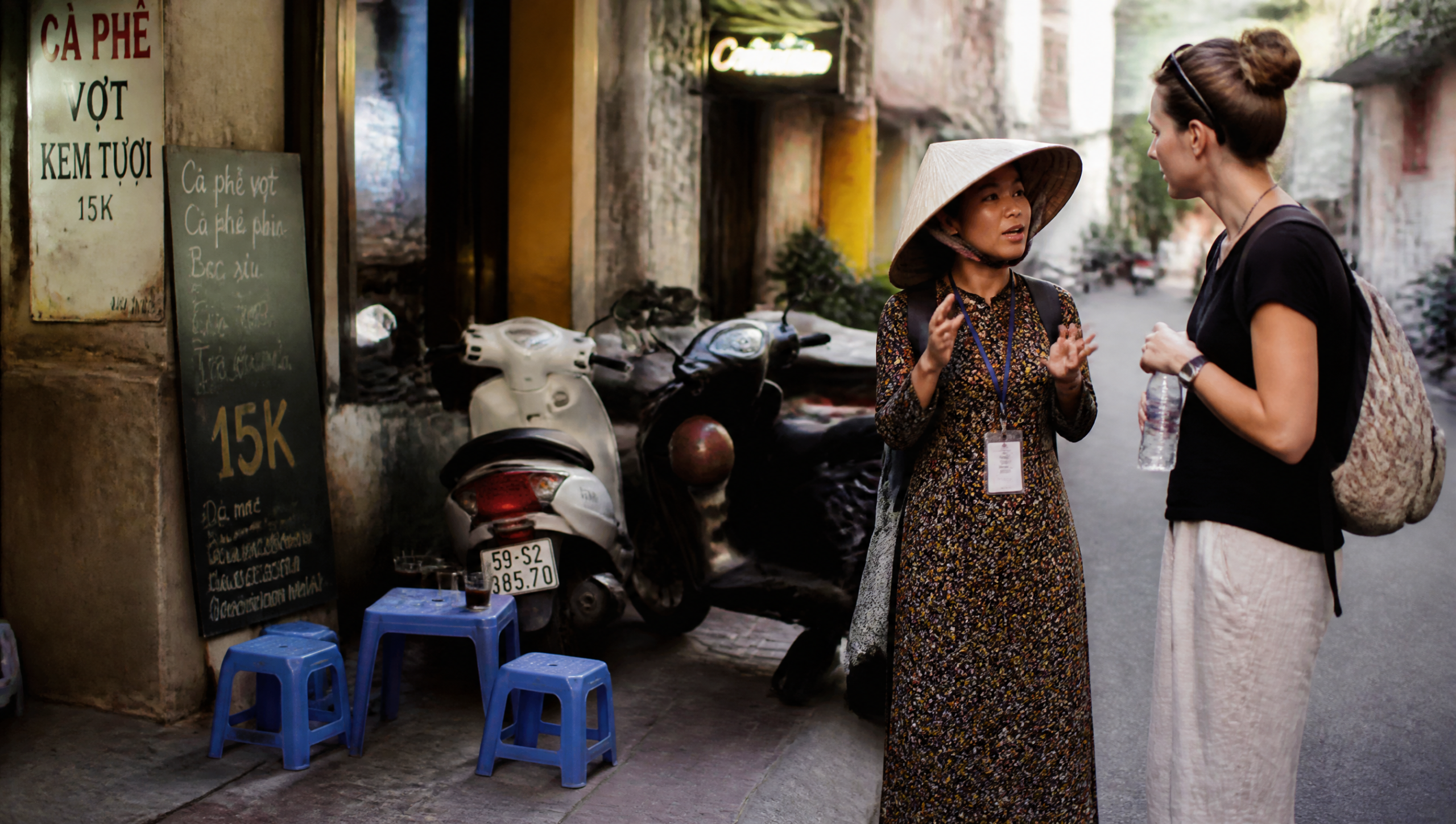
    Think of Saigon alleyways as a moving map of everyday life: open-front homes, tiny eateries, scooters squeezing past, and residents chatting from doorways. The best part is that you do not need a special route to enjoy them. A slow walk, a bit of curiosity, and basic street-smart awareness are enough. For a soft local dive, see Vietnam Crazy Tour and how it frames the city from a real-life angle.

    Featured snippet: Saigon alleyways are narrow local streets hidden behind major roads, where visitors can find street food, temples, small cafes, and everyday neighborhood life. They are best explored on foot, with attention to traffic, local etiquette, and the quiet details that make each alley feel different.

    Tiêu chí Quiet alleys Food alleys Mixed-use alleys
    Best for Slow walks and photos Street food and snacks Local life and variety
    Visitor type Solo travelers and couples Families and food lovers First-time explorers

    If you are planning a deeper neighborhood experience, some travelers pair alley walks with a local community tour for a more grounded view of the city. The key is simple: move slowly, keep your camera respectful, and let the alley decide the pace. That is where Saigon starts to feel personal.

    What Saigon Alleyways Are and Why They Matter

    Saigon alleyways are the narrow local lanes tucked behind the city’s main roads, where daily life runs at street level and the tourist layer drops away. For first-time visitors, they solve a common problem: how to see the real city without guessing where to go. In these lanes, you get food stalls, tiny homes, temples, and ordinary routines packed into one walkable world.

    For adventurous travelers, this is where Saigon stops feeling like a postcard and starts feeling alive. The pace is slower, the space is tighter, and the details matter more. A scooter parked in front of a doorway, a kettle boiling beside laundry, a grandmother chatting with neighbors, all of it shows how the city actually works. That is why Saigon alleyways matter to people who want local texture, not just landmarks.

    Featured snippet: Saigon alleyways are narrow residential lanes behind major streets in Ho Chi Minh City. They matter because they reveal local life, street food, hidden temples, small cafes, and everyday routines that most travelers miss. They are one of the best low-cost ways to understand the city on foot.

    Why they matter in daily life:

    • They connect homes, shops, kitchens, and small community spaces
    • They support everyday food, worship, socializing, and short-distance movement
    • They create a quieter human-scale environment inside a fast-moving city

    In practical terms, these lanes are not random shortcuts. They are working neighborhoods. You may pass a morning noodle seller, a family altar, a motorbike repair corner, and a hidden coffee stop within a few minutes. If you want a deeper local experience, this style of exploration fits well with a local Vietnam tour lineup or a more focused city route through Vietnam Crazy Tour, especially when you prefer walking, tasting, and observing over rushing from one famous sight to the next.

    When should travelers explore them? Go in the early morning for food and soft street energy, or late afternoon into evening for cooler weather and more active lanes. Solo travelers like the freedom, couples enjoy the intimacy, and families benefit from the slower pace. If you want a smart first step, choose one district, enter from a busy road, then follow the sounds, smells, and movement deeper inside.

    Tiêu chí Best Time Best For Why It Works
    Morning walk 6:30 to 9:00 Food lovers, photographers Fresh cooking, active residents, softer light
    Evening walk 16:30 to 19:30 Couples, solo travelers, families Cooler air, street food, lively neighborhood rhythm

    Soft tip: if you want a richer local understanding, pair your alley walk with a guide who knows where people actually live and eat. That saves time and turns a simple stroll into a much sharper cultural read.

    Choose alleyways when you want the city to feel personal, not packaged. Stay alert, move slowly, and let the narrow lanes show you how Saigon really breathes. If your travel style leans curious and local, this is one of the most rewarding things you can do in the city.

    How to Explore Saigon Alleyways Like a Local

    Saigon alleyways are the fastest way to feel the city doing its real, messy, delicious thing. If you only stay on big boulevards, you miss the small details that make Saigon unforgettable: breakfast steam, parked motorbikes, hidden homes, and tiny doors that open into whole worlds. The trick is simple: slow down, choose the right lanes, and read the street like a local.

    For first-time visitors, the best approach is not to chase landmarks. Start with food streets, markets, and residential lanes, then let the alley guide you. That is where daily life happens in full color, from morning coffee to late-night snacks. If you want a deeper local angle, you can also mix in one curated experience from all Vietnam Crazy tour options to compare the city on foot and with context.

    Featured snippet: Explore Saigon alleyways by starting near food streets and markets, then move into residential lanes with open doors, parked motorbikes, and family-run stalls. Look for signs of daily life, follow the smell of cooking, and stay curious. The best alley walks are slow, safe, and full of small local details.

    Start with the areas where local life is already active. A market edge, a noodle street, or a lane with many open-front homes gives you the strongest first impression. In District 1, look for alleys off Tran Hung Dao; in District 3, the lanes near older homes feel calmer; in District 4, the food intensity jumps fast. The goal is not distance, but density of local activity.

    Use this quick filter before you enter:

    Tiêu chí Best sign What it tells you Visitor tip
    Food streets Stools, steam, delivery bikes High local foot traffic Visit at meal times
    Residential lanes Open doors, laundry, family tables Daily home life Walk quietly and observe

    What to look for is never just one thing. Signs painted on walls help you orient yourself, but vendors tell you where the alley is active now. Motorbikes parked in clusters usually mean homes, food, or a small business hidden inside. And hidden doors matter most: a plain gate can open to a pagoda, a café, or a small courtyard that tourists miss completely.

    A useful mini insight: the more ordinary the entrance looks, the better the surprise inside often is. In Saigon, locals do not advertise every gem to the street. They let the alley do the talking, which is why walking slowly pays off. If you enjoy that kind of urban discovery, you may also like the ghost and beliefs tours for another layer of local culture.

    Real examples make the pattern easy to read. In District 1, the Tran Hung Dao alley network is great for beginners because it is residential yet close to downtown. In District 3, quieter side lanes around older streets reward slow walking and coffee stops. In District 4, the vibe shifts harder toward street food, especially around Xom Chieu and Vinh Khanh, where the alleys feel alive well into the night.

    If you want the safest and easiest first walk, choose District 1. If you want a richer neighborhood feel, go District 3. If your goal is food first, District 4 wins. For travelers who want structure without losing authenticity, a short Vietnam Crazy tour can help turn random wandering into a smarter local-style route.

    Strong CTA: If you want to experience Saigon alleyways without wasting time guessing where to start, build your route around food, homes, and hidden entrances, then expand from there. That simple method gives you the most local value, the best photos, and the highest chance of stumbling into the kind of everyday Saigon most visitors never see.

    Why Saigon Alleyways Are Worth Visiting

    Why Saigon Alleyways Are Worth Visiting

    Saigon alleyways are where the city drops its tourist mask and starts moving at street level. If District 1 feels too polished or too loud, the alleys solve that problem fast with food, coffee, shade, and real neighborhood rhythm. For first-time visitors, they are the easiest way to see daily life without needing a complicated plan.

    They are also one of the best low-pressure ways to explore Saigon on foot. You can stop for a bowl of noodles, a strong iced coffee, or a tiny local shop selling snacks, flowers, or household goods, then keep walking without commitment. That mix of freedom and discovery is why Saigon alleyways work so well for solo travelers, couples, families, and anyone who wants a trip with more texture than checklist sightseeing.

    Featured snippet: Saigon alleyways are worth visiting because they combine local food, hidden cafes, small shops, and authentic neighborhood life in one walkable experience. They are ideal for travelers who want to see the city beyond major roads and discover a quieter, more human side of Ho Chi Minh City.

    Street Food, Coffee, and Small Local Shops

    The biggest reason to go into the alleys is simple: the best everyday eats are often tucked away from the main streets. In a few short blocks, you can find a breakfast stall, a family-run noodle counter, a coffee window, and a tiny shop selling cold drinks or household basics. That concentration makes the alleys feel like a local food map that never gets boring.

    A practical way to explore is to follow your nose and the crowd. If you see plastic stools, a queue of office workers, or steam rising from a pot, that is usually the right stop. A Vietnam city adventure style walk works especially well here because the alley experience is about small decisions: eat now, coffee later, keep walking, repeat.

    Mini insight: the best time for snacks is early morning or late afternoon, when the alleys feel alive but not chaotic. For travelers who like layered local experiences, these lanes give you food, movement, and neighborhood detail in one compact route.

    Photo-Worthy Scenes and Authentic City Atmosphere

    Saigon alleyways are photogenic because they are real, not staged. You get scooters parked beside doorways, laundry hanging overhead, neon signs, tangled cables, kids playing, and old neighbors chatting in open entrances. The visual appeal comes from density and contrast, not from postcard perfection.

    For photography and atmosphere, look for three things: narrow passages, soft light, and human activity. A lane with a vendor cooking at the entrance, a motorbike squeezing past, and a child waving from a doorway gives you a much stronger city story than a wide boulevard ever could. If you want more unusual local context, a full list of local tours can help you compare what kind of neighborhood experience fits your travel style.

    Criteria Main streets Saigon alleyways Best for
    Noise level High and constant Quieter and more intimate Slow walking
    Experience Traffic and transit Food, people, daily life Local discovery

    Mini insight: if a traveler only sees Saigon from a car window, they miss the best part of the city. The alleys reveal scale, habit, and warmth, which is exactly what makes the atmosphere feel authentic.

    Best Use Cases for First-Time Visitors, Food Lovers, and Slow Travelers

    Saigon alleyways are not for travelers who want a clean checklist and a fast exit. They work best for people who like to observe, pause, and follow small clues. First-time visitors get a safe, easy introduction to local life. Food lovers get endless snack stops. Slow travelers get a walk that can last 30 minutes or three hours, depending on appetite and mood.

    They are also a smart option for couples and families who want something engaging without needing strenuous activity. The pace is flexible, the cost is low, and the payoff is high because every turn can reveal a shop, shrine, cafe, or tiny scene worth remembering. If you want to compare more immersive experiences in the city, local community tours can be a useful next step.

    Best use cases:

    • First-time visitors who want a gentle introduction to real Saigon
    • Food lovers looking for casual street food and hidden coffee stops
    • Solo travelers who enjoy wandering without fixed routes
    • Couples who prefer atmosphere over attraction crowds
    • Families who want a calm, flexible neighborhood walk

    Soft CTA: If you like exploring places that feel lived-in and personal, Saigon alleyways should be on your short list. They give you the city at human speed, with enough surprise to keep every turn interesting.

    Strong CTA: For travelers who want the most local side of Saigon without wasting time, start with the alleys, then build the rest of your day around food, coffee, and neighborhood discovery. That is the easiest way to turn one walk into a genuinely memorable trip.

    Saigon Alleyways vs Main Streets: Which Is Better for Your Trip?

    Saigon Alleyways vs Main Streets: Which Is Better for Your Trip?

    Saigon alleyways are the better choice when you want the city to feel local, walkable, and full of small surprises rather than just busy traffic and big-name sights. For first-time visitors, the real question is not whether the main streets are worth seeing, but how much of your time should go into the hidden lanes where daily life actually happens.

    Main roads, malls, and tourist zones are easier, faster, and more predictable. But the narrow lanes give you the food, conversations, and street-level details that make Saigon feel alive. If you are planning a trip and want the balance right, the smartest move is to use the main streets for orientation and the alleyways for experience, then connect both in one route. If you want a broader Vietnam travel plan, all Vietnam Crazy Tour trips can help you build around that style of travel.

    Alleyways compared with boulevards, malls, and tourist zones

    Main boulevards are good for taxis, landmarks, and fast movement. Malls work well when you need air conditioning, clean toilets, and a simple reset after a hot day. Tourist zones are efficient if your goal is sightseeing with minimal effort.

    But alleyways change the pace. You may pass a family cooking at the doorway, a tiny coffee shop with two plastic stools, or a shrine tucked between houses. That is why many travelers choose both: main streets for getting around, alleyways for getting close. A soft way to plan this is to spend your morning in the lanes, then return to a wider road for lunch or a break at Vietnam Crazy Tour home page planning ideas.

    Pros and cons of exploring narrow lanes

    The biggest advantage is access. In one short walk, you can see local food stalls, old homes, hidden temples, and everyday neighborhood rhythms. The second advantage is atmosphere: the deeper you go, the less the city feels like a transit map and the more it feels like a lived-in community.

    The tradeoff is comfort. Some lanes are cramped, uneven, busy with motorbikes, or confusing after dark. Families with small children may prefer shorter visits, while solo travelers and couples often enjoy the adventure more. For a useful decision rule, choose alleyways when you have at least one hour, good walking shoes, and curiosity; choose main streets when you want speed, clarity, or a low-stress day.

    Criteria Alleyways Main Streets Best For
    Atmosphere Local, intimate, layered Busy, open, commercial Travelers seeking real city life
    Comfort Less predictable, tighter spaces Easy navigation, more services Families, short stays, first-timers

    How to choose the right areas based on time, comfort, and interests

    If your trip is short, pick one alley zone close to your hotel instead of trying to cover everything. If you like food, go where night markets and street stalls cluster. If you like architecture and quiet corners, choose residential lanes with open doorways and older houses. If you want a safe first step into the local side of the city, start with a guided walk from local community tour options and then explore on your own.

    Mini insight: the best Saigon experience is often not a perfect route, but a flexible one. Walk one main road to understand the city, then turn into the alley when something looks interesting. That mix gives you confidence, comfort, and the kind of local discovery most visitors miss. For travelers who want more cultural depth after this chapter, ghost and belief tours can add another layer to the trip.

    Featured snippet: Saigon alleyways are best if you want local food, neighborhood life, and a slower, more intimate view of the city. Main streets are better for fast movement, easy navigation, and comfort. The smartest choice for most travelers is a mix of both, using boulevards to connect the city and alleyways to experience it.

    In practice, use this simple filter: time, comfort, interest. If you have limited time, stay near wide streets and one compact alley area. If you are adventurous, give yourself a few hours and let the lanes guide the day. If you want the most memorable trip, make Saigon alleyways part of the plan, not just a side note.

    For a stronger local experience with clear planning support, start with one focused area, move slowly, and eat where the neighborhood is busy. That is the real win. If you want help turning this style into a full Vietnam itinerary, check all Vietnam Crazy Tour trips and build from there.

    Tips, Common Mistakes, FAQ, and a Final Travel Push

    Saigon alleyways are where the city drops its tourist mask and gets raw, local, and delicious. If you want hidden food, quiet lanes, and real neighborhood energy, this is the part of Saigon that rewards slow walking, good timing, and a little street sense. The big win is simple: wander smart, stay respectful, and let the alleys do the work.

    The best visits are not about covering distance. They are about reading the lane, spotting family kitchens, tiny shrines, and corner coffee spots, then moving at human speed. For a deeper look at how local life feels beyond the main roads, you can compare the vibe with all Vietnam Crazy Tour routes and decide what level of adventure fits your trip.

    Featured snippet: The best way to explore Saigon alleyways is to go early or after sunset, keep your phone map ready, walk slowly, and avoid blocking doorways. Choose busy local lanes, eat where residents eat, and treat private homes as private space. That is the safest, easiest, and most rewarding way to experience street-level Saigon.

    Common mistakes to avoid: do not treat every alley like a photo set, do not step into open homes, and do not assume a dead end means trouble. In Saigon, many lanes look confusing but they usually reconnect. A practical rule is to follow the sound of food stalls, scooters, and conversation, then check your exit before you fully commit. If you want a gentler first step into local neighborhoods, Vietnam Crazy Tour can help frame the kind of route that feels adventurous without feeling chaotic.

    FAQ: Safety is generally fine in busy residential alleys during the day and early evening. Best time to go is morning for market life or late afternoon into night for food and atmosphere. Food etiquette is easy: queue naturally, point if needed, and avoid hovering too long at a stall. Navigation is simpler than it looks because most alleys eventually reconnect to a main road.

    Tiêu chí Cột 1 Cột 2 Cột 3
    Best time Morning markets Late afternoon food Night lights and snacks
    Best for Quiet walks Street food Local atmosphere

    Quick CTA: if you want the city at street level, this is your cue to go. Build a half-day around a food lane, a hidden cafe, and one neighborhood with real residential texture, then move without a rigid plan. For travelers who want curated local energy instead of generic sightseeing, explore the full range at all Vietnam Crazy Tour routes and pick the one that matches your style.

    Final push: Saigon alleyways are not about finding perfection. They are about finding texture, surprise, and a strong sense of place. Go with curiosity, a light bag, and comfortable shoes, and you will come back with a better feel for Saigon than most visitors ever get.

  • Vietnam Solo Travel 2026: The Smart Route Nobody Tells You

    Vietnam Solo Travel 2026: The Smart Route Nobody Tells You

    Vietnam solo travel is the kind of trip that looks wild on paper but feels surprisingly smooth once you know the basics. First-time adventurers usually worry about safety, transport, and language gaps, yet Vietnam rewards independent travelers with easy routes, lively cities, and local experiences that feel straight out of a fever dream in the best way.

    The smart move is to start with a simple plan and keep your days flexible. Choose one north to south route, use local apps, and stay in areas where people are used to travelers. If you want a more local edge, browse all Vietnam crazy tours for ideas that mix culture, comfort, and real street-level energy without turning the trip into a logistics headache.

    Featured snippet: Vietnam is one of Asia’s easiest long-haul destinations for solo travelers when you plan around three things: safe transport, region-based weather, and simple communication tools. Most first-time visitors do best with a route that combines Hanoi, central Vietnam, and Ho Chi Minh City, then adds one local experience for each stop.

    Before you book, use this quick filter:

    Criteria Best for solo travelers Why it works First-time tip
    Transport Train or flight Simple and reliable between major cities Book morning departures for less stress
    Stay Central hotel or hostel Easy to walk, eat, and meet people Pick a place near the old quarter or main district

    A soft way to upgrade the trip is to mix free exploration with one guided activity, especially in places where local context matters. That is where a trusted operator can save time, and a small curated day can make the whole Vietnam solo travel experience feel safer, richer, and far more memorable.

    For a deeper look at cultural routes and unusual local themes, check Vietnam Crazy Tour and build your itinerary around the kind of adventure you actually want, not the generic one everybody copies.

    If you want the fastest path to a good first trip, follow this order: pick your region, lock your transport, then layer in food stops, easy day trips, and one or two local-led experiences. Do that, and Vietnam stops feeling intimidating and starts feeling like the kind of place you can explore with confidence.

    What Makes Vietnam Solo Travel Worth It

    What Makes Vietnam Solo Travel Worth It

    Vietnam solo travel is worth it because the country makes independent movement feel exciting, affordable, and surprisingly easy to manage. You can land in a big city, eat like a local within minutes, then shift to mountains, coastlines, or village roads without needing a rigid plan. For many travelers, that mix of freedom and discovery is the real value.

    It also fits a wide range of trip styles. First-time visitors get a strong balance of structure and spontaneity, while experienced solo travelers can push deeper into local neighborhoods, motorbike routes, and slow travel days. If you want real culture, real food, and real movement, Vietnam gives you all three without forcing a luxury budget.

    Featured insight: Vietnam works best for solo travelers who want variety without complexity. It is easy to build a trip that feels local, adventurous, and personal, whether you stay in cities, chase nature, or move between both.

    What solo travel in Vietnam really means depends on who is traveling. A backpacker may use buses and homestays, a couple may want independent days with flexible comfort, and a family may prefer guided moments mixed with free exploration. The country supports all of that, which is why many readers compare options before booking through all Vietnam Crazy tours or a custom route that keeps the pace relaxed.

    Here is the practical breakdown:

    Tiêu chí Best for Why it works Travel feel
    Solo traveler Flexible plans Easy to move, eat, and explore alone Free and local
    Couples and families Mixed comfort and adventure Simple logistics with room for discovery Balanced and smooth

    Vietnam is one of the best countries in Southeast Asia for independent exploration because the trip layers are easy to mix. You can do street food, history, beaches, trekking, and night markets in one itinerary, then adjust on the fly if weather or energy changes. That flexibility is a major plus for readers who do not want a fixed resort rhythm. If you want a more immersive side of the country, a local experience like ghost culture tours can add depth without making the trip feel scripted.

    When is Vietnam solo travel the right choice? Choose it if you like moderate adventure, budget control, and real-world independence. It is a strong fit if you are comfortable with some transit, open to local food, and willing to adapt to busy streets or changing plans. It may not be ideal if you want everything pre-arranged, but for most curious travelers, it is one of the smartest and most rewarding ways to explore Asia.

    Soft CTA: If you want to keep the freedom of solo travel while avoiding planning stress, start with a simple route and build local experiences around it.

    Strong CTA: For a trip that feels authentic, efficient, and very Vietnam, explore curated options that match your pace, then choose the stops that fit your style.

    How to Plan a Smooth Vietnam Solo Travel Itinerary

    How to Plan a Smooth Vietnam Solo Travel Itinerary

    Vietnam solo travel works best when you plan by region first, then lock in transport, nights, and daily pace. The country looks compact on a map, but north, central, and south each move at a different rhythm, so a smart route saves energy, money, and last-minute stress.

    For first-time visitors, the easy win is to keep the route simple, use one domestic flight if needed, and avoid overstuffing the trip with too many long transfers. That way you still get the local street vibe, but your solo days stay smooth, safe, and flexible.

    Featured snippet: Build a Vietnam solo travel itinerary by choosing one travel corridor, limiting major base changes, and leaving buffer time between cities. The best solo routes usually combine a big city, one scenic stop, and one walkable town, with visas, SIM, and budget sorted before departure.

    Start with the core planning process. If you have 7 to 10 days, choose either north or central Vietnam; if you have 12 to 14 days, you can combine two regions without rushing. Hanoi to Ha Long Bay works well for culture plus nature, while Da Nang to Hoi An is easier for relaxed movement, beach time, and night wandering.

    Transport should match your comfort level, not just your budget. Domestic flights are the fastest for long jumps, trains suit scenic intercity travel, and buses are fine for short hops if you are not carrying too much luggage. A solo traveler who values convenience can also check curated options through all Vietnam Crazy tour options when a private transfer or small-group day trip makes the route easier.

    Tiêu chí Option A Option B Best for
    Trip style North focus Central focus First-time solo travelers
    Transport mix Flight plus bus Train plus Grab Easy city-to-city movement

    Now handle the essential trip elements early, because these decide how calm your arrival feels. Check visa rules by nationality, buy a local SIM at the airport or city store, book accommodations with strong reviews, and set a realistic daily budget before you land. A good solo budget in Vietnam often covers bed, food, transport, and one activity without financial surprise.

    Use this simple breakdown: visa, SIM, stay, and spend. A beginner solo traveler might choose a central hotel in Hanoi, a beachside stay in Da Nang, or a riverside guesthouse in Hoi An, then keep cash for street food and short rides. If you want a more local, story-rich experience later, you can browse local belief and culture tours for a soft add-on that fits a flexible itinerary.

    Practical route example: 3 nights Hanoi, 1 night Ha Long Bay, 3 nights Da Nang, 2 nights Hoi An, 3 nights Ho Chi Minh City. That route gives you history, seascape, food, and city energy without chaotic backtracking. For Vietnam solo travel, the real secret is not doing more, but moving better.

    Plan one buffer half-day between major transfers, especially if you want to shop, recover, or chase a hidden cafe in a new district. That small gap is what keeps the trip smooth, and it is also what lets you say yes when a local recommendation appears on the spot.

    Soft CTA: If you want a route that feels easier from the first airport pickup to the last sunset walk, choose a plan that matches your pace, not the internet’s loudest checklist. For tailored Vietnam adventure ideas, start with Vietnam Crazy Tour and build from there.

    Strong CTA: Book smart, travel light, and keep your route clean. That is how you turn Vietnam solo travel into a trip that feels free, local, and fully under control.

    Safety, Confidence, and Local Etiquette for Vietnam Solo Travel

    Vietnam solo travel feels easy when you know the real risks, the local rhythm, and how to move with confidence instead of fear. The biggest problems are not dramatic; they are small mistakes like trusting the wrong price, crossing traffic too casually, or booking transport late at night without a backup plan.

    For first-time solo travelers, the goal is simple: stay aware, stay calm, and choose support when it improves the trip. That means using ride-hailing apps in busy cities, understanding basic etiquette, and knowing when a guided experience can save time, stress, and energy. This is where a smart plan turns uncertainty into freedom.

    Featured snippet: The safest way to travel solo in Vietnam is to combine common sense with local habits: confirm prices before buying, use trusted ride-hailing apps after dark, avoid isolated night routes, and keep your phone charged. Confidence comes from preparation, not from acting fearless.

    Key safety habits matter most in crowded places, where small scams and distraction tactics happen fast. In markets, restaurants, and bus stations, check the fare, count your change, and never hand over your phone or passport unless it is truly necessary. Traffic can also feel chaotic, so cross slowly and predictably, not quickly. A simple rule works well: move with purpose, but never rush.

    At night, keep your route short and visible. If the street feels quiet, switch to a car or motorbike app instead of walking far. Many solo travelers also feel safer joining a small evening activity through Vietnam tours when they want local guidance without planning every detail themselves. That is especially useful after a long travel day or during arrival in a new city.

    Tiêu chí Stay Independent Use Support Best Moment
    Transport Short daylight rides Grab or similar apps Late arrivals and night moves
    Exploring Famous city areas Small group activity First day in a new place

    Confidence grows when you stop trying to understand every word. In Vietnam, basic English usually works in tourist zones, while gestures, maps, and translation apps cover most gaps. If a situation feels unclear, repeat the price, show the address, or ask the same question in a shorter way. The mini insight here is simple: clarity beats perfect language every time.

    Common mistakes first-time solo travelers make include overplanning, ignoring local pace, and assuming every taxi or street offer is fair. Some also eat, move, and book everything alone when a little structure would make the trip smoother. A balanced approach works better: keep your own freedom, but use support when the city feels dense, busy, or unfamiliar. That is where a trusted company can make the day feel lighter, especially for travelers who want adventurous local experiences without the headache of logistics.

    When should you book help? Choose tours for deep local access, use ride-hailing apps for predictable city transfers, and join group activities when you want social energy or safer navigation in a new area. For travelers who want culture with a local edge, Vietnam Crazy Tour can be a strong option because it reduces decision fatigue while still keeping the trip lively and personal. The smartest solo trips are not the ones with the least support; they are the ones with the right support at the right time.

    In practice, a confident solo traveler in Vietnam does three things well: checks details twice, stays visible in public spaces, and chooses help before stress builds. That mindset keeps the trip fun, local, and flexible. It also makes it easier to enjoy the street food, the traffic chaos, and the spontaneous moments that make Vietnam unforgettable.

    Best Experiences and Destinations for Solo Travelers in Vietnam

    Vietnam solo travel works best when you match the route to your energy, not just the famous names on a map. If you want street food, social hostels, and easy movement, cities like Hanoi, Da Nang, and Ho Chi Minh City are strong anchors. If you want raw adventure, the north delivers mountain roads, local markets, and dramatic scenery in a way that feels wild but still manageable.

    For first-timers, the smartest plan is simple: choose one region, stay longer, and build your days around one clear goal. Food lovers get more from walking streets and night markets, while nature lovers should lean into loops, islands, and coastal stops. A good Vietnam solo travel plan is less about covering everything and more about picking places that fit your pace, season, and comfort level.

    Featured snippet: The best solo destinations in Vietnam depend on your travel style. For adventure, choose Ha Giang, Ninh Binh, or Phong Nha. For relaxation, use Hoi An, Phu Quoc, or Da Nang. For social connection, stay in Hanoi, Ho Chi Minh City, or backpacker hubs with easy day tours and walkable streets.

    Top solo-friendly experiences usually fall into five clear buckets. Food tours are the fastest way to meet people and understand local life, especially in Hanoi’s Old Quarter or Saigon’s backstreets. Motorbike loops like Ha Giang reward confident riders with huge scenery and local homestays, while walking streets in Hoi An, Hue, and Hanoi create low-pressure evenings. Beaches in Da Nang and Phu Quoc are better for recovery days, and cultural sites such as temples, pagodas, and old citadels add depth without demanding a group.

    A practical breakdown:

    • Adventure: Ha Giang, Sapa, Phong Nha, Ninh Binh
    • Relaxation: Phu Quoc, Da Nang, Hoi An, Mui Ne
    • Social connection: Hanoi, Ho Chi Minh City, Cat Ba
    • Culture: Hue, Hoi An, Hanoi, Mekong Delta towns

    Mini insight: the most memorable solo days often mix one active experience with one easy social moment, such as a morning cave tour followed by a shared dinner at a local homestay. That rhythm keeps the trip lively without burning you out.

    If you want curated local experiences without wasting time on tourist traps, look at all Vietnam crazy tours for a fast way to compare styles, or check the Vietnam crazy tour homepage when you want a starting point for planning.

    How to choose the right place comes down to three filters: goal, season, and pace. For cool weather and mountain views, northern Vietnam is strongest from October to April, but roads can get foggy and slower. Central Vietnam is the easiest region for beaches and heritage from February to August, with smooth logistics for short stays. Southern Vietnam is best for warm-weather flexibility and city energy, especially if you want cafés, markets, and simple transport.

    Tiêu chí North Central South
    Best for Adventure and culture Beaches and heritage Food, nightlife, easy flow
    Solo strength Big scenery and strong local feel Compact, easy to combine places Simple transport and social energy

    The tradeoff is real. North Vietnam gives you the deepest sense of discovery, but it can be more physically demanding. Central Vietnam is the easiest region for a balanced solo trip, though some beach towns can feel quiet in low season. The south is smooth and welcoming, but the pace can feel hotter, busier, and less dramatic if you want mountain scenery. If you travel slow, keep your base in one or two places and use day trips rather than constant moving.

    For travelers who want a little extra structure, book one guided day or half-day experience and keep the rest flexible. That is where local operators can help you see more, waste less time, and still keep the trip personal. If your route includes niche interests, browse ghost and belief tours for cultural depth or choose slum tour charity for a more human, community-based lens on city life.

    In short, the best destinations for solo travelers in Vietnam are the ones that match your mood, not just the guidebook ranking. Pick one region, build around one signature experience, and leave space for the unexpected. That is how you get the real local pulse, stay safe, and still feel free enough to move like a traveler, not a checklist machine.

    Vietnam Solo Travel FAQs, Final Tips, and Next Steps

    Vietnam solo travel is easy to enjoy when you know the small stuff before you land: how much to budget, how to stay connected, and how to move between cities without stress. Most first-time solo travelers do best with a simple route, one backup plan, and the confidence to keep things flexible when the road changes.

    For budget, a practical daily range is about 35 to 70 USD for a comfortable solo trip, while budget travelers can go lower with hostels, street food, and sleeper buses. Safety is usually manageable in busy areas if you stay alert with phones, cash, and bags. If you want a deeper local rhythm, all Vietnam tours can also help you compare ideas before you commit.

    Featured snippet: A smart solo trip in Vietnam is built on three things: a realistic daily budget, reliable mobile data, and flexible transport choices. Use eSIM or a local SIM for maps and ride apps, book the first two nights in advance, and keep one full free day in each region so delays do not break your trip.

    When it comes to getting around alone, ride apps work well in cities, while trains and sleeper buses are the better pick for long routes if you value comfort over speed. A mini decision table helps here:

    Tiêu chí City move Intercity move Best for solo travelers
    Speed Fast with Grab Moderate by train Use apps in town, rail for longer legs
    Comfort Easy and simple Sleeper bus or train Choose based on sleep and budget

    Last-minute problems happen, but most have quick fixes. Missed a bus, rainy forecast, or a full hotel? Book the next available option, switch to a nearby city stop, or extend your stay by one night instead of forcing a rushed plan. If you like a more offbeat route with real local flavor, Vietnam Crazy Tour is a useful place to start shaping your next move.

    Final reminders: pack light, bring cash in small notes, save offline maps, and keep your passport details backed up on your phone. Solo travel in Vietnam gets easier when you stay open, book the first stretch, and let the rest of the trip breathe. Start with a simple route, a flexible schedule, and confidence, then build from there.

  • Vietnam Motorbike Safety: What Tourists Miss in 2026

    Vietnam Motorbike Safety: What Tourists Miss in 2026

    Vietnam motorbike safety is the first thing smart travelers should think about before joining the traffic flow, because one careless moment in Hanoi, Da Nang, or Ho Chi Minh City can turn a fun ride into a painful lesson. For first-time visitors and expats, the real challenge is not just riding ability, but reading local road behavior fast enough to stay calm and protected.

    The good news is that safer riding in Vietnam is not about fear, it is about control. With the right helmet, a defensive mindset, and a few street-level habits, you can reduce risk without killing the adventure. If you also want safer ways to explore beyond the bike, browse local tour options or learn more about the country through Vietnam Crazy Tour before you decide how much road time feels right.

    Tiêu chí Cột 1 Cột 2 Cột 3
    Helmet quality Basic street helmet Certified full-face Best for long city rides
    Ride choice Self-drive in rush hour Ride with local guidance Safer for beginners

    Featured snippet: The safest way to ride a motorbike in Vietnam is to wear a certified helmet, keep speeds low, avoid night traffic when possible, and stay alert at intersections. Beginners should choose short routes, ride defensively, and consider guided transport for busy urban areas.

    Mini insight: most accidents happen when tourists copy local speed without local instinct. That gap is where trouble starts, especially on wet roads, narrow alleys, and packed intersections.

    If you want to explore Vietnam with less stress and more confidence, start by choosing your transport style before the road chooses it for you. For a softer travel alternative, you can check meaningful local tours or keep riding only where the traffic feels readable. In Vietnam, smart safety is not boring, it is what keeps the adventure alive.

    What Vietnam Motorbike Safety Really Means

    Vietnam motorbike safety starts with understanding that the road is not a predictable machine, it is a living system. For first-time visitors, the real risk is usually not speed alone, but reading the flow too late. The good news is simple: once you understand how locals move, signal, merge, and yield, the whole ride becomes calmer and far more manageable.

    In Vietnam, safety is about awareness, positioning, and timing. A rider who keeps a steady line, leaves space, and expects scooters to appear from every angle is already safer than someone who rides nervously. That is why Vietnam motorbike safety matters before your trip begins, especially if you plan to explore local neighborhoods, backstreets, and busy city roads on two wheels.

    Featured snippet: Vietnam motorbike safety means learning the traffic rhythm, not just wearing a helmet. Watch scooter clusters, assume buses and cars will move differently than in your home country, and keep your speed smooth. The safest travelers are the ones who stay visible, stay patient, and never treat the road like a private lane.

    The local traffic environment is a mix of scooters, buses, cars, delivery bikes, pedestrians, and sudden lane changes. In one block, you may see a family of four on a scooter, a bus nudging through traffic, and a car turning without much warning. For adventurous travelers, that is part of the thrill, but it also means you need simple rules: keep your eyes wide, avoid panic braking, and never assume the next vehicle will behave like the last one.

    Tiêu chí Cột 1 Cột 2 Cột 3
    Traffic flow Slow and steady Fast and aggressive Best choice is steady pacing
    Road awareness Checks mirrors often Looks only ahead Scan all sides every few seconds

    Mini insight: most accidents start with surprise, not skill. That is why experienced local-style riding is less about confidence and more about reading patterns early. If you want a softer way to explore Vietnam beyond the traffic stress, start with local adventure routes that keep movement organized while still feeling wild.

    For solo travelers, couples, and families, the smart move is to match the road intensity to the day. Central city hours are louder and more chaotic, while early mornings and quieter districts feel easier to handle. If you want deeper local culture with less traffic pressure, you can also explore Vietnam crazy tour experiences built around real neighborhoods, real people, and a more guided pace.

    Soft check: if you are unsure about riding yourself, choose a guided option and let a local rider handle the stress points.

    Practical safety takeaways:
    • Keep a predictable line and avoid sudden moves
    • Expect scooters to cut across your space
    • Slow down before intersections, not inside them
    • Use mirrors, but also trust your own scan
    • Ride only when you are fully alert

    When travelers understand these basics, the road stops feeling random and starts feeling readable. That is the real meaning of safety here: not zero risk, but controlled risk with smart behavior. Build that habit first, and the rest of your Vietnam ride gets much easier.

    Strong CTA: if you want to explore Vietnam in a way that feels adventurous without turning every street into a gamble, choose a route that respects local road culture and keeps you with people who know it well. The smartest trip is not the fastest one, it is the one you finish smiling and ready for the next stop.

    How to Practice Vietnam Motorbike Safety on the Road

    How to Practice Vietnam Motorbike Safety on the Road

    Vietnam motorbike safety starts before you twist the throttle, because the road here can go from calm to chaotic in one breath. For foreign riders, the smartest move is not bravado but a quick routine that catches small problems early. A helmet that fits, working brakes, bright lights, solid tires, and enough fuel can turn a risky day into a smooth ride.

    That matters even more when you are exploring local backstreets, coastal roads, or busy city junctions where traffic moves like a living stream. If you are planning a flexible ride and want a safer way to discover the country, Vietnam Crazy Tour can help you understand the rhythm of the road before you commit to a bigger adventure.

    Here is the fast pre-ride check every rider should do:

    • Helmet: full coverage, snug strap, no cracks
    • Brakes: test both levers and feel for response
    • Lights: check headlight, brake light, and indicators
    • Tires: look for low pressure, cuts, or worn tread
    • Fuel: confirm enough range for detours and traffic delays

    Mini insight: in Vietnam, a tire that looks almost fine can still be too soft for sudden braking on wet pavement. That small detail is why experienced riders inspect the bike before every departure, not only on long trips.

    Once on the road, riding habits matter just as much as the bike itself. Keep your speed steady, leave extra space, and watch wheels, not faces, because vehicle direction here changes fast. Use signals early, avoid lane drifting, and never assume other drivers saw you. In crowded areas, the safest rider is the one who stays predictable.

    Think of it as defensive riding with local awareness: slow down at intersections, scan mirrors before changing position, and expect scooters, buses, and pedestrians to merge into the same frame. A soft but useful rule is to ride as if every gap might close. If you want to build confidence before a longer local route, all Vietnam tours show how different regions demand different riding discipline.

    Tiêu chí Safe habit Risky habit Best result
    Traffic speed Ride calmly and match flow Rush to overtake every gap More control in dense traffic
    Road scanning Check ahead, sides, and mirrors Focus only on the road in front Earlier reaction to surprises

    Soft CTA: if you are unsure about your route, choose shorter riding days first and practice on quieter streets before tackling heavier traffic. That one decision can make your trip feel adventurous instead of overwhelming.

    For a stronger next step, plan your Vietnam motorbike trip with local support, choose reliable transport, and always check the bike like it is your own. That is how you protect your trip, your energy, and your story on the road.

    The Biggest Risks and Real-World Safety Benefits

    The Biggest Risks and Real-World Safety Benefits

    Vietnam motorbike safety starts with understanding the stuff that can turn a dreamy ride into a messy one: sudden rain, broken pavement, low visibility, and chaotic junctions. For adventurous travelers who want local roads, market lanes, and real village scenes, the goal is not to fear the bike. It is to ride with a sharper plan, better timing, and calmer decisions.

    The biggest risk is rarely one dramatic event. It is a chain of small surprises, like a wet corner after a warm afternoon, a pothole hidden by traffic, or a taxi cutting across a busy intersection. When riders know what to watch for, they stop reacting late and start reading the road early. That shift matters a lot on a Vietnam motorbike route.

    Common danger points on the road are easy to list, but harder to respect in the moment: bad weather, potholes, night riding, and packed intersections. Rain can make painted lanes slick, and rural roads can change from smooth to cratered in a few hundred meters. At night, even a familiar street can feel different when headlights, scooters, and pedestrians all compete for space.

    • Bad weather: reduce speed before the first heavy drop, not after
    • Potholes: scan far ahead, especially after trucks or on side roads
    • Night riding: keep trips short and arrive before dark when possible
    • Busy intersections: wait an extra second and watch for flowing gaps

    A practical example: on a coastal ride, a light drizzle can hide gravel near the shoulder, while a city crossing may look clear and still include three scooters and one delivery rider entering from the side. Mini insight: the road in Vietnam often rewards patience more than confidence. That is why all Vietnam crazy tour routes are better enjoyed with a safety-first rhythm, not a rushed one.

    Tiêu chí Safer choice Riskier choice Why it matters
    Weather Ride in daylight and pause in heavy rain Push through a storm Wet roads reduce traction and visibility
    Road reading Look far ahead for surface changes Focus only on the bike in front Early scanning prevents sudden braking

    Safe riding does more than prevent accidents. It gives travelers confidence to explore smaller roads, stop for coffee, and enjoy the trip instead of surviving it. Couples feel less stressed, solo travelers feel more in control, and families keep the day lighter and smoother. That is a real safety benefit: better decisions create better memories.

    When the ride feels under control, freedom gets bigger, not smaller. You can follow a local detour, enter a quiet fishing lane, or take a scenic break without that background tension in your shoulders. For readers comparing guided and independent travel, a well-planned Vietnam crazy tour can remove the hardest risk points while keeping the adventure raw and local.

    Here is the simple rule: slow down where the road is busy, stay alert where the surface changes, and never let one good stretch make you relax too early. That mindset protects the trip quality as much as it protects the rider. If you want the next chapter to feel more fun than stressful, keep the pace smart, the route realistic, and the stops frequent.

    Featured snippet: The main risks in Vietnam motorbike travel are bad weather, potholes, night riding, and crowded intersections. Safe riding improves confidence, freedom, and trip quality by helping travelers scan early, slow down in risky zones, and choose daylight riding whenever possible.

    Soft CTA: If you want a route that keeps the thrill but trims the stress, choose a plan that matches your skill level and the road conditions.

    Strong CTA: Book smarter, ride calmer, and turn Vietnam’s wild roads into a trip that feels local, adventurous, and safely unforgettable.

    Choosing the Right Safety Approach for Your Trip

    Vietnam motorbike safety is not about being fearless, it is about choosing the right setup for your route, your skill level, and your travel style. If you want the wild local energy without turning the trip into a gamble, start by matching the road to the rider, not the other way around.

    For first-timers, the smartest move is often not full freedom, but the right balance of adventure and control. That can mean a rental bike on easy roads, a guided tour for the messy stuff, or a private driver when the day looks long, wet, or chaotic. See all Vietnam Crazy Tour options if you want the local feel with less stress.

    Featured snippet: Choose motorbike rental when you have riding experience, guided tour when you want local roads with support, and a private driver when safety, comfort, or weather becomes the priority. The best choice depends on distance, traffic, mountain curves, rain, luggage, and who is riding with you.

    Criteria Motorbike Rental Guided Tour Private Driver
    Best for Confident riders Local exploration Comfort and low stress
    Main risk Traffic and road skill Less freedom Higher cost

    Motorbike rental works best if you already ride at home, understand traffic flow, and can handle sudden braking, narrow lanes, and wet roads. A guided ride is better when the route includes mountain passes, village detours, or long navigation days, because a local lead removes guesswork and keeps the trip smooth.

    Private drivers make sense for families, couples with luggage, travelers who hate risk, and anyone arriving after a long flight. A small but important insight: in Vietnam, the safest choice is often the one that keeps your attention on the landscape instead of on every truck, curve, and puddle. Vietnam crazy tour home can help if you want a softer booking path with local energy.

    If you are wondering when to ride and when to skip it, use this rule: ride only when visibility is good, roads are familiar, and you are not tired, sick, or carrying too much. Avoid riding at night, during heavy rain, on steep mountain roads if you lack experience, or after drinking. That is where Vietnam motorbike safety stops being optional and becomes the difference between a great day and a bad story.

    Who should not ride: complete beginners, nervous passengers who panic in traffic, children on long road sections, and travelers with back, shoulder, or balance issues. If you fit any of those, choose a driver or a guided trip instead. The smartest travelers are not the boldest ones, they are the ones who know when adventure should have a seatbelt, a helmet, or both.

    Book your Vietnam adventure with local support if you want the real road feel without guessing what comes next.

    Common Mistakes, FAQ, and Final Safety Advice

    Vietnam motorbike safety is where smart travelers separate the epic ride from the expensive mistake. The roads can feel chaotic at first, but most problems come from predictable errors: weak helmets, bad route choices, and renting a bike without understanding the legal side. Fix those early, and the whole trip gets calmer, safer, and way more enjoyable.

    If you are a solo traveler, couple, or family chasing local backroads, the goal is not to ride fast. The goal is to ride alert, visible, and insured. A good plan also matters for the rest of the trip, whether you are joining local Vietnam adventures or staying flexible for side trips. Small safety habits create big confidence on the road.

    Top mistakes travelers make usually start before the engine even turns on. The biggest one is trusting a cheap helmet that only looks protective. Another common issue is riding after dark on rural roads, where livestock, potholes, and weak lighting can turn a normal shortcut into a real risk. Many travelers also skip a proper license check, then assume insurance will cover everything.

    Here is the fast breakdown:

    Tiêu chí Smart choice Risky choice Why it matters
    Helmet Certified, snug fit Loose, thin shell Head protection is non negotiable
    Route time Daylight riding Late night roads Visibility and traffic improve safety
    Paperwork License and coverage checked Assume rental says yes Insurance gaps can be costly

    Mini insight: the safest riders in Vietnam do less reacting and more preparing. They slow down before messy intersections, keep both hands ready in dense traffic, and avoid overconfidence on wet roads. That mindset matters more than bike size or engine power. If your plan includes deep local experiences, pair road caution with a trust-building stop like ghost culture tours or other guided options that reduce guesswork.

    FAQ time, straight and useful. Helmet rules: wear a proper helmet every ride, even for short city hops. License rules: many rental bikes require a valid motorcycle license plus an IDP that matches local requirements; without that, you may face fines or denied claims. Insurance: always read the fine print because some policies exclude motorbike injuries unless the rider is properly licensed. Emergency steps: move to safety, call local emergency help, document the scene, contact your insurer, and keep hospital receipts.

    For a quick decision, use this checklist: check helmet quality, confirm your license category, verify coverage, ride in daylight, and save emergency contacts before departure. If any one of those steps is missing, do not treat the ride as casual. Vietnam rewards prepared travelers, not lucky ones.

    Final advice: keep your pace easy, stay visible, and never let a scenic road pressure you into unsafe riding. That is the real formula for Vietnam motorbike safety, especially for adventurous travelers who want freedom without drama. If you want to explore deeper, book experiences that match your comfort level, then ride only when the conditions feel right. The best Vietnam memory is the one you finish smiling about, not recovering from.

  • Hidden Gems in Ho Chi Minh City: 2026 Local Spots

    Hidden Gems in Ho Chi Minh City: 2026 Local Spots

    Hidden gems in Ho Chi Minh City are not hard to love, but they are easy to miss if you stay in the same busy tourist loop. Many visitors want local energy, real neighborhood life, and spots that feel alive without feeling staged. This intro gives you a cleaner way to find those places, with a focus on underrated cafes, quiet streets, and authentic corners of Saigon.

    If you are planning a local travel day in Saigon, the trick is simple: pair one easy landmark with one genuine neighborhood experience. That might mean a riverfront view, a food street, or a cultural stop where locals actually spend time. For a softer start, browse all Vietnam Crazy Tour options and shape the trip around your pace, not the crowd.

    Criteria Tourist-heavy Local-feeling Best for
    Atmosphere Busy and polished Casual and real First-time explorers
    Experience Familiar landmarks Local favorites and side streets Solo travelers, couples, families

    A good rule for finding hidden gems in Ho Chi Minh City is to follow where people relax, eat, and gather after work. That usually leads to better stories, better photos, and better value. If you want a more adventurous angle, especially with local context, the slum tour experience can show a side of the city most visitors never see.

    Featured snippet: Hidden gems in Ho Chi Minh City are best found by choosing places locals use every day, such as riverfront parks, food alleys, neighborhood cafes, and quiet cultural sites. Start with one central stop, then move outward into districts where the city feels more lived-in, more affordable, and more authentic.

    What Makes Hidden Gems in Ho Chi Minh City So Special

    Hidden gems in Ho Chi Minh City are special because they reveal the city’s real rhythm, not just the polished tourist layer. For adventurous travelers, solo explorers, couples, and families, these places answer a common pain point: how to find experiences that feel local, memorable, and worth the time. The short version is simple. Go beyond the center, and Saigon starts to feel like a city with secrets.

    In practice, that means looking for spots where daily life is still visible: street food lanes, riverfront corners, quiet pagoda islands, neighborhood markets, and local parks. The reward is not only better photos, but better context. You get a stronger sense of how people eat, relax, move, and socialize. That is exactly why hidden gems in Ho Chi Minh City keep showing up on repeat-trip wish lists and first-time itineraries alike.

    Featured insight: hidden gems are lesser-known places that still feel authentic, accessible, and useful for travelers who want more than standard sightseeing. In Saigon, they often sit just a few districts away from the main tourist core, which makes them ideal for half-day exploration, low-stress discovery, and softer budgeting.

    What hidden gems really means in a city like Saigon

    In a city like Saigon, hidden does not always mean empty or difficult to reach. It usually means overlooked by mass tourism, even though locals already use it every day. That is why a place like a riverfront park, a tucked-away food street, or a neighborhood market can feel more revealing than a famous landmark. You are not just visiting a spot; you are stepping into the city’s daily operating system.

    For example, a visitor may spend the morning at central sights, then switch to a place like all Vietnam crazy tour options for a more local-style day plan. A hidden gem works best when it shows a real function in local life, such as eating, commuting, shopping, or relaxing. Mini insight: the best hidden gems usually have a simple purpose, and that simplicity is what makes them powerful.

    Why travelers search for local and lesser-known spots

    Travelers look for local and lesser-known spots because they want novelty with meaning. Many visitors have already seen enough famous plazas, markets, and skyline viewpoints to know that popularity does not always equal depth. A less crowded place often gives better value, more breathing room, and a stronger emotional memory. That matters especially for couples who want atmosphere, solo travelers who want freedom, and families who need space and flexibility.

    This is also where soft conversion becomes natural. A traveler can explore on their own, or choose a guided local experience that removes friction and saves time. If you want a deeper social angle, a responsible option like community-based city exploration can add context without feeling staged. The key buying trigger is trust: people book when they feel the experience will be real, not generic.

    Criteria Standard Tourist Spot Hidden Gem Best For
    Crowds Usually heavy Often lighter and more local Travelers who dislike rushing
    Experience Familiar and predictable More authentic and specific Repeat visitors and explorers

    When hidden gems matter most is when a traveler already knows the basics. First-time visitors use them to balance the classic checklist with something real, while repeat visitors use them to go deeper and avoid the copy-paste itinerary trap. If your goal is to feel Saigon instead of just seeing it, start with one lesser-known district, one local market, and one evening stop. That combination usually delivers the strongest payoff.

    Soft CTA: if you want a smoother way to explore beyond the obvious, start with Vietnam Crazy Tour for a local-first route that keeps the experience genuine and easy to follow.

    Final takeaway: hidden gems in Ho Chi Minh City matter because they turn a standard trip into a layered city experience. They help you avoid tourist fatigue, discover real neighborhood character, and choose activities that fit your travel style. For adventurous travelers, that is where Saigon becomes unforgettable. Ready to go deeper. Build your route around one local food stop, one cultural stop, and one relaxed evening stop, then let the city do the rest.

    Best Hidden Gems in Ho Chi Minh City for Food, Coffee, and Local Vibes

    Best Hidden Gems in Ho Chi Minh City for Food, Coffee, and Local Vibes

    Hidden gems in Ho Chi Minh City are not about chasing famous names. They are about slipping into small cafés, alleyway eateries, and neighborhood spots where the crowd is local, the pace is slower, and the flavors feel real. If you want Saigon with more character and less polish, this chapter shows you where to start.

    For first-time visitors, solo travelers, couples, and families, the smartest move is to explore by district and by time of day. Morning brunch feels calm in leafy side streets, while evenings bring steam, smoke, and plastic stools to life. The city rewards curiosity, especially when you follow the smell of coffee, grilled pork, and fresh herbs instead of the usual tourist map.

    Featured snippet: The best hidden gems in Ho Chi Minh City are small cafes, alley food stalls, and neighborhood restaurants that locals actually use. Look for places in side streets, early morning breakfast spots, and busy evening food alleys. These spots usually offer better value, stronger flavors, and a more authentic Saigon atmosphere than overhyped tourist venues.

    Start with coffee, because Saigon takes it seriously. Skip the flashy chains and look for alleyway roasteries, tiny apartment cafes, and quiet brunch rooms where the menu is simple but the beans are strong. A good local café often has slow-drip phin coffee, iced milk coffee, and a few regulars reading or working on laptops. That is a strong trust signal. If a place feels lived in, it usually tastes better too. For travelers who want a deeper city experience, pairing café-hopping with a local tour collection can help you discover areas you would not find alone.

    The food side of the city is even more rewarding. District 10, District 4, and District 3 all have alley food streets and neighborhood restaurants where the kitchen is clearly serving repeat customers, not camera crews. Look for signs like handwritten menus, no-frills seating, fast turnover, and dishes that arrive steaming hot. A smart order is often one specialty dish plus one drink, so you can judge a place without overcommitting.

    Mini insight: the best food spots are usually busiest with locals before 8 pm, not after 9 pm. That is when freshness, speed, and price tend to align.

    Tiêu chí Hidden café Alley food stall Neighborhood restaurant
    Best for Coffee, brunch, slow mornings Quick bites, variety, night energy Full meals, comfort, local routine
    What to watch Quiet lane, regular customers, simple menu Fresh turnover, busy grills, clear prices House specialty, clean kitchen, strong local demand

    Real examples of places that feel authentic are not always the most photographed ones. Think of an apartment cafe with old staircases and tiny rooms, a food alley where tables spill into the lane, or a corner restaurant that has served the same dish for years. Those are the kinds of places that feel alive because they are tied to daily life, not visitor trends. If you like a softer, local-first way to explore, Vietnam Crazy Tour can help shape that kind of route.

    For a strong day plan, combine one hidden café, one street-food lane, and one neighborhood dinner stop. That simple structure gives you a full local rhythm without rushing. It also works well for couples and families because the pace stays balanced, and solo travelers get plenty of space to observe. If you want the most authentic version of Saigon, follow the neighborhoods that still feel personal, practical, and a little chaotic in the best way. That is where the city keeps its soul.

    Soft CTA: If you want help turning these local food and coffee spots into a smooth city route, explore more experiences through our Saigon travel options before you go.

    Strong CTA: Book your next local-style adventure with Vietnam Crazy Tour and discover the side of Ho Chi Minh City most travelers completely miss.

    How to Explore Hidden Gems in Ho Chi Minh City Like a Local

    How to Explore Hidden Gems in Ho Chi Minh City Like a Local

    Hidden gems in Ho Chi Minh City are not hard to find if you move with local logic instead of tourist logic. The city rewards curious travelers who leave the main District 1 loop, travel at the right hour, and stay flexible enough to follow small alleys, river edges, and neighborhood markets. That is where the real city starts breathing.

    If you want a trip that feels more authentic, the key is simple: cluster sights by district, use maps to save time, and avoid peak traffic windows. This approach works especially well for solo travelers, couples, and families who want a smoother day without losing the adventurous vibe. For deeper local-style experiences, you can also browse all Vietnam Crazy tour experiences and match your pace with the city.

    Featured snippet: The fastest way to explore hidden gems in Ho Chi Minh City like a local is to group places by area, start early or after 4 pm, and use Grab, metro, or short walks between nearby stops. This reduces crowd stress, saves energy, and gives you more time for food, views, and neighborhood atmosphere.

    A simple route plan for discovering off-the-beaten-path areas

    Think in zones, not in single attractions. A smart route is District 1 riverfront, District 10 food streets, District 5 market lanes, and District 7 evening walks. Each area has its own mood, so moving this way gives you a clean rhythm instead of zigzagging across the city in traffic.

    A practical half-day flow might look like this: start with an early coffee stop near the center, move to a local market before lunch, then end at a river or promenade after sunset. If you want a softer local culture angle, a curated ghost and beliefs tour can also add context to temples, altars, and neighborhood traditions without feeling staged.

    Mini insight: the best hidden places are often a 10-minute ride from one another, but only if you plan by district first and attraction second.

    How to use maps, timing, and transport to avoid crowds

    Open maps before you leave, pin every stop, and check the walking time between them. In Saigon, 800 meters can feel easy at 7 am and exhausting at 6 pm. Morning is best for pagodas, markets, and photo stops. Late afternoon works better for riverfronts, cafe apartments, and night food streets.

    For transport, use Grab for efficiency, the metro for simple city movement, and walking only when the stops are tightly grouped. If you prefer a more social, ground-level way to understand the city, the Saigon slum tour offers a respectful local perspective on everyday life beyond the polished center.

    Tiêu chí Morning Afternoon Evening
    Crowd level Low Medium High
    Best for Markets and temples Museums and cafes Street food and skyline views

    Mini insight: if a place is crowded on weekends, shift it to a weekday evening or very early morning and the experience changes completely.

    Sample half-day and full-day hidden gem itineraries

    Half-day route: begin with a hidden cafe apartment or local breakfast in District 1, ride to a nearby market in District 5 or District 10, then finish with river air at a quieter waterfront. This keeps travel time low while still giving you variety in food, street energy, and architecture.

    Full-day route: morning market, mid-morning pagoda, lunch in a neighborhood food street, afternoon metro or Grab hop to a riverside park, and sunset at a promenade or quiet residential pocket. Families usually enjoy this format because it balances movement and rest, while adventurous couples and solo travelers get enough texture to feel the city properly.

    Soft CTA: if you want a cleaner route with local insight and less guesswork, choose a small-group or private day plan that matches your pace instead of forcing a one-size-fits-all schedule.

    In short, the secret to finding hidden gems in Ho Chi Minh City is not chasing distance. It is reading the city by timing, district, and atmosphere. When you do that well, Saigon stops feeling overwhelming and starts feeling like a place that opens layer by layer, one local corner at a time.

    Strong CTA: plan your next move with a local-minded experience through Vietnam Crazy tour, then build your route around the neighborhoods that fit your style, your energy, and your appetite for adventure.

    Hidden Gems in Ho Chi Minh City Compared to Main Tourist Attractions

    Hidden gems in Ho Chi Minh City are the better choice when you want real local texture, lower crowds, and a travel day that feels alive instead of packaged. Main attractions still have value, especially for first-timers, but they often give you speed, convenience, and familiar sightseeing over surprise, character, and street-level connection.

    If your goal is to feel Saigon, not just photograph it, the trade-off is simple: famous landmarks are easier and more polished, while hidden gems demand a little more effort but reward you with stronger memories. That is why many adventurous solo travelers, couples, and families end up mixing both styles for the best balance.

    Featured snippet: The choice between hidden gems and famous landmarks in Ho Chi Minh City depends on your travel style. Choose iconic attractions for comfort, quick orientation, and classic photo stops. Choose local spots for deeper culture, better value, fewer crowds, and a more authentic look at everyday Saigon life.

    Hidden gems vs. famous landmarks comes down to what you gain and what you lose on the ground. A place like Ben Thanh Market gives instant recognition, but a local market such as An Dong gives more practical shopping, less tourist pressure, and a sharper sense of how residents actually buy daily goods. The same pattern appears with river views, food streets, and neighborhood parks.

    Tiêu chí Famous Attractions Hidden Gems Best For
    Crowds High and predictable Lower, more local Travelers who want space
    Experience Classic and easy Deeper and more surprising Visitors who want authenticity

    Pros of choosing local spots over popular attractions are clear when you care about atmosphere, value, and discovery. You often spend less, meet fewer tour groups, and see how the city moves after the guidebook crowd has gone home. A soft way to upgrade that experience is to pair free exploration with a curated route from all Vietnam Crazy tour, especially if you want a safer first step into neighborhoods beyond District 1.

    Cons are just as real: local spots can be harder to reach, less polished, and more dependent on timing. A hidden food street may shine at night but feel quiet in the afternoon, and a riverside park may look magical only after sunset. If you want an easy cultural add-on, Vietnam Crazy Tour can help you skip the guesswork and still keep the trip adventurous.

    Which type of experience fits your travel style best depends on your energy, confidence, and reason for visiting. If you like smooth logistics, choose the landmark-first route. If you enjoy wandering, bargaining, tasting, and observing real life, hidden gems will fit better. Families often prefer a mix of both, while solo travelers and couples usually get more emotional payoff from local neighborhoods, food streets, and low-key riverfronts.

    Use this rule of thumb: pick one major attraction, then spend the rest of the day in a local district. That balance gives you the icon for context and the hidden gem for depth. For a stronger cultural edge, some travelers even pair food exploration with a community-focused experience like the Slum Tour experience, which adds perspective without losing the local lens.

    Strong CTA: If you want Ho Chi Minh City to feel vivid, raw, and unforgettable, stop treating it like a checklist city and start treating it like a layered local playground. Build your route around one landmark, one hidden gem, and one neighborhood meal, then let the city do the rest.

    Tips, Common Mistakes, FAQ, and a Quick CTA for Exploring More

    Hidden gems in Ho Chi Minh City work best when you treat the city like a layered map, not a checklist. The biggest wins usually come from choosing one district, moving slowly, and mixing local transport with short walks. That keeps the trip flexible for solo travellers, couples, families, and adventurous visitors who want the real Saigon rhythm without burning time on traffic or tourist traps.

    The smart approach is simple: go where daily life already happens, then look one street deeper. A market alley, a riverfront park, a metro stop, or a neighborhood cafe cluster can reveal more than a famous landmark. If you want a soft place to start, explore the broader city context through the Vietnam Crazy Tour home base and keep your plan grounded in local movement, local food, and local timing.

    Common mistakes travelers make when hunting for hidden gems often start with overpacking the day. HCMC is spread out, so trying to hit five spots in one afternoon usually means more taxi time than actual discovery. Another mistake is arriving at local areas too early, when food stalls are still quiet and the atmosphere has not woken up yet.

    Use this quick filter before you go:

    Tiêu chí Best choice Why it works Risk if ignored
    Route planning One district per outing Less transit, more local depth Wasted time in traffic
    Visit timing Late afternoon to evening Better food, cooler weather, livelier streets Quiet streets and weaker atmosphere

    A useful mini insight: the best hidden spots are rarely hidden because locals protect them, but because they sit slightly outside the obvious tourist flow. That means the real skill is not chasing mystery, but reading neighborhood energy. If a place has street food, families, motorbikes, and regular daily use, you are probably close to something worth staying for.

    FAQ: safety, budget, best districts, and ideal visiting times

    Is it safe? In most local areas, yes, as long as you stay aware of traffic, keep your phone secure, and avoid rushing across busy roads. For budget, many hidden gems are low-cost or free, and a relaxed half-day often stays friendly to moderate spenders. District 1, District 3, District 5, District 7, District 10, and parts of Thu Duc are strong starting points for travelers who want variety without feeling lost.

    What time is best? For food streets and evening promenades, go after 5 pm. For markets and quieter cultural stops, late morning works well. If you want a practical way to build a route, start with one area, then add one nearby stop instead of forcing a city-wide loop. That is the style that keeps the day smooth and gives you better odds of finding something memorable.

    For travelers who want deeper local texture, a guided experience can help you decode the city faster, especially when neighborhoods are unfamiliar. You can also browse all Vietnam Crazy Tour experiences if you want to compare options before deciding how adventurous you want to go.

    CTA: start with one neighborhood and explore beyond the obvious

    If you only have one day, choose one neighborhood and let it surprise you. Pick a food street, a river walk, or a market district, then move slowly enough to notice the details that most visitors miss. That is where the real hidden gems in Ho Chi Minh City begin to show themselves, and it is usually the moment the trip feels local instead of scripted.

    Strong next step: save one area, set one time window, and build around it. If you want a more unconventional route, consider a city experience that leans into contrast, local stories, and everyday life. For travelers who like that style, a bold pick like the local community tour option can add perspective, while the city’s food, night energy, and neighborhood rhythm do the rest.

  • War Remnants Museum Saigon 2026: What Hits Hardest

    War Remnants Museum Saigon 2026: What Hits Hardest

    War Remnants Museum Saigon is one of the most important stops for first-time visitors who want real context before stepping into Ho Chi Minh City history. If you have heard it is famous but still wonder what it actually shows, how intense it feels, or whether it is worth your time, you are not alone. This is the kind of Ho Chi Minh City museum that hits differently when you know what to expect.

    For travelers exploring Vietnam War history, this museum can feel raw, direct, and unforgettable, especially for solo travelers, couples, and families who prefer meaningful local experiences over light sightseeing. The smart move is to understand the mood first, then decide how deep you want to go. If you are building a broader city plan, you can also pair it with Vietnam Crazy Tour for a smoother, more local-style visit.

    What Is War Remnants Museum Saigon and Why It Matters

    What Is War Remnants Museum Saigon and Why It Matters

    War Remnants Museum Saigon is one of the clearest places in Ho Chi Minh City to understand how the Vietnam War is remembered today. For first-time visitors, it can feel intense fast, but that is exactly why it matters: the museum turns history into something visual, immediate, and hard to ignore.

    Set in District 3, just a short ride from District 1, the museum is not only a landmark, it is a major stop for travelers who want more than cafés and skyline views. If your trip is about local context and real stories, this is where the city gets serious in the best possible way.

    Featured snippet: War Remnants Museum Saigon is a historical museum in Ho Chi Minh City that preserves Vietnam War memory through photographs, artifacts, military equipment, and survivor narratives. It matters because it helps visitors understand the human cost of war, the city’s modern identity, and why this site remains one of Saigon’s most visited landmarks.

    The museum was first opened in 1975, and that timing already tells you a lot. It was built not as entertainment, but as memory preservation. Over time, the exhibits have become more polished and more detailed, which makes the experience easier to navigate but also more confronting for sensitive visitors.

    What makes the visit useful is the structure of the museum itself:

    Tiêu chí Cột 1 Cột 2 Cột 3
    Ground floor Outdoor military equipment Easy first stop Good for quick orientation
    Upper floors War photography and exhibits More emotional Best for adults and older teens

    A practical insight for travelers: go early, move slowly, and do not rush the upper floors if you want the museum to make sense. Many visitors pair it with the Reunification Palace, and that combination gives a fuller picture of modern Vietnamese history. If you are planning a deeper city day, you can also browse all Vietnam Crazy tour options for ideas that fit a local-style itinerary.

    For families and solo travelers alike, this is not a casual selfie stop. It is a place where the atmosphere, the exhibits, and the location all work together to explain why the museum remains one of the most visited landmarks in Saigon. If you want a visit that is meaningful and not just photogenic, this one delivers a strong reality check in the most memorable way.

    The smartest way to approach it is simple: understand the history, respect the space, and use the visit to connect the city’s present with its past. If you are building a trip around cultural depth, the museum fits naturally into an itinerary that also includes local experiences, and you can start with the Vietnam Crazy Tour homepage to explore more grounded travel ideas.

    Quick decision guide:

    Visit if you want historical context, strong visual storytelling, and a landmark that explains Saigon beyond the usual tourist layer.

    Skip or shorten the visit if you prefer light sightseeing, because the emotional weight here is real and immediate.

    Soft takeaway: this is one of the few city museums where the value is not only in what you see, but in how clearly it reshapes your understanding of Ho Chi Minh City.

    If you want a trip that goes deeper than the average guidebook route, this museum is a smart anchor point. Pair it with nearby history stops, keep your schedule flexible, and let the visit set the tone for a more thoughtful Saigon day.

    What You’ll See Inside War Remnants Museum Saigon

    War Remnants Museum Saigon is not a light stop, but it is one of the clearest places in the city to understand the human cost of war. If you like local, raw, and real travel, this museum gives you a sharp look at Vietnam history through photos, objects, and outdoor military displays. The key is pacing yourself so the visit stays meaningful, not overwhelming.

    Inside, expect a mix of war photography, military equipment, preserved documents, and exhibits about Agent Orange and imprisonment. The emotional tone shifts fast, so it helps to decide in advance what you want to see and what you want to skip. If you are planning a broader city day, you can pair it with a full list of Vietnam tours or keep the museum as a focused half-day stop.

    The main exhibits are spread across several levels, and the strongest rooms are the photo galleries and the sections on wartime suffering. You will also see aircraft, tanks, and armored vehicles in the outdoor courtyard, which usually feels easier to absorb because the space is open and the objects are large and easy to scan. That outdoor area gives a practical visual contrast before you move back inside.

    Featured snippet: War Remnants Museum Saigon shows war photography, military equipment, and outdoor displays in a compact, emotionally heavy visit. Most travelers spend 1.5 to 2.5 hours here, moving slowly through the galleries and pausing often. It is best for visitors who want history presented in a direct, human, and unfiltered way.

    For the visitor experience, think slow and intentional rather than rushed. Start with the courtyard, then move into the upper floors when you are ready for the heavier content. A smart pacing tip is to take short breaks between sections, especially if you are traveling with a partner or family and one person wants more detail while another needs a calmer rhythm. If you want to keep the day balanced, you can also browse Vietnam Crazy Tour ideas after the museum and plan something lighter next.

    Tiêu chí Cột 1 Cột 2 Cột 3
    Best first stop Outdoor equipment Easier entry point Good for quick orientation
    Heaviest section War photography Strong emotional impact Best with slow pacing

    Practical note: allow at least 90 minutes, and closer to 2 hours if you read captions carefully. The museum works best for solo travelers, couples, and older kids who can handle difficult subject matter. If your style is deep local exploration, this is a strong Saigon stop; if you want something more balanced and still culturally rich, you may want to compare it with other city experiences before you book the rest of your route.

    For a soft next step, keep your plan flexible and add the museum into a wider Vietnam itinerary rather than forcing it into a packed schedule. If you want help turning a city day into something smoother, check the tour collection here and choose a follow-up that matches your pace. For travelers who like real history, this stop is powerful, memorable, and absolutely worth doing properly.

    How to Plan Your Visit to War Remnants Museum Saigon

    How to Plan Your Visit to War Remnants Museum Saigon

    War Remnants Museum Saigon is one of the most important stops for travelers who want a real, local, and unfiltered look at Vietnam history. If you are planning a short city break, the tricky part is not whether to go, but how to visit smartly so the experience feels meaningful, not overwhelming.

    For first-time visitors, the key is simple: go early, keep your route efficient, and decide in advance how much heavy content you want to see. That small bit of planning makes a big difference, especially for couples, solo travelers, and families who want a smoother visit in hot Saigon weather.

    Quick answer: Visit in the morning, allow 1.5 to 2.5 hours, bring cash or a card for the ticket, and expect a serious museum with powerful exhibits. The best strategy is to pair it with nearby District 3 and District 1 sights, so you can make one efficient half-day plan without rushing through the most important rooms.

    The museum usually opens from 7:30 AM to 6:00 PM, and the entrance fee is still low by international standards. A typical adult ticket is around 40,000 VND, which keeps it easy to fit into any budget trip. If you want a calmer visit, arrive soon after opening, when the school groups are lighter and the galleries feel more breathable.

    How long should you stay? Most travelers need about 90 minutes for a focused visit, while history lovers may spend up to 3 hours. If you are traveling with children, a good rule is to stay flexible and skip the most intense upper-floor sections unless you know they are ready for difficult material.

    Tiêu chí Morning Visit Midday Visit Best For
    Crowd level Lower and easier to move Busier and warmer Solo travelers and couples
    Visit comfort Better for focused browsing Can feel tiring after lunch Families and first-time visitors

    For nearby planning, the museum fits well with Independence Palace, Tao Dan Park, and a coffee stop in District 3. If you want a wider local day, you can also combine it with a downtown walk and book a city experience through all Vietnam crazy tours when you prefer transport handled for you. That saves time in Saigon traffic and keeps the day smooth.

    Transport is straightforward. Grab is the easiest option, especially if you are staying in District 1 or nearby. Walking is possible from central areas, but only if you are comfortable with heat and cross-street traffic. Taxis work too, yet Grab usually feels simpler for visitors because the route and price are clear before you leave.

    Simple visit tips: dress lightly, carry water, and leave enough mental space for the exhibits. The museum is not a casual photo stop; it is a serious stop that rewards calm pacing. If you want a broader Vietnam context before or after, the Vietnam Crazy Tour homepage is a useful starting point for planning other local experiences around Saigon.

    Use this museum as a half-day anchor, not a full-day drain. The smartest trip style is: early entry, focused galleries, nearby lunch, then one more easy attraction. That rhythm keeps your energy up and gives you a deeper, more respectful experience at War Remnants Museum Saigon without turning the visit into a heavy marathon.

    War Remnants Museum Saigon vs Other Ho Chi Minh City Attractions

    War Remnants Museum Saigon is one of the most powerful stops in Ho Chi Minh City, but it is not the easiest one. If you are trying to decide between this museum, the Independence Palace, Cu Chi Tunnels, or a lighter city museum, the real question is not what is best overall. It is what matches your energy, time, and tolerance for heavy history.

    This museum gives the fastest emotional impact. The Independence Palace explains politics and power in a more balanced way, while Cu Chi Tunnels adds an adventurous underground experience. For travelers who want deep context, the museum works best as a first stop, then you can browse more Vietnam tours to build a full Saigon day without overpacking the itinerary.

    Featured snippet: War Remnants Museum Saigon is best for travelers who want raw, direct war history in a compact visit. Compared with the Independence Palace and Cu Chi Tunnels, it is more emotional, less playful, and easier to fit into a half-day city plan.

    Here is the clean comparison:

    Tiêu chí War Remnants Museum Independence Palace Cu Chi Tunnels
    Emotional intensity High and often disturbing Moderate and historical High but adventurous
    Best for History-focused visitors Politics and context seekers Active travelers and explorers

    Mini insight: if you only have one cultural stop in Saigon, choose based on mood. Want truth and impact, choose the museum. Want context and architecture, choose the palace. Want movement and a wild story, choose Cu Chi. That simple split saves time and avoids museum fatigue.

    Who will love it most? Solo travelers, couples, and adventurous visitors who like local reality, not polished sightseeing. Who may struggle? Families with younger children, sensitive travelers, and anyone expecting a light attraction. If you want a softer, wider city overview first, start with Vietnam Crazy Tour and then decide where to place the museum in your route.

    It fits best when you have one half-day in District 1 or District 3 and want one serious anchor attraction. Put the museum early, keep the pace calm, then add a café or a lighter stop after. That is the smartest itinerary move for first-time visitors from Europe, North America, Korea, or Japan who want local depth without overload.

    Bottom line: choose War Remnants Museum Saigon when you want the most direct historical experience. Skip it, or keep it brief, if your trip is about relaxed sightseeing, young kids, or a very easy day. It is not for everyone, and that is exactly why it stays memorable.

    Important Tips, Common Mistakes, FAQ, and Final Advice

    War Remnants Museum Saigon rewards travelers who slow down and read the context before they walk in. If you rush through the galleries, you will miss the human side of the story, the timeline behind the displays, and the reason so many visitors leave thinking differently than when they arrived.

    For first-time visitors, the smartest approach is simple: arrive with an open mind, spend enough time on each floor, and plan a lighter stop afterward. That way, the visit feels powerful rather than overwhelming, especially for solo travelers, couples, and families building a local-style Saigon itinerary.

    The biggest mistake is treating this museum like a quick photo stop. People enter, scan a few tanks, then leave without understanding the war history, the propaganda context, or the effect of Agent Orange. Another common slip is bringing young children into the most graphic rooms, then trying to explain it on the spot.

    A better plan is to move in layers. Start outdoors with the military vehicles, continue to the historical displays, and decide carefully before entering the most intense photo sections. If you want a gentler balance in the city, pair the museum with Vietnam Crazy Tour for a broader local travel day that still keeps the mood flexible.

    Mini insight: the museum feels much deeper when you already know the basics of the Vietnam War, so even ten minutes of prep can change the whole visit. That small effort improves both your understanding and your emotional comfort.

    Featured snippet: Visit War Remnants Museum Saigon slowly, with historical context, and skip the idea of a rushed photo stop. The museum is best for travelers who want real insight, clear exhibits, and time to reflect. Families should check the graphic sections first, and sensitive visitors may prefer a shorter route through the galleries.

    Tiêu chí Best choice Why it matters Who it suits
    Visit pace Slow and focused Lets you absorb the context Curious travelers
    Family route Selective floors Avoids the most graphic rooms Families with kids

    FAQ on tickets, photography, family visits, and whether the museum suits all travelers: tickets are usually inexpensive, so budget is rarely the issue. Photography is generally possible in many areas, but be respectful and avoid turning the most serious displays into a content hunt. That is where many visitors lose trust fast.

    For families, the museum can work if adults pre-screen the emotional sections and decide what each child can handle. The outdoor area is easier, while some upper-floor exhibits can be heavy. If you prefer a safer mix of culture and adventure, the full tour collection helps you compare options by mood, pace, and group type.

    Strong final advice: come for learning, not entertainment. Give yourself at least one quiet hour, wear comfortable shoes, and leave room afterward for coffee or a lighter walk. That rhythm makes the experience more human, less stressful, and far more memorable for adventurous travelers who want the real Saigon.

    If you want a deeper local trip plan, keep the museum in a half-day circuit with District 1 or District 3, then continue to another meaningful stop instead of forcing too much in one day. That is the cleanest way to travel Vietnam with both heart and balance.

  • Binh Tay Market 2026: Why Saigon Locals Still Swear By It

    Binh Tay Market 2026: Why Saigon Locals Still Swear By It

    Binh Tay Market is one of those Ho Chi Minh City stops that instantly feels real, busy, and beautifully local. For first-time visitors, the tricky part is not finding it, but knowing what to buy, when to arrive, and how to move through the chaos without wasting time. This guide keeps it simple, so you can enjoy the market like a smart traveler, not a confused one.

    If you are planning a Chinatown market visit, this is the place where food, shopping, and everyday life all hit at full volume. You will get a clear look at the market history, layout, best things to do, and practical tips for a smooth visit, plus a few smart links to help you plan a bigger Ho Chi Minh City market adventure with less guesswork and more fun.

    Tiêu chí Cột 1 Cột 2 Cột 3
    Best for Local food Wholesale shopping Chinatown atmosphere
    Best time Early morning Late afternoon Weekdays for easier browsing

    Featured snippet: Binh Tay Market is a historic wholesale market in Saigon’s Chinatown where travelers can eat local dishes, shop for dried goods and souvenirs, and experience everyday commerce. Visit early for the fullest atmosphere, bring cash, and walk with a simple plan so the market feels exciting instead of overwhelming.

    If you want to compare this with other local-style experiences, start with all Vietnam crazy tours or check the Vietnam Crazy Tour homepage for more offbeat city ideas. For adventurous travelers, this market works best when you treat it as a living neighborhood, not just a place to buy stuff, and that is exactly where the magic kicks in.

    Need a deeper local route after the market? A full Saigon day can easily include another cultural stop, and that is where a ghost culture tour can fit naturally into a bigger itinerary. By the time you leave Binh Tay Market, you will understand why it is more than shopping; it is one of the clearest windows into the real rhythm of Ho Chi Minh City.

    What Binh Tay Market Is and Why It Matters

    Binh Tay Market is one of the most local-feeling places in Ho Chi Minh City, and that is exactly why it matters. Set in District 6, right in the heart of Saigon’s Chinatown, it gives travelers a raw look at how the city really works beyond the usual tourist loop. For adventurous visitors, this is where the city stops performing and starts living.

    If you want a place with real movement, real trade, and real neighborhood energy, this market delivers. It is busy without being polished, authentic without trying too hard, and full of everyday people doing everyday business. That mix makes it ideal for solo travelers, couples, and families who want local culture with a practical, easy-to-explore setting.

    In plain terms, Binh Tay Market is a major wholesale and community market where food, dry goods, household items, and local ingredients move fast from vendor to vendor. It sits in Cho Lon, the historic Chinese quarter, so the experience is not just about shopping; it is about understanding a living commercial district that has shaped Saigon for decades.

    The fastest way to see its value is to look at how people use it:

    Tiêu chí Local experience Travel value Best for
    Wholesale trade Fast vendor-to-vendor flow Shows real city commerce Culture seekers
    Community market Daily shopping by locals Feels authentic and grounded Families and couples

    A useful mini insight: the market is strongest in the morning, when supply runs, bargaining, and snack stops all happen at full speed. If you prefer a deeper local route, pair it with a wider Saigon city day through all Vietnam crazy tours or start from the main Vietnam crazy tour homepage for more offbeat ideas.

    Featured snippet: Binh Tay Market is a historic wholesale and community market in District 6, Saigon’s Chinatown. It matters because it reveals how local trade, daily food culture, and Chinese-Vietnamese heritage still shape the city. Travelers should visit for a real local atmosphere, especially in the morning.

    When should travelers add it to the itinerary? Go if you want a market that is more than souvenir browsing. It works best for food lovers, curious first-timers, and anyone planning a local travel day in Ho Chi Minh City. Skip it only if you want a luxury shopping vibe. For everyone else, this place is pure Saigon energy, and that is the whole point.

    If you are building a trip around hidden neighborhood culture, this is a strong anchor stop, especially before or after food tasting, Chinatown walking, or a deeper local route through the city. For travelers who like bold, street-level Vietnam, Binh Tay Market is the kind of stop that makes the whole itinerary feel smarter.

    For a stronger local circuit, you can also combine market time with a culture-heavy day that moves beyond the usual center. That is where the market becomes more than a stop; it becomes context.

    How to Explore Binh Tay Market Like a Local

    Binh Tay Market is easiest to enjoy when you stop trying to see everything at once. The market is large, busy, and full of wholesale energy, so the smart move is to enter with a simple route: start from one main gate, circle the central halls, then move into the side aisles where the real local shopping happens. This saves time and helps you spot the sections that match your pace, whether you are browsing solo, with a partner, or with family.

    For first-time visitors, the biggest pain point is confusion. Stalls blend together fast, prices can look inconsistent, and it is easy to walk in circles. The solution is to treat Binh Tay Market like a neighborhood map, not a tourist checklist. If you want a deeper local feel, pair your visit with all Vietnam Crazy Tour routes and keep your market walk relaxed, curious, and ready for small surprises.

    Featured snippet: Binh Tay Market works best as a slow, focused walk. Use one entrance, move through the main halls first, then compare similar stalls before buying. The market is strongest in dried goods, spices, textiles, and household items, so the best strategy is to browse widely, ask prices politely, and buy only when the value feels right.

    A practical way to explore Binh Tay Market is to follow this rhythm:

    • Walk the outer edge first to understand the layout
    • Check dried goods and spice sections before shopping for souvenirs
    • Compare two or three stalls selling the same item
    • Look for clear labels, fresh stock, and busy vendors
    • Use cash and keep small notes ready for easier bargaining

    Inside, you will find dried seafood, tea, candied fruit, herbs, fabric, kitchenware, and quick street snacks that keep the whole place moving. A helpful mini insight: the busiest stalls are not always the cheapest, but they often show what local buyers trust most. If you want to mix market browsing with a social cause or a more unusual city experience, check our charity tour ideas for another side of Vietnam beyond the market scene.

    Here is a real-world approach that works well. Pick one dried-goods stall, ask for the price of the same item in two neighboring stalls, then compare quality by smell, packaging, and freshness. If a vendor gives a fair number, buy a small amount first. That tiny test keeps your confidence high and removes pressure, especially for solo travelers and couples who want an easy local win. For a softer finish to your day, a market visit can be paired with Vietnam Crazy Tour homepage ideas for the next step in Saigon.

    When you shop this way, the market stops feeling chaotic and starts feeling friendly. You save money, avoid impulse buys, and leave with products you actually wanted. That is the local trick: move slow, compare well, and let the atmosphere guide you instead of rushing past it.

    Tiêu chí Cột 1 Cột 2 Cột 3
    Best first stop Main hall entrance Dried goods aisle Snack corner
    Smart buying move Compare 2 stalls Check freshness Pay cash

    If you want a true local-style visit, come with patience and curiosity, not a shopping list. That mindset gives you better prices, better photos, and a better story to bring home. For travelers who want Saigon with real neighborhood flavor, Binh Tay Market is one of the easiest places to feel the city breathe.

    Soft CTA: If this kind of local discovery is your style, keep Binh Tay Market on your Saigon route and explore more tailored day plans before you go deeper into the city.

    Strong CTA: Book your Vietnam journey with a local expert, move beyond the usual sights, and turn one market visit into a full-on Saigon memory that feels wild, human, and unforgettable.

    Top Things to Buy and Eat at Binh Tay Market

    Top Things to Buy and Eat at Binh Tay Market

    Binh Tay Market is where Saigon goes fully local, fast, and loud in the best way. If you want real things to take home, real food to try on the spot, and real bargaining energy, this market gives you the full Cho Lon hit without the polished tourist filter.

    For first-time visitors, the trick is knowing what is worth buying, what is better eaten fresh, and when the market feels most useful. That is why Binh Tay Market works so well for foodies, bargain hunters, and cultural explorers who want a market day that feels authentic, practical, and a little wild.

    Featured snippet: Binh Tay Market is best for wholesale-style shopping, local snacks, dried goods, spices, tea, coffee, and Chinese-Vietnamese food. Go in the morning for the widest choice, the freshest bites, and the strongest local energy. Afternoon is better if you want slower browsing and easier conversations with vendors.

    Best local products and souvenirs to look for

    If you are shopping with purpose, focus on items that travel well and reflect southern Vietnam. The strongest buys are dried seafood, spice blends, tea, coffee, noodles, coconut candy, and lacquer-style household goods. Many stalls sell in bulk, so you can compare prices quickly and negotiate with confidence.

    Good souvenir targets include dried fruits, herbal sweets, ceramic bowls, incense, and practical kitchen items that locals actually use. A small tip: check packaging and expiry dates before paying, because wholesale markets move fast and not every stall is tourist oriented. For a deeper street-level travel feel, some visitors pair this stop with all Vietnam tour ideas to build a fuller local route.

    Popular Vietnamese foods, snacks, and drinks worth trying on site

    This is where Binh Tay Market gets dangerous in the best possible way. The food area mixes Vietnamese and Chinese-influenced dishes, so you can eat something quick, cheap, and deeply local without leaving the market. Look for hu tieu, bun rieu, pha lau, dumplings, roasted duck, and steamed buns with soft, fresh dough.

    For snacks, try sesame candies, coconut treats, dried mango, and sweet soup desserts if you want a lighter taste test between savory dishes. Drinks are simple but satisfying: iced tea, sugarcane juice, soy milk, and strong local coffee are all easy wins. If your trip is about food culture and hidden neighborhood energy, the market fits neatly with local culture experiences that show how belief, trade, and daily life overlap in Saigon.

    Tiêu chí Buy Eat On Site Best For
    Top pick Dried goods, tea, coffee Hu tieu, pha lau, dumplings First-time food explorers
    Smart move Bulk spices and snacks Iced tea, sugarcane juice Bargain hunters and solo travelers

    When Binh Tay Market is most useful for foodies, bargain hunters, and cultural explorers

    The market is most useful in the early morning, when wholesale energy is at its peak and the selection is widest. Foodies get the freshest cooking, bargain hunters get the best comparison power, and cultural explorers get the clearest view of how Cho Lon really works before the day slows down.

    If you are traveling as a couple or family, late morning is often the sweet spot because the market is still active but easier to walk through. Solo travelers usually benefit from the morning rush, when every alley feels alive and every purchase becomes a tiny cultural exchange. For travelers building a broader Saigon itinerary, Vietnam Crazy Tour is a practical way to connect this market stop with other local experiences.

    Bottom line: come to Binh Tay Market for edible souvenirs, real street-level flavors, and serious local atmosphere. If your goal is to buy something useful, eat something memorable, and feel Saigon without the polish, this is one of the smartest market stops in the city. Book your next local-style route, keep your cash ready, and let the market do the talking.

    Binh Tay Market vs Other Saigon Markets: Which One Fits You Best

    Binh Tay Market vs Other Saigon Markets: Which One Fits You Best

    Binh Tay Market is the better pick when you want Saigon to feel raw, busy, and deeply local. If you are choosing between tourist-heavy spots, neighborhood wet markets, and polished malls, the real question is not where is the prettiest, but where your travel style fits the scene.

    For first-time visitors, the fastest way to decide is simple: Ben Thanh gives easy sightseeing, Cho Lon markets give deeper local flavor, and modern malls give comfort and air-conditioning. Binh Tay sits in the middle with more authenticity, stronger wholesale energy, and fewer staged moments. That balance is exactly why adventurous travelers, couples, and solo explorers tend to remember it longer. For a broader local route, Vietnam crazy tour style trips usually pair this market with old Chinatown streets and food stops nearby.

    Featured answer: Binh Tay Market is best for travelers who want local culture, low prices, and a real working market, not a polished shopping experience. Choose Ben Thanh for convenience, Binh Tay for wholesale energy, and malls for comfort. If you are short on time, go early, keep cash ready, and focus on food plus the main aisles.

    Tiêu chí Binh Tay Market Ben Thanh Market Modern Mall
    Best for Wholesale, local vibe, food Quick tourist visit Comfort, brands, easy browsing
    Travel mood Adventurous and authentic Iconic and busy Clean, calm, predictable

    Compared with Cho Lon markets, Binh Tay Market is the most structured and easiest to navigate, while smaller neighborhood markets feel more spontaneous and less tourist-ready. That means Binh Tay is a smart middle choice if you want real commerce without getting lost in a maze of tiny stalls. A soft stop at all Vietnam tours can help you compare market visits with deeper city experiences before you book.

    For tourists, the pros are clear: strong local atmosphere, great street food, and prices that feel honest if you buy simple items. The cons are just as real: it can be crowded, noisy, and less polished than a mall, so it suits curious travelers more than luxury shoppers. Wholesale buyers get the opposite benefit, with bulk prices and serious vendor energy, but they need more time and patience to move through the market well.

    To choose the right market, match it with your budget, schedule, and travel style. If you have 1 to 2 hours, go to Ben Thanh or a mall. If you want half a day of local discovery, Binh Tay Market is the stronger call. If you travel like a street-level explorer, this is where Saigon starts to feel real, especially when you slow down, observe the buying rhythm, and let the market show its own pace.

    Final call: pick Binh Tay if you want culture, food, and value in one stop. Pick Ben Thanh if convenience matters most. Pick a mall if you need comfort first. If you want a trip that feels local, lively, and a little wild in the best way, build your Saigon day around Binh Tay Market and then go deeper into the old district from there.

    Important Tips, FAQs, and a Simple Visit Plan

    Binh Tay Market is easiest to enjoy when you show up with the right timing, a calm pace, and a little street-smart confidence. The biggest mistake is arriving too late in the day and expecting the full wholesale energy. Early morning gives you the real buzz, while mid-afternoon is better if you want fewer crowds and more space to look around.

    Another common slip is treating it like a mall. This is a working market, so move efficiently, keep your bag close, and bring small cash. If you plan to bargain, keep it light and polite; aggressive negotiation usually works against you. A relaxed approach also helps when you step into the food area or ask for prices on dried goods, spices, and local snacks.

    Mini insight: the best market visits feel less like shopping and more like reading a city through its daily rhythm. If you want a wider local perspective, you can also explore all Vietnam Crazy Tour experiences or pair this stop with a deeper look at Vietnam Crazy Tour style local discovery.

    Tiêu chí Early Visit Late Visit Best For
    Energy Busy, loud, highly local Calmer, easier to browse Different travel styles
    Shopping Best for wholesale feel Better for slow exploration First timers and solo travelers

    FAQs: Binh Tay Market usually opens from early morning to late afternoon, though some nearby food stalls may stay active longer. Getting there is simple by taxi, motorbike, bus, or a private transfer. What should you buy? Dried fruits, spices, tea, coffee, household items, and local snacks are the safe picks. Is it tourist friendly? Yes, especially for travelers who enjoy raw local scenes, but it works best for people who are open-minded and comfortable with a busy market atmosphere.

    If you like local experiences with real character, this is the kind of place that rewards curiosity. Come early, wear comfortable shoes, keep your expectations flexible, and let the market set the tempo. That is how Binh Tay Market turns from a simple stop into a memorable Saigon moment. For travelers who prefer a smarter city plan, a local-friendly tour lineup can make the whole day smoother.

    Simple visit plan: arrive before lunch, spend 60 to 90 minutes walking the main aisles, sample one dish, compare a few prices, and leave room for a coffee break nearby. That relaxed rhythm is enough to catch the market’s soul without rushing. If you want the full local vibe, go in with an open mind, a small wallet, and a curious eye.

  • Hoi An Typhoon Season 2026: What Travelers Miss

    Hoi An Typhoon Season 2026: What Travelers Miss

    Hoi An typhoon season can flip a lantern-filled evening into a soaked, windy travel puzzle, especially for first-time visitors who want charm without chaos. If you are planning a trip to central Vietnam, the key is knowing when storms are most likely, what disruptions they cause, and how to stay flexible without killing the vibe.

    The good news is that smart planning makes a huge difference. With the right timing, backup plans, and a local-weather mindset, the Hoi An typhoon season becomes manageable rather than stressful. Think fewer surprises, safer decisions, and more time enjoying the city’s food, culture, and rainy-day atmosphere instead of fighting the forecast.

    What the Hoi An Typhoon Season Is and When It Happens

    Hoi An typhoon season is the stretch of months when Central Vietnam gets hit by stronger tropical storms, heavier rain, and sudden flooding risk. For travelers, that usually means a trip can still work, but only if you understand the weather rhythm, choose the right base, and keep plans flexible. The good news is that the most local, adventurous version of Hoi An often appears exactly when the skies turn dramatic.

    In plain terms, this is not nonstop danger. It is a seasonal pattern shaped by the South China Sea, the monsoon cycle, and Hoi An’s low-lying riverside setting. If you are planning a solo escape, a couples trip, or a family journey, the smartest move is to know when the rain becomes more than rain and when the town is still easy to enjoy between storm windows.

    Featured snippet: Hoi An typhoon season usually runs from late September through November, with October often bringing the heaviest rain and the highest flood risk. Travelers can still visit safely by watching local forecasts, booking flexible stays, and keeping indoor plans ready in case weather changes fast.

    In Central Vietnam, typhoon season means a period of frequent tropical systems, stronger winds, and unstable sea conditions rather than one single storm. Hoi An feels it more than many places because the old town sits close to the Thu Bon River and only a short distance from the coast, so heavy rain can quickly turn streets wet, slow, or temporarily flooded. That is why weather here is not just a forecast detail; it shapes the whole trip experience.

    Typical months are September to November, with late August sometimes showing early signs and December usually easing off. In practical travel terms, this often looks like bright mornings, dark afternoon clouds, and sudden downpours that can last from a short burst to a full day. For example, a beach plan in the morning may turn into a café-and-lantern afternoon by lunch. If you want a broader Vietnam route that stays useful in wet weather, check all Vietnam Crazy Tour options while keeping Hoi An as one stop in a flexible itinerary.

    Mini insight: the real risk is not only wind, but water. Streets, boats, bike tours, and riverfront walks all react faster than most first-time visitors expect.

    Tiêu chí Early Season Peak Season Late Season
    Typical months Late August to September October November
    Travel mood Unstable but manageable Most disruptive More transitional
    Best use case Flexible explorers Weather-aware travelers Value seekers with backup plan

    For adventurous travelers, this season can still be a smart choice if you enjoy atmosphere, lower crowds, and a more local pace. The key is to treat it like a living weather pattern, not a fixed obstacle. Book accommodation with strong cancellation rules, keep one indoor activity each day, and avoid locking yourself into only boat or beach plans. That is how you turn the Hoi An typhoon season from a risk into a more textured travel story.

    Soft CTA: If you are building a Vietnam route, think beyond one town and keep a few backup days open so the journey stays smooth even when the weather turns wild.

    Strong CTA: Before booking, check the forecast window, choose a flexible base, and plan Hoi An as a weather-smart destination rather than a rigid schedule.

    How the Hoi An Typhoon Season Impacts Travel Plans

    Hoi An typhoon season can reshape your trip fast, especially if you plan beach time, scooter rides, or a tight day-trip schedule. The main issue is not only heavy rain, but also flooding, transport delays, and sudden route changes that hit both first-time visitors and adventurous travelers.

    If you want the trip to stay smooth, think in layers: where you stay, what you book, and how flexible your days are. A little structure keeps the weather from taking over your holiday, and it also helps couples, families, and solo travelers keep the good parts of Hoi An without stress.

    Featured snippet: During the wet season, Hoi An trips are most affected by flooding in low areas, heavy rain on the roads, and tour cancellations. Beaches may close, old town walking becomes slower, and day trips to Cham Island or the countryside can change at short notice. Flexible plans work best.

    Common travel disruptions: flooding, heavy rain, cancellations

    Flooding is the biggest real-world problem because it can turn a normal street into a shallow river in a few hours. In low-lying parts of town, shops may open late, taxis may reroute, and some hotels ask guests to use upper floors only. Heavy rain also means slower traffic, wet luggage, and reduced visibility on motorbike routes.

    Typical impacts include:

    • Ground-floor flooding in some streets after intense rain
    • Boat or island tour cancellations when sea conditions turn rough
    • Flight and transfer delays when Da Nang roads get congested
    • Short-notice changes for cycling, cooking classes, and outdoor markets

    For travelers who like local and offbeat experiences, this is where planning gets smart. Keep one indoor backup day and use flexible tickets when possible. If you want a wider Vietnam escape during rough weather, browse all Vietnam Crazy tour options for a plan B that still feels adventurous.

    Tiêu chí Beach plan Old town plan Day trip plan
    Weather impact Strong wind and unsafe swimming Slower walking, wet lanes, puddles Higher chance of delays or cancellation
    Best move Swap to café or spa time Go early, stay near your hotel Book flexible or choose a backup route

    How the season affects beaches, old town walks, and day trips

    Beaches are the first thing travelers lose during stormy weeks. An Bang and Cua Dai can look beautiful from a distance, but strong surf, cloudy skies, and red flags make swimming a bad bet. Even if you only want a walk, the wind can make it feel more like a weather test than a holiday.

    Old Town still works, but the experience changes. Lantern streets become quieter, crossings need more care, and sudden showers can push you into cafés, tailors, or covered heritage houses. That is not a loss if you travel well, because the slower pace can actually reveal more local rhythm and less tourist noise.

    Day trips are where the schedule gets most fragile. Countryside bike rides, Tra Que visits, and Cham Island boats are the first to be affected, so keep one indoor backup and one short-notice option. If you want to keep the trip local and flexible, a soft stop at Vietnam Crazy Tour home can help you think beyond the usual beach-only plan.

    Bottom line: In the Hoi An typhoon season, beaches may shut down, Old Town walks slow down, and day trips often need rebooking. The best travel style is flexible, weather-aware, and ready to switch from outdoor adventure to indoor culture without wasting a day.

    How to Prepare for Hoi An Typhoon Season Like a Smart Traveler

    How to Prepare for Hoi An Typhoon Season Like a Smart Traveler

    Hoi An typhoon season can feel chaotic if you arrive with a beach-only mindset, but smart planning turns it into a flexible, low-stress trip. The real win is not avoiding every shower, it is building a plan that still works when roads flood, boats pause, and the sky flips fast.

    For foreign travelers, especially solo adventurers, couples, and families, preparation means three things: pack for wet conditions, book with escape options, and stay close to official weather updates. If you want a broader Vietnam backup plan, keep all Vietnam Crazy Tour experiences in mind before you commit to fixed dates.

    Featured snippet: To prepare for Hoi An typhoon season, pack waterproof gear, buy travel insurance that covers weather disruption, choose flexible bookings, and monitor local alerts daily. If a storm warning is issued, stay indoors, avoid flooded streets, keep devices charged, and follow hotel instructions until official all-clear notices are posted.

    Tiêu chí Best choice Why it matters Smart traveler move
    Packing Waterproof shoes and dry bag Protects essentials during floods Keep documents and power bank sealed
    Booking Flexible cancellation policy Storms can change plans quickly Choose hotels that allow rebooking

    Packing essentials, insurance, and flexible booking strategy

    Pack like rain is part of the itinerary, because in Hoi An that is sometimes the truth. A quick-dry shirt, lightweight rain jacket, waterproof sandals, and a compact dry bag solve most day-to-day problems. The small detail many travelers miss is power protection, so carry a high-capacity power bank and a zip pouch for passport, cash, and phone.

    Insurance matters even more than usual in the Hoi An typhoon season. Check that your policy covers weather delays, hotel changes, medical treatment, and trip interruption. A good example is a couple booking a riverside stay who later needs to switch hotels because the road outside their room floods; without flexible coverage, that becomes an expensive headache.

    Booking smart is just as important as packing smart. Choose stays with free cancellation or pay-later terms, and avoid locking every transfer in stone. If your trip includes food tours or culture days, keep some room for rescheduling and use a soft backup plan like Vietnam Crazy Tour if one region gets hit harder than expected.

    Safety steps, weather alerts, and what to do during severe storms

    When a storm is moving toward Hoi An, start checking alerts early, not after the rain starts pounding. Use local weather apps, hotel front desks, and official city notices, and keep your phone charged before sleep. The easiest rule is simple: if water is rising and staff say stay inside, stay inside.

    During heavy rain, avoid walking through moving water, even if it looks shallow. Flooded streets can hide holes, open drains, and electric risks. Families should keep children close, solo travelers should share location updates, and couples should agree on a meetup point in case the signal drops. For a calmer indoor day, many visitors switch to local culture tours or café time until conditions improve.

    Here is the practical storm checklist:

    • Charge every device before sunset
    • Move valuables to the highest dry shelf
    • Fill water bottles and keep snacks ready
    • Save hotel contacts and emergency numbers offline
    • Follow evacuation advice if the property requests it

    The best mindset is not panic, it is adaptation. Hoi An can still be a memorable, local-feeling trip in storm season if you respect the weather, move early, and keep your schedule loose enough to bend without breaking.

    Strong CTA: If you want a safer, smoother plan for Hoi An typhoon season, book flexible stays, prepare the right gear, and keep one backup destination ready so your Vietnam trip stays adventurous, not stressful.

    Is It Still Worth Visiting Hoi An During Typhoon Season?

    Is It Still Worth Visiting Hoi An During Typhoon Season?

    Hoi An typhoon season can still be worth it if you travel with flexibility, smart timing, and a rain-ready mindset. The real question is not whether the weather will be perfect, but whether you want a quieter Ancient Town, lower hotel rates, and a more local rhythm that feels raw, real, and a little wild.

    For adventurous solo travelers, couples, and families who enjoy offbeat trips, the rainy months can actually sharpen the experience. You may lose some beach time and boat plans, but you gain slower streets, stronger cultural moments, and easier access to places that feel less staged. That is the trade-off in Hoi An typhoon season.

    Featured snippet: Yes, Hoi An can still be a smart choice during typhoon season if you stay flexible, book refundable accommodation, and focus on indoor culture, food, and short weather windows. The best value comes for travelers who care more about atmosphere than perfect sun.

    Criteria Dry Season Typhoon Season Best For
    Atmosphere Sunny and predictable Moodier, greener, more dramatic Travelers who like local texture
    Activity style Beach, cycling, island trips Food tours, cafes, museums Flexible planners and solo explorers

    Compared with the dry season, the main upside is value. Hotels often drop prices, streets feel less crowded, and a rainy afternoon can turn into a slow lunch, a tailor fitting, or a lantern-lit café stop. A nice smart move is to pair your stay with all Vietnam Crazy tour options when you want backup ideas beyond Hoi An.

    The downside is also very real. Flooding can close streets, island tours may cancel, and transport can shift fast when a storm changes direction. A simple rule helps: if your trip is short, choose travelers who can adapt on the fly; if your dates are fixed, use a flexible hotel and build one indoor-heavy day into the plan.

    If you want a soft local upgrade, book a guide or culture-focused add-on through Vietnam Crazy Tour home base so your rainy-day plan still feels intentional instead of improvised. That is where Hoi An typhoon season becomes less of a problem and more of a different travel style.

    Best traveler profiles for the rainy months: solo travelers who enjoy wandering at their own pace, couples who like cozy food and café time, and families who can enjoy short bursts of sightseeing between rain breaks. Adventure-minded visitors usually handle the season better than rigid schedule travelers.

    For example, a solo traveler can spend the morning in Ancient Town, the afternoon in a cooking class, and the evening in a heritage café. A family may do one outdoor window, then switch to lantern-making or a museum. That rhythm is the real secret to enjoying Hoi An typhoon season.

    Final verdict: visit if you want atmosphere, culture, and value; skip it if your dream trip depends on nonstop sun, beach swimming, and fully predictable logistics. In Hoi An, the rain does not always ruin the trip, but it does ask you to travel with a smarter head and a looser schedule.

    Key Tips, Common Mistakes, FAQ, and Final Travel CTA

    Hoi An typhoon season can still be a smart trip if you plan with flexibility, not fantasy. The biggest win is simple: build your days around weather windows, choose a safe base, and keep one backup plan ready. That is how adventurous travelers keep the trip alive without wasting time waiting for perfect skies.

    For solo travelers, couples, families, and local-style explorers, the real trick is to stay close to what still works when rain hits. A good stay near higher ground, reliable transport, and indoor options can turn a wet day into a strong memory. If you want a broader Vietnam plan, all tours of Vietnam Crazy Tour can help you pivot fast without losing the trip mood.

    Featured answer: The best months to visit Hoi An for lower typhoon risk are generally February to April and late May to July. Flood risk rises sharply from September to November, with October usually the most sensitive period. If your dates are fixed, keep your itinerary flexible, monitor local alerts, and avoid booking only weather-dependent activities.

    Tiêu chí Safe choice Risky choice Why it matters
    Stay location Higher ground, flexible hotel Low riverside room Flooding can block access
    Daily plan Indoor backup activities Only beach and boat tours Rain can cancel outdoor plans

    Mistakes to avoid when planning around typhoon season: do not ignore flexible cancellation rules, do not overpack a tight outdoor schedule, and do not assume every storm will be mild. Many visitors also forget to save offline maps, keep cash ready, and check whether bridges, boat routes, or countryside roads are already affected before leaving the hotel.

    • Book one extra buffer day if your route is important.
    • Choose accommodation with power backup and easy access.
    • Keep a rain-safe indoor list, including food, museums, and cafés.
    • Ask the hotel for live local updates before each move.

    For a softer travel pivot, a local operator like Vietnam Crazy Tour can help you switch from storm-prone plans to safer cultural experiences without killing the adventure vibe.

    FAQ: Is Hoi An safe during typhoon season? Yes, if you follow alerts and avoid flooded areas. Can the itinerary change last minute? Absolutely, and that is normal. Will flood water stop the whole trip? Usually not, but some streets, beach trips, and island tours may pause for a few hours or a few days.

    What should you do if rain gets heavy? Stay indoors, confirm transport before moving, and move early if local authorities issue warnings. The best travelers do not fight the weather; they adapt fast. If you want the trip to feel easier, browse options through Vietnam tours with backup plans and keep your Hoi An days open enough to move with the storm cycle.

    Final CTA: If you love raw, local, adventurous Vietnam travel, Hoi An can still be worth it in typhoon season when you plan like a pro. Pick flexible dates, protect your booking, and keep one backup route ready. That is how you turn weather risk into a smarter, richer trip.

  • Vietnam visa-free countries 2026: Who qualifies first?

    Vietnam visa-free countries 2026: Who qualifies first?

    Vietnam visa-free countries matter when you want a smooth arrival and zero visa paperwork, but the rule changes with your passport, stay length, and purpose of visit. If you are planning a local-heavy trip, a beach hop, or a first-time Vietnam escape, the smart move is to check visa exemption and entry requirements before you book flights.

    In simple terms, visa-free entry means eligible passport holders can enter Vietnam for a set number of days without applying in advance. For example, travelers from Japan, South Korea, many European countries, and selected ASEAN markets may qualify, while others need a visa instead. A quick check now can save a messy airport surprise later.

    The fastest way to avoid confusion is to verify your nationality against the current list, then confirm your passport validity and trip length. If your stay is longer than the exemption window, you may need an e-visa or a different plan. For deeper Vietnam travel planning, explore Vietnam Crazy Tour and compare routes before you fly.

    Criteria Visa-free entry Visa required Best action
    Passport match Listed nationality Not on exemption list Check official update
    Trip length Within exemption days Longer stay planned Choose e-visa early

    Quick answer: Vietnam visa-free countries are the passports that qualify for visa exemption, allowing short stays without pre-arranged paperwork. Always confirm passport validity, blank pages, and allowed stay before departure.

    If you want a local, adventurous Vietnam trip after landing, it is worth planning the route first, then matching the visa rule to your timeline. When the paperwork is clear, the fun part starts fast. You can also browse all Vietnam tours to build a trip that fits your visa window and travel style.

    What Vietnam Visa-Free Countries Mean for Travelers

    What Vietnam Visa-Free Countries Mean for Travelers

    Vietnam visa-free countries are passport nationalities that can enter Vietnam without applying for a visa in advance, as long as they meet the entry rules for stay length, purpose, and border control. For travelers planning a local-heavy route through Hanoi, Hoi An, or the Mekong, this is the fastest way to land and start exploring.

    In simple terms, visa-free entry means no visa application before departure, while visa exemption is the official permission stamped at arrival for eligible passports. Vietnam visa on arrival is different again because it still needs pre-approval paperwork and usually applies to travelers who are not covered by exemption. If you want to pair easy entry with a real Vietnam experience, you can also browse Vietnam Crazy Tour trips that fit short and long stays.

    Who benefits most? Solo travelers, couples, families, and adventurous visitors from Europe, North America, South Korea, and Japan often use this policy to keep booking simple and avoid paperwork stress. The big win is flexibility: you can move faster from airport to street-food lanes, but only if your nationality matches the rule on the day you arrive.

    Featured snippet: Vietnam visa-free countries are foreign nationalities allowed to enter Vietnam without a visa for a limited stay. Eligibility depends on passport nationality, entry purpose, and how you arrive. Visa-free does not mean rule-free, so always check the exact stay period before you book flights or hotels.

    Before booking, verify three things: your passport nationality, your planned length of stay, and your entry purpose. A route that looks visa-free for tourism may not work for business, paid activity, or a different border crossing, and rules can shift between airport entry, land border entry, and sea arrival.

    Criteria Check before booking Why it matters Travel impact
    Passport nationality Confirm your exact passport country Eligibility changes by nationality Decides if you need a visa
    Entry method Compare airport, land, and sea entry Some rules differ by border crossing Can change your arrival plan

    Mini insight: many travelers assume Vietnam visa-free countries work the same everywhere, but the arrival method can change the result. That is why a quick eligibility check matters more than a cheap flight deal. If you need a smoother first day, a service like all Vietnam Crazy Tour experiences can help shape the trip around your real entry window.

    Soft CTA: if your passport is close to the exemption line or your itinerary includes multiple entries, check the rule twice before paying for hotels and domestic flights. A small verification step now can save you from last-minute airport drama later.

    In practice, the safest move is to match your passport, entry point, and trip purpose before you lock the route. That is especially important for adventurous travelers who plan to cross from one country to another, then return to Vietnam for a second leg.

    Strong CTA: if you want your Vietnam trip to start smooth, not messy, confirm eligibility first, then build the route around the visa rule that actually applies to your passport. For travelers who want real local energy without paperwork headaches, that is the smartest way to land.

    Which Vietnam Visa-Free Countries and Regions Are Eligible

    Vietnam visa-free countries are the first thing to check if you want a smooth landing in Hanoi, Da Nang, or Ho Chi Minh City without visa stress. The current exemptions cover several ASEAN neighbors, selected European passports, and a few bilateral cases, but the exact stay length depends on nationality and purpose of entry.

    For adventurous travelers, this matters because a short island hop, a city-break, or a family route can all be planned differently once you know the exemption window. If you want a broader planning shortcut, you can also compare options with all Vietnam crazy tours before locking flights and hotels.

    Featured snippet: Eligible travelers for Vietnam visa-free entry include passport holders from ASEAN countries, selected European nations, and some bilateral agreement markets. Stay length is usually 14, 21, 30, or 45 days, with special rules for certain passports. Always verify passport validity, blank pages, and the latest policy before departure.

    Criteria Typical rule Best for Risk if missed
    Passport validity At least 6 months on arrival Short tourism trips Denied boarding or entry
    Blank pages At least 2 blank pages Visa-free or visa-needed travelers Immigration issues at arrival

    Main eligible groups are easy to scan. ASEAN travelers often get 14 to 30 days depending on nationality, while South Korea, Japan, most major European passport holders, and some Latin American travelers may qualify for 45 or 90 days. UK passport holders can also be included, but BNO is not the same as a regular UK passport, so that case needs special attention.

    There are also special cases that catch people off guard. Phu Quoc can have separate rules for certain island-only entries, and ABTC business card holders may get a different allowance. In a real trip scenario, a couple flying from Paris for a 12-day motorbike loop is usually fine under the 45-day rule, while a family from Singapore may plan a month-long beach-and-city route with no visa paperwork at all.

    Before booking, check whether your nationality still appears on the latest Vietnam visa-free countries list, because temporary policy updates can change stay length or eligibility. If your trip is longer, a soft backup plan is to review Vietnam crazy tour experiences and pair your route with the right entry document instead of gambling with airport surprises.

    For solo travelers, the practical rule is simple: enter with proof of onward travel, keep your passport clean and valid, and match your itinerary to your exemption days. Example, a Japanese solo traveler can often enjoy a compact northern loop plus a central coast escape, while a South Korean family may use the 45-day window to move slowly between Hanoi, Ninh Binh, and Da Nang without visa pressure.

    If your nationality is exempt, count the stay from the date of entry, not from the booking date. That tiny detail saves a lot of pain, especially for last-minute adventurers who arrive late at night and want every day on the ground to count.

    Strong CTA: If you are unsure about your passport category or want to build the trip around the correct visa-free stay, get the route checked before you fly. A smart entry plan makes the whole Vietnam journey calmer, faster, and far more fun.

    How Vietnam Visa-Free Entry Works at the Border

    Vietnam visa-free countries make arrival simple, but border officers still expect clean paperwork and a clear travel story. If you land at an airport, cross a land checkpoint, or arrive by seaport, the process is usually fast when your passport, onward ticket, and stay details are ready before you queue.

    The real pain point is not the rule itself, it is the small mismatch between what you planned and what the officer sees in front of them. A missing return flight, a short passport validity window, or vague accommodation details can turn a smooth entry into a stressful wait, especially for first-time visitors and adventurous travelers.

    Featured snippet: Visa-free entry at a Vietnam border is a document check, not an interview. Show a valid passport, proof of onward travel, and where you will stay. Officers may ask about your trip length, first destination, and travel purpose. Keep the answer short, consistent, and easy to verify.

    At the airport, the flow is usually passport control first, then stamp or entry confirmation, then baggage pickup. At land borders, officers may check your passport more carefully because travelers often move between countries in the region. At seaports, the process is similar, but cruise passengers should keep ship documents handy in case the officer wants to confirm departure details.

    Before you reach the desk, prepare these essentials in one place: valid passport with enough remaining validity, onward flight or cross-border ticket, hotel booking or host address, and a backup copy on your phone. If you are joining a local experience after arrival, a quick check of Vietnam Crazy Tour options can help you match your route with your first days in the country.

    Criteria Airport Land border Seaport
    Typical pace Fast if documents are ready Often slower and more manual Depends on cruise or ferry schedule
    Main risk Mismatch in flight or hotel details Missing onward travel proof Unclear departure confirmation

    Common mistakes are surprisingly basic: passport expiring too soon, booking a one-way ticket with no explanation, writing a different hotel name than the one on your booking, or assuming visa-free entry means zero questions. A small mini insight here, officers trust consistency more than enthusiasm, so every document should tell the same story.

    For smoother clearance, keep your passport cover open, remove sunglasses, answer only what is asked, and have your first-night address ready. Solo travelers and couples usually move quickly when they can explain a simple route, while families should keep all passports together and make sure children have the same supporting documents. If you want a local-style start after immigration, browse all Vietnam Crazy tours for low-friction ideas that fit your arrival city and timing.

    If your paperwork is tidy, the border officer will usually spend less than a minute checking the basics, then stamp you through. That is the whole game. Keep it clean, keep it consistent, and your Vietnam visa-free entry will feel easy instead of rushed. For travelers who want a sharper first day, pre-planning your route with a trusted local operator can remove the guesswork before you even land.

    Benefits and Best Travel Use Cases for Vietnam Visa-Free Countries

    Benefits and Best Travel Use Cases for Vietnam Visa-Free Countries

    Vietnam visa-free countries give eligible travelers a simple way to enter Vietnam without the usual visa process, which is a huge win when plans are tight, budgets matter, and paperwork feels like a headache. For solo travelers, couples, and families coming from Europe, North America, South Korea, or Japan, this entry route can turn a complicated trip plan into a fast booking decision.

    The real advantage is speed with less friction. If your trip is short, flexible, or built around a regional route, visa-free access often fits better than a full visa application. It also works well for travelers who want to chase local food, street life, and offbeat neighborhoods without locking their schedule too early.

    Featured snippet: Visa-free entry is best for short Vietnam trips, spontaneous city breaks, and regional stopovers because it reduces planning time, lowers upfront cost, and removes most paperwork. It is especially useful when your nationality qualifies for a simple passport stamp and your stay length matches the exemption period.

    Main benefits usually come down to three things: faster planning, lower cost, and less paperwork. That matters most when you are moving fast, booking last minute, or combining Vietnam with Thailand, Cambodia, or Japan in one trip. A traveler landing in Hanoi for four nights, for example, can skip the visa queue and focus on the actual adventure, not the admin.

    For travelers who want smooth arrival support, pairing a visa-free trip with Vietnam Crazy Tour planning can help you move from airport to city faster and with fewer surprises. If your route includes more than one destination in Vietnam, it is smart to think about transport, hotel timing, and local experiences at the same time.

    • Short leisure break: ideal for 3 to 7 day city and food trips
    • Business visit: useful for meetings, conferences, or quick market checks
    • Regional stopover: perfect for breaking a long-haul journey
    • Spontaneous travel: great when you decide late and want to leave soon

    Visa-free access is usually the cleanest choice when your trip is short and your nationality is eligible. E-visa gives more flexibility for longer stays and more entry points, while embassy visa is better when your case is complex or your travel purpose needs extra approval. If you are planning a more adventurous route, the right entry choice should match how long you stay, how many times you enter, and how much certainty you need before departure.

    Criteria Visa-free entry E-visa Embassy visa
    Best for Short trips and simple plans Longer stays and flexible routing Special cases and complex travel
    Main trade-off Fastest and simplest, but limited by nationality and duration More paperwork than visa-free, but more control Most time and documents, but strongest formal approval

    For a quick decision, use this rule: if your trip is under the exemption limit and your passport qualifies, visa-free is the easiest path. If you need more days or multiple entries, e-visa usually makes more sense. If your nationality or travel purpose is complicated, embassy processing is safer.

    When in doubt, check your passport rules early and compare the real cost of flexibility. That one step can save money, reduce stress, and help you build a smarter Vietnam plan from the start. For travelers who want to combine paperwork-free entry with local discovery, the smartest move is simple: choose the entry type that protects your time, then book the experience that makes the trip memorable.

    See all Vietnam tours if you want to pair the right entry option with a ready-made local route that fits your pace, your group, and your style.

    Important Rules, FAQ, and Final Travel Tips

    Vietnam visa-free countries matter most when you are planning a smooth arrival, not when you are already standing at immigration with the wrong passport date or an expired assumption. If you want a hassle-free Vietnam trip, the smartest move is to check the latest entry rule before booking, then match your route, stay length, and passport validity with the real policy in force.

    Many first-time visitors lose time because they rely on old blog posts, forget that exemption periods start from entry day, or assume a short stay can be extended on the spot. For adventurous travelers, couples, families, and solo explorers, that can turn a dream landing into a stress chain. A quick check now saves a messy rebooking later.

    Featured snippet: Vietnam visa-free entry is available to selected passport holders only, and the allowed stay depends on nationality. Before departure, verify your passport validity, allowed duration, and whether your trip needs a return or onward ticket. Visa rules can change fast, so always confirm with the latest official source before you fly.

    Criteria Good practice Common mistake Why it matters
    Passport validity Check at least 6 months before travel Assume your passport is fine Immigration can deny entry
    Stay length Count days from the entry date Plan extra days without checking Overstaying can create penalties

    Common mistakes are simple but expensive: overstaying by one day, reading outdated rules from last year, and ignoring passport validity because the flight is already booked. Another silent issue is assuming every visa-free stay can be extended. In reality, some travelers need to exit and re-enter, while others should switch to a proper visa before departure.

    If you want a smoother experience, treat entry rules like part of the itinerary, not a side note. That is especially useful if you are building a multi-stop route and want to pair your Vietnam arrival with a Vietnam adventure tour list or a custom local plan that matches your landing airport and stay window.

    FAQ: Which passports can enter Vietnam without a visa? Selected passport holders from countries on the current exemption list can enter without a visa, but the exact list depends on the latest policy update. Some nationalities receive 14 days, others 21, 30, or 45 days, and a few special cases may qualify under separate rules.

    FAQ: How many days can I stay visa-free? It depends on nationality and current entry policy. The stay is usually counted from your entry date, so even a late-night arrival still starts the clock. Always confirm the exact number before you fly, because this is where many travelers miscalculate by a full day or more.

    FAQ: Can I extend a visa-free stay? In most cases, no. Visa-free stays are generally not extendable, so if you need more time, plan a visa option in advance or leave and re-enter under a valid rule. That is why checking your route early matters more than trying to fix it after arrival.

    FAQ: Do I still need a return ticket? Often yes, especially if the airline or border officer wants proof that you will leave on time. A return or onward ticket can reduce check-in friction and make your arrival easier, particularly for travelers with flexible, last-minute, or multi-country routes.

    Before you lock the booking, double-check your passport, your stay limit, and the current entry rule for your nationality. If your trip includes island time, city hopping, or a more local-style route, align the visa plan first, then choose the best flight path. For help planning a memorable trip after the paperwork is clear, see Vietnam Crazy Tour and build the journey with confidence.

  • Da Nang Food Guide 2026: What Locals Eat First

    Da Nang Food Guide 2026: What Locals Eat First

    Da Nang food guide starts with one simple rule: eat where the locals queue, not where the menus look polished for tourists. If you want the real city on a plate, the fix is knowing which streets, markets, and small shops serve the bowls and snacks people actually return for. That saves time, keeps your budget sane, and helps you skip the bland stuff.

    This Da Nang food guide is built for adventurous travelers who want seafood, noodle soups, and street-side bites without the guesswork. A good first move is to target the city’s busiest food lanes early, then compare prices and freshness before you order. For a broader trip-planning base, you can also browse Vietnam Crazy Tour’s travel ideas while mapping your meals around beach time and evening walks.

    What Makes Da Nang Food Worth Exploring

    What Makes Da Nang Food Worth Exploring

    Da Nang food guide is the fastest way to turn a simple city break into a real local adventure. Da Nang looks relaxed on the surface, but its food scene is where the city shows its full personality: coastal seafood, humble noodle shops, late-night snacks, and coffee spots packed with everyday life. If you want to eat like a traveler with taste, not just follow tourist maps, this chapter gives you the right starting point.

    For first-time visitors, the challenge is not finding food, but knowing what is worth your stomach space. The good news is that Da Nang is easy to read once you understand its rhythm: fresh from the sea, quick on the street, and deeply tied to Central Vietnam. A smart local Vietnam tour list can help you pair food stops with the city’s best neighborhoods, especially if you travel solo, as a couple, or with family.

    Da Nang’s food identity is coastal, casual, and full of local flavor. That means meals are often simple in presentation but strong in taste. You will see this in dishes like bún chả cá, mì Quảng, bánh xèo, fresh seafood, and sweet drinks eaten in places where locals actually gather. The key insight is that the city does not try to impress with fine dining first. It wins you over through freshness, speed, and everyday comfort.

    Tiêu chí Cột 1 Cột 2 Cột 3
    Best for Seafood and noodles Street snacks Relaxed local cafes
    Traveler fit Couples and families Solo and adventurous travelers Anyone needing a slow break

    Real examples make the city easier to understand. A breakfast bowl of noodles near a busy intersection feels completely different from a grilled seafood dinner by the beach, yet both are equally Da Nang. That mix is why many visitors feel comfortable exploring here. You do not need a luxury budget or deep language skills, only a little curiosity and a clear plan.

    When and why travelers need a Da Nang food guide becomes obvious once they arrive hungry and time-limited. With so many small shops, local specialties, and neighborhood differences, a guide saves you from random choices and helps you focus on the meals that matter. For a softer travel-planning path, you can also browse Vietnam Crazy Tour homepage for ideas that connect food, culture, and easy city movement.

    Featured snippet: Da Nang is worth exploring for food because it blends coastal seafood, Central Vietnamese noodle culture, and everyday street dining in one compact city. A good Da Nang food guide helps travelers choose local specialties, eat safely, and save time by focusing on dishes and neighborhoods that match their style.

    Soft CTA: If you want your Da Nang food trip to feel local without getting complicated, start with a simple route, one breakfast, one lunch, and one evening seafood stop. That is usually enough to understand why the city hooks food lovers so fast.

    Strong CTA: For travelers who want more than random restaurant hopping, build your next stop around a curated route and let the city’s food lead the day. Da Nang rewards the curious, and the best meals are often found where local life is already moving.

    How to Eat Your Way Through Da Nang Food Like a Local

    Da Nang food guide travelers need one simple rule: follow the places where locals actually eat, not where the signs look the prettiest. In this city, the best bowls, grills, and crispy pancakes are usually found in wet markets, tiny sidewalk stalls, and family-run specialty shops that open early and sell out fast.

    If you are traveling solo, as a couple, or with family, the local food scene is easy to crack once you know the rhythm. Start with breakfast noodles, move to a late lunch stall, then finish with seafood by the beach. For a broader Vietnam trip plan, browse all Vietnam tours and compare the food-heavy routes with your own pace.

    Featured snippet: Eat Da Nang like a local by visiting a market for breakfast, a street stall for lunch, and a seafood place for dinner. Look for Mi Quang, Bun Cha Ca, Banh Xeo, and fresh shellfish. Choose busy spots, watch the turnover, and order what the locals are lining up for.

    The easiest routine is simple and very local: market in the morning, stall at midday, specialty shop after dark. At Chợ Cồn or Chợ Hàn, you will see bowls of mi Quang and bun cha ca moving fast, which is a good sign the kitchen is fresh. A small menu, plastic stools, and constant movement usually mean the food is serious, not fancy.

    Quick decision guide:

    Tiêu chí Street stall Specialty shop Seafood restaurant
    Best for Fast breakfast and lunch One signature dish done well Shared dinner with choices
    What to watch Queue, steam, turnover Local repeat customers Live tanks, clear pricing

    For the signature dishes, start with mi Quang for a central Vietnam noodle fix, bun cha ca for a light fish cake broth, and banh xeo when you want something crisp and social. Then finish with seafood picked from live tanks, because Da Nang’s coast makes that meal the city’s strongest flex. If you want a local-style, low-stress food day, this is the exact order to follow.

    Soft CTA: If you like adventurous trips that mix food and neighborhood energy, see what Vietnam Crazy Tour can add to your Da Nang plan.

    Mi Quang is the cleanest local benchmark. It looks simple, but the balance is everything: turmeric noodles, herbs, rice cracker, and a little broth that ties the bowl together without drowning it. Bun cha ca feels lighter and more coastal, making it a smart pick if you want breakfast or an easy lunch. Banh xeo is the opposite mood, crispy and loud, perfect for sharing at a crowded table.

    Seafood deserves its own stop because the best places let you choose directly from the tank. Ask for clams, squid, crab, or oysters, then keep the seasoning basic so the freshness stays in front. That is the mini insight most first-time visitors miss: in Da Nang, the best food is not about decoration, it is about speed, smell, and repeat customers.

    Strong CTA: Eat the city the local way, book your Da Nang food-focused trip with Vietnam Crazy Tour, and turn one meal stop into a full local experience with the right pace, the right neighborhoods, and the right table.

    Best Da Nang Food Experiences for First-Time Visitors

    Da Nang food guide is the fastest way to understand the city beyond beaches and bridges. If you are a first-time visitor, the real challenge is not finding food, it is knowing which bowls, stalls, and streets actually deliver the local experience without wasting a meal on tourist traps.

    For adventurous solo travelers, couples, and families, the sweet spot is simple: choose dishes that locals eat daily, then pair them with places that stay busy after office hours. That is how you get flavor, atmosphere, and a better read on the city in one evening.

    Featured snippet: Start with three things in Da Nang: one signature noodle bowl, one crispy street snack, and one seafood meal by the coast. Then move through local markets or old food streets at peak dinner hours, when turnover is high and the food is freshest.

    Must-Try Local Dishes and What Makes Each One Special

    Da Nang is famous for food that feels direct, fresh, and easy to love. The city does not rely on heavy seasoning to impress. Instead, it uses broth, herbs, texture, and balance. That is why many travelers remember their first bite of mi Quang or bun cha ca more than a fancy restaurant meal.

    The short list worth prioritizing is practical: mi Quang for a dry noodle bowl with rich toppings, bun cha ca for a light fish-cake soup, banh xeo for crisp crepes you wrap yourself, and bun mam or seafood if you want a stronger coastal punch. Each dish shows a different side of the local table.

    • Mi Quang: best for lunch, filling but not too heavy
    • Bun cha ca: clean broth, great for a gentle first meal
    • Banh xeo: interactive, fun for couples and families
    • Seafood: ideal for a bigger dinner with live tanks and beach air

    A smart first-timer move is to order one signature dish and one shared side, then compare flavors across stalls. That approach keeps the meal light enough to continue exploring, which matters when you are building a full Vietnam food adventure around the city.

    Tiêu chí Cột 1 Cột 2 Cột 3
    Best first order Mi Quang Bun cha ca Banh xeo
    Why it works Balanced and iconic Light and local Crunchy and social

    Mini insight: the most memorable Da Nang meals often come from places with a short menu and fast turnover. When a shop focuses on one or two specialties, the flavor is usually sharper and the service moves faster, which is exactly what you want on a tight travel day.

    Popular Food Areas, Markets, and Street Corners to Prioritize

    If you want the city to feel local, do not eat only around the beach hotel zone. The better Da Nang food guide strategy is to follow where residents actually stop after work, especially in busy streets near the center and market areas. Those spots usually give you lower prices, fresher cooking, and better people watching.

    Start with Cho Bac My An for snacks and sweet treats, then move to Nguyen Chi Thanh or Le Dinh Duong for well-known noodle shops. In the evening, beachside seafood streets and packed local corners near Pham Hong Thai can be excellent for a second meal, especially if you want a more lived-in atmosphere. If you enjoy guided local discovery, Vietnam Crazy Tour can help you turn a food stop into a broader city experience.

    Use this quick filter before you sit down:

    • Look for a full room or steady local foot traffic
    • Check if the menu is short and specific
    • Choose live seafood tanks only if the pricing is clear
    • Visit markets early evening for the best snack rhythm

    Soft CTA: If you are planning more than one meal stop, build a route that combines food with a short walk or local market visit. That is the easiest way to keep the day exciting without overplanning.

    For travelers who want a stronger cultural angle beyond food, some visitors also pair dinner with a local belief or neighborhood walk, especially through ghost culture stories that reveal how people connect daily life with tradition. It is a subtle way to make the evening feel deeper, not just delicious.

    Strong CTA: For first-time visitors, the best Da Nang food experiences are the ones that feel active, local, and easy to trust. Pick one signature dish, one busy market area, and one night street, then keep moving. That is how you taste the city properly and leave with stories worth repeating.

    How to Choose the Right Da Nang Food Spots

    How to Choose the Right Da Nang Food Spots

    Da Nang food guide travelers need is not just about finding the tastiest bowl or the busiest beach road. It is about choosing a spot that fits your mood, your appetite, and your comfort level. In Da Nang, the best meals often come from places that look simple, feel local, and move fast enough to keep the food fresh.

    If you are traveling solo, as a couple, or with family, the smartest move is to match the venue to the experience you want. Street stalls deliver energy, seafood restaurants bring variety and scale, while local cafes slow everything down. A good Da Nang food guide helps you avoid overpaying, waiting too long, or ending up in a place built for tourists, not real flavor.

    Featured snippet: Choose Da Nang food spots by checking the style of place, the freshness of ingredients, the crowd level, and whether the menu is easy to understand. Street food is best for speed and local flavor, seafood restaurants suit shared meals and live tanks, and local cafes are ideal for coffee breaks and light bites.

    Vietnam Crazy Tour home can help travelers turn food hunting into a smoother local-style day, especially when you want smart stops instead of random guesses.

    Street food, seafood restaurants, and local cafes each solve a different travel need. Street food is usually the fastest and cheapest, with dishes like mi Quang or banh mi served fresh to order. Seafood spots work best when you want a bigger sit-down meal, often with live tanks and printed prices by weight. Local cafes are the reset button, perfect for iced coffee, avocado ice cream, or a short break between beach and market time.

    Mini insight: the right place is not always the fanciest one, but the one with the clearest purpose. If the dining room is full of locals and the kitchen moves quickly, that is usually a strong signal. If you want to explore beyond eating and see more local life, Vietnam Crazy Tour experiences can pair well with food stops across the city.

    Tiêu chí Street Food Seafood Restaurant Local Cafe
    Best for Fast local bites Shared seafood meals Coffee and dessert breaks
    Watch for Clean prep and turnover Live tanks and fair pricing Menu clarity and service speed

    Before you order, check freshness, crowd level, and menu clarity. Fresh seafood should look firm, smell clean, and move from tank to kitchen without delay. A steady crowd is often a good sign because it means ingredients are turning over. Menu clarity matters too, especially for first-time visitors, because photos, prices, and portion sizes should be easy to read before you commit.

    For solo travelers and couples, this is where confidence comes from. If a place has no clear pricing, vague English descriptions, or a menu that changes every time you ask, slow down. Look for simple signs of trust: local families eating there, staff who can explain the dishes, and a kitchen that does one thing well. If your trip includes a wider Vietnam route, plan with local travel experts so food choices fit your day, not the other way around.

    Soft CTA: choose with your eyes first, then your nose, then your wallet. That order usually saves time and improves the meal.

    When in doubt, follow this quick rule set: choose street food for speed, seafood restaurants for a celebration meal, and local cafes for a calmer reset. If the place feels busy, clean, and easy to understand, it is probably worth sitting down. For adventurous travelers who want the most local side of the city, the best Da Nang food spots are often the ones that look ordinary but run with quiet confidence.

    Strong CTA: make your Da Nang food trip sharper by combining smart local eating with a well-planned route, so every stop feels intentional, flavorful, and easy to enjoy.

    Da Nang Food Guide Tips, Common Mistakes, and FAQs

    Da Nang food guide travelers need most is not a long restaurant list, but a smart way to eat like a local without wasting meals. In Da Nang, the best bowls, seafood, and snacks often hide in plain sight, so the real win is knowing what to order, when to go, and how to avoid tourist traps.

    If you are planning a local-first trip, think simple: choose busy places, check freshness, and follow the lunch and dinner rhythm of the city. That approach saves money, improves flavor, and keeps the experience relaxed for solo travelers, couples, families, and adventurous eaters who want the real Da Nang.

    Common Food Tour Mistakes Travelers Make in Da Nang

    Many visitors rush straight to the most visible seafood spot, then overpay for average dishes. A better move is to watch where locals sit, ask for the daily special, and compare prices before ordering live seafood. This is where a Vietnam food experience feels sharper, because timing and street knowledge matter more than hype.

    Common mistakes to avoid:

    • Eating too early before popular stalls open fully
    • Ordering too much seafood without checking weight first
    • Skipping small local shops for polished tourist venues
    • Missing breakfast bowls like bun cha ca or mi Quang

    Mini insight: the busiest place is not always the best, but the busiest place with local customers and fast turnover usually is. For more immersive travel ideas, browse all Vietnam tours that match an adventurous food-focused trip.

    Tiêu chí Smart choice Poor choice Best time
    Seafood Live tanks and clear pricing No price check Evening
    Street food Busy local stall Empty tourist spot Morning or lunch

    Soft CTA: if you want a deeper local route, pair food stops with cultural neighborhoods and nearby night vibes so each meal feels part of the city, not a random stop.

    FAQ: Budget, safety, vegetarian options, and best time to eat

    Budget: Street food meals can stay very affordable, especially noodles, banh mi, and sweet soups. Mid-range seafood is still reasonable if you share dishes and confirm pricing before cooking.

    Safety: Choose hot, freshly cooked food, watch ice in low-traffic places, and prefer bottled water. In Da Nang food guide planning, simple hygiene habits matter more than fear.

    Vegetarian: Look for com chay, tofu dishes, vegetable noodles, and ask for no fish sauce. Many places can adjust if you speak clearly or show the request on your phone.

    Best time to eat: Breakfast for noodle soups, lunch for rice and mi Quang, evening for seafood and snacks. Locals often eat earlier than visitors, so following their rhythm usually means fresher food and shorter waits.

    Featured snippet: Da Nang is easiest to enjoy when you eat by local timing, check seafood prices before cooking, and choose busy stalls with fast turnover. Budget travelers can eat well for cheap, safety improves with hot food and bottled water, and vegetarians can still find solid options with simple custom requests.

    If you want to turn that into a smooth trip, combine food stops with guided local routes and book a day that matches your pace. A culture and belief route can add a memorable evening layer after dinner, while a foodie day can stay focused on markets, bowls, and coastal seafood.

    Strong CTA: for travelers who want the real Da Nang without guesswork, choose a local-led plan, eat where the city eats, and let each stop build into the next one for a trip that feels bold, easy, and unforgettable.

  • Hanoi Motorbike Ban 2026: What Travelers Miss

    Hanoi Motorbike Ban 2026: What Travelers Miss

    Hanoi motorbike ban is the headline travelers keep seeing, and the real question is simple: can you still move around the city without stress? For visitors, the change matters because Hanoi runs on motorbikes, side streets, and fast local habits. If you are planning a trip, especially to the Old Quarter or beyond Ring Road 1, you need a clear picture of what is changing and what stays easy.

    The good news is that this is not a travel panic situation. It is more of a planning shift, where public transport, taxis, and ride-hailing will matter more, especially for first-time visitors and families. If you want a smooth trip, build your route strategy early and keep a backup plan ready, just like a smart local would. For deeper city travel ideas, check Vietnam crazy tour experiences and compare how different neighborhoods feel before you go.

    The Hanoi motorbike ban is mainly about reducing pollution in central areas, not stopping travelers from exploring the city. That means the key impact is on where and how you move, not whether Hanoi is still worth visiting. Expect more electric buses, more regulated zones, and a stronger push toward cleaner transport. If your style is adventurous but practical, browse all Vietnam tours to see how guided local routes can reduce transport friction.

    Featured snippet: The Hanoi motorbike ban refers to upcoming restrictions on gas-powered motorbikes in central Hanoi, especially around Ring Road 1. For travelers, it mainly affects local mobility, not sightseeing access. The smartest move is to plan around taxis, ride-hailing, walking routes, and public transport before arriving.

    Tiêu chí Travel Impact Best Response Who Benefits
    Old Quarter access Possible restrictions inside central zones Use taxi, Grab, or walk short links Solo travelers, couples, families
    Day-to-day movement Less convenience for gas bikes Plan routes with public transport backup Expats, visitors, agencies

    Soft CTA: If you want a local-style trip without transport confusion, it helps to choose routes that already match Hanoi’s new direction. That is where a well-planned city day or private tour can save time and keep the experience smooth.

    For travelers who want more than standard sightseeing, the city still offers deep local energy, market life, and neighborhood culture. The smartest approach is not to fear the ban, but to travel with a cleaner, easier movement plan that fits Hanoi’s evolving streets.

    What the Hanoi Motorbike Ban Means

    What the Hanoi Motorbike Ban Means

    Hanoi motorbike ban is the phrase many travelers are now hearing, but the real meaning is more specific than a total citywide shutdown. The policy is about restricting gas-powered motorbikes in selected zones, starting with central Hanoi, then expanding in stages. For visitors, that means the city is not suddenly closing its streets; it is changing how vehicles move through key districts.

    This matters because the Old Quarter, Ring Road 1, and other dense areas are exactly where many travelers spend their time. If you are planning a local-style trip, the shift can affect taxis, ride-hailing, parking, and even the feel of the street scene. For deeper context on how Hanoi works as a travel destination, see Vietnam Crazy Tour for city travel ideas and local guidance.

    The basic definition is simple:

    • Gas-powered motorbikes face limits first in central zones
    • Electric vehicles and cleaner transport are expected to replace them over time
    • Implementation will likely happen in phases, not overnight

    That phased approach is the key insight. Hanoi is not trying to erase motorbikes in one move; it is trying to reduce pollution while keeping the city functional. In practical terms, you may see fewer loud engines in restricted areas, more electric buses, and more attention to parking and access rules. If your trip mixes sightseeing with adventurous local experiences, it is smart to check routes early and build flexibility into your day.

    Tiêu chí Cột 1 Cột 2 Cột 3
    Scope Central Hanoi first Later expansion Phased rollout
    Travel impact More checks and reroutes Cleaner streets over time Better planning needed

    Why is Hanoi doing this now? City officials want to cut dangerous air pollution, ease pressure on crowded roads, and push people toward cleaner transport. That includes better public transit, more charging points, and rules that make fossil-fuel vehicles less convenient in the center. In plain travel terms, the city is trying to move from chaos to control without losing its energy. If your style is to explore beyond the usual route, this transition may actually make the center easier to navigate on foot.

    For travelers who like local culture with a sharper edge, the change also shapes how you experience the city. Streets may feel calmer, air may improve, and transport options may shift toward electric rides. Midway through planning, many visitors pair Hanoi with a themed day out or a guided experience, and you can browse all Vietnam Crazy Tour options if you want something more adventurous than standard sightseeing. Soft CTA: build your Hanoi route around areas that remain easy to enter, then save the restricted core for walking and cafes.

    Featured snippet: The Hanoi motorbike ban is a phased restriction on gas-powered motorbikes in selected central areas, starting with Ring Road 1 and expanding later. The goal is to reduce pollution, support cleaner transport, and reshape traffic in the city center without ending motorbike travel across Hanoi overnight.

    If you are visiting as a solo traveler, couple, or family, the best move is simple: confirm where your hotel sits, check whether your rides pass through restricted zones, and leave extra time for transfers. For a smooth local trip, book flexible transport and keep your itinerary centered on walkable neighborhoods and verified pickup points.

    Strong CTA: plan your Hanoi route with local transport changes in mind, then turn the city shift into an advantage by booking a smarter, smoother experience before your trip.

    How the Hanoi Motorbike Ban Could Work in Practice

    The Hanoi motorbike ban would likely start as a tight, high-impact policy in the city center before spreading outward in stages. For travelers, that means the Old Quarter and nearby core streets could feel the earliest changes, with more checks, fewer gas bikes, and stronger pressure to switch to electric transport or shared rides. The real shift is not overnight chaos, but a managed move toward cleaner mobility.

    In practice, this kind of rollout usually works best when authorities combine zone limits, parking rules, and fee changes. A visitor walking near Hoan Kiem Lake may notice fewer noisy engines, while a local commuter may see higher parking costs or restricted access at certain hours. The goal is simple: reduce emissions without freezing the city’s daily rhythm. For anyone planning an adventurous stay, understanding this transition helps you move smarter and avoid last-minute transport stress.

    Featured snippet: The Hanoi motorbike ban would most likely begin in central low-emission zones, then expand in phases. Enforcement could include camera checks, parking restrictions, registration controls, and higher fees for gas-powered vehicles. Residents, workers, and tourists would adapt by using electric bikes, buses, taxis, and walking more in the most restricted areas.

    Possible rollout zones and timelines would probably look like this: ring-fenced central districts first, then broader corridors with heavier traffic, then a wider citywide framework. That staged approach gives the government room to test compliance before expanding pressure. A traveler staying near the French Quarter could still get around easily, but a daily worker crossing central arteries may need to swap to buses, e-bikes, or park-and-ride options. A practical soft step is to browse local Vietnam tours that already account for changing traffic conditions and pickup patterns.

    Enforcement methods are likely to be a mix of visible and digital control. Expect roadside inspections, license plate scanning, parking fee differentials, and targeted restrictions in the busiest core streets. Mini insight: the less a policy depends on one big ban date, the more likely it is to survive real-world pushback. That matters in Hanoi, where millions of motorbikes are part of everyday life, not just transport. If you want a bigger picture of the city’s evolving travel scene, the Vietnam Crazy Tour homepage can help you explore options beyond standard sightseeing.

    Tiêu chí Early stage Middle stage Later stage
    Coverage City core zones Expanded inner districts Broader ring areas
    Enforcement Camera and parking checks Fees and access limits Wider compliance rules

    For residents and workers, adaptation will probably be the biggest story. Many people will keep using motorcycles, but cleaner vehicles, shared rides, and public transport will become more important for short city trips. Tourists, especially solo travelers and couples, will adapt faster because they are less tied to routine commuting. The strong move is to book stays near walkable areas and choose transfers that do not depend on a last-minute petrol bike.

    Families may prefer a hotel with airport pickup and easy taxi access, while adventurous travelers can use the new transport shift as part of the experience instead of fighting it. If you like exploring deeply local neighborhoods, you can still do it, but with more planning and less spontaneity in the central zones. Soft conversion point: local transport changes can actually make the city easier to explore when you plan around them instead of against them.

    Strong CTA: if you are visiting Hanoi during this transition, book flexible transport, stay central, and choose experiences that are designed for easy movement across the city. That is the safest way to enjoy Hanoi without losing time to traffic rules or transport confusion. For more unusual cultural travel ideas that fit a changing city rhythm, see the ghost and beliefs tours option, especially if you want a local lens beyond standard attractions.

    Benefits and Real-World Impact of the Hanoi Motorbike Ban

    Hanoi motorbike ban is more than a policy headline, because it could reshape how visitors and locals move through the city every day. For travelers who want a local, adventurous Hanoi experience, the key question is simple: will the city become calmer and easier to breathe in, or just harder to get around? The real answer is probably a bit of both.

    In practice, the biggest upside is less congestion in the inner districts, especially around Ring Road 1 where traffic pressure is brutal at peak hours. Fewer fuel bikes should also help air quality, which matters in a city that often struggles with PM2.5 spikes. For road safety, a cleaner mix of buses, e-bikes, and walking can reduce chaotic lane changes and crowded curbside conflict.

    The most immediate effect is likely to be felt by commuters and delivery workers, not tourists. A rider who used to cross the Old Quarter in minutes may need to switch to shuttle buses, walking routes, or ride-hailing drop-off points outside restricted zones. That is why smart planning matters, and you can also explore local Hanoi tours that already match slower urban movement.

    Featured snippet: The Hanoi motorbike ban could improve traffic flow, lower roadside pollution, and make central streets safer for pedestrians. In return, daily mobility will become more dependent on public transport, electric vehicles, and better trip planning, especially inside the old city core.

    Tiêu chí Before the ban After the ban Visitor impact
    Traffic flow Dense and noisy Potentially smoother Easier walking and curb access
    Air quality High exhaust exposure Possible improvement More comfortable sightseeing

    For delivery services, the shift may create delays at first, but it also pushes the city toward cleaner logistics and more predictable routing. For tourism, the effect is softer: airport transfers, hotel pick-ups, and food tours may need more time buffers, while neighborhoods inside the center could feel less frantic. If you prefer a deeper look at urban change and local community life, see our community-focused trip for a different lens on Hanoi movement.

    Strong CTA: If you are planning Hanoi as a first-time or return visit, build in extra transit time, choose stays with flexible access, and expect the city center to change step by step. The Hanoi motorbike ban is not just about restriction; it is a sign that the capital is moving toward a cleaner, safer, and more visitor-friendly transport future.

    Hanoi Motorbike Ban vs Other Transport Options

    Hanoi Motorbike Ban vs Other Transport Options

    Hanoi motorbike ban is changing the way travelers think about getting around the city, especially if you want local flavor without getting stuck in traffic shock. For solo travelers, couples, and families, the real question is not whether Hanoi is still fun, but which transport option gives you the right mix of speed, comfort, and street-level experience.

    This chapter compares motorbikes, buses, metro, taxis, and ride-hailing apps in a practical way. If you are planning a first visit or staying longer as an expat, the best choice depends on your route, your budget, and how much chaos you can handle on a busy Hanoi morning near the Old Quarter and Ring Road 1.

    Featured snippet: The best transport choice in Hanoi depends on your travel style. Motorbikes stay the most flexible for short local trips, buses offer the lowest cost, metro works best for fixed corridors, while taxis and ride-hailing apps win for comfort, luggage, and door-to-door convenience. After the Hanoi motorbike ban, mixed transport planning becomes even more important.

    Criteria Motorbikes Public and App-based Options Best Fit
    Cost and flexibility Low running cost, high freedom, but harder after restrictions Buses are cheapest, metro is predictable, taxis and apps cost more Budget travelers and planned city routes
    Comfort and convenience Fast in traffic, exposed to weather and pollution Taxis and ride-hailing are easiest for luggage, families, and late nights Families, expats, and short-stay visitors

    Motorbikes still feel like the most local way to move through Hanoi, but the city’s direction is clear: cleaner air, tighter zones, and more pressure on fossil-fuel vehicles. That matters if you are using a private bike, renting one, or simply crossing areas affected by the ban, because the old default will no longer fit every trip. You can read more about local travel-minded experiences through Vietnam Crazy Tour experiences when you want a city plan that balances culture and movement.

    Buses are the strongest value option, especially for short-term visitors who do not want to deal with parking or traffic stress. The trade-off is time, because buses can be slow and less intuitive for first-time visitors. Metro is cleaner and easier to follow, but its usefulness depends on whether your hotel or sightseeing route is near a station. That is why many travelers combine metro for main legs and taxis for the last mile.

    For expats and families, ride-hailing apps often become the sweet spot. They are simple, cash-light, and safer feeling when you arrive late or carry bags. A soft rule works well here: choose buses for savings, metro for predictability, taxis for comfort, and apps for everyday convenience. If your trip includes a deeper local angle, the wider all Vietnam Crazy tour options page helps you compare city-based experiences before booking.

    Which option fits each traveler best

    Locals usually keep the strongest advantage with motorbikes or mixed commuting, because speed and flexibility matter more than convenience. Expats often prefer ride-hailing plus metro, since it reduces decision fatigue and fits a workday rhythm. Short-term visitors should lean toward taxis, apps, and metro for the smoothest city movement, especially when they are navigating Hanoi motorbike ban related changes near central districts.

    Quick decision guide

    Use motorbikes if you know the streets well and want maximum freedom.

    Use buses if price matters most and you do not mind slower travel.

    Use metro if your route matches the line and you want a clean, stable ride.

    Use taxis or ride-hailing if comfort, luggage, or family travel is the priority.

    Bottom line: Hanoi is not becoming harder to explore, only smarter to plan. Travelers who mix transport types will save time, reduce stress, and still keep that wild, local Hanoi energy alive.

    For a smoother trip plan, especially if you want a local-but-comfortable flow across the city, check the transport pattern first, then book your day around it. If you want a broader route that connects sightseeing, culture, and flexible movement, start with Vietnam Crazy Tour and build from there.

    Key Warnings, FAQ, and What to Do Next

    Hanoi motorbike ban planning gets messy fast when travelers assume the rule is already citywide or that exemptions will be obvious at the border. If you are heading into the Old Quarter, the safest move is to check the exact zone, the travel date, and whether your hotel or operator has an updated pickup plan before you arrive.

    The real trap is not the policy itself, it is the last-minute scramble it creates. A smart traveler treats this like a route change, not a cancellation: book a backup transfer, keep walking-friendly plans for central Hanoi, and use a trusted local update source such as Vietnam Crazy Tour when you need a practical read on what is actually happening on the street.

    Featured snippet: The Hanoi motorbike ban is expected to affect fossil fuel motorbikes inside the most restricted central zones first, with further phases planned later. Travelers should verify the exact road ring, avoid assuming exemptions, and stay flexible with hotel transfers, day tours, and late-evening returns.

    Tiêu chí Check now Risk if ignored Best move
    Zone boundary Confirm Ring Road 1 access Pickup refusal or reroute Choose a nearby meeting point
    Transport type Know if your ride is gas or electric Unexpected denial at checkpoints Pre-book compliant transfer

    Common mistakes are simple but expensive: assuming all scooters are banned at the same time, arriving with no backup plan, and booking a cheap ride that cannot enter the restricted core. If you are a solo traveler or a family, build one buffer hour into your central-day itinerary so a route change does not wreck your whole plan.

    FAQ

    Who is affected? Riders, residents, and visitors using fossil fuel motorbikes inside the restricted Hanoi core are the first group to watch.

    When does it start? The first phase is tied to mid-2026 for the most central zone, with wider stages later.

    Are exemptions possible? Some special-use or policy-defined cases may appear, but travelers should never assume automatic access.

    How do I stay updated? Recheck your hotel message, local news, and route advice 24 to 48 hours before travel, then again on the day you move around the center.

    If you want the easiest trip experience, keep your plans simple, stay walkable, and let a local operator handle the messy parts. For more flexible sightseeing, browse all Vietnam tours and choose routes that still work even if central motorbike access changes.

    Book smarter now, not later. If your Hanoi days include the Old Quarter, make your transfer plan, walking plan, and backup plan today so the ban does not become your problem tomorrow. When you need local-first travel with less stress and more adventure, start from the right route and keep moving with confidence.